The Retirement “Avoid” List: 8 Tourist-Heavy Eateries Seniors Say Aren’t Worth It
Retirement is supposed to be the season of finally doing things on your own terms. No deadlines, no alarm clocks, and – ideally – no mediocre meals eaten at inflated prices surrounded by a tour group from four different countries. Yet here’s a truth most travel blogs won’t say out loud: some of the world’s most famous dining spots are precisely the ones that will leave you frustrated, overcharged, and wishing you’d stayed in.
According to the World Tourism Organization, tourists spend on average roughly a quarter more at tourist-heavy restaurants compared to local eateries. For seniors on fixed incomes or carefully planned retirement budgets, that premium adds up fast. So before you book your next trip or wander into a glossy restaurant near a famous landmark, let’s talk about the eight types of tourist-heavy eateries that experienced retirees have wisely learned to skip. Let’s dive in.
1. The Landmark-Adjacent “View” Restaurant
You’ve seen them everywhere. The restaurant steps away from the Eiffel Tower. The place right across from Times Square with the neon signs and the $28 pasta. Restaurants near iconic landmarks like the Eiffel Tower in Paris or Times Square in New York City became known for their exorbitant prices, poor quality meals, and lackluster service – venues that capitalized on their prime locations, knowing tourists were willing to pay a premium for the convenience of dining near a famous site.
Honestly, the view is the product. The food is almost incidental. Tourist trap restaurants are designed to lure you in, not nourish you, and they often trade authenticity for convenience and profit, leaving you with a forgettable experience at a premium price. For seniors who genuinely appreciate a good meal, this is a deal best avoided.
2. The Infinite-Menu Chain Near a Major Attraction

Tourist trap restaurants want to ensure they have something for everybody – and they mean everybody – so their menus run dozens of pages long, with choices to match practically every palate from every part of the world, from burgers for Americans to fish and chips for the British, ramen for Japanese visitors, and chicken parmigiana for Australians. It sounds inclusive. In reality, it’s a warning sign.
Here’s the thing: no kitchen on earth can do everything well. When a menu reads more like a world atlas than a food list, quality inevitably suffers. Tourist-trap restaurants are built for turnover, not taste. They exist to make a profit off unfamiliar faces, and the food is often bland, overpriced, and disconnected from any real cultural experience. For seniors who’ve been around long enough to know what a really good meal tastes like, this one stings.
3. The Deafeningly Loud “Energetic” Hotspot
Let’s be real: few things ruin a meal faster than not being able to hear the person sitting across from you. According to a study published in the Journal of Occupational and Environmental Hygiene, the average noise level in restaurants is 94 dB – a level that far exceeds recommended listening limits. Tourist-heavy eateries, designed to feel buzzing and exciting, are often the worst offenders.
The World Health Organization estimates approximately 60% of adults aged 60 and older will experience an age-related hearing loss at a degree of moderate loss or greater, and the combination of high noise levels in the restaurant together with hearing problems makes conversing difficult for them to partake in and comprehend. Research by Sensory Friendly Solutions found that over 60% of senior respondents consider noise a major factor when choosing a restaurant. That’s not fussiness. That’s a medical and social reality that tourist trap restaurants largely ignore.
4. The Souvenir-Shop-Attached Eatery
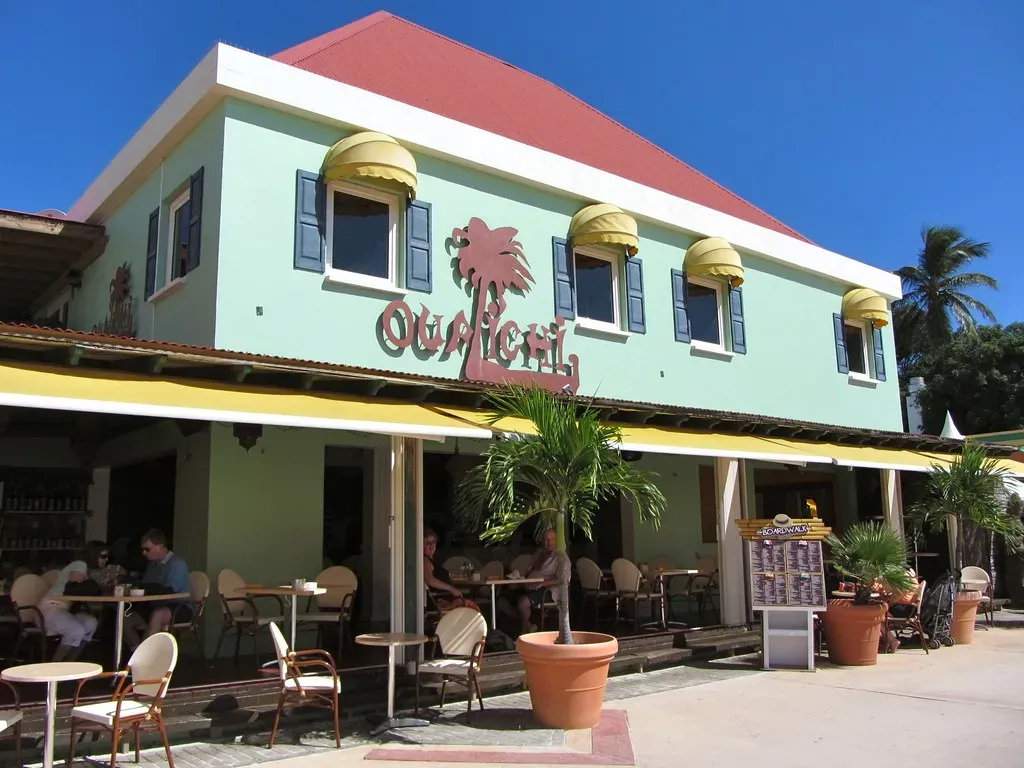
Walk in for a meal, walk out with a fridge magnet, a keychain, and a lighter wallet. Restaurants with souvenir shops nearby or selling souvenirs at the entrance are likely targeting tourists – and the food tends to reflect exactly that priority. The kitchen becomes secondary to the retail floor.
A tourist trap is an establishment created or repurposed with the aim of attracting tourists and their money, and they typically provide overpriced services, entertainment, food, souvenirs, and other products for tourists to purchase. Seniors who prioritize quality dining over novelty shopping will find these combo establishments a reliable disappointment. The souvenir shop is the business. The restaurant is just the bait.
5. The “Aggressively Promoted” Sidewalk Restaurant
If a staff member is standing outside waving a laminated photo menu at you and reciting the daily specials in three languages, that is not hospitality. That is a red flag dressed in an apron. Restaurants with staff outside trying to lure you in are usually tourist traps – authentic places simply don’t need aggressive tactics.
In tourist-heavy areas, you might encounter restaurants with staff standing outside trying to lure you in with multilingual menus and flashy signs, and these are often tourist traps. Furthermore, the more a restaurant proclaims its authenticity, the less likely it is to be genuinely authentic. Seniors who’ve traveled enough to see through the salesmanship know to keep walking and turn down a quieter side street instead.
6. The Hotel-Recommended “Sure Thing”

Your hotel concierge means well, probably. But if you’re in a larger city that tends to be a tourist town and the hotel recommends a place, there’s a good chance it’s a tourist trap – it’s better to ask whether the concierge can steer you somewhere more unique. Hotels and tourist restaurants often have cozy financial relationships that have nothing to do with the quality of your dinner.
People aged 65 and older will account for nearly one in five dollars of all U.S. restaurant spending by 2030, up from roughly one in ten in 2025. Seniors represent enormous purchasing power, and tourist ecosystems are built to capture it. Going off-script and skipping the concierge list is almost always the better move for a genuinely satisfying meal.
7. The Overpriced Waterfront or “Scenic Spot” Restaurant
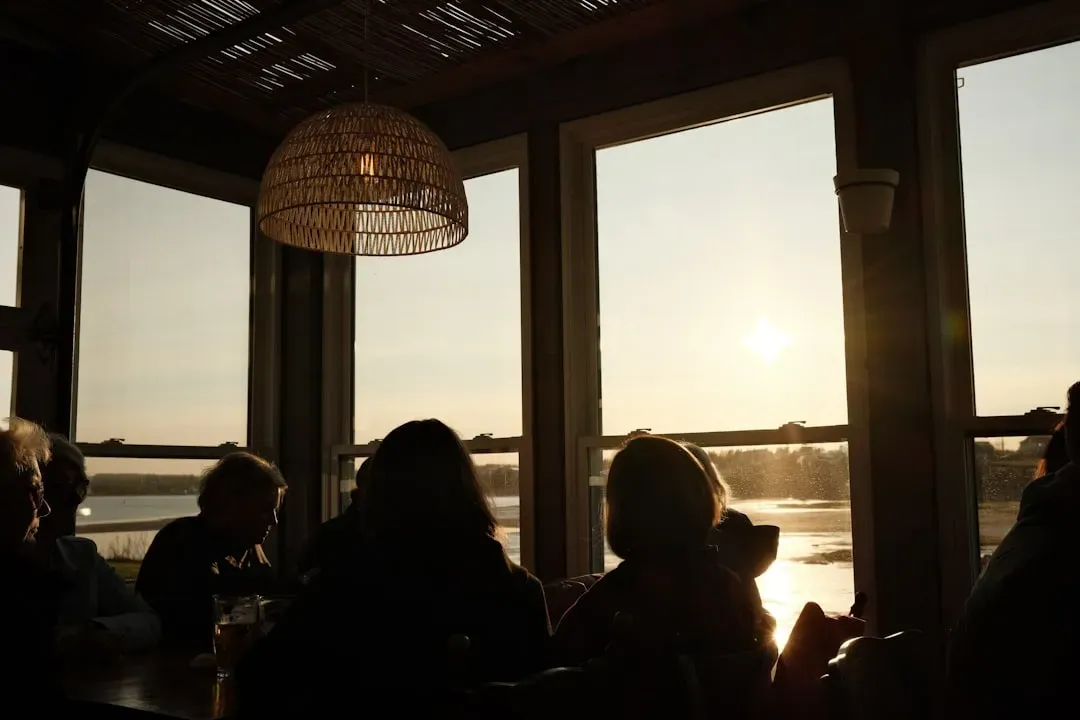
Waterfront dining sounds wonderful in theory. And sometimes it is. But the scenic-spot premium can be brutal. A standard burger and fries plus fish and chips in a well-marketed tourist spot near a famous attraction can cost over $68 before beverages, taxes, and gratuity – an exorbitant price for what is essentially fast food. The view is doing a lot of heavy lifting that the kitchen simply cannot match.
Seniors have been found to dislike how closely together restaurant tables are placed, an issue that also worsens two other concerns that bother senior diners: noise levels and the feeling that aisles are too narrow. Scenic waterfront restaurants packed with tourists are almost designed to maximize all three of these problems at once. Travel and tourism typically accounts for roughly three in every ten dollars spent at U.S. restaurants, which means these scenic spots stay packed regardless of quality – a dynamic that never works in the diner’s favor.
8. The “Themed Experience” Spectacle Dining Venue
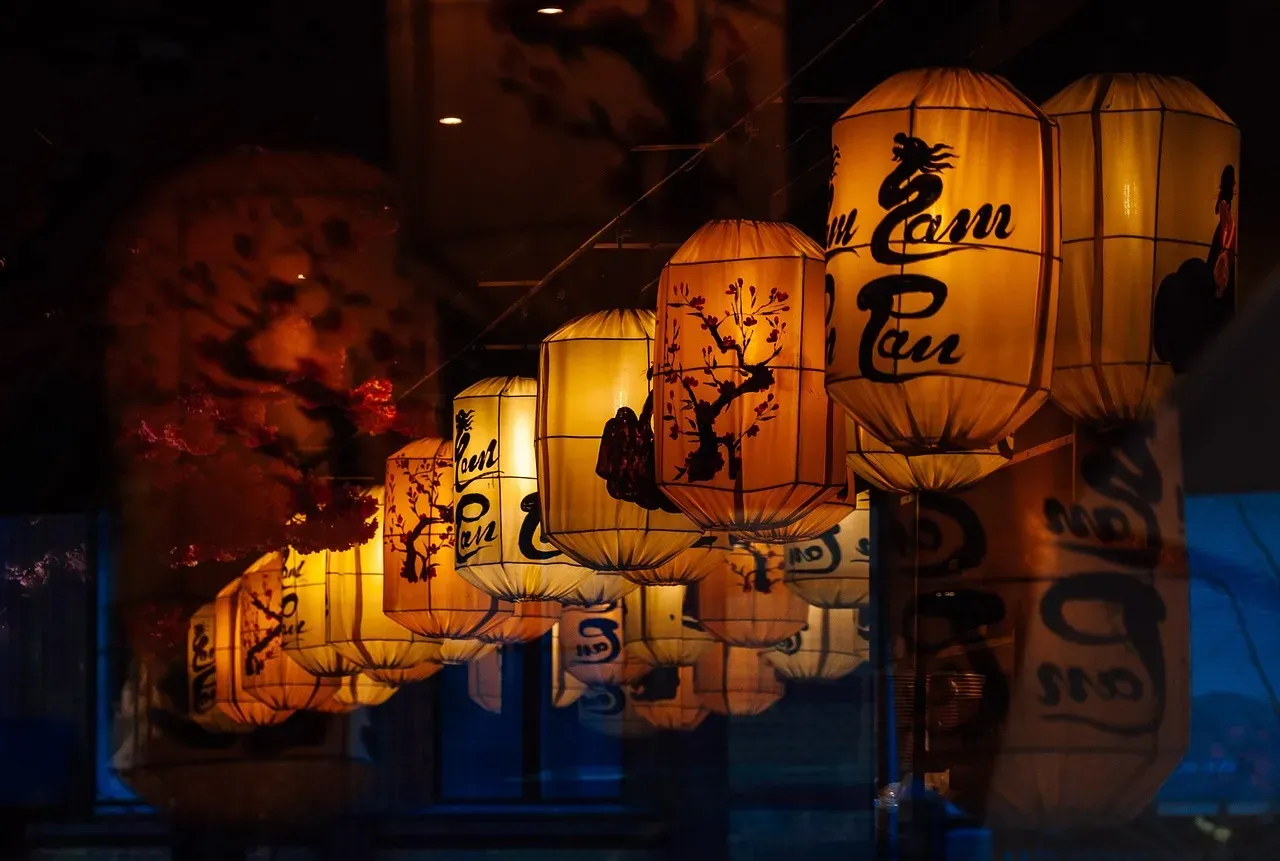
Medieval banquets. Rainforest simulations. Animatronic dinner shows. These places promise an experience and deliver a bill. The marketed image of an exciting, immersive dining experience is often a stark contrast to what diners actually encounter, with an atmosphere that is underwhelming due to poor seating arrangements and food that, while edible, is overpriced and lacking in both quality and perception of value.
Crowded, noisy restaurants can be overwhelming for some seniors, especially those with dementia, and it’s easier to keep them at ease with a more intimate setting. Themed restaurants are essentially the loudest, most chaotic version of every dining problem seniors already face. Despite improvements some tourist venues have made over the years, the underlying business model often remains the same: capitalizing on tourists’ willingness to pay extra for convenience and the allure of a trendy or iconic location. For most retirees, the novelty wears off before the appetizers arrive.