Why 2005 Buffalo Nickels Are Suddenly Surging in Value
You probably walked past one today without giving it a second thought. Maybe it’s sitting in your car’s cup holder or buried at the bottom of a junk drawer. Here’s the thing though: that worn nickel from 2005 with the buffalo on the back might be worth way more than five cents. Some collectors are shelling out hundreds or even thousands for these coins.
What’s fueling this unexpected frenzy? Let’s dig into why a modern coin that’s barely twenty years old is causing such a stir in numismatic circles.
The Speared Bison Error Is Driving Collector Demand
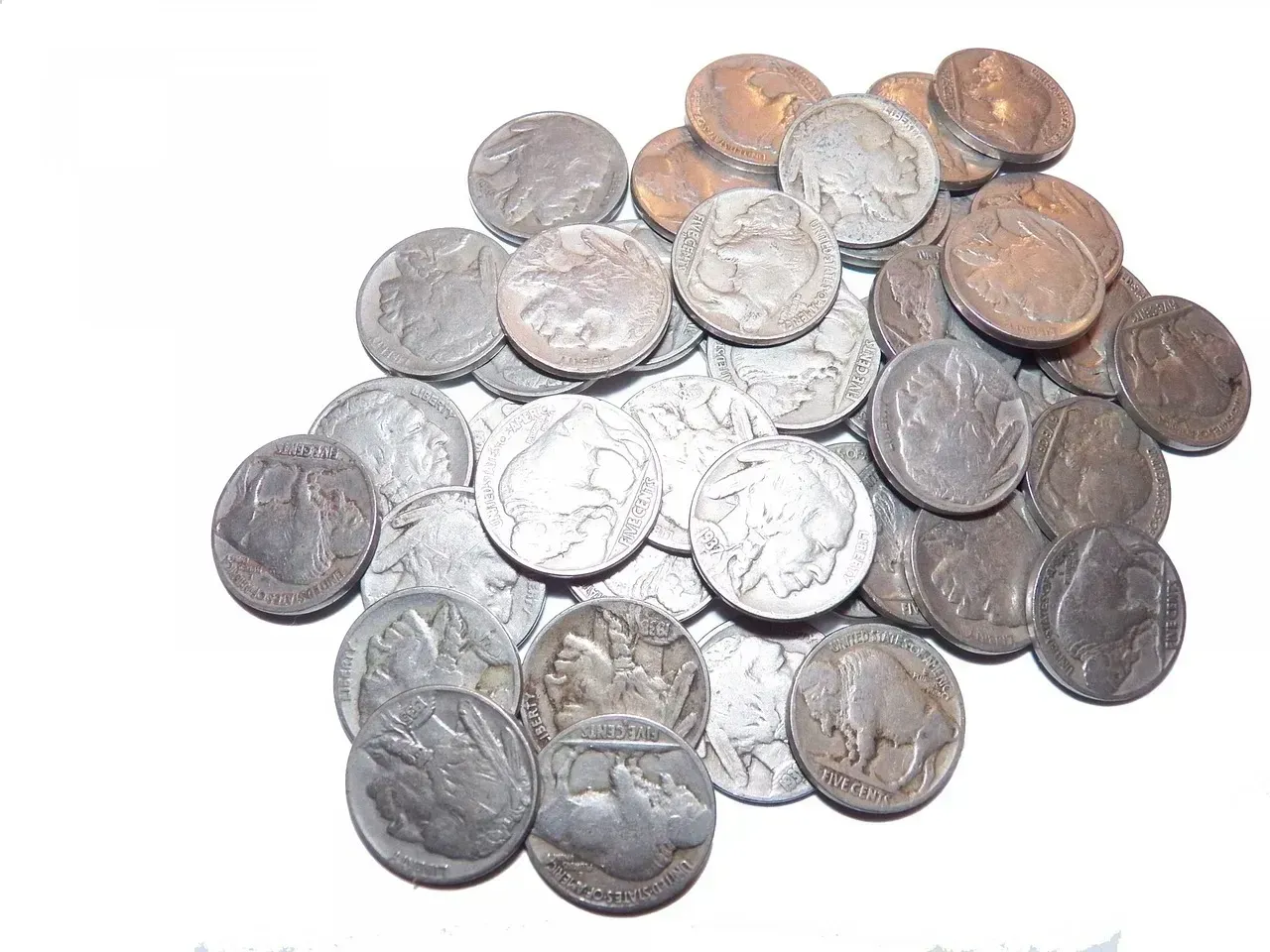
The speared bison variety is the rarest 2005 buffalo nickel, featuring a unique reverse design that fetched a record-breaking $2,650 in a 2021 auction. This dramatic error occurs when a die develops a gouge during the minting process. Picture this: a raised line slashes across the buffalo’s body, looking exactly like someone jabbed a spear straight through the poor beast.
The Speared bison coin features a bison image with a visible line that strikes (spears) through the back of the bison. The issue is a result of a large die gouge error. In this case, a gouge or groove was formed on the surface of the dies used in striking the coins. These gouges, in turn, left several raised areas on a few coins during production. Essentially, it appears a die with a gouge was used to make possibly thousands of coins. Still, finding one feels like hitting the lottery. The evaluation price increased by $100 between 2021 and 2023, which tells us that the coin is in high demand and it is projected to increase in value in the foreseeable future.
High Grade Uncirculated Coins Are Appreciating Rapidly
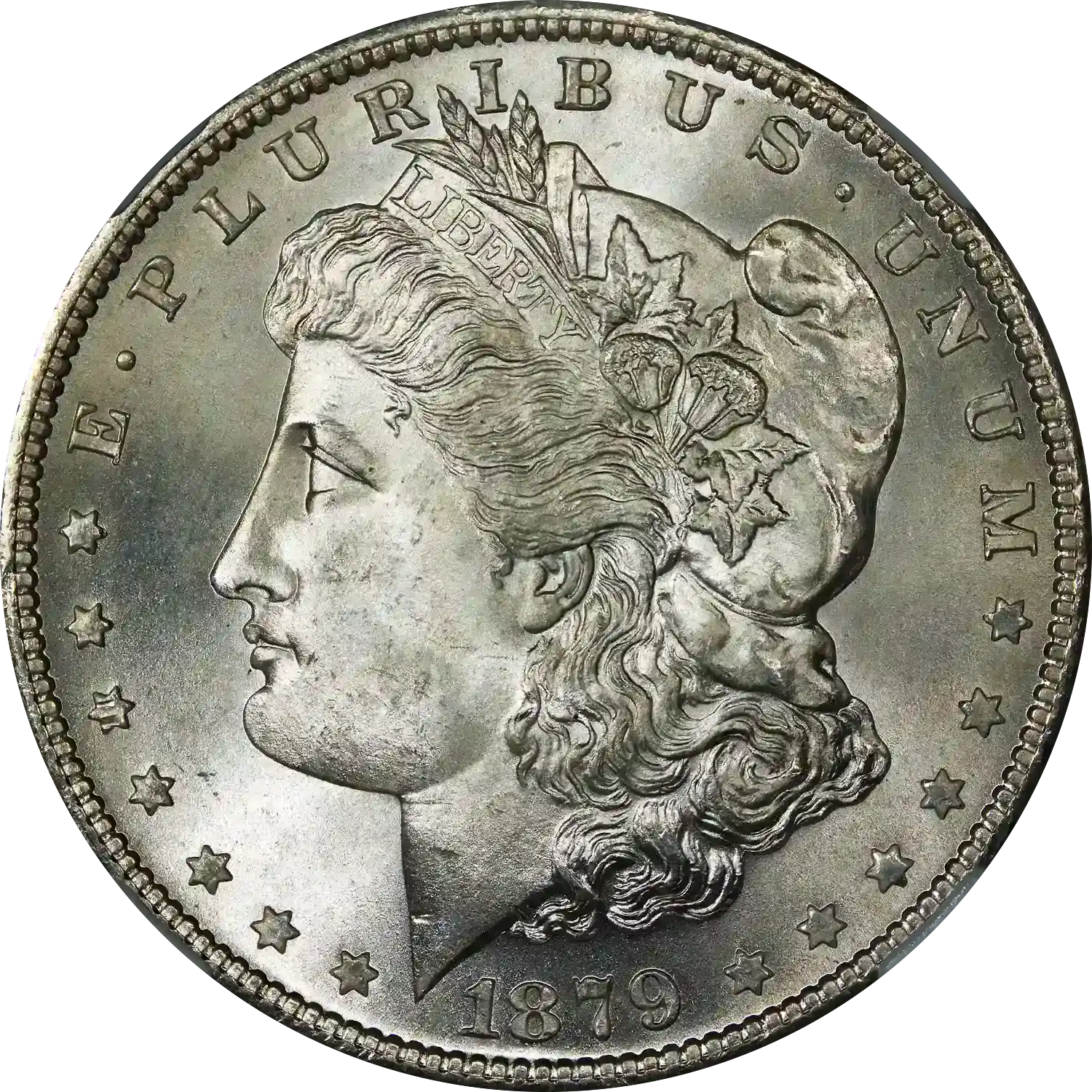
Error-free versions in grades like MS67 have surged in value, rising by more than 50% in some cases. This indicates a growing interest in pristine examples, even without errors. Think about it: nearly a billion of these nickels were struck, yet finding one in absolutely flawless condition is surprisingly difficult.
Most went straight into circulation where they got banged up, scratched, and worn down. This trend stems from increased demand among intermediate collectors who are eager to acquire rather cheap pieces. Coins in grades like MS63 to MS65 have appreciated significantly on the numismatic market. It’s becoming clear that condition matters enormously, even for modern issues that many dismissed as too common to ever be valuable.
Die Crack Errors Are Fetching Impressive Auction Prices
In 2023, at the Great Collections auctioned a large obverse die crack error on a 2005-P nickel graded MS63 for an impressive $880. Die cracks happen when the metal dies used to strike coins develop actual cracks or breaks. During the striking process, metal fills these cracks, creating raised lines on the finished coin.
The results can be subtle or dramatic. Some show thin lines snaking across Jefferson’s portrait. Others display bold cracks splitting the design in half. Collectors go nuts for these because each crack pattern is unique, like a fingerprint. Other rare 2005 Buffalo Nickel error examples include die cracks, off-center strikes, double strikes, and cuds. For example, coins with significant die breaks or visible misalignments can sell for $50 to $200 or more.
Improperly Annealed Planchet Errors Command Strong Premiums
One coin graded MS62 even sold for $725 at auction in 2023. These coins look completely different from normal nickels. Instead of the typical silvery color, they display a striking reddish or coppery tone across the entire surface.
The red improperly annealed planchet bison nickel error is caused when the planchet is exposed to excessive heating or cooling in the annealing chambers. The term “Annealing” means the heating and cooling process planchet under go in preparation for striking. When the temperature goes haywire, copper from the coin’s core migrates to the surface, creating that unusual coloration. Depending on the grade and how intense the coloring is, these error nickels can sell for anywhere between $200 and $750. Honestly, these are some of the easiest errors to spot because the color difference is so obvious.
Die Adjustment Strikes Are Rare and Valuable
In 2023, one of the 2005 D MS65 Jefferson Buffalo Nickel Die Adjustment Error coin was paid for $845 for it. These errors are trickier to identify because they’re more subtle than a giant crack or weird color. The coin looks weakly struck, with faint details and a somewhat ghostly appearance.
What happened? Workers at the mint constantly adjust the dies to ensure proper striking pressure. When the adjustment isn’t quite right, the die doesn’t hit the planchet with enough force. Parts of the design come out mushy or incomplete. The buffalo might look like it’s fading into the background. Jefferson’s profile could appear soft and undefined. These imperfections annoy quality control but thrill collectors searching for manufacturing mistakes.
Strike Through Errors Create Unique Collectible Varieties
In 2022, a 2005-P nickel graded MS64 with an obverse strike-through error for $620 at Heritage Auctions. Imagine a tiny piece of debris, maybe cloth fibers or a metal fragment, landing on the die right before striking. The machinery doesn’t notice and slams the planchet anyway.
The strike through error occurs when an object is accidentally struck between the die and planchet that leaves an impression of the object on the coin design. This object would be anything that ranges from a feather, pieces of cloth, strands of hair, pieces of metals, or even an organism. The result? A coin bearing the ghostly impression of whatever got squished. It’s hard to say for sure, but collectors find these fascinating because they capture a moment of chaos in an otherwise precise process.
Missing Clad Layer Errors Are Highly Sought After

In 2023, a collector went ahead to pay $635 for a 2005-P nickel graded MS60 with a missing clad layer error on the obverse. Nickels are made with a copper core sandwiched between cupronickel layers. Sometimes, due to impurities or lamination problems, one of those outer layers just peels right off.
The exposed copper core creates a coin that’s half normal colored and half coppery. It looks almost like someone painted half the coin. This is the missing clad layer error, which as the moniker suggest, is an upper clad layer on the coin is missing due to lamination issue. The clad layers resulting in bubbling, cracking, and peeling are weakened due to the presence of impurities. These errors aren’t super common, which explains why people will drop serious cash on them.
Detached Leg Variety Is Easy to Spot and Popular
In circulated condition, a detached leg nickel might fetch $30 to $60, but in higher grades – especially MS64 and above – prices can climb to $100 to $400. This variety shows the buffalo appearing to have a missing or partially missing front leg. Before you worry about animal cruelty, relax.
It’s actually a struck-through grease error. Grease or debris on the die during minting can prevent parts of the image from striking properly, leading to missing or faded details. The leg is still there in the die, but grease blocked it from transferring to the coin. Collectors love this type of error because it’s so easy to spot. You don’t need a magnifying glass or expert knowledge. Just look at the buffalo and count the legs.
Proof Coins from San Francisco Maintain Steady Value
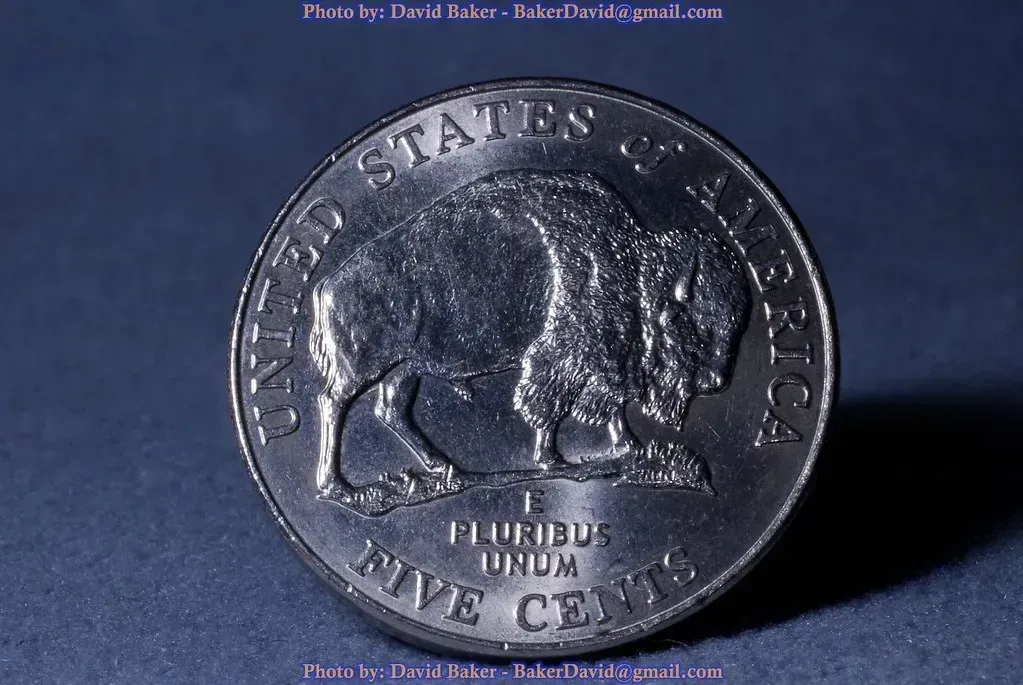
San Francisco produced only proof coins, with a limited mintage of about 3.3 million. These coins, specially struck for collectors, exhibit mirror-like surfaces and sharp details. Proof nickels, depending on condition and cameo quality, can be worth $10 to $25. These weren’t meant for everyday spending. They came in special collector sets with protective packaging.
The San Francisco mint struck each one multiple times with polished dies to create those gorgeous mirror-like fields. PR70 is the highest priced coin, with an auction record of $546. PR70 is usually valued at $30, PR69 at $14, and PR68 at $2. The highest grades remain tough to find because even tiny imperfections disqualify a coin from perfect status. These offer a more affordable entry point for collectors who want something special without gambling on finding an error coin.
The Historical Context Adds Emotional Appeal
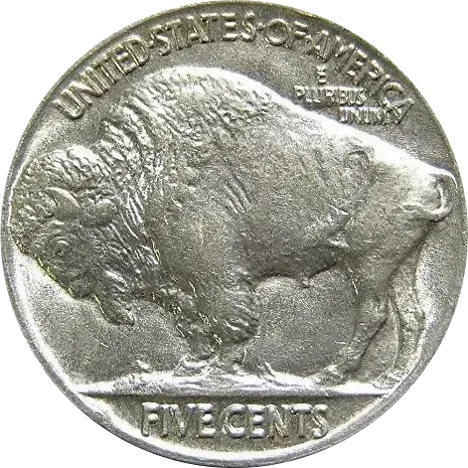
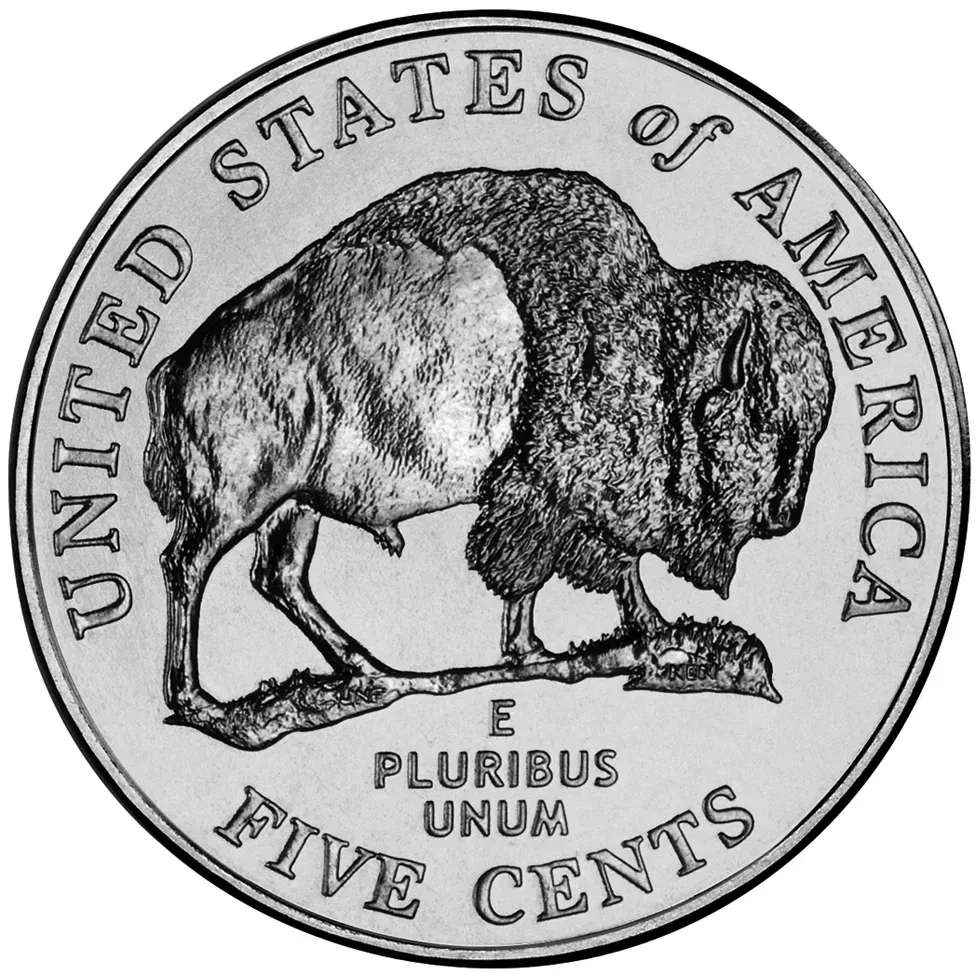
In the early Spring of 2005, the U.S. Mint released a magnificent new, one-time-only commemorative Nickel honoring the 200th anniversary of the Lewis and Clark Expedition. This wasn’t just another nickel design. It celebrated a pivotal moment in American expansion and exploration.
The coin features a buffalo to symbolize both the American West that the Lewis and Clark Expedition was exploring for the first time, and the wildlife that the expedition encountered on its historic journey from St. Louis to Oregon’s Pacific Ocean coast in 1804-1805. It is reminiscent of the classic 1913-1938 Buffalo Nickel one of the favorite coins among collectors of all ages. That emotional connection matters. Collectors aren’t just buying metal discs. They’re acquiring pieces that link modern America to frontier history. The 2005 Buffalo Nickel was made for only a few months in early 2005, then the mintage stopped forever. No more of these coins will ever be made, therefore ensuring their scarcity and collector value into the future.
The combination of historical significance, limited production period, and numerous mint errors has created a perfect storm. What seemed like ordinary pocket change twenty years ago is now commanding attention from serious numismatists and casual collectors alike. Whether you’re hunting through old coin jars or checking your change at the grocery store, it might be worth taking a closer look at those 2005 nickels. You never know what you might find hiding in plain sight.