11 Common Garage Items That Aren’t Worth Holding On To
Nearly half of homeowners consider their garage the most disorganized area of their house, and let’s be real, it’s not hard to see why. Garages have this uncanny ability to become the final resting place for things we can’t quite commit to throwing away. You tell yourself you’ll get around to organizing that corner pile, or maybe those old paint cans will come in handy someday. Spoiler alert: they probably won’t.
The truth is, cluttered garages aren’t just an eyesore. They create safety hazards, attract pests, and waste valuable space that could actually serve a purpose. Here’s the thing, sometimes the best way to organize is to simply let go. We’ve rounded up items commonly found lurking in garages that are honestly not worth keeping. Time to reclaim that space.
Old Paint Cans
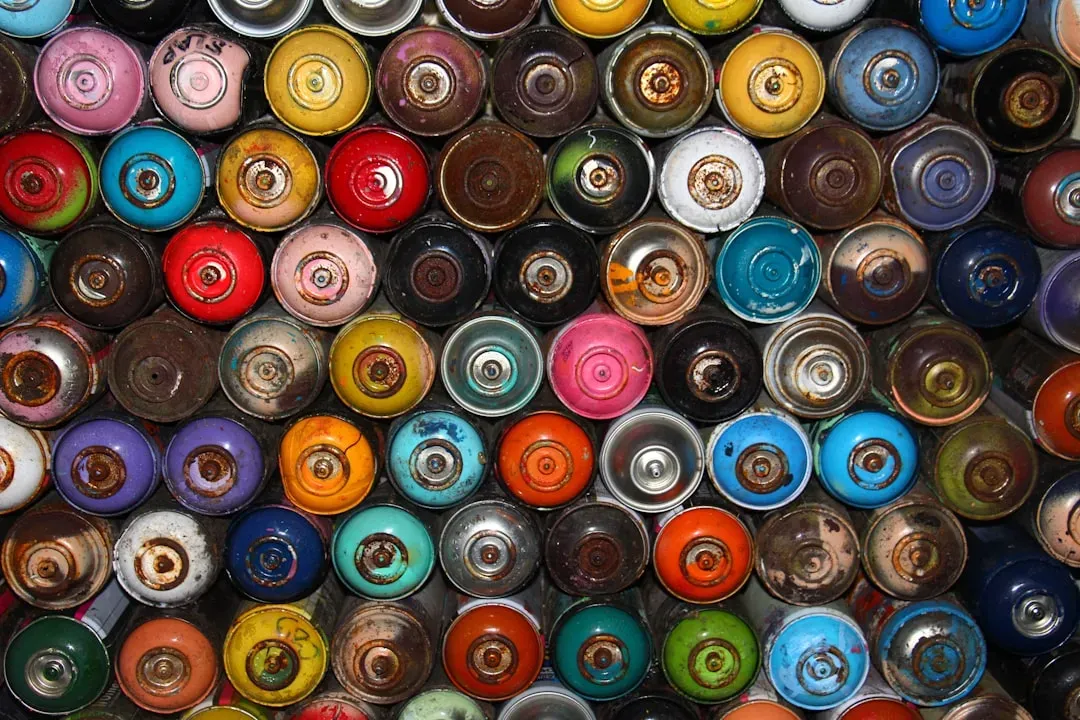
Storing paint in the garage is generally not a good idea, especially if you live in a location with extreme weather conditions, as paint can become lumpy when it goes through repeated cycles of freezing and thawing. Most garages that would be considered cluttered probably have some unused, partially used, or empty paint cans stored in them, and unless your garage is climate-controlled, paint won’t keep very well when stored there over long periods as temperature fluctuations will alter the consistency of stored paint, separate the colors, and cause the paint to dry out. Expired paint can be dried out and unusable, not to mention hazardous. Those crusty cans sitting on your shelf are basically just taking up room and potentially creating a fire hazard if they contain flammable materials.
Used Motor Oil and Fluids
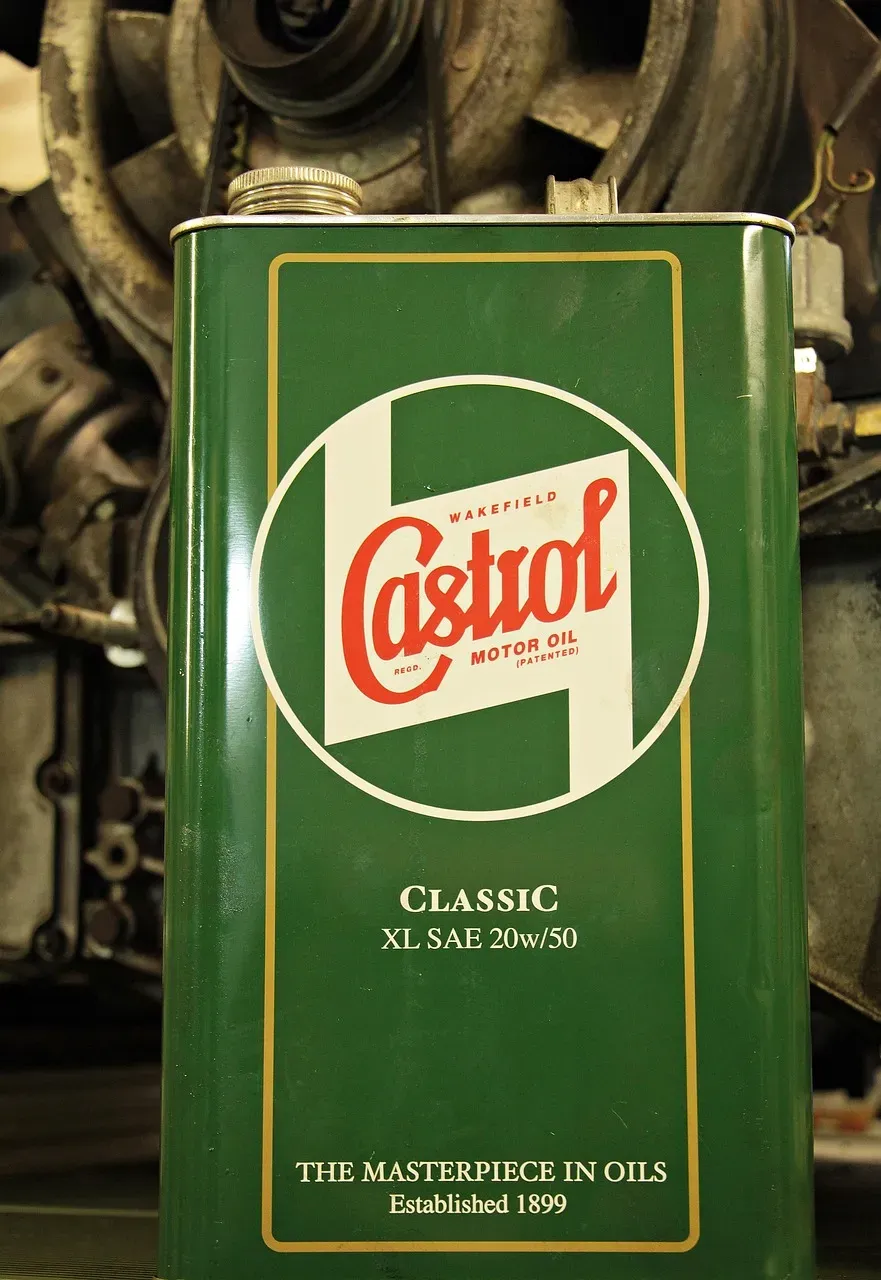
Keeping old motor oil or other automotive fluids around in your garage is more trouble than it’s worth. It’s against the law to improperly dispose of used oil, and instead of dumping your used oil, take it to a service establishment or a retail establishment for recycling. The release of used oil can have adverse effects on the environment, as just one gallon of used oil can make a million gallons of fresh water undrinkable. Storing these fluids improperly also creates spill risks that can stain your garage floor and release toxic fumes. Many auto parts stores and service stations will accept used oil for free, so there’s really no reason to hoard it.
Broken or Rusted Tools
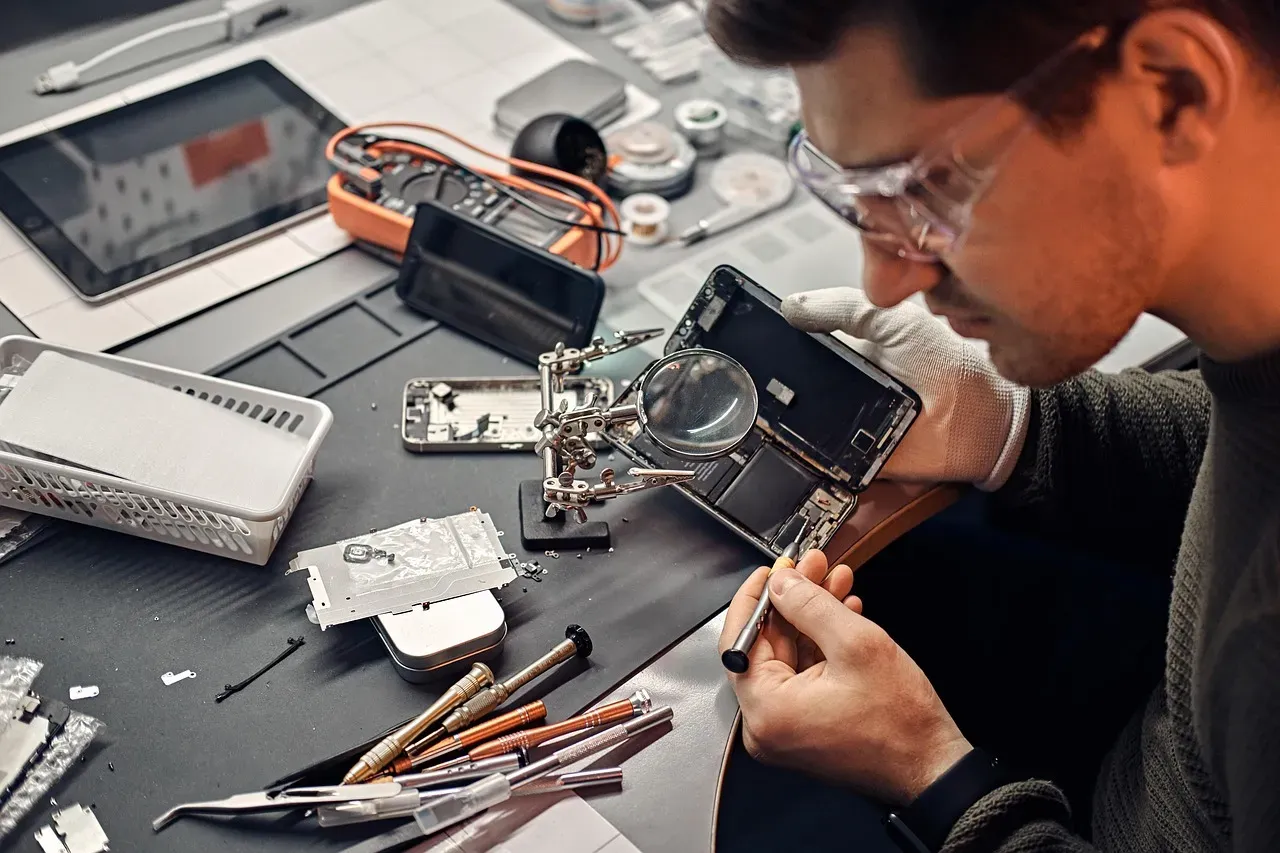
As a general rule, if the cost for the repair is going to be 50% or more of the cost of purchasing a new power tool as a replacement, you should probably buy the new product. That broken drill you’ve been meaning to fix for three years? It’s time to face reality. The older your machinery, the more extensive repairs it will need, which often translates to higher maintenance costs. Holding onto broken tools just creates clutter and false hope. Honestly, if you haven’t fixed it by now, you’re probably not going to. Replace what’s broken or toss it, because broken tools don’t magically repair themselves.
Cardboard Boxes
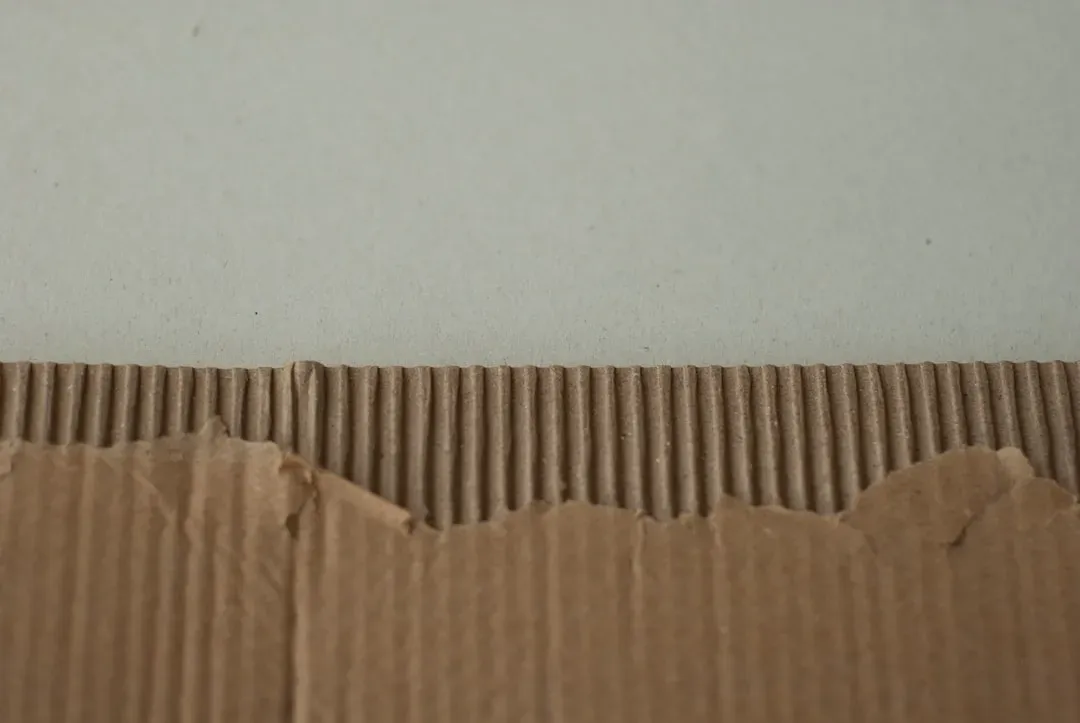
When it comes to pests, cardboard boxes are not your friend as cardboard is susceptible to moisture and humidity and attractive to many types of insects. Cardboard contains cellulose fibers that serve as food sources for silverfish, termites, and certain beetle species that can digest these plant-based materials. If you keep boxes in your garage, you’re likely to attract a variety of pests, including cockroaches, spiders, and termites, as cockroaches love cardboard boxes to lay eggs and grow their nursery, while termites and silverfish are other tiny pests that like to hide and eat boxes. Those flattened Amazon boxes you’re saving for your next move are basically a five-star hotel for unwanted critters.
Expired Chemicals and Pesticides

EPA considers some leftover household products that can catch fire, react, or explode under certain circumstances, or that are corrosive or toxic as household hazardous waste, and products such as paints, cleaners, oils, batteries, and pesticides can contain hazardous ingredients and require special care when you dispose of them. That rusty can of bug spray from 2015 isn’t going to work anymore, and it could be dangerous. Ordinary products such as cleaning products, batteries, light bulbs, paint, pesticides and motor oil can be harmful and potentially dangerous if disposed incorrectly, as some products may cause fires or contaminate our soil, groundwater, lakes and streams, while other products contain chemicals that can expose both children and adults to serious health risks. Most communities have hazardous waste collection programs where you can safely dispose of these items.
Old Tires
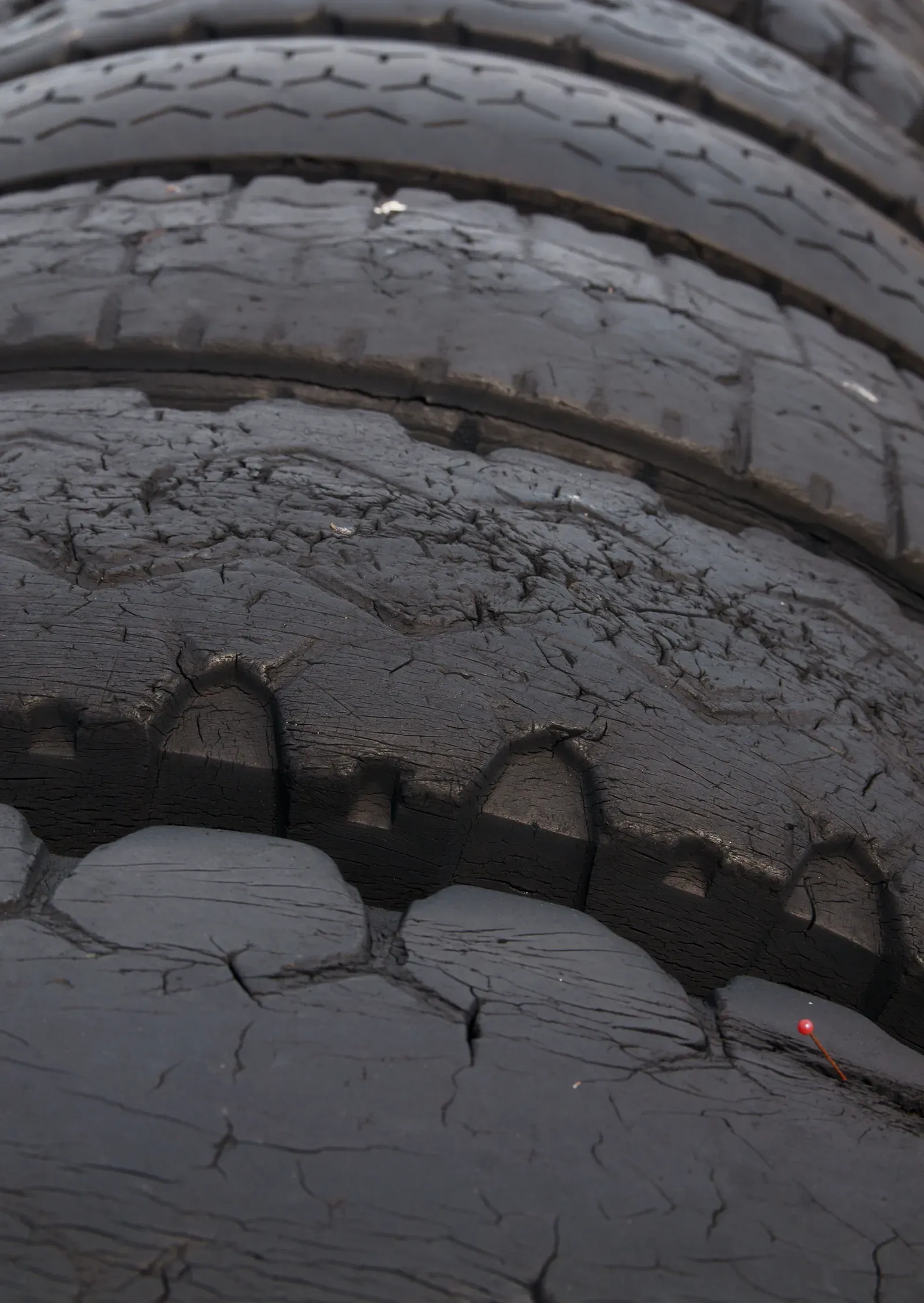
Old car, truck, and bike tires usually end up in the corner of a garage on the floor, but you can’t just toss them in the garbage anymore, as tires can be recycled into many different things. Keeping old tires is a waste of precious floor space. If you’re keeping old tires stored in the garage for use later, be mindful that they do have a best before date, as the rubber in tires degrades over time, which is known as tire dry rot or sidewall cracking, and in most cases, if the tires are more than 10 years old, get rid of them. Take them to a recycling center or tire retailer instead of letting them collect dust and attract rodents looking for nesting materials.
Outgrown Sports Equipment
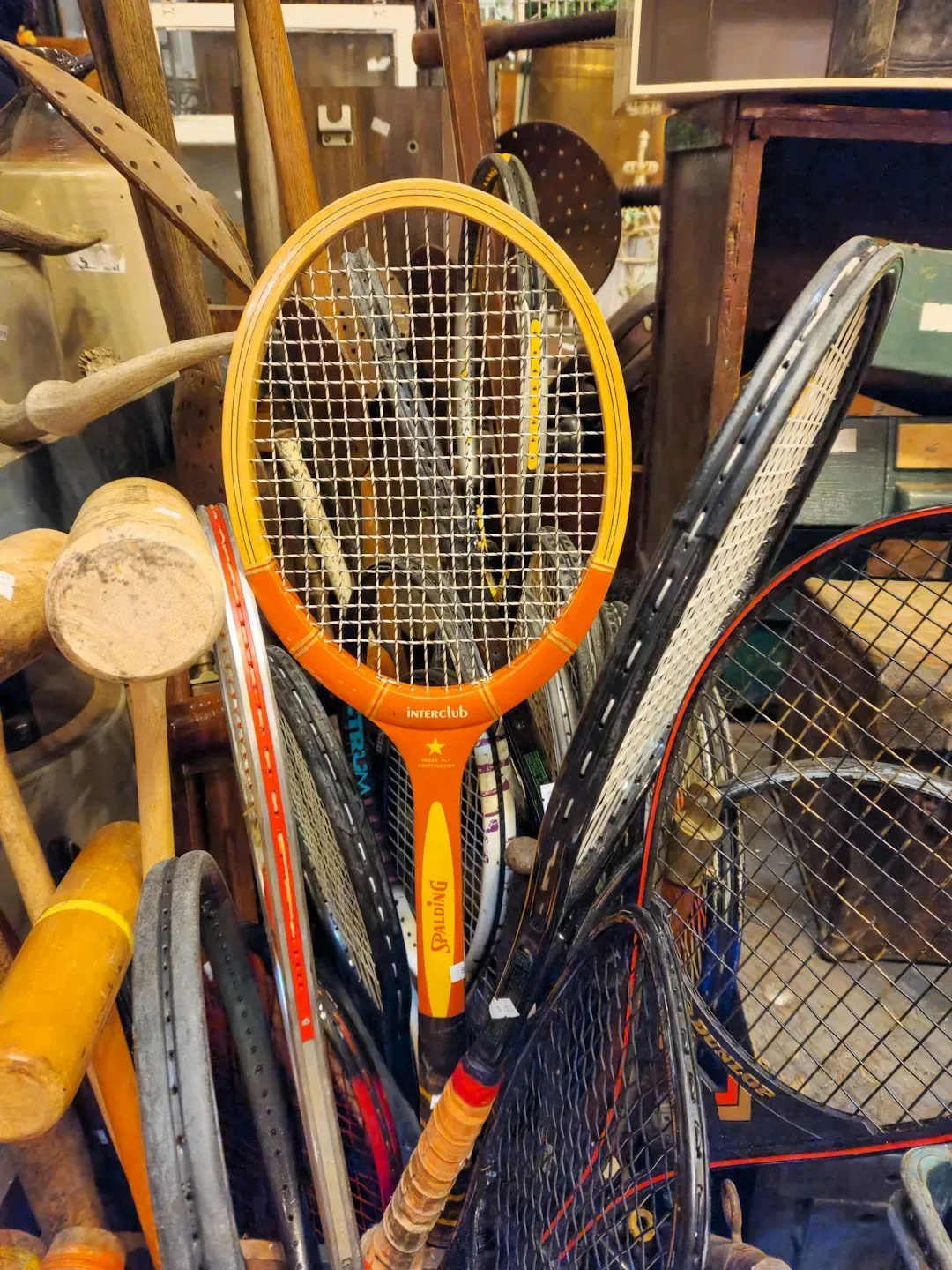
You haven’t touched your golf clubs in years, the tennis racquet you planned to get restrung years ago is still collecting dust, and your old inline skates fell and bonked you on the head the last time you rummaged around for lightbulbs, so you probably aren’t ever going to use that old equipment, and you should make space for something you will use by giving it to a friend, using an app like OfferUp or taking it to a resale store. It’s hard to say for sure, but if your kids have moved on to high school and those little league bats are still hanging around, it might be time to pass them along to someone who can actually use them.
Unused Holiday Decorations
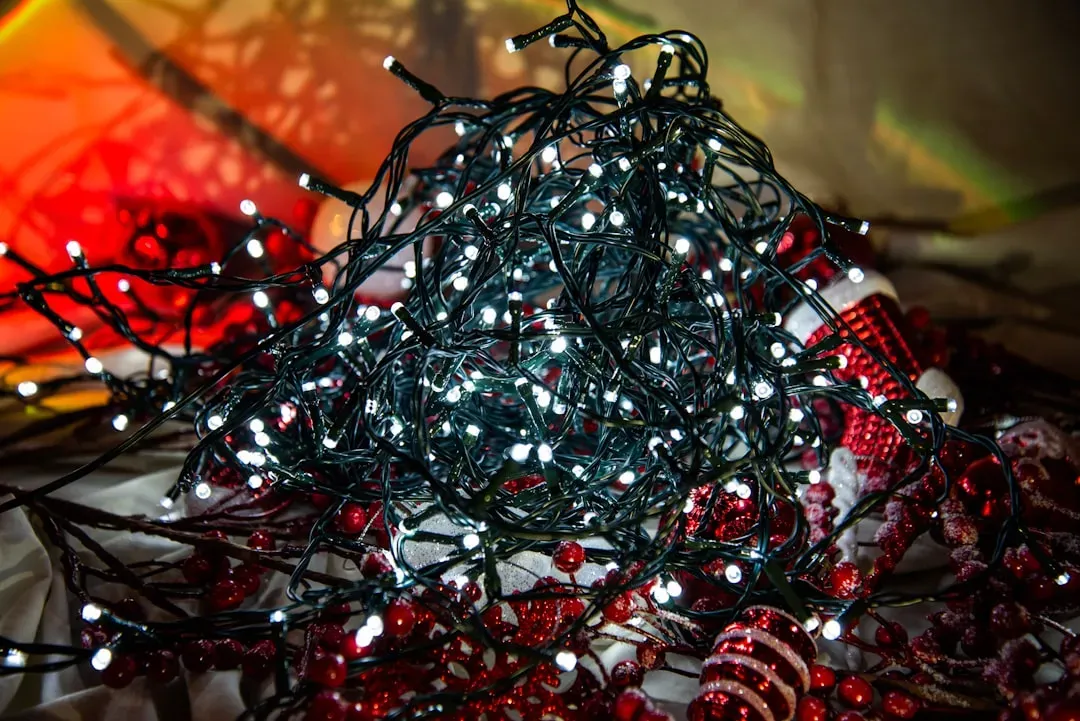
You might have hand-picked each decor piece stored in your garage, but if they don’t sparkle the way they used to or look their age no matter how much you fluff them up, maybe it’s time to part with them, so sift through the boxes and put the items that are usable in one pile and the broken or redundant ones in another. Let’s be honest, how many strings of tangled lights that don’t work anymore are you really going to fix? The cracked lawn ornaments and faded wreaths aren’t getting any better with age. Keep what you actually use each year and donate or discard the rest.
Outdated Electronics
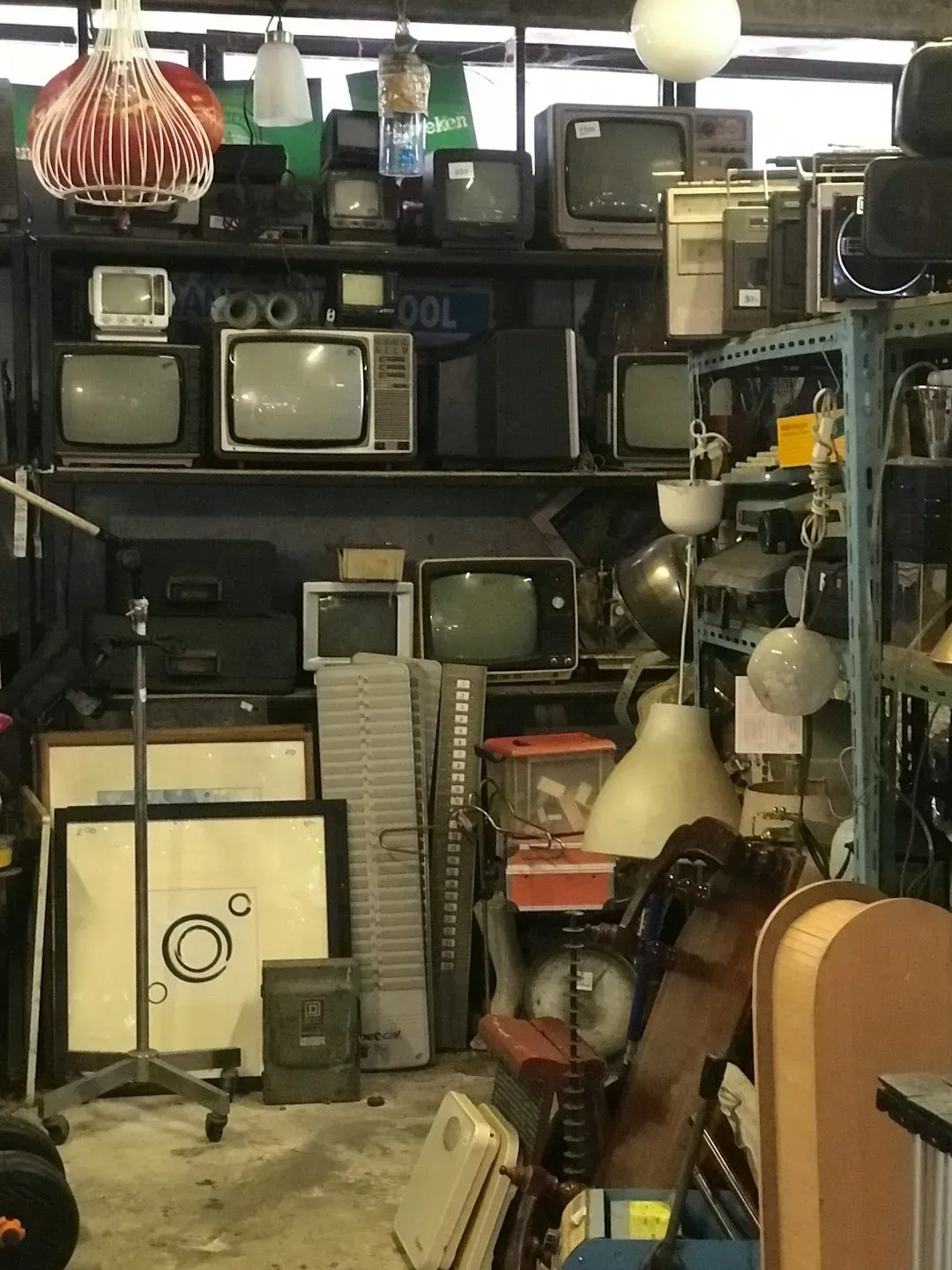
It’s tempting to hold onto outdated computers, old flip phones, or cassette players, especially if they’re in good condition, but they usually have little value unless these electronics are rare or collectible, and their technology is obsolete, meaning in most cases, they’re just taking up space. That dusty VCR and collection of scratched DVDs aren’t making a comeback. Electronic waste needs to be disposed of properly at designated recycling centers, not stashed in your garage indefinitely. Many retailers now offer electronic recycling programs that make disposal simple and environmentally responsible.
Old Furniture You’ll Never Refinish
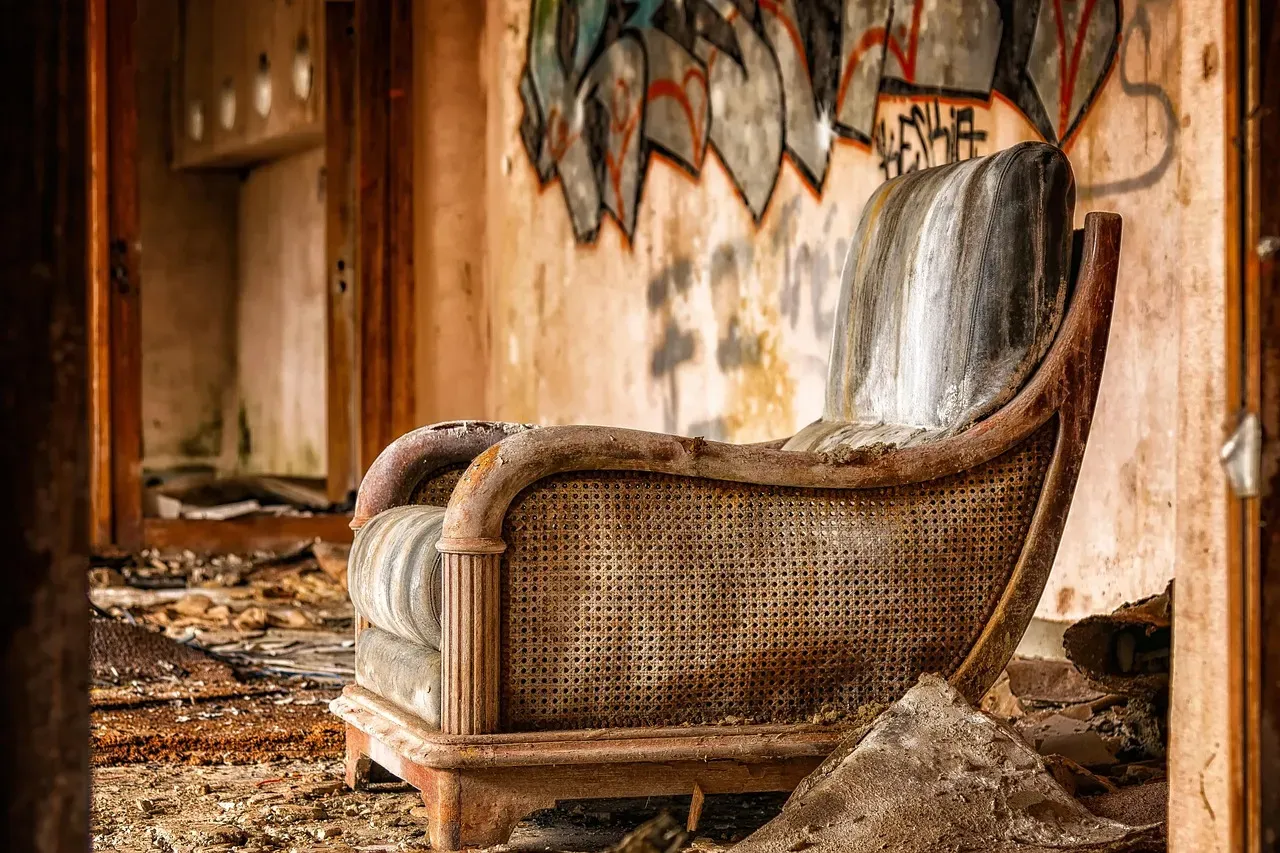
It might be hard to let go of that old couch or armchair, but unless it’s an antique or a designer piece, it probably won’t bring in much money, and large items like furniture take up a lot of space in your garage, so donating them and clearing the clutter might be worth it. You know that chair you swore you’d reupholster five years ago? If you haven’t started by now, you’re not going to. Broken furniture attracts pests, collects dust, and wastes space that could be used for things you actually need. Time to let it go and free up that floor space.
Bags of Donation Items You Never Donated

Marie Kondo convinced you to get everything that doesn’t spark joy out of your bedroom, kitchen, home office and closet, but instead of making a Goodwill run, you dragged boxes and bags of ill-fitting clothes, mismatched dishes and unwanted craft supplies to the garage, and now those items are cluttering up the garage, so the time to remove them is now by taking them to a nearby donation collection site yourself, or contacting an organization such as the Vietnam Veterans of America’s Pick Up Please that will haul it all away for you. It’s ironic, isn’t it? You decluttered your house only to relocate the problem to your garage. Those bags have been sitting there for months, maybe years. Schedule a pickup or drop them off this weekend. Seriously, put it on your calendar right now.
Getting rid of these items might feel overwhelming at first, but the payoff is absolutely worth it. You’ll have more usable space, fewer safety hazards, and a garage that actually functions as intended. What do you think is the hardest thing to part with in your garage?