Gone but Not Forgotten: 5 Fast-Food Chains That No Longer Exist
There’s something deeply nostalgic about remembering the fast-food chains that once dotted American highways and strip malls. These places weren’t just restaurants. They were landmarks of childhood, pit stops on family road trips, and the backdrop to countless memories. Today, many have vanished entirely from the landscape, leaving behind only faded photographs and wistful recollections. What happened to these once-thriving empires?
Let’s be real, the restaurant industry is brutal. Even the biggest names can crumble under financial pressure, shifting tastes, or plain bad luck. Some chains expanded too quickly, while others simply couldn’t keep up with the competition. The stories behind these closures reveal a lot about American dining culture and how quickly fortunes can change. So what were these beloved spots, and why did they disappear?
Arthur Treacher’s Fish and Chips: From 826 Locations to Just Three
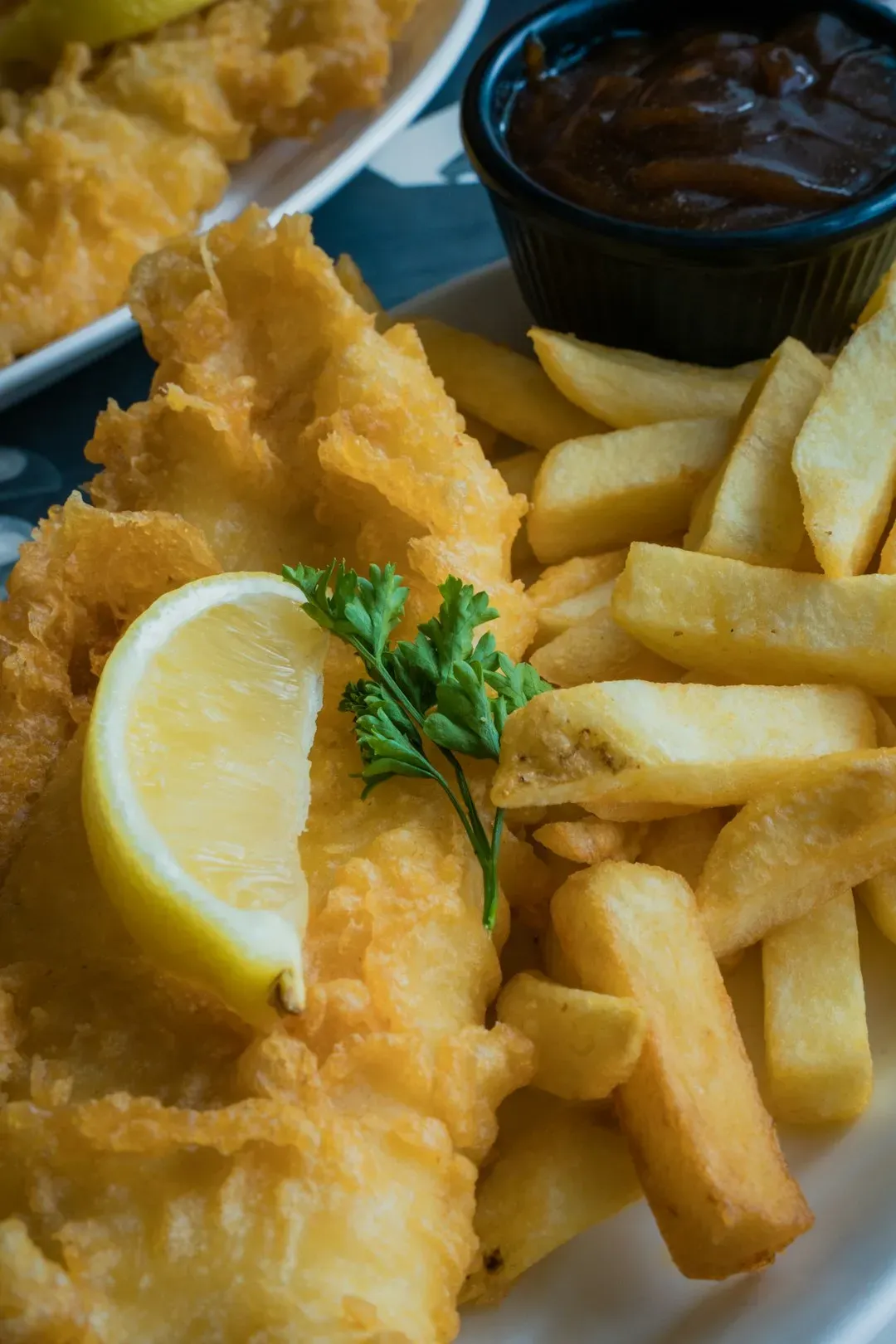
Arthur Treacher’s Fish and Chips peaked in the late 1970s with 826 stores, but as of 2025, there are only three stand-alone Arthur Treacher’s locations remaining, all clustered in Northeast Ohio. The dramatic collapse of this seafood chain reads like a cautionary tale about external forces beyond any company’s control. The franchise was established in 1969 in Columbus, Ohio, with founders including Dave Thomas, the future Wendy’s founder, who helped develop what became an authentic British fish and chips experience.
The Cod Wars between the UK and Iceland during the 1970s caused cod prices to double, and Mrs. Paul’s responded by replacing Icelandic cod in Arthur Treacher’s recipe with less expensive pollock. This seemingly small change alienated franchisees and customers alike. After losing a legal case to franchisees, Mrs. Paul’s sold Arthur Treacher’s to Lumara Foods in March 1982, which filed for reorganization under Chapter 11 just four months later. The company never recovered from these compounding disasters.
As of 2025, there are only three stand-alone Arthur Treacher’s locations remaining in the U.S., all in Northeast Ohio: Cuyahoga Falls, Garfield Heights, and Cleveland Heights. Interestingly, a third location in Cleveland Heights reopened in April 2025, marking a small comeback attempt for the nearly extinct brand. The story of Arthur Treacher’s shows how geopolitical conflicts can sink an entire restaurant empire. Nobody expected a fishing dispute between Iceland and Britain to destroy an American fast-food chain, yet that’s exactly what happened.
Chi-Chi’s: A Hepatitis Outbreak That Killed a Chain
By March 1995, the Chi-Chi’s chain had grown to 210 locations, but in 2003, a hepatitis A outbreak became the largest in U.S. history, claiming 660 victims and resulting in four deaths. The outbreak was devastating, not just in human terms, but for the company’s survival. Cases of hepatitis A in the Pittsburgh area were traced back to a Chi-Chi’s location in Monaca, Pennsylvania, with the contagious virus tied to green onions served at the restaurant. More than 300 people sued the chain for damages.
The tragedy happened at the worst possible time. One month before the 2003 outbreak, Chi-Chi’s filed for Chapter 11 bankruptcy protection. On the weekend of September 18, 2004, Chi-Chi’s closed all 65 of its remaining restaurants. The company simply couldn’t survive the dual assault of bankruptcy and a catastrophic public health crisis. What once seemed like a permanent fixture of American casual dining disappeared almost overnight.
There’s a bittersweet epilogue to this story. The first restaurant in the revived chain opened in St. Louis Park, Minnesota on October 6, 2025, after Hormel Foods struck a deal with Michael McDermott, the son of the brand’s founder, allowing McDermott to open restaurants under the Chi-Chi’s name starting in 2025. Whether Americans will embrace a brand connected to such tragedy remains to be seen. Sometimes, a comeback is possible, even after the worst disasters.
Howard Johnson’s: The Orange Roof Empire That Faded Away
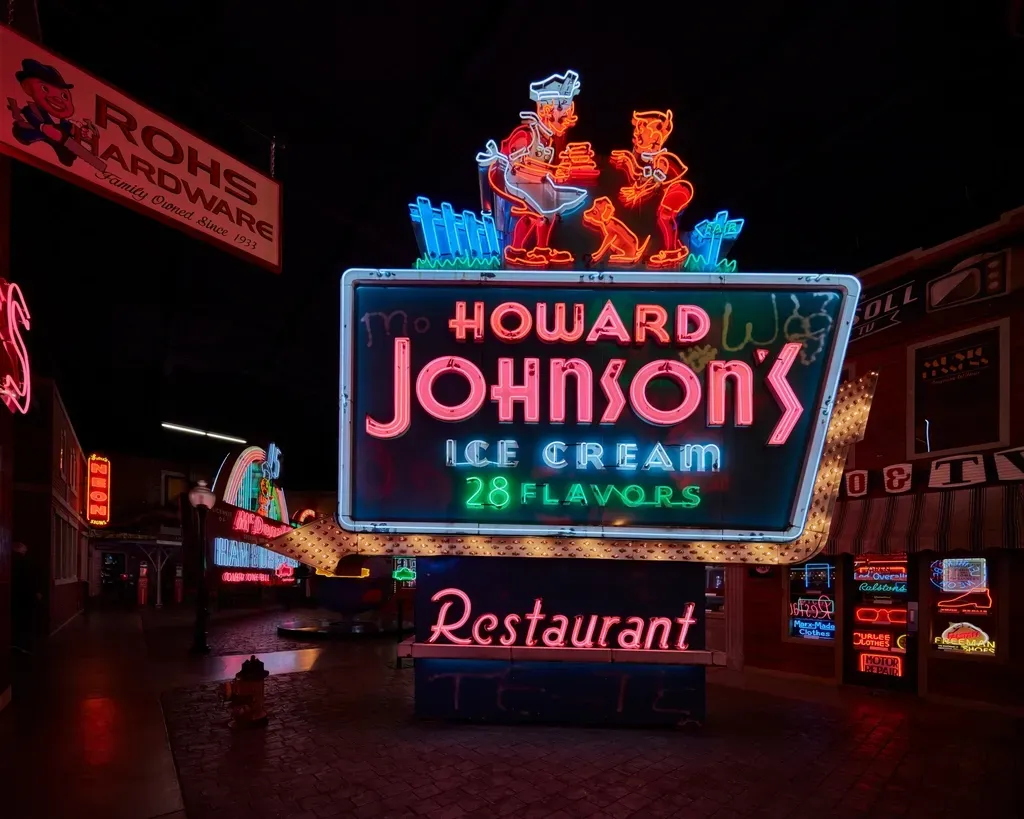
The longtime roadside staple had about 1,000 restaurants in the 1960s and 1970s, and it was once America’s largest restaurant chain, instantly recognizable for its orange roofs and serving 28 types of ice cream. HoJo’s was more than a restaurant. It represented the golden age of American road travel, when families piled into station wagons for cross-country adventures. The last surviving Howard Johnson’s restaurant, located in Lake George, New York, closed in 2022 after being open for most of the past 70 years.
What killed Howard Johnson’s? Failing to update its menu centered around fried clams, chicken, hot dogs and ice cream, its infrastructure and its marketing, along with increased competition from the likes of Friendly’s, Applebee’s and Chili’s, sealed the fate of the Howard Johnson’s restaurant chain. The company got complacent just as Americans’ dining habits were evolving. Professor Alex M. Susskind noted that they relied on a road travel-based crowd that changed or disappeared when airline travel became more affordable.
The slow death of Howard Johnson’s restaurants spanned decades. On September 6, 2016, the Bangor restaurant, the last continuously operating restaurant from the original chain, closed. When the last restaurant closed in Lake George, New York, back in 2022, that ended the chain’s legacy, though the hotel brand continues under Wyndham ownership. For many Baby Boomers, the loss of HoJo’s feels like the end of an era. Those orange roofs were beacons of reliability, comfort, and familiarity on the open road.
Kenny Rogers Roasters: From Country Star to Chicken King to Asian Sensation
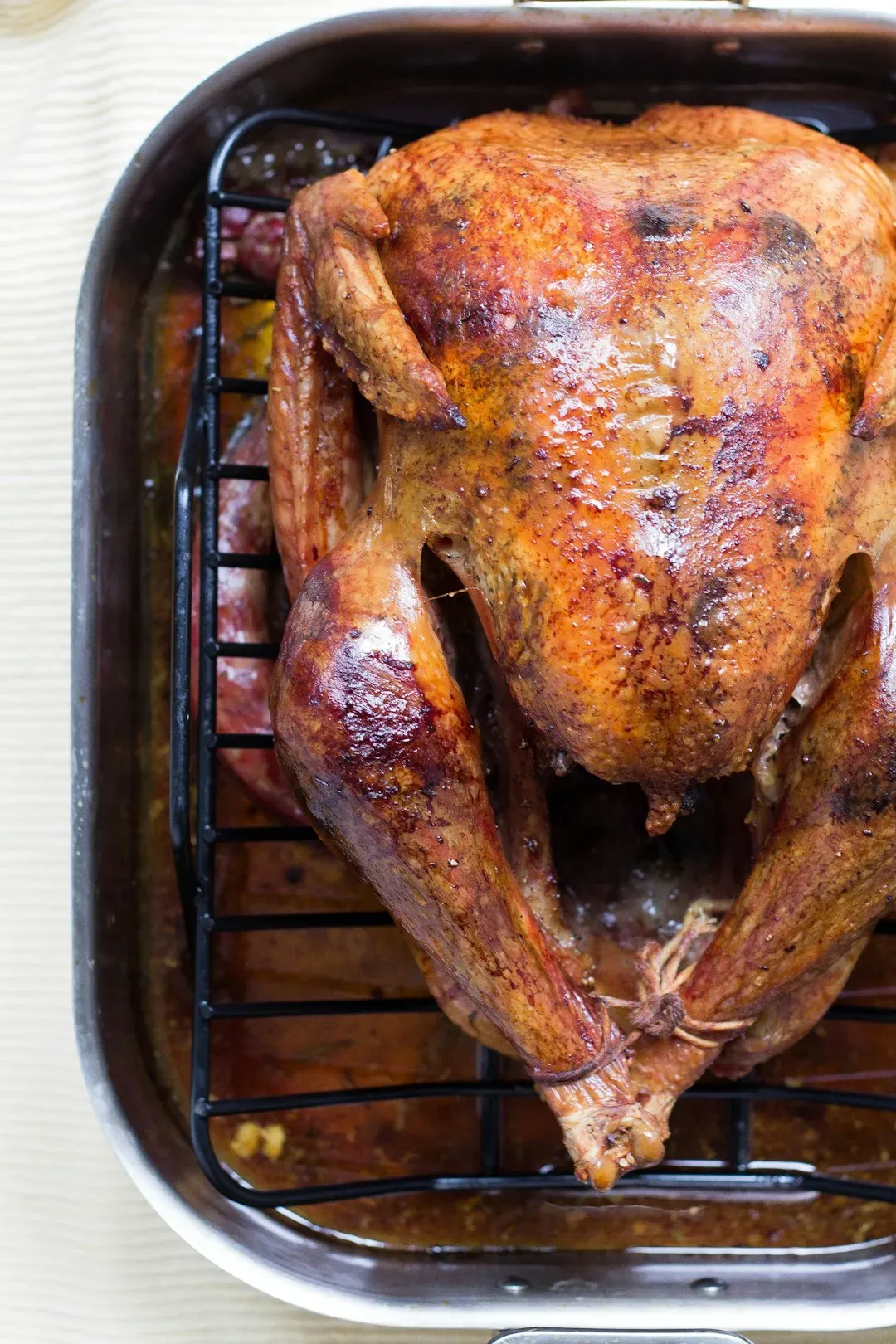
Kenny Rogers Roasters is a chain of chicken-based restaurants founded in 1991 by country musician Kenny Rogers and former KFC CEO John Y. Brown Jr., with the first store opening in September 1991. The concept seemed brilliant at the time: offer health-conscious Americans a wood-fired rotisserie chicken alternative to greasy fried options. By the mid-1990s, Kenny Rogers Roasters had more than 350 restaurants, becoming a recognizable name in malls and shopping centers. It even gained pop culture fame through a memorable Seinfeld episode.
The chain’s American dream didn’t last. The company entered Chapter 11 bankruptcy in March 1998 and was bought by Nathan’s Famous, Inc. for $1.25 million on April 1, 1999, resulting in massive closures. The last Kenny Rogers Roasters operating in North America was located in the Ontario Mills mall in Ontario, California and closed on December 31, 2011. Competition from Boston Market and other rotisserie chains, combined with overexpansion, proved fatal in the United States.
Here’s where the story gets interesting. Nathan’s Famous divested itself of Kenny Rogers Roasters in 2008, selling it to Roasters Asia Pacific (Cayman) Limited, owned by Berjaya Group of Malaysia, and despite the chain’s end in the United States, Kenny Rogers Roasters continues to flourish in Asia. Today, the chicken chain has a presence in Cambodia, China, India, Indonesia, Malaysia, the Philippines, and Thailand, and as of June 2019, Kenny Rogers Roasters still reportedly had 183 locations worldwide. The brand failed in America but became wildly successful overseas. Sometimes, a second chance comes from the most unexpected places.
Boston Market: The Fastest Collapse in Recent Memory
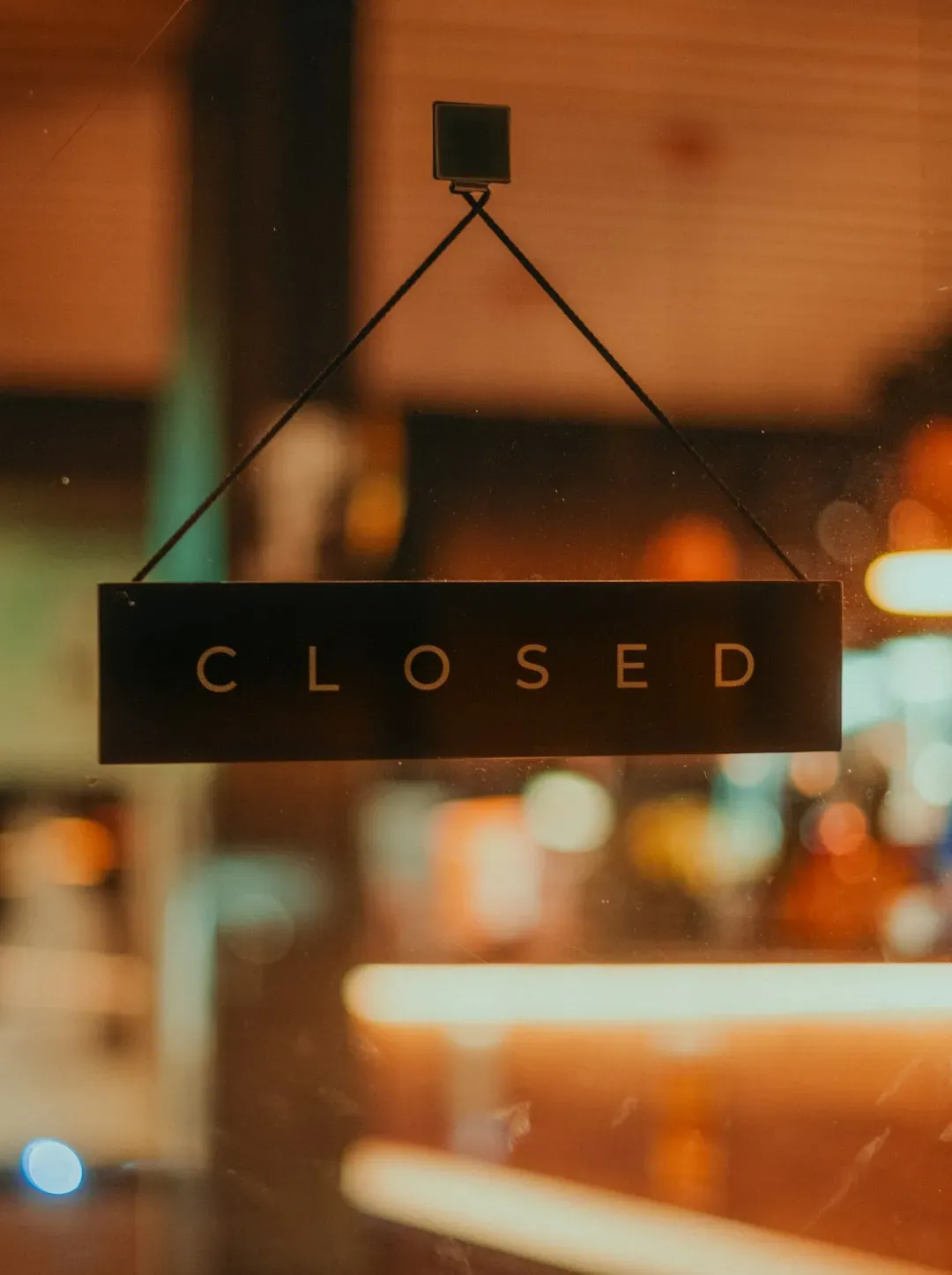
Boston Market’s location count plummeted from over 1,200 at its peak to about 74 restaurants as of mid-2025, with the rotisserie chicken chain closing approximately 300 locations in 2023 alone. The speed of this collapse is staggering. Boston Market began 2023 with 300 locations, but Restaurant Business reported in March 2024 that it had only 27 left, with many closures due to landlord evictions for unpaid bills as well as state officials mandating shutdowns over unpaid sales taxes.
This wasn’t a slow decline. It was a freefall. The rapid pace of closures has been attributed to landlords evicting the chain over unpaid rent and utility bills, and state officials shutting down locations for tax issues. Boston Market’s corporate leadership seemed unable or unwilling to address mounting debts, and the consequences played out in real time across America. Employees showed up to work only to find padlocked doors. Customers drove to their favorite locations and discovered empty buildings.
Industry experts suggest Boston Market may be in its final days as a national chain, according to reporting from 2025. The company that once defined home-style fast-casual dining in the 1990s has become a cautionary tale about financial mismanagement. The Boston Market story is particularly painful because it happened so recently. This isn’t ancient history; it’s a chain that was still everywhere just a few years ago. The lesson? Even established brands can collapse almost overnight when the fundamentals fall apart.
What do you think about these vanished chains? Did you have a favorite spot among them? The rise and fall of fast-food empires tells us as much about American culture as it does about the restaurant business itself. Sometimes nostalgia isn’t enough to keep the doors open, and sometimes a fresh start halfway around the world is exactly what a struggling brand needs.