12 Cities Around the World People Say They Regret Moving To, Polls Show
You’ve packed your bags, hired movers, said goodbye to friends. The excitement buzzes. A fresh start awaits. Yet for hundreds of thousands of people each year, that dream quickly curdles into regret. About 82% of Americans who moved in 2024 say it was stressful, with 42% saying the process brought them to tears, according to a new survey. What’s more sobering? 70% of Americans are weighed down by regrets after their move. Some cities leave newcomers wishing they’d never unpacked. The reasons vary, but they share common threads: crushing living costs, unmet expectations, and the harsh reality that geography can’t fix everything. So let’s explore which cities have left the most people regretting their relocations, backed by real data from recent polls and studies.
Los Angeles, California
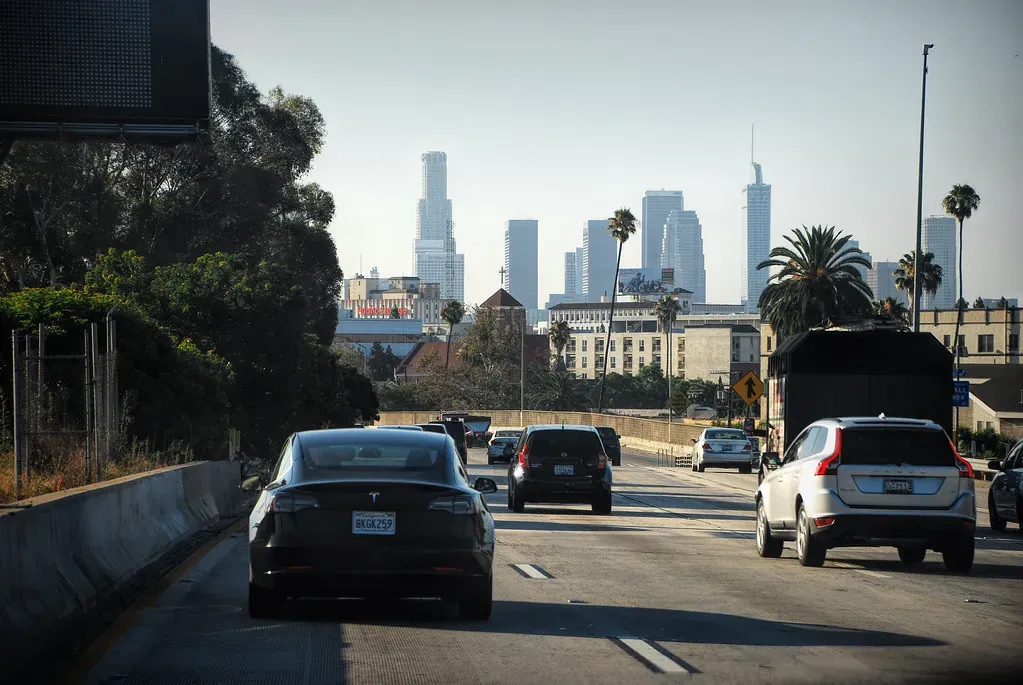
Los Angeles tops the list of cities people are looking to leave, with 26,900 more people searching to leave Los Angeles than to move into the city between October and December 2023. The city’s reputation as a land of opportunity quickly collides with brutal financial reality. According to research from Clever Real Estate, Los Angeles is the worst offender in terms of housing affordability, with the annual income needed to purchase a home exceeding residents’ actual income by approximately $162,000. The cost of living in Los Angeles is 49.7% higher than the national average in 2025. Traffic is legendary for all the wrong reasons, and many who chase careers in entertainment or tech find fierce competition and exhausting commutes instead of the glamorous lifestyle they imagined.
San Francisco, California

Coming in a close second was San Francisco, where 25,900 more people searched to leave the city during the same period. If you thought LA was pricey, welcome to the next level. San Francisco is beautiful, innovative, and, for most people, completely unaffordable, with newcomers shocked to find themselves paying $3,500 a month for a studio apartment. The San Francisco Bay Area is ranked second in terms of cities and metro areas that people are moving away from, and Northern California has ranked second in terms of places people are leaving for two years in a row. The tech boom created incredible wealth, yet it also pushed housing costs into the stratosphere. Many residents report declining quality of life, citing public safety concerns and relentless stress.
New York City, New York
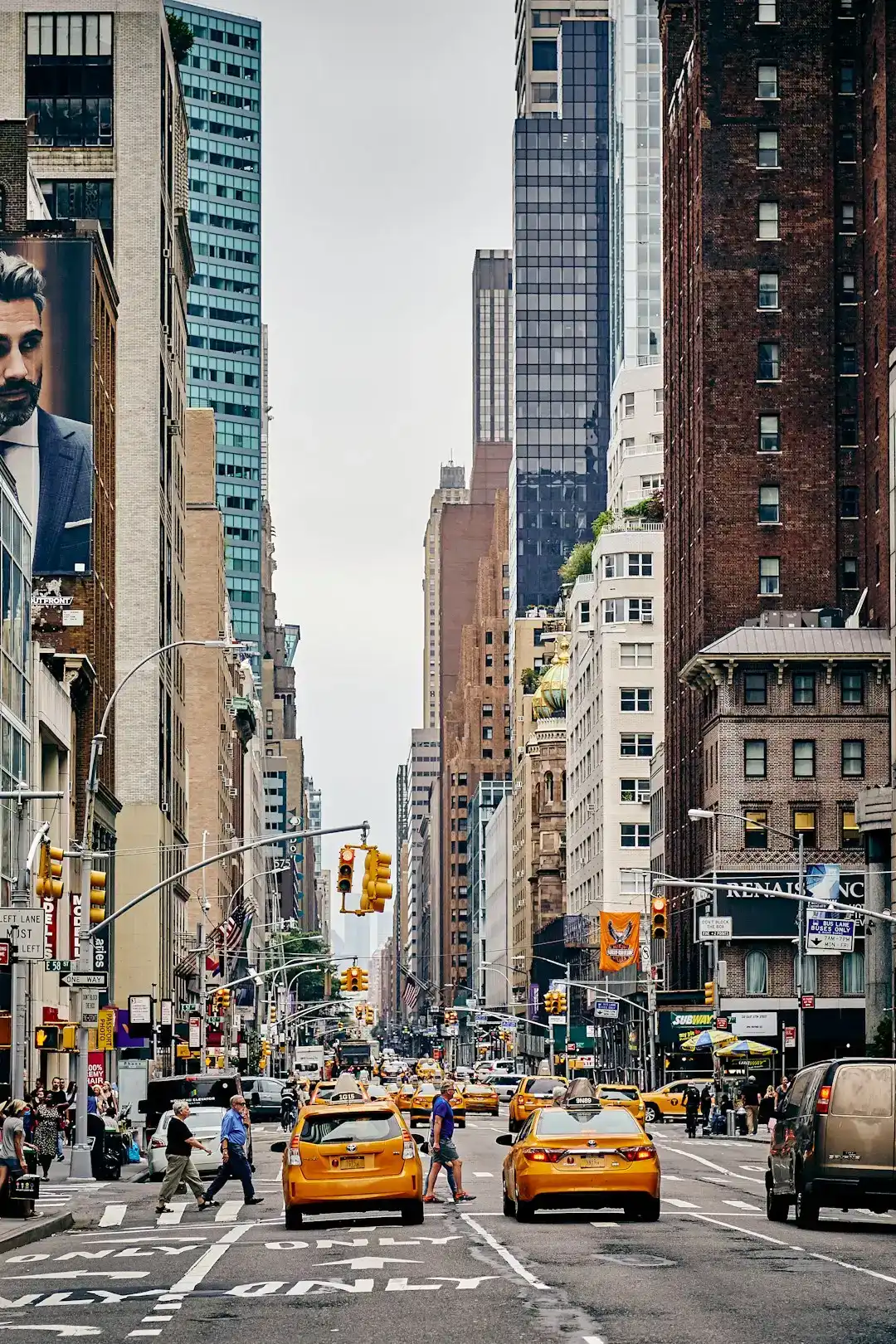
The city that never sleeps might keep you up for all the wrong reasons. A survey from the Citizens Budget Commission found that just 30% of the 6,600 households surveyed describe conditions as excellent or good, marking a sharp decline from 2017 when half of the residents surveyed were happy with the quality of life. Moving to New York City with dreams of glamour often ends in a rude awakening, with the reality being tiny, fifth-floor walk-up apartments, eye-watering grocery bills, and a relentless pace that can burn out even the most ambitious newcomer. The majority of New Yorkers are concerned with safety, with just 37% thinking public safety in their neighborhood is excellent or good, down from 50% seven years ago, and only half saying they feel safe riding the subway during the day, compared to more than 80% in 2017.
Houston, Texas
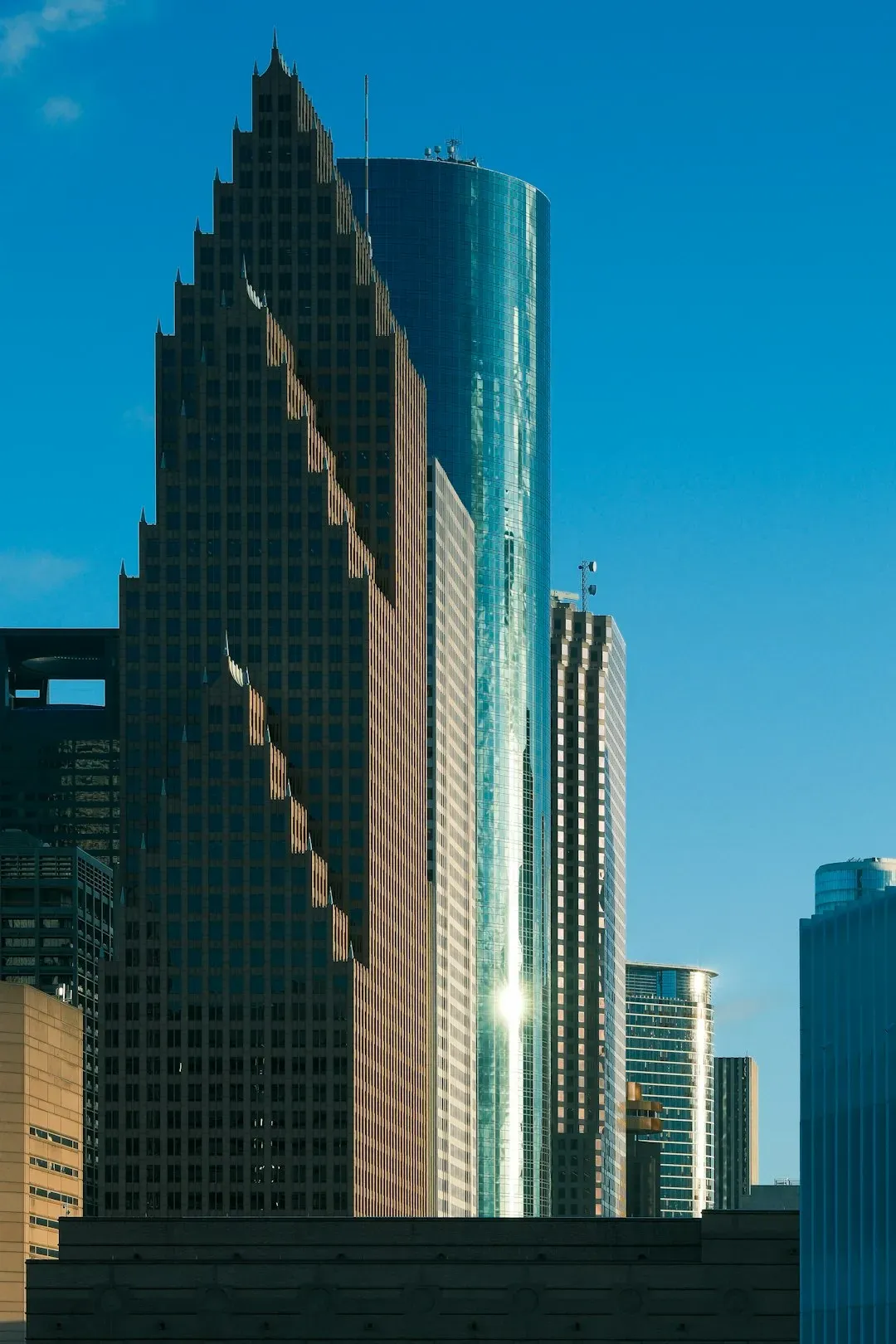
Houston lures people with its lack of state income tax and famously low housing costs. The appeal is undeniable until reality sets in. According to USPS data from early 2023, Houston, Texas recorded the largest net outflow of residents among U.S. cities, with a net loss of about 8,369 movers. The heat and humidity are oppressive for months, and the constant threat of flooding is a source of ongoing anxiety, while in WalletHub’s 2025 “Happiest Cities in America” report, Houston ranked near the bottom at No. 151 out of 182. It seems low costs don’t automatically equal high spirits when you’re stuck in legendary traffic and soaked in sweat.
Detroit, Michigan
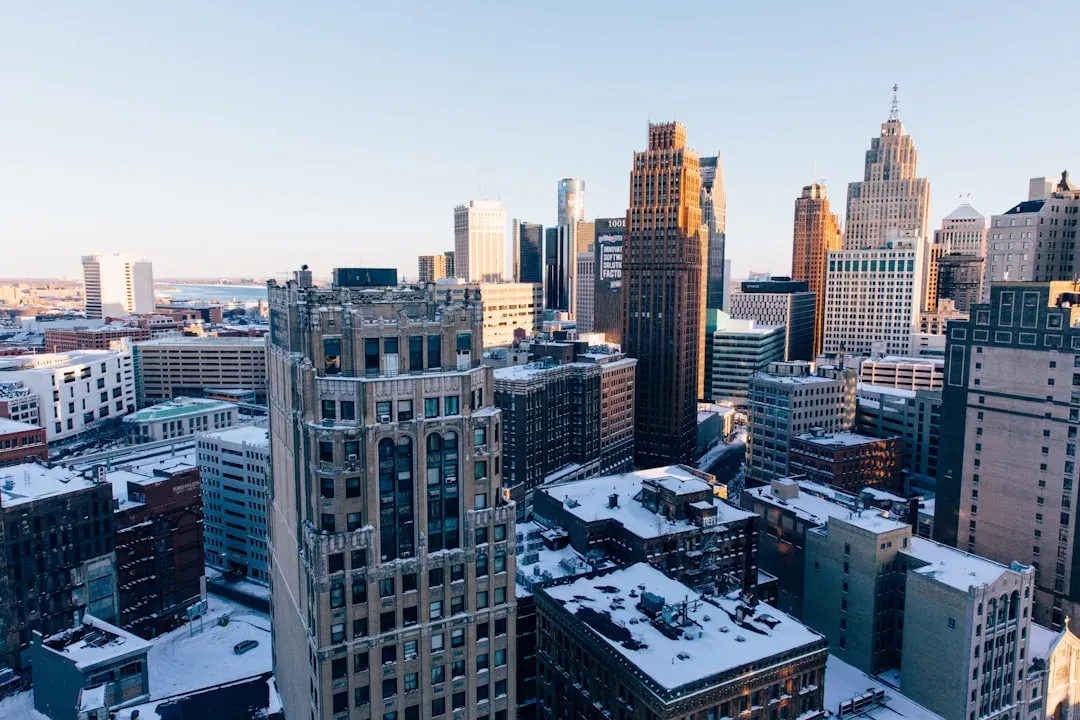
Detroit went through a rough couple of decades, but recently, they have bounced back in a big way, yet from October to December 2023, 2,100 more people searched to leave Detroit than to move into the city. Detroit has incredible history and resilience. The comeback story is real, but for those moving from elsewhere, the revitalization might not be happening fast enough. Despite revitalization in some neighborhoods, the city continues to struggle with deep-seated economic challenges and high crime rates, with job opportunities scarce outside of specific industries like automotive and healthcare. Harsh winters with gray skies dominating for months don’t help, nor do infrastructure challenges from road conditions to aging housing stock.
New Orleans, Louisiana
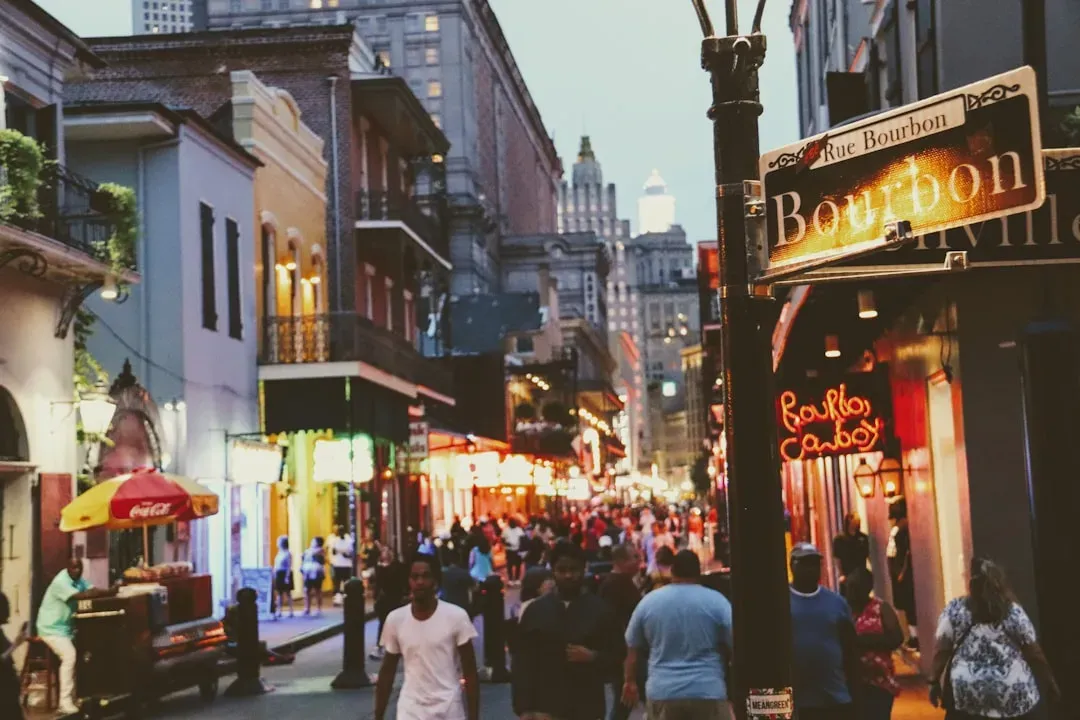
There is no place on earth like New Orleans. The music, the food, the culture – it’s intoxicating. Yet there’s a massive difference between visiting for Mardi Gras and trying to build a life there. A 2024 SmartAsset study found that New Orleans residents have the highest number of mentally unwell days per 30, at 6.0, as it’s a city of high highs and very low lows, and that emotional rollercoaster isn’t for everyone. The job market is limited, wages are low, and the aging infrastructure means you’re always dodging potholes or worrying about the next big storm. The party atmosphere can also take a toll on personal wellbeing. Hurricane season brings constant anxiety, and high poverty rates persist across many neighborhoods.
Baltimore, Maryland

Baltimore has charm, amazing seafood, and a prime location near Washington, D.C. It also has a reputation that, for many, is hard to look past. The city’s struggles with crime are well-documented and a major source of regret for new residents, with 2024 data from Clever Real Estate showing Baltimore leads the U.S. in murders and robberies per 100,000 residents, a statistic that weighs heavily on people, affecting everything from where they walk to when they come home. People move to neighborhoods like Canton or Federal Hill for the waterfront views, but they still feel the impact of the city’s larger problems. Many new residents find the safety concerns are just too much to handle.
Honolulu, Hawaii
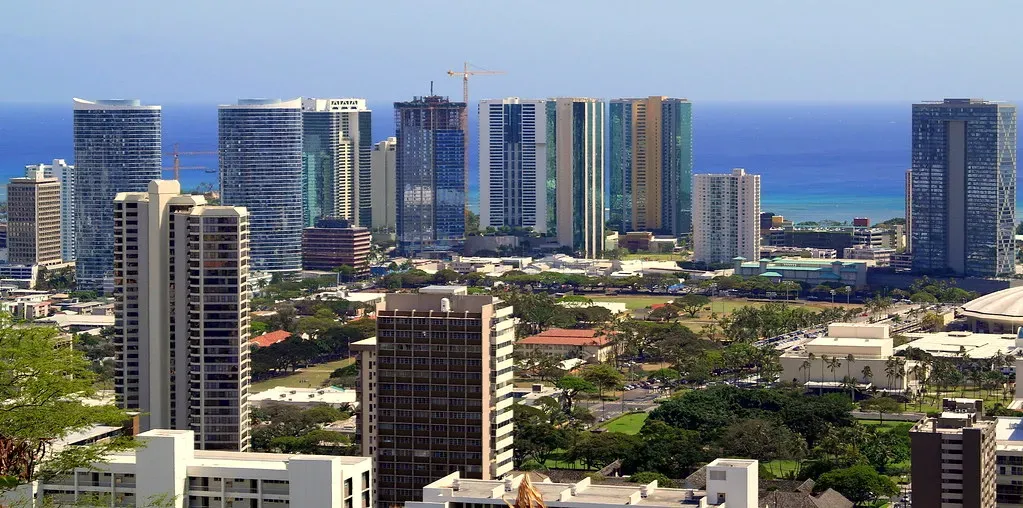
Moving to Hawaii is the ultimate dream. You’ve made it. You’re in paradise. Until you go to the grocery store and see that milk costs nine dollars. The “paradise tax” is real and affects every single thing you buy, while the isolation of being on an island thousands of miles from the mainland hits new residents harder than they expect, with good jobs that pay enough to cover the absurd cost of living incredibly hard to find, as a 2025 NetCredit study highlighted that fewer than one in five new entry-level jobs in Hawaii satisfy the local cost of living. The distance from family and friends becomes a weight that tropical breezes can’t lift. Daily life becomes a source of anxiety for many.
Austin, Texas
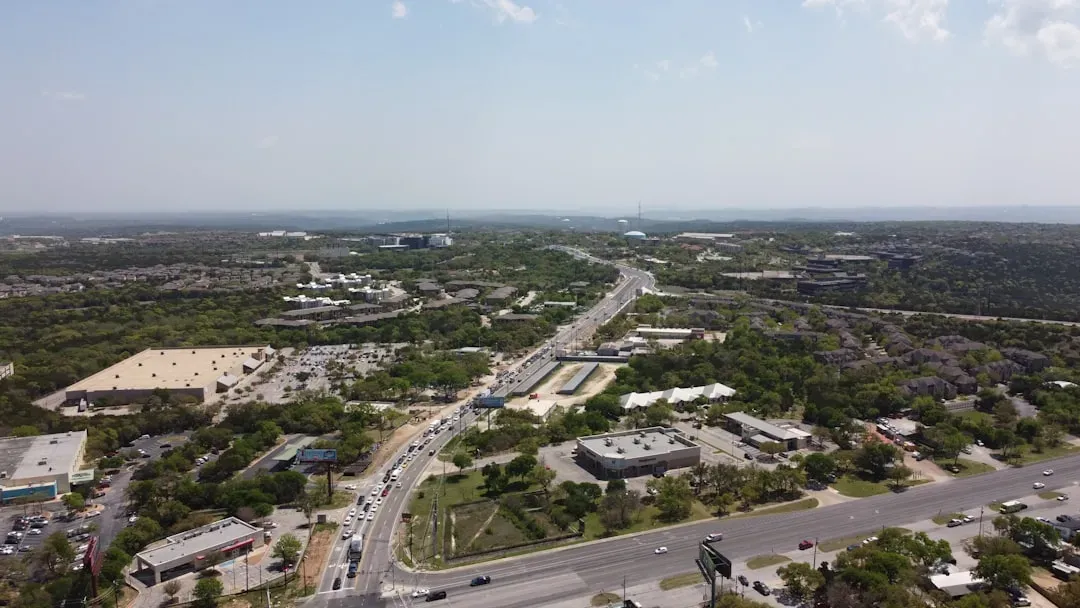
Austin is ranked 5th on the list of top 10 U.S. cities with the highest number of people moving out in 2024, marking the city’s first appearance on the moving company’s annual survey, which is particularly striking given that Austin was considered the golden child of relocation during the 2020 pandemic. Tech companies relocated there, remote workers flocked in droves. The problem? Home prices rose 60 percent from 2020 to 2022, crushing the affordability that attracted people in the first place, with the main reasons cited for the exodus being declining affordability, housing prices, and a lack of space for new home construction. Traffic has become nightmarish. Honestly, many newcomers underestimated how quickly prosperity can price out the very people it attracts.
Miami, Florida

The South Florida area around Miami is ranked third among places with the highest number of move-outs. Once a golden child of net migration, the Sunshine State seems to have lost some of its appeal. Florida has seen an astronomical rise in the cost of living, with home prices rising upwards of 60 percent since 2020 and insurance rates jumping from roughly 25 percent to over 40 percent in the last year, and the state has the highest home insurance premium costs, which are predicted to reach up to $15,460 annually by the end of 2025. These extra bumps in costs have begun to outweigh the lack of state income tax. The constant threat of severe hurricanes adds ongoing anxiety.
Denver, Colorado
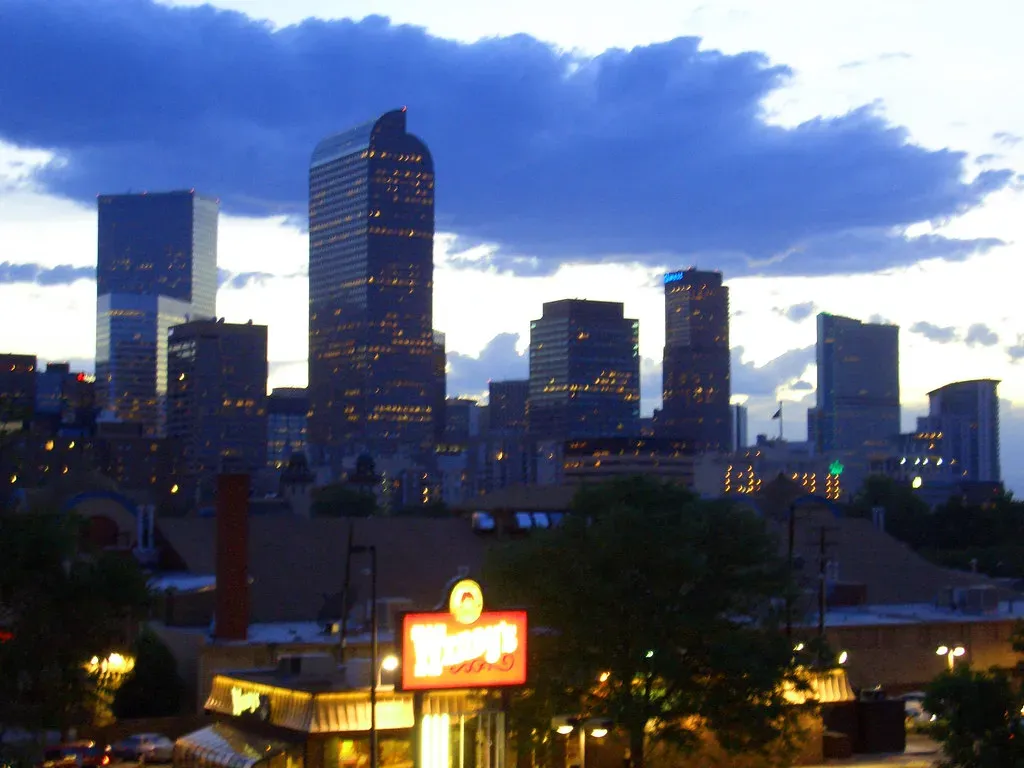
For many years, Denver witnessed massive population growth. The Mile High City represented outdoor adventure and lifestyle balance. However, in the fourth quarter of 2023, 2,400 more people were searching to leave Denver than move to the Mile High City. The cost of living has surged dramatically, making housing unaffordable for middle-income families. What used to be a relatively affordable alternative to coastal cities has transformed into another expensive market. People love the area and proximity to outdoor recreation, but they’re searching for nearby alternatives like Fort Collins and Colorado Springs where they can actually afford to live.
Atlanta, Georgia
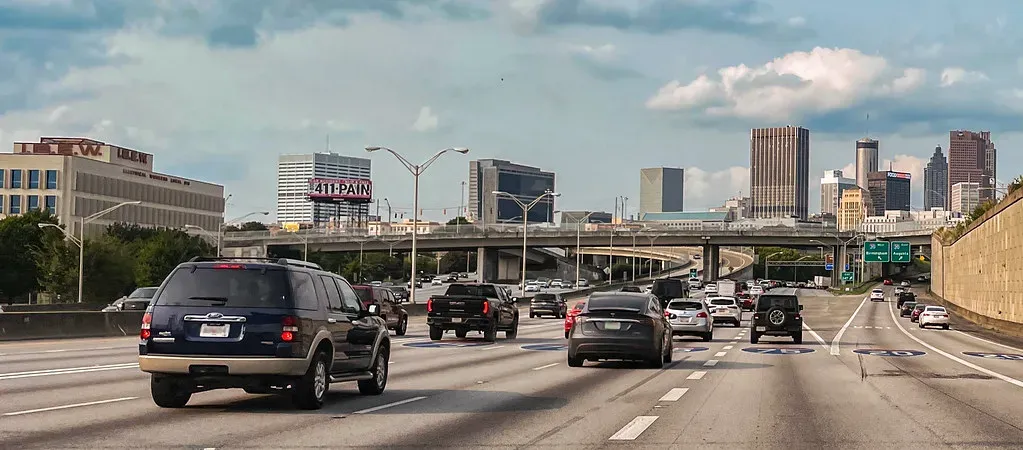
The city in a forest sounds lovely, right? Yet Atlanta has become a poster child for urban sprawl. Like Houston, Atlanta’s biggest sin is its legendary, inescapable traffic, with a 10-mile commute easily taking an hour, as public transit options haven’t kept pace with the explosive population growth. What’s the point of a lovely suburban house if you never get to spend time in it? The summer heat and humidity are oppressive. Many newcomers discover that the affordable housing that drew them to Atlanta comes with a hidden cost: hours of their life lost sitting in traffic jams on I-285, watching their quality of life drain away mile by miserable mile.
The grass isn’t always greener on the other side of the moving truck. These twelve cities remind us that location alone can’t solve our problems. More than one in four people who moved say they thought they’d be happier after they moved, but they’re not. Whether it’s crushing housing costs, safety concerns, or simply unmet expectations, mover’s regret is far more common than real estate brochures would have you believe. If you’re considering a big move, do your homework beyond the sunny marketing materials. Talk to people who actually live there, crunch the real numbers, and remember that sometimes the best move is staying put. What’s your take on these cities?