7 “Helpful” Things Pet Owners Do in Winter That Actually Hurt Their Pets
Overdressing Pets in Heavy Winter Coats
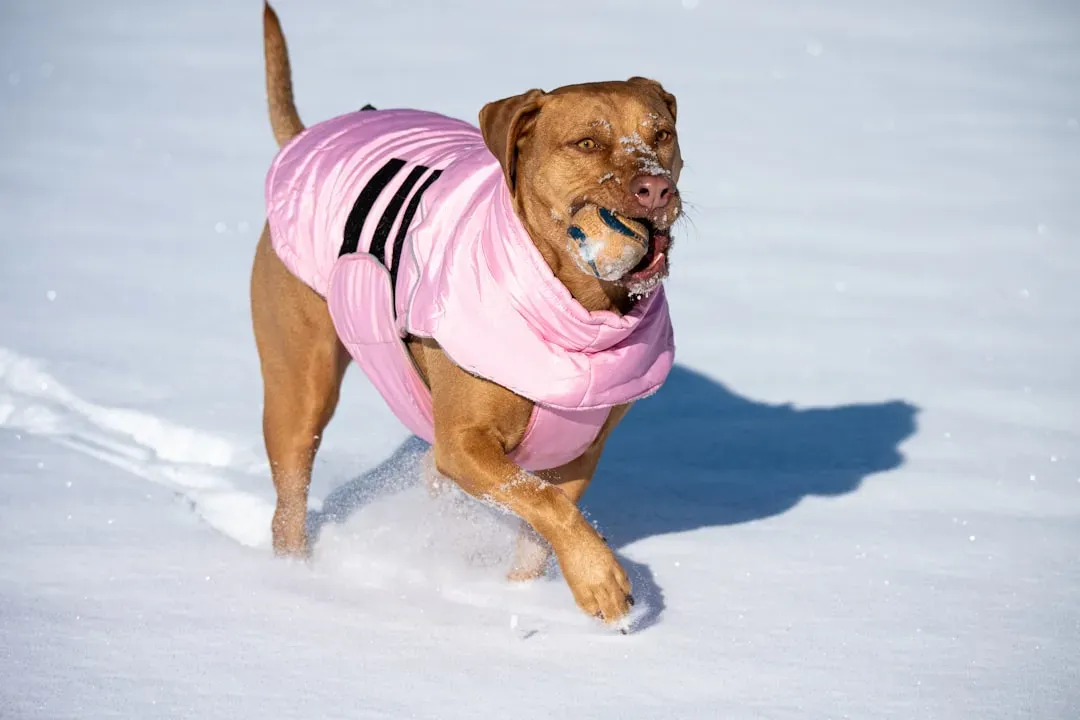
It feels loving to bundle your dog in a thick coat, but many healthy dogs actually overheat in heavy clothing, especially during active walks. Veterinary groups in the United States explain that most medium and large breeds with normal coats handle cold weather better than we think, and adding thick layers can trap heat and moisture against the skin. That trapped heat can lead to skin irritation and even increase the risk of overheating if the dog is running or playing in the snow. Short-haired, very small, senior, or sick dogs may need a properly fitted, lightweight coat, but it should be used for short periods and removed indoors. A good rule is to check your dog’s ears and paws regularly; if they’re warm and your dog is panting or slowing down, the extra layers are likely too much.
Using Human Antifreeze and Ice Melts Around the Home

Many people grab standard antifreeze and rock salt when the first ice hits, not realizing how dangerous they are for animals. Most traditional antifreeze contains ethylene glycol, a sweet-tasting chemical that even tiny amounts can fatally poison a dog or cat if licked off the ground, paws, or fur, and veterinary toxicology reports from the last few years still list it as a common winter poisoning cause. Regular ice-melt salts can also burn paw pads, irritate skin, and cause vomiting or stomach upset when pets lick their paws clean indoors. Safer products labeled as pet-friendly use different ingredients that are less toxic, but even then, vets recommend wiping pets’ paws and bellies with a damp cloth after walks. Choosing pet-safe products and storing all antifreeze in tightly closed containers, away from garages and driveways, cuts a major winter risk many owners never see coming.
Leaving Pets in Cold Cars “Just for a Minute”
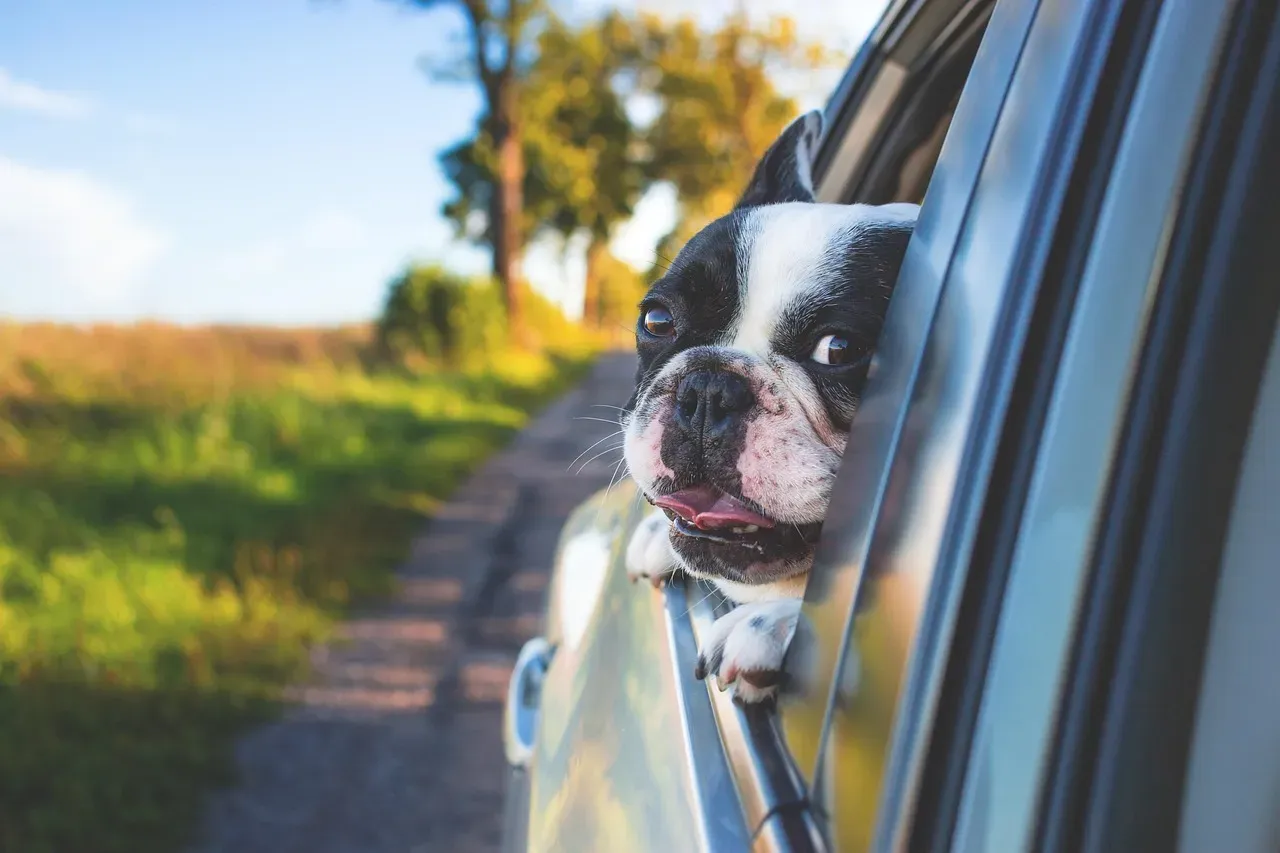
People know not to leave pets in hot cars, but winter cars can be just as dangerous in the opposite direction. Studies measuring inside-car temperatures show that when it’s freezing outdoors, the temperature inside a parked, turned-off vehicle drops quickly and can reach dangerously low levels within a short time, turning the car into something like a refrigerator. Small dogs, short-haired breeds, elderly pets, and cats lose body heat faster and are at higher risk of hypothermia, which can show up as shaking, lethargy, or stiff movements. Cracking the window does almost nothing to prevent the temperature drop, and engines left idling carry the risk of carbon monoxide buildup if the exhaust is blocked by snow. If a place is too cold for you to sit comfortably without a coat for more than a few minutes, it is too cold for your pet to be left alone in a car.
Letting Pets Walk on Frozen Lakes and Ponds
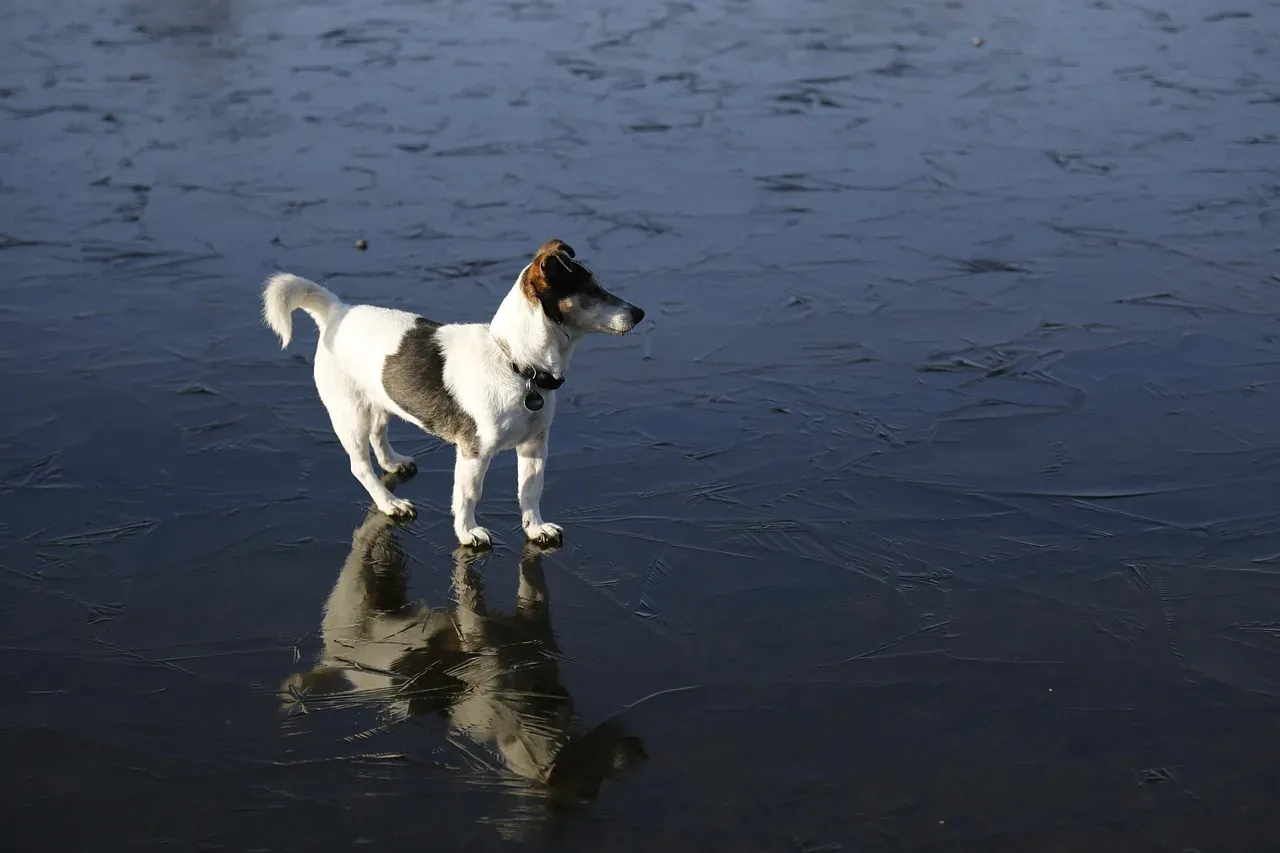
It might look magical to let a dog run across a frozen pond, but the risk of breaking through the ice is far higher than most people think. Local safety data from northern U.S. states report emergency calls every winter for dogs and people who fall through ice that looked solid from the shore, because ice thickness can vary wildly from one spot to another. Even when the ice holds, the surface is often covered with sharp edges, de-icing chemicals, or hidden cracks that can cut paws or twist joints. If a dog does fall in, the shock of the icy water can cause panic, rapid breathing problems, and loss of coordination within minutes, and many human rescuers are injured trying to pull their dogs out. Safer choices are cleared, well-maintained winter trails, fenced yards, or leashed walks where frozen bodies of water are clearly avoided.
Skipping Walks Because “It’s Too Cold”
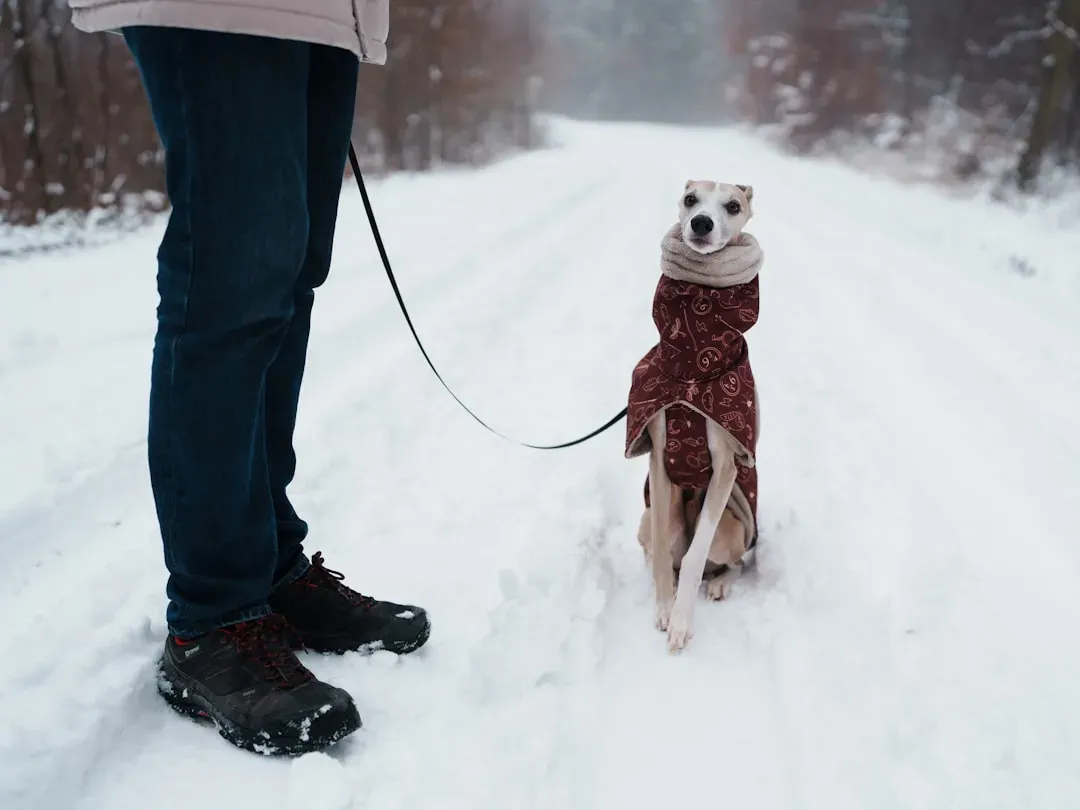
Some owners almost stop walking their dogs in winter, assuming that staying warm indoors is healthier than facing the cold, but this can quietly damage both body and mind. Recent surveys from veterinary and animal welfare groups have linked reduced winter exercise to weight gain in pets, and extra body fat increases the risk of joint disease, diabetes, and heart problems over time. Mentally, dogs that get far less stimulation in winter are more likely to show restlessness, excessive barking, or destructive chewing, much like a person stuck inside for days with nothing to do. Instead of stopping walks, vets suggest shortening outdoor time but keeping it more frequent, using safe winter gear like booties and appropriate coats for sensitive breeds. Mixing in indoor games, puzzle feeders, and short training sessions helps keep their brain busy when outdoor time really needs to be limited by extreme weather.
Using Space Heaters and Fireplaces Without Pet-Proofing
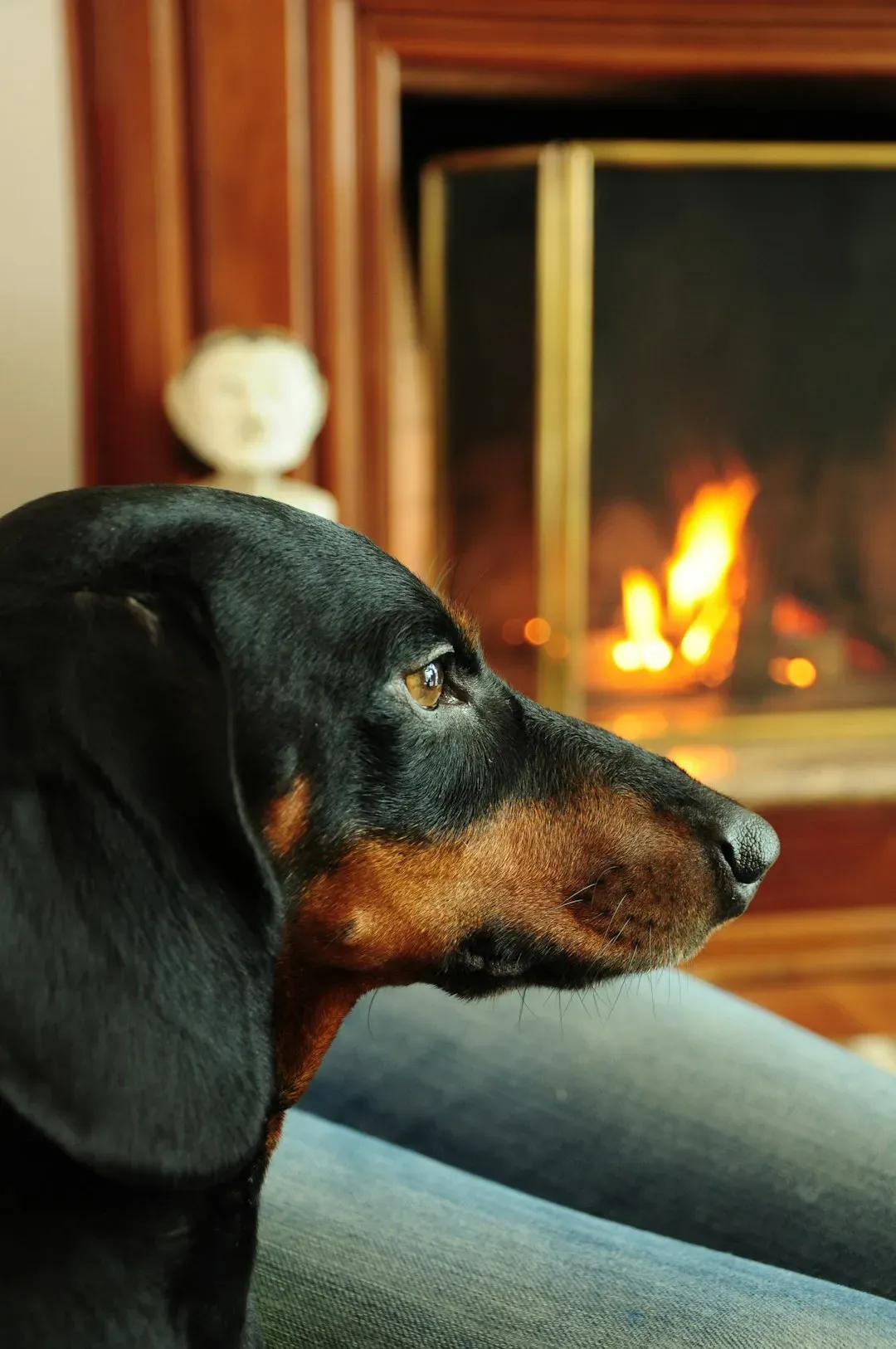
On cold nights, many of us crowd around space heaters or fireplaces, and pets naturally do the same, which can lead to burns or house fires. Fire departments in the United States still report that space heaters are a leading cause of winter house fires, and curious pets can easily knock them over, chew on cords, or curl up dangerously close to the hot surface. Cats may jump onto mantels or screens near fireplaces, and dogs can wag tails into open flames or hot glass without realizing the risk until it’s too late. Veterinarians treat winter burns on noses, paws, and bellies from pets lying too close to these heat sources, especially when owners fall asleep or leave the room. Using stable, tip-proof heaters with automatic shutoff, keeping cords covered, adding sturdy barriers around fireplaces, and teaching pets to stay a safe distance away turns a hidden danger back into a cozy comfort.
Overfeeding and Too Many “Winter Treats”
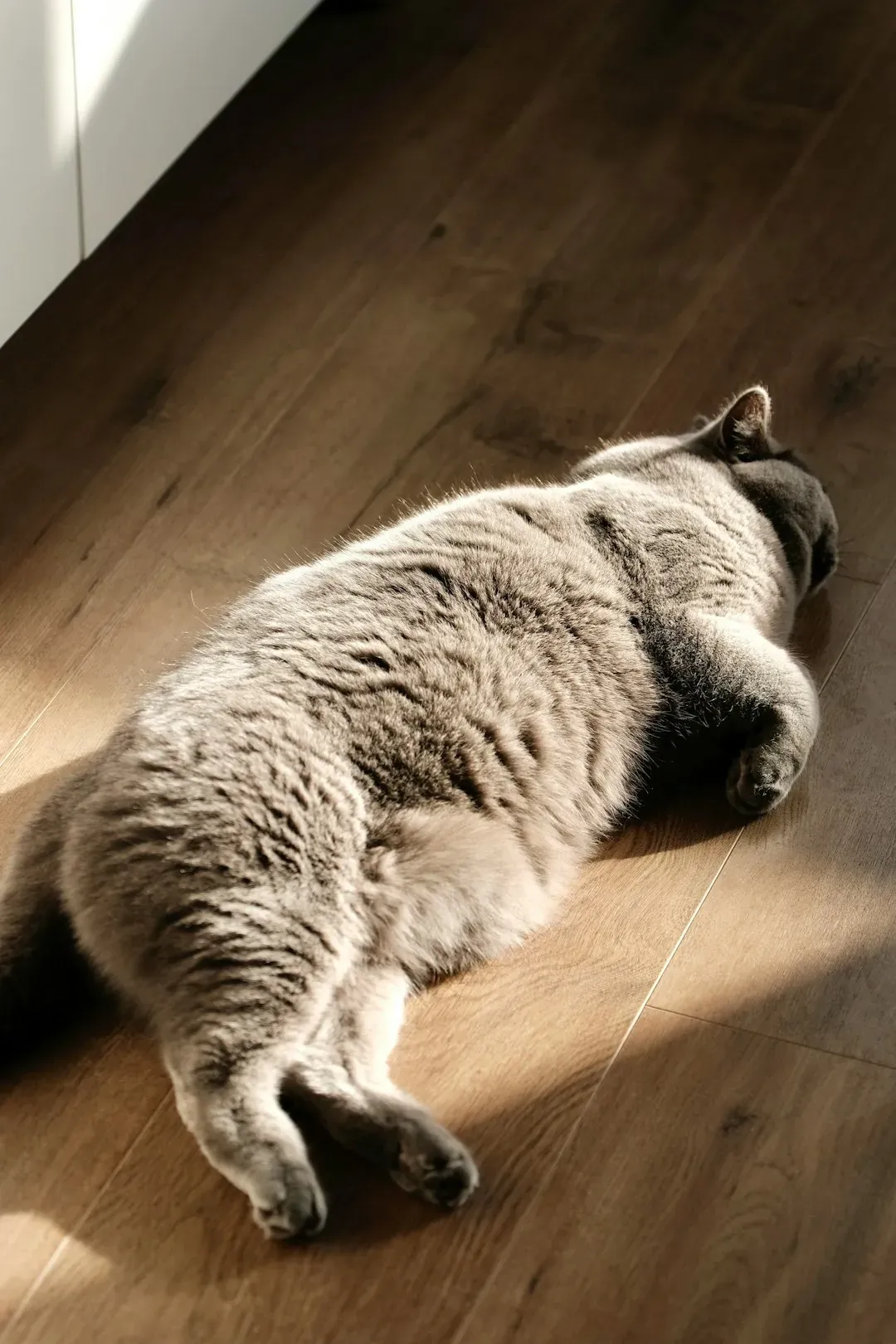
It feels natural to offer extra food and treats when it is cold, but most indoor pets do not burn significantly more calories in winter and can gain weight surprisingly fast. Veterinary organizations in the last few years have reported that well over half of dogs and cats seen in clinics are overweight or obese, and even a small seasonal bump in food can add up over several months. Added to that, holiday table scraps often contain rich fats, onions, garlic, chocolate, or alcohol traces, all of which are known to cause digestive upset or even serious poisoning in pets according to toxicology data. Instead of filling the bowl “because it’s chilly,” owners are better off checking feeding guidelines, asking their vet for a winter calorie plan, and using part of the daily kibble allowance as training rewards. That way, pets still feel spoiled and included, but their joints, heart, and overall health are not paying the hidden winter price.