12 Common Home Trends That Experts Predict Will Look Dated by 2030
All Gray Everything
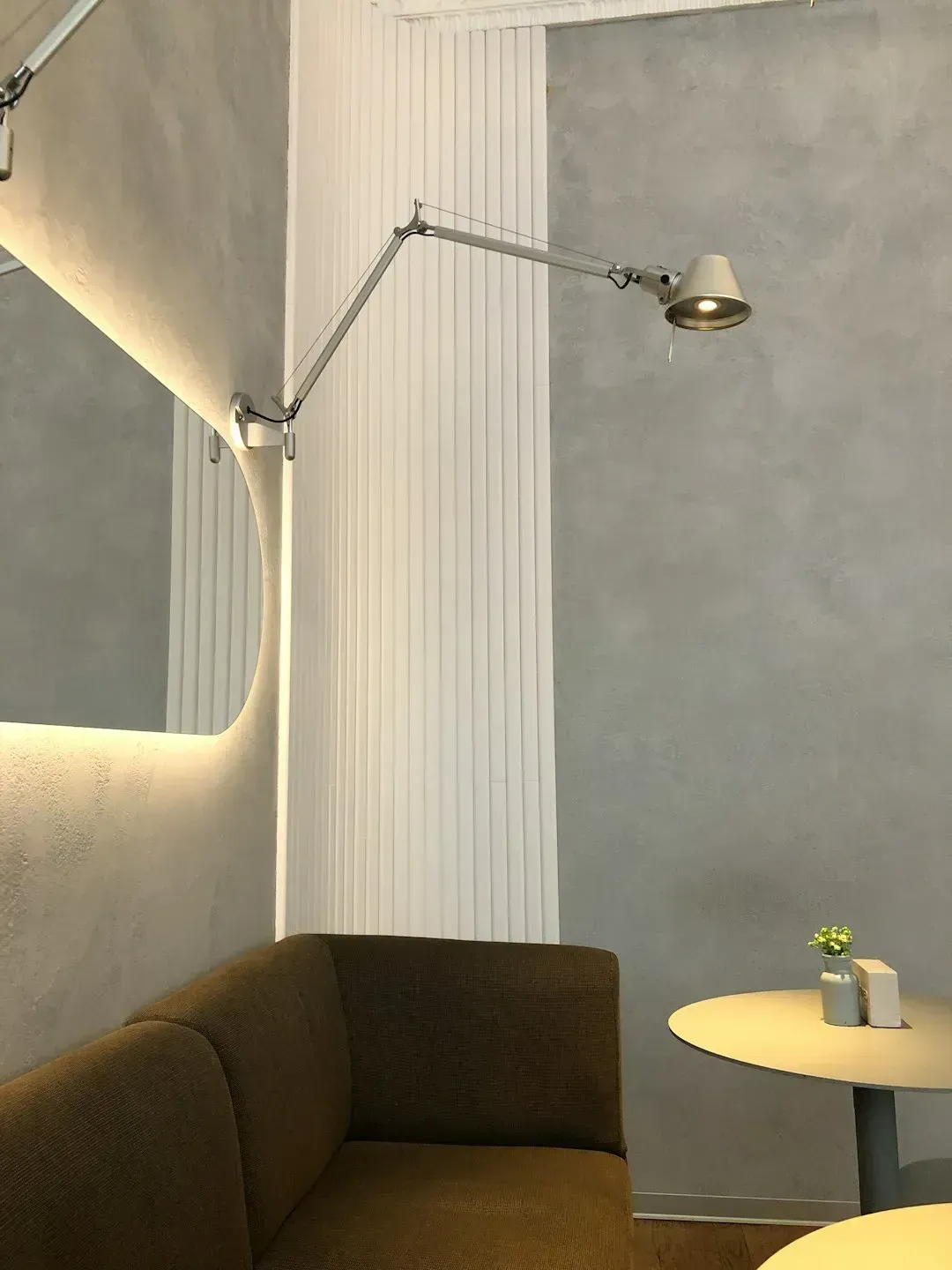
Gray is outdated in most cases for walls, cabinets, flooring, and other interior finishes, particularly if you plan to sell in the next few years. What once felt like a sophisticated neutral has become ubiquitous to the point of blandness. Gray interiors once felt like a safe, modern choice, but years of overuse have drained them of character, creating spaces that start to feel flat, generic, and emotionally distant when walls, sofas, floors, and finishes all sit in the same cool gray range.
Times have changed, with homes now seeing much more warmth, including warm whites, creams, and beiges. People are leaning into colors that are warmer, cozier and more dramatic, such as warm neutrals, browns, olives, even pops of color, with the millennial gray trend of the last few years being replaced by shades of brown.
Stark White Minimalism
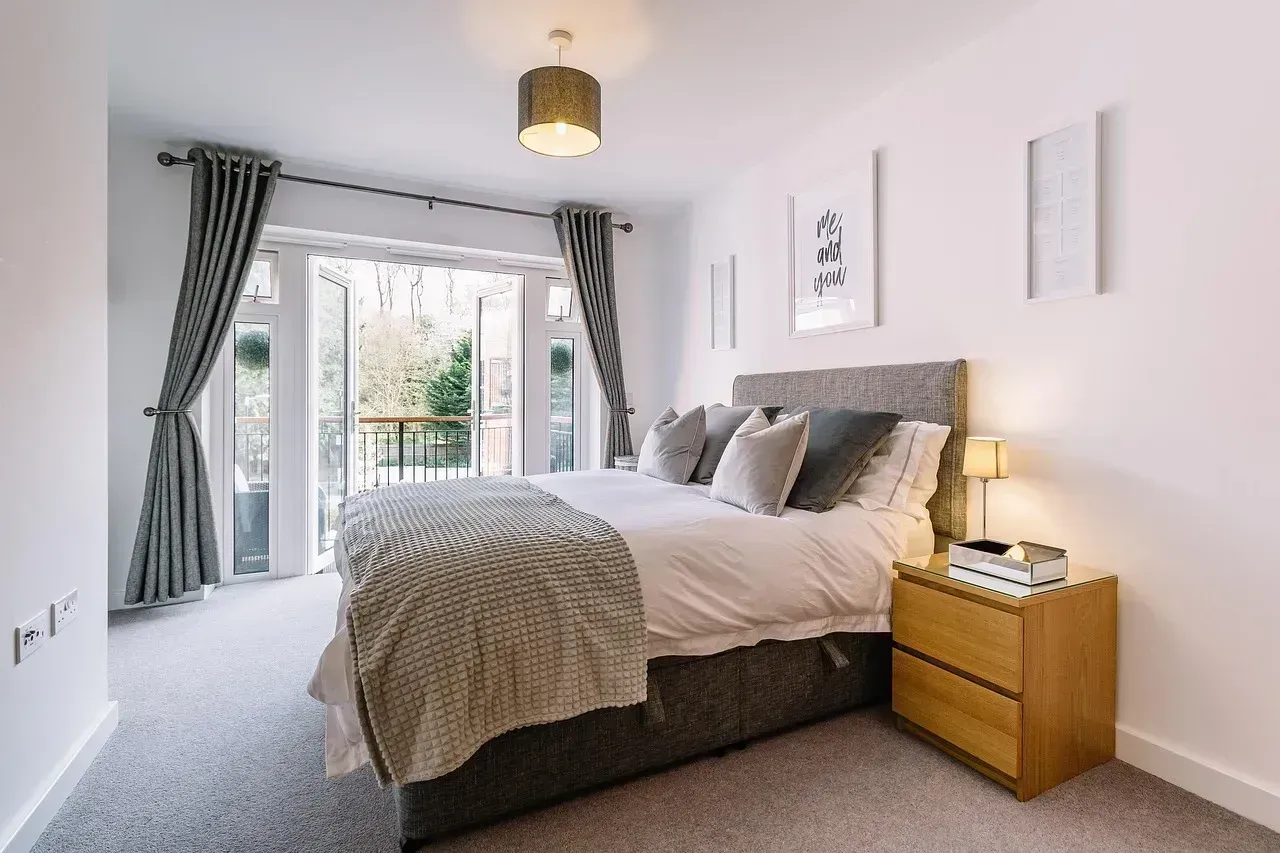
The movement away from anything white, including sterile minimalism, is giving way to interiors that feel warmer, darker, and more expressive, ones that favor moody atmosphere over brightness and tactility over seamless finishes. Stark white paints have been replaced with warmer off-whites, and this shift is expected to only increase, as bright whites can feel sterile while the more favored warm white paints add subtle coziness to our homes.
Honestly, there’s something deeply impersonal about a completely white room. When everything is white – walls, furniture, and décor – it can make a space seem sterile rather than cozy. Instead, designers are gravitating toward layered textures, rich earth tones, and colors that actually make you feel something when you walk through the door.
Open Concept Floor Plans
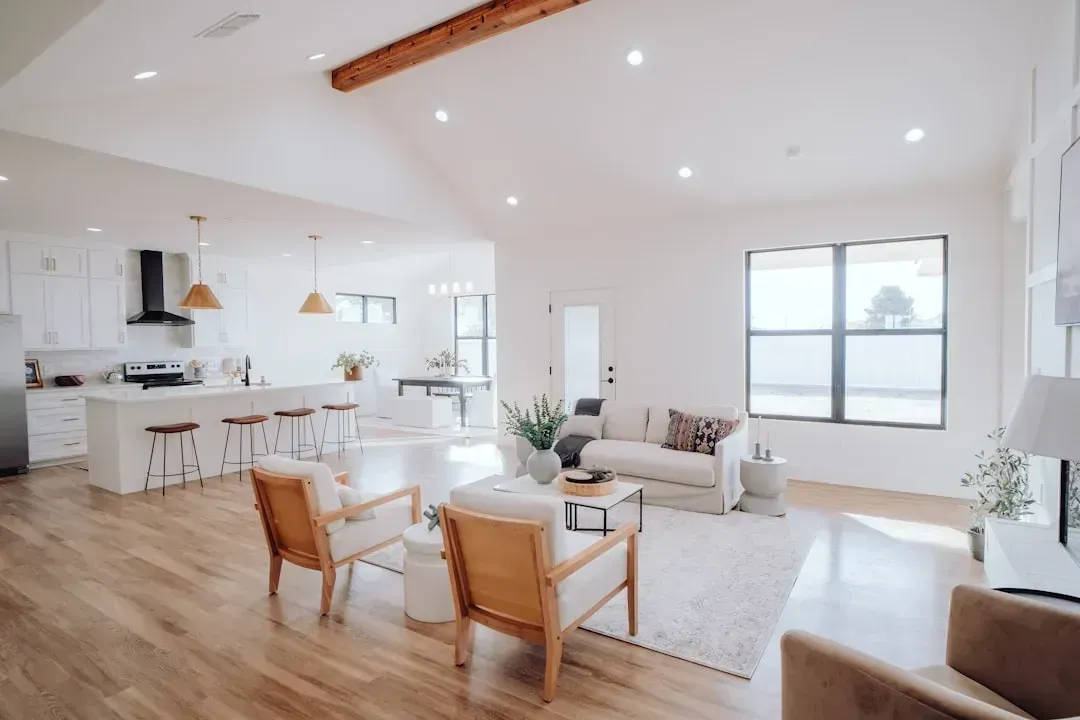
Open-concept spaces have been falling out of favor for a few years, but the shift away from way-too-spacious layouts accelerated in 2025 and is continuing in 2026. Several factors contribute to this shift including privacy concerns, clutter visibility, energy efficiency issues, and noise levels that travel more easily with fewer barriers.
Homeowners are seeking more definition between rooms, embracing layouts that promote comfort, privacy, and functionality, with defined rooms giving each space a distinct mood and purpose. The 2020 pandemic changed everything about how we use our homes. Working from home suddenly meant needing an actual door to close for Zoom calls, not just an open kitchen island doubling as a makeshift office.
Even though the open concept is touted as effortless, in reality, it means everything in your whole house needs to be put away for it to look presentable, whereas walls mean some rooms can be closed off when visitors come.
Bouclé Fabric Overload
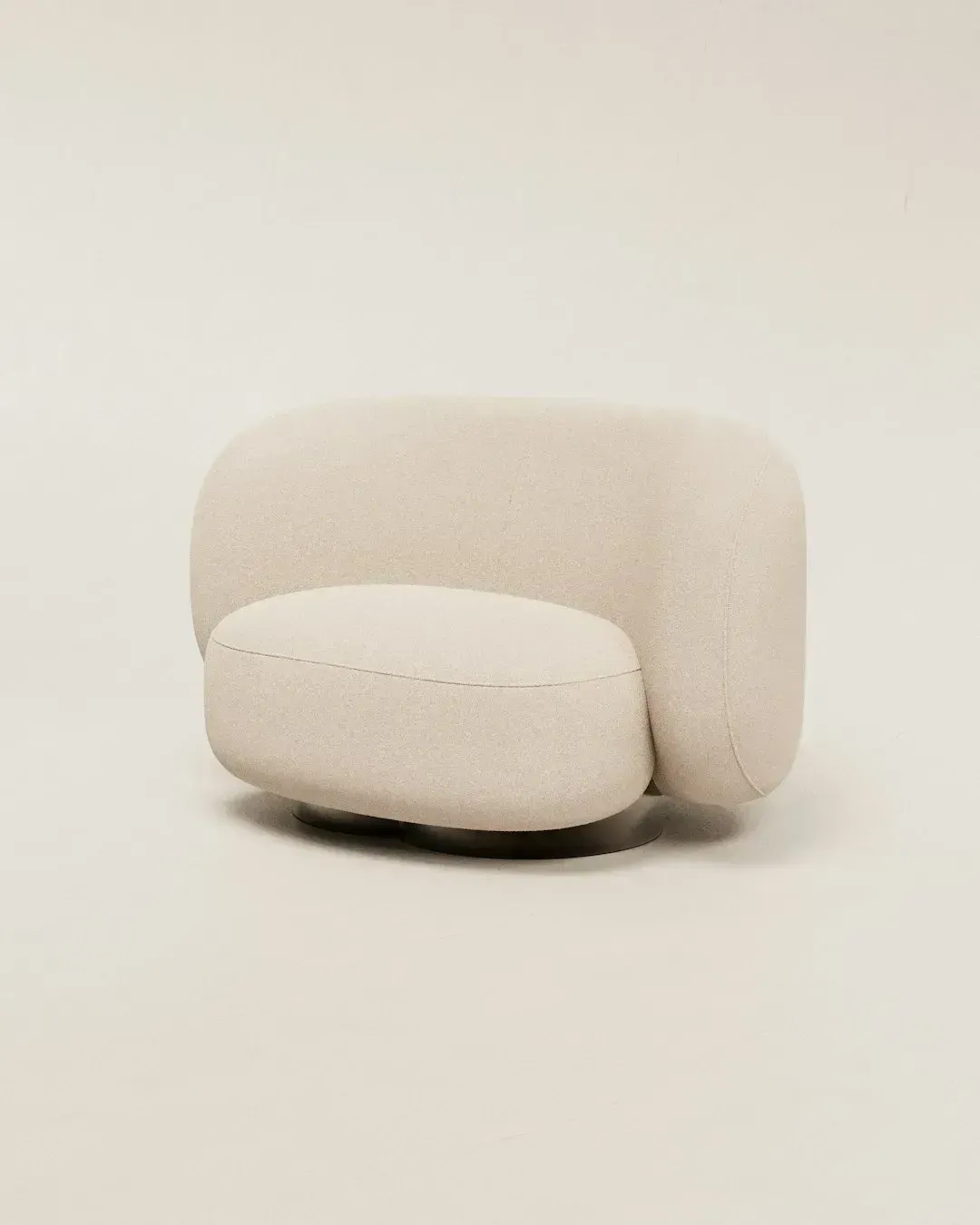
As one designer points out, bouclé’s popularity has tipped into overexposure, with the fabric appearing everywhere on every sofa, every chair, every ottoman, becoming oversaturated. Let’s be real, you can’t scroll through home decor Instagram without seeing yet another cream bouclé sofa. What started as a fresh, textural choice has become so predictable it’s lost its charm.
Designers suggest experimenting with mohair or sherpa instead, as these alternatives offer texture without the déjà vu. The lesson here? When a trend becomes that ubiquitous, it’s already on its way out the door.
Slatted Wood Accent Walls
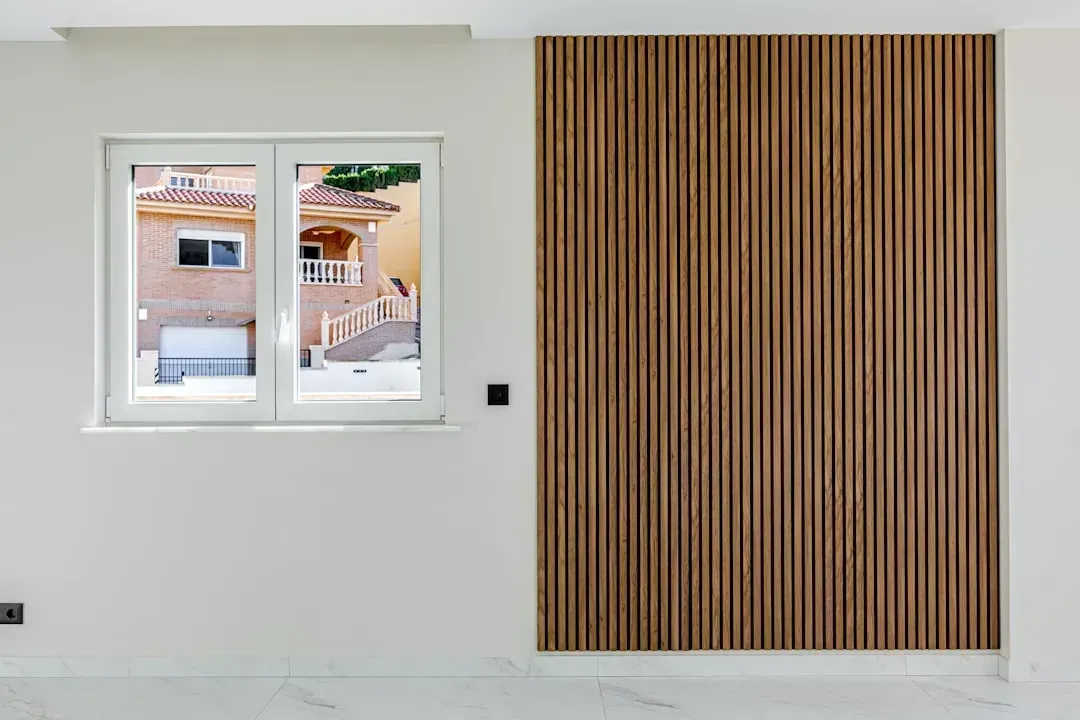
Designer Jerel Lake calls slatted wood accent walls a “time-stamped” detail, likening it to shiplap or a painted accent wall, noting this trend is a popular way to add texture and accent to walls but can often look forced and unfinished in a space if not done correctly. Excessive fluting and channeling is another trend designers don’t want to see, with one designer saying they’re done with it because it makes rooms hum just a bit too much for their liking.
Think about it. These features are so distinctly of this moment that they’ll immediately telegraph “circa 2023” when you look back in a few years. Much like the ship lap craze before it, slatted wood is having its fifteen minutes, and that clock is ticking down fast.
Bold Accent Walls
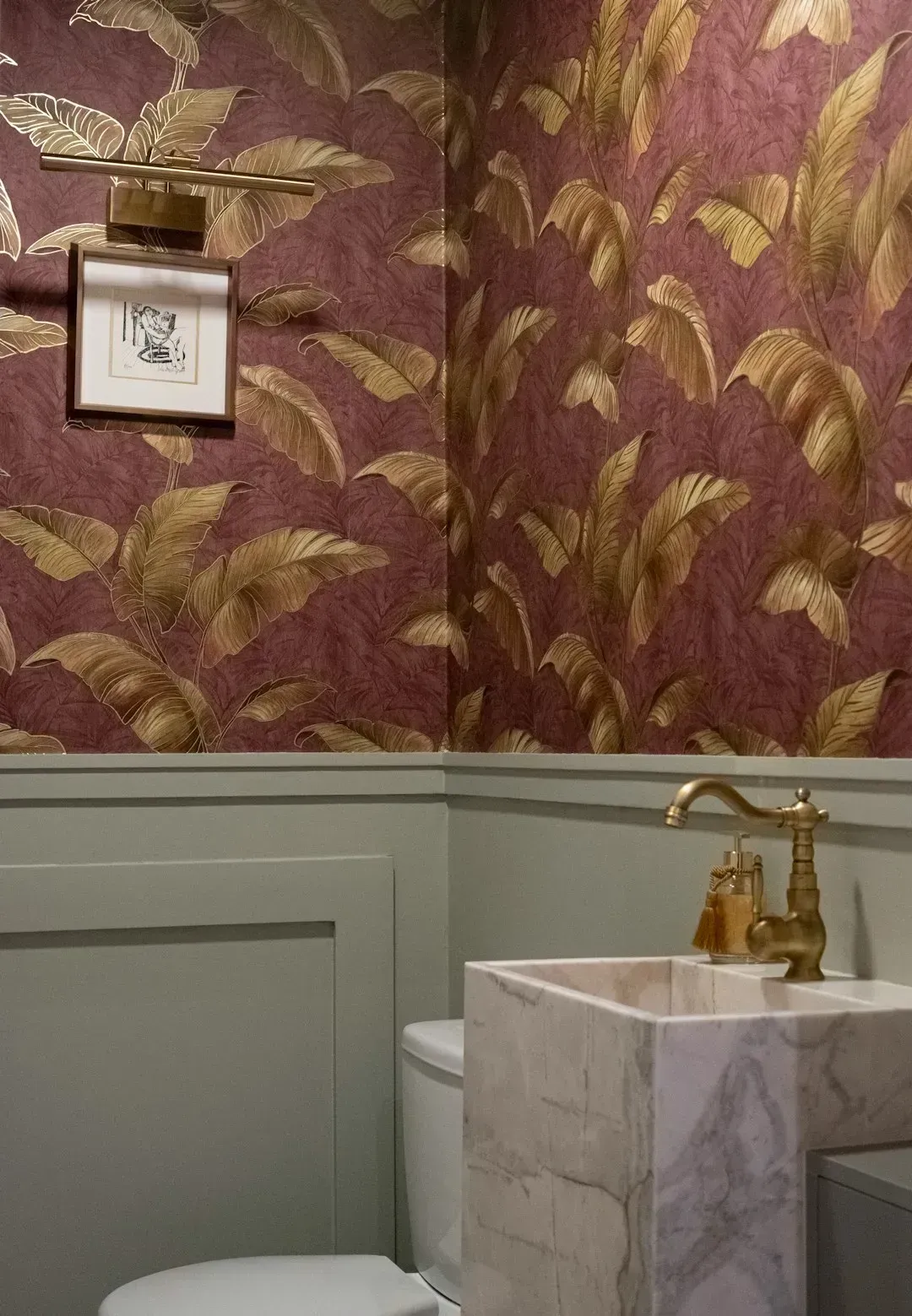
Accent walls have certainly lost at least some of their appeal lately, with one designer’s rule of thumb being “all the walls or nothing at all,” noting that accent walls can often look unfinished and unbalanced. Accent walls in bold colors are being phased out in favor of cohesive color schemes, with homeowners preferring a consistent flow of color throughout a room instead of a single bold wall.
I know it sounds crazy, but color drenching, where you paint walls, trim, and even ceilings in the same hue, creates a much more sophisticated envelope of color. Color drenching is going to carry over, creating a soft look in a room that feels enveloping and visually calming, though you may see it evolve a bit with more tonality.
Farmhouse Aesthetic
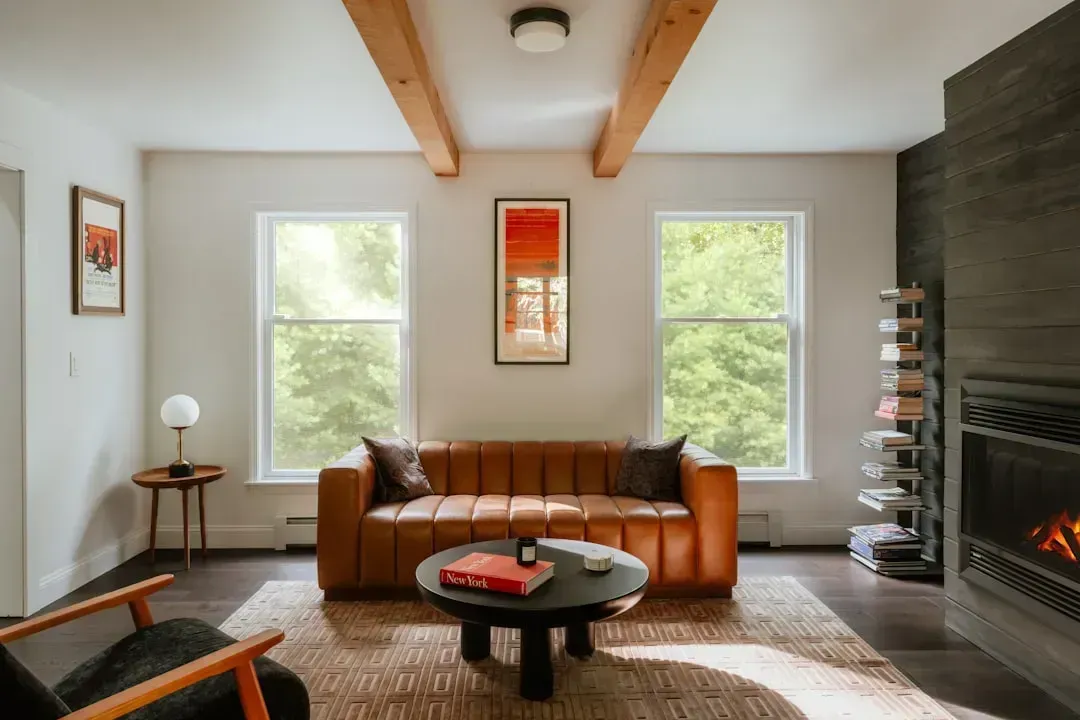
The shiplap-and-galvanized-metal farmhouse look has officially exhausted itself. While this was a popular design feature for a while, shiplap is a trend designers aren’t loving anymore, with mixed opinions emerging as early as 2023 about whether it’s going out of style. What felt fresh and rustic a few years ago now reads as dated and overdone.
Farmhouse and Mid-Century Modern styles will slowly transition off the design stage and give way to a modern/antique mix, however this will take a few years. The thing is, authentic vintage pieces will always have value, but mass-produced “farmhouse” decor trying too hard to look old? That’s losing its appeal rapidly.
Checkerboard Patterns Everywhere
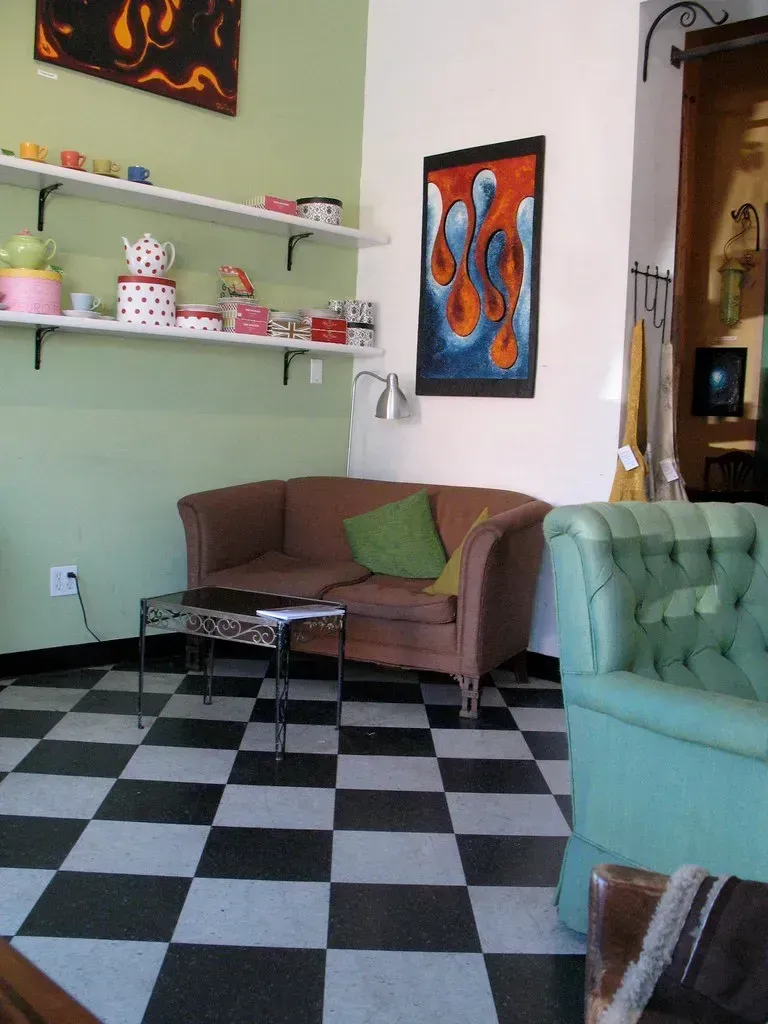
According to one interior stylist and content creator, the checkerboard phenomenon may have finally run its course, with checkered textiles, vases, rugs, and furniture being fads that are fading as we move toward 2025. Black-and-white checkerboard floors made a strong comeback, but often at the expense of the room’s overall balance.
Here’s the thing about pattern overload. When something shows up on floors, furniture, accessories, and textiles all at once, it quickly becomes visually exhausting. More organic patterning is starting to emerge, potentially replacing more geometric patterns.
Overly Glam Furniture
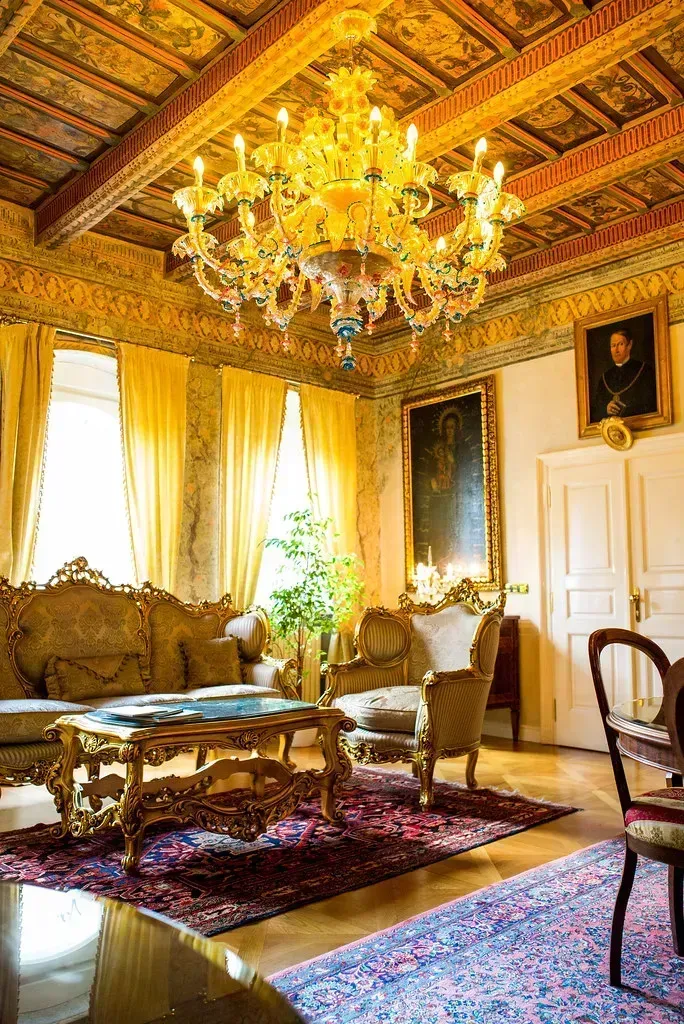
Excessively glam furniture pieces have fallen out of favor with designers who note that while it used to be the go-to for adding instant luxury, it now feels a bit dated and heavy-handed, with people generally turning to more understated elegance instead. Those ultra-shiny mirrored consoles, tufted velvet everything, and crystal chandeliers dripping with drama? They’re losing their luster.
The shift is toward natural materials that age beautifully rather than pieces that scream for attention. Sleek lines, honest materials, and a timeless vibe are replacing over-the-top ornamentation that will make homes look stuck in a very specific era.
Scalloped Details on Everything
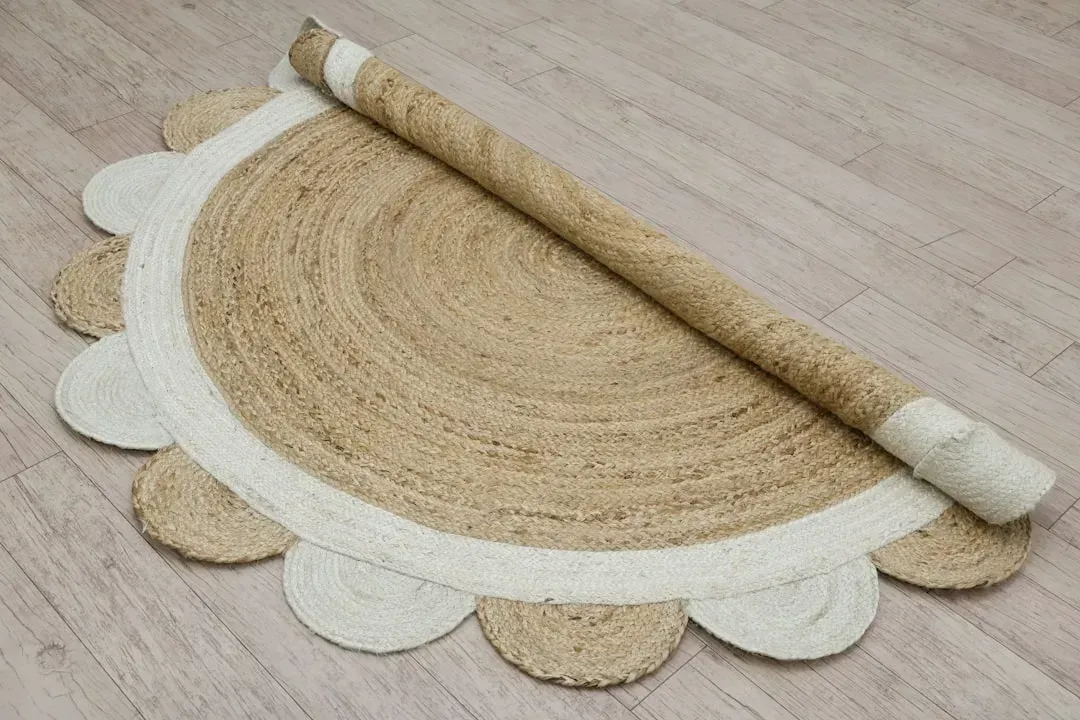
Scallop detailing is timeless in interior design in moderation, but due to an excess of scallop-detailed pieces, the look now feels “juvenile” rather than elegant and whimsical, with designers noting that while the goal was to introduce organic shapes and a touch of whimsy, this trend now feels cutesy.
What was meant to be playful and sophisticated has been done to death. Scallops, often prevalent in grandmillennial spaces, may be on their way out, with designers noting that because this has been everywhere recently, consumers are going to tire of the look. There’s a fine line between charming and saccharine, and scallops have crossed it.
Artificial Plants
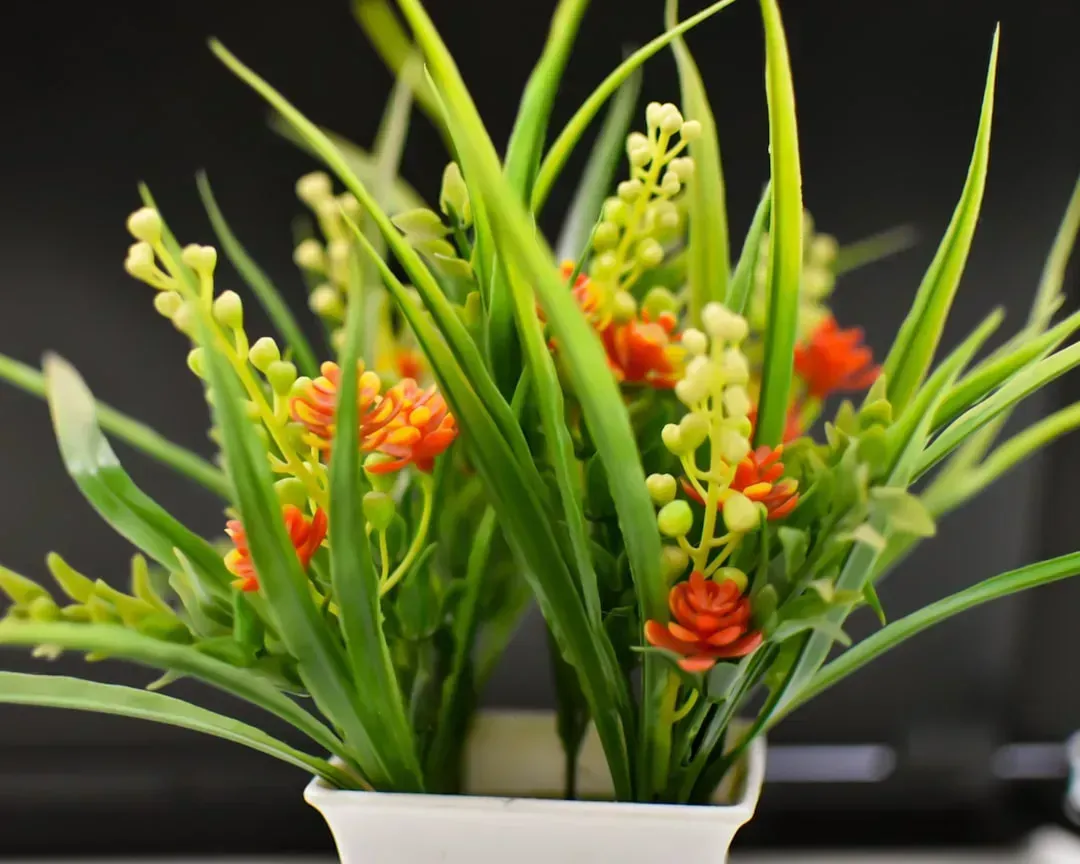
While low maintenance interiors are always a win, there is little patience for the growing reliance on artificial plants, with one designer arguing that with the right choices, real plants are far more rewarding than their synthetic counterparts. Sure, faux plants require zero effort, but they also bring zero life into a space.
The push toward authentic, sustainable, and natural elements in homes means those plastic fiddle leaf figs are getting the boot. Real greenery connects us to nature, improves air quality, and brings genuine vitality that no amount of realistic silk leaves can replicate. If you can’t keep a plant alive, maybe just embrace beautiful objects instead.
Grandmillennial Maximalism Gone Too Far
Designer Jennifer McKissick appreciates the return of traditional decor, but she’s in favor of mixing classic pieces with modern touches to create more visually varied, balanced spaces, noting that anything overly ‘grandmillennial’ is likely on its way out, meaning entire rooms swathed in chintz, ruffles, and pastels. All-over florals, vintage wallpaper, matching upholstery, and layered nostalgia pushed granny chic from charming to overwhelming, with designers noting that when every surface competes for attention, the room loses clarity.
There’s something wonderful about vintage charm and collected pieces. Yet when you take it to the extreme with every inch covered in pattern, lace, and pastel floral, it stops feeling curated and starts feeling costume-y. In 2026, pattern is still welcome, but used selectively rather than as a full-room costume. Balance is everything, and right now, the pendulum needs to swing back toward restraint.
What do you think? Will any of these trends still be holding strong in your home come 2030, or are you already planning your refresh?