The Collapse of the McMansion: Why These Oversized Homes Are Becoming Modern Wastelands
You’ve probably seen them dotting suburban landscapes everywhere. Those gigantic houses with columns that serve no real purpose, windows that don’t match, and enough square footage to house a small village. For decades, they represented the ultimate American Dream.
Today, that dream is turning into something of a financial headache. Sales of homes over 4,000 square feet have declined in the last year alone, and roughly half of all U.S. homes have lost value since last year, according to a study by Zillow, which found that 53 percent of all U.S. homes have seen their valuations drop compared to last year, with an average drawdown of 9.7 percent from their peaks. Here’s the thing: the oversized home is falling out of favor faster than anyone expected.
The Financial Reality Behind the Square Footage
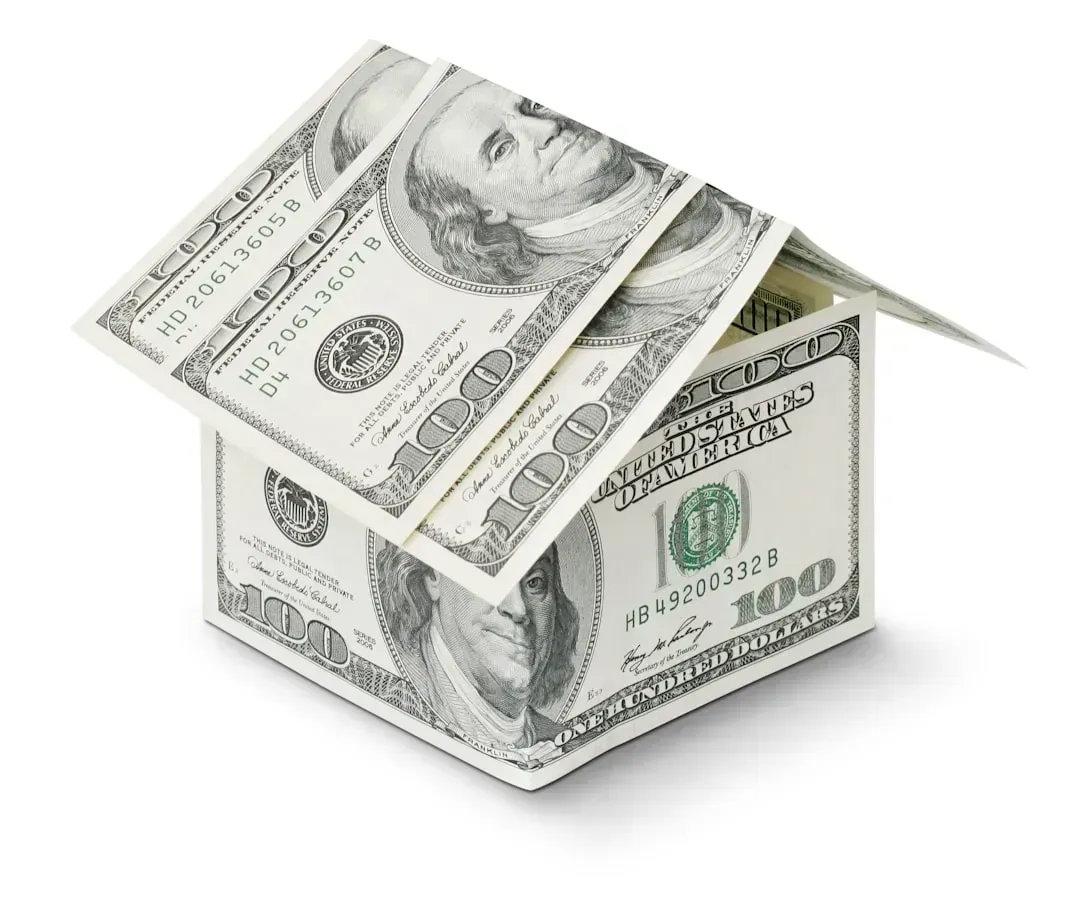
Maintenance costs for a 5,000-square-foot McMansion are approximately 2% to 3% of the total price, or $9,000 to $20,000 per year on average. That’s not even the worst part. When you add utility bills into the mix, the financial picture gets bleaker.
The average monthly electricity cost for houses with 3,000 square feet or more is $141.96, and heating expenses can skyrocket depending on the season. In Massachusetts alone, heating oil costs can hit over two thousand dollars just for winter. The high ceilings and sprawling floor plans that once screamed luxury now just scream expensive.
Let’s be real: property taxes aren’t doing these homeowners any favors either. Property taxes are at 1.3% of the home price, which will once again cost more in bigger houses. Throw in insurance costs that run higher due to replacement expenses and unique architectural features, and suddenly that McMansion doesn’t look like such a smart investment anymore.
Market Values Are Plummeting Across the Country
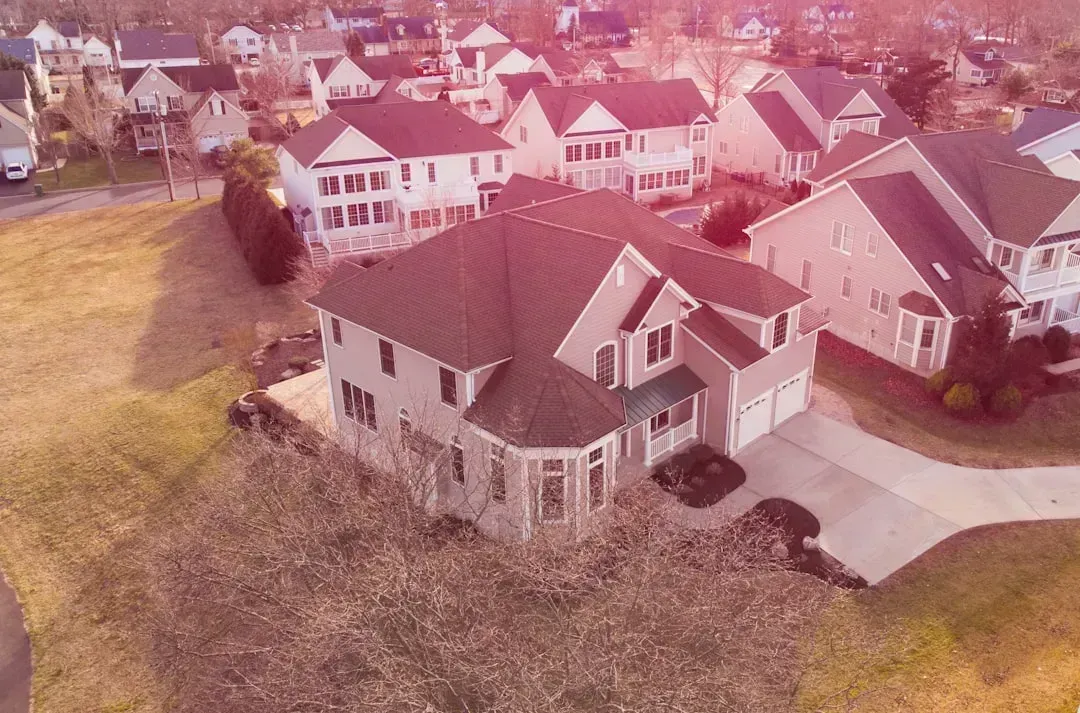
Since 2012, the premium that buyers paid for these big houses fell pretty sharply in most major metropolitan markets around the country. Research from Trulia showed this decline was happening in roughly eighty-five of the country’s one hundred biggest cities. That’s not a regional issue; it’s a nationwide trend.
Part of the problem is aesthetic. These homes were built quickly with cheap materials to maximize profit, and now they’re aging badly. McMansions of the eighties have aged badly already, and the ones built in the early 2000s aren’t faring much better. Tastes have changed dramatically too – what looked impressive in 2005 now looks dated and overdone.
The location factor plays a huge role here. Large homes have generally been built on the periphery of the metropolitan area, in suburban or exurban greenfields, while the growing demand for walkability and urban amenities has meant an increase in prices for more central housing. Essentially, these houses are in the wrong place at the wrong time.
Buyers Want Less Space, Not More
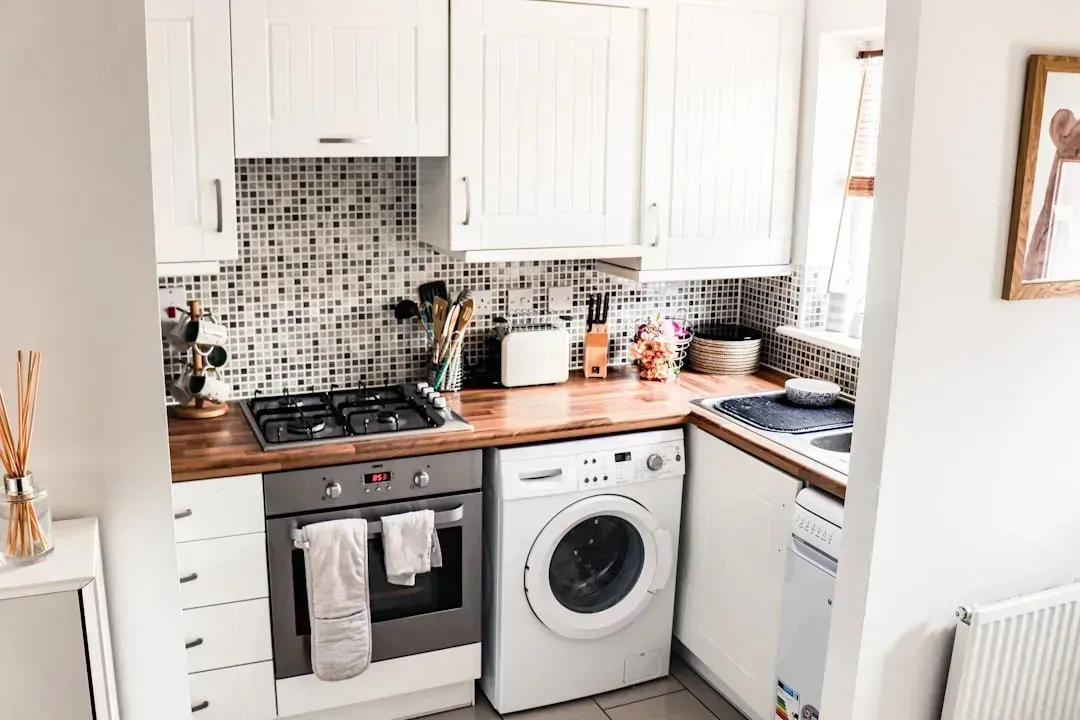
Younger generations are rewriting the rulebook entirely. Recent surveys indicate that many homebuyers under 40 prefer smaller, more manageable homes. Millennials and Gen Z aren’t interested in maintaining massive properties – they want efficiency, flexibility, and homes that don’t drain their bank accounts.
The median home size has been shrinking, reportedly shrinking from around 2,500 square feet in 2015. Recent data shows median single-family floor area around 2,100-2,200 square feet, among the lowest in recent years. The trend is undeniable.
It’s not just about preference either – it’s about practicality. Gen Z homebuyers purchase the smallest homes across different groups of buyers: relatively small median sizes. This generation values experiences over excess, sustainability over showing off, and smart design over sheer size. The McMansion mentality just doesn’t fit their lifestyle or budget.
Energy Costs Are Breaking Homeowners
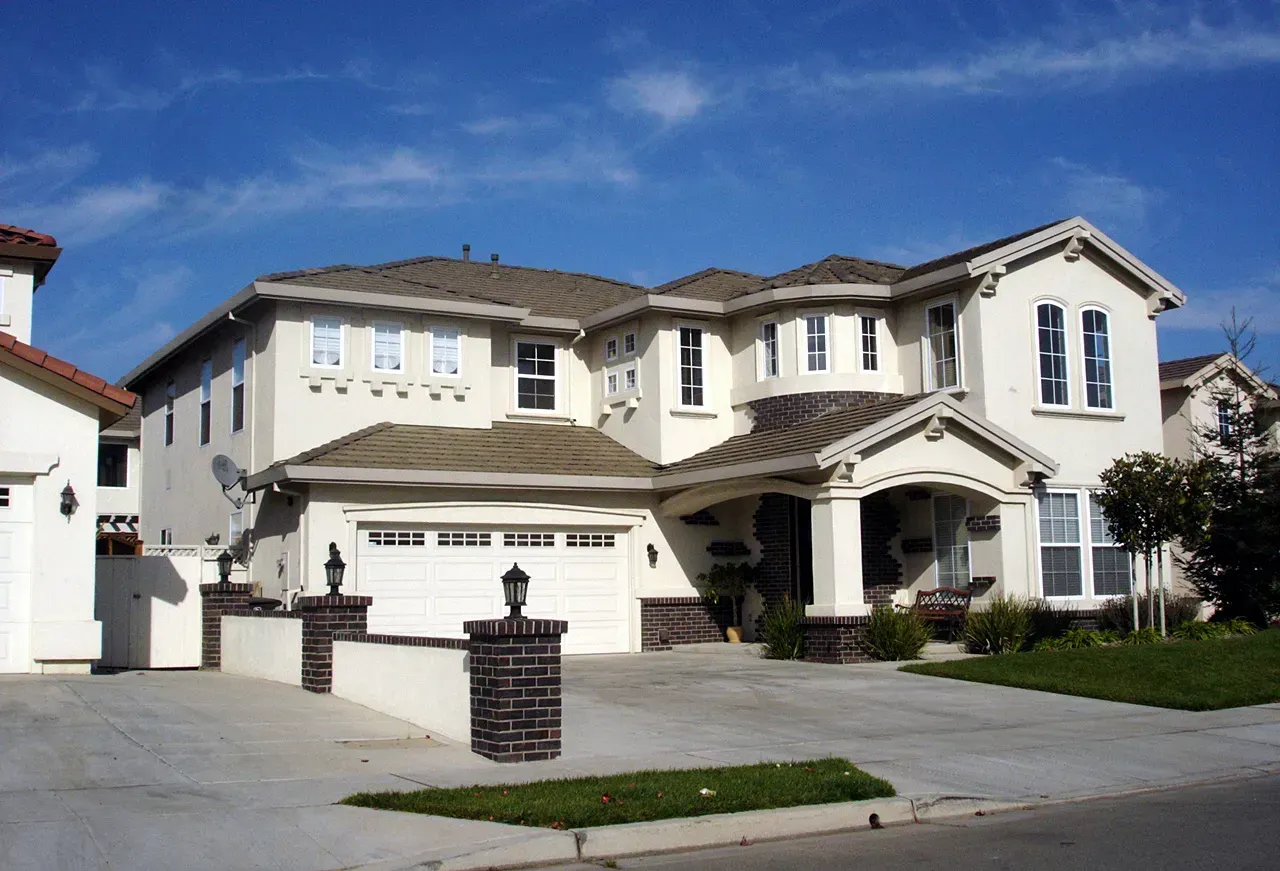
derivative work: NVO (talk), CC BY-SA 2.5, https://commons.wikimedia.org/w/index.php?curid=12680451)
Here’s where things get really uncomfortable for McMansion owners. These houses are environmental disasters waiting to happen. The high ceilings and huge foyers are difficult to heat and cool, and indoor pools, exercise rooms and living spaces with elevated ceilings all contribute to the need to construct power plants. They’re energy vampires, plain and simple.
Producing the concrete for a 2500 square-foot house generates hundreds of metric tons of CO2, and that’s just for construction. Once you’re living in one, the costs multiply. Space heating alone accounts for nearly half of energy bills, and when you’re heating multiple levels with vaulted ceilings and oversized rooms, those bills add up fast.
With electricity costs continuing to rise, many homeowners are quietly trying to offload these properties before the next round of costly repairs hits. Complex rooflines need expensive maintenance, HVAC systems struggle to keep up, and the whole operation feels unsustainable in an era where people are actively trying to reduce their carbon footprint.
The Great Shift Toward Walkable Communities
Something fascinating is happening in real estate right now. Demand for homes in mixed-use neighborhoods has reportedly increased since 2022, according to the Urban Land Institute. People want to live where they can walk to shops, restaurants, and parks – not in isolated cul-de-sacs twenty minutes from civilization.
Remote work changed the game initially, but hybrid work models in 2025 have made commute times relevant again. Buyers are seeking that sweet spot: close enough to the office for a reasonable commute, but in neighborhoods that feel alive and connected. McMansion developments in far-flung suburbs just don’t offer that lifestyle.
Consumers now know that home prices won’t increase without fail and the interest in ex-urban living has waned, while homeownership overall is down, and much of the growth in homeownership will be among older adults. The demographic winds have shifted, and they’re not blowing in favor of oversized suburban behemoths anymore. Honestly, it’s hard to see how these homes recover their former appeal when everything buyers want points in the opposite direction.
What seemed like solid investments fifteen years ago are now becoming harder to sell, harder to maintain, and increasingly out of step with how people actually want to live. The McMansion era isn’t just fading – it’s collapsing under the weight of its own excess. Will these oversized relics find a second life, or are they destined to become cautionary tales of architectural overreach? Only time will tell, but right now, the signs aren’t exactly encouraging.