Ghost Mansions: Why the 5-Bedroom “Forever Home” Is Turning Into an Unsellable Burden for Boomers
Across suburban America, something strange is happening. Sprawling homes with manicured lawns and multiple bedrooms sit quietly, housing just one or two aging residents. These properties were built for the bustle of family life, but the kids moved out years ago. The irony is almost poetic. The homes that once symbolized achievement and the American Dream are now becoming financial and emotional anchors for the very people who once celebrated owning them.
The problem isn’t just about sentimentality or resistance to change. There’s a genuine mismatch unfolding in the housing market, one that researchers predicted years ago and that we’re witnessing play out now. Let’s get into what’s really going on behind closed doors and white picket fences.
The Aging in Place Movement Has Consequences Nobody Planned For
By far, the most common answer is never, with 61% of boomer homeowners saying they plan to live in their homes for the rest of their lives, up seven percentage points from 2024. That’s not a small shift. Only 1 in 10 boomer homeowners plan to put their homes on the market in the next five years, down from 15% in 2024, according to data from Clever Offers. What seemed like a comforting choice to stay put is now creating an unintended bottleneck in the housing supply chain.
Here’s the thing: A 2024 Redfin analysis found that baby boomers are twice as likely to own large homes as millennials. Yet more than 70% of millennial and Gen Z homeowners have minor children living in their home, compared to 4% of baby boomers. The generation that needs space doesn’t have it, while those who have it don’t need it anymore.
The reasons for staying are understandable. Factors cited by boomers in not selling include having paid off their mortgages (44%), not wanting to start over (36%), planning to leave homes as inheritances (34%) and concerns they can’t afford a new home (30%). Honestly, when you’ve lived somewhere for decades, the thought of packing up and starting fresh feels overwhelming.
Large Homes Are Expensive to Maintain, Even With a Paid Off Mortgage
Let’s be real. Paying off a mortgage doesn’t mean the financial obligations vanish. Even when you’ve paid off your mortgage, the ongoing cost of property ownership doesn’t disappear. Property taxes can increase over time, especially in areas experiencing gentrification or reassessments. Seniors in fixed-income households may find themselves struggling to keep up with rising tax bills that once felt manageable. That’s not a hypothetical scenario, it’s happening right now in neighborhoods across the country.
Then there’s maintenance. The upkeep and repairs of homes can also be very costly, especially for bigger jobs such as a new roof or furnace replacement. A five-bedroom house doesn’t shrink its demands just because fewer people live there. Gutters still clog, roofs still leak, and heating systems still fail.
Even routine services like gutter cleaning, pest control, and annual HVAC tune-ups can add up to thousands of dollars a year. For retirees on fixed incomes, these aren’t trivial expenses. The home that was supposed to provide security in retirement might be quietly draining savings instead.
Younger Buyers Don’t Want What Boomers Are Selling
The problem is that millions of millennials and members of Generation Z may not be able to afford those homes, or they may not want them, opting for smaller homes in walkable communities instead of distant suburbs. This isn’t just about money. Preferences have fundamentally shifted. What made sense in the 1980s and 1990s doesn’t align with how younger generations want to live now.
When buying a home, Millennials typically prioritize affordability, convenience to work, commute times, energy efficiency, open floor plans, and modern features. Millennials are more likely to buy smaller homes with upgraded features and smart home technology than other generations. A sprawling suburban home an hour from the city center just doesn’t fit that vision. The commute alone is a dealbreaker.
There’s also a financial reality. Americans now need to earn around $111,000 to afford a median-priced home with a 20% down payment, a staggering 50% increase over the past four years, according to Bankrate. Even dual-income millennial households are struggling. The number of first-time homebuyers in 2004 was nearly 3.2 million, according to NAR data. By 2024, that number had plummeted to just 1.14 million. The buyers who would have traditionally absorbed these larger homes simply aren’t there in the numbers they used to be.
A Market Mismatch That Could Get Worse
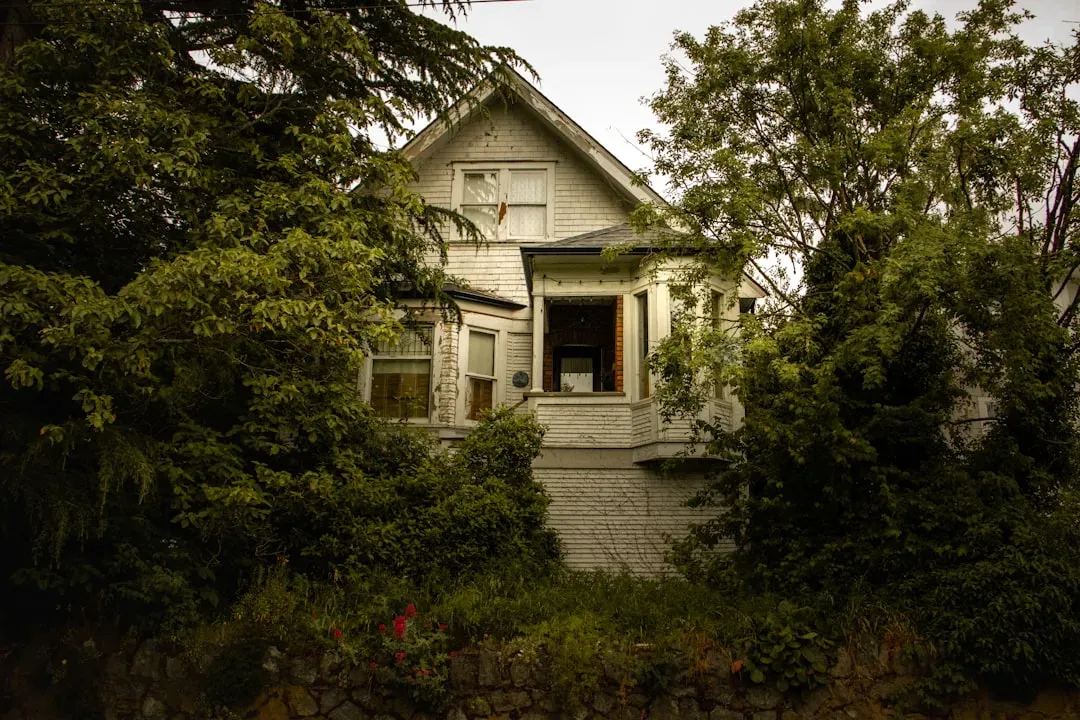
The study predicts that the change in home-buying behaviors by younger generations may result in a glut of homes that could grow as high as 15 million by 2040, with homeowners selling for far below what they paid, if they can sell them at all. That’s not a comforting projection for anyone banking on their home equity to fund retirement.
Most seniors will be able to sell their homes, the study says, but it may become especially difficult in smaller, distant and slow- or non-growing markets. Researchers warned that millions of seniors can’t get out of their homes and that it’s going to get worse into the 2030s. In some communities, this is already becoming visible. Homes sit on the market longer, price reductions become more common, and sellers realize the buyers they anticipated just aren’t materializing.
These numbers suggest roughly 90% of the substantial number of homes owned by boomers won’t hit the market until at least the 2030s. Perhaps more concerningly, the percentage of never-sellers is trending in the wrong direction for those predicting a “silver tsunami” of boomer-owned homes to help with increasingly strained housing affordability. The relief many hoped would come from boomers downsizing keeps getting pushed further into the future.
When Forever Homes Become Forever Problems
There’s something bittersweet about all this. These homes were purchased with joy, filled with memories of birthday parties and graduations. They were the backdrop to decades of life. Walking away from that isn’t easy, even when it might make financial sense. I get that.
Still, the reality is settling in. What was meant to be a forever home might end up being more burden than blessing. The gap between what these properties cost to maintain and what the market will actually pay for them is widening. Meanwhile, younger families who desperately need that space can’t afford to buy at current asking prices.
The housing market is caught in a strange standoff, with neither side able to make a move that works. Boomers can’t sell without taking a loss or facing an uncertain rental market. Younger buyers can’t afford what’s available. It’s hard to say for sure where this all leads, but it’s becoming clear that the forever home dream might need a serious rethink. What will your neighborhood look like in ten years? It’s worth thinking about.