Check Your Wallet: Certain $2 Bills Are Selling for Thousands Based on These Patterns
Most people tuck away a $2 bill as a novelty or curiosity when they come across one. You might have a couple stashed in a drawer somewhere, thinking of them more as conversation pieces than currency. That could be a costly mistake. Some verified examples have sold for thousands of dollars at auctions, and the reason often comes down to a few specific patterns you can check yourself right now.
Low Serial Numbers Are Collector Gold
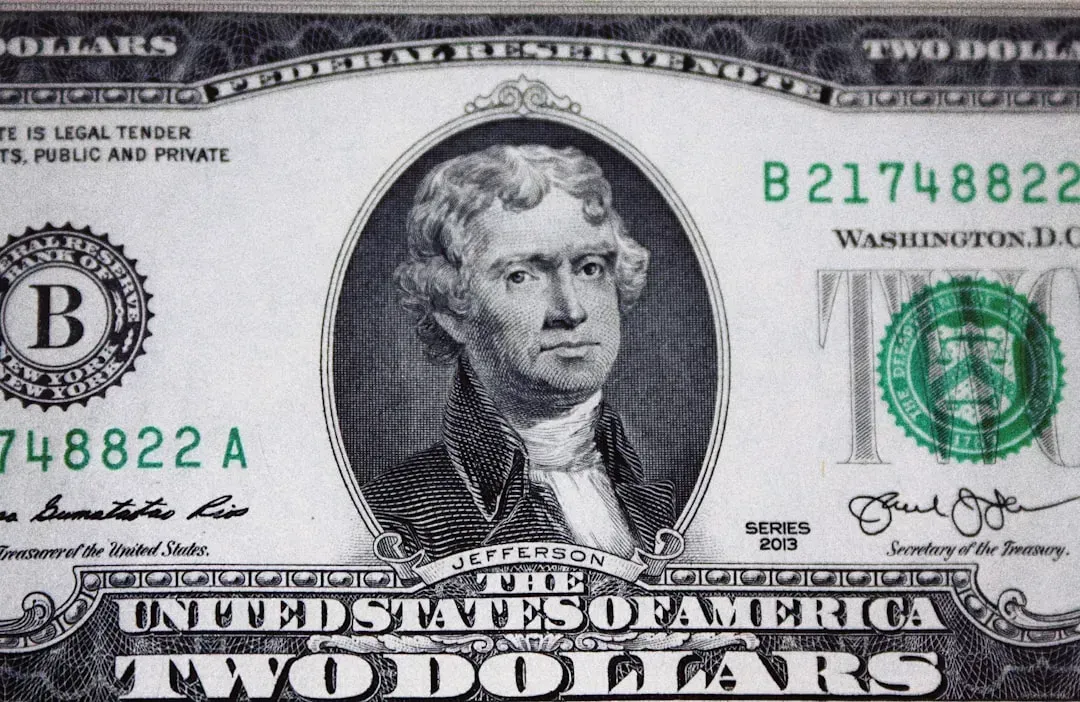
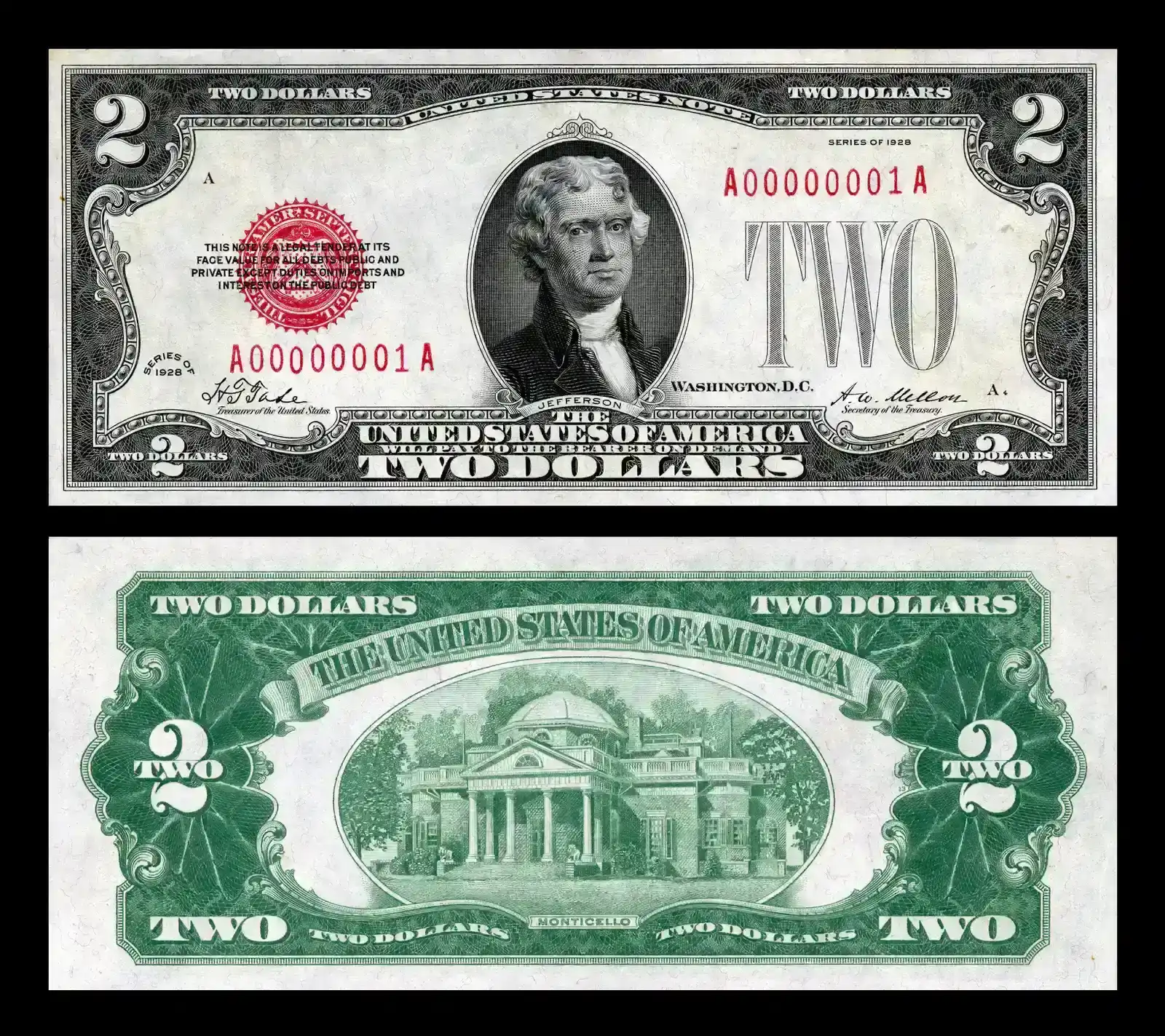
The serial number stamped on your $2 bill could be its ticket to serious value. Numbers starting with multiple zeros, such as 00000001 or 00000123, are extremely rare and highly collectible. Heritage Auction, the largest numismatic auction house in the world, sold a $2 bill printed in 2003 for $2,400 because it had a very low serial number for the 2003 series. Bills with numbers under 100 have consistently reached four-figure sale prices when they’re properly graded and preserved.
Let’s be real, finding one of these is like winning a small lottery. Auction records show that $2 bills with extremely low serial numbers have sold for thousands of dollars when professionally graded and well-preserved. Even if your bill isn’t perfectly uncirculated, a seriously low number can still command substantial interest from collectors who chase these specific patterns obsessively.
Solid Serial Numbers Command Premium Prices
Here’s where things get wild. Imagine pulling out a bill where every single digit in the serial number is identical. All digits are identical, such as 77777777 or 99999999. A 1976 $2 bill saved by a grandmother with a solid serial number (F11111111A) and graded PMG 64 EPQ sold at auction for $9,600 – nearly 5,000 times its face value, demonstrating the incredible value potential of fancy serial numbers.
Honestly, the odds of stumbling upon one are microscopic. These solid serials are mathematical rarities in the printing process. Collectors go absolutely nuts for them because they’re visually striking and instantly recognizable as something special, making them trophy pieces in any currency collection.
Ladder Serials Are Rarer Than You Think
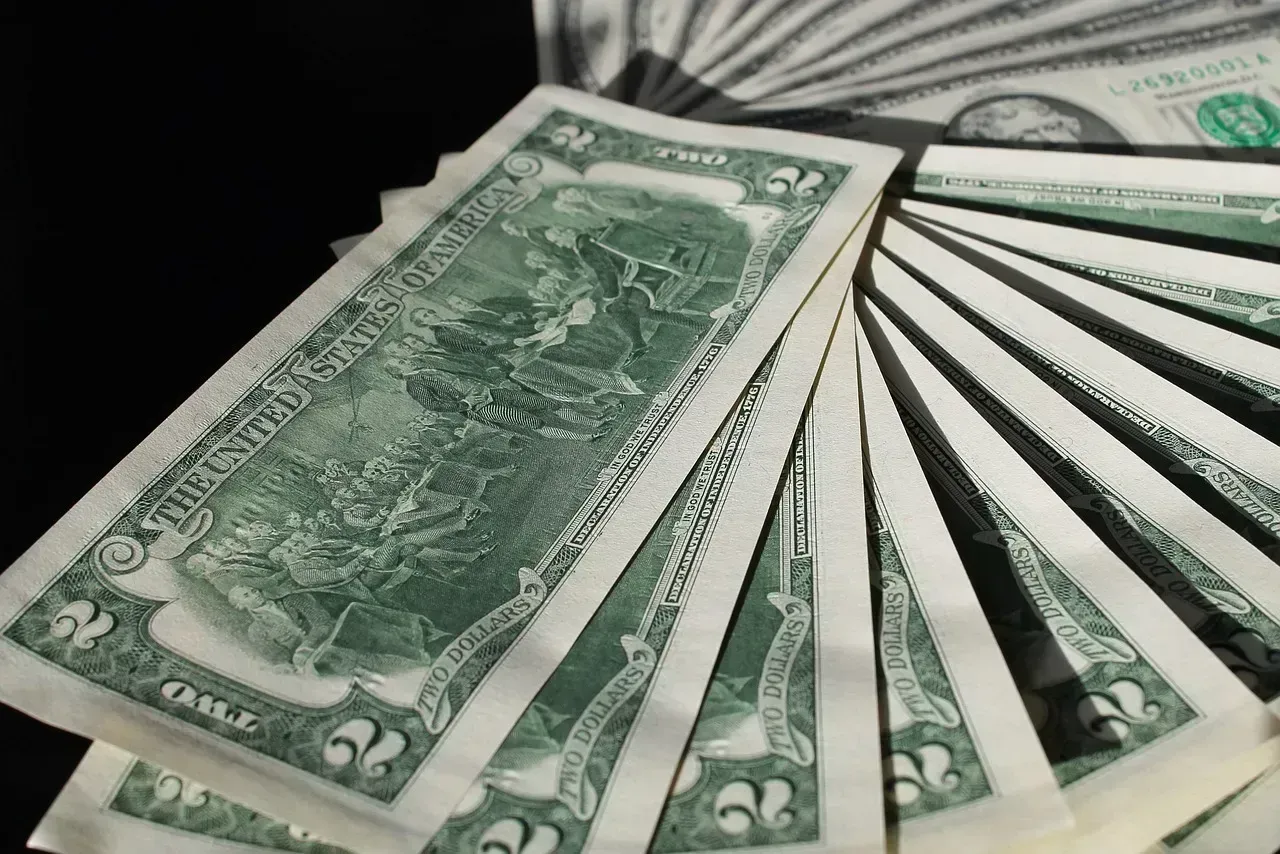
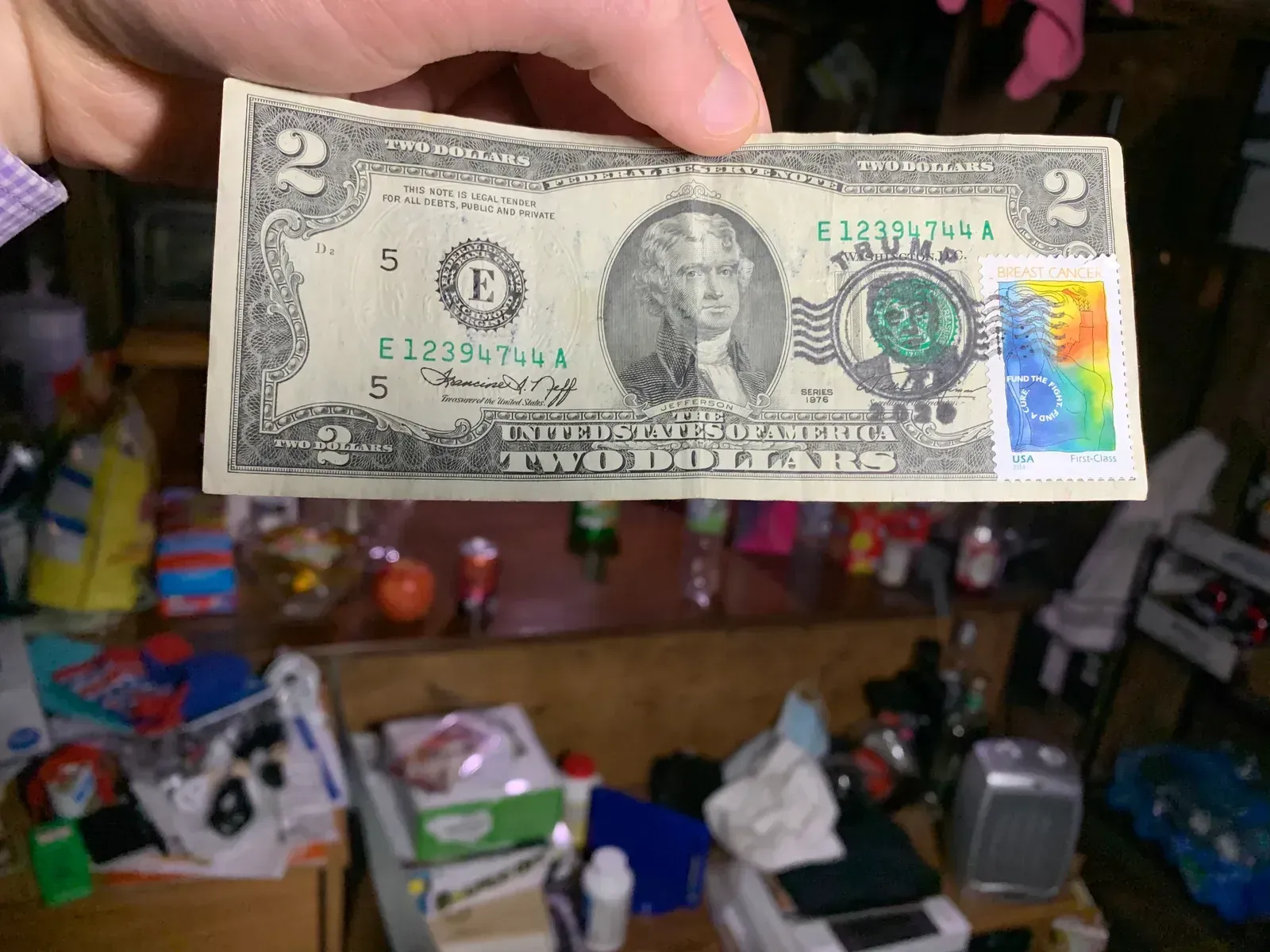
The ladder note is the rarest possible two-dollar bill as it has a unique serial number, 12345678, such as 12345678, occurring only about once every 100 million notes. Sequential numbers like these aren’t just cool to look at – they fetch serious money at auction. The reverse ladder (87654321) is equally valuable and sought after.
It’s hard to say for sure, but most experts agree these are among the most desirable fancy serial patterns. These notes are worth thousands of dollars and fetch a very high price at auctions, especially when the bill itself is in pristine condition.
Repeater Patterns Catch Collector Eyes
Repeater serial numbers show patterns like 45454545 or 23232323. While not quite as rare as solid numbers or perfect ladders, these repeating patterns still generate significant collector interest. They’re visually appealing and easy to spot, which makes them popular among both serious numismatists and casual collectors.
The beauty of repeaters is that they’re actually findable if you make checking bills a habit. You’re not searching for a one-in-a-hundred-million occurrence. They show up often enough that dedicated searchers can realistically hope to discover one, yet they remain rare enough to command premium prices above face value.
Star Notes Signal Replacement Bills
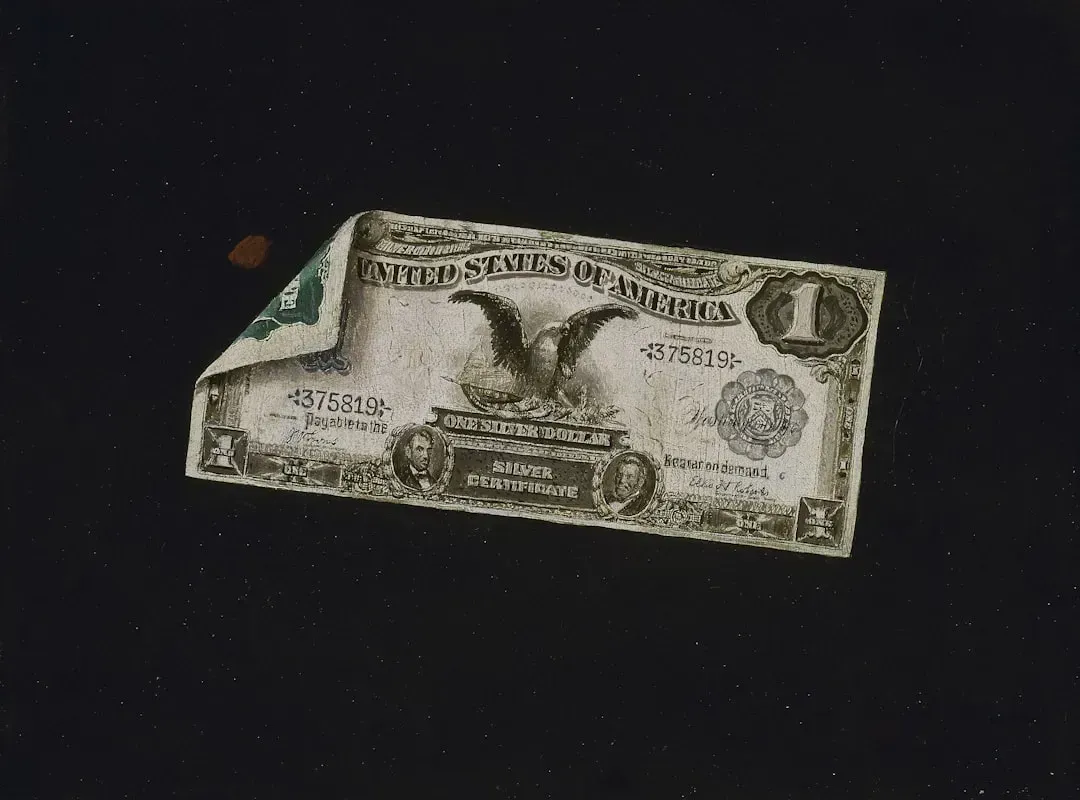
Star notes have serial numbers ending with a star symbol, which indicates a replacement note. A star note is a type of note issued by the Bureau of Engraving and Printing (BEP), with an asterisk or star following the serial numbers, as notes printed erroneously are pulled from printing processing and replaced with star notes. These are automatically scarcer than standard bills because they represent a tiny fraction of production.
Star notes can be valuable depending on the reserve bank where the notes were printed, with the most valuable star notes printed in Kansas City and Minneapolis having the most sought-after serial numbers. Not every star note is worth a fortune, but if you’ve got one from a limited run or with an additional fancy serial pattern, you might be holding something worth examining more closely.
Uncirculated Red Seal Bills from 1928
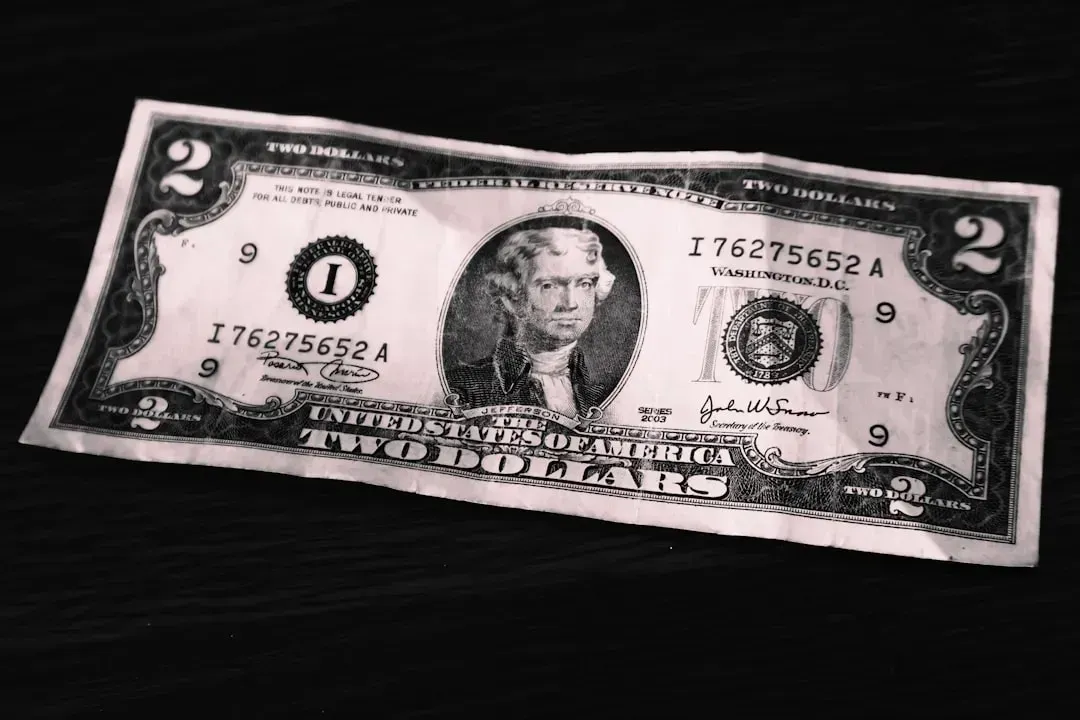
An uncirculated 1928 red seal $2 bill could be worth over $1,000, while a circulated version may only be worth $5 to $175. The red seal distinguishes these older bills from modern green-sealed Federal Reserve Notes. All legal tenders have a red seal, and 1928 was the first year that United States paper money was printed at its current size.
Condition absolutely matters here. A beat-up 1928 bill might only bring a few dollars over face value, while that same bill in crisp, untouched condition could multiply in worth dramatically. A 1928 bill with a star in the serial number sold for $88,000 in 2013, though that represents an extraordinarily rare case combining multiple valuable features.
Historical Bills from the 1800s
The earliest $2 bills, issued in 1862 and 1869, feature a portrait of Alexander Hamilton and are highly sought after by collectors thanks to their historical importance and limited availability, with values ranging from a few hundred dollars to a few thousand depending on condition. An 1890 $2 Treasury Note featuring General James McPherson is worth upwards of $4,500, though it can fetch tens of thousands of dollars at auction, especially if it’s in perfect condition.
Obviously, you’re not going to find these in your pocket change today. They mostly exist in established collections and occasionally surface at estate sales. Still, if you’ve inherited old currency or stumbled across something tucked in an attic trunk, these dates are worth professional appraisal. The historical significance alone pushes values higher, even before considering condition or serial numbers.
Bicentennial Bills with Special Features
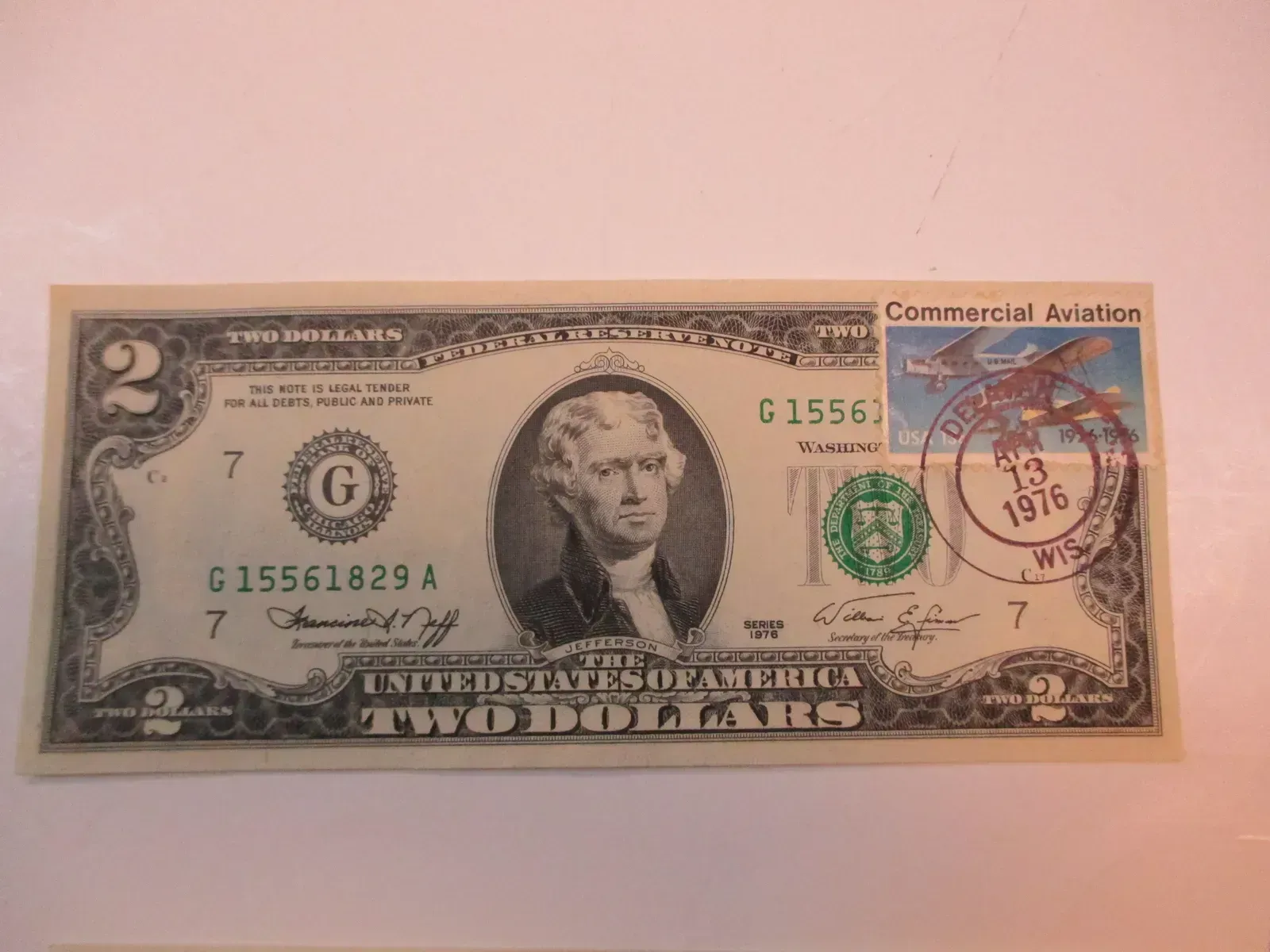
The 1976 $2 bill was released to celebrate the U.S. bicentennial, and while most are only worth face value, some with special serial numbers, misprints, stamps or star notes can be worth $20 to $900. More than a half billion series 1976 $2 notes were printed, so the standard ones are everywhere. What separates the valuable ones from the common ones? Features like first-day stamps, printing errors, or exceptional serial numbers.
A rare 1976 $2 bill sold for $35,250, standing out due to its extremely rare printing error and pristine condition with a misalignment printing issue where the seal and serial numbers were slightly off-center. Not every 1976 bill is valuable, but certain ones with the right combination of factors can be genuinely shocking in their worth.
Printing Errors Transform Ordinary Bills
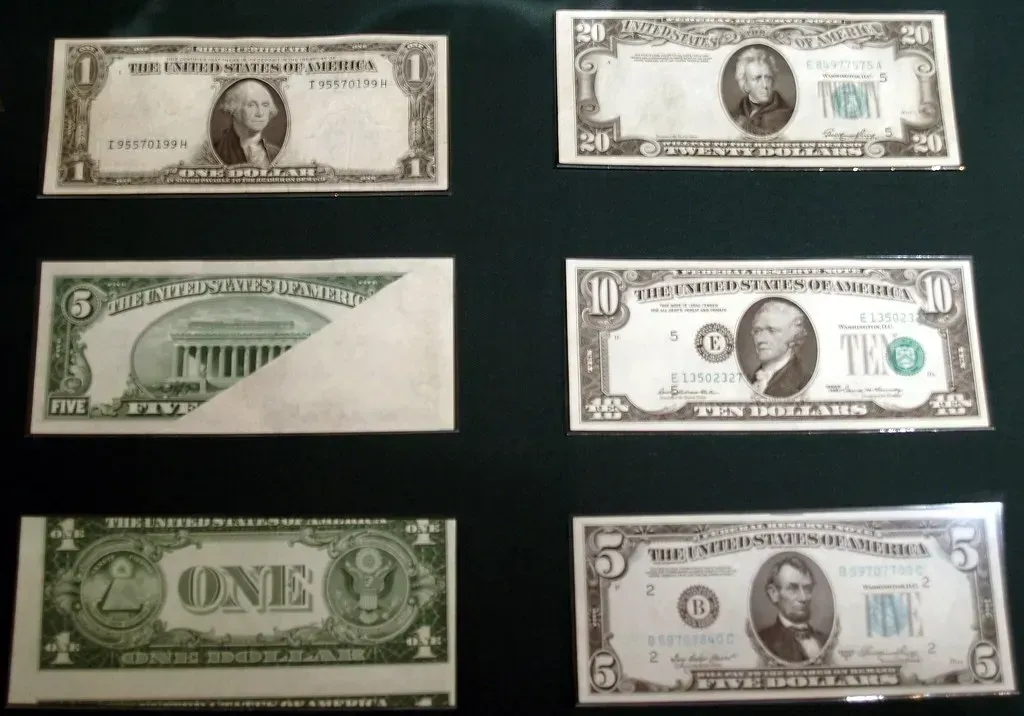
Any mistakes or printing errors during the printing process, such as inverted overprints, can make a $2 bill very valuable. 1976 inverted overprint errors have sold for $2,000-$3,000. Misaligned seals, missing serial numbers, ink smears, or double prints all qualify as errors that collectors actively hunt.
Think about it – these mistakes slipped past quality control, making them accidental rarities. The more dramatic the error, the higher the potential value. Collectors appreciate them as unique pieces that document the imperfection of the printing process, turning what might seem like a defect into a premium collectible.
Condition Makes or Breaks Value
Condition directly affects how much a collector is willing to pay, as bills are graded on a scale ranging from heavily circulated to uncirculated. A bill with an elusive low serial number of one, if graded at 65, could be worth a staggering $20,000. Professional grading by services like PMG or PCGS provides authentication and confidence for buyers, which typically increases resale value.
Keep bills flat and avoid handling excessively, as oils and folds can reduce value; if the bill appears promising, store it safely. Even a rare serial number loses much of its appeal if the bill is torn, stained, or heavily worn. Preservation matters enormously in this hobby, and a small investment in protective sleeves can protect potentially significant value.
There were over $2.7 billion worth of $2 bills in circulation as of December 2023, and the Bureau of Engraving and Printing printed around 128 million new $2 bills in fiscal year 2023 alone. They’re still legal tender and still being made. Before you spend that odd $2 bill, take thirty seconds to check the serial number. You might discover you’re holding something worth hundreds or even thousands more than its printed value.