12 Forgotten American Dishes That Have Nearly Disappeared
Think about the dinner tables of your grandparents’ generation. There were dishes that defined an era, meals that practically everyone knew how to make, recipes passed between neighbors at potlucks and church suppers. Yet somewhere between then and now, many of these once-beloved foods quietly slipped away from American kitchens.
As culinary tastes evolved towards simpler, more natural flavors and health consciousness grew, changes in grocery store offerings, restaurant cultural shifts, and availability of ingredients have all played a role in these particular foods losing popularity. What happened to these dishes tells us something deeper about how we live, what we value, and how quickly the world around us changes. Let’s take a look at twelve American classics that have all but vanished.
Tomato Aspic
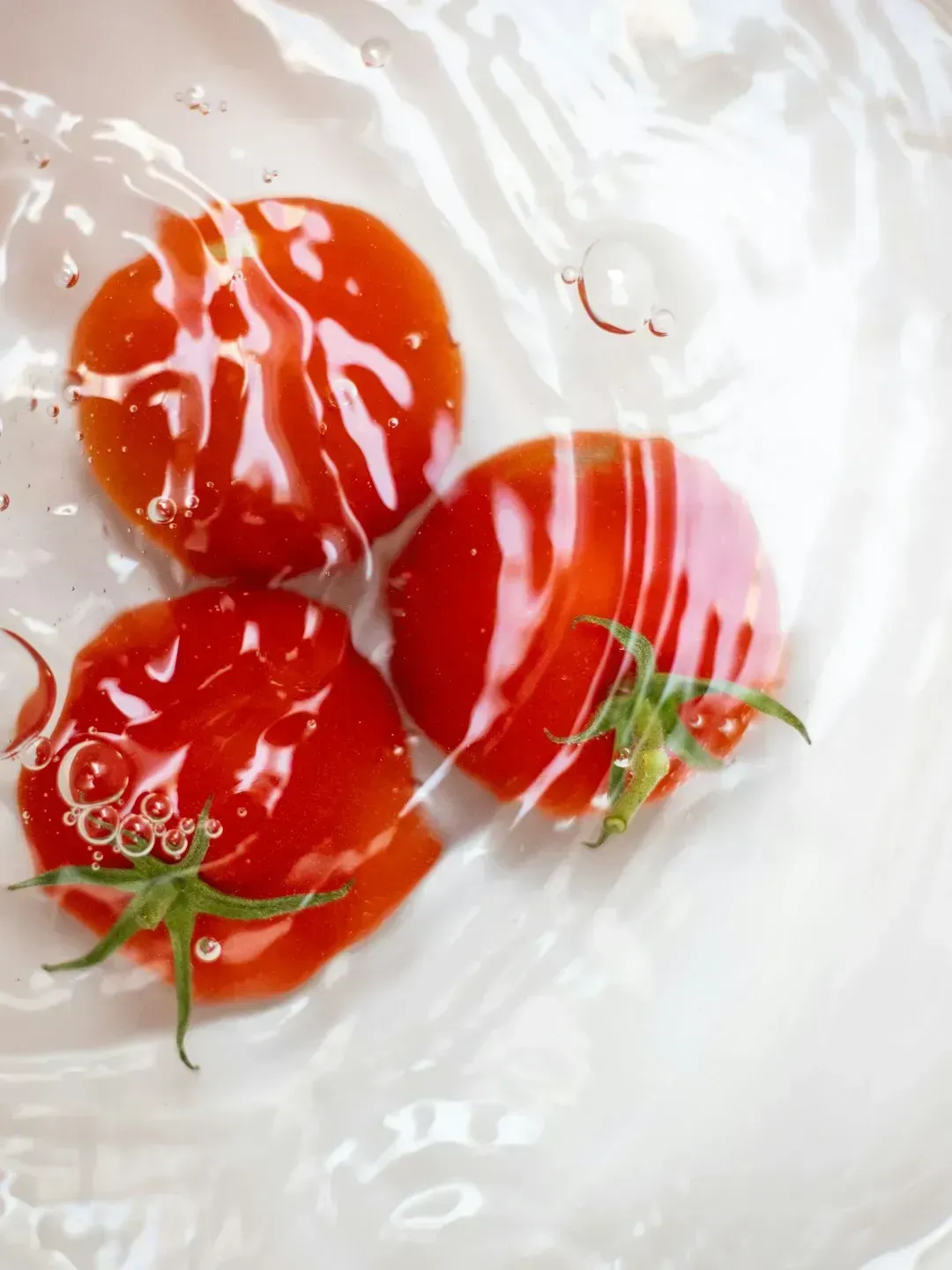
Back in the 1950s and 60s, no potluck was complete without a wobbly, shimmering tomato aspic, a savory gelatin dish that combined tomato juice with unflavored gelatin, often containing vegetables like celery, onions, or olives, but the dish fell out of favor as tastes changed and people began associating gelatin more with desserts than savory foods. This jiggly concoction was frequently prepared in wreath-shaped molds and garnished with copious quantities of mayonnaise and a sprig of parsley, particularly served during lots of formal gatherings throughout Alabama’s history and across the South. Honestly, it’s hard to imagine serving something like this today without getting confused stares. As refrigeration technology improved and raw vegetables became more accessible nationwide, gelatin based savory dishes struggled to survive.
Welsh Rarebit

This cheesy delight was once a beloved quick meal served in American homes and taverns from the late eighteen hundreds through the mid-nineteen hundreds. It was a popular quick meal that offered an economical way to turn simple ingredients into something special and filling. The dish featured a rich cheese sauce, typically made with sharp cheddar melted with beer or ale, mustard, and Worcestershire sauce, then poured over toasted bread. As grilled cheese sandwiches became the go-to cheese-and-bread comfort food, Welsh rarebit gradually disappeared, and few modern Americans have even heard of it, let alone tasted this once-beloved cheesy creation. It required more effort than slapping cheese between two slices of bread, and in our rush-rush world, that extra ten minutes apparently became too much to ask.
Creamed Chipped Beef on Toast
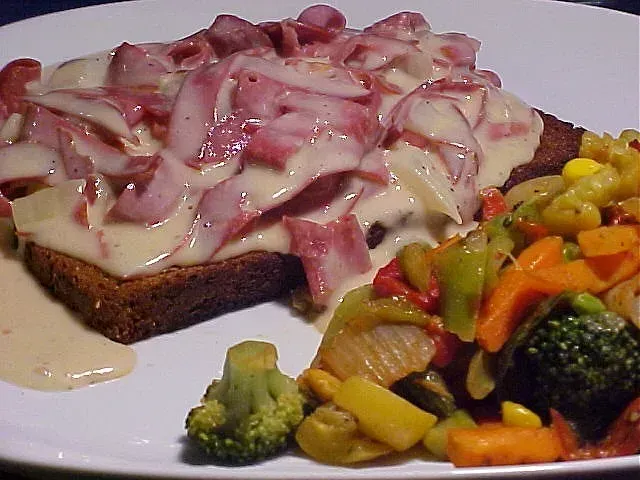
In the United States, chipped beef on toast was commonly served to service members of the United States Armed Forces from World War I through Vietnam, was considered emblematic of the military experience, and in American military slang it is commonly referred to by the dysphemism “Shit on a Shingle” (SOS). This military mess hall staple combined dried, salted beef in a thick white béchamel sauce, served over toast for a filling breakfast or dinner, and World War II veterans brought their taste for this dish home, making it popular in the 1940s and 50s because the meal was cheap, quick, and packed with protein. Creamed chipped beef is also a standard fare on many diner menus, especially in the Mid-Atlantic, but has become harder to find in chain restaurants that serve breakfast. Modern tastes find the salty, creamy combination unappealing, and dried beef has become hard to find in stores, so this once-common comfort food has nearly disappeared except in the memories of older generations.
Chicken à la King
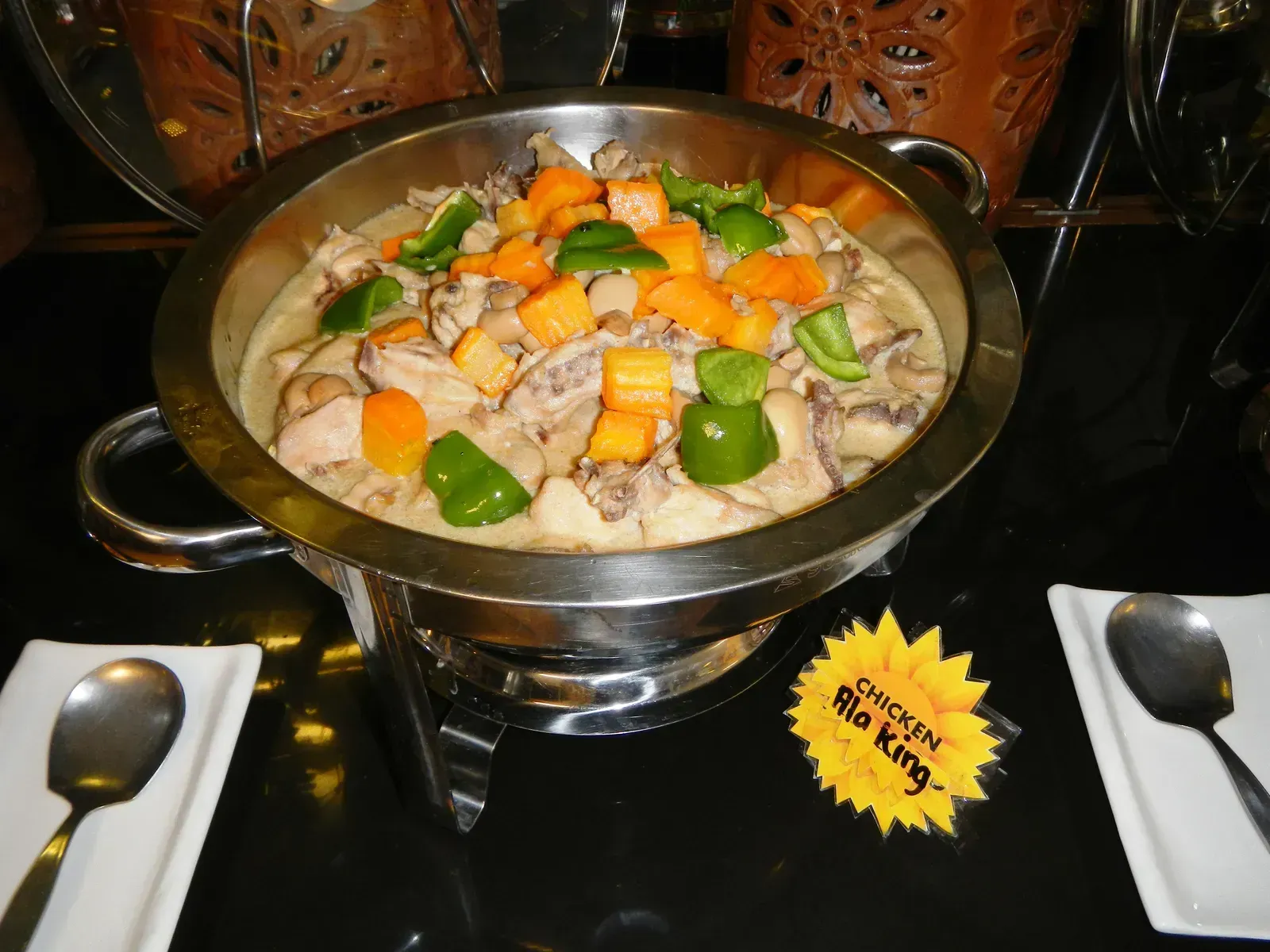
There was a time when serving Chicken à la King meant you were putting on a proper dinner party. Beef stroganoff and chicken à la king were described as 1970s classics that graced many American tables. This creamy chicken dish, loaded with mushrooms, peppers, and pimentos in a rich sauce, was often served over rice, pasta, or in puff pastry shells. The dish supposedly originated in the late eighteen hundreds, though its exact creator remains disputed. It became especially popular in the mid-1900s as a quick, elegant meal option, but as dietary preferences shifted toward lighter, less cream-heavy foods, this indulgent classic lost its appeal and you might still find it at old-fashioned diners, but it’s rare nowadays.
Ambrosia Salad
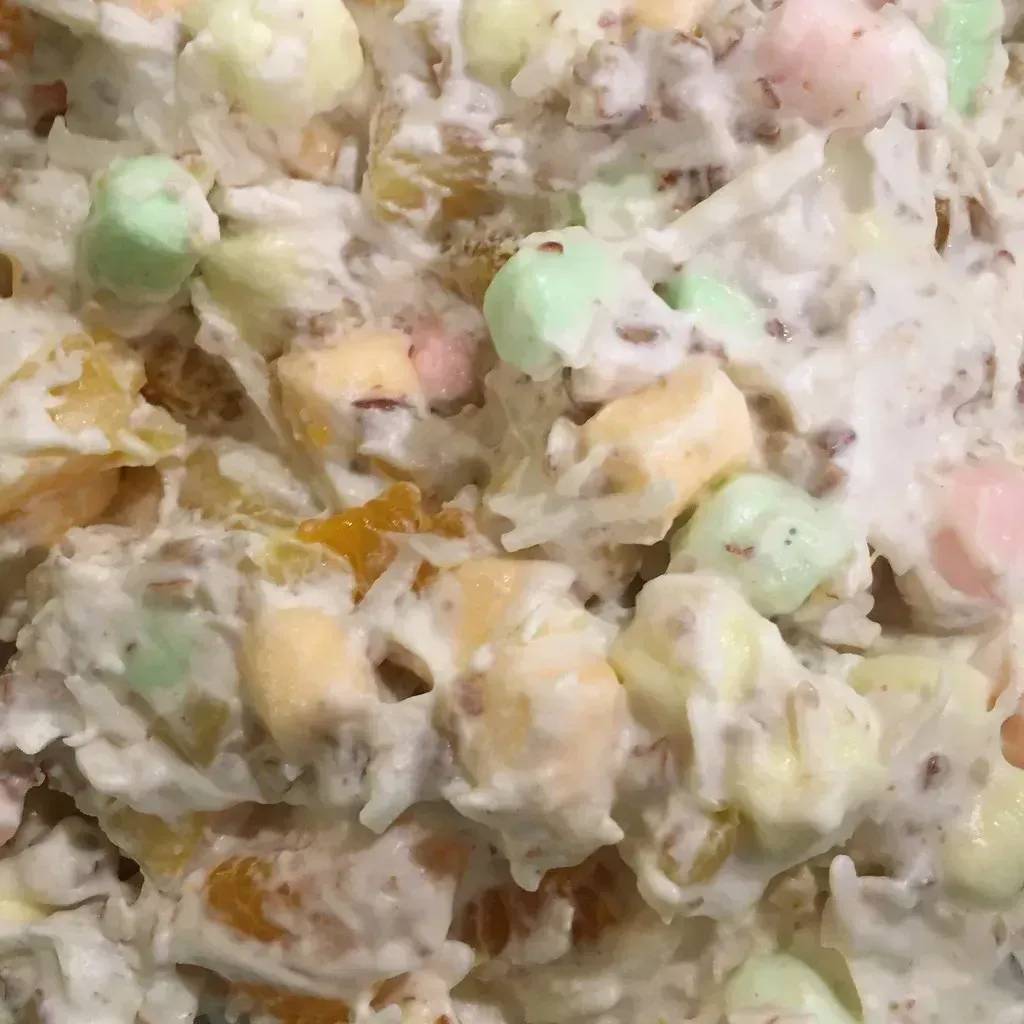
Named after the food of the Greek gods, this sweet concoction was a must-have at every holiday gathering and church potluck, mixing canned fruit cocktail, mini marshmallows, shredded coconut, and sour cream or whipped cream into a fluffy, sweet side dish, with some families adding maraschino cherries or chopped pecans for extra flair, popular from the early 1900s through the 1980s. It represented a time when canned fruits were considered convenient and modern. Ambrosia salad lost popularity as Americans reduced sugar intake. Let’s be real, what once seemed like sophisticated entertaining now looks more like a sugar bomb masquerading as a salad, and modern health awareness has left this overly sweet relic in the past.
Liver and Onions
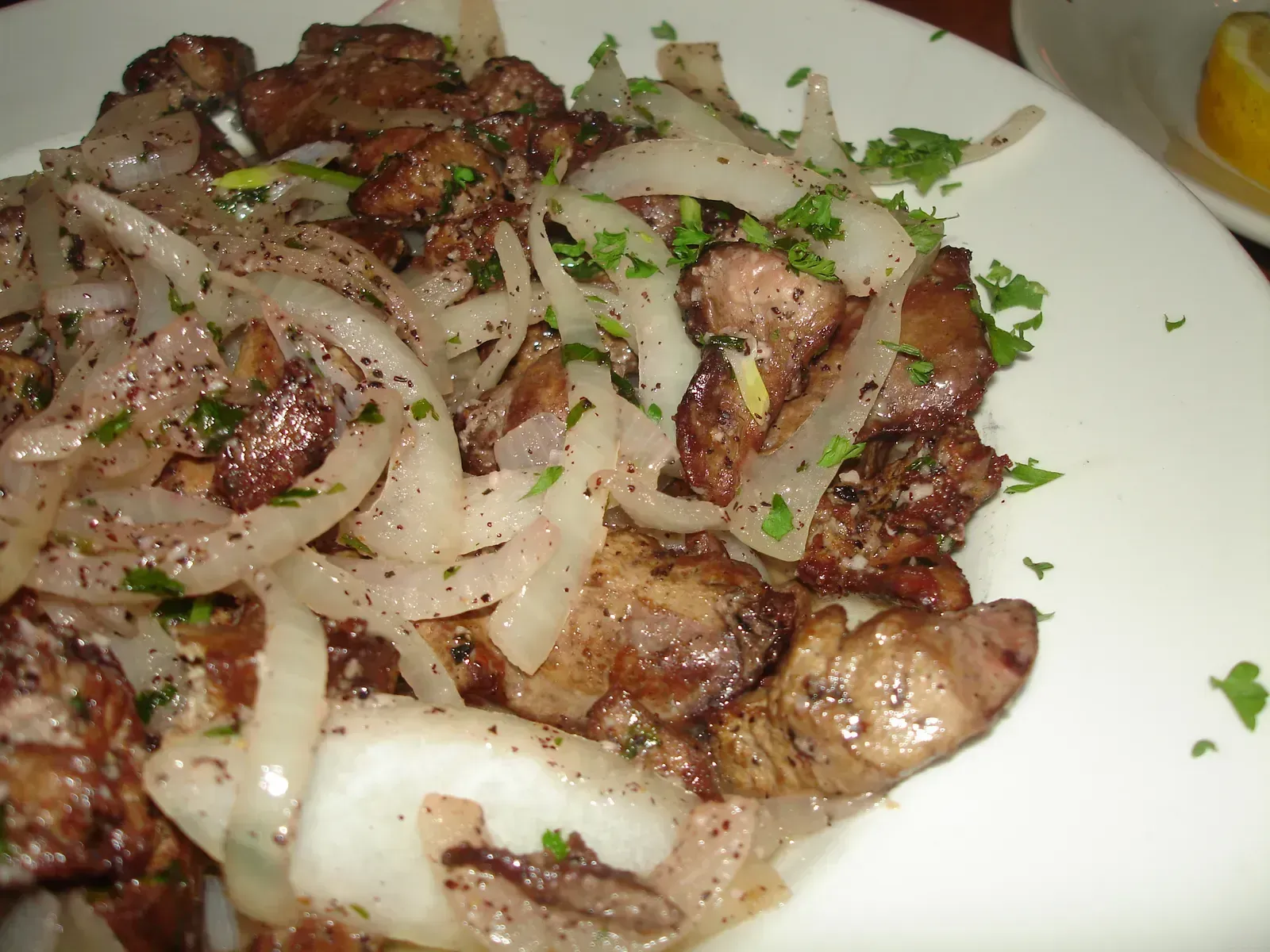
Liver and onions was a weekly staple in many American households, especially during the Depression and World War II when affordable protein was essential, featuring beef or calf liver, sliced thin, pan-fried, and topped with sweet caramelized onions, rich in iron and nutrients and considered healthy and economical, however, liver’s strong flavor and unique texture turned off many people, especially younger generations with more food options. Once popular due to its low cost and high iron content, liver and onions faded as nutrition experts warned about high cholesterol and toxin accumulation in organ meats, surveys from the USDA show that per capita liver consumption dropped significantly after the 1970s as leaner proteins became more available, and restaurants removed it from menus due to low demand among younger diners. Your grandparents probably ate this regularly, but today’s kids would likely refuse to even try it.
Beef Stroganoff
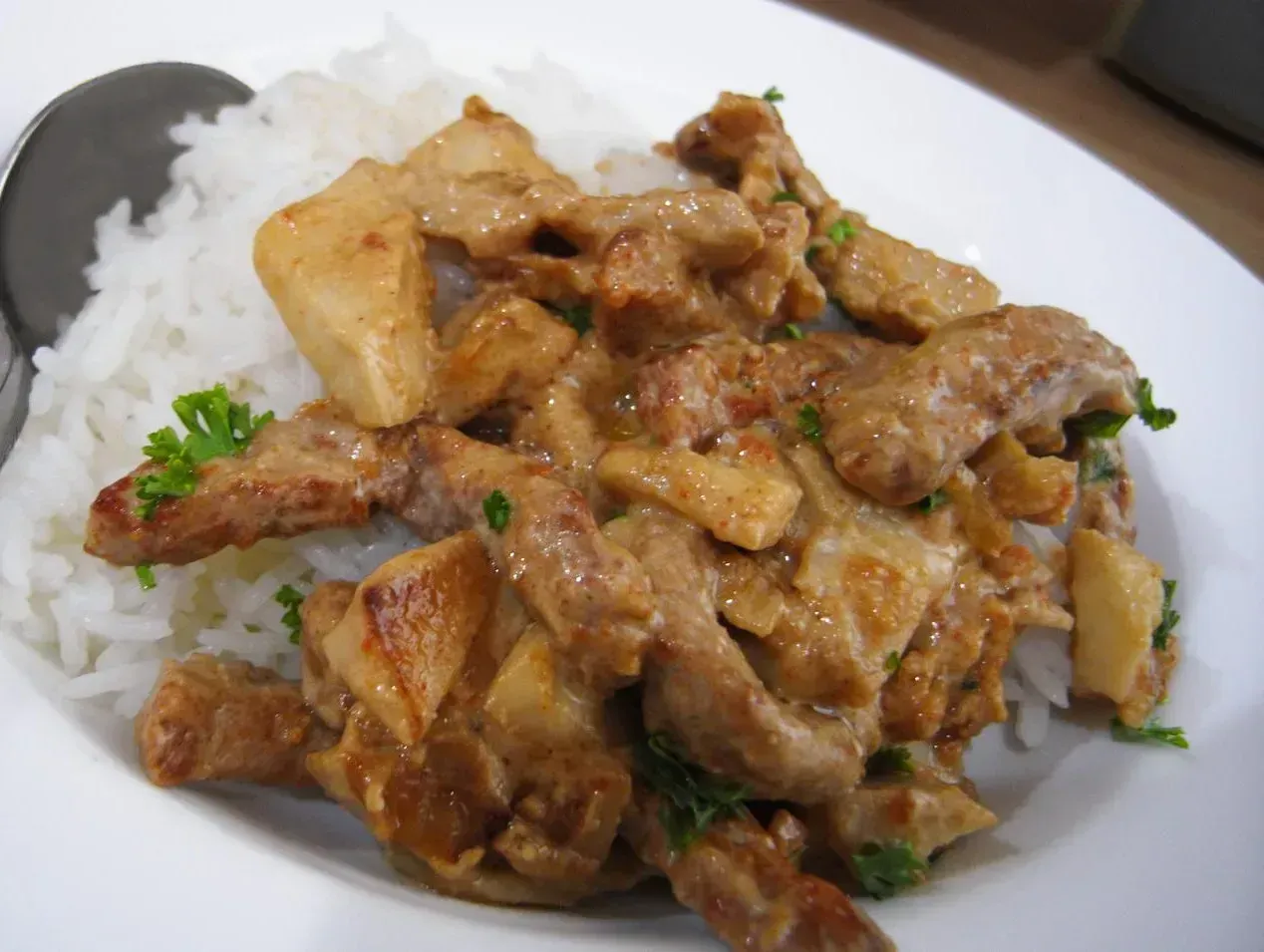
Beef Stroganoff was invented in mid-19th-century Russia and embraced in America in the 1950s. Serving authentic beef stroganoff was a frequent entertaining entree way back in the 60s and 70s, requiring copious amounts of sour cream and of course, some kind of tender beef. The dish featured strips of beef in a rich, creamy sauce with mushrooms and onions, typically served over egg noodles. In the 1960s and 1970s, amid enthusiasm for international cuisine, beef stroganoff became caught up in America’s competitive spirit for culinary one-upmanship at elaborate dinner parties, where it was seen as a particularly difficult and expensive recipe to master, earning the cook admiration. Though now mostly relegated to comfort food status rather than company fare.
Salisbury Steak
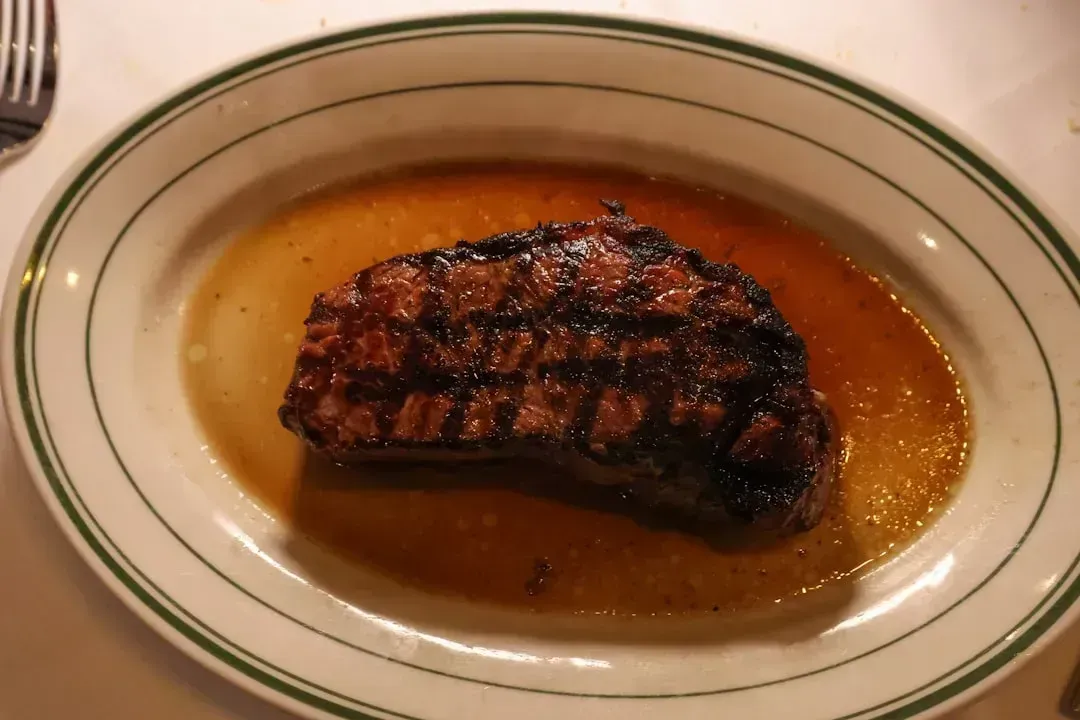
This isn’t really steak at all, just seasoned ground beef shaped to look like one and smothered in gravy. As Americans developed more adventurous palates and questioned processed foods, Salisbury steak’s popularity plummeted, and today, it’s mostly remembered as a frozen dinner option rather than something people cook from scratch at home. Salisbury steak was once a dinnertime staple, especially during the 1950s and 60s when convenience foods surged in popularity, made from seasoned ground beef shaped like a steak and smothered in rich gravy, often paired with mashed potatoes, and while it’s still found in frozen food aisles, the dish no longer holds the prestige it once did as modern palates, preferring leaner meats and more diverse cuisines, have left this hearty classic behind.
Mock Apple Pie

Here’s something that sounds crazy but was incredibly popular during hard times. Mock apple pie, made with crackers instead of apples, became popular during the Great Depression when fresh fruit was expensive, and as reliable refrigeration and nationwide produce distribution improved, the dish became unnecessary, with food historians confirming that demand disappeared completely as real apples became inexpensive and widely available. Imagine serving your family a pie made from Ritz crackers soaked in sugar syrup and lemon juice, flavored to taste like apples. It worked because people needed it to work. Once real apples became affordable year-round, this clever Depression-era trick lost its purpose and faded away. Still, the resourcefulness it represents deserves respect.
Waldorf Salad
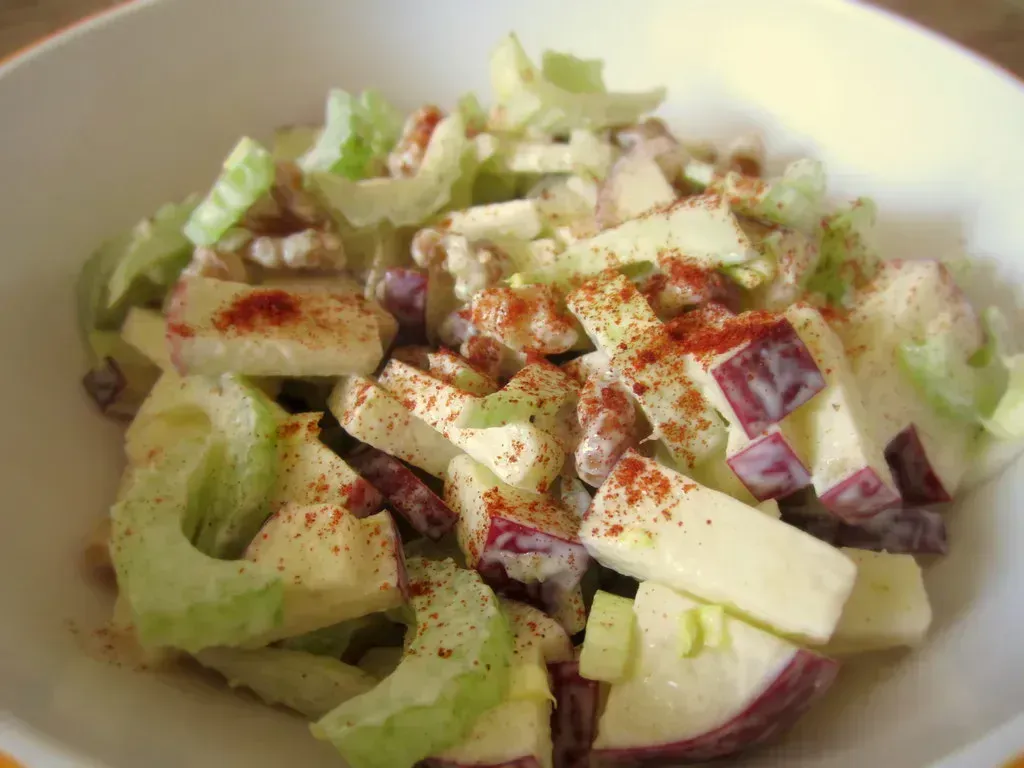
Created at New York’s Waldorf Hotel in the 1890s, this combination of apples, celery, walnuts, and mayonnaise became an American standard for decades, appearing at ladies’ luncheons, holiday tables, and respectable restaurants throughout the country, representing a certain kind of refined, old-fashioned elegance, with the original version containing only apples, celery, and mayonnaise, with walnuts added later, and numerous variations emerging over the years. As American palates evolved toward lighter vinaigrettes and more diverse salad ingredients, the mayonnaise-heavy Waldorf began to feel dated and heavy, and while some traditional establishments still serve it, and home cooks occasionally revive it for Thanksgiving, Waldorf salad has largely disappeared from contemporary restaurant menus, remembered more as a historical curiosity than a living dish.
Lobster Thermidor
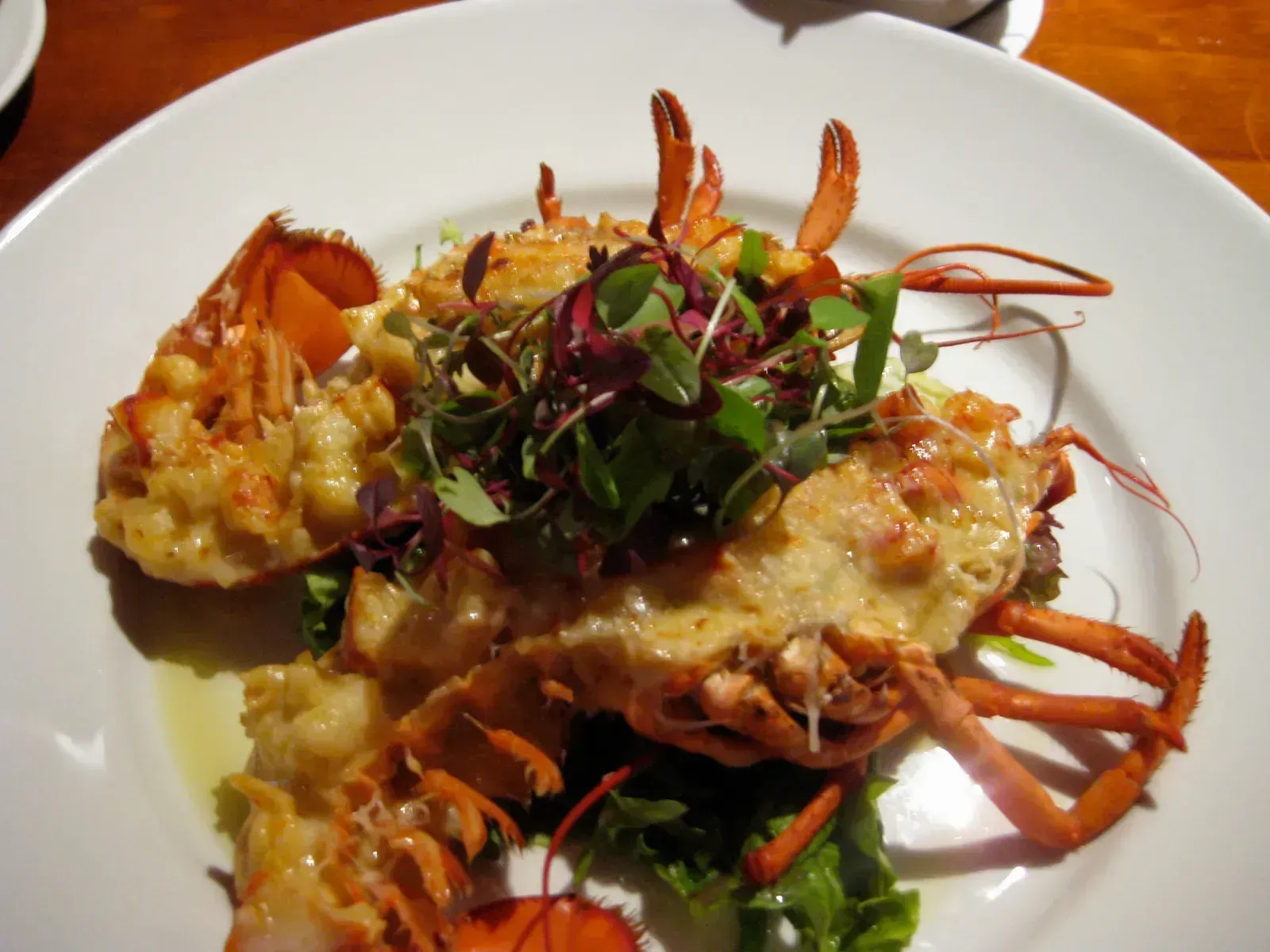
Once the absolute pinnacle of luxury dining, lobster thermidor showcased creamy lobster meat mixed with egg yolks, cognac, and mustard, stuffed back into the shell and broiled until golden, and this French-inspired dish became synonymous with American fine dining during the mid-twentieth century, gracing white-tablecloth restaurants from coast to coast, with the preparation demanding skill, time, and expensive ingredients, making it a true showstopper. As dining trends shifted toward simpler preparations and the farm-to-table movement gained momentum, thermidor’s heavy cream sauces and elaborate presentations fell out of favor, and today you’d be hard-pressed to find it outside of the most traditional seafood establishments, and even there it’s become a rarity. The hours of labor required to make it properly just don’t fit with modern restaurant economics or dining preferences.
Crab Louie
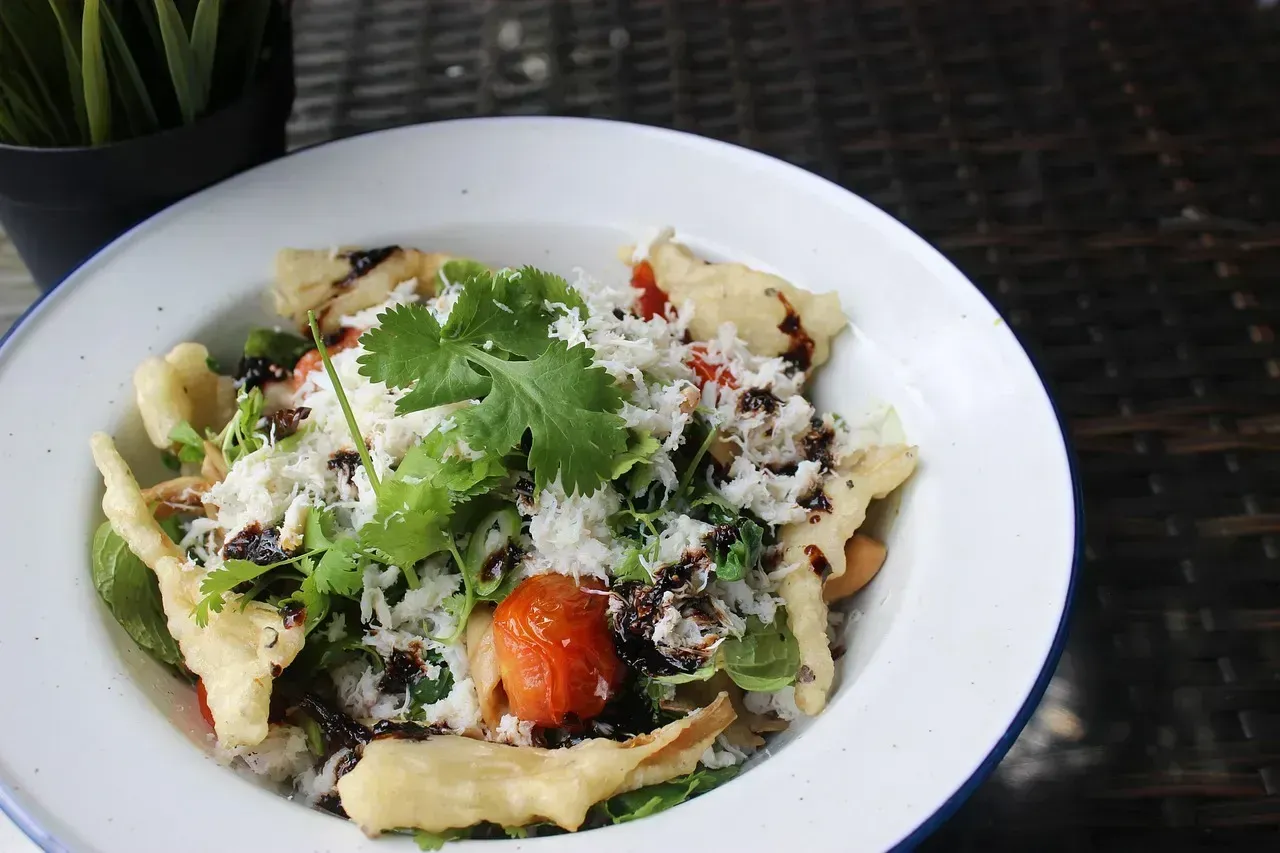
Among the notable American menu classics that have almost disappeared is crab Louie, often dubbed the “King of Salads,” which emerged on the West Coast of the United States in the early 20th century and was popularized by the Palace Hotel in San Francisco, California. This salad is generally composed of iceberg lettuce, Dungeness crab meat, tomatoes, cucumbers, hard-boiled eggs, and lemon wedges served with a creamy dressing featuring mayonnaise, Worcestershire sauce, lemon juice, chili sauce, and green peppers. Once a signature dish of West Coast fine dining, it’s now nearly impossible to find outside of a handful of old-school seafood restaurants. The elaborate presentation and fresh Dungeness crab requirement made it impractical for most establishments, and as casual dining took over, this regal salad lost its throne.
These twelve dishes represent more than just forgotten recipes. They’re snapshots of different Americas, places where convenience hadn’t yet conquered everything, where home cooks took pride in elaborate presentations, and where making do with what you had was simply part of life. As culinary tastes evolved towards simpler, more natural flavors, health consciousness grew. Some of these dishes deserved to fade away, honestly. Others might be worth rediscovering, reminders that sometimes the old ways had something going for them. What do you think – are any of these worth bringing back, or should we let them rest in peace?