Seasoned Waiters Notice These 5 Things About You the Moment You Sit Down
Ever walked into a restaurant and wondered if your waiter was quietly sizing you up? Spoiler alert: They definitely are. Here’s the thing, though. Servers aren’t judging you in a petty way. They’re rapidly decoding body language, table dynamics, and subtle behavioral cues to determine how to serve you better. With roughly 2.2 million people working as servers in the United States as of May 2023, this is a profession built on observation and intuition. Let’s be real, experienced waiters have practically become human lie detectors. Every glance, every gesture, every phone placement tells them something crucial about your mood, expectations, and yes, sometimes even your tipping habits. Their rapid assessment begins the second you approach your table, shaping the entire dining experience before you’ve even ordered a drink. So what exactly are these seasoned servers noticing about you?
Your Body Language Speaks Before You Do
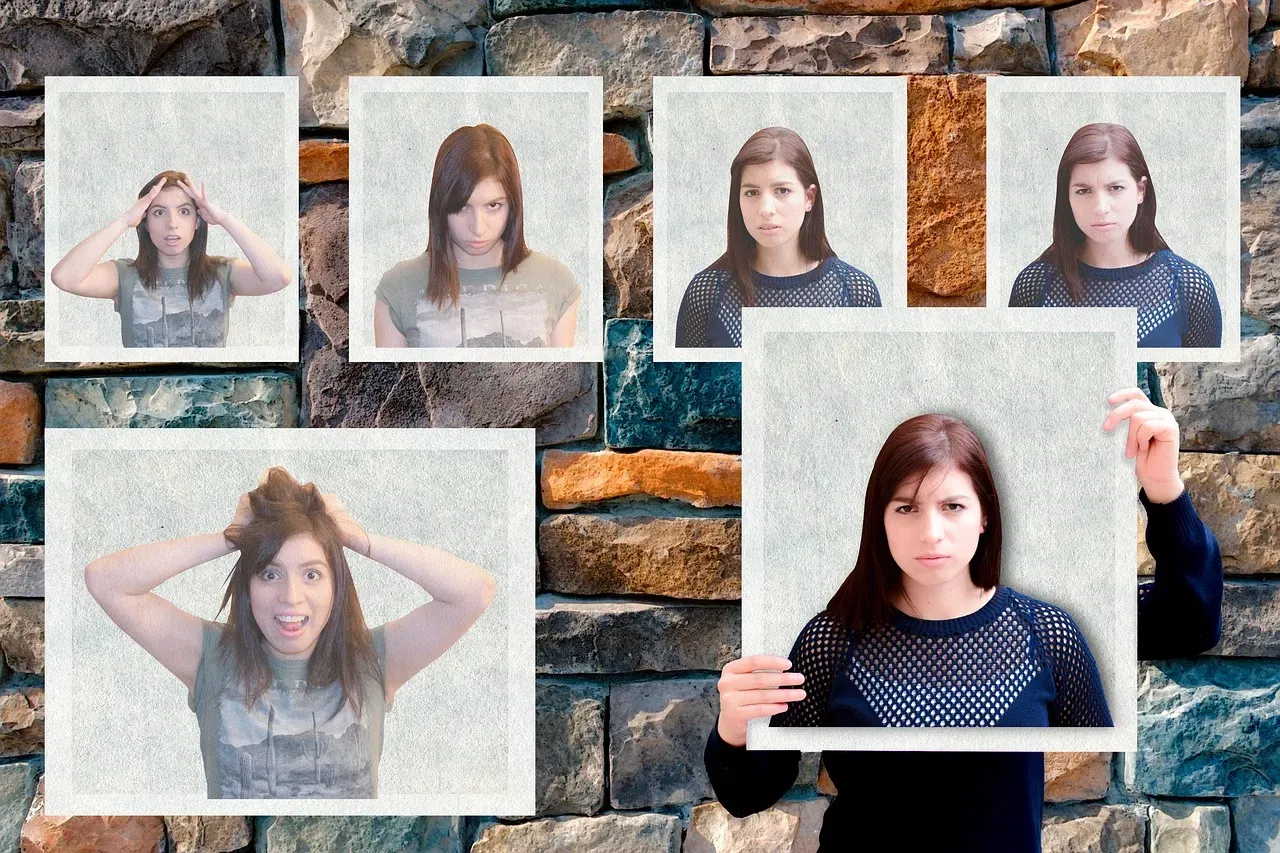
Hospitality professionals notice body language first. Think about it. If you stride quickly to your table, immediately open the menu and avoid eye contact, it signals that you prefer efficiency and minimal interaction. Servers can practically read your mood like a book.
Crossed arms and minimal eye contact often signal an already frustrated diner, requiring extra attention and care, while relaxed shoulders and open gestures typically indicate a more easygoing guest. According to Kelly Ennis, who served for about 15 years, being a server teaches you how to read people’s behaviors on a dime, and you can tell when you walk up to a table if they’re in a bad mood or in a rush. Honestly, this snap judgment happens in seconds.
Do guests look bored, are their eyes darting around the restaurant, are they constantly looking toward the kitchen, or are they shifting around a lot? This isn’t a game of poker, as people tend to be fairly obvious in their body language. Smart servers adjust accordingly, offering more drink refills or checking with the kitchen if they notice restlessness.
The Composition of Your Dining Group Reveals Everything
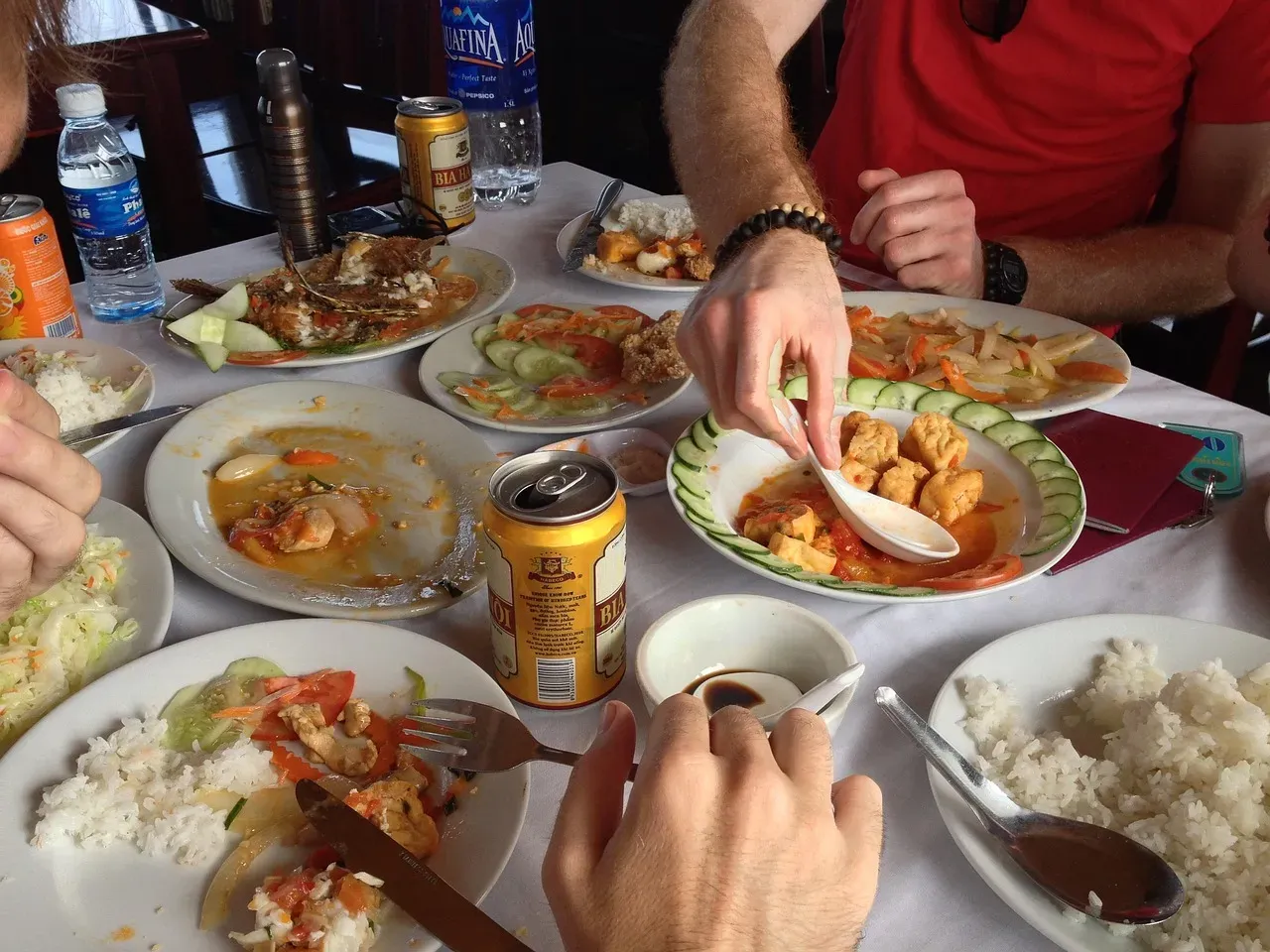
Waiters are also paying close attention to your dining group as you approach. Are you alone, with a date or part of a large gathering? This matters more than you might think. Solo diners may appreciate prompt service with minimal interruptions, while a couple on a date might prefer a slower pace to enjoy the conversation.
Large, lively groups typically need more service overall, think multiple drink refills and food sharing platters, but less individual attention, whereas smaller parties, like families or close friends, might expect personalized recommendations or tailored service. Noticing these types of details can help a server gauge how much attention each table will need, how to space out the orders, how much time the cleanup will take, and what the overall bill may look like.
Families with children get special scrutiny. Servers quickly assess whether parents will keep the kids under control or let them run wild. Let’s just say, they’ve seen it all, from well behaved children who color quietly to complete chaos beneath the table that will require extensive post meal cleaning.
How You Treat Others at Your Table Is a Dead Giveaway
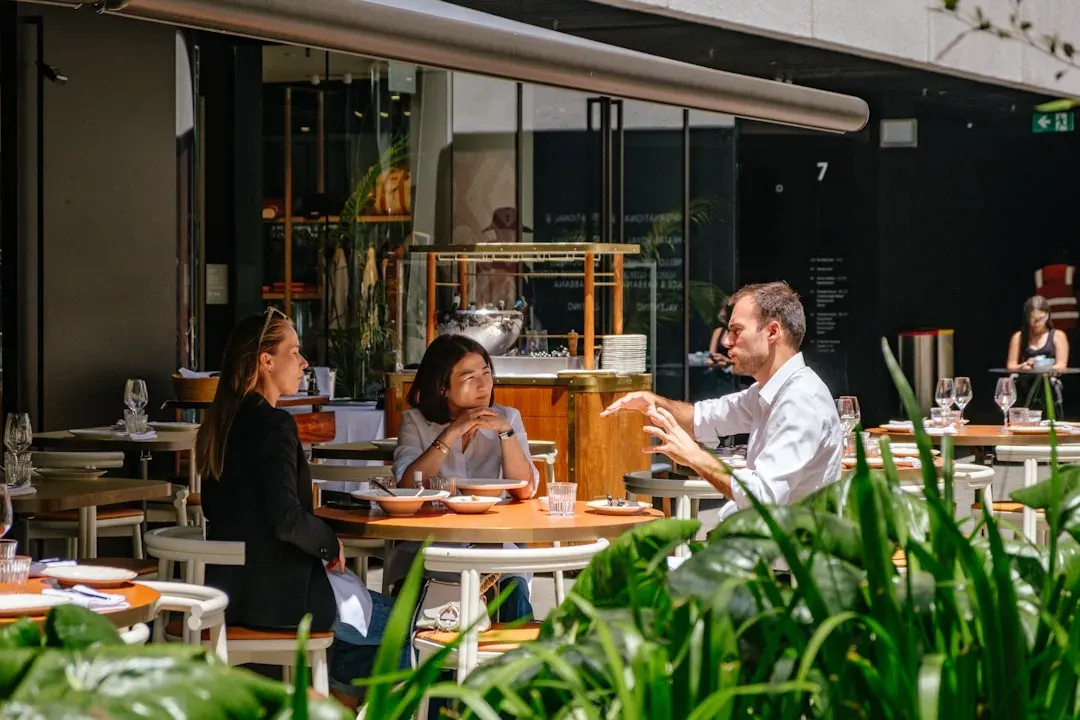
Another very telling observation for servers is how you treat others at your table. If someone is dismissive of their spouse, their date or their kids, then you don’t have much hope that they’re going to treat you better. This observation hits hard because it’s almost always accurate.
Within moments, servers figure out who’s calling the shots. Who’s holding the menu longest, who’s asking all the questions? Someone who insists on ordering for the whole table, makes fun of what someone else eats, dominates the conversation at the table, orders the waitstaff around like servants or is very demanding sends clear signals about table dynamics. Smart servers adapt their focus accordingly.
This social dynamic detection is critical. If tension is radiating from a table, maybe it’s an awkward first date or a tense business meeting, experienced waiters know to tread carefully. They might check in less frequently, keeping interactions brief and professional. Understanding these power dynamics helps them navigate even the most complicated tables with grace.
Your Phone Habits Tell a Detailed Story

In a world where pics or it didn’t happen is the norm, phones have become an extension of dining habits, yet the way customers handle their phones speaks volumes, says Katie Plowman, a server in Berkeley, California. Are you scrolling while the server introduces themselves? That’s noted.
Phones on the table face up often indicate distraction, someone waiting for an important call or text. Phones tucked away signal engagement with the meal and company. I know it sounds crazy, but servers really do pay attention to whether you look up and make eye contact when they approach. That brief moment of acknowledgment, or lack thereof, shapes how they’ll interact with you throughout the meal.
Tables where everyone is buried in their devices present a unique challenge. Servers must interrupt the digital bubble repeatedly, which can feel intrusive. Conversely, tables with genuine conversation and laughter create a more enjoyable work environment. It’s a subtle thing, yet it influences the entire vibe between server and guest.
Your Awareness of Time and Restaurant Flow
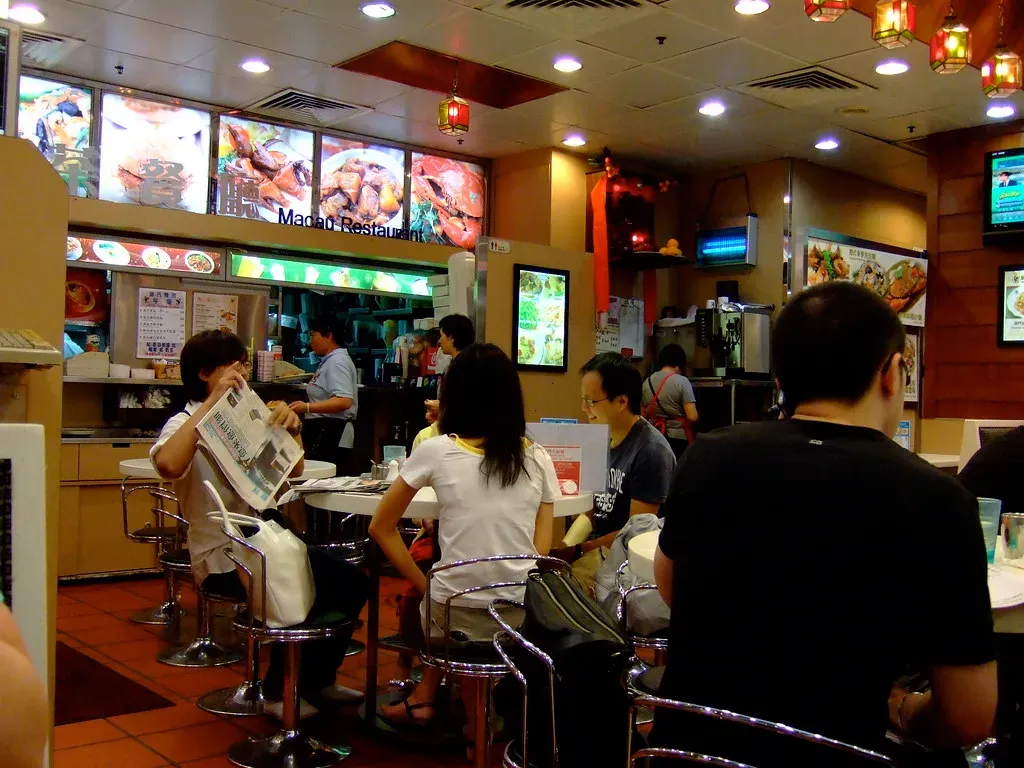
During peak dining hours, servers notice guests often underestimate the time needed for their meals, and those who arrive at 7:15 p.m. for an 8:00 p.m. schedule frequently expect their food to take precedence over other orders, which creates pressure on kitchen staff and affects service quality for all guests. This type of rushed behavior stands out immediately.
When customers show up at a restaurant a few minutes before it closes, even though they know it’s about to close, the last thing you want is to have this last minute table that orders three things and then lingers for two hours, as working at a restaurant is literally the most tiring job and people want to go home. Honestly, showing up right before closing is one of the quickest ways to frustrate an entire restaurant staff.
The average tip percentage in full service restaurants was 19.8 percent in 2024. While servers try not to predict tips based solely on appearance, since trying to judge who will tip or not based on their clothes is wildly unpredictable, as shabby dressed characters have left hundred dollar bills while the best dressed have completely stiffed servers, they do notice when guests seem impatient or demanding. It’s hard to say for sure, but rushed, stressed tables who don’t respect restaurant timing often correlate with lower satisfaction all around.