6 Countries Where $1,000 a Month Can Buy a High-End Lifestyle
The dream of living well on less feels impossible in many Western cities. Rent alone can consume more than a thousand dollars, leaving little for anything resembling comfort or joy. Meanwhile, across the globe, entire countries offer something wildly different. We’re talking spacious apartments, quality healthcare, fresh local food from markets, and a lifestyle most people back home would call luxurious. All for the same amount some folks spend just on rent.
The shift toward remote work has opened doors that were once tightly shut. Digital nomads and retirees are realizing they don’t have to sacrifice quality of life to stretch their budgets. In fact, they’re discovering they can upgrade it significantly. Let’s explore six countries where your monthly thousand dollars doesn’t just cover survival, it funds an enviable existence.
Vietnam: Where Every Dollar Works Overtime

Vietnam has some of the lowest costs of living on earth, yet the lifestyle can be as comfortable as it would be living in any developed country, with a one-bedroom furnished apartment in Hanoi’s Old Quarter typically costing around $350 to $400 per month, including cleaning twice a week and all utilities except electricity. Think about that for a moment. Less than half your monthly budget secures housing in one of the most vibrant neighborhoods in the capital city.
Electric bills using air conditioning at night and during the day run about $50 per month during the summer, while in the U.S., similar usage would cost nearly $200 per month. Fiber-optic internet costs about $10 per month in Vietnam, and a monthly prepaid plan including calls and data costs $4. Your total utilities are cheaper than a single streaming service subscription.
Based on recent data, everyday expenses in Vietnam are roughly 12 percent lower than Thailand, which is already considered budget-friendly. Street food costs between one and four dollars per meal in Vietnam, compared to two to five dollars in Thailand, while local restaurants charge three to eight dollars per meal versus five to ten in Thailand. The food alone is outstanding. Fresh pho for breakfast, banh mi for lunch, and incredible seafood dinners become routine rather than special occasions.
Thailand: The Land of Comfortable Living
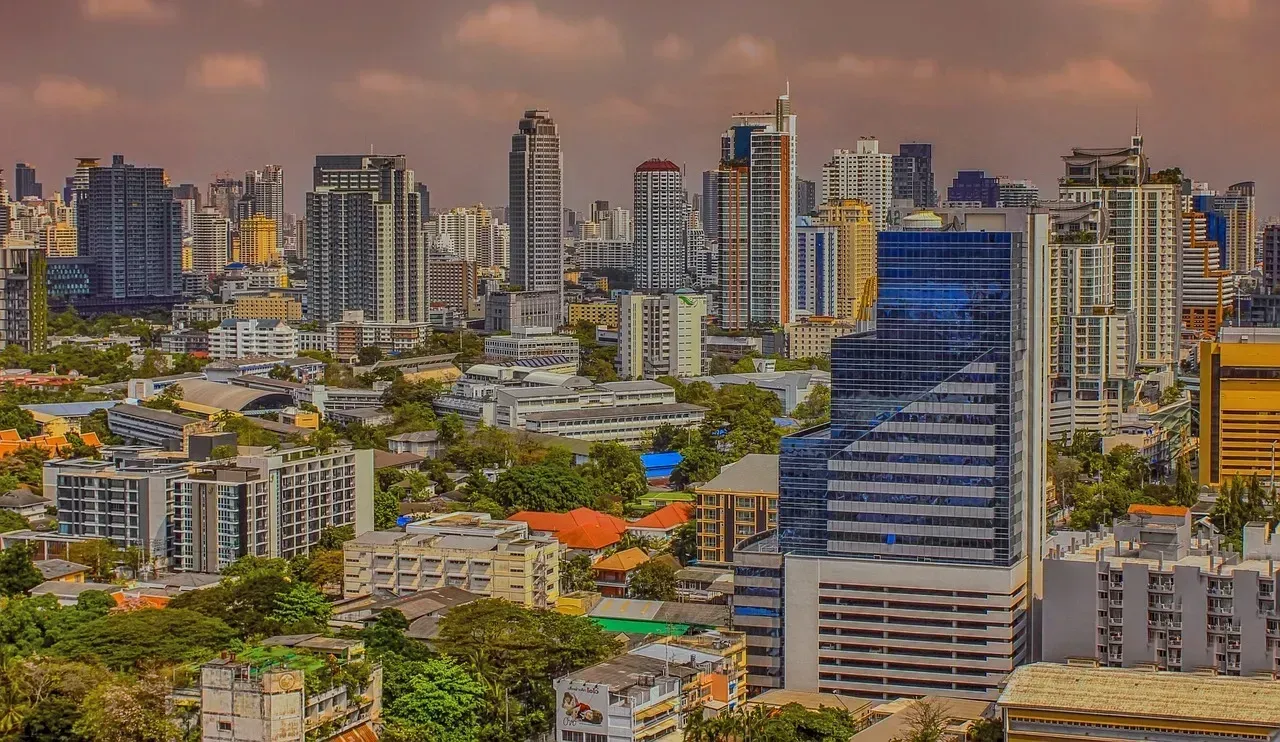
The average monthly budget in Thailand is between $500 and $1000 USD, with this number obviously being higher if you live in a major city like Bangkok or Phuket, though in the city of Chiang Mai, $700 is sufficient to pay for rent, utilities, food, and transport. Chiang Mai has become a mecca for digital nomads, and it’s easy to see why. A couple can live comfortably in Thailand for $1,500 to $2,500 per month so that a single retiree could live on less than $1,000.
The infrastructure in Thailand is surprisingly modern. Thailand’s average cost of living is approximately 15 percent more expensive than Vietnam’s, yet Thailand offers significantly more developed infrastructure, modern conveniences, and seamless systems that justify the premium for many expats who want affordability without sacrificing Western-level comfort. You get reliable transportation, excellent hospitals, and shopping centers that rival anything you’d find in Europe or North America.
Thailand’s healthcare system is renowned internationally, with modern hospitals offering world-class treatment at a fraction of Western costs, making it particularly attractive for retirees. Medical tourism thrives here for good reason. A specialist visit that would cost hundreds of dollars in the United States might run you thirty to fifty dollars. The quality doesn’t suffer, either. Many Thai doctors trained abroad and speak fluent English.
Mexico: Proximity Meets Affordability

The Mexican peso declined approximately twenty percent against the U.S. dollar in 2024, with U.S. grocery prices running approximately seventy-four percent higher than in Mexico. For Americans especially, the value proposition is stunning. Recent expatriate surveys reveal that many North Americans are discovering the financial benefits of living in Mexico, often enjoying a cost reduction of fifty to seventy percent compared to their home countries, translating to potentially lowering monthly expenses from four thousand dollars in a US city to around fifteen hundred to two thousand dollars in popular Mexican destinations like Puerto Vallarta or San Miguel de Allende.
Mexico City and beach towns like Puerto Vallarta, Cabo, and Cancún expect higher rents and dining costs, with one-bedroom apartments in expat-heavy areas often between seven hundred and one thousand dollars plus, while interior cities like Puebla, Querétaro, Guadalajara, and Mérida are considerably cheaper, with one-bedrooms ranging from three hundred to five hundred dollars, and overall monthly budgets running twenty to thirty percent below tourist zones. The diversity of Mexico means you can choose your level of immersion and cost.
Healthcare deserves special mention. Private healthcare in Mexico is generally much lower than in Canada or the United States, with private medical care costs ranging from twenty-five to fifty dollars USD for a consultation with a specialist without insurance. The proximity to the United States also means you can visit family without enduring twelve-hour flights. A long weekend back home is actually feasible.
Colombia: Beauty and Value Combined

Colombia could be perfect for those looking for a beautiful, culturally vibrant country where every dollar stretches twice or even three times as far as back home, thanks to the strength of the U.S. dollar against the Colombian peso, even a modest retirement budget can afford you a high-quality lifestyle. Medellín has transformed itself from a city with a troubled past into one of Latin America’s most appealing destinations for expats.
Healthcare in Colombia is high-quality and budget-friendly, with health insurance plans having low monthly premiums, typically under fifty dollars, and co-pays for doctor visits just a few dollars, while a well-prepared almuerzo ejecutivo (executive lunch) with soup, a main dish, drink, and maybe a little dessert averages around five dollars USD. Eating well becomes effortless when restaurant meals cost less than a coffee back home.
As of October 2024, the estimated monthly budget for living well in Medellín ranges between roughly nineteen hundred and twenty-eight hundred dollars USD, demonstrating that living in Medellín can be accessible for expatriates from many countries where the cost of living is higher. This means a thousand dollars gets you partway there, though you’d need to be strategic about housing. Renting a three-bedroom apartment in Medellin’s El Poblado has a wide range of prices throughout the city, beginning around five hundred dollars a month. Split that with a roommate or partner, and suddenly your budget works beautifully.
Portugal: European Charm at a Discount

By the end of 2025, a single person was typically spending between roughly twelve hundred and eighteen hundred euros per month in major cities such as Lisbon or Porto, including rent and basic living expenses, while in smaller towns or rural regions, budgets often fell into the nine hundred to thirteen hundred euro range. That made these areas especially appealing to digital nomads and retirees searching for long-term value. Converted to dollars, the low end of Portuguese living costs landed squarely in that magical thousand-dollar-per-month territory.
According to Numbeo, a single person living in Porto can expect to spend at least roughly seven hundred ninety dollars per month, without including rent, while the estimated monthly costs for a family of four are approximately twenty-eight hundred sixty-seven dollars, excluding rent. Porto offers something special that many budget destinations can’t match: you’re in the European Union with all the perks that brings.
A local Prato do Dia (dish of the day) usually includes soup, a main course, drink, and coffee, and costs from eight to fifteen euros in a neighborhood tasca (family-run restaurant), while for a more formal evening out, a three-course meal for two at a mid-range restaurant averages forty to forty-five euros, including a bottle of local wine, with the affordability of dining out remaining one of the highlights of Portugal’s cost of living. The culture of eating out doesn’t bankrupt you here.
Bulgaria: Europe’s Best-Kept Secret

In the EU, the most affordable state is Bulgaria, with a person needing roughly seven hundred eighty-six dollars per month there to live comfortably, with the capital city of Sofia being much more affordable than any large American or Western European city, as Sofia is, on average, sixty-six percent cheaper than New York, and one thousand dollars a month is enough to live comfortably. Let that sink in. The capital city. Not some remote village hours from civilization.
A 2024 report ranked Burgas as the second cheapest major city in Europe for rent, with Varna coming in at fifth place. Bulgaria’s Black Sea coast offers beaches, relatively mild winters, and access to the rest of Europe. Sofia is, on average, sixty-six percent cheaper than New York, and one thousand dollars a month is enough to live comfortably, with Bulgaria also home to many natural thermal spring baths for those who want to enjoy a more luxurious lifestyle.
The European Union membership matters more than you might think. Bulgaria offers EU membership benefits, including access to European healthcare systems and freedom of movement within the Schengen area. This isn’t just about saving money. It’s about having options, traveling freely across Europe, and enjoying a quality of life that would cost three times as much in Western Europe.
The question isn’t really whether a thousand dollars can buy a high-end lifestyle in these countries. The evidence is overwhelming that it can. The real question is what you’re willing to trade for it. Distance from family, language barriers, and cultural adjustment all factor in. Yet for those willing to embrace change, these destinations offer something genuinely remarkable: the chance to live extraordinarily well on what many consider an impossibly small budget. What would you choose if money suddenly went three times as far?