12 States Where $1 Million in Savings Runs Out in Just 9 Years
Imagine hitting retirement with a million bucks tucked away. Sounds like you’re set for life, right? Think again. In certain parts of the country, that nest egg could vanish before you even hit your mid-seventies. While $1.5 million in retirement savings could last 54 years in West Virginia, it would likely only last 17 years in Hawaii, according to recent 2024 data from GOBankingRates. When you scale that down to just one million dollars, the timeline shrinks even faster in the nation’s most expensive states. Let’s be real, the American dream of a comfortable retirement is starting to look more like a geographic lottery.
Hawaii: Paradise Comes With a Hefty Price Tag

Hawaii ranks as the most expensive state to retire, with average annual expenditures reaching $129,296, largely driven by steep prices for housing, groceries, and healthcare. The Aloha State isn’t just expensive; it’s in a league of its own. Hawaii requires $2.2 million in savings with annual expenses of $110,921 for a comfortable retirement, making it clear that one million dollars would evaporate shockingly fast here. The isolation of the islands means everything from milk to building materials costs significantly more than on the mainland. Even with the lowest property tax rate in the nation, retirees face a financial reality that’s anything but relaxing.
California: Golden State, Golden Expenses

Californians would need $2.3 million saved up to retire comfortably for 20 years, which breaks down to an annual amount of $162,045. From San Diego to San Francisco, the cost of living punishes retirees relying on fixed incomes. California’s total amount of savings required to live comfortably is $1.46 million, with average annual income needed at $86,171 per year according to 2024 World Population Review data. Housing alone can eat up the majority of a retiree’s budget. It’s worth noting that many California retirees are discovering their million-dollar savings don’t stretch nearly as far as they’d hoped.
Massachusetts: History and High Costs

The Bay State’s charm comes at a steep cost for those on fixed retirement incomes. The average retiree in Massachusetts will need an annual income of $83,135 per year, with savings required at about $1.16 million. From Cape Cod to the Berkshires, property values and living expenses remain stubbornly high. Retirees will need an estimated $85,571 annually to cover expenses, requiring a minimum of $1,600,097 for 25 years of retirement, according to GoBankingRates data from 2025. Healthcare costs in Massachusetts also trend above the national average, putting additional pressure on retirement budgets.
New York: The Empire State’s Empire-Sized Bills

The average income required to retire comfortably in New York is $83,817 per year, with retirement expected to last just over 16 years and requiring average savings of $1.41 million, the second-highest among states. Whether you’re upstate or downstate, New York’s combination of high taxes, expensive healthcare, and elevated cost of living creates a perfect storm for retirement savings depletion. The state’s income taxes hit retirement account withdrawals particularly hard. Manhattan might be out of reach for most retirees, but even smaller cities throughout New York demand significant financial resources.
Alaska: The Last Frontier of Affordability Lost

Alaska’s average annual retirement income requirement is $80,348 to retire comfortably, with the youngest average retirement age of 61 years and a life expectancy of 77.70 years. The state’s extreme geography means importing nearly everything, which drives up costs dramatically. Alaska requires $1.34 million in savings for future retirees to live comfortably through an average of 16.70 years of retirement according to 2025 data. Despite having no state income tax, the overall cost of living and limited healthcare infrastructure make Alaska a challenging retirement destination financially.
Oregon: Natural Beauty at an Unnatural Cost

Oregon has the sixth-highest average annual retirement income requirement of $82,454, equating to $1.34 million in total required savings, with average retirement lasting 16.2 years and yearly expenses at about $68,712. Portland’s popularity has driven up costs throughout the entire state. From housing to healthcare, Oregon retirees find themselves squeezed by expenses that keep climbing. The state’s lack of a sales tax is offset by relatively high income taxes on retirement distributions and pensions.
Maryland: Mid-Atlantic, Maximum Expenses

Maryland retirees will need about $80,657 annually to retire comfortably, with yearly expenses amounting to $67,214. The proximity to Washington D.C. keeps property values and general living costs elevated throughout much of the state. Maryland’s average retirement age is 65 years with an average life expectancy of 78.80 years, requiring $1.11 million in savings for 13.8 years of retirement. Healthcare costs in Maryland also rank among the highest in the nation, further straining retirement budgets.
Connecticut: Small State, Big Budget Requirements

With yearly expenses at an average of $66,543 per year for retirees, Connecticut’s required average annual income is $79,852 per year, with average retirement length at 15.6 years meaning retirees will need $1.25 million saved. The state’s combination of high property taxes and elevated cost of living creates challenges for retirees trying to make their savings last. Connecticut might be small geographically, but its financial demands on retirees are anything but modest. Housing costs remain stubbornly high even as some younger residents flee to more affordable states.
New Jersey: Garden State Grows Expensive Retirements

New Jersey’s average annual retirement income requirement to live comfortably is $77,684, with annual expenses at $64,736, an average retirement age of 65 years and a life expectancy of 80.50 years. Property taxes in New Jersey are notoriously among the highest in the nation, creating a significant drain on fixed retirement incomes. Healthcare and general living costs compound the challenge. Many New Jersey retirees find themselves considering relocations to neighboring Pennsylvania or Delaware to stretch their savings further.
Washington: Pacific Northwest Paradise at Premium Prices

Washington State presents a mixed bag for retirees, with no state income tax but sky-high living costs. The Cost of Bills in Seattle is 43% higher than the national average, including mortgage/rent plus the other most fundamental expenses according to a 2024 report. Washington homebuyers are paying more than $420 per square foot for a new home or $665,925 as the median listing price, which placed Washington as 6th highest housing cost per square foot. Healthcare and everyday expenses in urban areas like Seattle and surrounding counties can quickly drain retirement savings.
Rhode Island: Ocean State’s Ocean of Expenses
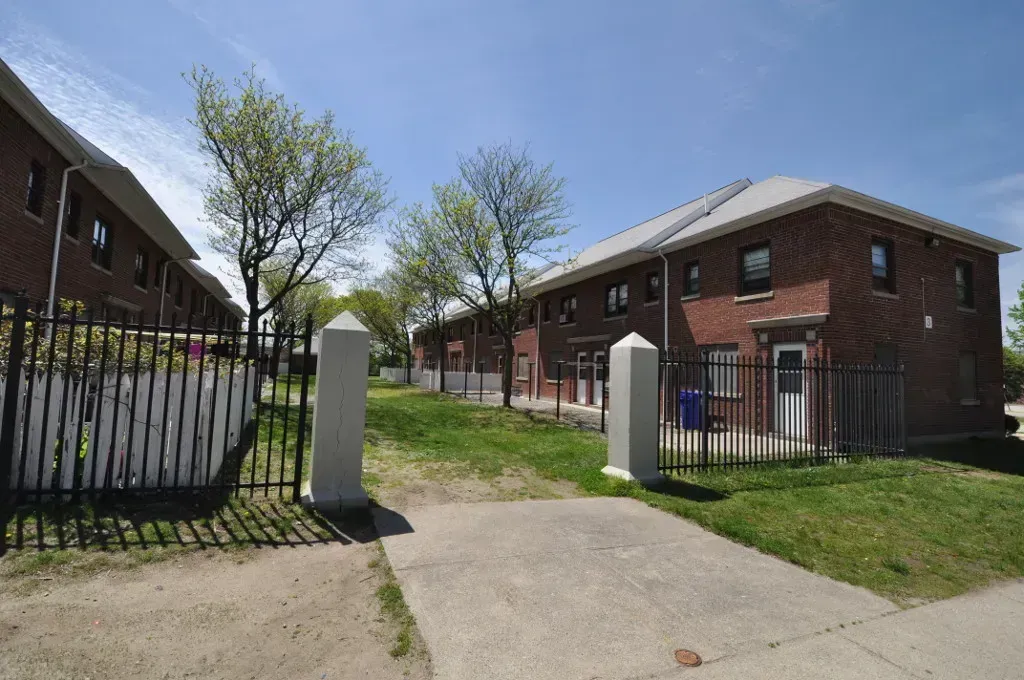
Despite being the smallest state by area, Rhode Island delivers outsized costs for retirees. The state’s proximity to Boston and its limited geography keep housing prices elevated throughout. Property taxes consume a significant portion of retirement income for Rhode Island seniors. Healthcare costs and general living expenses trend well above national averages. Though specific annual retirement cost data varies, Rhode Island consistently appears on lists of expensive retirement destinations, requiring substantial savings to maintain a comfortable lifestyle.
New Hampshire: Live Free or Pay Dearly
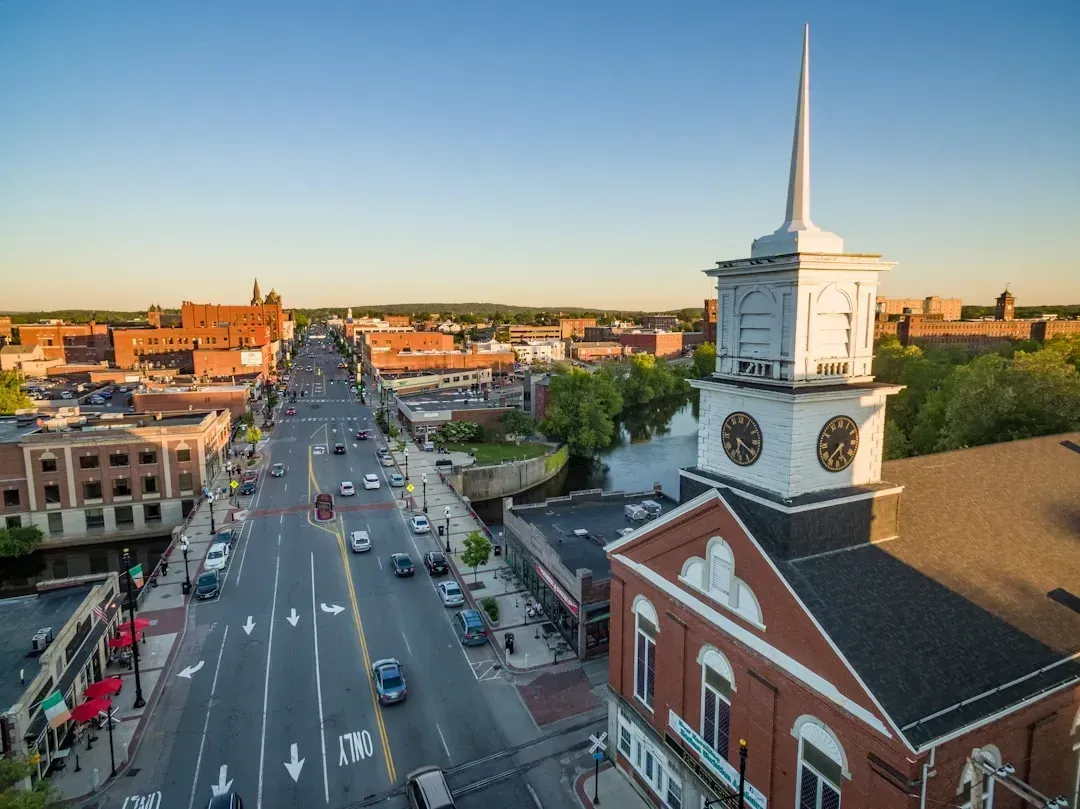
New Hampshire requires $1.1 million to retire with annual costs of living at $66,997 according to GOBankingRates analysis. The state’s “Live Free or Die” motto doesn’t extend to living costs, particularly in the southern regions near Massachusetts. While New Hampshire has no state income tax or sales tax, property taxes are exceptionally high to compensate. Housing costs have climbed dramatically in recent years, pricing out many would-be retirees. The state’s appeal to retirees from neighboring states has paradoxically made it less affordable for everyone.
Retirement planning isn’t just about hitting a magic number anymore. Geography has become destiny when it comes to making your savings last. A million dollars might sound like financial security, but in these twelve states, it’s barely enough to see you through a decade of retirement. The gap between the most and least expensive states keeps widening, forcing future retirees to make tough choices between staying near family and stretching their dollars. Did any of these states surprise you?