The No-Go List: 10 U.S. Destinations Travelers Say Aren’t Worth the Trip
Times Square, New York City
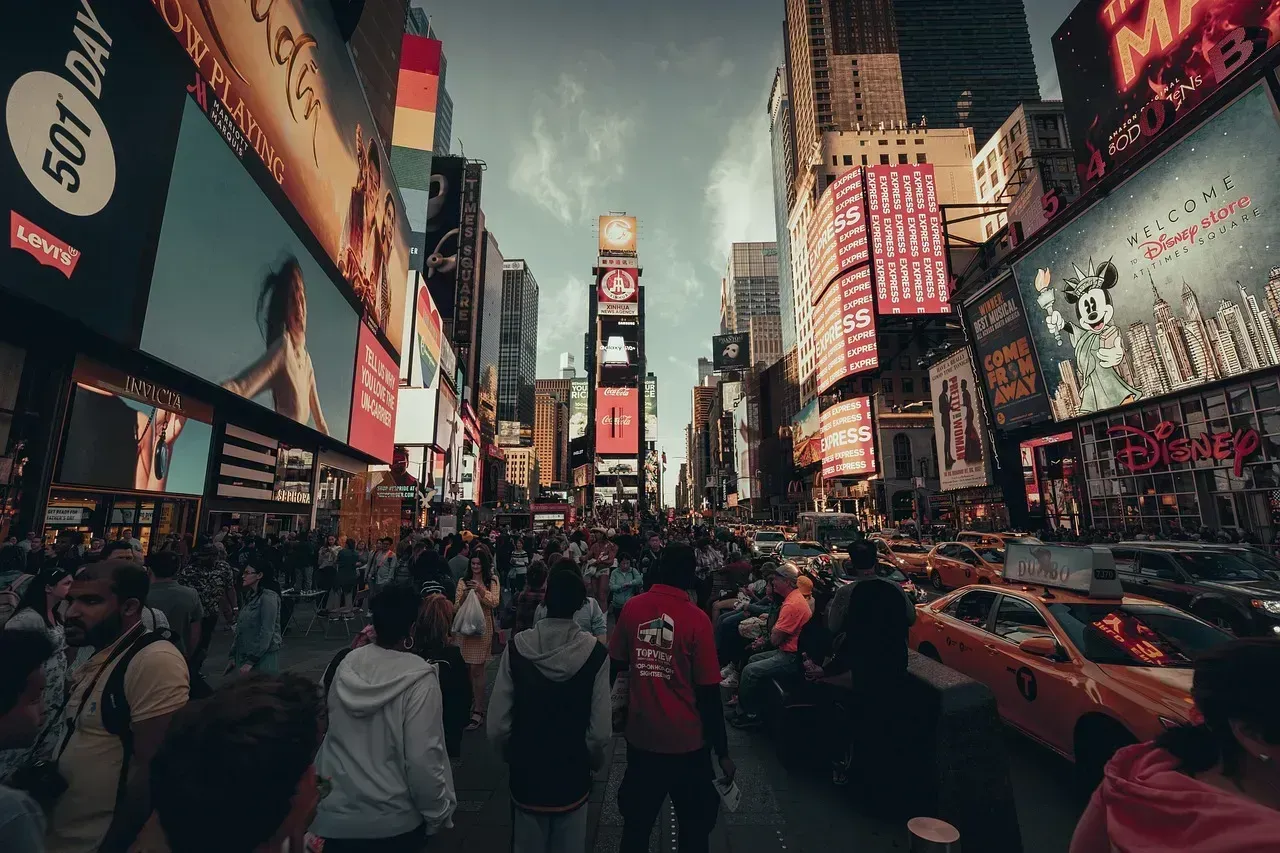
Times Square earned the dubious distinction of being named the world’s most overrated tourist trap, according to visitor satisfaction studies. Visitors frequently lament the overwhelming crowds, aggressive vendors, and neon-lit chaos that feels more like a commercial bombardment than a cultural highlight. The reality is that locals actively avoid this area, and for good reason. Roughly 360,000 people visit daily, creating sidewalk chaos and endless restaurant lines.
Even experienced travelers labeled Times Square as profoundly overrated, seeing the area as little more than a spectacle filled with chain stores and aggressive vendors, leaving little room for authentic New York experiences. The disconnect between the glossy movie portrayals and the gritty street reality leaves most visitors wondering why they bothered.
Hollywood Walk of Fame, Los Angeles
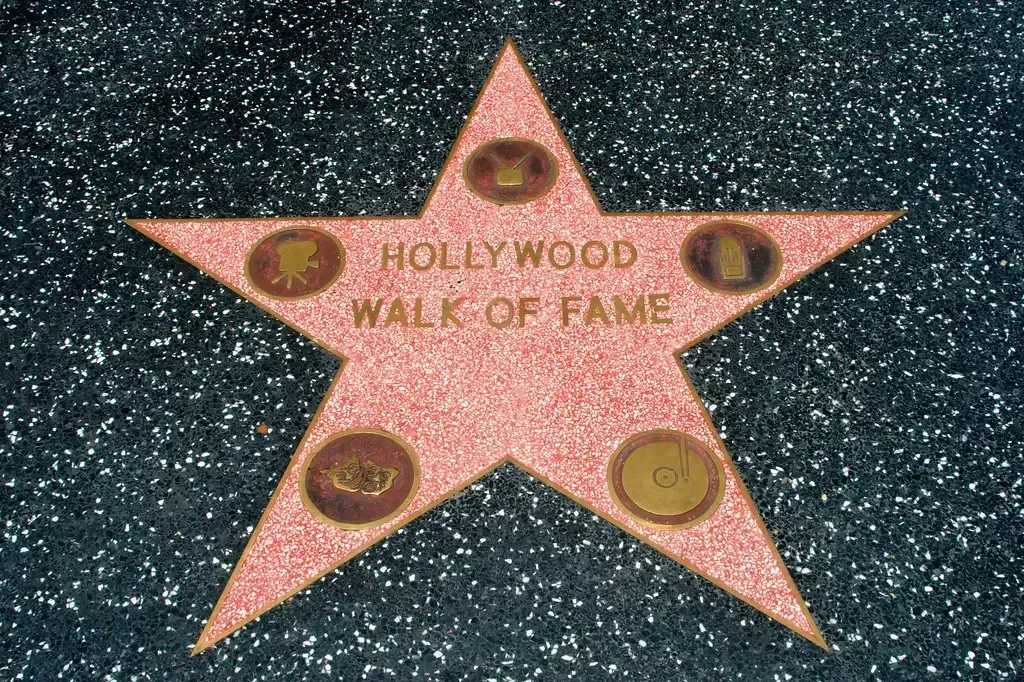
The Hollywood Walk of Fame in Los Angeles was named the world’s worst tourist attraction in multiple studies, scoring a paltry 3.42 out of 10. Here’s the thing: what looks glamorous on screen turns out to be dirty sidewalks covered with names you may not recognize. The Walk has repeatedly been called the “Walk of Shame” and nothing more than dirty sidewalk panels with tourists vying for pictures of names on the concrete.
The glamorous Hollywood experience most people imagine turns into dodging aggressive costumed characters demanding tips and navigating through what feels like an obstacle course of disappointment. Visitors are often underwhelmed due to its perceived dirtiness, grittiness, and problems with homelessness and crime, with beautification plans still not having been put into action as of 2024.
Mount Rushmore, South Dakota
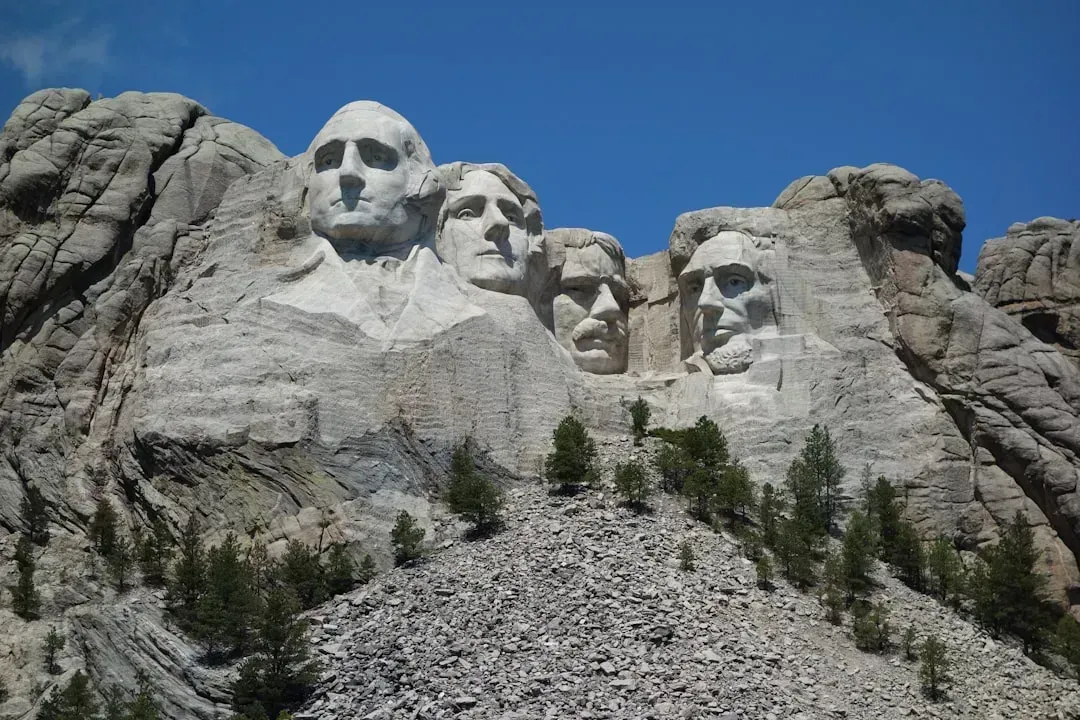
Many travelers report feeling underwhelmed upon seeing Mount Rushmore in person, describing the monument as smaller and less impressive than expected, with complaints about limited viewing angles and parking fees. Let’s be real: you drive for hours through remote areas of South Dakota only to stare at some carved faces from a parking lot. The problem is that you have to travel out of your way to the middle of nowhere to see it, the novelty wears off in mere minutes, and it looks much smaller than you might expect – you could have gotten the same experience from a postcard.
A 2025 thread on social media captured the sentiments of disappointed visitors who expressed regret after long drives through remote areas, only to find the monument failed to live up to its fame.
Las Vegas Strip, Nevada
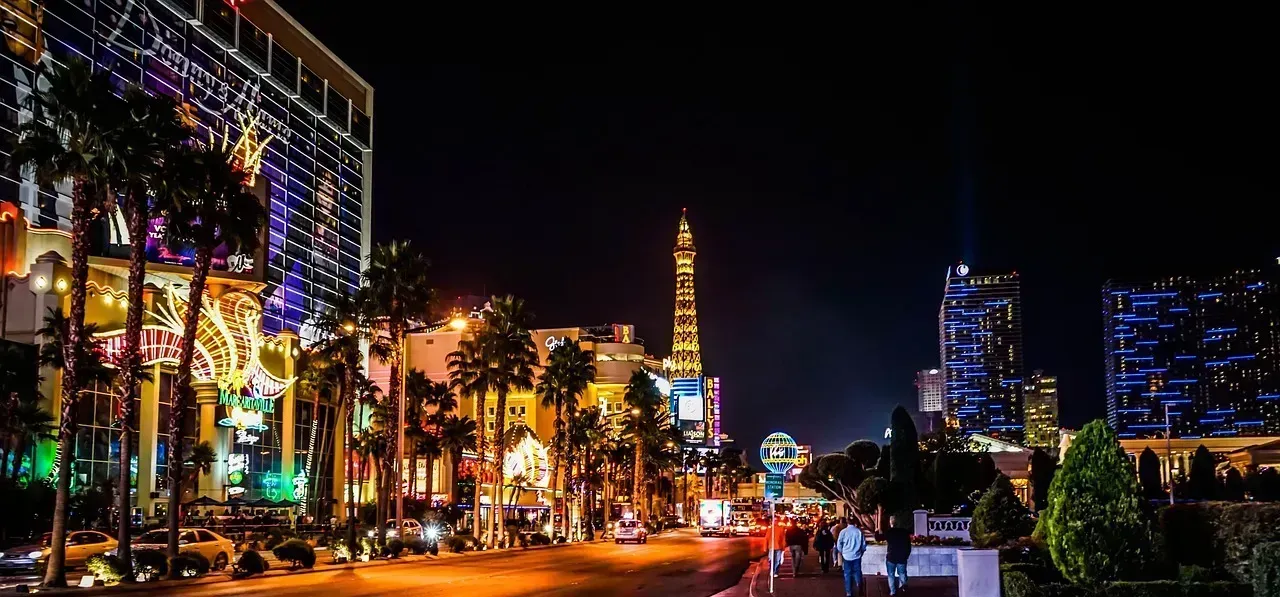
The Vegas Strip features formerly iconic casinos that seem to be fading and losing the glamor that came from their glory days, with the 2020 pandemic hitting Vegas particularly hard. When you come to Vegas, expect to lose a lot of money even if you don’t visit a casino. The city markets itself as family-friendly entertainment, yet it’s really designed around gambling and adult nightlife.
It is hard to see Las Vegas as anything other than a capitalist disaster – hot, wasteful, dirty, expensive, centered entirely around providing services to those with cash to burn, and utterly devoid of any authentic culture. Honestly, three or four days is more than enough to exhaust everything worth seeing.
Fisherman’s Wharf, San Francisco
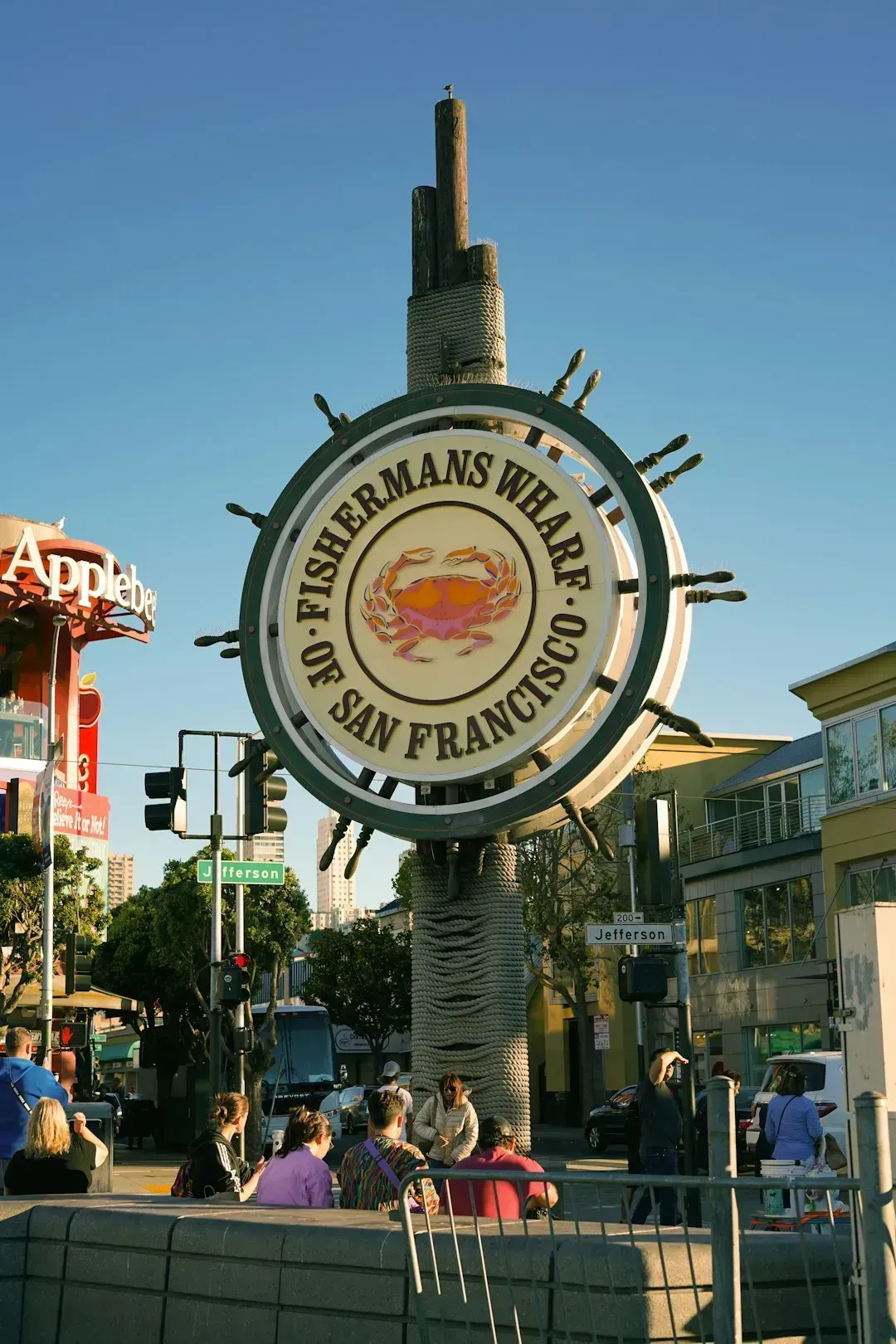
Situated on the northern waterfront of San Francisco, Fisherman’s Wharf receives around 12 million visitors annually as one of the city’s top tourist destinations, yet locals steer clear, with the neighborhood being called “the most universally derided neighborhood in all of San Francisco.” Reviews mentioning the phrase ‘tourist trap’ highlight the district’s “overpriced restaurants” and “tacky touristy tat.”
The area feels manufactured specifically to separate tourists from their money rather than offering genuine San Francisco culture. You’ll find better seafood and authentic experiences in other Bay Area neighborhoods without the aggressive commercialization and overpriced mediocrity.
Bourbon Street, New Orleans
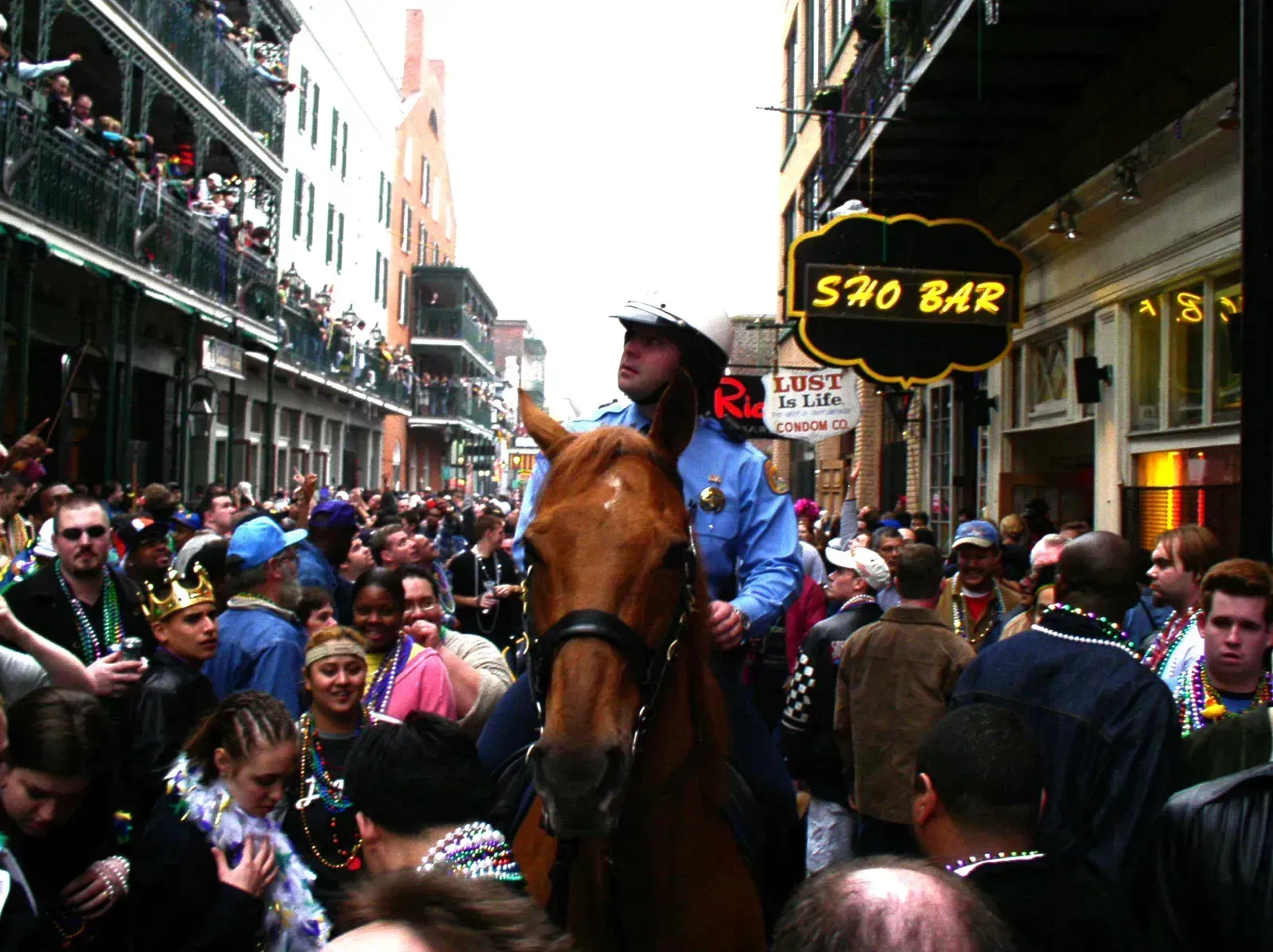
While the French Quarter is historic and beautiful, Bourbon Street itself is often a sticky, loud, and overly commercialized corridor, with locals recommending Frenchmen Street instead for authentic jazz and a better vibe. The street transforms into a chaotic party zone that feels more like a college spring break destination than the soulful cultural experience New Orleans is known for.
Walking down Bourbon Street means navigating through spilled drinks, aggressive bar promoters, and overwhelming crowds. The authentic music, cuisine, and culture that make New Orleans special exist elsewhere in the city, far from this tourist-centric strip.
Graceland, Memphis
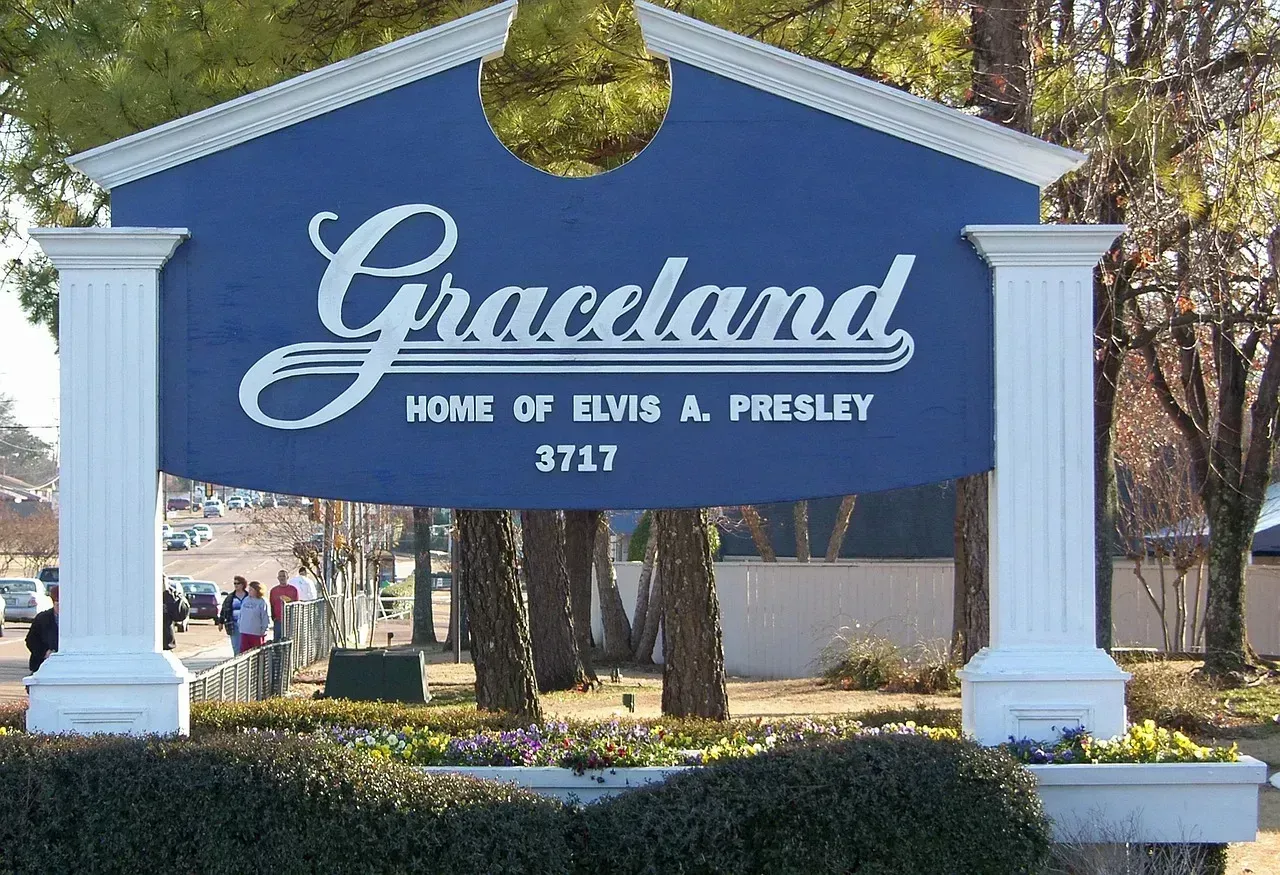
Graceland, the Memphis mansion of the late Elvis Presley, has a legendary reputation, but the mansion’s interior is not as grandiose as one might expect, and the tour itself is more focused on selling merchandise than the history of the famous home. A 2025 study found that sites like Graceland in Tennessee have made it to global lists of overrated tourist attractions.
For what you pay, visitors expect an immersive historical experience. Instead, many leave feeling they just paid premium prices for what essentially amounts to a commercial shopping opportunity with Elvis-themed souvenirs.
Plymouth Rock, Massachusetts
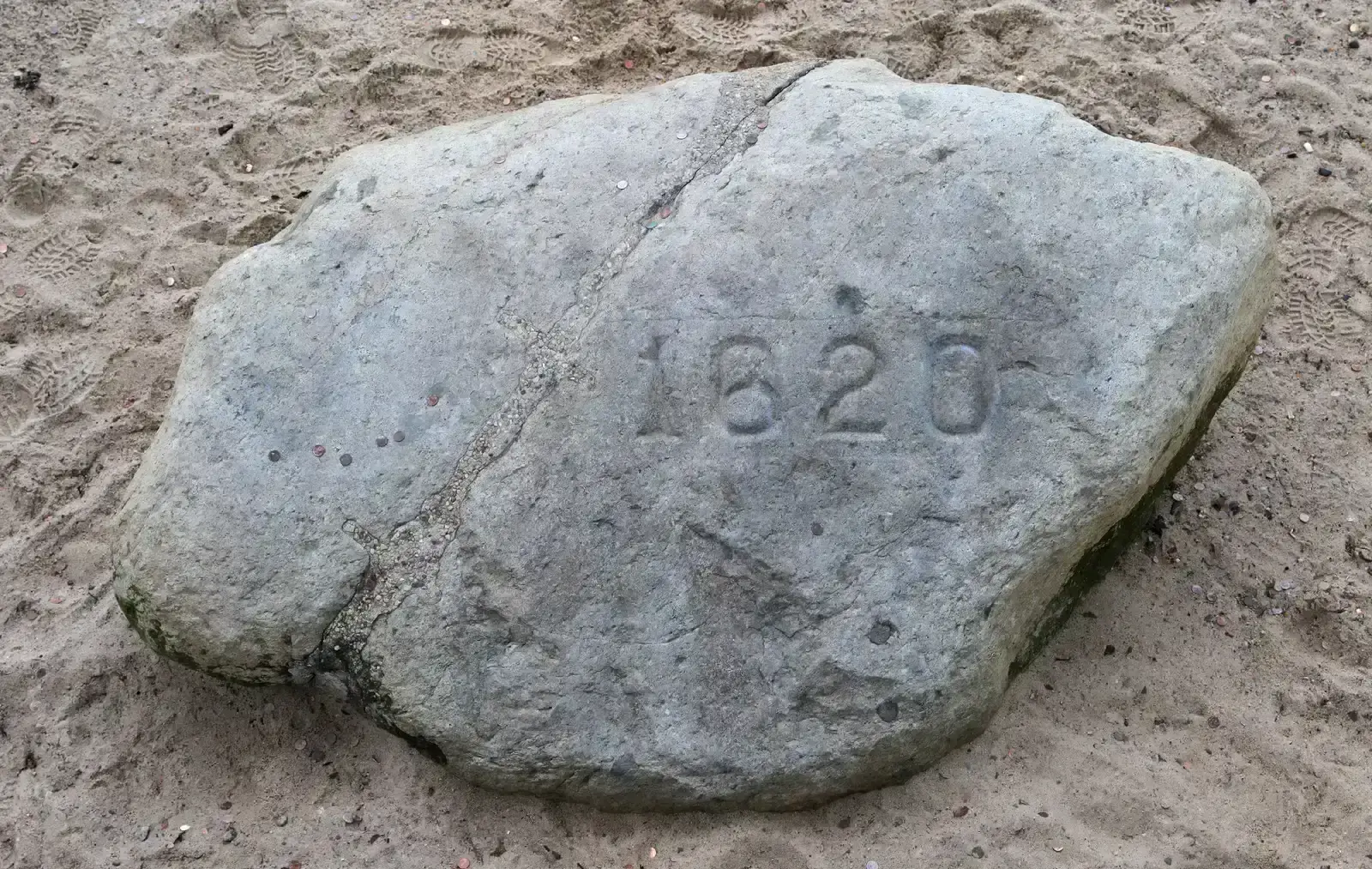
It is arguably the most famous rock in America, and also the most disappointing – it sits in a pit, it’s surprisingly small, and it’s often encased in a cage. The rock itself is just a rock behind bars, so you can’t even touch it. Historically significant? Absolutely. Visually stimulating or worth a special trip? Not even close.
The surrounding Plymouth Harbor area offers charm and history worth exploring, making the rock itself merely a quick photo opportunity rather than a destination. Most travelers spend more time driving to the location than actually viewing the underwhelming artifact.
Four Corners Monument
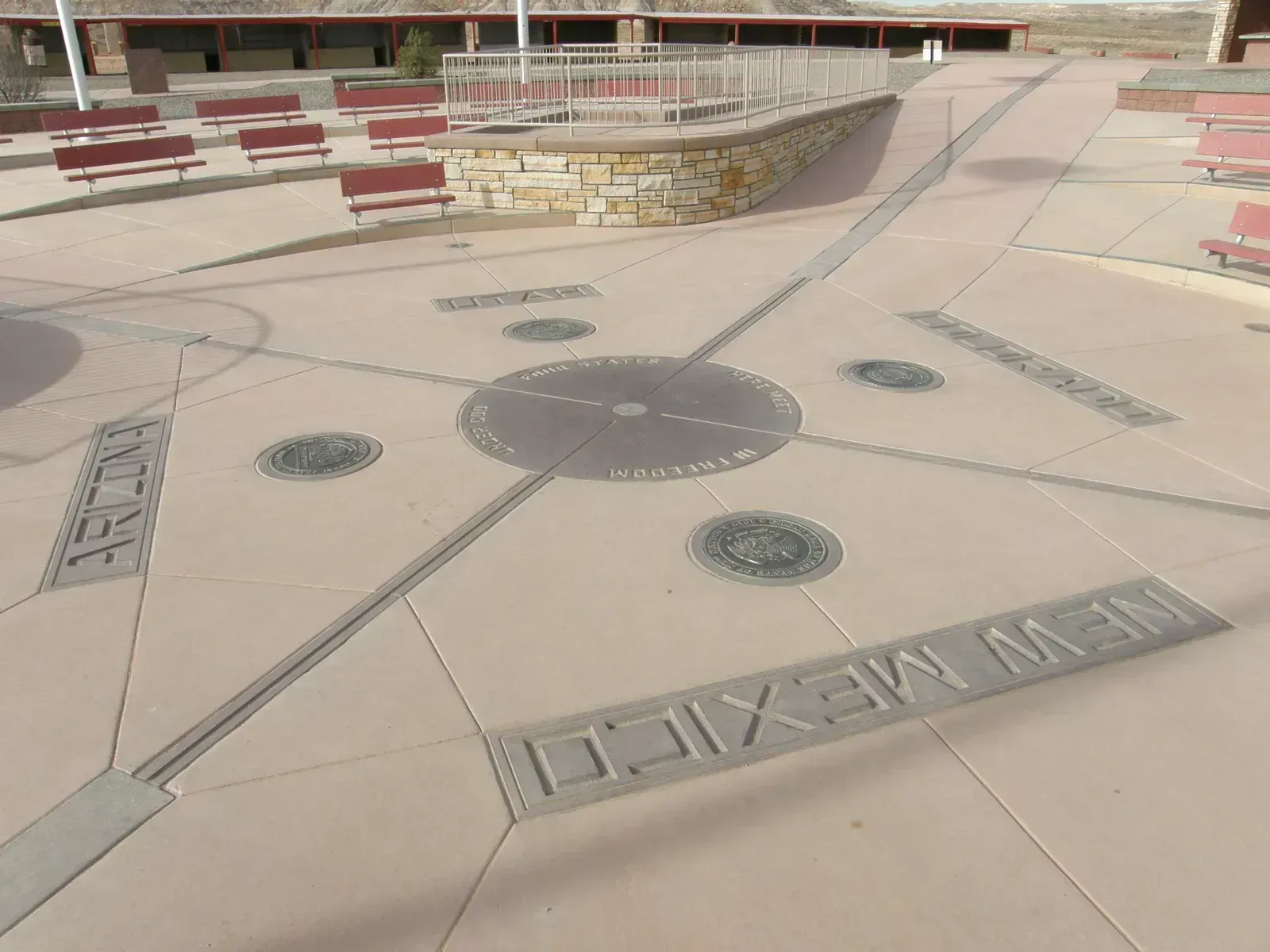
The monument itself is literally just a brass marker embedded in a platform, surrounded by vendor stalls selling overpriced Native American crafts, and you’re paying an entrance fee just to step on this glorified parking lot – a surveyor’s mark that’s not even in the correct location according to modern GPS technology, with the whole setup feeling like a roadside attraction that got way too big for its britches.
Most visitors describe it as their biggest travel regret, wishing they’d spent that time literally anywhere else in the stunning Southwest. The novelty of standing in four states simultaneously wears off in about three minutes, leaving you to wonder why you detoured so far off course.
Niagara Falls, American Side
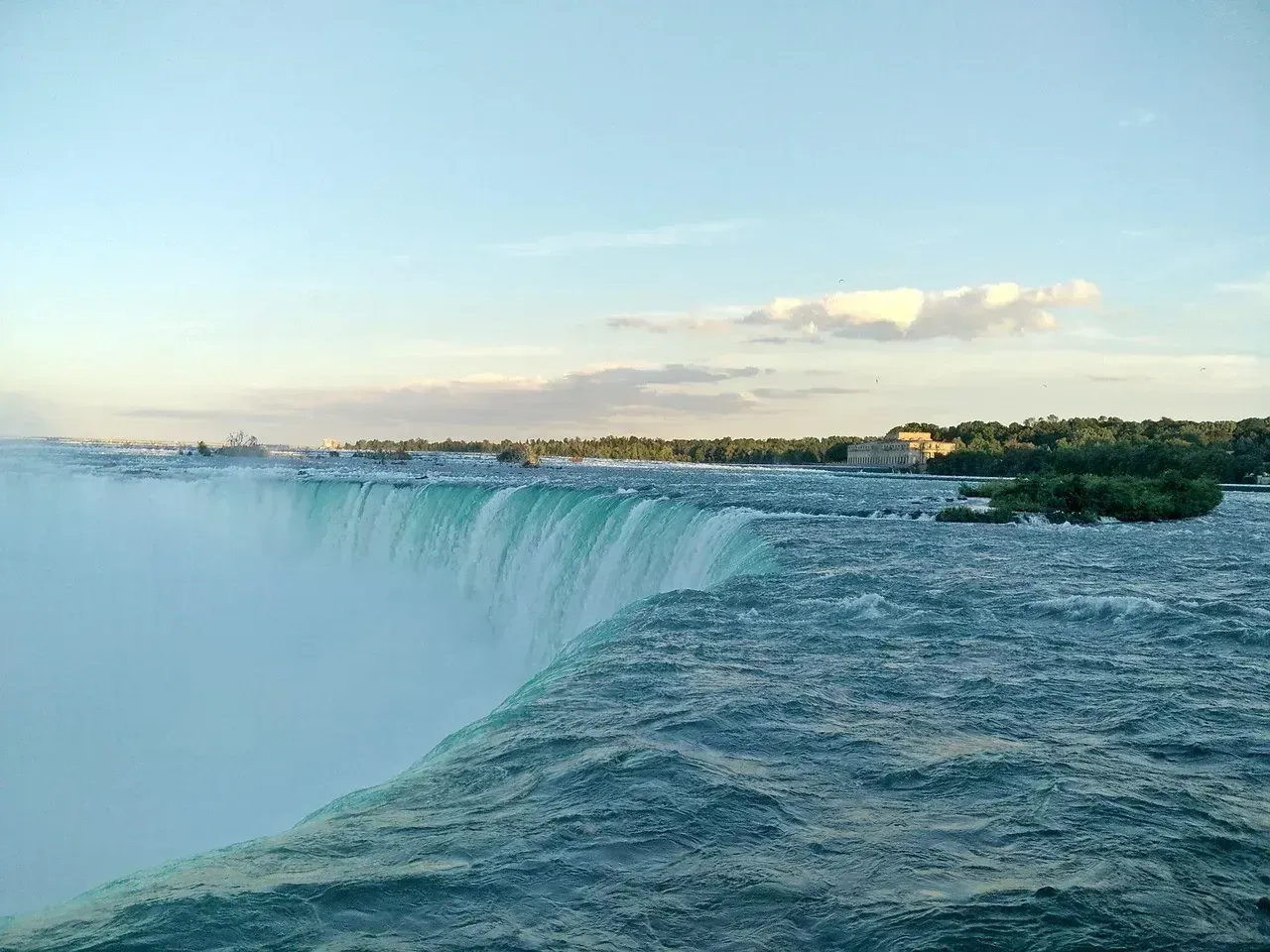
While the falls themselves are undoubtedly breathtaking, the surrounding area is crowded and touristy, with visitors expecting to encounter long lines at every attraction and souvenir shops on every corner with overpriced goods, and the American side particularly disappoints compared to its Canadian counterpart. The natural wonder itself remains spectacular, yet the experience gets diluted by commercial exploitation.
The Canadian side offers superior views and better-maintained facilities, making the American approach feel like the budget version of an incredible natural phenomenon. Unless you specifically need to say you saw the falls from the U.S. side, crossing the border provides a significantly better experience. What do you think about these disappointing destinations? Have you been let down by any of these spots?