Everything You Were Taught About Boiling Pasta Is Wrong: This One Change Fixes Everything
The Cold Water Revolution Changes the Game Completely
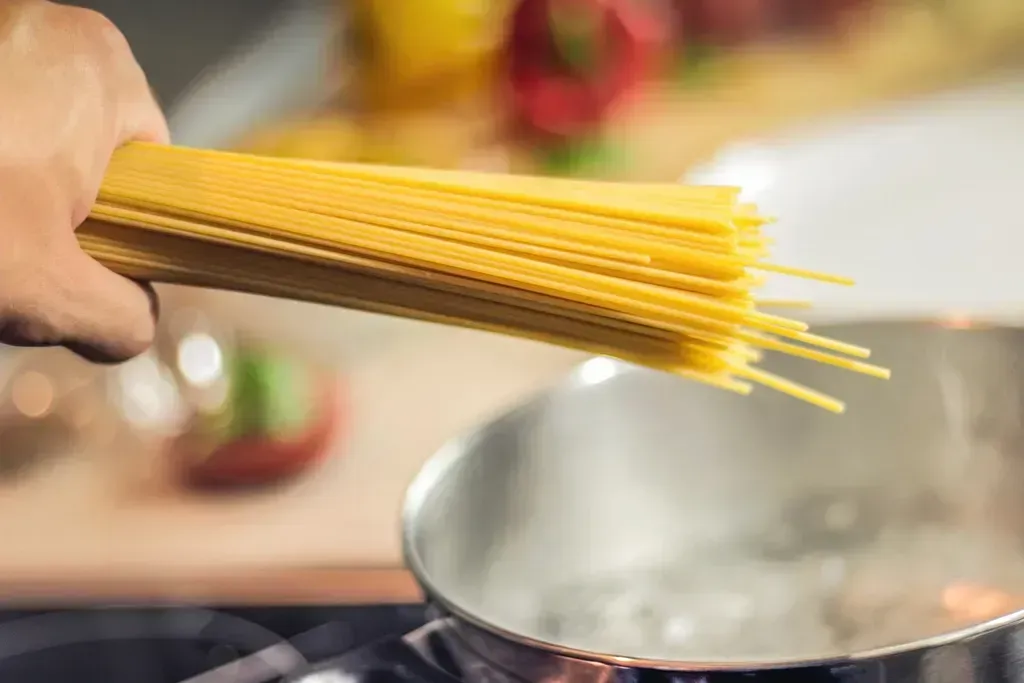
Let’s be real – starting pasta in cold water instead of waiting for a massive pot to boil cuts cooking time nearly in half and uses half the amount of water. This method reduces total cook time by as much as 45 percent and the water by 75 percent. The big-pots-of-boiling-water paradigm is quite simply a myth, and starting your pasta in cold water means you end up with concentrated starchy cooking water that gives a silky finish. Most of us were taught to boil gallons of water first, but that’s just wasting time and energy.
You’ve Been Using Way Too Much Water All Along
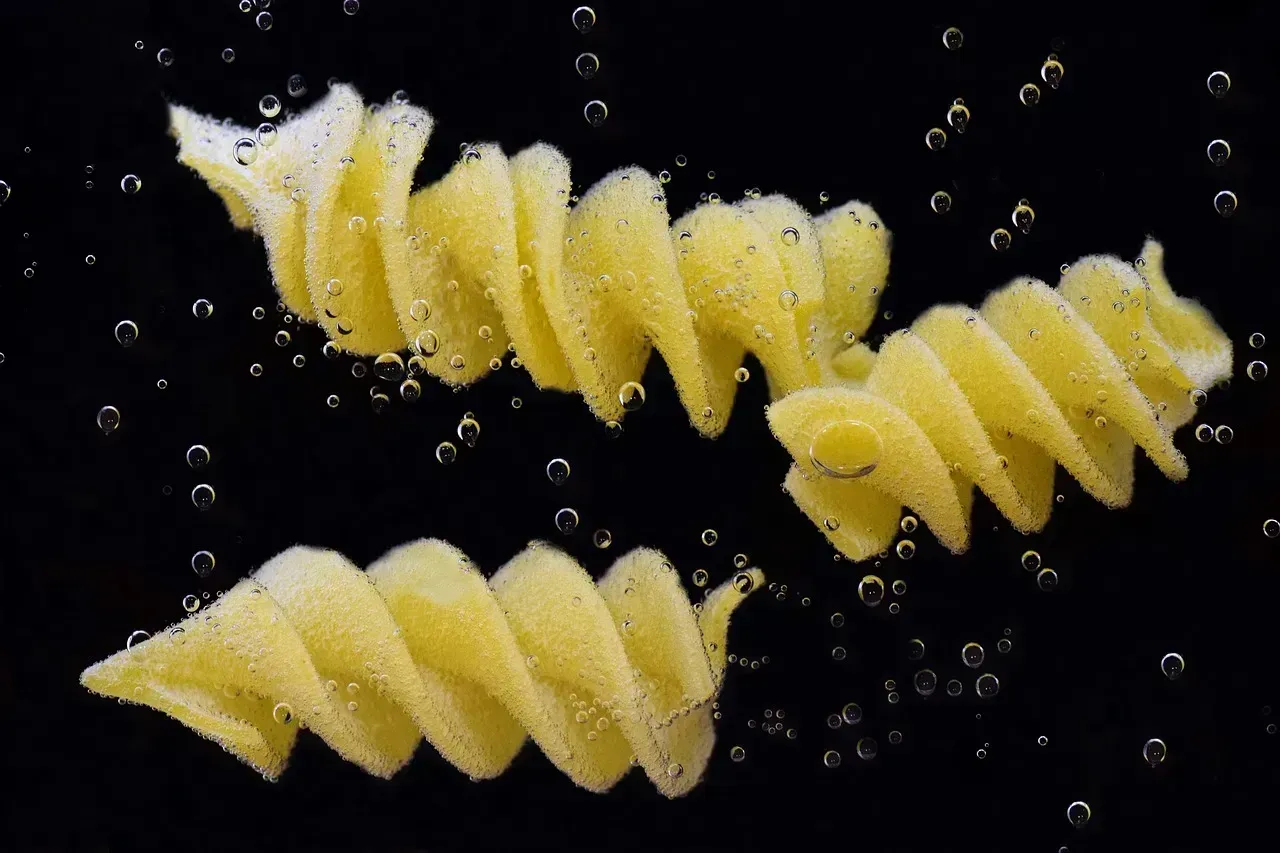
Research from 2019 shows that pasta’s water uptake, cooking loss, and degree of starch gelatinization were approximately constant when the water-to-pasta ratio was reduced from 12 to 2 liters per kilogram. Here’s the thing: traditionalists insist you need four to six quarts of water per pound of pasta, but science disagrees. Food scientists and chefs have tested cooking pasta in smaller amounts of water and found positive results when doing so.
When the water-to-pasta ratio was reduced, texture parameters showed no statistically significant difference, but electric energy consumption linearly decreased and the carbon footprint lessened by approximately 80 percent. Think about it – you’re heating all that water for nothing. Cooking a pound of pasta in a quart-and-a-half of cold water in a frying pan takes 15-20 minutes instead of 45 with the heat-up of the water.
The Starchy Water Secret Professional Chefs Actually Want
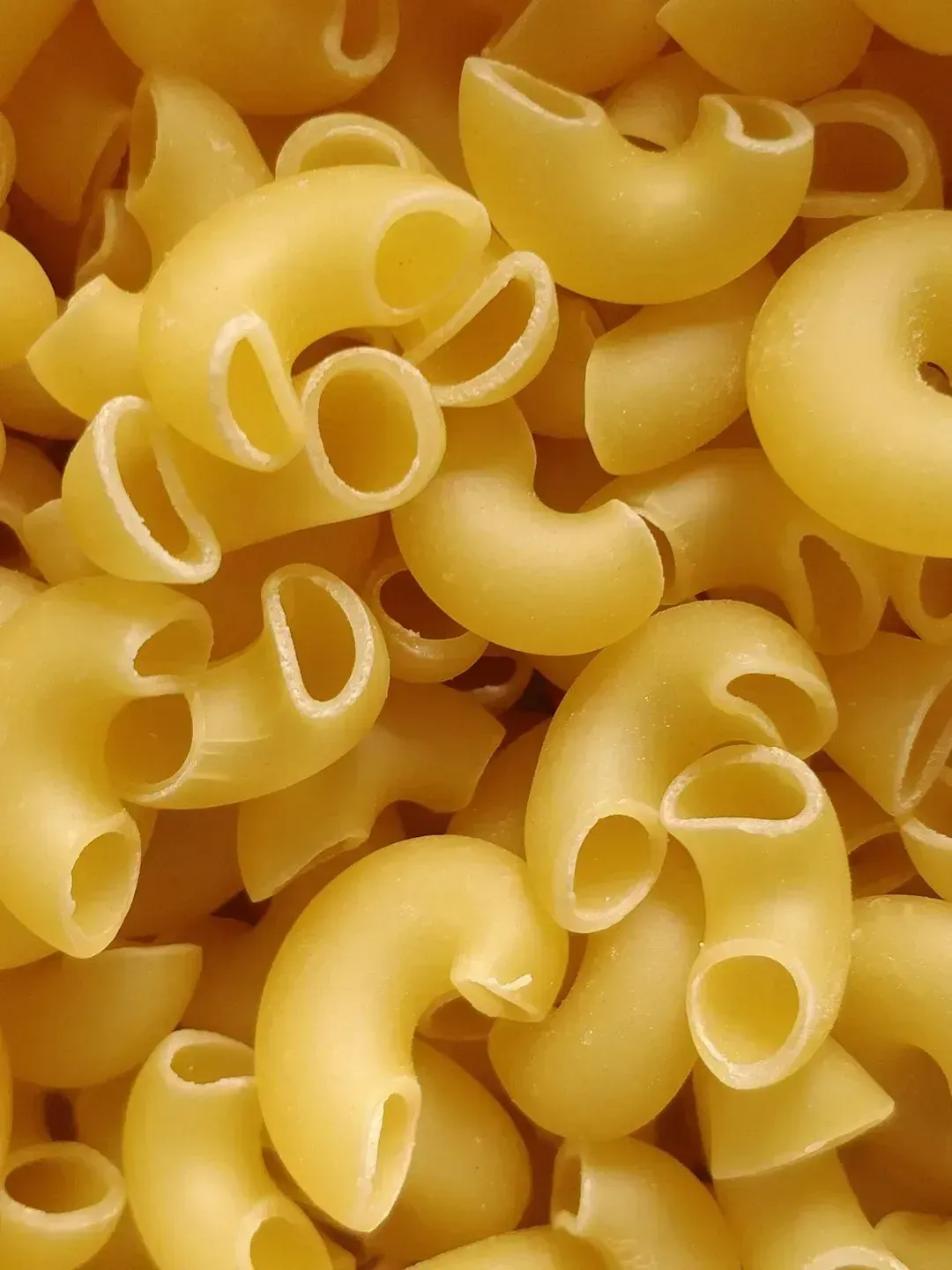
The less water you use, the starchier the cooking water becomes and the better it does its job as an emulsifier and thickener. This murky, cloudy liquid isn’t dirty – it’s liquid gold. The starch in your pasta water is an emulsifying agent and also a thickener that binds together liquids and oils, creating something creamy and thick that won’t separate into a puddly mess.
I honestly think this is one of the most underrated aspects of pasta cooking. Adding a cup or more of starchy pasta-cooking water is what actually creates the unctuous texture of classic pasta dishes, bringing together the seasoned oil and the cooking water into an emulsified, creamy sauce. Using less water means more concentrated starch, which gives you restaurant-quality results at home.
Salt Timing Matters Less Than You Think
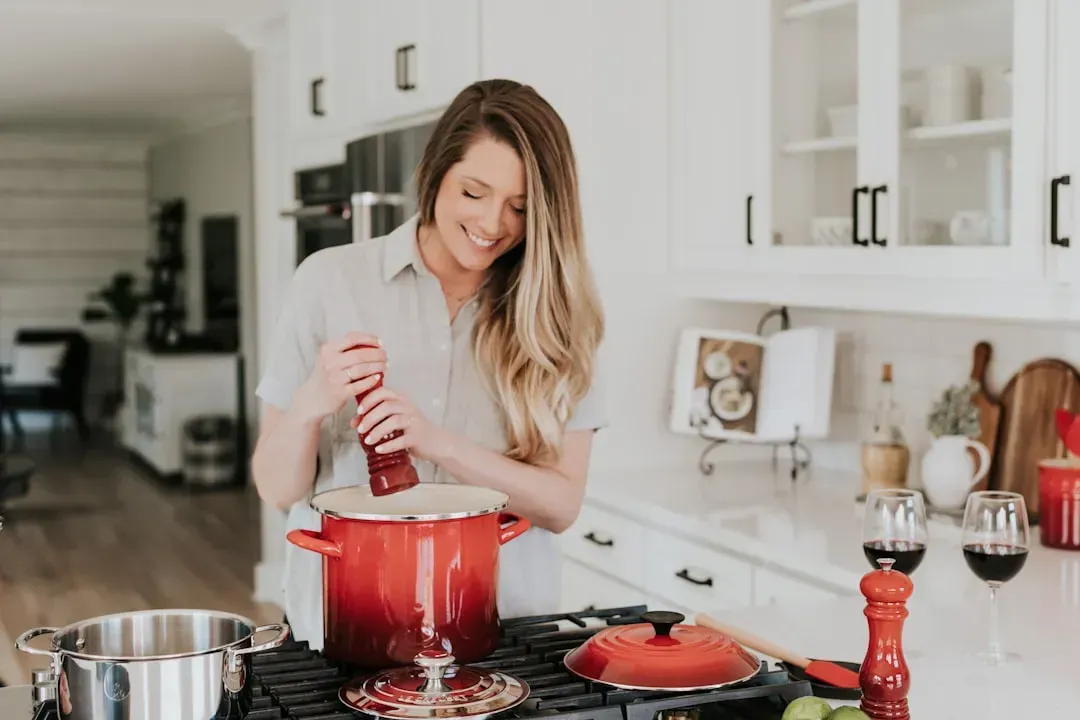
Salt does technically raise the boiling point of water, however, this will likely never apply to your cooking because the amount of salt you need for this to be true is outside the bounds of cooking in general. The whole debate about when to add salt is overblown. It takes one ounce of salt per quart of water to raise the boiling point a negligible 0.5 degrees Fahrenheit, so the timing isn’t going to revolutionize your cooking.
Adding salt to your water is absolutely necessary when cooking pasta, and when to add it isn’t going to make any significant difference to how long it will take your water to boil. What does matter? Using enough salt. Most people are way too timid with their salt shaker, honestly.
Adding Oil to Pasta Water Is Actually Sabotaging Your Dish
Chef and restaurateur Lidia Bastianich reportedly said, “Do not – I repeat, do not – add oil to your pasta cooking water”. Some cooks add oil to the pasta cooking water to prevent sticking, however this can create a slick surface that makes it difficult for sauces to cling to the pasta. It’s hard to say for sure, but I suspect this myth persists because people saw their grandparents do it.
Properly cooked in boiling water pasta will never stick together, so don’t add oil. The trick to preventing your pasta from sticking is to make sure to stir it well once you throw it into the water, and the most important time to stir pasta is at the beginning. Two good stirs beat a gallon of olive oil any day.
The Actual Science Behind Pasta Cooking Nobody Tells You
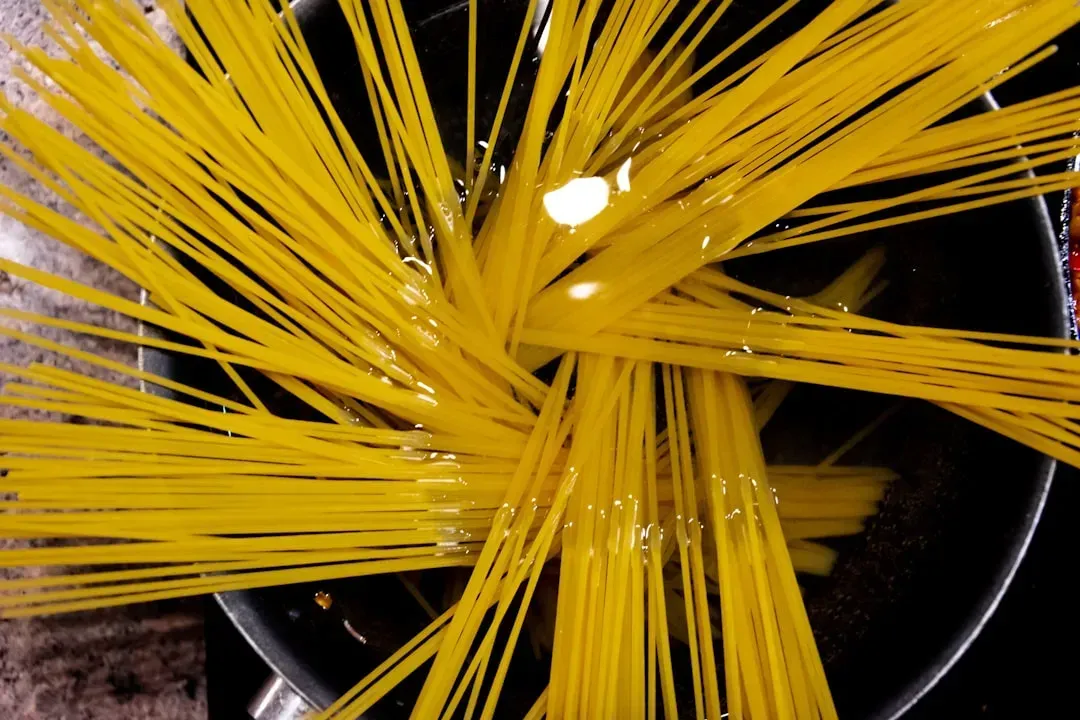
Pasta rehydrates and softens by absorbing water through diffusion, and boiling water molecules will penetrate to the center of a strand of typical-thickness spaghetti in about 10 minutes. The pasta must cook, which requires heat that diffuses into the pasta, swelling the proteins, breaking down starch grains, and making everything edible. That’s all you really need to know.
When pasta is added to boiling water, the starch granules start to gelatinize – these tightly bound chains of sugars swell and loosen as they absorb hot water. The gluten matrix in durum wheat is what keeps everything from falling apart into mush. Temperature matters, but constant boiling doesn’t.
How the Cold Start Method Actually Works in Practice
Combine 8 to 16 ounces of pasta and salt with 1 quart cold water, bring to boil over high heat stirring occasionally once water starts to steam, then reduce heat to maintain simmer. The entire process should take 13 to 15 minutes, and the cold-water pasta hack cut the cooking time nearly in half compared to boiling water in a pot which took 22 minutes from start to finish.
Starting in cold water means that the pasta doesn’t stick to itself, and it turns out that it heats up, cooks just fine and you end up with pasta that is not at all sticky. I was skeptical about this method too, but after testing it multiple times, the results speak for themselves. Starting pasta in a smaller volume of cold water delivered well-seasoned noodles in less time and with extra-starchy cooking liquid that’s perfect for adding to sauces.
Why Restaurants Never Rinse Pasta and Neither Should You
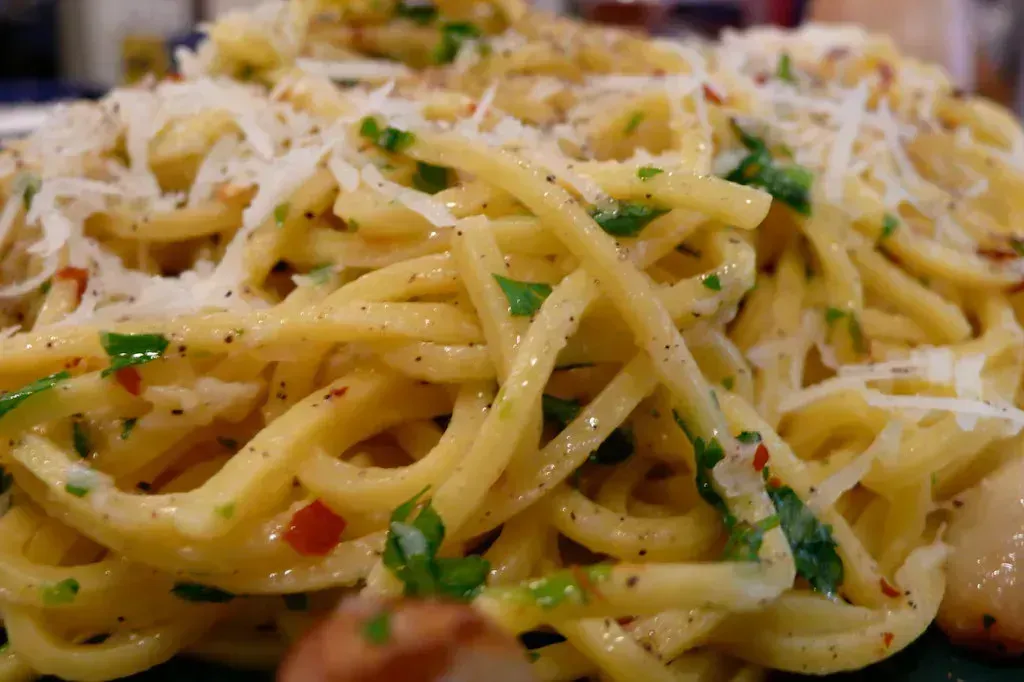
The starch on the surface contributes flavor and helps the sauce adhere, and if you rinse the water you rinse away the starch. The starch on the surface of the pasta works in the same way as the starch you’ve added to the sauce through the addition of the cooking water – it helps the sauce stick to the pasta, and if you rinse the pasta you’re rinsing away that helpful starch.
Let’s be honest – that urge to rinse comes from seeing mushy, clumpy pasta and thinking water will fix it. It won’t. The problem isn’t starch buildup, it’s overcooking or not stirring enough at the beginning. Rinsing just strips away the very thing that makes sauce cling beautifully to each piece.
The Environmental Impact Nobody Wants to Talk About
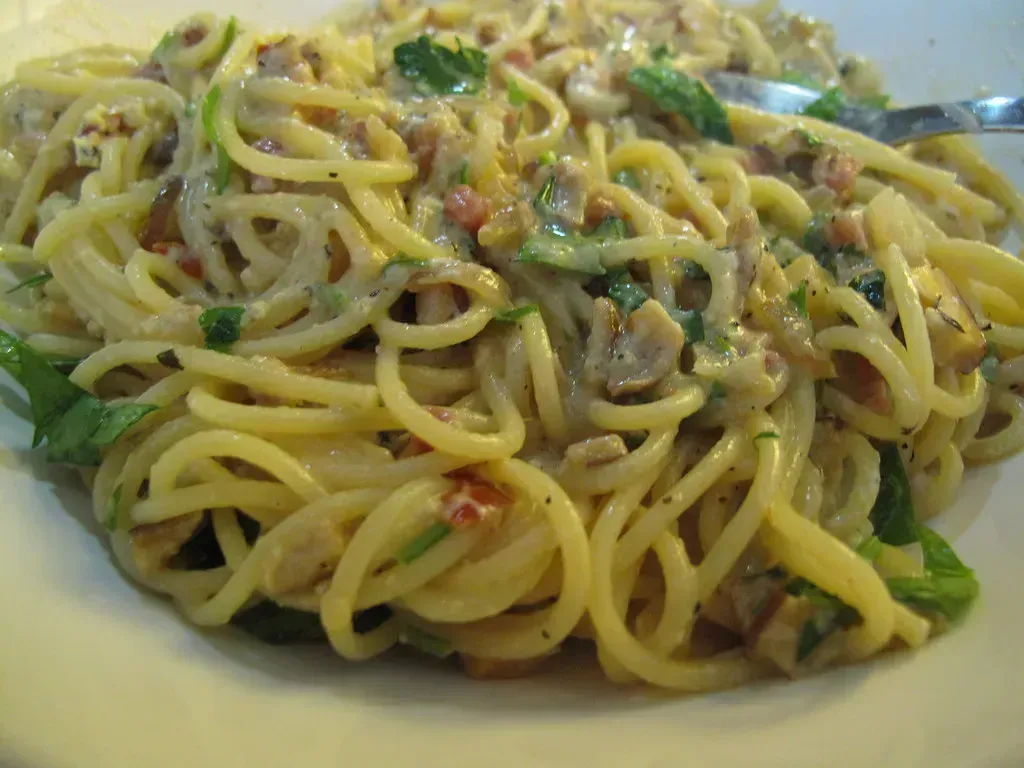
By reducing the water-to-pasta ratio from 10 to 3 liters per kilogram, the energy needed to cook pasta reduced from 1.44 to 0.54 watt-hours per gram and the carbon footprint of pasta cooking reduced from 0.49 to 0.18 kilograms of CO2 equivalent per kilogram. That’s massive when you consider how many people cook pasta worldwide every single day.
The suggested pasta cooking procedure is expected to reduce its associated greenhouse gas emissions by 2.1 teragrams of CO2 equivalent per year. If everyone across the world used less water and didn’t have to boil massive quantities for pasta, the energy savings would be staggering. It’s not just about convenience – it’s about being smarter with resources.
What This Means for Your Next Pasta Night
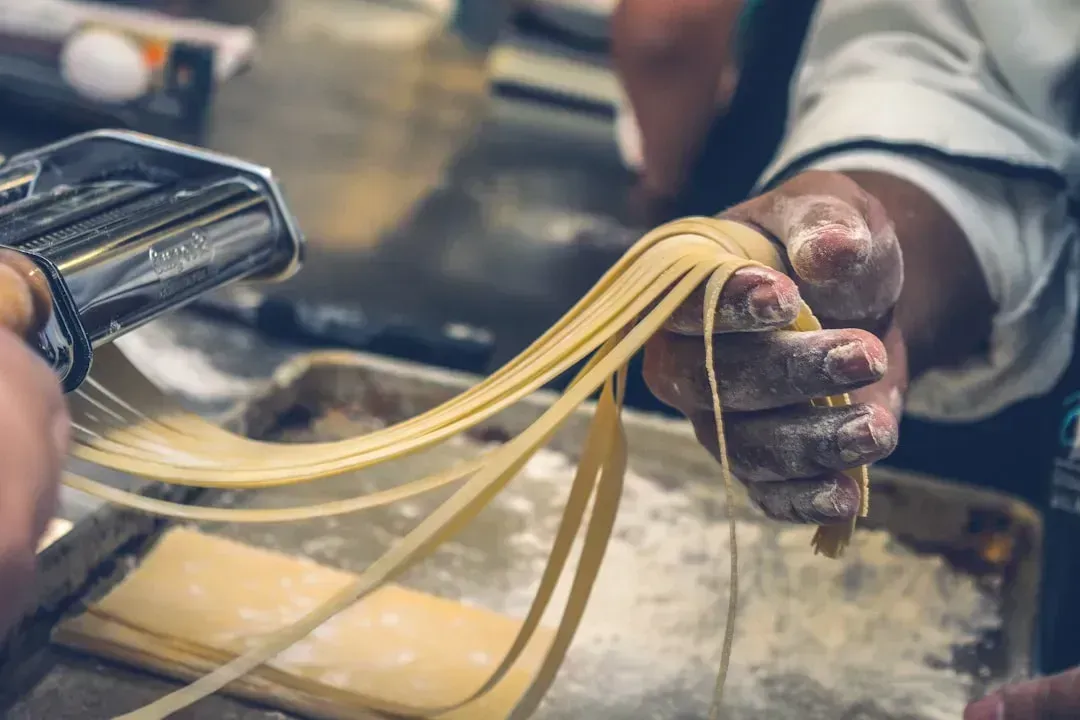
Some cooks even prefer the texture of dry pasta started in cold water. With the specific measurements this hack calls for, the taste of the cold-water pasta was superior to the boiled-water pasta, and the cold-water hack saves water and time with pasta cooked to perfection. The method isn’t just faster – it actually produces better results.
Here’s what you need to remember: use way less water than you think, start with cold water, stir well at the beginning, skip the oil entirely, and never rinse your finished pasta. In tests, one pound of dried pasta started in one quart of cold water cooked up just as nicely al dente as the same type of pasta started in four quarts of boiling water. The conventional method we’ve all been taught is outdated and inefficient.
What do you think – ready to break free from the old rules and try something that actually works better? Your next bowl of perfectly cooked, sauce-coated pasta is waiting.