Americans Are Avoiding These 6 Iconic National Parks in 2026 – Here’s Why
Let’s be honest, the idea of America’s national parks conjures images of serenity, unspoiled wilderness, and a connection with nature that feels almost spiritual. These places represent something deeply important to who we are. Yet in 2026, a troubling reality has set in. While visitor numbers have historically climbed year after year, a strange reversal is happening across some of the country’s most cherished landscapes. Something feels different this time around.
The National Parks Conservation Association estimates full-time Park Service employment at 12,600, down nearly a quarter since the start of the Trump administration. Couple that with an investigation finding that between April and July 2025, more than 90 national parks reported problems related to federal budget cuts, staff departures, and a freeze on hiring, and you’ve got a recipe for frustration. Visitors arriving at these parks in 2026 aren’t just dealing with crowds anymore. They’re encountering something worse: deteriorating conditions, reduced services, and higher fees.
Yellowstone National Park
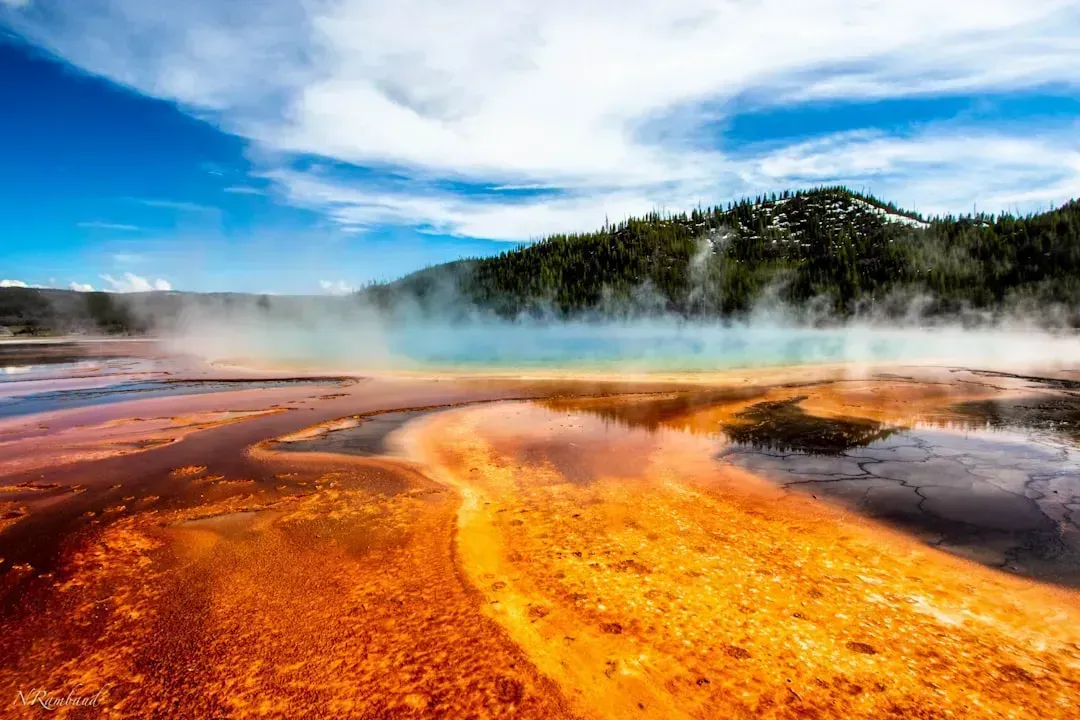
Yellowstone, the world’s first national park, still draws massive crowds. Through the first seven months of 2025, tourists visiting Yellowstone numbered 2,666,031, less than 3,000 fewer visitors than the park saw during the same period in its record-breaking year of 2021. Despite those numbers remaining high through much of 2025, there’s growing concern among travelers about what awaits them in 2026.
The park’s aging infrastructure is showing its strain. Problems include reduced visitor center hours, skipped visitor fees, vanishing educational programming, and even dirtier bathrooms, as a smaller parks workforce is spread even thinner than before. Think about planning a once-in-a-lifetime trip only to find facilities in disrepair and fewer rangers available to help. That’s the reality facing many visitors, and word travels fast.
Grand Canyon National Park
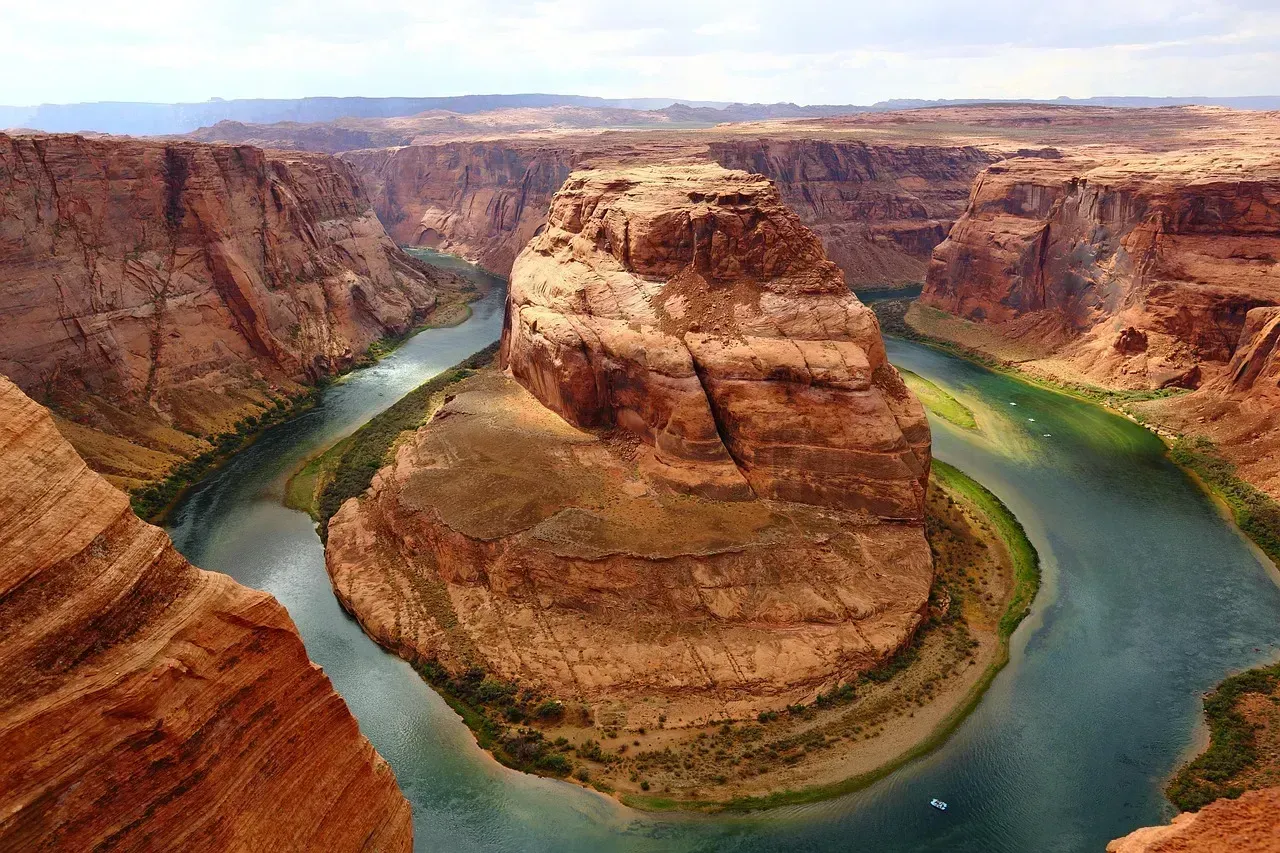
The Grand Canyon faced a perfect storm of challenges heading into 2026. A destructive fire on the North Rim resulted in extensive damage to park infrastructure and a down tourism season for gateway communities. On top of that, the park experienced significant breaks in the Transcanyon Waterline, resulting in a shutdown of all South Rim overnight accommodations, with historic hotels closed indefinitely until the water supply could be stabilized.
The Grand Canyon gets roughly 14 percent of its almost 5 million visitors from other countries. With the new administration implementing a hefty surcharge for international visitors starting January 2026, local businesses are already dealing with a lack of foreign visitors. Americans aren’t oblivious to these mounting issues either. When a park’s basic services can’t function properly and the experience feels diminished, travelers look elsewhere.
Zion National Park
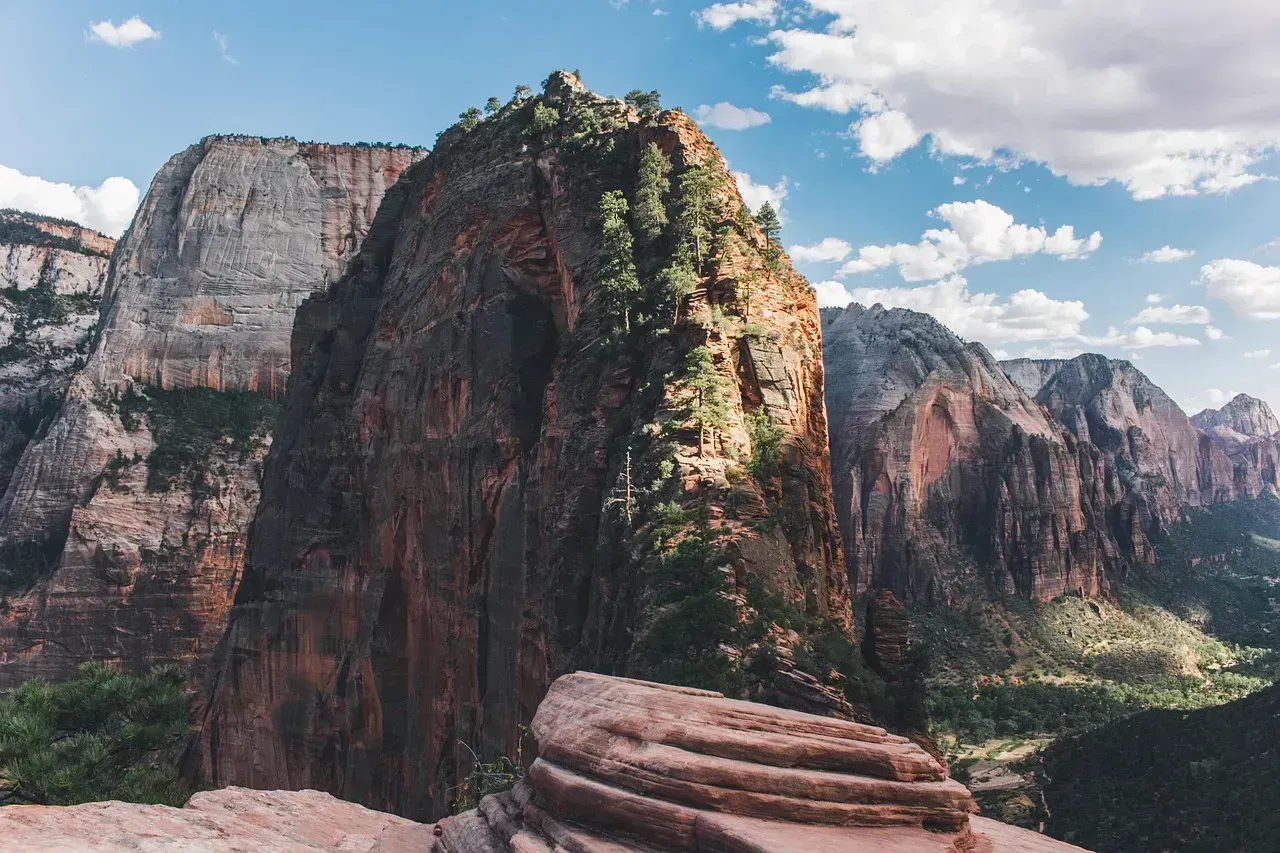
Zion has become a poster child for overcrowding in recent years. The park gets as many visitors as Yellowstone, more than 4.3 million annually, even though Yellowstone is nearly fifteen times larger, and in recent years this huge uptick in visitation has overwhelmed infrastructure facilities, trails, and backcountry. Walking through popular trails during peak season can feel less like a nature experience and more like navigating a busy shopping mall.
The park’s issues aren’t getting better. Park management implemented a temporary timed entry reservation system during recent years, though plans for a permanent reservation system were scrapped by the Trump Administration. Many travelers find the uncertainty exhausting. Do you need a reservation? Will the shuttle buses be running? Are bathrooms functional? These questions shouldn’t dominate trip planning, yet increasingly, they do.
Yosemite National Park
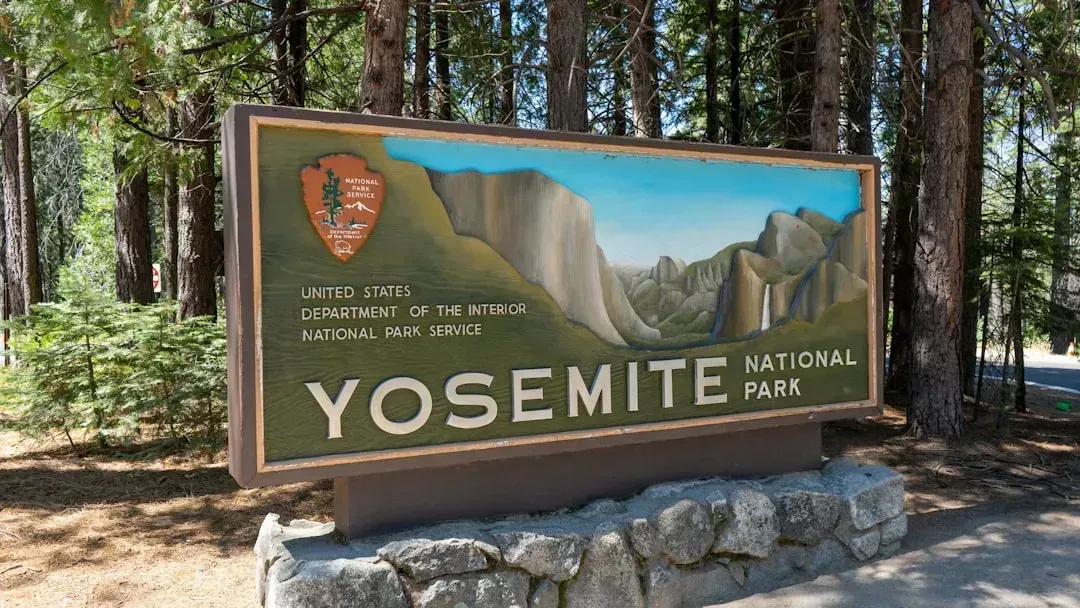
Yosemite’s granite cliffs and waterfalls remain breathtaking, yet the experience of visiting has become fraught with complications. The park draws more than 4 million visitors annually, with the majority funneled into Yosemite Valley via a few two-lane roads, making it notorious for traffic jams, and park management tells visitors to expect up to a two-hour delay on weekends during summer at the South Entrance on Highway 41.
It’s not just traffic. Before the latest round of cuts, overall National Park Service staff had eroded by 20 percent since 2010 while visitation had increased by 16 percent, and this latest round eliminates another 9 percent from the overall Park Service staff. The math simply doesn’t work. Fewer people to manage more visitors equals a diminished experience. Travelers tired of waiting hours just to enter are choosing alternative destinations.
Arches National Park
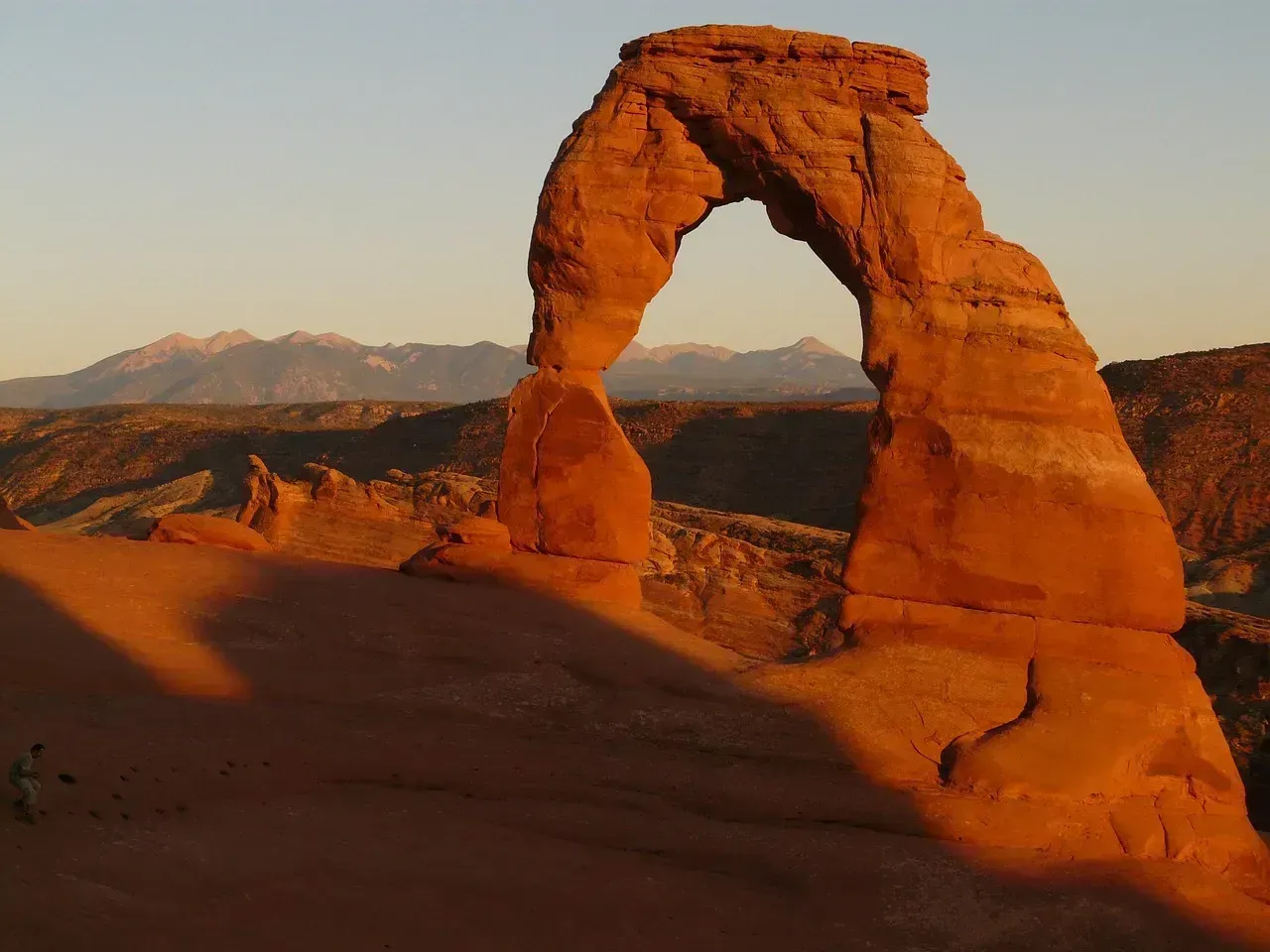
Arches has experienced explosive growth in popularity over the past decade. Visitation increased 131 percent between 2011 and 2021 when it hit a record 1.8 million visitors, and it attracted 1.4 million people in 2024. The park implemented a reservation system to manage the crush, yet even that hasn’t solved all the problems.
Staff cuts and delayed hirings have caused changes to the visitor experience, with the park removing some trash cans and picnic tables from day use areas to reduce the need for maintenance, and the Fiery Furnace area, a maze of slot canyons, was closed in summer due to budget cuts. When one of the park’s most unique features gets shut down because there aren’t enough resources to maintain it safely, visitors understandably feel cheated. They’re avoiding Arches in favor of less stressed alternatives.
Rocky Mountain National Park
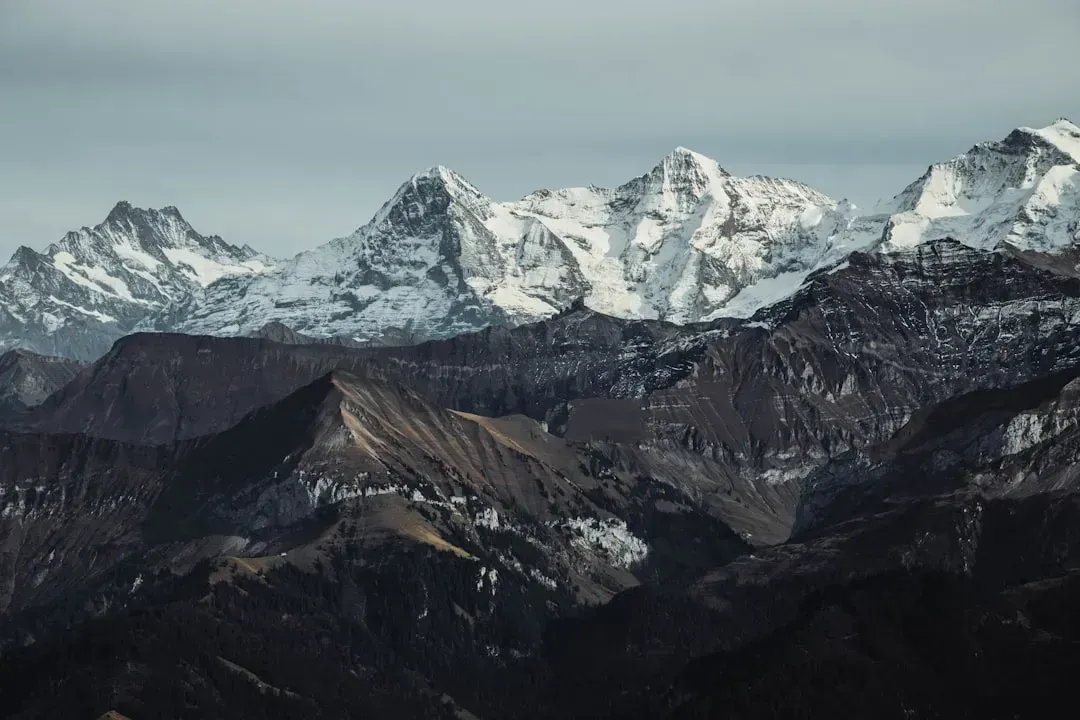
Colorado’s Rocky Mountain National Park has long been a favorite among hikers and outdoor enthusiasts. The park is busiest in summer and early fall, attracting around 24 million visitors over recent six years. Yet the same staffing and infrastructure issues plaguing other parks have hit here too.
The park requires a timed-entry reservation to enter for much of the day during the high season, while snagging a campsite during prime summer months feels nigh impossible. Travelers are tired of jumping through hoops just to access public lands. The delay in lifting the hiring freeze caused most parks to be two months behind on hiring seasonal staff, resulting in reduced hours at visitor centers, bathrooms still closed from winter, longer lines at entrance stations, and cancelled guided ranger programs.
Here’s the thing. Americans love their national parks. These places matter to us on a fundamental level. Yet when visiting becomes more hassle than reward, when fees climb while services decline, when basic facilities aren’t maintained, people vote with their feet. They choose state parks, national forests, or other alternatives that offer nature without the dysfunction. The irony is crushing: we created these parks to preserve them for future generations, yet current policies and budget cuts are driving visitors away from the very places we’re supposed to protect and enjoy.