Everything You Were Told About “Fresh” Restaurant Fish Is Wrong: Why Chefs Steer Clear
Walk into nearly any upscale restaurant and you’ll see the word “fresh” plastered across the seafood section of the menu like a badge of honor. That halibut? Fresh. The salmon? Definitely fresh. We’ve been conditioned to believe that fresh fish equals quality, that anything frozen is somehow second-rate or cheap. Let’s be real though – that belief is one of the food industry’s most persistent myths, and professional chefs know better.
Blind taste tests conducted by Oregon State University found that fish caught and quickly frozen at sea rated as good or better than supposedly fresh fish bought at the supermarket. Trained chefs can’t consistently distinguish fresh from frozen when freezing is done right. So what’s really going on behind those gleaming display cases? Here’s the thing – the entire narrative around “fresh” fish is built on outdated assumptions and clever marketing.
The Truth About That “Fresh” Fish at Your Grocery Store
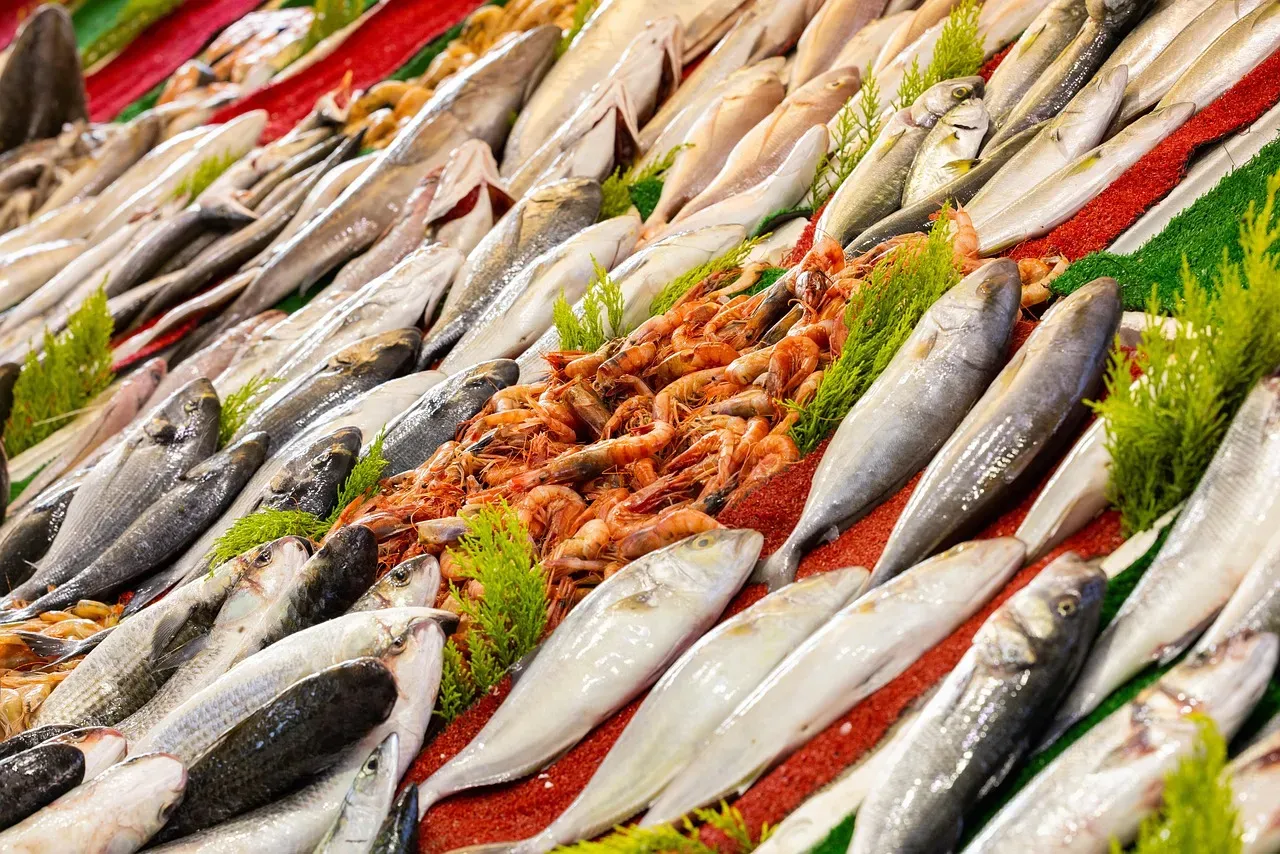
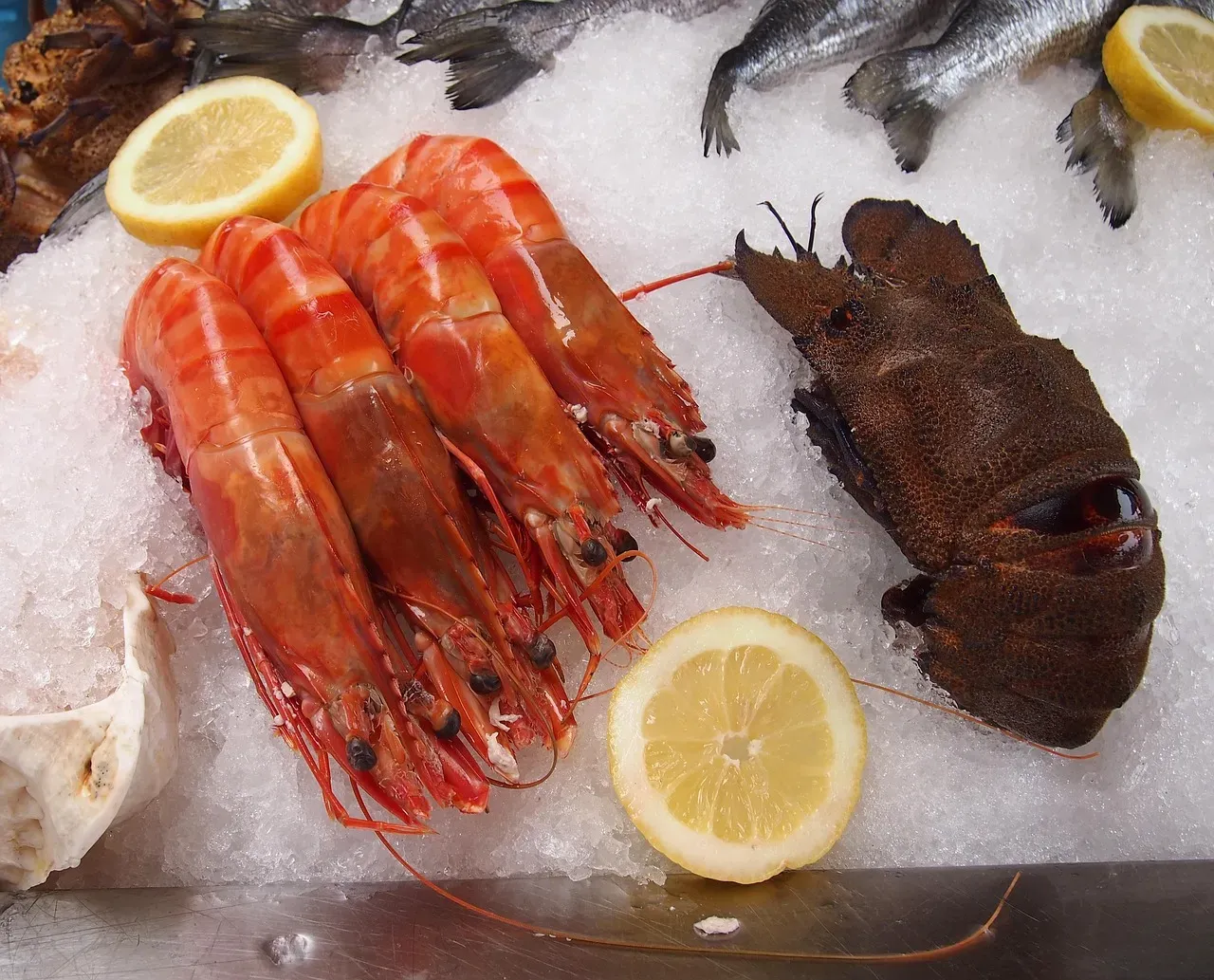
You probably think the fish on ice at your local market was swimming in the ocean just yesterday. Sorry to break it to you, that’s rarely the case. A fresh scallop can be on a boat as long as 10 days before it even lands at the dock and then it may take another week before it gets to the consumer.
This fish was likely frozen and thawed out several times before getting to the seafood counter, which is far from ideal in terms of freshness and texture. The grocery store merchandising game is strong, displaying those fillets artfully on mountains of ice to create an illusion of ocean-to-table immediacy. Fresh fish may have been out of the water for 10 to 14 days or more, which greatly impacts quality.
Meanwhile, fish that’s flash-frozen at sea? When you thaw flash-frozen seafood in your kitchen, it is just hours or minutes out of the water in a fresh state. It’s hard to say for sure which one deserves the “fresh” label, right?
Why the FDA Actually Requires Freezing for Raw Fish
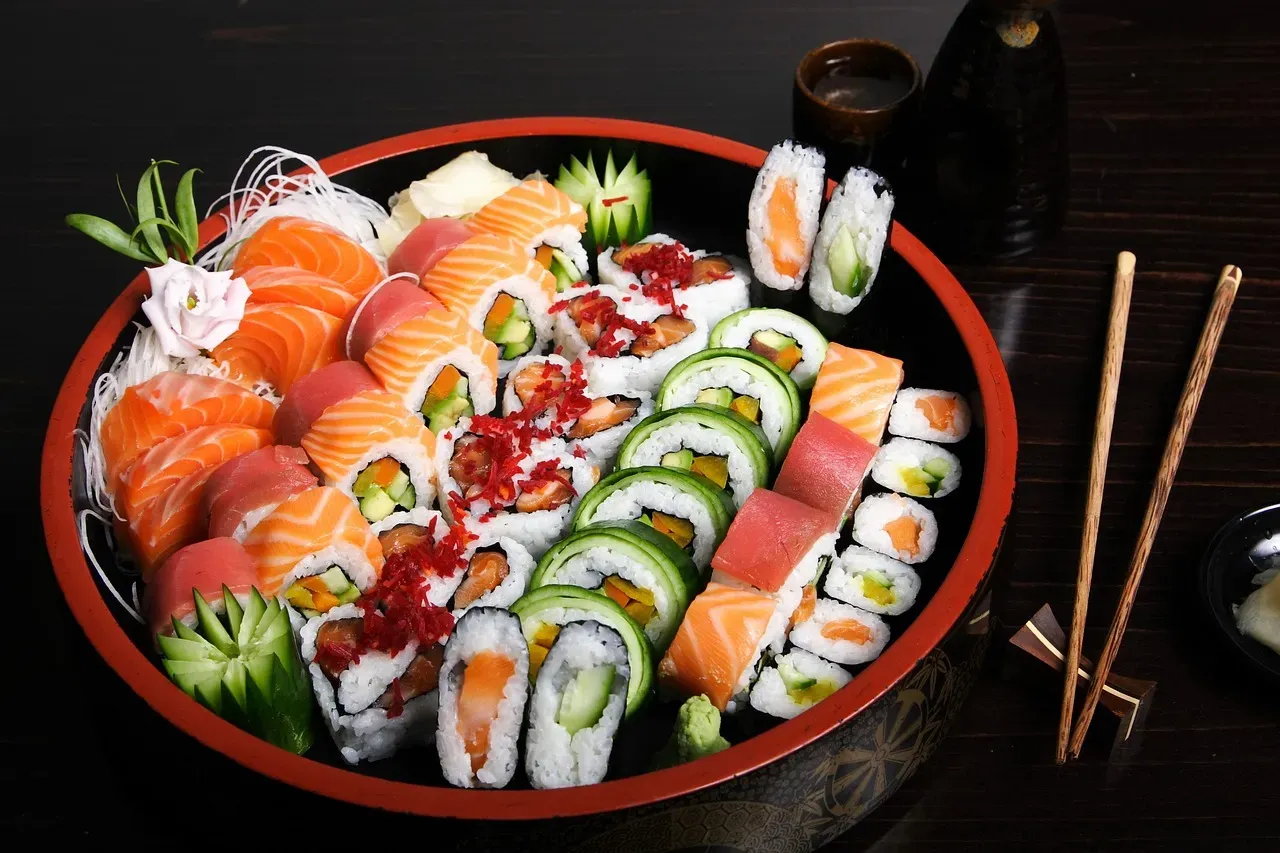
The FDA Food Code requires fish that is served raw or undercooked to be frozen for the destruction of parasites, including the serving and sale of sushi in restaurants, bars, and retail food stores. Yeah, you read that correctly – your sushi has almost certainly been frozen.
The FDA calls for Parasite Destruction Guarantee that must be followed for most fish species after they are caught, including freezing and storing at -4°F or below for 7 days, or freezing at -31°F or below until solid and storing at -31°F for 15 hours. Some species of fish can contain parasites, and freezing will kill any parasites that may be present.
It’s honestly a safety measure that protects diners. Most fresh fish that is sushi grade has actually been frozen first in practice, ensuring against parasites. The romantic notion of never-frozen tuna for your nigiri? That’s mostly fiction.
Frozen Fish Performs Better in Blind Taste Tests
The frozen product was actually liked as much as – or significantly, statistically better than – the fresh, according to research from Oregon State University’s Food Innovation Center. In the study, flash-frozen cod and coho salmon received significantly higher quality scores than fresh fish.
Chefs couldn’t tell the difference between fresh and frozen when freezing is done right, and in some cases frozen fish was preferred. Think about what that actually means – the people whose careers depend on discerning quality can’t even spot the difference. Trained panelists have actually preferred fish frozen immediately after harvest over fresh fish.
When consumers tasted flash-frozen samples, participants noted a good, clean, almost buttery flavor and said the unseasoned, previously frozen fish samples tasted like they were recently caught and fresh out of the ocean. The perception? Totally wrong.
The Massive Waste Problem Nobody Talks About
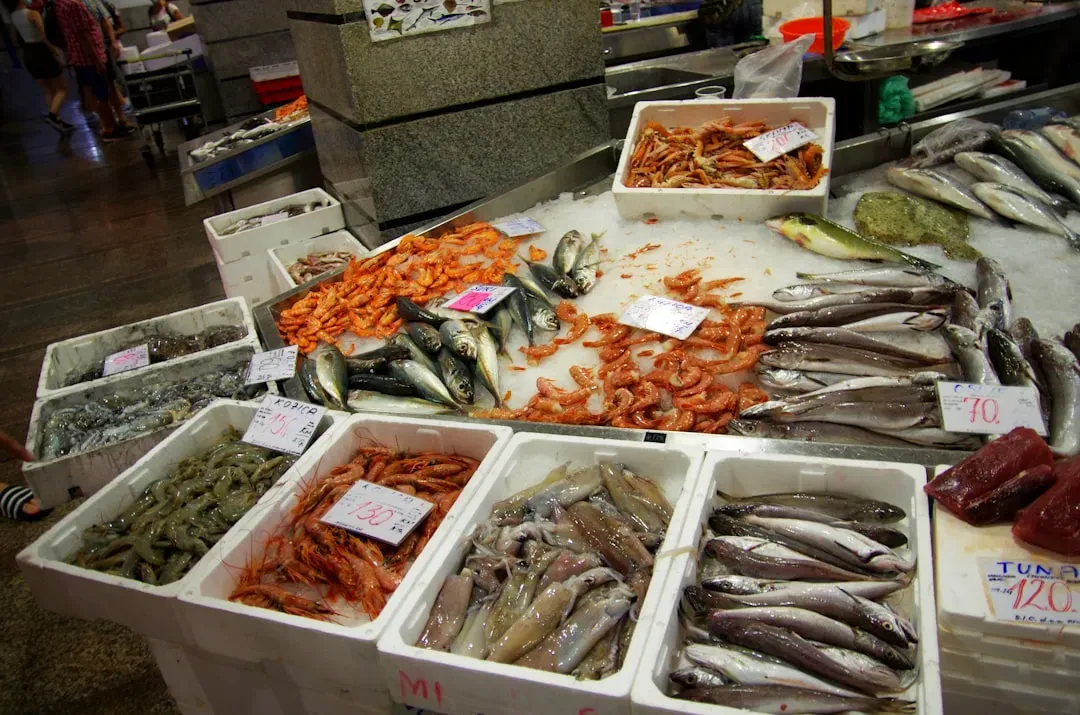
Twenty-three percent of seafood at supermarkets never makes it to the dinner plate and goes to waste, according to some research. That’s nearly a quarter of all seafood ending up in the trash. Fresh fish typically has two days in a grocer’s seafood counter before it gets thrown out, and store managers say it’s normal to accept that between 10 to 20 percent of their seafood will be lost.
Frozen seafood solves this. Frozen product can be stored for many months without any reduction in quality or freshness, and is far less vulnerable to spoiling at the whim of shipping delays. Once you bring fresh seafood home and place it in your refrigerator, you only have 2 to 3 days to cook that seafood before it spoils.
Flash-frozen fish lets you stock up without the anxiety of racing against spoilage. There’s no frantic “use it or lose it” countdown ticking in your head every time you open the fridge.
Flash Freezing Locks in Quality Better Than “Fresh” Ever Could
Flash freezing is a process in which seafood is frozen very rapidly at temperatures of -40°F or lower, essentially locking the fish in time allowing for a two-year shelf life at premium quality and halting cellular degradation. cryogenic flash freezing using liquid nitrogen maintains the peak flavor and texture of the seafood in its fresh state.
Compare that to the alternative. Seafood labeled as fresh at the grocery counter may not actually be all that fresh, having possibly spent many days in transit and refrigerated storage. The longer that a fish is out of water the more that its meat degrades, but when seafood is properly handled and frozen at a very low temperature it is essentially locked in time.
Advancements in freezing technology have made frozen seafood just as nutritious and flavorful as fresh options, according to seafood industry research from 2025. Frozen remains the largest retail seafood category with sales of $6.7 billion for the year ended December 31, 2023, followed by fresh at $6.2 billion. Consumers are catching on, slowly but surely.
What would you have guessed about the fish on your plate? The industry is changing as chefs, scientists, and sustainability advocates push back against the fresh fish mythology. Maybe it’s time we all rethink what quality actually means when it comes to seafood.