9 U.S. Cities Where Retirees Can Live Nearly as Cheaply as in Mexico
Picture this: you’re sipping coffee on a sunny porch, your retirement savings lasting longer than expected, and you haven’t even left the United States. Sounds too good to be true? Think again. While millions dream about retiring south of the border where living costs plummet, certain American cities offer remarkably similar affordability without requiring a passport.
Let’s be real here. The average cost of living in Mexico is $1007 versus $2516 in the U.S., according to LivingCost.org. That’s a staggering difference that makes Mexico wildly attractive. Yet here’s the thing: not everyone wants to navigate foreign residency requirements or adapt to a completely new culture, no matter how charming. What if you could capture much of that financial freedom while staying stateside?
Akron, Ohio: The Underdog Champion

The most affordable city for retirees is Akron, Ohio, the 137th-most-populous city in the country, according to a 2025 GOBankingRates analysis. You probably didn’t see that coming. This former rubber capital isn’t flashy, but it delivers where it counts most: your wallet.
What makes Akron stand out? Electric costs in Akron are 31% lower than the national average, which seriously matters when you’re on a fixed income. The city has something called an aggregated electric market, meaning residents can actually negotiate their electricity supply rates. Plus, local grocers keep national chains honest with competitive pricing. You’ll find Whole Foods, Aldi, and Trader Joe’s alongside mom-and-pop shops that locals fiercely support.
Housing remains impressively affordable here, and the city center offers museums, parks, and a riverfront trail that gives retirees plenty to do beyond counting pennies. Honestly, it’s hard to beat this combination of low costs and urban amenities without crossing international borders.
Fort Wayne, Indiana: Affordable Midwestern Comfort
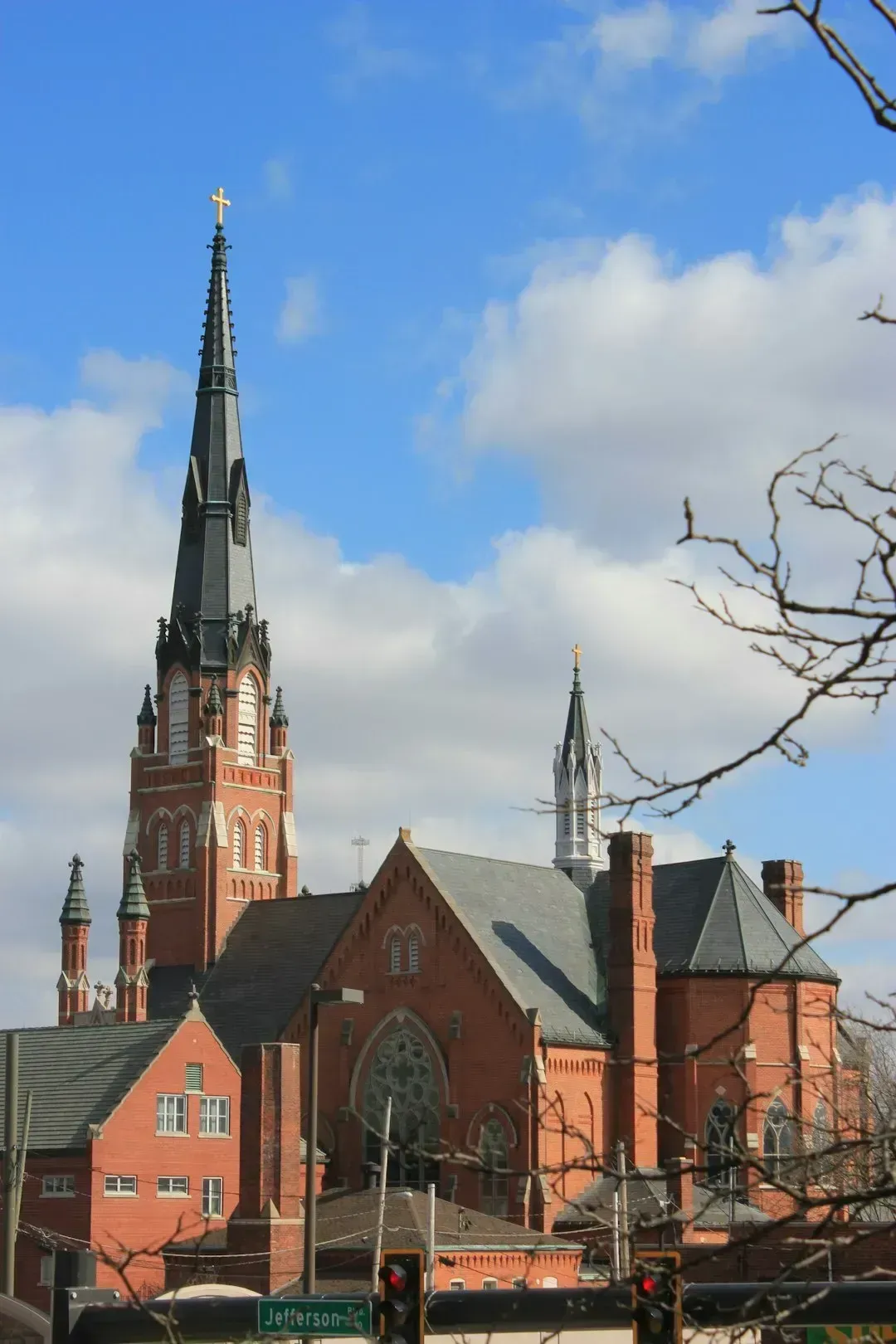
Fort Wayne tops this list as the most affordable city to retire in. Home to parks, unique neighborhoods and a fun riverfront trail, this Indiana city has a lot to offer residents of all ages, according to U.S. News analysis. The cost structure here rivals what you’d find in many Mexican towns, particularly when factoring in housing.
Fort Wayne combines practical affordability with quality of life features that matter in retirement. The city maintains numerous parks, walkable neighborhoods, and cultural venues without the price tag you’d encounter in Indianapolis or Chicago. Healthcare access is solid, with multiple hospitals and specialized senior services.
What I think really sells Fort Wayne is its straightforward Midwestern sensibility. You won’t find pretentious dining scenes or overpriced entertainment. Instead, you get honest value, friendly neighbors, and a pace of life that lets retirement feel like what it should be: relaxing.
Des Moines, Iowa: Big City Feel, Small Budget

For retirees looking to live in a big city on a small budget, Des Moines is a good choice. Affordability is just one reason the Milken Institute ranked the state capital among the 100 large U.S. metro areas for successful aging in 2025. This isn’t some tiny prairie town either – Des Moines offers legitimate city amenities.
Des Moines also boasts a strong economy and plenty of health care facilities specializing in aging-related services. Museums, arts venues, botanical gardens, and even a casino with quirky camel and zebra races nearby give retirees entertainment options most would expect only in pricier metros.
Iowa itself treats retirees kindly from a tax perspective. The state exempts social security income, offers additional breaks for retirement income, and repealed its inheritance tax for 2025. That means more of your retirement dollars stay in your pocket rather than disappearing into state coffers. Combine that with housing costs well below national averages, and you’ve got yourself a Mexico-level bargain right in America’s heartland.
Fargo, North Dakota: Cold Climate, Warm Savings

Here’s where things get interesting, because Fargo challenges assumptions about what makes a retirement destination desirable. Fargo fits the bill for affordability, with particularly low housing costs for retirees, with a median home cost in Fargo of $316,580 according to Zillow – far below the national average.
Yes, winters are brutal. I’m not going to sugarcoat that reality. However, if you can handle cold weather or plan to snowbird during harsh months, Fargo delivers exceptional value. North Dakota State University is based in Fargo and, along with several other area colleges, offers attractive amenities for retirees and co-eds alike. That includes sporting events and cultural attractions, such as numerous musical and theater performances.
The cultural scene punches above its weight class for a city this size. Between university events, local theaters, and community activities, you won’t be bored. And financially? You’re approaching Mexican cost-of-living territory, especially when comparing to popular expat destinations like Puerto Vallarta or Playa del Carmen.
Jackson, Mississippi: Southern Charm on a Budget

Low costs and friendly tax policies can make for a sweet retirement in the Magnolia State, and the capital is particularly alluring. Jackson is a surprisingly eclectic city that holds appeal for Civil War buffs, blues music aficionados and even ballet fans. Did you expect that last part?
Every four years, dancers from around the world flock to Jackson for the two-week USA International Ballet Competition to compete for medals, scholarships and spots in ballet companies. Similar competitions are held only in Russia, Bulgaria and Finland. That’s genuinely impressive cultural cachet for such an affordable city.
Jackson ranks high among the best large cities for successful aging due to its affordability and an abundance of nurses, nurse practitioners and orthopedic surgeons, as well as caregiving options and geriatric facilities. The healthcare infrastructure matters enormously as we age, and Jackson delivers without breaking the bank. Mississippi’s overall tax situation remains retiree-friendly, keeping your cost of living competitive with central Mexican cities.
Knoxville, Tennessee: Gateway to Smoky Mountains Value

Most parts of Tennessee have below-average living costs across the board for retired residents. Knoxville is particularly affordable for retirees, compared with, say, Nashville, where living costs among retired people are about the same as the national average. Housing costs for retirees in Knoxville are the biggest factor bringing down costs, with the city’s median home value of just $365,764 versus $435,228 in Nashville.
Tennessee doesn’t tax Social Security benefits or income from pensions and retirement accounts, which immediately gives retirees more breathing room. Being the gateway to the Great Smoky Mountains and home to the University of Tennessee, the city is rich in activities and attractions to fill your retirement years.
The proximity to natural beauty can’t be overstated. When you compare Knoxville’s cost structure to living expenses in Mexico’s highland towns like San Miguel de Allende or Guanajuato, the numbers look surprisingly similar. You get four seasons, mountain access, and SEC football without needing to learn Spanish or deal with international banking complications.
Kansas City, Missouri: Jazz, BBQ, and Budget-Friendly Living

The Kansas City, MO metro area straddles two states and offers a wide range of affordable attractions for people of all ages, including retirees. The music and arts scene is particularly vibrant, and home to legendary jazz musician Charlie Parker as well as the American Jazz Museum, the Nelson-Atkins Museum of Art, and the Kauffman Center for the Performing Arts.
Kansas City gives you legitimate metropolitan culture without coastal city pricing. The barbecue scene alone makes life worth living, and I’m only half joking about that. Entertainment options range from world-class museums to professional sports to the kind of neighborhood restaurants where staff remember your name.
While the University of Missouri’s main campus is about 125 miles east in Columbia (about a two-hour drive), the school brings more than 16,000 undergraduate and graduate students, as well as all the amenities of college life, to its Kansas City campus. It even offers an all-volunteer education program called Communiversity, offering a wide variety of classes and seminars to the entire metro area. Lifelong learning opportunities matter in retirement, and Kansas City delivers them affordably.
Huntsville, Alabama: Rocket City Affordability

Though often an underestimated gem when it comes to retirement destinations, Huntsville can provide a high quality of life without the hefty price tag of other big cities. This isn’t your stereotypical small Southern town either – Huntsville’s aerospace industry brings surprising sophistication to the region.
Tucked away in the hills of northern Alabama, Huntsville is a frequent flyer on these lists for its competitive housing costs and high quality of life. Rocket City, nicknamed for the city’s thriving aerospace industry, ranks No. 2 for value. With engaging museums and outdoor getaways nearby – like Monte Sano State Park with its scenic overlook – retirees will find a lot of ways to stay busy.
If you are looking for your perfect place to retire, but don’t want to commit to a big real estate investment just yet, you can find a ton of options where your monthly rent will be under $1,000. That pricing structure approaches what you’d encounter in smaller Mexican cities, but with the convenience of remaining in familiar territory with reliable infrastructure and healthcare systems.
El Paso, Texas: Border Town, Border Prices

Let’s talk about El Paso, because it offers something unique: Mexican affordability with American convenience. El Paso is one of the most expensive cities on our list for renters or homeowners, but its housing and general living costs are still far lower than other major cities in Texas, including Houston, San Antonio, and Dallas.
The city sits right on the Mexican border, giving you easy access to Juárez for cultural experiences, shopping, or dental work if you’re looking to save even more. Texas has no state income tax, which immediately puts more money back in retirees’ pockets. The climate remains mild year-round, eliminating expensive heating bills that plague northern cities.
El Paso is also pretty walkable and very safe, although both factors vary by neighborhood. Another great thing about retiring in El Paso? You can take advantage of the statewide tax incentives! The cultural blend of American and Mexican influences creates a vibrant, diverse community where your dollar stretches further than in most U.S. cities. Honestly, if you want to flirt with the idea of Mexican living without fully committing, El Paso might be your perfect compromise.