Everything You Were Taught About Home Cooking Is Wrong: Why Eating Out Is Cheaper in 2026
We grew up believing one simple truth: cooking at home saves money while eating out drains your wallet. Our parents preached it, financial advisors echoed it, and every personal finance blog repeated it like gospel. Home cooking meant responsibility, frugality, and smart money management.
That narrative just collapsed.
Something fundamental shifted in the last few years, and in 2026, the old rules no longer apply. Rising grocery prices, skyrocketing energy costs, massive food waste at home, and aggressive restaurant promotions have turned this wisdom on its head. When you actually crunch the numbers and factor in the hidden costs of home cooking, eating out has become the surprising financial winner for many Americans. Let’s unpack how we got here.
Restaurant Prices Are Rising Slower Than Groceries
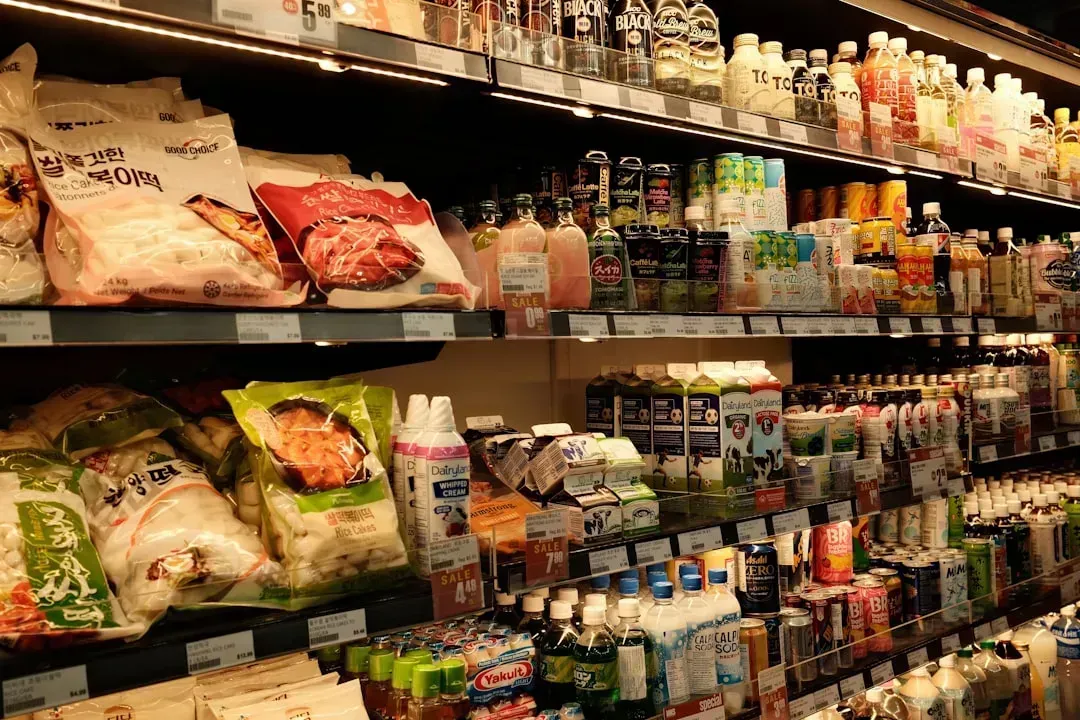
According to USDA data, food-at-home prices rose just 1.2 percent in 2024, while food-away-from-home prices increased by 4.1 percent. That might make it seem like restaurants were more expensive, but the picture changed quickly. By the end of 2025, ERS forecasts showed food-at-home prices had risen faster than in 2024, while food-away-from-home prices grew slightly slower, narrowing the gap considerably.
Here’s the kicker: by 2024, Americans were allocating about 55 percent of their food budget to dining out. People aren’t careless with their money – this massive behavioral shift points to something deeper. By the end of 2025, nearly 68 percent of Americans were skipping restaurant meals to save money, turning instead to their local supermarkets. Ironically, many found that strategy backfired.
U.S. food price increases have tapered off, growing by 5.8 percent in 2023 and 2.3 percent in 2024. Restaurant price growth is moderating while grocery volatility remains unpredictable. That supermarket “bargain” might not be the deal you think it is.
The Hidden Costs Nobody Talks About
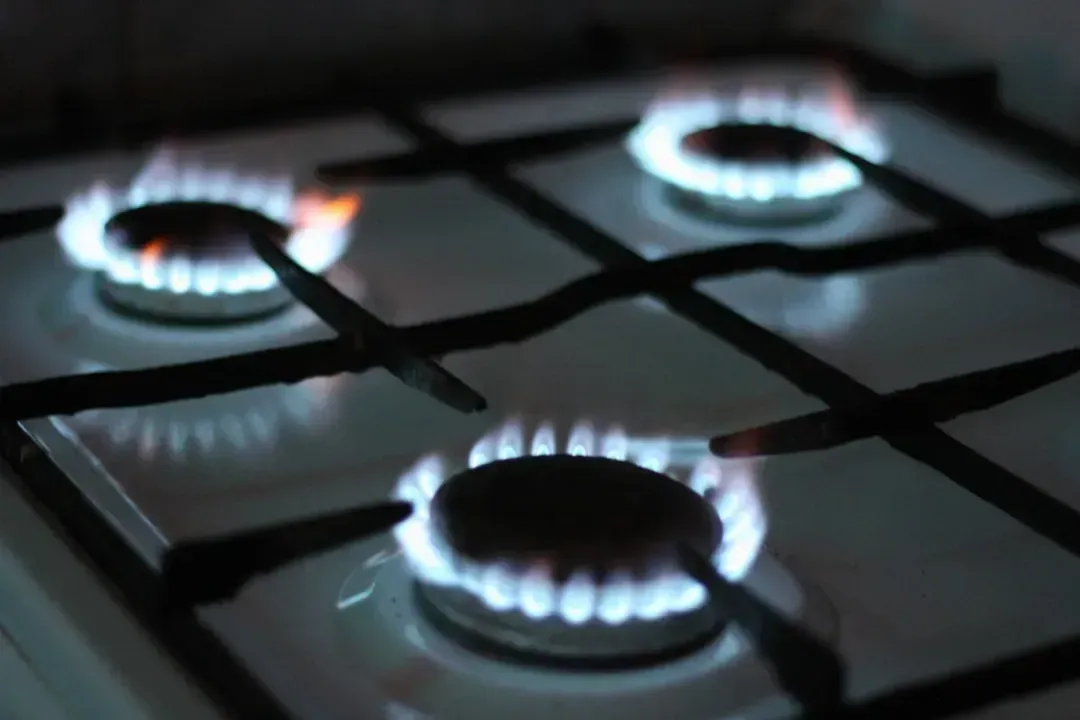
Let’s be honest about what home cooking really costs. You’re not just paying for ingredients. Electricity rates increased 5.5 percent year over year in 2025, nearly double the rate of inflation for all items. Your oven, stove, and refrigerator are quietly bleeding your bank account dry. Three in four Americans were concerned about utility bills rising in 2025, and four in five felt powerless over these costs.
Energy to cook a meal at home adds up faster than most realize. Running an electric oven for an hour can cost anywhere from fifty cents to over a dollar, depending on your location and utility rates. Multiply that across a week, then a month, then a year. Those “free” home-cooked dinners start looking expensive.
Then there’s the time factor. Sure, time isn’t literal money on your electricity bill, but it has value. Meal planning, shopping trips, prep work, cooking, and cleanup easily consume two to three hours for a single dinner. That’s time you could spend working a side gig, advancing your career, or honestly just relaxing. Fully 72 percent of Americans say they go out to eat at restaurants to avoid cooking at home. Convenience has a price, but so does inconvenience.
Food Waste Is Destroying Your Budget
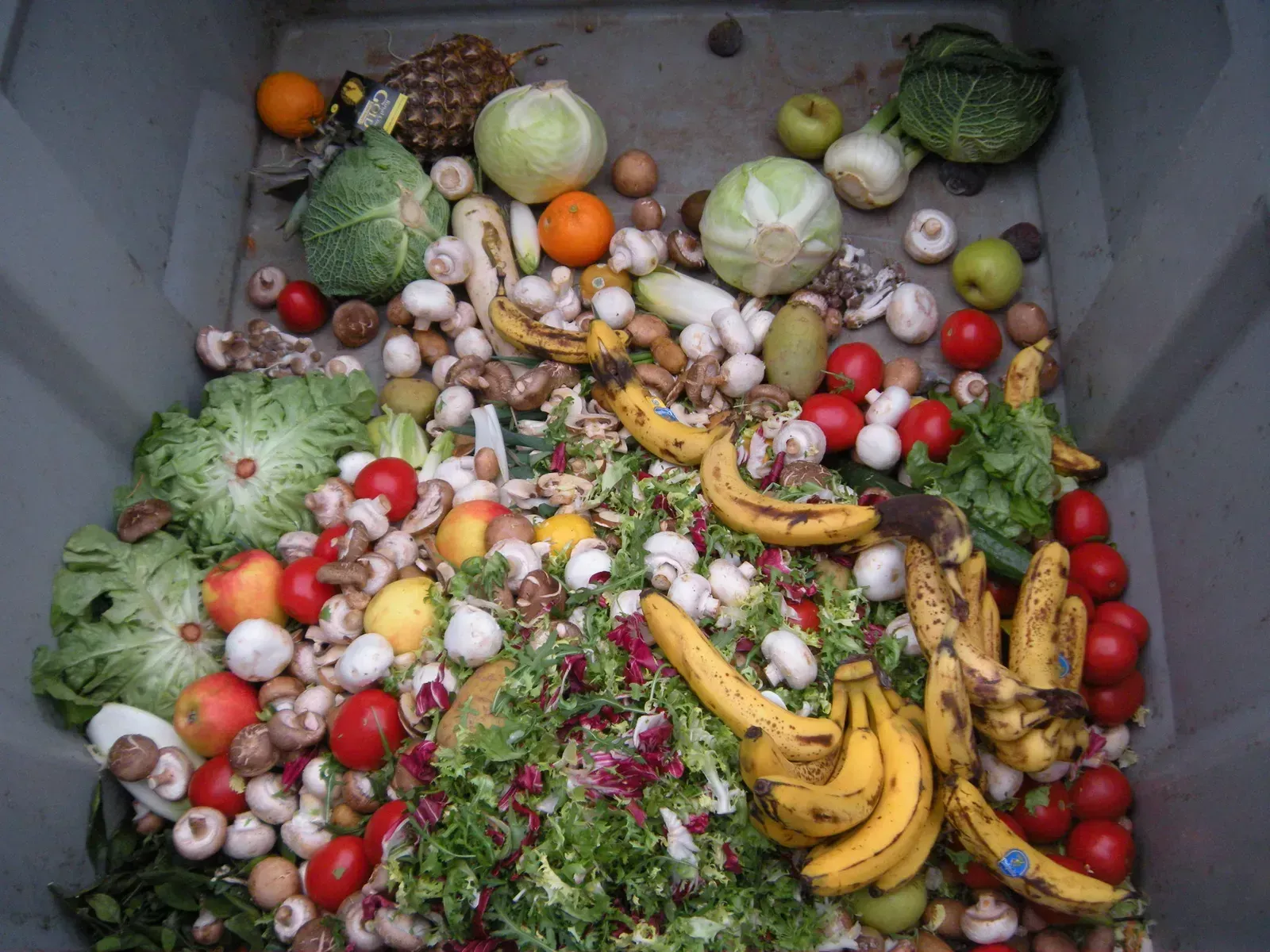
This is where home cooking’s financial case completely falls apart. Out of the total food wasted in 2022, households were responsible for 631 million metric tons, equivalent to 60 percent. Americans are champions at buying food they never eat.
In 2024, the average American spent $762 on food that went uneaten, and including uneaten groceries and restaurant plate waste, consumer food waste accounts for over 45 percent of surplus food in the U.S. at a cost of $259 billion. Think about that. You’re throwing away roughly one-fifth of everything you buy at the grocery store. When restaurants prepare exactly what you order, waste drops dramatically.
The cost of food waste to each U.S. consumer is estimated at $728 per year, or $14 per week, and for a household of four, the estimated annual cost of food waste is $2,913. That forgotten lettuce rotting in your crisper drawer? That expired yogurt? Those moldy leftovers? They’re costing you thousands annually.
Restaurants operate on razor-thin margins and can’t afford waste. They buy in bulk, use everything efficiently, and have professional systems to minimize spoilage. Your home kitchen? It’s a financial black hole of good intentions and spoiled produce.
Restaurant Deals Have Never Been Better

Restaurant chains are locked in an all-out value war, and consumers are the winners. Checkers & Rally’s announced a $5 MVP Meal Deal, while Jack in the Box offers 2-for-$6 Jack Wraps. Subway’s Meal of the Day costs only $6.99 and includes a 6-inch Sub of the Day, a small drink, and a bag of chips or 2 cookies.
These aren’t occasional promotions. They’re permanent fixtures designed to win customers. DoorDash offered promo codes of up to 50 percent off throughout December 2025, and these deals may include percentage discounts, free delivery, and special partner-restaurant offers. Nearly every major chain runs aggressive deals through their mobile apps.
Red Robin has a $9.99 Big Yummm deal with a burger, fries and drink. Try making a comparable meal at home for that price after factoring in ingredients, energy, and your time. KFC recently launched new $5 bowls available online, in-app, or in-restaurant. When restaurants compete this fiercely on price, eating out becomes legitimately affordable.
Bulk Buying Backfires for Small Households
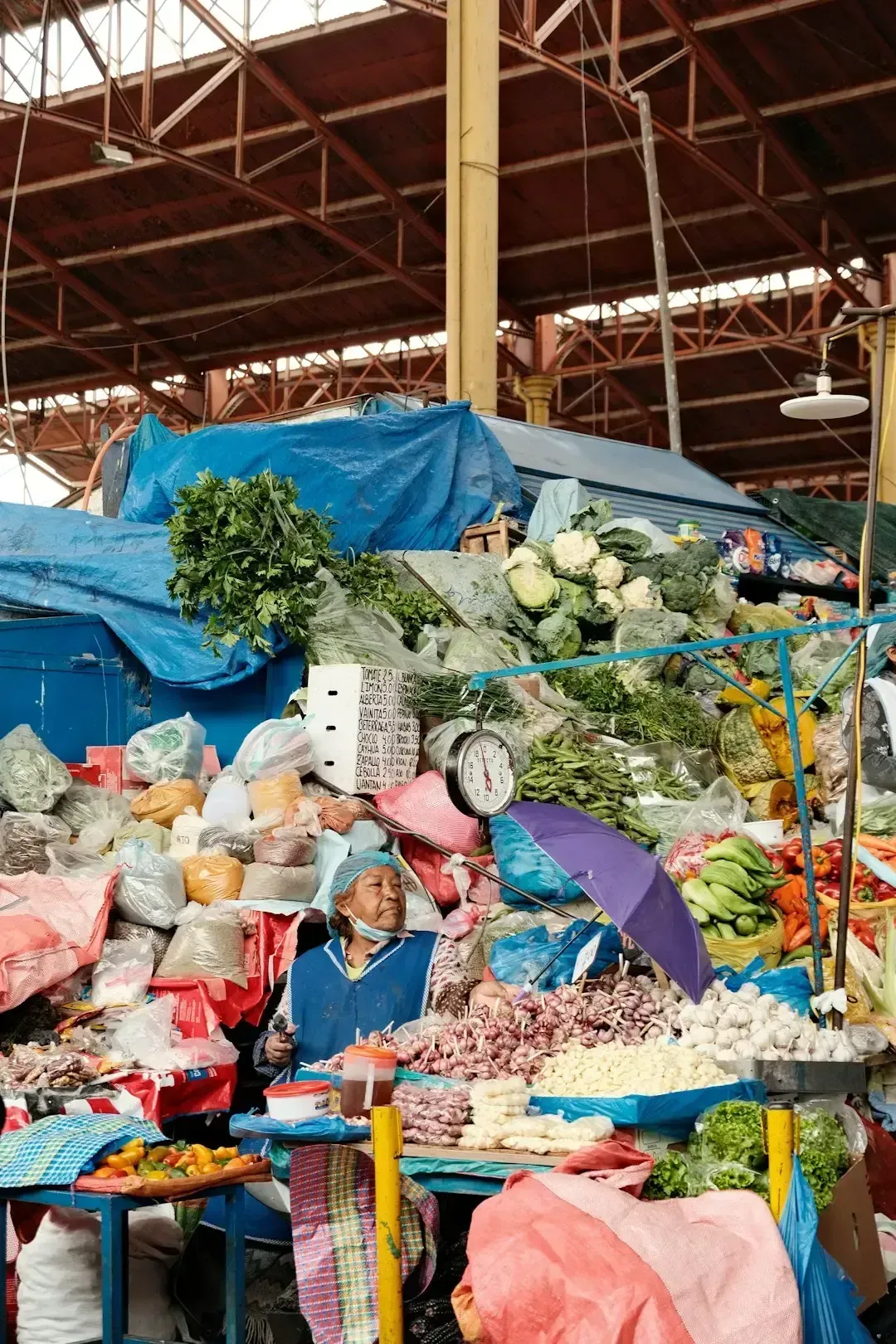
Everyone’s been told to buy in bulk to save money. That advice works beautifully if you’re feeding a large family who’ll actually consume everything. For singles, couples, or small households? It’s a disaster.
You can’t buy a single chicken breast or one serving of vegetables. Grocery stores force you to purchase family-sized packages that spoil before you finish them. That “savings” from bulk buying evaporates when half of it ends up in the trash. Restaurants solve this by preparing exactly the portion you need with zero waste.
Consider a single person trying to make a stir-fry. You need fresh ginger, garlic, soy sauce, vegetables, protein, cooking oil, and rice. By the time you buy everything in the quantities grocery stores sell, you’ve spent thirty to forty dollars on ingredients for one meal. Most of those ingredients will sit unused until they expire. Meanwhile, that same person could order restaurant stir-fry for twelve to fifteen dollars with zero waste and zero effort.
The True Cost of Kitchen Equipment
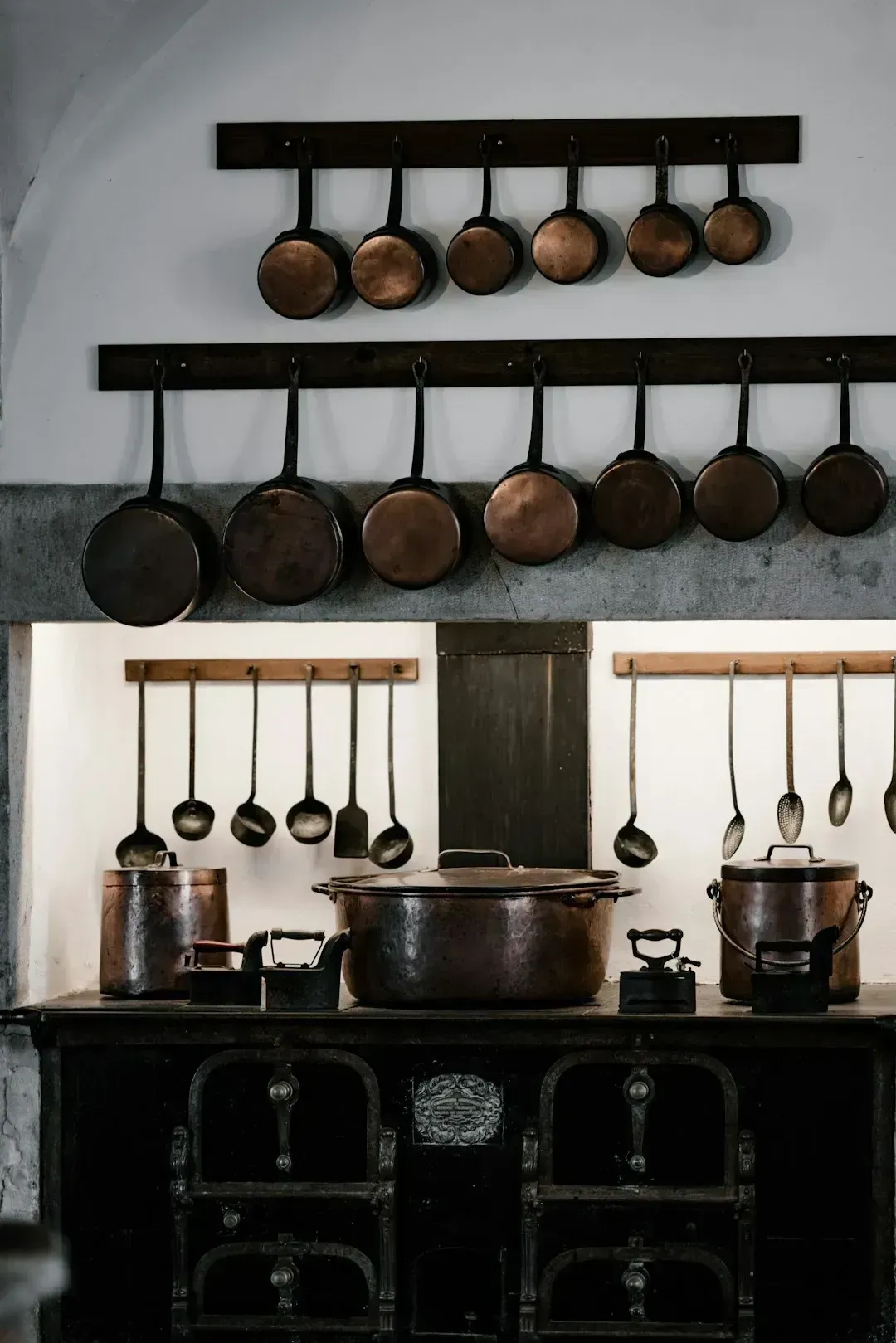
Here’s what personal finance gurus conveniently ignore: home cooking requires serious upfront investment. A well-equipped kitchen needs quality pots, pans, knives, cutting boards, mixing bowls, measuring cups, utensils, appliances, and storage containers. Easily a thousand dollars or more if you’re starting from scratch.
That equipment also needs maintenance and eventual replacement. Non-stick pans wear out. Knives need sharpening. Appliances break. When you factor in the depreciation and replacement costs of kitchen equipment over time, eating out starts looking financially smarter. Restaurants absorb these equipment costs across hundreds or thousands of customers.
You might argue you already own this equipment, so the cost is sunk. Fair point. But that same logic applies to your dining room table and chairs. The question isn’t about past spending but about ongoing value per dollar spent today.
Cooking Skills Aren’t Universal
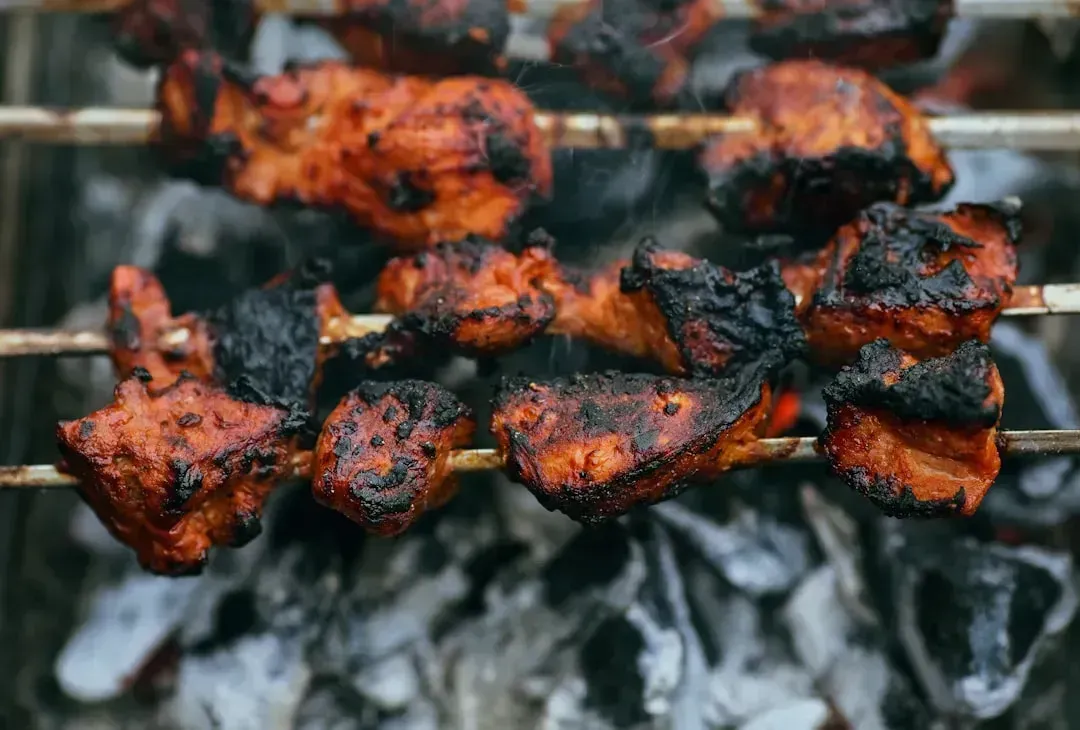
Let’s be real. Not everyone can cook well, and terrible home cooking wastes money just as surely as eating out. When your amateur cooking attempts result in inedible disasters, you’ve burned money on ingredients and energy for nothing. Professional chefs spend years mastering their craft for good reason.
Learning to cook takes time, effort, and inevitable failures. Those failures cost money. Burnt dinners, underseasoned meals, texture mistakes, and timing mishaps all represent wasted ingredients. Not having to cook motivates 41 percent of takeout customers, and not having to do dishes afterward appeals to 38 percent. These aren’t just conveniences; they’re real costs avoided.
Honestly, if you hate cooking, forcing yourself to do it for “savings” that might not exist makes zero sense. Life’s too short to spend hours on activities you despise, especially when the supposed financial benefit is questionable or negative.
Opportunity Cost and Mental Load

What could you do with those extra hours if you stopped cooking? Work on a side hustle? Advance your education? Spend quality time with family? Sleep more? Exercise? The opportunity cost of cooking is massive and rarely calculated.
If you’re a freelancer or hourly worker, those two to three hours spent cooking and cleaning represent actual lost income. Even if you’re salaried, time spent developing skills, networking, or resting improves your long-term earning potential. Restaurant meals buy you back that time.
There’s also the mental load. Meal planning, grocery shopping, inventory management, and coordinating schedules create invisible stress. Decision fatigue is real. When every evening requires figuring out dinner, shopping for ingredients, and executing the plan, it’s exhausting. The portion of prepared food purchases more than doubled from 12 percent in 2017 to 28 percent in 2025, suggesting people increasingly value this reduced mental burden.
Prepared Meal Options Bridge the Gap
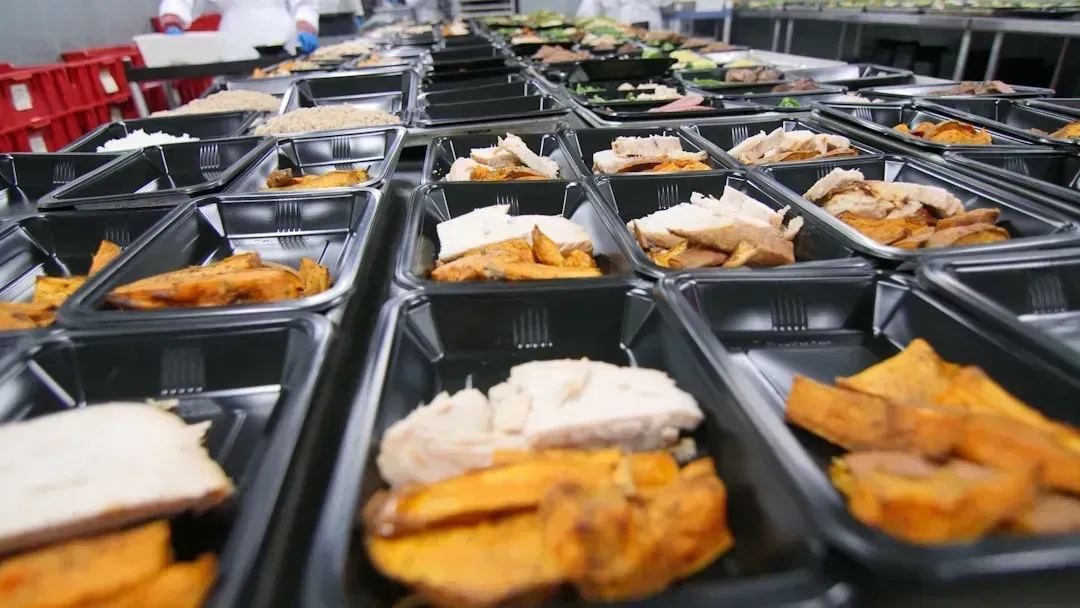
Grocery-prepared meals occupy a useful middle ground: less expensive than dining out, faster than cooking from scratch and increasingly available in a range of cuisines. Supermarket deli sections have exploded with ready-to-eat options that offer restaurant quality at near-home-cooking prices.
These prepared foods from grocery stores combine the best of both worlds. You avoid the waste problem because you’re buying exactly what you’ll eat. You skip the cooking time and energy costs. Yet prices remain lower than traditional restaurants. Warehouse clubs such as Costco, Sam’s Club, and BJ’s have leaned into this demand, adding affordable options such as sushi stations and ready-to-heat family meals, though those club prices like Costco’s $4.98 rotisserie chicken are often loss leaders.
This trend represents the market responding to the reality that traditional home cooking economics have shifted. When grocery stores invest heavily in prepared food sections, they’re acknowledging what consumers already know: the old cook-at-home model doesn’t work financially for many people anymore.
Geographic Variations Matter Tremendously
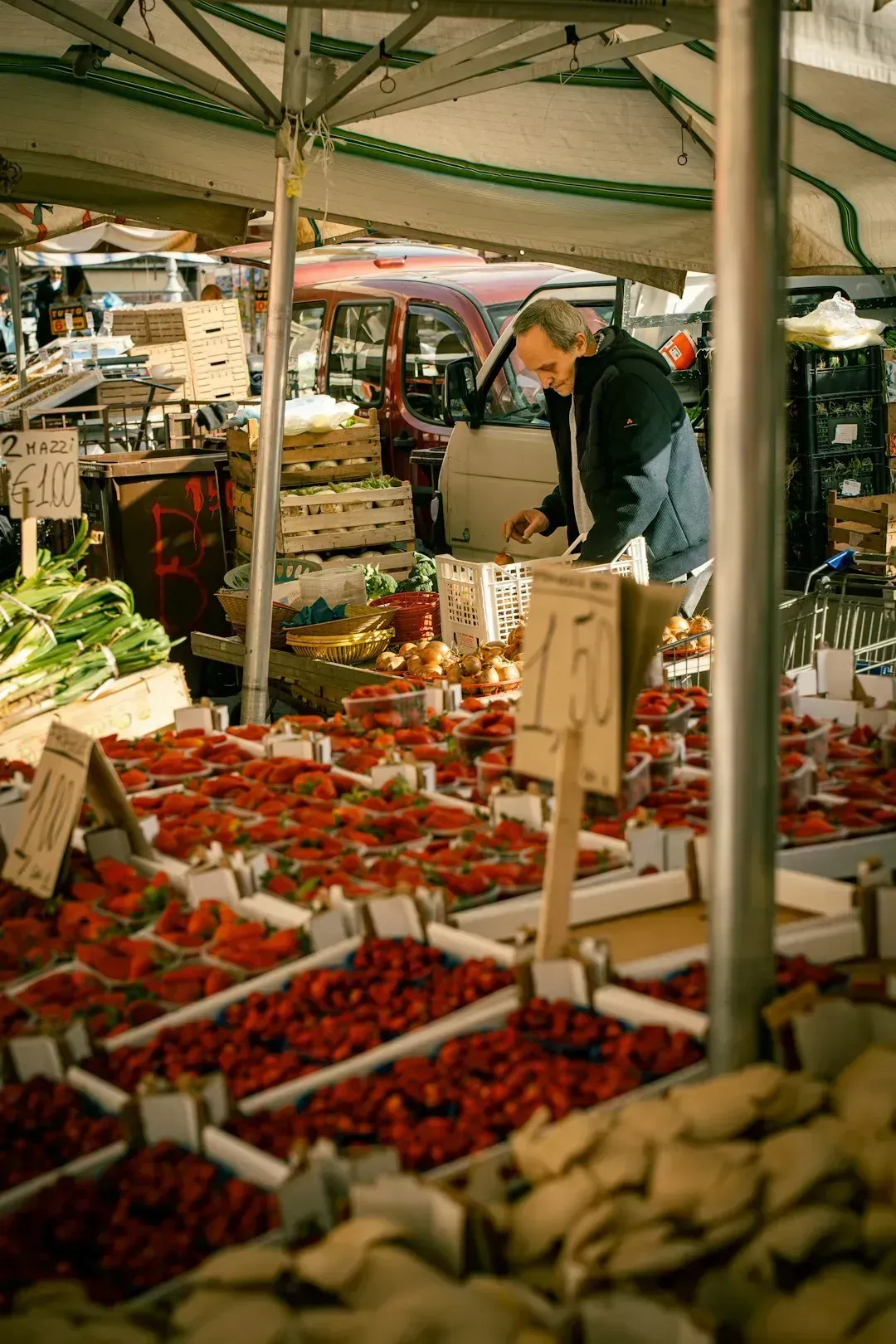
The eating-out-versus-cooking calculation varies wildly by location. New York residents see the most drastic price difference and save $19.40 per meal made at home, nearly $3 more than New Hampshire. In high cost-of-living areas, both restaurant meals and groceries are expensive, but the gap narrows.
In Pennsylvania, New Jersey, and Delaware, the average homeowner’s energy bill increased by 20 percent or more in 2025. Regional utility costs dramatically affect home cooking economics. If your area has high electricity or gas rates, cooking at home becomes proportionally more expensive.
Meanwhile, cities with intense restaurant competition offer incredible deals. Food trucks, ethnic restaurants, and quick-service chains in urban areas often undercut grocery store meal costs significantly. Rural areas with limited restaurant options and lower utility costs might still favor home cooking, but for urban and suburban residents, the math has flipped.
Your personal situation determines whether eating out saves money. Small household in a high-utility-cost city with access to competitive restaurants? Eating out probably wins. Large family in a rural area with low energy costs? Home cooking might still make sense. The point is, there’s no universal answer anymore. The old blanket advice to “always cook at home” is dead.