The 10 Most Dangerous U.S. Cities Based on the Latest 2025 Crime Data
You’ve probably heard the headlines. Crime waves are sweeping through American cities. Violence is spiraling out of control. It’s hard not to wonder what the reality looks like when you strip away the noise and just focus on the numbers. The latest 2025 crime data revealed something surprising: while the national picture shows improvement, certain cities still face serious challenges with violent crime and property offenses that far exceed the average.
Cities with populations of 250,000 or more with the highest violent crime rates include Memphis, Oakland, Detroit, Baltimore, Cleveland, Kansas City, Milwaukee, St. Louis, Albuquerque and Minneapolis, according to recent FBI data analysis. Let me be clear, though: these rankings don’t tell the whole story. The homicide rate during the first half of 2025 was 17% lower, on average, than during the same period in 2024, showing that many cities are moving in the right direction. Still, that doesn’t change the fact that certain places continue to struggle with rates that leave residents feeling unsafe.
What follows isn’t meant to sensationalize. It’s about understanding where we are right now, based on verifiable crime statistics from FBI reports, the Council on Criminal Justice, and local law enforcement agencies through mid-to-late 2025.
Memphis, Tennessee – Leading in Violent Crime Despite Recent Improvements

In 2024, Memphis recorded the highest violent crime rate among major U.S. cities with populations over 250,000 – 2,501 incidents per 100,000 residents, according to FBI data. The sheer numbers are staggering when you consider that this rate is nearly six times the national average. Memphis once again tops the list, with a violent crime rate nearly six times the national figure, driven primarily by aggravated assaults, robberies, and gun violence that have plagued certain neighborhoods for years.
Here’s where it gets interesting. Overall crime is at a 25-year low, with robbery, burglary, and larceny also reaching 25-year lows. Murder is at a six-year low, aggravated assault at a five-year low, and sexual assault at a twenty-year low. From January through August 2025, MPD reported 28,660 overall crime incidents – a 23% decrease from the same period in 2024 and a 37% decrease compared to 2023. So Memphis holds a paradoxical position: still ranking as the most dangerous by rate, yet showing some of the most dramatic improvements in recent years. Local officials credit targeted policing strategies and community engagement programs, though critics question whether these gains can be sustained long-term.
Detroit, Michigan – A City Battling Decades of Economic Decline
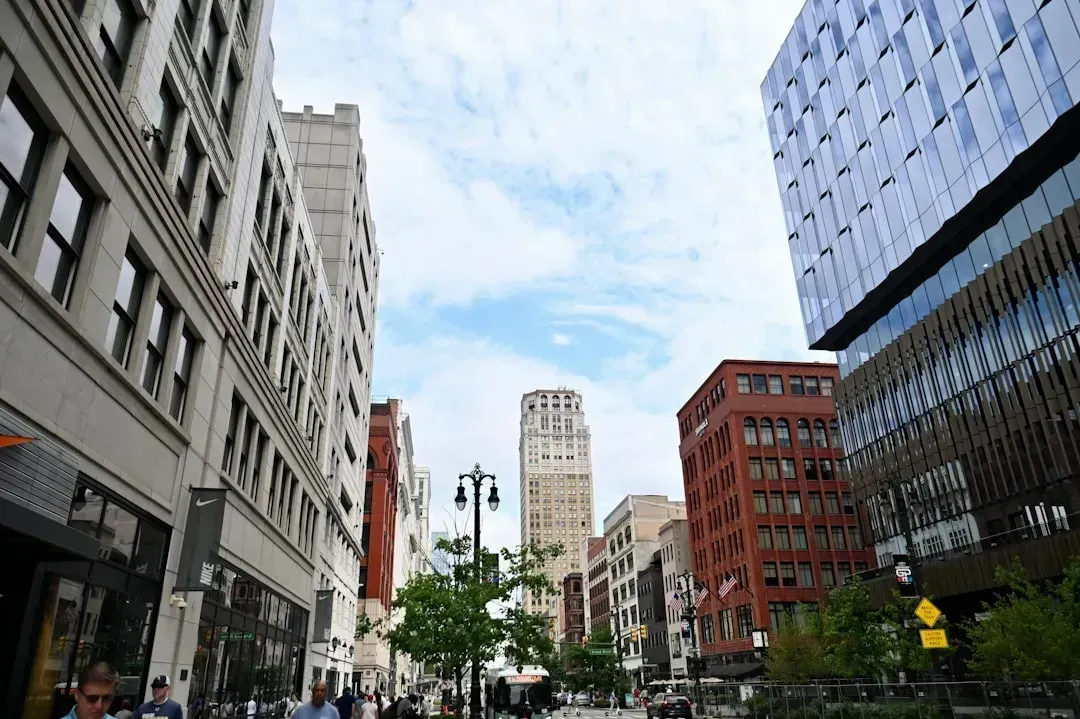
Detroit consistently appears near the top of every dangerous city list, and 2025 is no exception. Detroit and Baltimore also have rates more than triple the U.S. average when it comes to violent crime. The city’s struggles with assault, robbery, and homicide stem from deep-rooted economic challenges that followed the collapse of the automotive industry.
What many people don’t realize is that Detroit has actually been making progress. Detroit, for example, recorded its lowest homicide count since 1965 in 2024. Numerous cities recorded the lowest murders through November since the 1960s, including Detroit (since 1964). That’s a remarkable achievement for a city that once symbolized urban decay and violence. Still, the violent crime rate hovers around 1,781 per 100,000 residents, keeping Detroit firmly among the nation’s most dangerous places.
The city faces unique challenges with both violent and property crimes. Industrial decline left entire neighborhoods abandoned, creating environments where criminal activity flourishes with little oversight or community infrastructure to push back.
Baltimore, Maryland – The Murder Capital With Signs of Hope

Baltimore held a grim distinction in 2025. Baltimore now holds the distinction of having the highest murder rate among large cities in America, surpassing Memphis according to the latest FBI crime reports. Baltimore, Maryland ranked second in murders while maintaining its position as the nation’s leader in robbery rates, painting a picture of a city grappling with multiple forms of violent crime simultaneously.
Yet there’s reason for cautious optimism. As of mid-2025, robberies and auto thefts had decreased compared to the previous year, while the homicide clearance rate had risen from 40.3 percent in 2020 to 68.2 percent in 2024, according to Mayor Brandon Scott. That improved clearance rate suggests law enforcement is becoming more effective at solving murders, which can deter future violence. In 2023, the city experienced a historic drop in homicides – around 21% fewer killings than the year before, continuing a downward trend into 2024 and 2025.
Baltimore’s crime challenges stem from decades of economic decline, the opioid crisis, and systemic issues that have proven difficult to address through policing alone.
St. Louis, Missouri – Extreme Crime Rates With Dramatic Reductions

When you look at per capita rates, St. Louis remains one of the most dangerous cities in America. St. Louis remains one of the highest in the U.S., with violent crime rates well above 1,800 per 100,000 residents. The city has long struggled with concentrated poverty and violence in certain neighborhoods, creating what locals describe as a tale of two cities: dangerous zones and thriving areas.
Honestly, the progress St. Louis has made is stunning. In the first half of 2025, St. Louis’s homicide rate was 22% lower than in the first half of 2024. The average change in the 30 study cities with data for that crime was -17%. Homicide rates in St. Louis have fallen approximately 22 percent in the first half of 2025 – the lowest mid-year murder numbers in more than a decade. That’s not just improvement; it’s transformation.
The homicide rate in St. Louis was 40% lower in the first half of this year than it was in the first half of the year before the 2020 pandemic, nearly triple the 14% average decline across the sample cities. The reported rate of aggravated assaults also has far outpaced other cities, dropping by 26% compared to an average reduction of 5%. City officials credit violence interruption programs and federal partnerships, though sustaining these gains remains the critical challenge.
Cleveland, Ohio – Violent Crime Far Above National Averages

Cleveland led Ohio in violent crime with about 1,703 incidents per 100,000 residents in 2025, far above both state (287) and national (364) averages. The numbers are jarring when you compare them to the rest of the country, revealing a city that struggles with assault, robbery, and gun violence at levels most Americans would find difficult to comprehend.
Cleveland’s crime rate sits roughly 155 percent higher than the U.S. average overall, with residents in many neighborhoods experiencing unsafe conditions on a daily basis. The city has expanded neighborhood policing and partnered with federal task forces to target repeat violent offenders, strategies that appear to be yielding some results. Property crime and burglary rates remain particularly high, with Cleveland recording the highest burglary rate among medium-sized cities in 2024.
The city faces the challenge of bringing jobs and redevelopment to blighted areas while simultaneously addressing immediate safety concerns through law enforcement. Economic conditions and crime feed off each other in a vicious cycle that proves difficult to break.
Oakland, California – Leading in Multiple Crime Categories
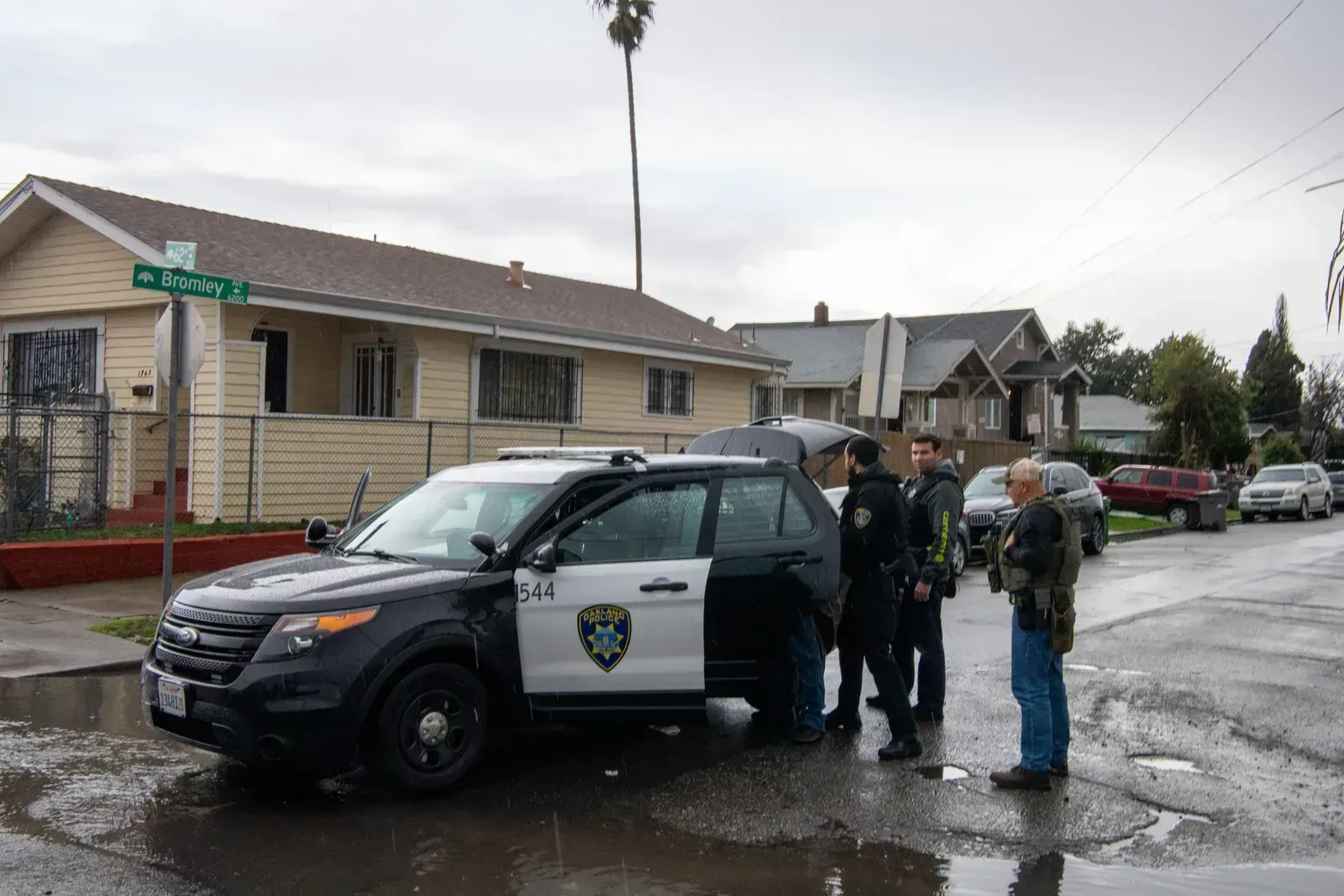
Oakland dominates crime statistics in a way few other cities do. Oakland topped the list in multiple property and violent crime categories, leading all medium-sized cities in aggravated assault, robbery, larceny-theft. That breadth of criminal activity sets Oakland apart; it’s not just struggling with one or two crime types but facing elevated rates across the board.
St. Louis, Cleveland, and Oakland dominated the lists for mid-sized cities, appearing across violent and property crime categories. Oakland’s challenges reflect broader issues facing the San Francisco Bay Area, including income inequality, homelessness, and strained relationships between communities and law enforcement. Organized retail crime has become particularly problematic, with coordinated theft operations targeting stores throughout the city.
The city’s violent crime rate remains more than triple the national average, creating an environment where both residents and businesses struggle with security concerns. Despite Oakland’s proximity to wealthy Silicon Valley communities, economic benefits haven’t trickled down to neighborhoods most affected by crime.
Kansas City, Missouri – Rising Violence in America’s Heartland
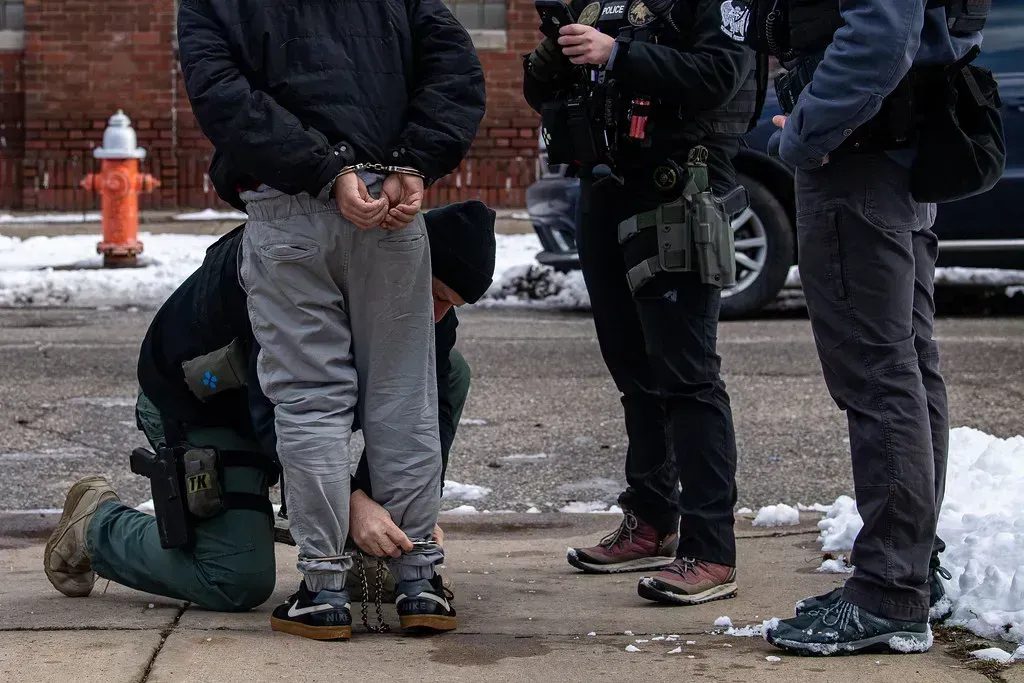
Kansas City might not grab headlines like coastal cities, but the numbers tell a troubling story. The city ranks among the top ten for violent crime, with rates significantly exceeding national averages. By early 2024, Kansas City saw a small dip in homicides compared to the prior year, and community groups have increased efforts to mediate gang disputes before they turn violent, suggesting some positive momentum.
The overall crime rate sits about 167 percent higher than the U.S. average, driven primarily by gun violence and gang activity. Kansas City’s leaders emphasize that many neighborhoods, especially in the Northland and peripheral areas, remain quite safe. The city’s national image, however, is increasingly defined by its violent core. Reducing crime will likely require a combination of tough enforcement focusing on gun offenders and tackling social issues like housing instability and education in long-neglected parts of the city.
Gang disputes and drug trade contribute significantly to the violence, creating cycles of retaliation that law enforcement struggles to interrupt without community cooperation.
Milwaukee, Wisconsin – Four Times the National Violence Rate

Milwaukee has emerged as one of the nation’s most violent large cities in recent years, a designation that surprises many people unfamiliar with crime trends in the Midwest. The violent crime rate is about 15.1 per 1,000 residents, which is approximately four times the national average. That translates to a 1 in 66 chance of becoming a victim of violent crime, odds that would concern any reasonable person.
The city recorded 1,431 violent crimes per 100,000 in 2024, with homicides and gun violence driving much of the statistical increase. Milwaukee’s challenges mirror those of other Rust Belt cities: industrial decline, concentrated poverty, and limited economic opportunities in neighborhoods most affected by crime. Wisconsin Governor Tony Evers created a statewide violence prevention office and allocated millions toward support services for victims, acknowledging that the problem requires more than traditional law enforcement responses.
Interestingly, violent crime has been declining statewide, yet gun deaths continue trending in the opposite direction, creating a complex public safety picture that defies simple solutions.
Birmingham, Alabama – Small City, Outsized Crime Rate

Despite its relatively modest population of around 197,000, Birmingham regularly ranks among the highest-crime cities in the country. Despite its mid-sized population (~197,000), Birmingham regularly ranks among the highest-crime cities in the country. The violent crime rate in Birmingham is about 16.8 per 1,000 residents, roughly 4.7 times the national average. That rate rivals cities many times its size, revealing concentrated violence and criminal activity.
Thankfully, homicides have declined since 2024, but violent crime overall has increased, mainly because aggravated assault rose nearly 10 percent in the first half of 2025. Birmingham has long struggled with violence tied to poverty, gun access, and concentrated disadvantage. To address the high rates of violent crime, particularly those involving firearms, Mayor Randall Woodfin put together a blueprint at the start of 2025 for deterrence and intervention.
The city faces unique challenges as a smaller urban area without the resources of larger cities to combat entrenched social problems. Economic disinvestment and lack of policing resources create an environment where crime flourishes despite community efforts to push back.
Albuquerque, New Mexico – Rising Crime in the Southwest

Albuquerque rounds out the top ten with crime rates that have been rising in recent years, bucking national trends showing improvement. The city has seen increases in both violent and property crimes, creating concerns among residents and local officials. Albuquerque’s violent crime rate places it firmly among the most dangerous cities, though it receives less national attention than coastal or Midwestern counterparts.
Property crime remains particularly problematic, with burglary and motor vehicle theft occurring at elevated rates. The city’s position along major drug trafficking routes contributes to criminal activity, as does economic instability in certain neighborhoods. Albuquerque demonstrates that crime isn’t just a “big city” problem; mid-sized cities face serious challenges that require targeted interventions and community-based solutions.
The Southwest’s unique challenges, including border proximity and transient populations, complicate law enforcement efforts and require coordination across multiple jurisdictions.