Check Your Spare Change: 5 U.S. State Quarters That Can Be Worth Hundreds Because of Rare Mint Errors
Ever thought about digging through your pocket change? Turns out there might be real treasure hiding in plain sight. Certain state quarters from the late 1990s and 2000s carry unique mint errors that have collectors buzzing, and some are fetching prices that go far beyond their twenty-five-cent face value. We’re talking hundreds of dollars in some cases.
These aren’t ancient relics either. They’re coins still floating around in circulation, waiting to be discovered by someone with a sharp eye. What makes them special isn’t age or rarity in the traditional sense. It’s the mistakes made during production. Die cracks, doubled images, extra leaves, and other oddities turn these otherwise ordinary coins into something collectors desperately want to own. Let’s be real: the idea that you could stumble upon something worth hundreds while buying coffee is genuinely exciting.
2004-D Wisconsin Quarter with Extra Leaf
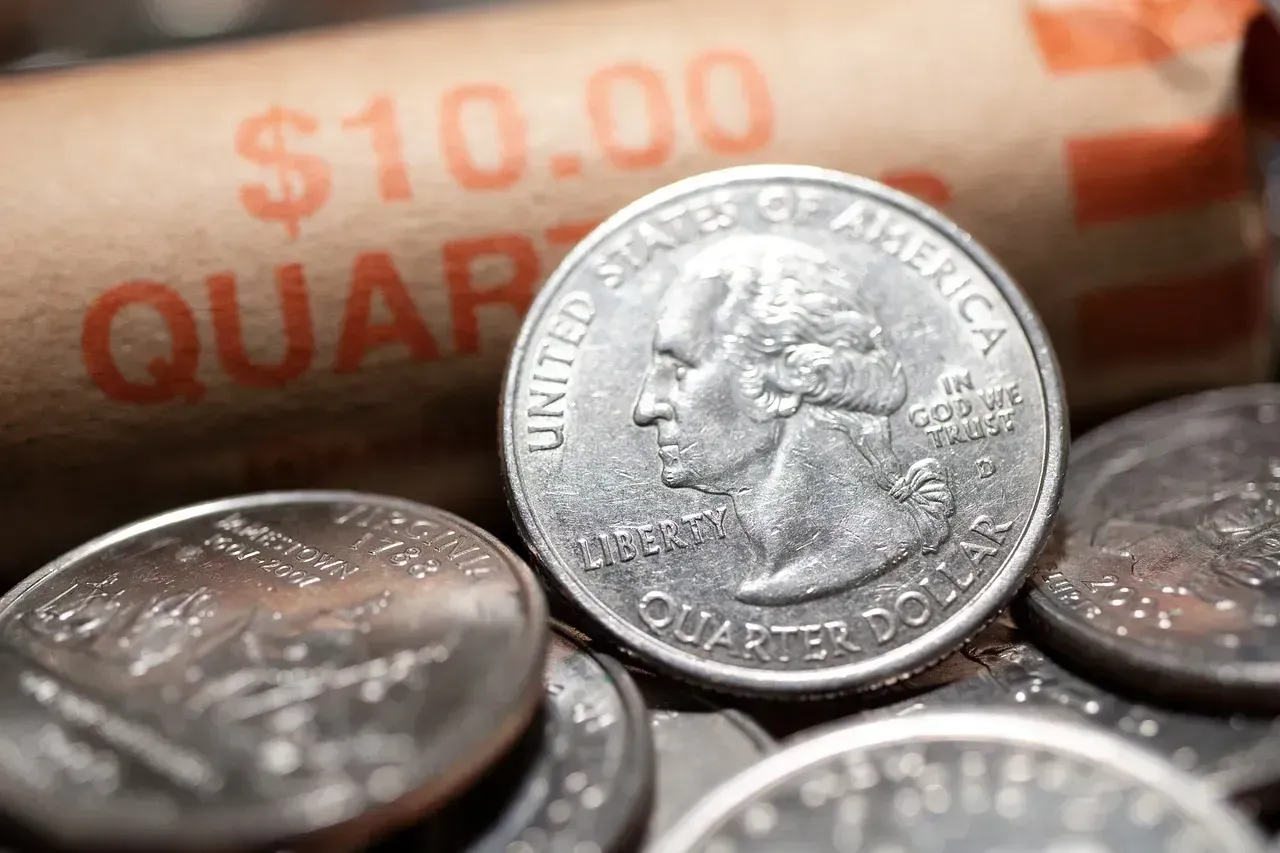
A collector in Tucson, Arizona, reportedly found something odd on their Wisconsin quarter: an extra leaf on the corn stalk that wasn’t part of the original design. Two distinct error varieties emerged: Extra Leaf Low, where the additional leaf droops downward beneath the left side of the corn stalk, and Extra Leaf High, where the added leaf points upward, appearing more prominently.
Both anomalies appeared on coins struck at the Denver Mint (marked with a “D” mintmark). The 2004-D Wisconsin Extra Leaf Quarter (High & Low Leaf varieties) is rare and can sell for $50 to $1,500 or more, depending on condition. Average condition examples are worth around $91, while uncirculated pieces can reach $205 to $278 or more. Here’s the thing: the debate over how these errors occurred still hasn’t been fully settled. Some experts think metal debris caused the strange leaf shapes, while others speculate someone at the Denver Mint deliberately altered the dies.
1999 Delaware Quarter with Spitting Horse Error
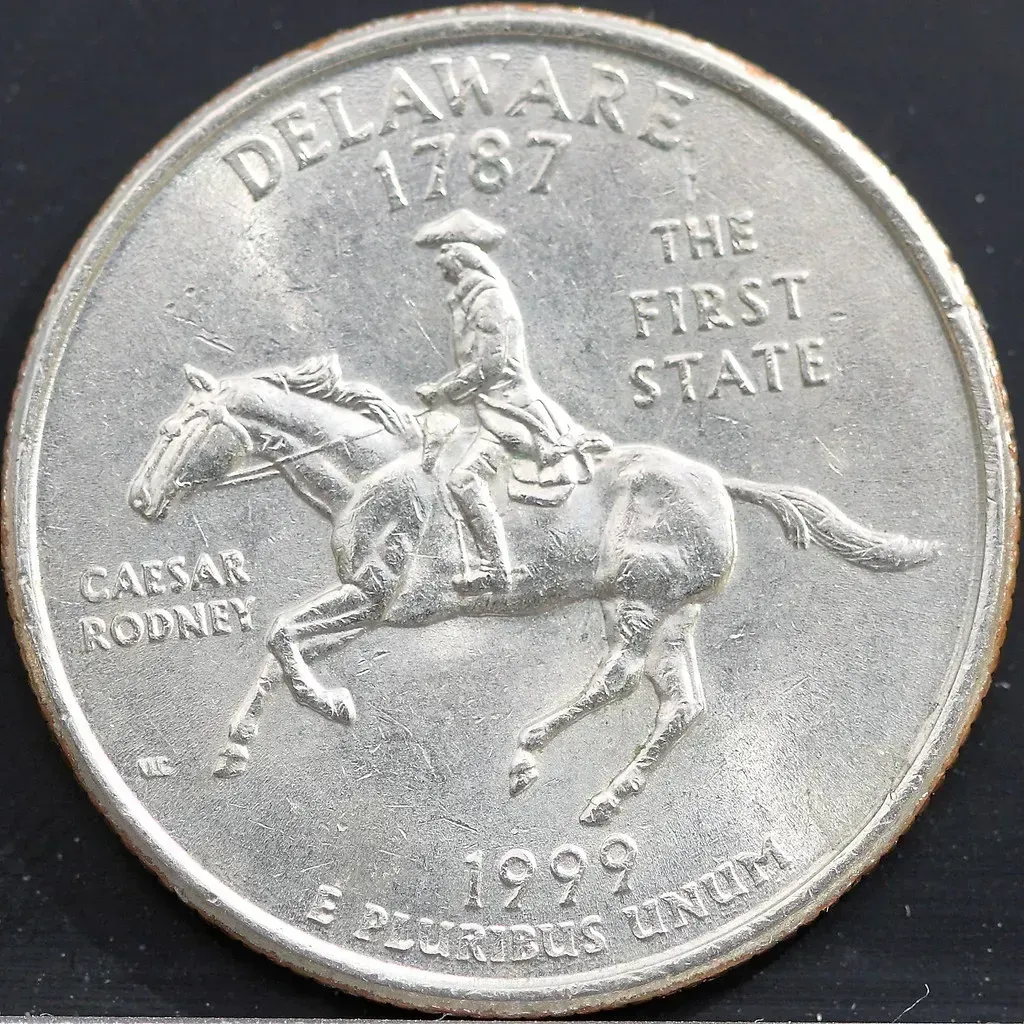
The very first state quarter released in the series has an error that’s become legendary among collectors. It’s a die break (die chip) variety that gets its nickname from how the mint error makes it look like Caesar Rodney’s horse is spitting. A small crack formed in the die near the horse’s mouth, and when the coin was struck, metal filled that crack and left a raised line that looks like the horse is spitting.
The Delaware state quarter error is worth between $3 and $20, depending on its condition. Coins in normal circulation with some wear usually sell for around $3 to $10, but if the surfaces are still fairly clean and most of the original shine is intact, the value can move into the $10 to $20 range. Coins that were never used and still show strong mint luster tend to bring $20 to $40, and when graded by services like PCGS or NGC at MS65 or higher, prices can rise to $50 and sometimes over $200. Not bad for checking the back of your couch cushions.
2005-P Minnesota Quarter with Extra Tree
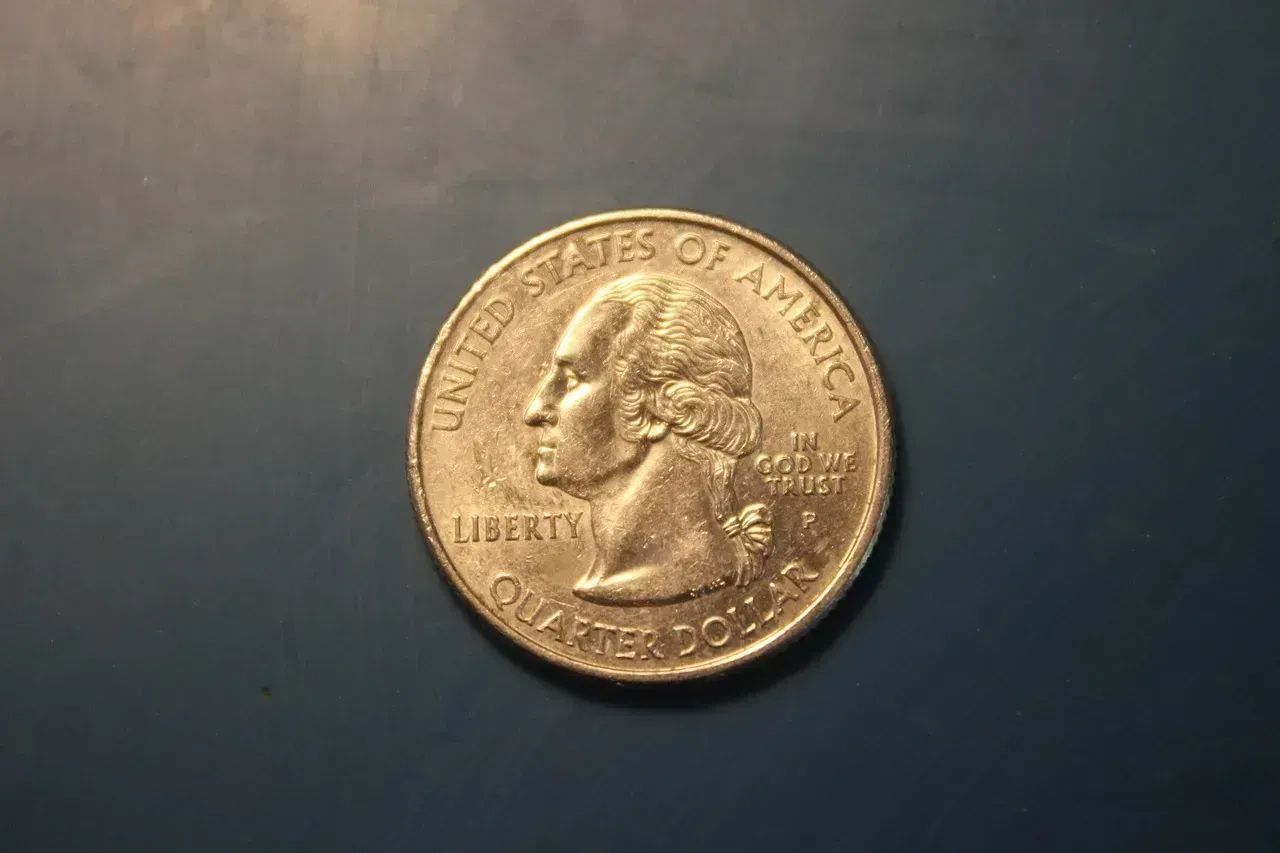
The 2005 Minnesota quarters with an extra tree appear to have been caused by inadvertent die doubling at the Philadelphia Mint. In coins with the doubled die error misprint, there is an extra spruce tree found to the right of the fourth spruce tree located in a grouping just to the right of the state outline. This one requires magnification to spot clearly.
There are at least 78 varieties of Minnesota state quarter doubled die error coins, and all 2005 Minnesota state quarters with the extra tree were minted in Philadelphia, so each coin bears the “P” as their distinctive mint mark. The most desirable varieties sell at around $40, with the finest grade selling at $275, though one sold for $150 on eBay in 2015 and another variety sold for $71 in 2025. Those with the strongest doubling generally sell for $100 or more, and some of the best-preserved uncirculated examples are fetching nearly $1,000. I know it sounds crazy, but that’s what makes modern error hunting so addictive.
2005 Kansas Quarter “In God We Rust” Error
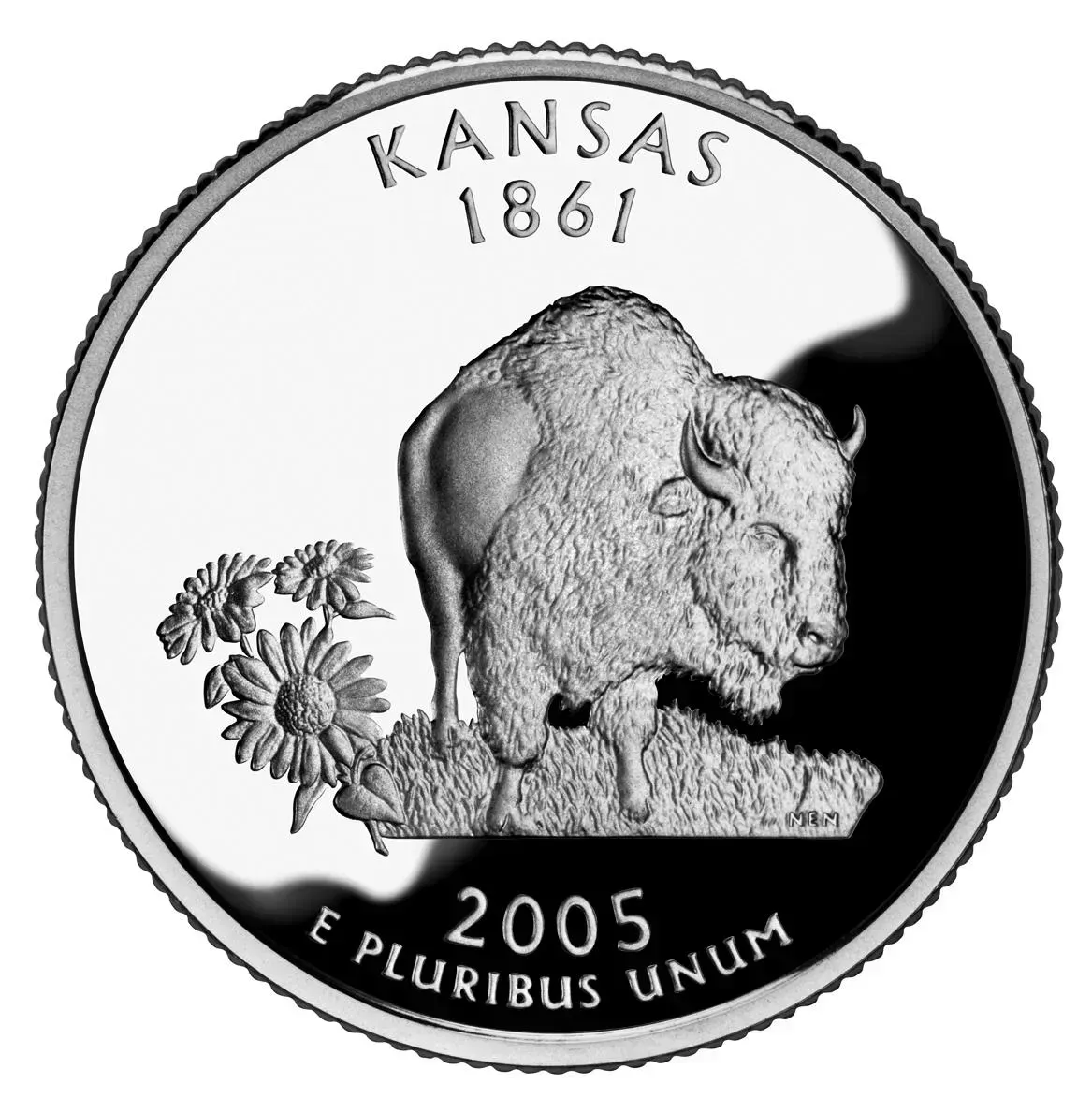
One of the more entertaining errors in the State Quarters series comes from Kansas. Due to a minting error, the letter “T” in “Trust” is missing, creating the phrase “In God We Rust,” caused by grease filling the die and preventing the letter from striking properly. Some lubricating grease escaped from the machinery onto the surface of the 2005-P Kansas quarter obverse die, plugging up the letter “T” in TRUST, which is recessed on the die to create a raised image on the coins.
The Kansas state quarter errors are worth as much as $100 apiece or even more and include the “IN GOD WE RUST,” Humpback Bison, and Spitting Bison quarter errors. High-grade examples can sell for hundreds or even thousands of dollars. While this type of grease-filled die error isn’t super uncommon in coin production overall, the fact that it happened on such a prominent motto makes it a favorite among collectors. It’s hard to say for sure, but the humor factor definitely adds to the appeal.
2000 Maryland Quarter Struck on Wrong Planchet
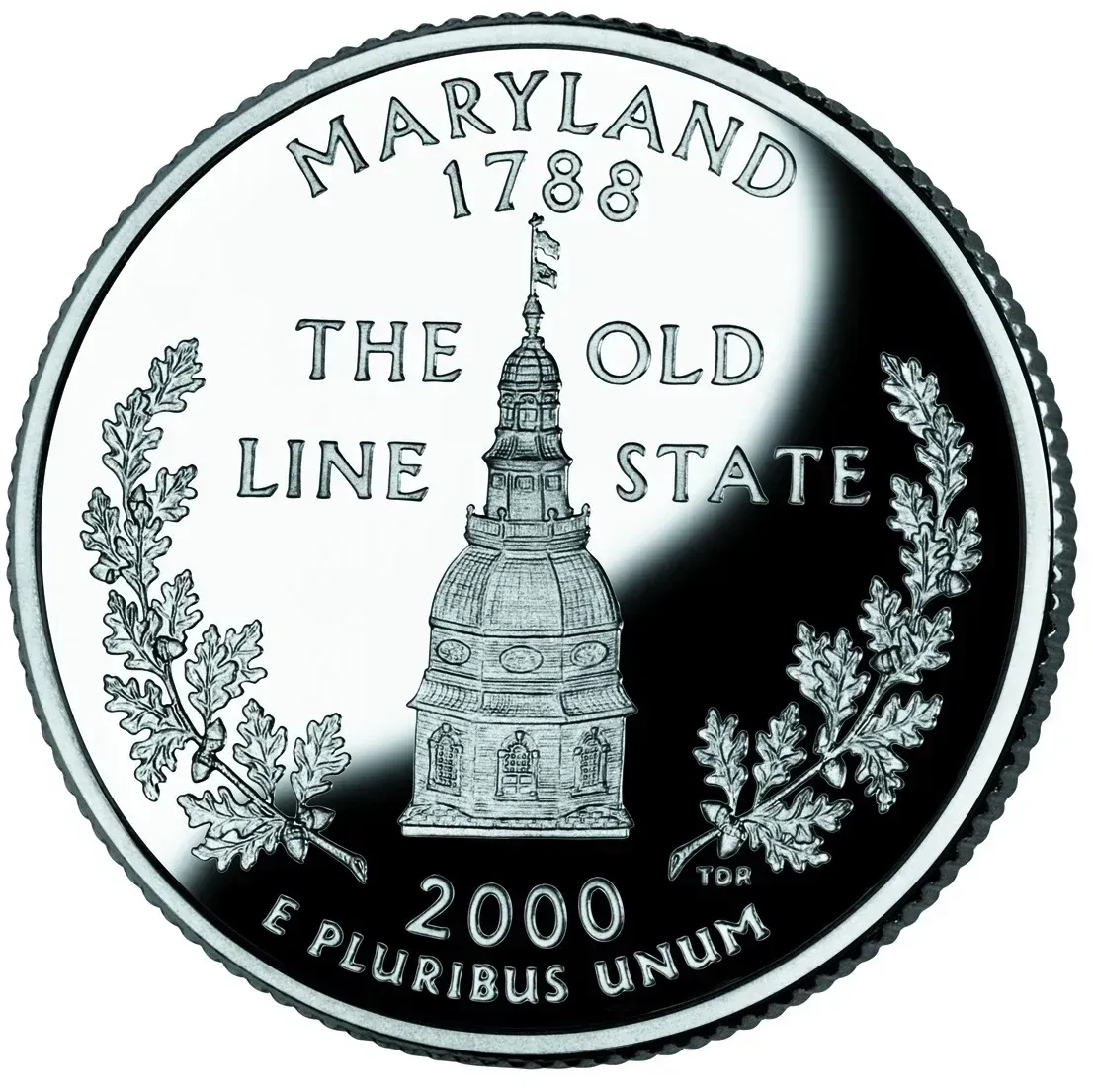
Some Maryland quarters were mistakenly struck on clad dime planchets in 2000 at the Philadelphia Mint, and on the obverse side, you’ll notice George Washington’s side profile almost reaching the coin’s edges. These coins are fairly rare, as the Philadelphia Mint is known for its quality assurance practices, and if you find one, it could be worth many thousands of dollars if sold at auction.
Wrong planchet errors happen when a blank disc meant for one coin denomination accidentally gets fed into the press meant for another. A State Quarter struck on a nickel planchet can sell for hundreds of dollars. These errors are dramatic and easily recognizable because the weight, color, or size will be noticeably different from a standard quarter. Honestly, finding one of these is like winning a small lottery.
The values discussed reflect market trends and sales data current through 2025. Prices can vary significantly based on condition, professional grading, and collector demand. Higher-grade coins with errors (especially those graded MS-65 or higher) command higher prices, and while a circulated error quarter might be worth $10 to $50, a mint-state version could fetch $500 or more. So if you think you’ve got one of these error coins sitting around, getting it professionally authenticated by PCGS or NGC could be a smart move.
Did you ever think your laundry money could be worth a closer look?