11 Things Home Inspectors Say Almost Always Need Replacing
Let’s be real, nobody wants to hear that they need to replace something in their home. You’re knee deep in an exciting home purchase, or maybe you’re just trying to keep your place running smoothly. Then comes the home inspector with a clipboard and a flashlight, ready to deliver the news you’ve been dreading. Here’s the thing. Nearly two in five existing homes suffer from some type of major defect, which means these inspections aren’t just formalities. They’re vital safety nets.
Sure, sometimes you get lucky and only minor repairs pop up. More often than not though, inspectors find the same issues cropping up time and again across different properties. It’s become almost predictable. These specific components tend to wear out, fail, or simply reach the end of their useful lives far more frequently than others, leaving homeowners facing replacement decisions they hadn’t budgeted for.
Water Heaters Showing Their Age
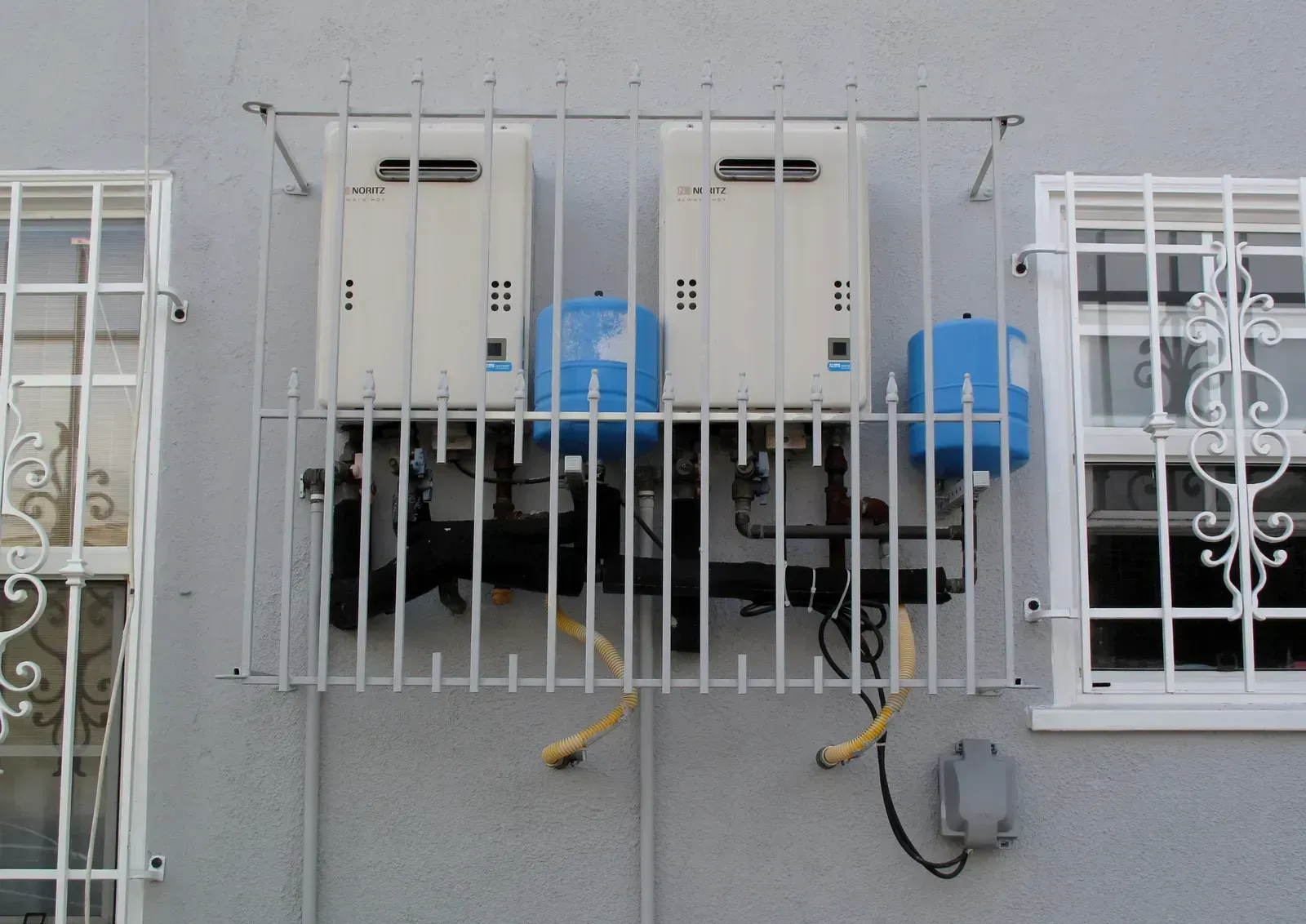
If your water heater is older than 10 years, you’ll want to consider replacing it soon, especially if it’s showing any signs, as water heaters normally last between 6 and 12 years unless they’re tankless, which can last around 20 years. Inspectors see aging water heaters all the time. Rust-colored water coming from your taps, strange rumbling noises, or puddles forming around the base? Those are telltale signs that replacement is imminent. The industry average service life for most storage tank type water heaters is 8-12 years, and once a unit hits that mark, failures become increasingly common. I know it sounds crazy, but investing in a new water heater before it catastrophically fails can save you from water damage nightmares and costly emergency repairs down the road.
HVAC Systems Running on Borrowed Time
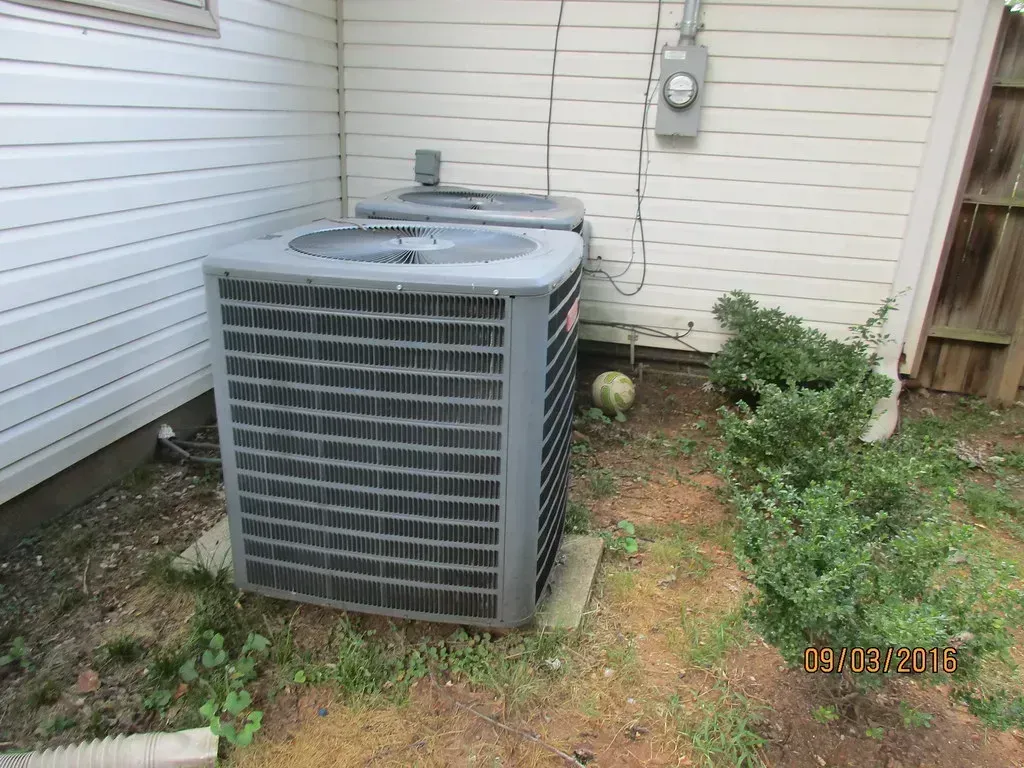
Your heating and cooling system works hard year-round. The average HVAC system lifespan is 10 to 25 years based on your climate and what type of heating and cooling system you have. Furnaces tend to hold up better, sometimes lasting closer to two decades with proper care, while air conditioning units typically need replacement sooner. Air conditioning units can last about 10-15 years, sometimes up to 20, but inspectors often flag older units that are struggling to keep up with demand or showing signs of inefficiency. Rising energy bills, uneven temperatures throughout the house, or frequent breakdowns all signal that your HVAC is nearing retirement. It’s hard to say for sure, but systems that have been poorly maintained or constantly overworked tend to fail much earlier than those that received regular tune-ups.
Roofs That Have Seen Better Days
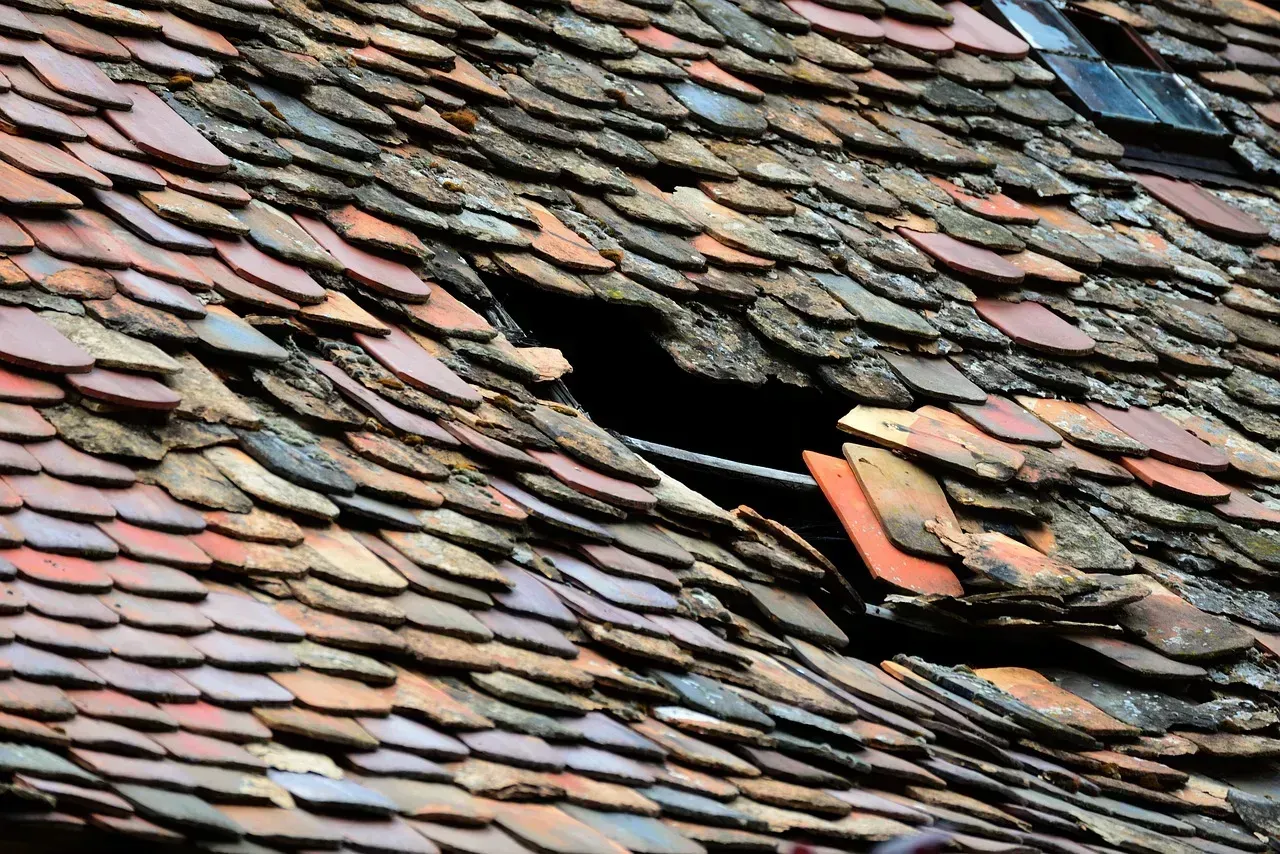
Roofs take a beating from Mother Nature. The National Roofing Contractors Association estimates that about 5 million residential roofs are replaced annually in the United States, representing a $20 billion market. Storm damage, hail, high winds, and simple age all contribute to roof deterioration that inspectors spot during walkthroughs. Climate change is a significant driving factor, with an increased frequency and intensity of storms causing substantial roof damage, and in 2024, State Farm reported paying over $3.8 billion in home repairs for hail damage claims. Missing or cracked shingles, sagging areas, water stains on ceilings, and granules collecting in gutters all point toward a roof that needs attention or complete replacement. Honestly, roof issues are some of the most expensive discoveries during inspections, yet they’re absolutely critical to address for protecting everything underneath.
Outdated Electrical Panels Creating Hazards
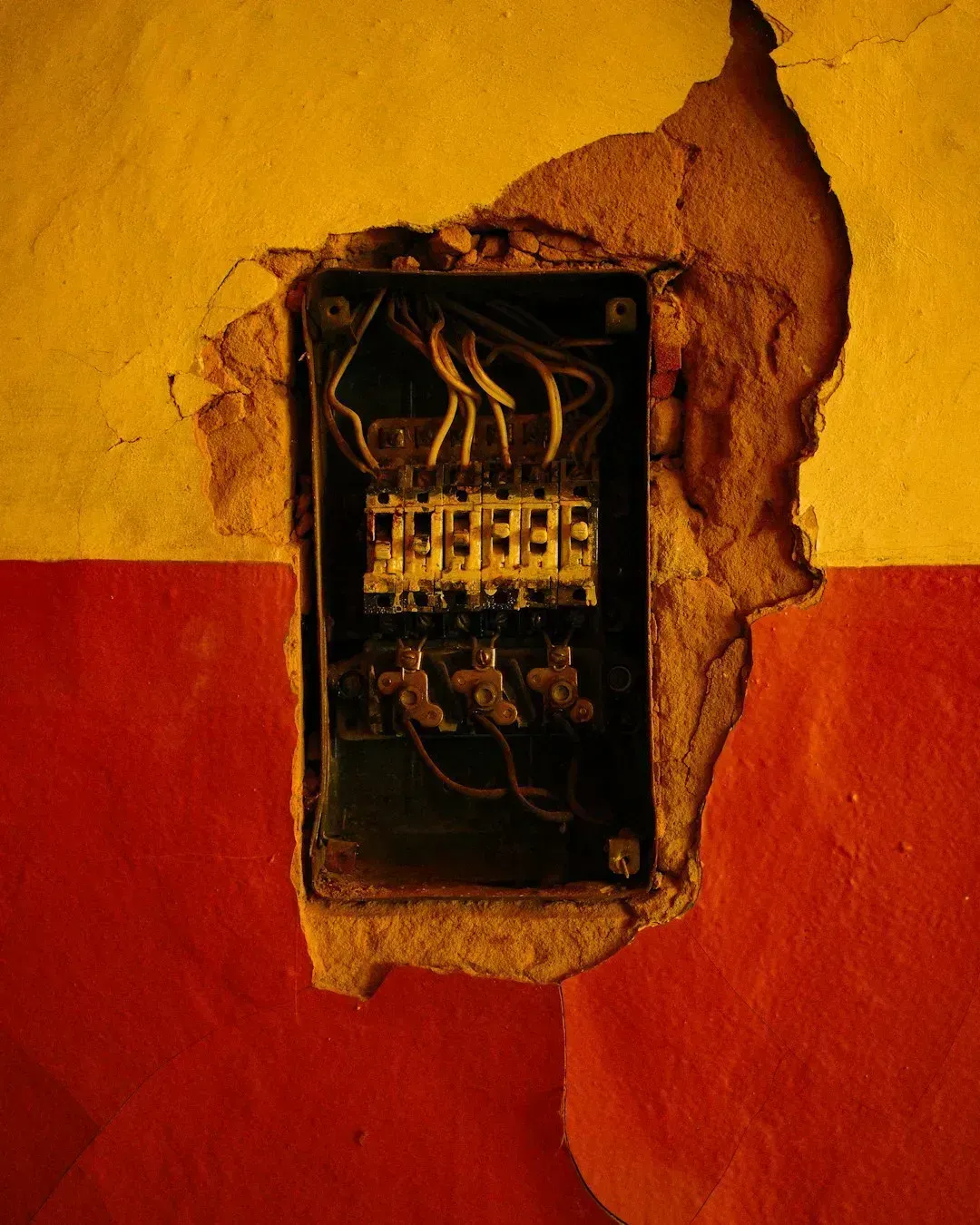
Among the most problematic electric panels that can cause home inspection issues are those manufactured by Federal Pacific Electric, particularly the Stab-Lok models, which were popular in the United States from the 1950s through the 1980s and have become infamous due to their high failure rates and the potential fire risks they pose. Research has shown that one in four Stab-Lok breakers may fail to trip in the event of an overload, and this failure can leave homeowners at a higher risk of electrical fires. Inspectors immediately flag these panels when they encounter them because the safety risk is simply too great to ignore. Even panels that aren’t notorious like FPE can still need replacement if they’re outdated, showing signs of overheating, or can’t handle the electrical demands of modern homes packed with appliances and devices.
Crawlspace Moisture and Vapor Barriers
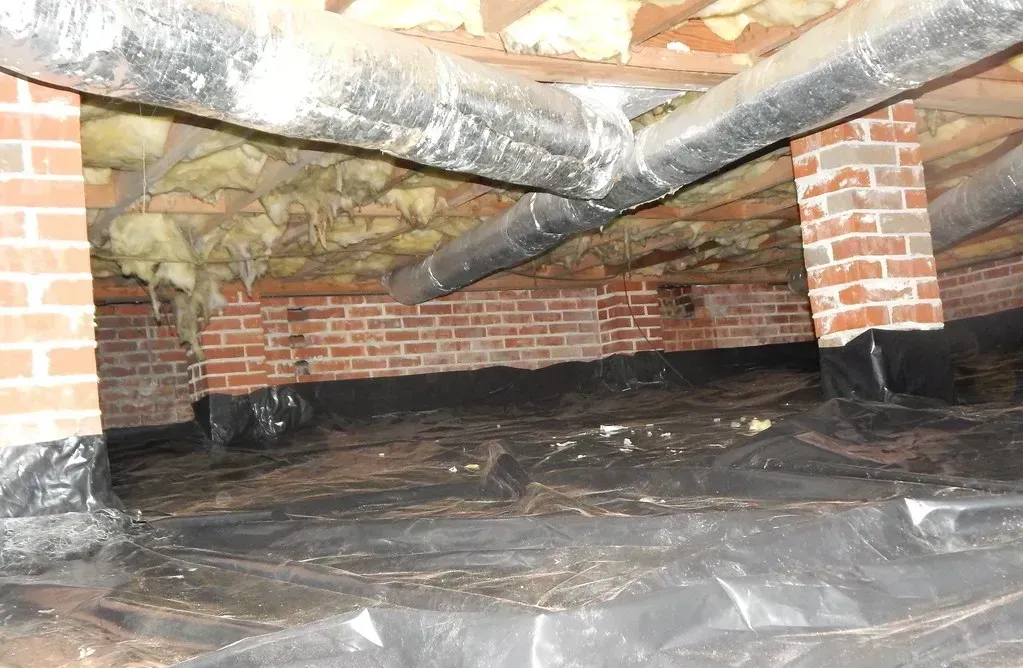
The issue most often discovered is in the crawlspace of the home, as lots of homeowners do not go into their crawlspaces so they don’t really know what is happening in that space, and with the high humidity of the area, moisture readings tend to be high which causes fungal growth. Inspectors crawl through these dark, creepy spaces so you don’t have to, and what they find isn’t always pretty. Damaged or missing vapor barriers allow moisture to wreak havoc on floor joists, insulation, and structural supports. Mold, mildew, and wood rot become serious concerns. A good vapor barrier with full coverage can help eliminate some of these problems, and that is the first step in getting moisture levels under control. Replacing old, torn, or inadequate vapor barriers is one of those unsexy but absolutely essential repairs that come up repeatedly during inspections.
Windows That No Longer Seal Properly
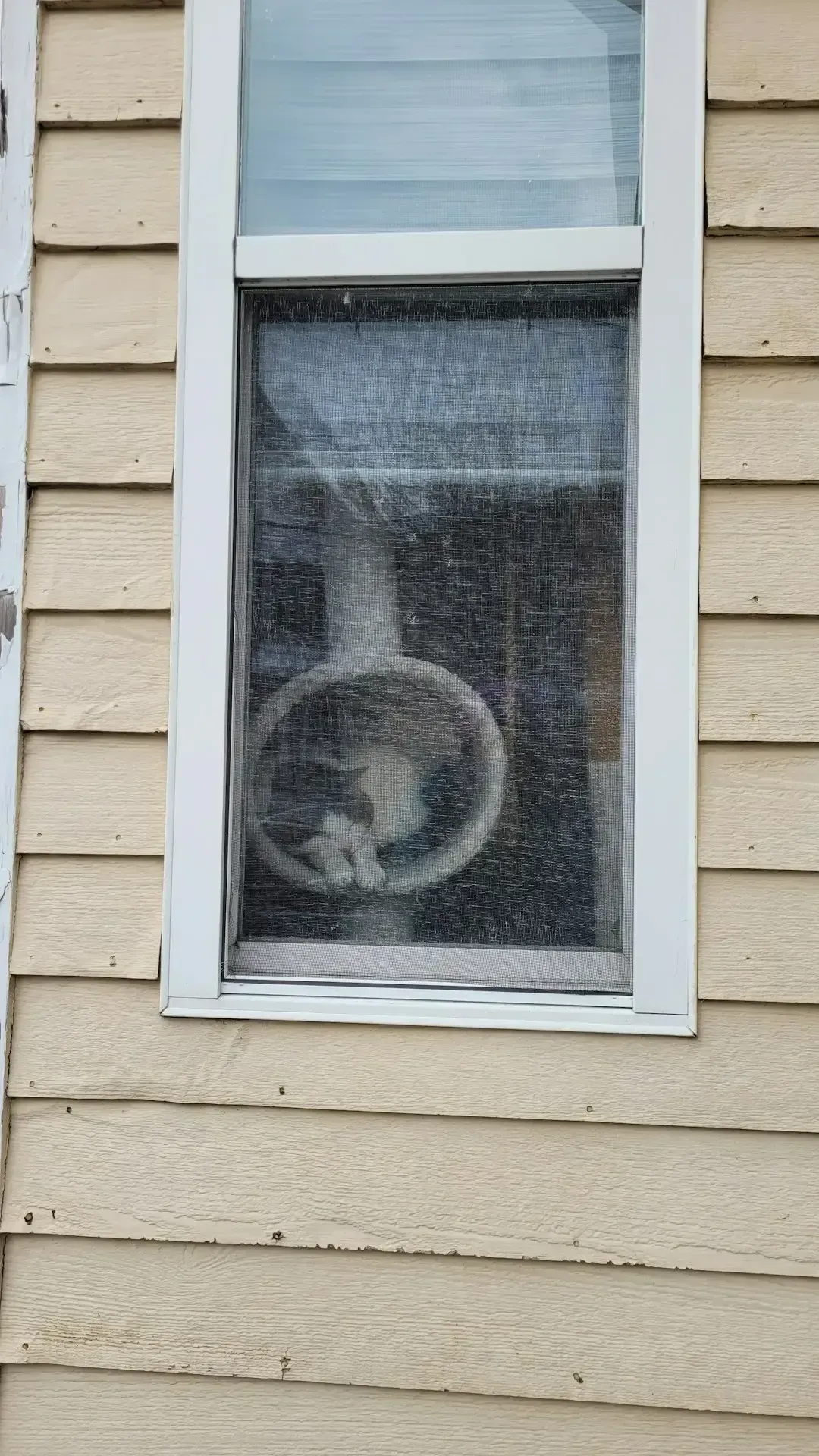
Old windows are energy vampires. They let heat escape in winter and invite it in during summer, causing your HVAC system to work overtime. Inspectors check for drafts, condensation between panes, rotting frames, and difficulty opening or closing. Single-pane windows in older homes are almost always flagged as needing upgrade or replacement. Double-pane windows with broken seals that show fogging or moisture accumulation between the glass also get the replacement recommendation. The vast majority of older homes have at least a few windows that should be replaced to improve energy efficiency, comfort, and curb appeal. It’s not just about looks either. Properly sealed windows prevent water intrusion that can damage walls and framing over time.
Foundations with Cracks and Settlement Issues
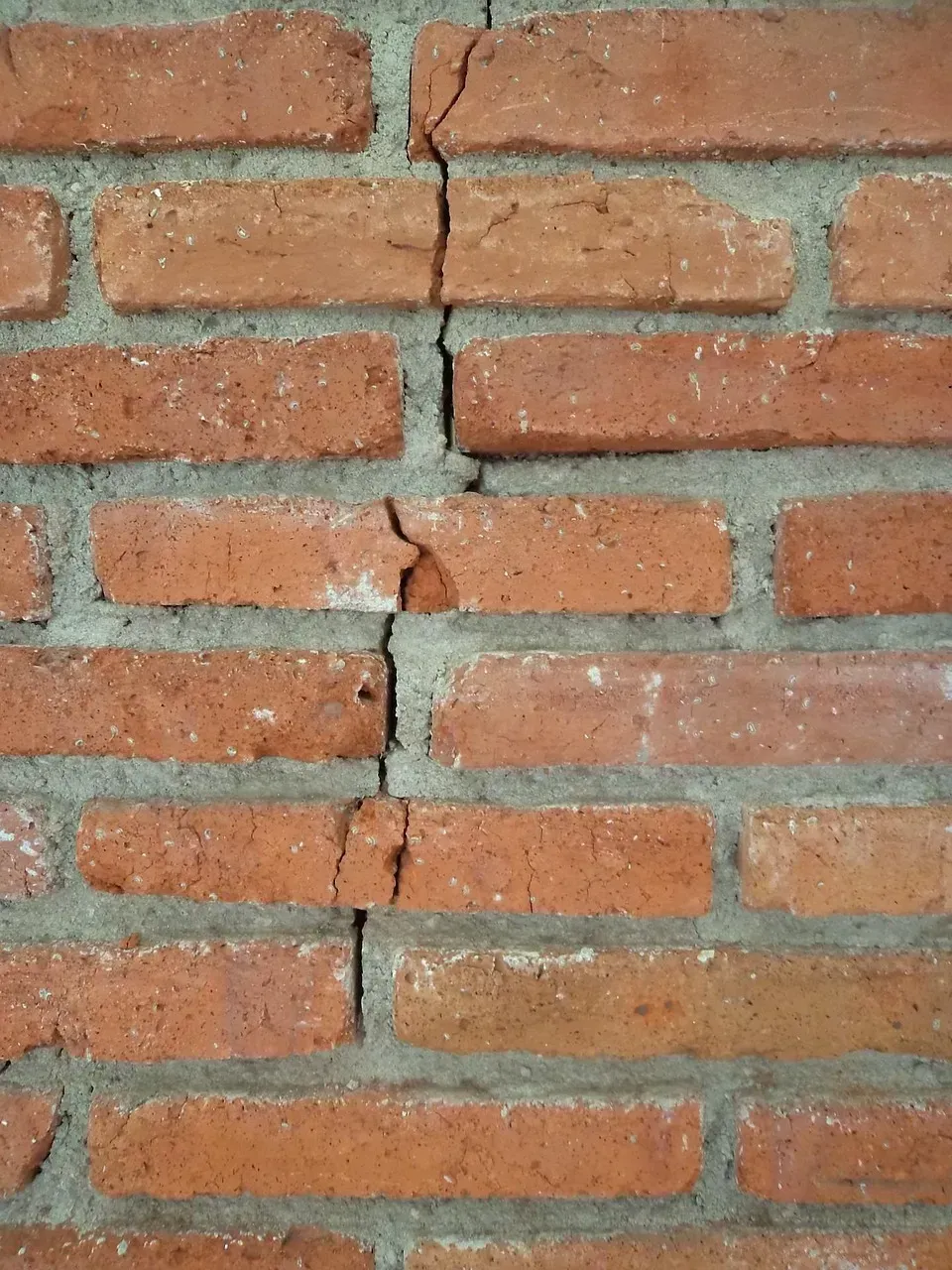
Foundation problems make inspectors nervous, and rightfully so. While not every crack means immediate replacement, significant structural issues often require extensive repair or even partial foundation replacement in severe cases. Horizontal cracks, stair-step cracking in brick or block, bowing walls, and doors or windows that no longer fit properly all indicate foundation movement or failure. Water infiltration through foundation cracks can lead to basement flooding, mold growth, and compromised structural integrity. Inspectors document these issues carefully because foundation repairs rank among the most expensive home improvements. The key is catching problems early before they escalate from repair territory into full replacement situations.
Septic Systems Reaching Capacity
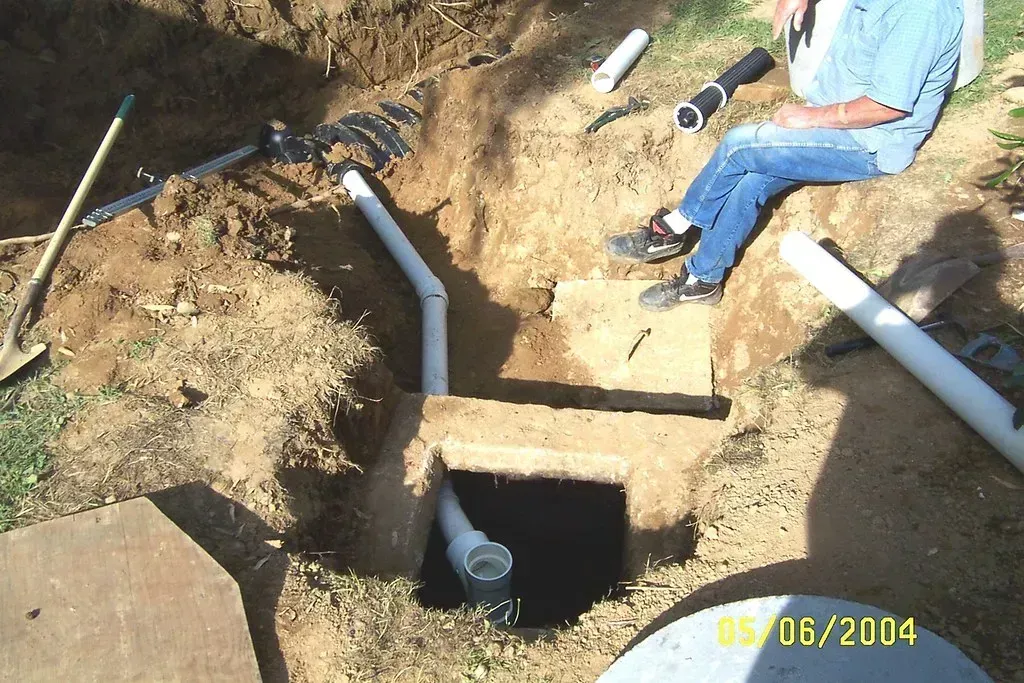
For homes not connected to municipal sewer systems, septic tanks and drain fields have finite lifespans. Inspectors recommend septic inspections as part of the home buying process, and for good reason. A failing septic system can contaminate groundwater, create health hazards, and cost upwards of several thousand dollars to replace. Slow drains, sewage odors, soggy areas in the yard above the drain field, or lush grass growth in one particular spot all signal septic trouble. Concrete septic tanks can crack and deteriorate over decades. Drain fields eventually become saturated and stop functioning properly. When inspectors identify a failing septic system, replacement is typically the only viable long-term solution, though the price tag makes many homeowners wince.
Decks and Porches with Structural Decay
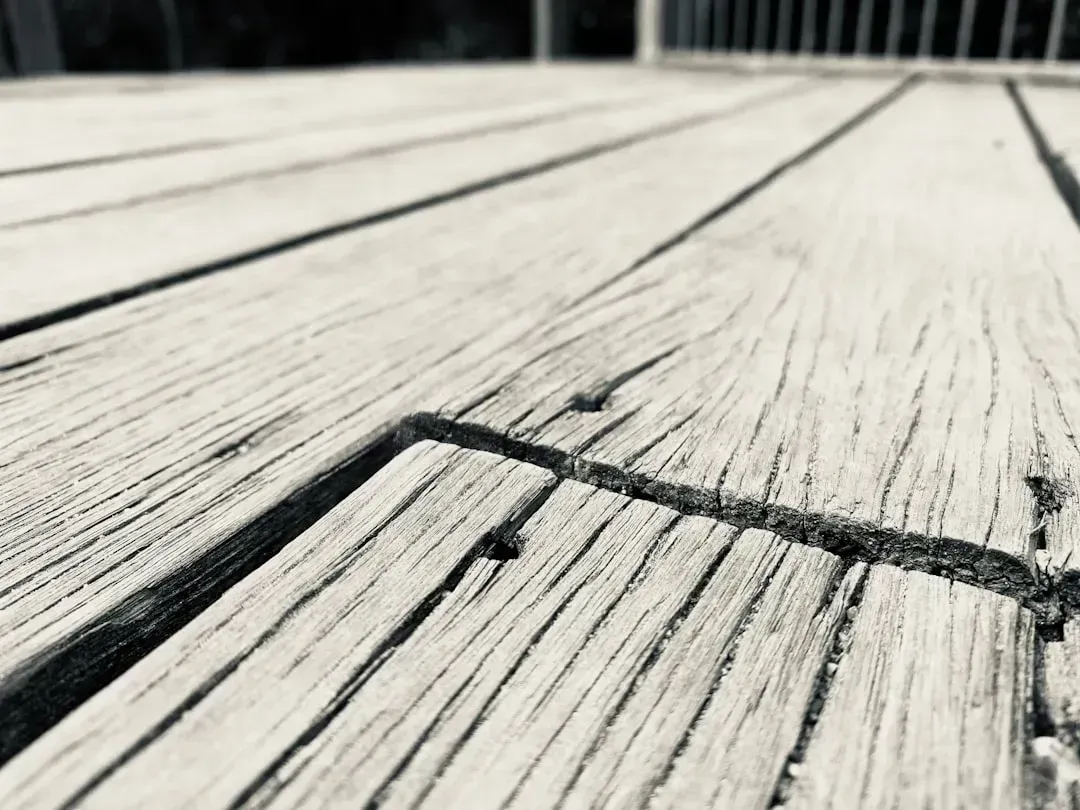
Outdoor wood structures face constant assault from rain, snow, sun, and temperature swings. Inspectors routinely find decks and porches with rotted support posts, deteriorated ledger boards, rusted fasteners, or unstable railings. These aren’t just cosmetic issues. Deck collapses cause serious injuries every year. When structural components have rotted or the deck wasn’t properly attached to the house in the first place, replacement becomes necessary for safety. Inspectors probe wood with screwdrivers, check ledger board connections, and examine footings to determine if a deck is safe or needs to be torn down and rebuilt. Wood rot doesn’t get better over time. It only spreads and weakens the structure further.
Garage Door Openers and Springs Past Their Prime
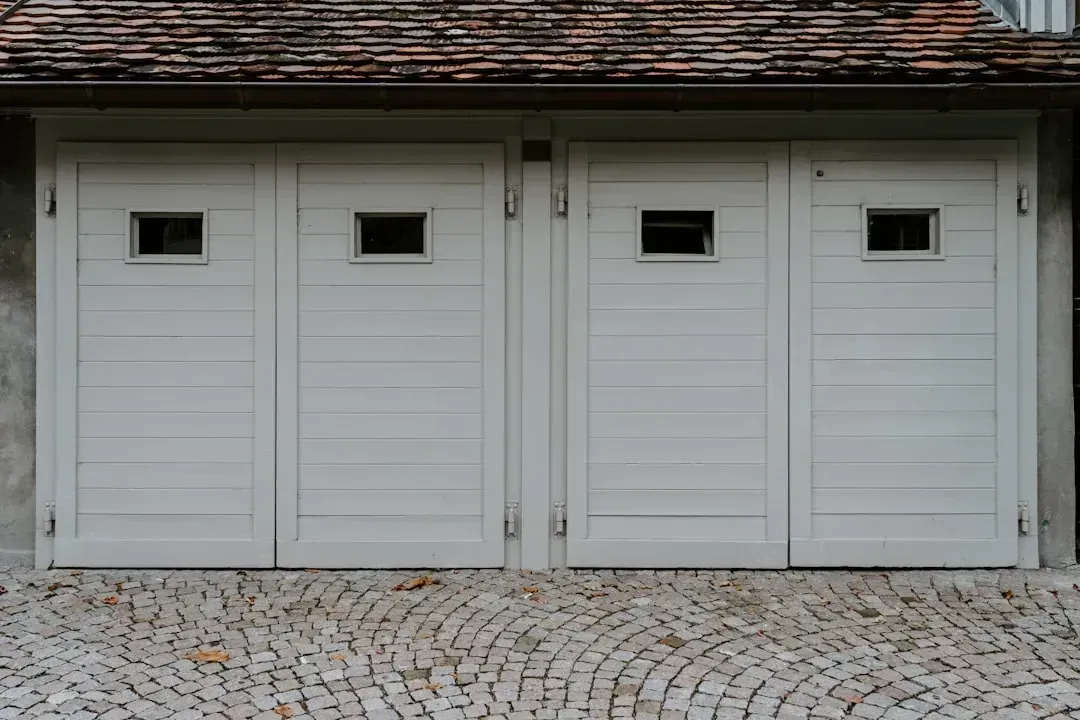
Garage door systems might not seem critical, but they’re the largest moving object in most homes. Inspectors check door balance, spring tension, safety sensors, and auto-reverse functions. Garage door springs have a limited number of cycles before they fail, and when they break, the door becomes dangerous or inoperable. Older opener motors without modern safety features pose risks to children and pets. Worn rollers, damaged tracks, and rotted door panels all contribute to systems that inspectors recommend replacing rather than patching together. A garage door crashing down unexpectedly can cause injury or vehicle damage, so when inspectors flag these components, it’s worth taking seriously even if the door still technically works.
Outdated Circuit Breakers and Wiring
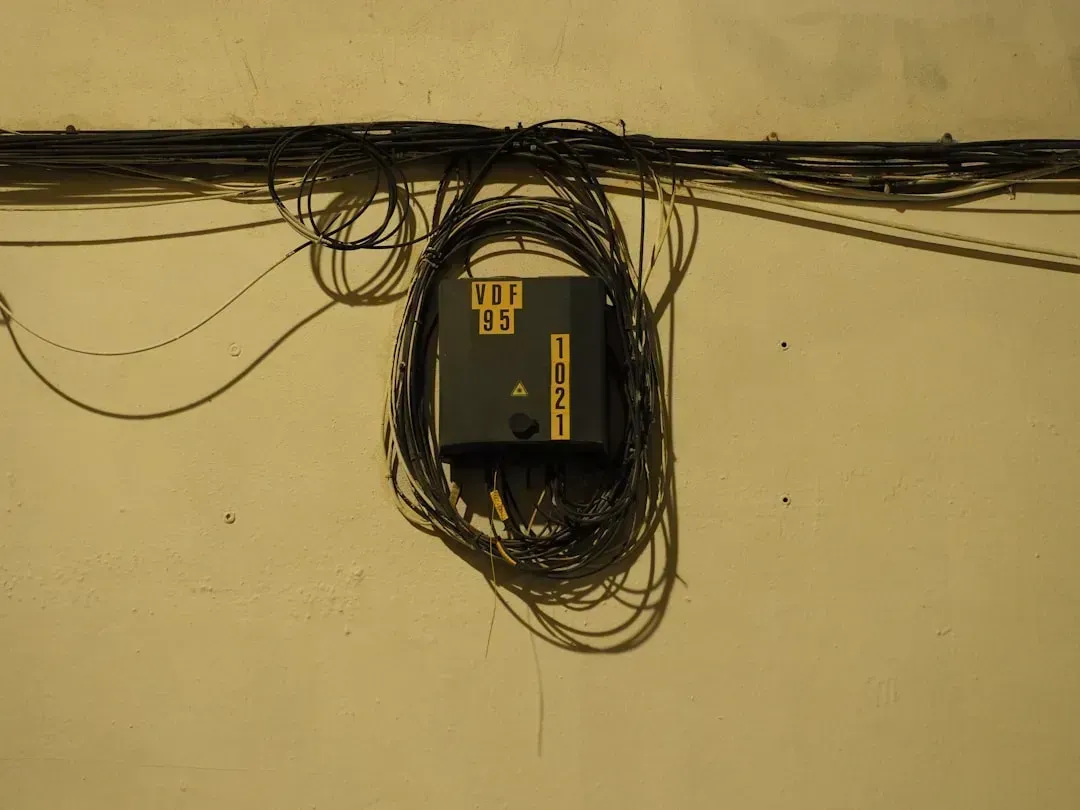
Beyond the main electrical panel itself, the wiring throughout older homes often needs attention or replacement. Knob-and-tube wiring from early twentieth century homes can’t handle modern electrical loads and lacks grounding. Aluminum wiring from the 1960s and 70s has connection issues that create fire hazards. The wiring throughout your home is inspected for signs of damage, fraying, or aging that could pose a fire hazard, and older wiring may not meet modern safety standards. Inspectors open a few outlets to check wire types and conditions. When they find outdated or dangerous wiring, they’ll recommend rewiring at least the affected circuits if not the entire home. It’s expensive and invasive work, requiring walls to be opened up, but it’s absolutely essential for safety in older properties.
What do you think about these common replacement items? Did any surprise you? Let us know in the comments.