Buffalo Nickels Could Be Worth Thousands – How to Tell If You Have One
You’d probably never think that old five-cent coin sitting in your drawer could be hiding serious value. Yet if you’ve inherited a collection or stumbled upon a Buffalo nickel at a flea market, you might be holding onto something far more valuable than pocket change. A Buffalo nickel can be worth anywhere from a few cents to hundreds of thousands of dollars. The tricky part is knowing exactly which details to look for. Let’s get real here: most people wouldn’t give these coins a second glance. That’s a mistake, honestly, because the difference between a regular nickel and a small fortune often comes down to a single missing leg or a faint overdate.
The Famous 1937-D Three-Legged Buffalo: An Error Worth Thousands
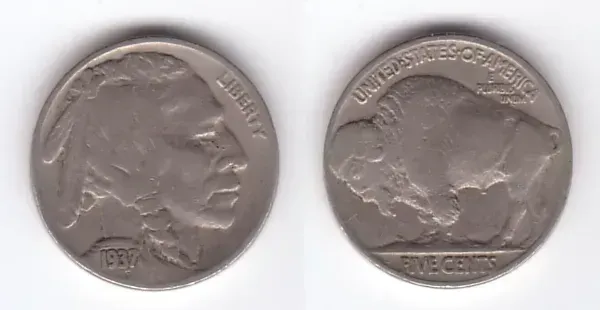
Coins graded by industry-standard respected outfits like NGC and PCGS have sold for anywhere between $705 and $2,640 at auction This is the kind of error that makes collectors’ hearts race. A well-known variety in the series is the 1937-D “three-legged” nickel, on which one of the buffalo’s legs is missing, caused by a pressman at the Denver Mint who accidentally removed or greatly weakened one of the animal’s legs while seeking to remove marks from a reverse die.
Experts estimate that around 10,000 of these error coins entered circulation, and of that number, possibly only a handful of hundreds survive in top-grade condition. The thing is, this error is relatively easy to spot once you know what you’re looking for. Examine the buffalo’s legs carefully on the reverse side. If the front right leg appears completely missing, with only the hoof faintly visible, you might have struck gold.
Key Dates and Mint Marks That Command Premium Prices
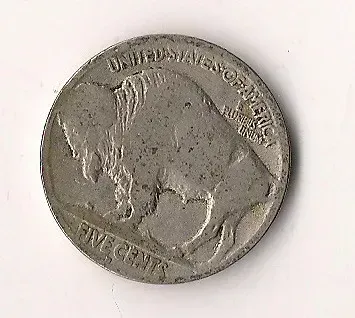
The 1918/7-D nickel is undoubtedly the rarest in the Buffalo nickel series and one of the most important coins of the 20th century, setting an auction record for an MS65+ nickel in 2006 when it sold for $350,750. This overdate error happened when the Denver Mint reused a 1917 die in 1918, creating a visible “7” underneath the “8” in the date. I think it’s fascinating how these manufacturing shortcuts created some of the most valuable coins in existence.
The 1916 Doubled Die Obverse exhibits strong doubling on the date and inscriptions, and this MS64 specimen sold for $281,750 in 2004. Meanwhile, the 1926-S Buffalo Nickel, with only 970,000 pieces struck, represents the lowest-mintage Buffalo Nickel and is extremely difficult to find in high grades.
Understanding Mint Marks and Where to Find Them
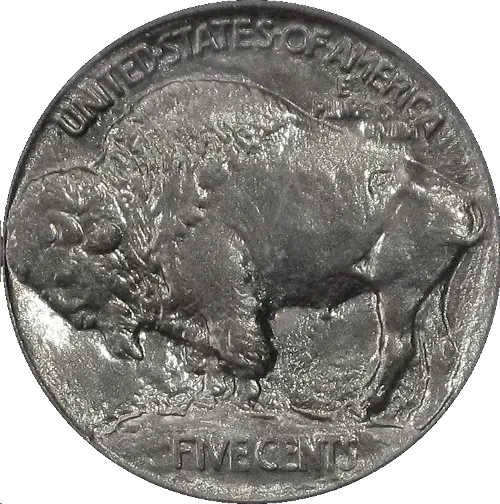
Here’s something that trips up beginners constantly: finding the mint mark. On the Buffalo Nickel, the mint mark is on the coin’s reverse side, below the denomination “FIVE CENTS.” Each Buffalo Nickel has a date and, in some cases, a mint mark indicating where it was produced – Denver “D,” San Francisco “S,” and Philadelphia with no mint mark.
Low mintage numbers of San Francisco Buffalo nickels place most dates as the scarce issue for the year, with a total of 118 million struck with all years combined – lowest of the mints – and many of the key and high value nickels are the San Francisco coins. You’ll need good lighting or maybe even a magnifying glass to spot these tiny letters. Some Buffalo nickels have worn so heavily that the mint mark becomes nearly impossible to read. That’s frustrating, I know, because it can make or break the value.
Grading and Condition: The Make-or-Break Factor
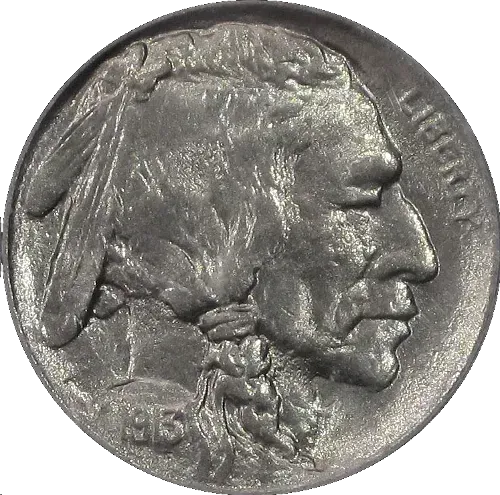
The condition of a Buffalo Nickel is vital in determining its value, with coins graded on a scale ranging from Poor (P-1) to Mint State (MS-70), and the better preserved the coin, the higher its value. The problem with Buffalo nickels is that they wore down incredibly fast in circulation. Despite attempts by the Mint to adjust the design, the coins proved to strike indistinctly and be subject to wear – the dates were easily worn away in circulation.
There are four basic considerations for grading Buffalo nickels: surface preservation, strike, luster and eye appeal, with surface preservation being the single most important factor and generally considered at least twice as important as the other three factors. What makes this challenging is that even mint state examples from certain years can look worn due to weak strikes at the Denver and San Francisco mints during the 1920s.
Look closely at specific areas. No wear to the surface is the defining factor for Mint State grade, and a few points on the coin are checked to confirm this top condition. Check the Indian’s cheekbone and the buffalo’s shoulder and horn. These high points show wear first.
Authenticating Your Find: Avoiding Counterfeits and Altered Coins
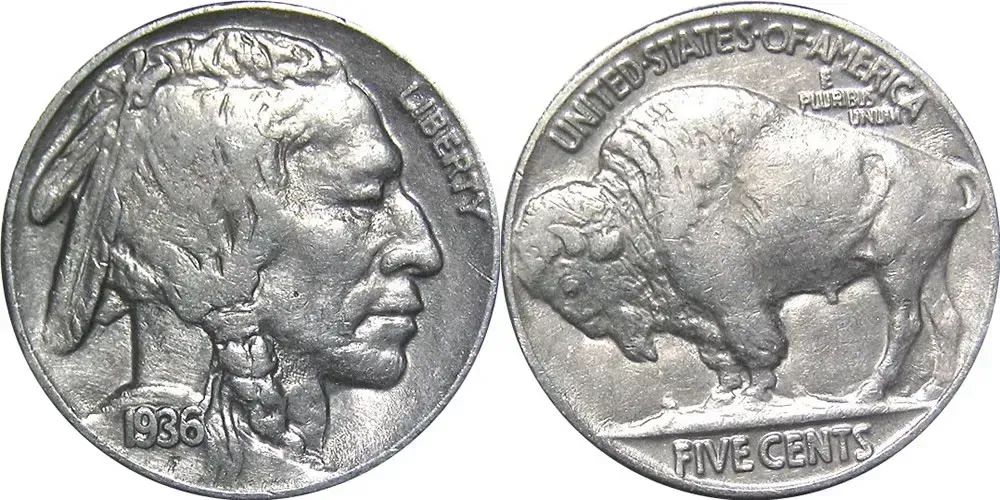
Three-legged buffalo nickel buyers beware: while this coin-based buffalo looks like it could break a leg, there are those out there who might fake a leg – or at least, fake a missing one – with some fakers going so far as to totally retool coins, which will express itself on the coin as too perfect an imperfection, while others may simply sand off the should-be missing leg themselves.
A trusted dealer or grading service like PCGS or NGC can provide an accurate evaluation. Professional certification becomes absolutely essential when you’re dealing with high-value varieties. Market values fluctuate, so use recent transactions from 2024-2025 rather than outdated references. I’d recommend getting multiple opinions if you think you’ve found something special. It’s hard to say for sure without expert eyes, but the peace of mind is worth the small grading fee for potentially valuable coins.
The reality is that most Buffalo nickels in circulated condition are worth $1 to $3, while uncirculated specimens range from $10 to several hundred dollars. Still, those exceptional pieces with the right combination of date, mint mark, condition, and errors can genuinely reach into the thousands. Did you suspect that humble nickel could hold such secrets? What’s hiding in your old coin jar right now?