Top 5 Countries Where You Can Retire Comfortably on $800 a Month
Your retirement savings don’t have to feel like a straightjacket. What if that monthly check could unlock an ocean view, exceptional healthcare, and dinners out under palm trees? We’re not talking fantasy. Thousands of retirees are already living proof, and the number keeps growing. Let’s be real, though. Not every destination claiming to be budget-friendly actually delivers once you dig into the bills. So here’s the honest breakdown of five places where $800 a month isn’t just survivable, it’s genuinely comfortable.
1. Ecuador: Your Dollar Goes Twice as Far in South America

Ecuador stands out because it officially uses the US dollar. That’s right, no currency exchange headaches or watching the value of your pension evaporate overnight.
Ecuador’s pensioner visa requires showing $1,458 monthly income from Social Security or pensions. In smaller towns, retirees can live comfortably on a monthly budget of approximately €1,400 to €1,800, which includes rent, utilities, groceries, dining out, and transportation but Ecuador undercuts even that. Ecuador’s equatorial location provides consistent temperatures, with Cuenca sitting at 8,400 feet offering spring-like weather year-round, while coastal areas remain tropical.
Cuenca has become an expat haven. Cuenca hosts one of South America’s largest American expat communities, with English-speaking services and cultural organizations. Healthcare is solid, with many doctors trained in the United States according to recent reports. The food is fresh, the markets overflow with tropical fruit, and you can enjoy everything from mountain trout to coastal ceviche.
2. Thailand: Tropical Living Without the Tourist Markup
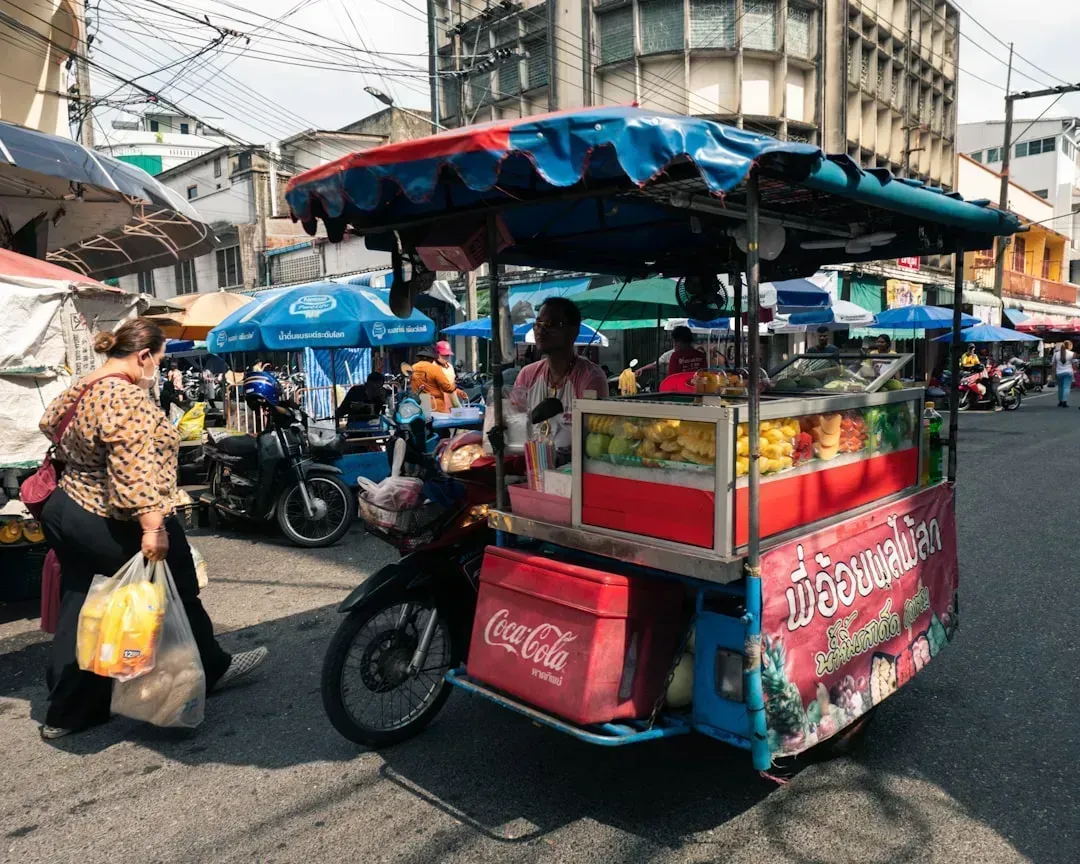
You can live well in Thailand for just under $2,000 per month, with location significantly impacting monthly expenses, yet many retirees successfully manage on far less. Think closer to $800 if you embrace a more local lifestyle, particularly outside Bangkok and Phuket.
Most expats would agree that a single retiree could live fairly well on $1,500 per month, but having an extra amount would afford more luxury. Street food in Thailand isn’t just cheap, it’s genuinely delicious. The cost of an average, yet flavorsome meal in Thailand is approximately $6. Honestly, I find it hard to believe you’d miss expensive Western restaurants when pad thai from a cart tastes this good.
Chiang Mai offers mountain views, cooler weather, a thriving expat community, and one of the lowest costs of living in the country, perfect for laid-back living with easy access to cafés, markets, and modern amenities. The healthcare system is modern and shockingly affordable. Thailand’s hospitals are world-class, with private health insurance costing roughly one-third of what you would pay back home.
3. Mexico: Close to Home, Far from Expensive

Mexico has become the retirement destination of choice for Americans. As many as one million Americans and Canadians call Mexico home, the largest North American expat population anywhere on Earth. There’s a reason for this popularity beyond just proximity.
Monthly living costs for retired couples in Mexico vary by location, ranging from $1,315 to $2,900, with English widely spoken in many Mexican retirement communities. If you’re solo, that drops significantly. The average Social Security payment is about $2,000 monthly, and while that may be tight for retiring in the U.S., it can afford you a very comfortable life in Mexico.
Towns like Mazatlan, Queretaro, and areas around Lake Chapala provide authenticity without the tourist tax. Ajijic and Chapala are ideal for those looking for a quieter lifestyle with mild temperatures, good amenities, and a large expat community, with around 15,000 expats estimated to live around Lake Chapala. Mexico’s healthcare system rivals many American facilities while costing substantially less. Plus, tacos al pastor for breakfast never gets old.
4. Portugal: European Elegance on a Budget

Portugal surprises people. Most assume Western Europe is out of reach on $800 monthly, yet Portugal breaks that stereotype completely. Portugal offers the lowest cost of living in Western Europe, where a couple can live nicely on $2,500 to $3,000 a month outside major cities, but solo retirees in smaller towns manage with considerably less.
Retirees can live comfortably on a monthly budget of approximately €1,400 to €1,800 in smaller towns, including rent, utilities, groceries, dining out, and transportation. That translates to roughly $1,500 to $1,900 USD. A single retiree can enjoy a comfortable lifestyle starting from €1,300 to €1,700 per month outside Lisbon and Porto, with couples living very well on €2,200 to €2,700 monthly in most locations.
Here’s the thing about Portugal that nobody tells you upfront. Healthcare in Portugal is some of the best in the world, highly ranked by the World Health Organization, with all residents having access to both the public healthcare system and the low-cost private system. The train system connects coastal gems effortlessly, wine flows cheaper than soda, and pastéis de nata become your afternoon ritual.
5. Vietnam: Southeast Asia’s Best-Kept Secret

Vietnam doesn’t get enough attention in retirement conversations, which honestly keeps costs lower. While Thailand attracts crowds, Vietnam delivers similar tropical beauty with even more savings potential.
Thailand was one of the highest-scoring destinations in the cost of living category, with only Vietnam and Sri Lanka scoring higher. That tells you something significant about Vietnam’s affordability. Housing outside major cities like Hanoi or Ho Chi Minh City remains incredibly reasonable. A comfortable apartment can cost $300 to $500 monthly, leaving plenty left over from an $800 budget for food, transportation, and entertainment.
Vietnamese cuisine is fresh, healthy, and ridiculously cheap. Pho for breakfast costs around a dollar. The country’s long coastline means beach towns like Da Nang or Nha Trang offer seaside retirement at inland prices. Healthcare has improved dramatically, particularly in larger cities where modern hospitals serve growing expat communities.
The catch? You’ll need to embrace a bit more cultural immersion since English isn’t as widespread as Thailand. Still, that forces you to learn, connect, and truly experience Vietnamese life rather than just existing in an expat bubble.