The Private Browsing Lie: 5 Proven Ways to Find Cheaper Flights That Still Work in 2026
You’ve probably heard it before. Clear your cookies. Switch to incognito mode. That’s how you’ll unlock secret airfare deals the airlines don’t want you to know about. Honestly, it sounds perfect, doesn’t it? A quick browser trick that saves you hundreds on flights.
Here’s the thing: the idea of finding deals with incognito mode is sadly, a myth. Studies have shown the incognito browser produces a cheaper flight roughly 7% of the time, a more expensive flight 5% of the time, and the same price 88% of the time, regardless of cookies. So if you’ve been wasting time opening new incognito windows for every search, you can stop now. The real strategies for scoring cheap tickets are completely different, and they actually work.
Leverage Flight Price Tracking Tools With Machine Learning

Flight prices change constantly, sometimes multiple times per day. AirHint’s machine learning predictor tracks and analyzes price fluctuations in real-time, considering airline-specific behaviors, regional trends, seasonal patterns, and route dynamics. Our neural networks process millions of historical data points to recommend the statistically optimal booking moment with 80%+ accuracy. Instead of manually checking prices obsessively, let technology do the heavy lifting.
Using price tracking tools on sites like Skyscanner and Google Flights gives you a serious edge. Google Flights has a price prediction feature that tells you whether fares are likely to increase or decrease, helping you decide whether to book now or wait. Meanwhile, services like Going (formerly Scott’s Cheap Flights) and Dollar Flight Club send curated deal alerts straight to your inbox. I know it sounds crazy, but these tools monitor thousands of routes simultaneously, catching mistake fares and flash sales that disappear within hours.
Book During the Sweet Spot Window
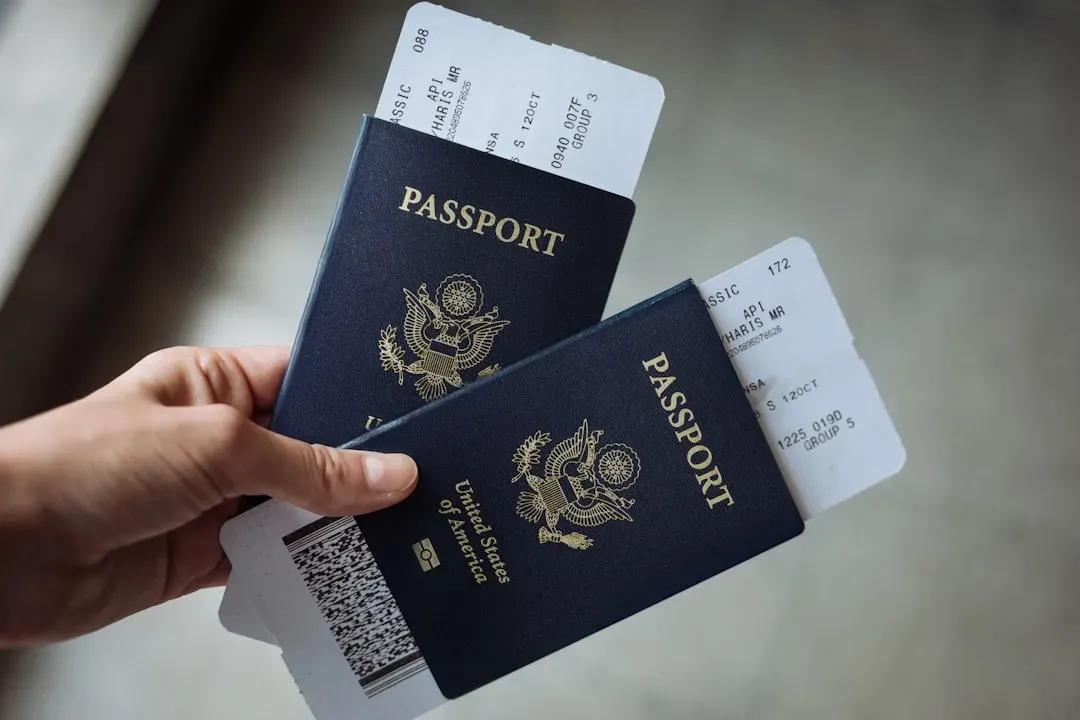
Timing isn’t everything, but it’s pretty close. Domestic flights are cheapest 1-3 months ahead, while international flights are best booked 2-6 months in advance. More specifically, a 2024 report published by Google found that for domestic trips within the U.S., the average flight prices are lowest 38 days before departure. That’s not a random number; it reflects how airlines balance filling seats with maximizing revenue.
The key is avoiding both extremes. Booking too far in advance means airlines haven’t started competing on price yet. Wait until the last minute and you’re at their mercy. when you book one-to-three months ahead of a domestic flight, you can save up to 25 percent compared to last-minute bookings, according to Expedia’s analysis of billions of data points. For international trips, start monitoring around five months out and pounce when you see a good deal within that two-to-eight-month window.
Fly Midweek and Book on Sundays

Let’s be real, everyone wants to fly on Friday evening or Sunday afternoon. That demand drives prices up. The cheapest days to travel are still Monday through Wednesday (about 13% cheaper than flying over the weekend). Flying midweek can save you nearly $100 off your ticket, according to a recent Google report. It’s not always convenient, but flexibility here genuinely pays off.
When should you actually click that purchase button? Booking on a Sunday can keep more in your wallet. For the third year in a row, the data shows Sunday is the cheapest day to book flights. Expedia’s 2025 report found that international travelers can save nearly one-sixth of the ticket price just by booking on Sunday instead of Friday or Monday. The difference isn’t always massive, but it’s consistent enough that it’s worth planning around if you’re trying to stick to a budget.
Embrace Flexible Routing and Alternative Airports

Sometimes the cheapest way to reach your destination isn’t the most direct path. Consider flying into a nearby airport instead of your final destination. flying into Oakland (OAK) instead of San Francisco (SFO) often results in cheaper fares. The same principle applies internationally: sometimes booking a flight to a major hub and then a separate ticket to your final destination costs significantly less than one through ticket.
We call this idea of focusing on getting across the ocean/to another continent as cheaply as possible the Greek Islands trick because it works particularly well for destinations that are a big far flung or which aren’t served by a lot of carriers. In the Greek Islands example, you could save hundreds by booking a flight to Athens and then booking a separate flight on a local carrier to your island of choice. This strategy requires leaving extra time between connections since the airlines won’t protect you if you miss your second flight, but the savings can be substantial.
Split Your Tickets and Compare One-Way Fares
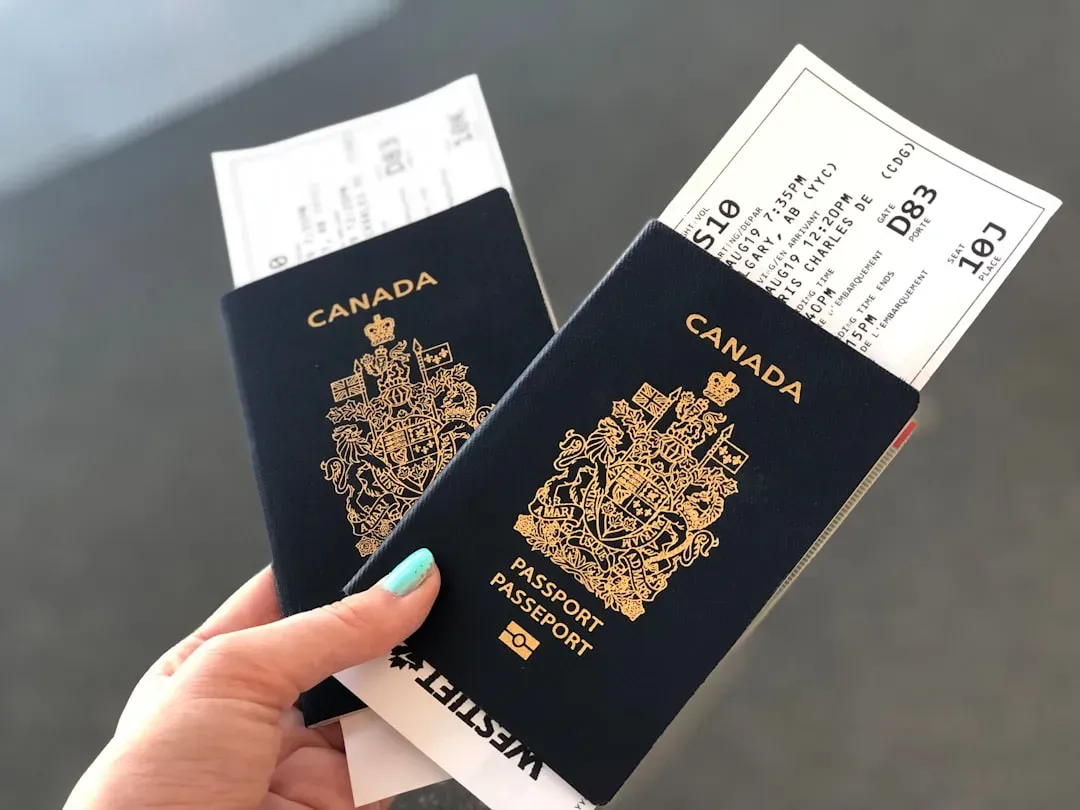
Here’s something that catches people off guard: buying two separate one-way tickets sometimes costs less than a roundtrip fare. Contrary to common belief, two one-way tickets sometimes cost less than a roundtrip, especially for domestic routes. A pricing study of 1.4 million tickets found that on some routes, the price of a single-leg flight is higher than two-leg flights that include it, and buying legs separately was cheaper in up to 37% of cases. This happens because different airlines may have sales on different days, or you might catch a low-cost carrier deal for one direction.
This approach also gives you more flexibility to mix and match airlines based on which offers the best price for each leg. You’re not locked into one carrier’s pricing structure for both directions. The downside? You need to be more careful about connection times and understand that if something goes wrong with your first flight, the second airline owes you nothing. Still, for travelers with flexible schedules who prioritize price over convenience, splitting tickets is a proven money-saver that works consistently in 2026.
Flight pricing feels deliberately confusing, and maybe it is. Airlines use sophisticated algorithms that adjust fares based on demand, competition, seat availability, and dozens of other factors. The good news is that you don’t need to outsmart the system – you just need to use the right tools and strategies. Forget about private browsing mode and focus on what actually moves the needle: smart timing, flexibility, and letting technology track prices for you. Which of these strategies will you try first?