5 Rare Kennedy Half Dollars That Are Far More Valuable Than Most People Realize
Most folks think Kennedy half dollars are just ordinary change. Half a buck, nothing special, right? That view couldn’t be more wrong. Tucked away in pocket change, old mint sets, and forgotten coin collections are a handful of Kennedy halves worth exponentially more than face value – some reaching into tens or even hundreds of thousands of dollars.
Let’s be real, the vast majority of these coins won’t make you rich. Yet the exceptions are astonishing. What separates a fifty-cent coin from one valued at more than a luxury car? It often comes down to minting quirks, extremely low production numbers, or condition so pristine it’s nearly impossible to find. Honestly, these are the kinds of discoveries that turn casual coin collectors into full-blown treasure hunters. Ready to learn which Kennedy halves could be hiding a fortune?
1964 SMS Kennedy Half Dollar: The Mystery Coin That Breaks Records
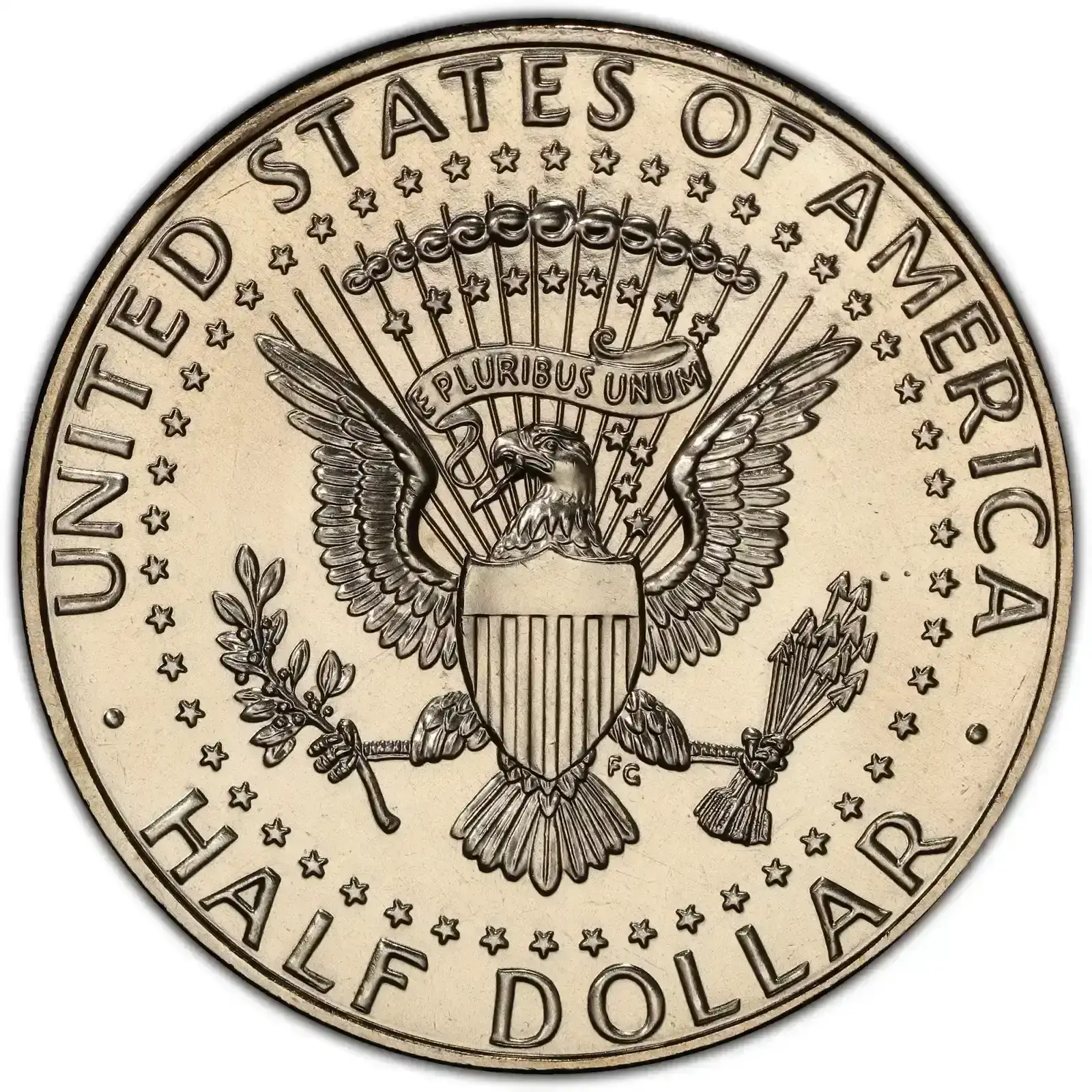
The 1964 Special Strike Kennedy halves are not supposed to exist, yet about a dozen examples have surfaced over the past fifteen years, making this the scarcest non-error or variety Kennedy Half Dollar in existence. NGC has only certified six of these mystery coins, while PCGS counts twelve. What makes them so extraordinary? These coins display a distinctive satin-like finish with incredibly sharp details that differ from both regular circulation strikes and standard proofs.
They feature a unique “dangling 4” diagnostic mark – a tiny teardrop of metal hanging from the date. The auction record for the 1964 SMS Kennedy half is one hundred fifty-six thousand dollars for a specimen grading SP68 in 2019. Nobody knows for certain how these coins escaped the Mint. Speculation centers around Mint Director Eva Adams or another high-ranking official, but the mystery only deepens their allure. According to verified auction data from Heritage Auctions and GreatCollections, a 1964 SMS Kennedy half dollar graded Specimen 67 by PCGS brought one hundred eight thousand dollars at a 2019 Heritage auction, while another example sold for over eighty-seven thousand dollars at a GreatCollections online auction.
1970-D Kennedy Half Dollar: The Mint Set Exclusive
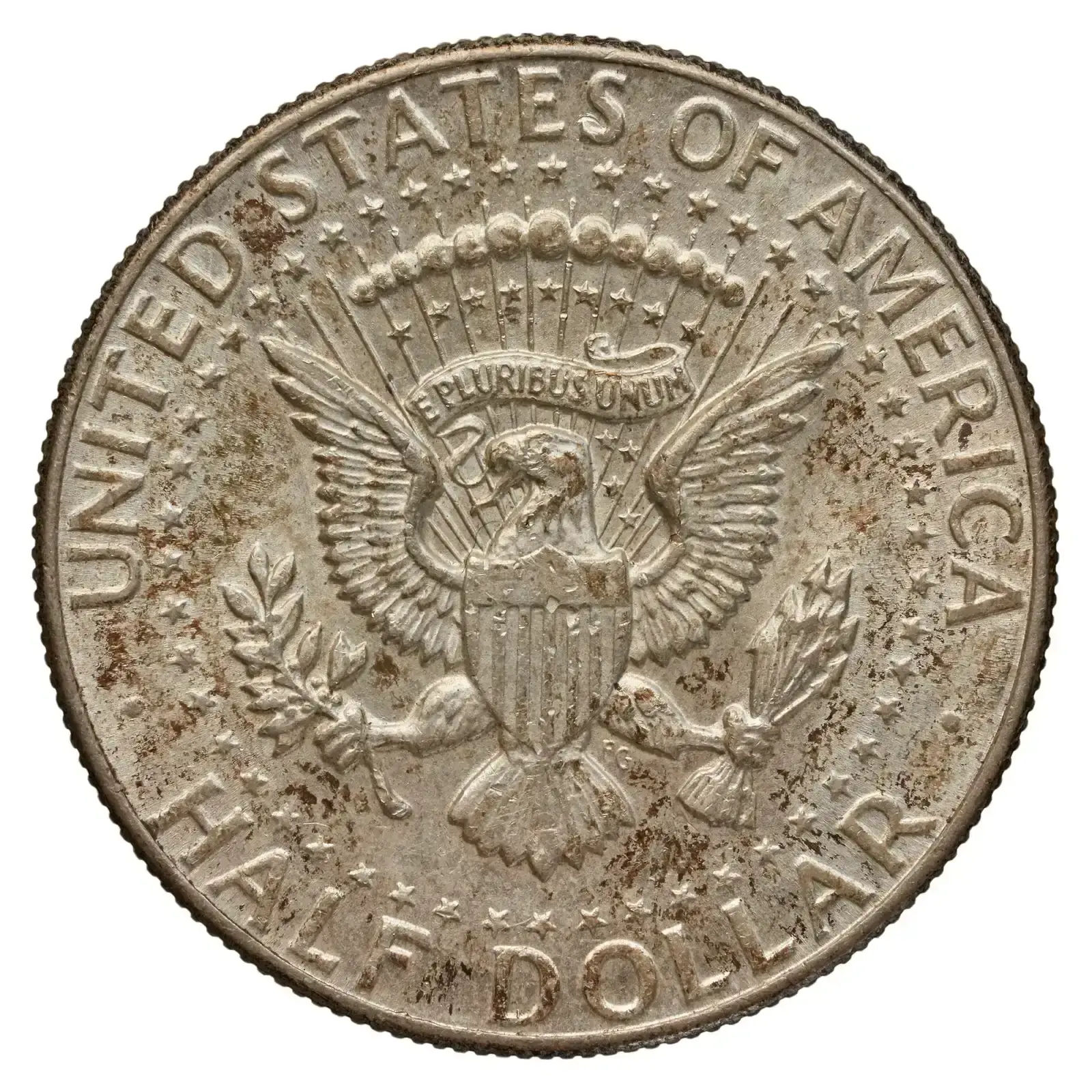
The 1970-D Kennedy half dollar only appeared in the 1970 US Mint Sets and had one of the lowest mintage figures among Half Dollar releases from 1964 to 2005. Think about that. This was the last silver-clad half dollar struck for any distribution format, even though it never entered general circulation. With a mintage of roughly two million, the 1970-D became the key coin in the series and one of the lowest business strike mintages until 2006.
The issue price of a 1970 Mint Set was about two dollars and fifty cents, containing ten coins with a face value of one dollar and eighty-two cents, and tens of thousands of sets have been opened primarily to retrieve the 1970 Kennedy Half Dollar. These coins contain a silver content of roughly one-seventh of a troy ounce. The 1970-D Kennedy Half Dollar is scarce in MS67 and sells for seven thousand dollars or more, with elusive conditional rarities exhibiting the bare minimum number of contact marks, brilliant luster, and great eye appeal.
1974-D Doubled Die Obverse: The Only Major Doubling in the Series
Here’s the thing about doubled die errors – they’re usually subtle, hard to spot, and often overhyped. Not this one. The 1974-D Doubled Die Obverse Kennedy Half Dollar is the only major doubled die variety in the entire Kennedy Half Dollar series, with doubling most prominent on the words IN GOD WE TRUST. You can actually see it without magnification if you know where to look.
This popular variety can still be cherrypicked by going through 1974 Mint Sets, with the vast majority of PCGS-certified examples grading MS64 and a much smaller amount in MS65, while few MS66 or better examples have been reported, and the doubling is quite obvious on the word TRUST. The auction record stands at one thousand five hundred twenty-seven dollars and fifty cents for a PCGS MS66 example sold at Heritage Auctions in February 2016. According to multiple verified sources, the recognized Doubled Die Obverse variation demands a large premium, found in near Mint condition for forty to fifty dollars, while coins in low Mint State condition cost twenty to thirty dollars, and specimens in MS-65 and MS-66 grades range between sixty and seventy-five dollars.
1968-S Proof Deep Cameo: The First San Francisco Proof
The 1968-S proof Kennedy half dollar marks an important transition as the first proof coin struck at the San Francisco Mint, with collectors seeking Cameo and Deep Cameo examples featuring frosted devices and mirrored fields that are far rarer than standard proofs from the same year. This represents a historic shift in American coin production. Prior to 1968, all proof coins came from Philadelphia.
What’s the big deal with cameo contrast? It’s all about visual drama – the frosted portrait of Kennedy pops against deeply mirrored background fields. While ordinary proofs trade for ten to twenty dollars, exceptional Deep Cameo examples can sell for five hundred to one thousand dollars or more, making them a popular target for proof specialists. A 1968-S proof graded PR70 Deep Cameo sold for twenty-four thousand dollars at Stack’s Bowers in 2017. The condition rarity factor is massive here. Perfect specimens are extraordinarily difficult to find even among proofs, which were specially made for collectors.
1967 SMS Ultra Cameo: The Final Year Masterpiece
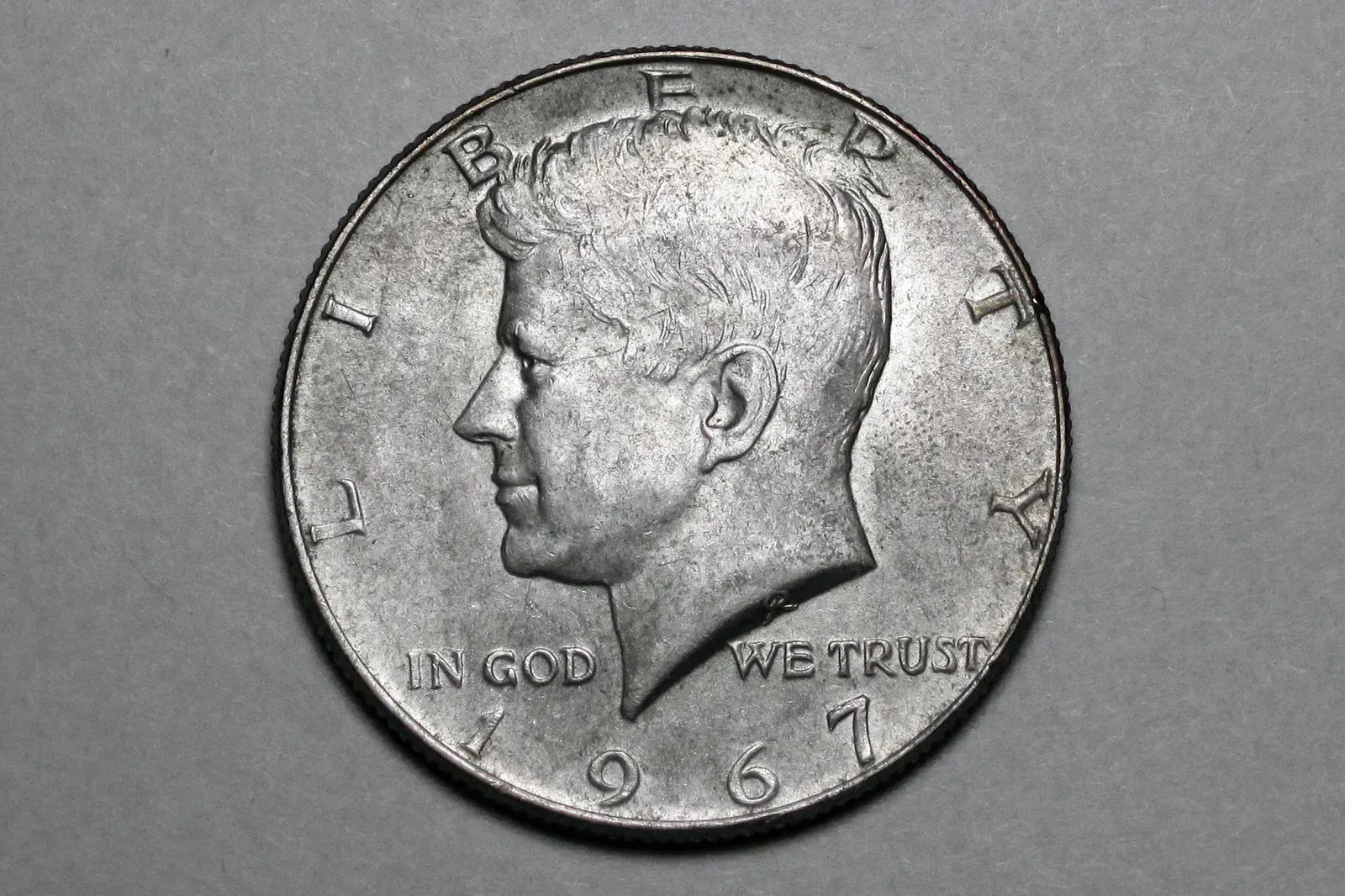
When the U.S. Mint stopped making proof coins from 1965 to 1967, they created Special Mint Sets that weren’t ordinary coins but not quite proofs either, occupying a fascinating middle ground, and the 1967 SMS Kennedy half dollar represents the final year of this experimental program during which the Mint also removed mintmarks from all coins and reduced silver content as the country faced a severe coin shortage.
The 1967 SMS coins sit in a strange gray area between business strikes and proofs. A 1967 SMS specimen reached thirty-one thousand two hundred dollars at Heritage Auctions in 2019. What pushed the value so high? This particular coin achieved the nearly impossible grade of SP69 Ultra Cameo – the absolute pinnacle of SMS quality. Only a tiny fraction of 1967 SMS half dollars display the dramatic contrast and flawless surfaces needed to earn an Ultra Cameo designation. It’s hard to say for sure, but these coins represent a unique moment when the Mint experimented with alternative collector products during a national coin crisis.
So, did you expect ordinary Kennedy half dollars to hide such extraordinary value? Next time you come across one, take a closer look. That seemingly common coin might just be your ticket to a serious payday.