The 10 Yard Mistakes That Reduce Your Home’s Value (And How to Fix Them in Time)
Your yard might be costing you thousands without you even knowing it. While most homeowners obsess over kitchen upgrades and bathroom renovations, the space right outside their front door quietly drains equity. Let’s get real, the condition of your outdoor space speaks volumes to potential buyers before they even ring the doorbell. Here’s the thing: some of these mistakes are hiding in plain sight, affecting your property value more than you’d believe.
Neglecting Regular Lawn Maintenance
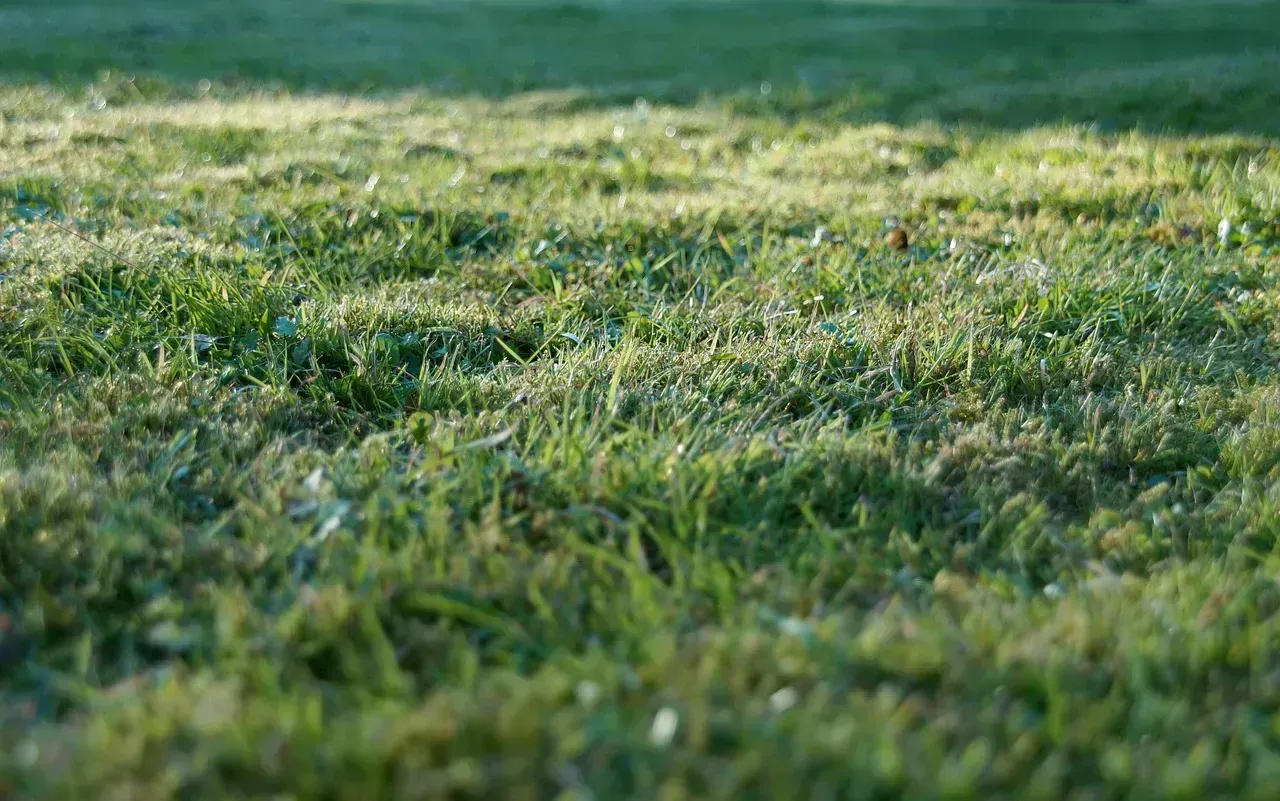
A patchy, weed-filled lawn screams neglect louder than almost anything else. Buyers and appraisers often judge a property’s overall care by its front yard, which means that overgrown grass, bare patches, and invasive weeds send immediate warning signals.
Tall grass blocks sunlight from reaching the soil, weakening turf and allowing weeds to thrive, while poor lawn health can also invite pests ranging from beetles to rodents. Once weeds take over, restoration costs climb fast. To fix this, mow regularly at the proper height for your grass type, overseed those bare spots, and schedule seasonal treatments to maintain that lush, uniform look.
Regular lawn care reportedly recovers much of the cost of upkeep at the time of sale, making it one of the smartest investments you can make before listing your home.
Allowing Trees and Shrubs to Become Overgrown
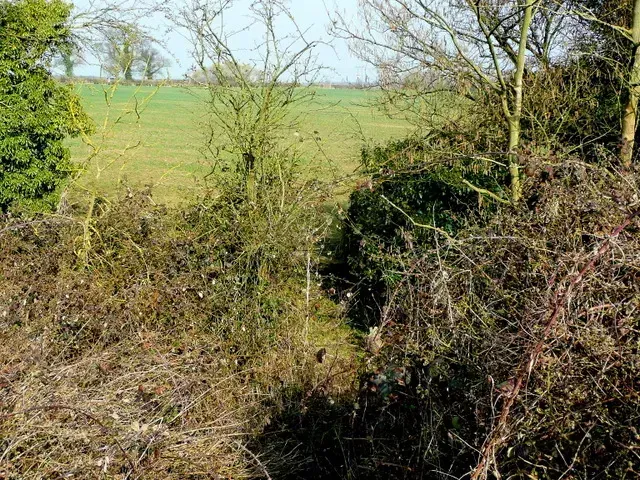
Overgrown vegetation can obscure the view of the home and make the property look unkempt, requiring regular pruning and maintenance. When massive shrubs hide your front porch or trees block architectural details, potential buyers can’t appreciate what your home has to offer.
Buyers rely on curb appeal to form emotional connections, and if they can’t see the architecture, they can’t appreciate it. Dense hedges also raise safety concerns by blocking sightlines to entryways. The solution is straightforward: trim and shape plants so they frame your home instead of covering it, and use lower-profile greenery near focal points like entrances.
Trees positioned too close to your house present their own problems. Trees located less than 20 feet from your house create potential hazards and maintenance headaches that savvy buyers immediately spot.
Installing High-Maintenance Landscape Features
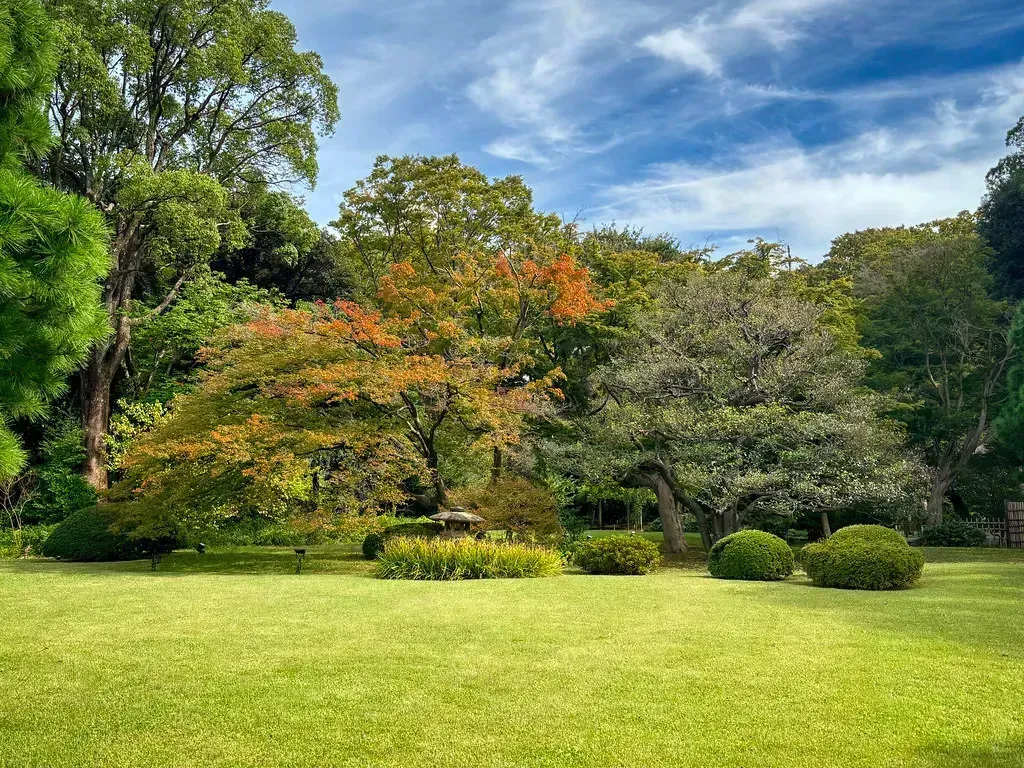
That elaborate koi pond or alpine slide might seem impressive on Pinterest, yet it could actually hurt your bottom line. Elaborate landscaping or a koi pond can put a dent in your property value since many homeowners don’t want to handle the extra maintenance.
Anything that requires extra special care in your yard will be a hang-up for most prospective home buyers, as high-maintenance landscape design may just overwhelm them. Most buyers prefer low-upkeep features that look good without demanding daily attention or specialized knowledge.
The sweet spot is keeping your yard neat and clean, adding only decorative elements that are easy to maintain. Focus on timeless landscaping rather than trendy features that might only appeal to a narrow audience.
Overdoing Hardscaping and Concrete
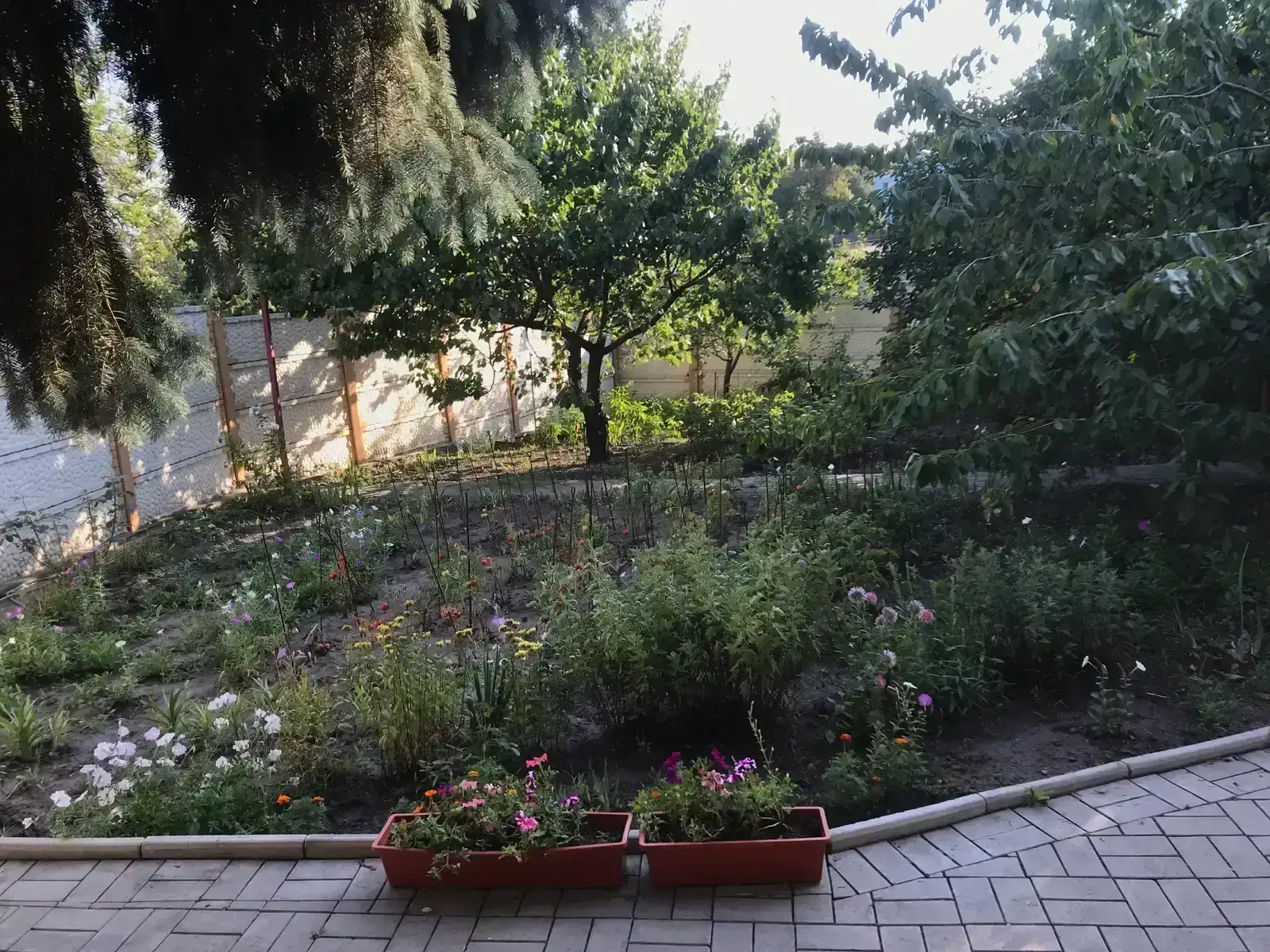
Too much concrete may not only be unappealing, it can also lead to drainage issues and create heat islands that may be unusable in summertime. A massive patio that covers your entire backyard might seem convenient, yet it reduces greenery and makes the property feel smaller.
Excess hardscaping limits greenery, reduces shade, can make the property feel smaller, and in hot climates traps heat, making outdoor spaces uncomfortable. The key is balance: mix hardscaping with greenery to add visual appeal while maintaining proper drainage.
Stone features certainly have their place, though you need strategic placement rather than wall-to-wall coverage. Break up large concrete areas with softscaping, especially along foundation lines, to create a more inviting atmosphere.
Ignoring Seasonal Yard Cleanup
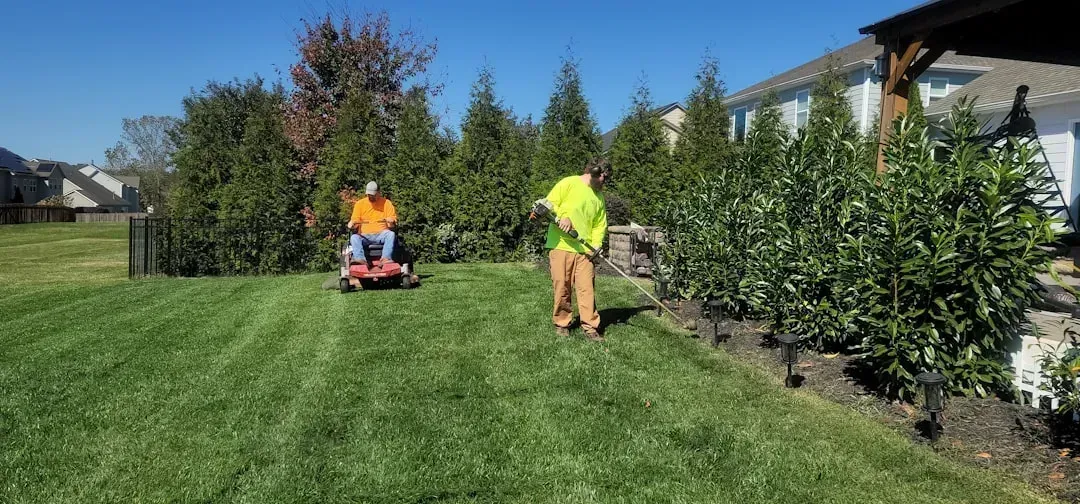
Landscaping isn’t a set-it-and-forget-it job, as fall leaves left to rot can smother grass and invite mold, winter debris can damage shrubs, and spring weeds sprout fast. An otherwise attractive yard loses its appeal when it only looks good during summer months.
An otherwise attractive yard can lose its appeal if it only looks good in summer, as buyers notice these gaps, especially when viewing homes during off-seasons. Plan quarterly cleanups to handle leaves, prune plants, and refresh mulch throughout the year.
Incorporating evergreens or plants with seasonal interest keeps curb appeal strong regardless of when potential buyers drive by. This attention to year-round appearance demonstrates consistent care and pride of ownership.
Leaving Dead or Diseased Trees Standing
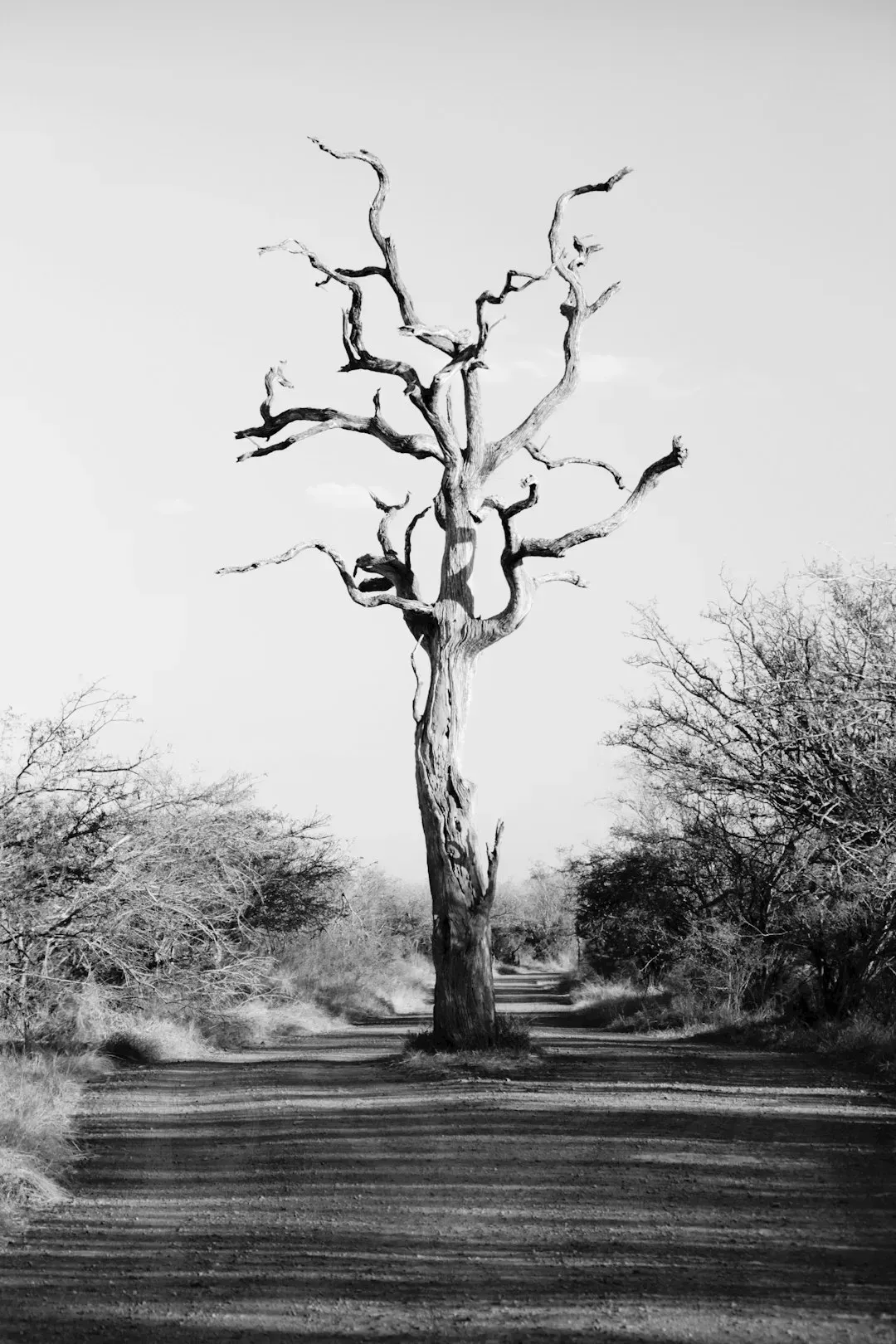
Trees that are overgrown, diseased, or dead send the opposite message, and dead or diseased trees reduce property value by 5 to 10%. A dying tree in your front yard signals danger and expense to every person who sees it.
If a tree is clearly dying or dead, potential homeowners will see it as a catastrophe waiting to happen, calculating removal costs before they even consider making an offer. Remove dangerous trees immediately, along with stumps, to eliminate this massive red flag.
Healthy, well-maintained trees tell a completely different story. Ninety-one percent of real estate agents say adding even one healthy tree increases property values, with 20% estimating that a single healthy tree in the front yard increases home value by 30% or more.
Creating Undefined or Messy Borders
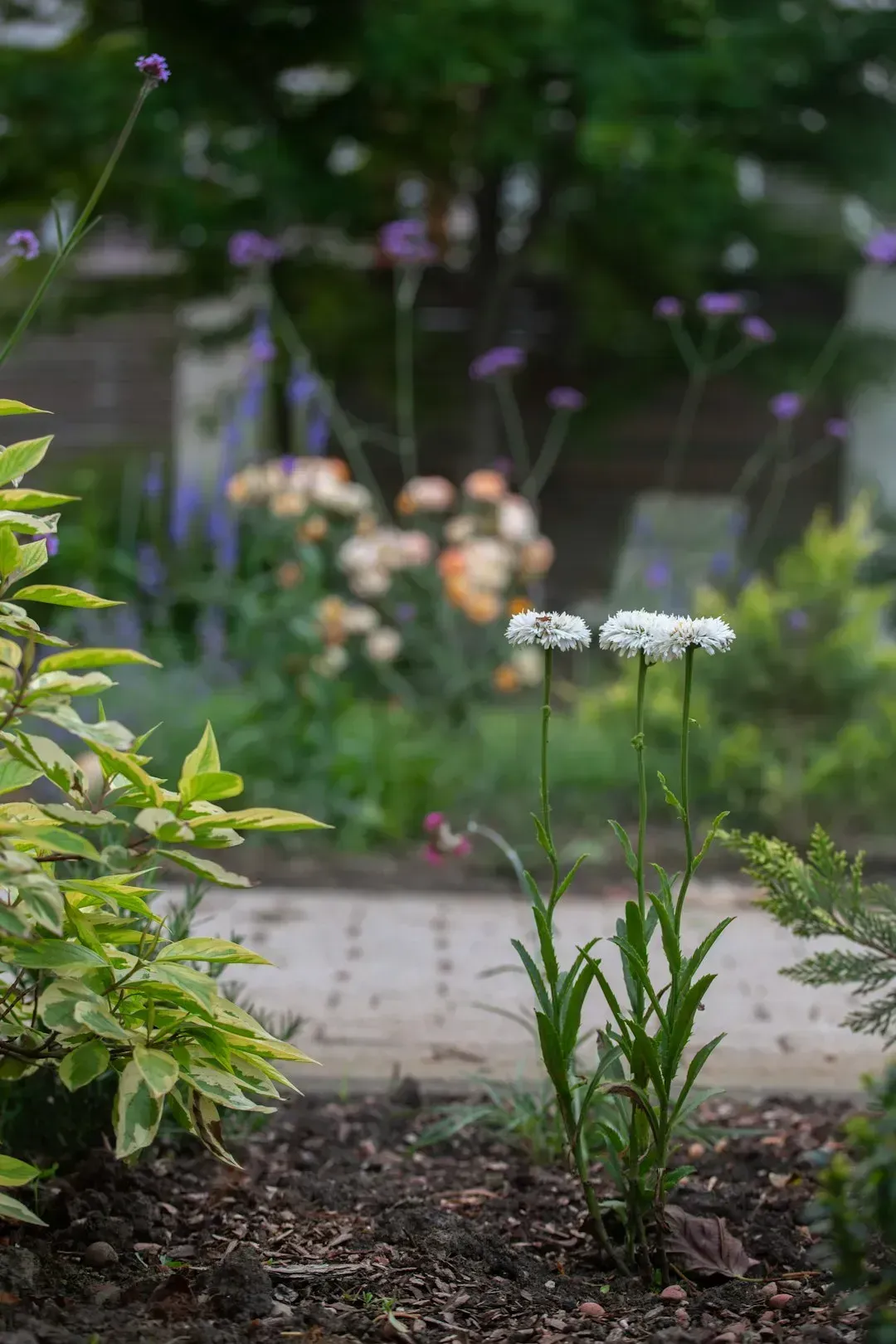
Even the healthiest lawn can look untidy without clear borders, as grass bleeding into flower beds or paths signals a lack of attention to detail. Buyers view this as extra work they’ll need to take on, subtly reducing perceived value.
Clean edging transforms your yard’s appearance almost instantly. Define all lawn and garden edges with crisp lines, whether through manual edging, paver borders, or natural stone, to create that polished, professional look.
This small step shows pride in maintenance and makes everything look intentional rather than haphazard. The visual difference between edged and unedged beds is dramatic, yet the fix requires minimal investment.
Planting the Wrong Trees in Wrong Locations
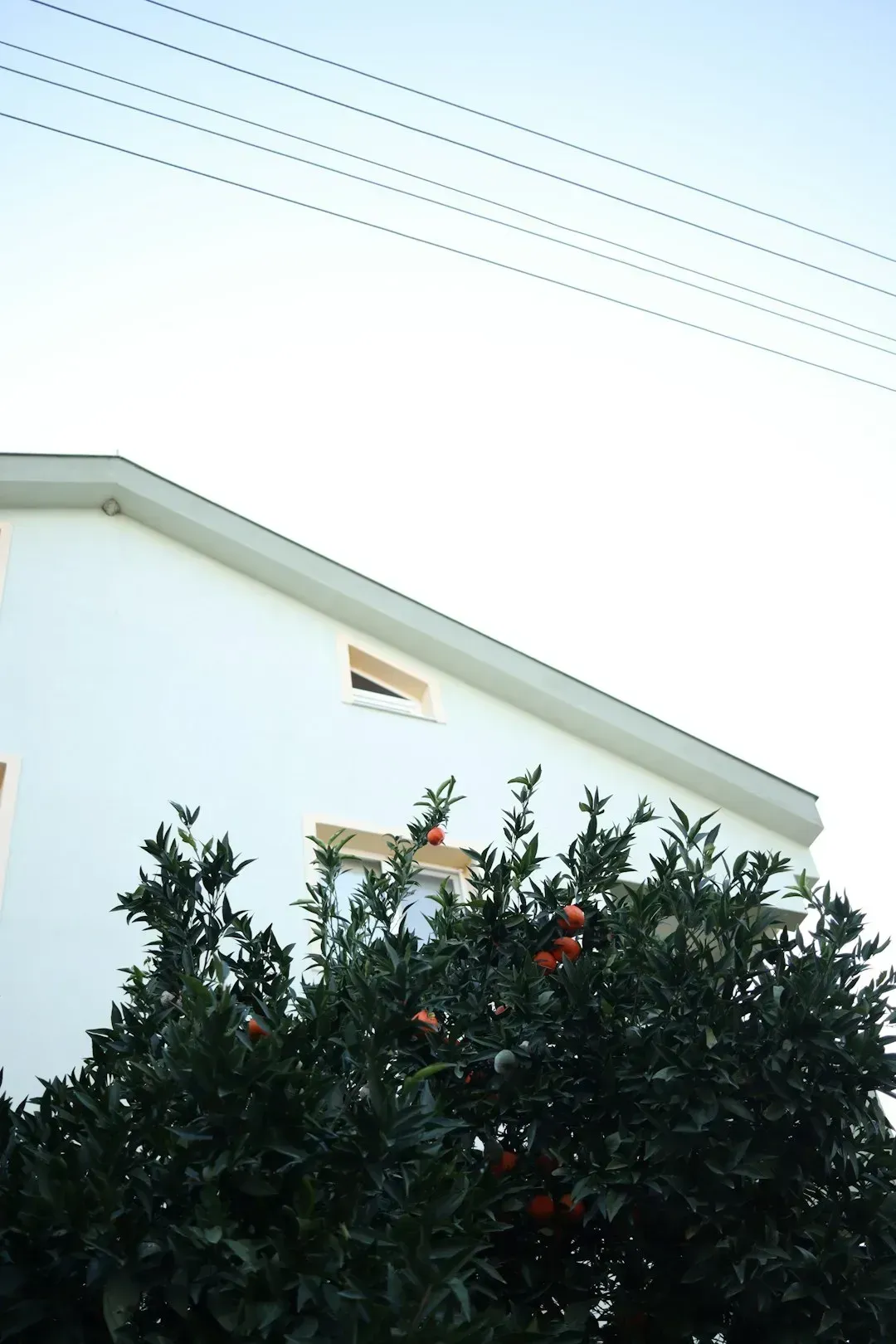
Mature trees add a lot of value to your home, but a poorly placed tree can do the opposite. Trees with invasive root systems planted too close to foundations, driveways, or plumbing lines create expensive problems that scare away buyers.
Trees with branches that hang over the top of the home present risks of damaging the roof when branches fall, and trees with expansive root systems that are too close to the house can damage the foundation. Consider removing poorly positioned trees before listing your property.
When planting new trees, choose species appropriate for your climate and location. Select varieties that won’t outgrow their space, have manageable root systems, and require reasonable maintenance for long-term success.
Skipping Drainage Solutions
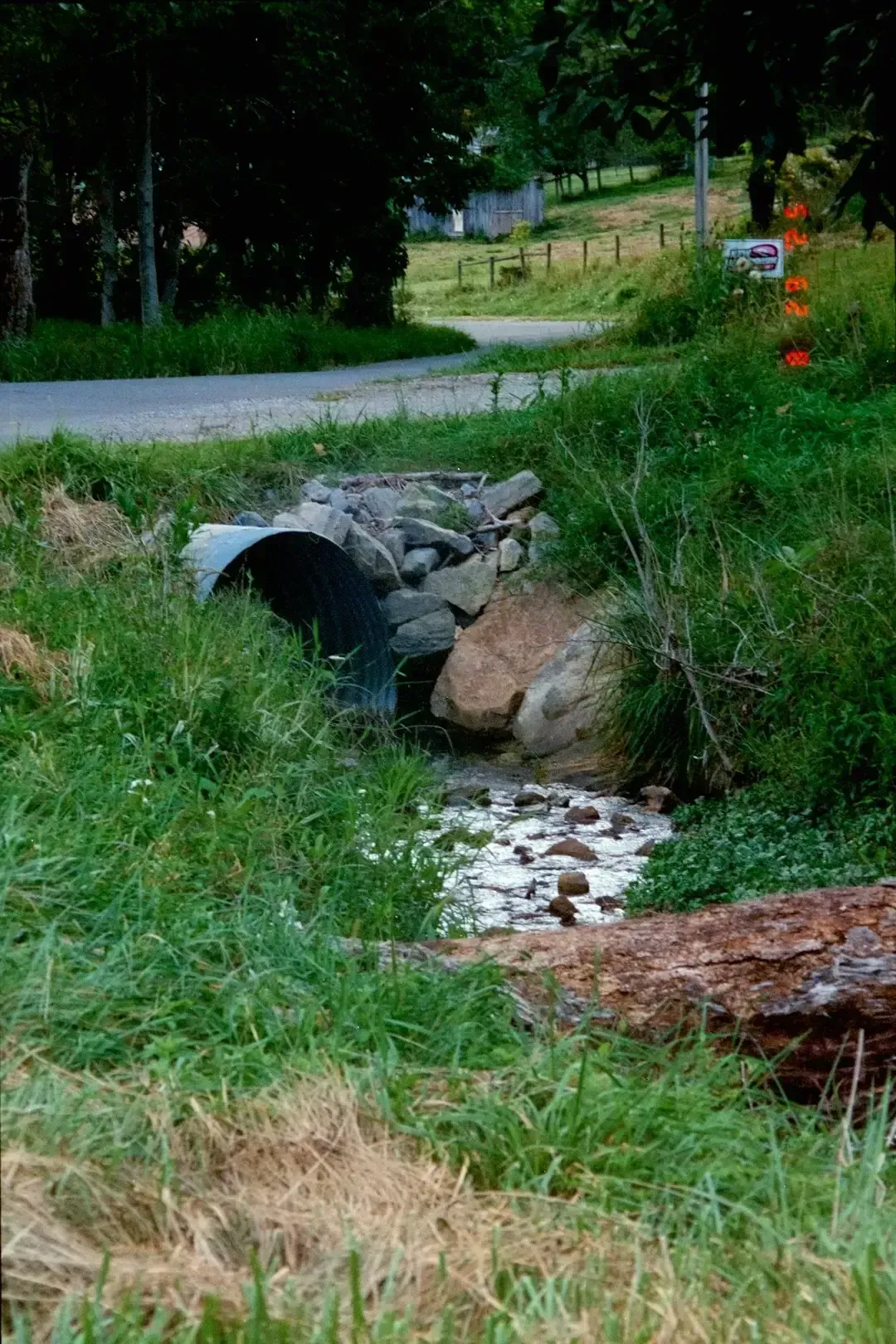
Grade the landscape so water flows away from the home, extend downspouts, and install French drains or swales in problem areas, as a well-drained yard looks healthier and reassures buyers about the property’s condition.
Standing water, soggy patches, or visible erosion tell buyers that expensive drainage work lies ahead. Poor drainage kills plants, damages foundations, and creates breeding grounds for mosquitoes. Poor drainage causes many landscape failures, making this a critical issue to address.
Professional grading that directs water toward appropriate drainage areas prevents multiple problems simultaneously. This investment protects your foundation while making your yard healthier and more attractive to potential purchasers.
Lacking a Cohesive Overall Plan
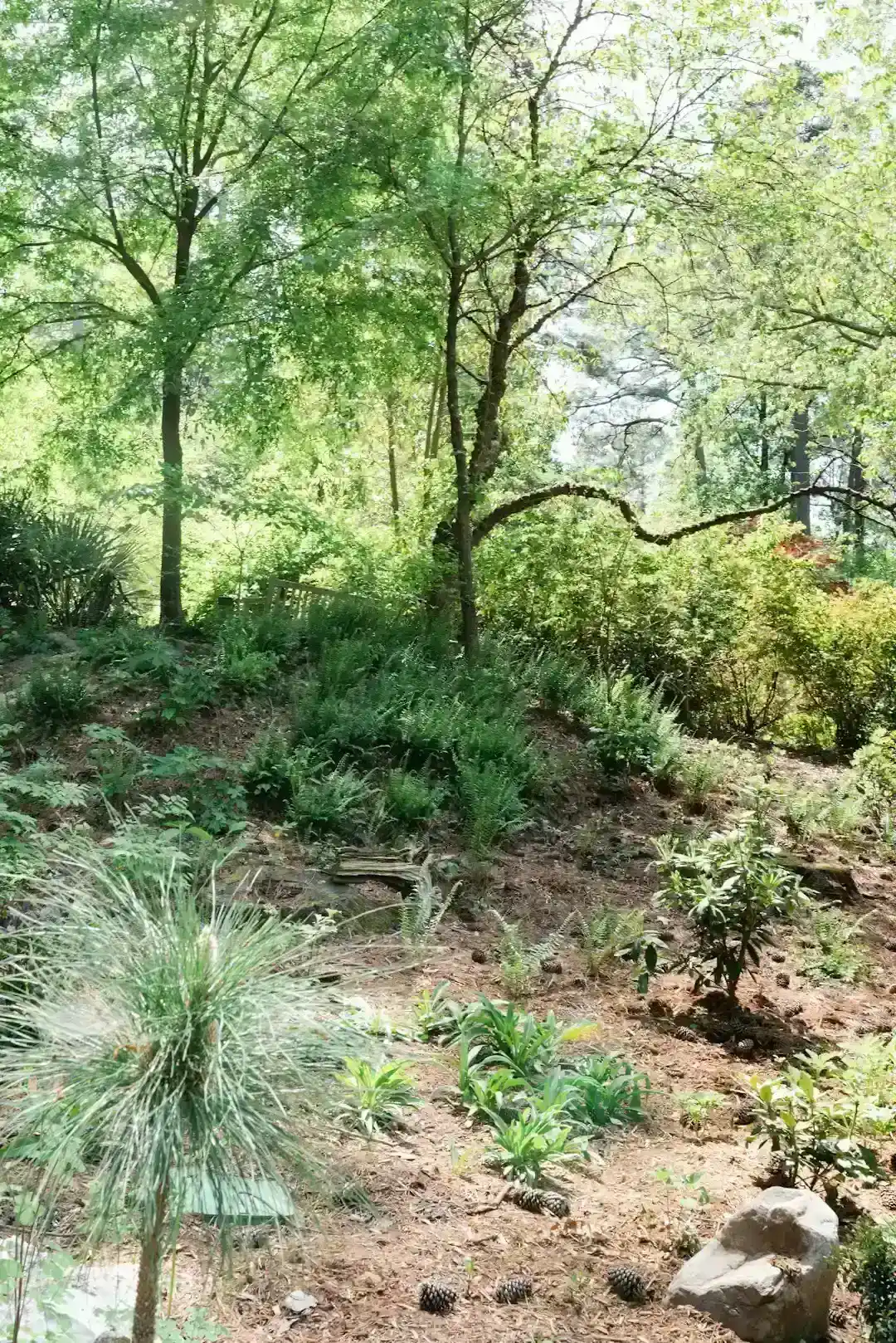
If your approach to landscaping is piecemeal, doing a little here and a little there, your property might be left looking disjointed, and not having a cohesive master plan is the biggest mistake homeowners can make. Random projects completed without an overall vision create visual chaos.
Poor planning, bad material choices, or lack of a cohesive project can all negatively impact home value, according to landscape professionals. A master plan balances size, color, texture, and scale throughout your property.
Master-planned landscapes often cost less than projects completed in random phases, saving money while creating better results. Professional designers create complete plans before installation begins, ensuring every element works together harmoniously rather than competing for attention.
Let’s be honest, your yard is either working for you or against you when it comes to property value. Nearly one in four real estate agents say a home’s value decreases by 10%, while 22% estimate it decreases by 20%, and 18% predict that a home’s value drops by 30% or more if the property lacks appealing landscaping. Those numbers should grab your attention. The good news is that every single one of these mistakes can be fixed with some planning, effort, and strategic investment. Your outdoor space deserves the same attention you’d give to any interior room, maybe even more considering it’s the first thing everyone sees. What changes will you tackle first?