9 Things Chipotle Grillers Aren’t Allowed to Reveal
1. The Exact Portion Sizes Are Strictly Controlled

Employees are required to give one non-heaping spoonful of each food item, and the spoons used are designed with precise circumference and no curve to prevent giving too much. It’s not about being stingy. The company has engineered every aspect of portion control down to the millimeter. If you notice a skimpy scoop, you can usually bring it to the employee’s attention and get a little more free of charge. Workers face pressure to maintain these standards even during busy hours when customers are lined up out the door.
2. They Can’t Talk About Food Safety Incidents
Confidential information must not be disclosed to anyone outside of Chipotle and should not be discussed with employees who do not have a real need to know this information in order to do their jobs. This restriction extends to any workplace incidents that might raise eyebrows. Some workers have reported instances including undercooked chicken being served because grill cooks weren’t properly trained and chopping boards used for raw meat being flipped over and reused without washing during rushes. The company’s confidentiality policies prevent employees from freely discussing these behind-the-scenes realities with outsiders.
3. The Point System That Determines Your Bill

A rumored point system claims expensive items like avocados, meats, and cheese count as two points each, while fillers like lettuce and rice are rated as one point. Some workers discuss this rumored structure. A three-point meal might consist of a bowl with rice, beans and tomatoes. Employees aren’t supposed to openly advertise this hack to customers even though it could save them money.
4. Social Media Posts Are Heavily Restricted

Chipotle maintained a Social Media Code of Conduct that included language prohibiting the spread of incomplete, confidential, or inaccurate information and making disparaging, false, or misleading statements about Chipotle. The Board found that terms like confidential and disparaging were not defined and could be construed to include statements protected by law, and the prohibition on making false or misleading statements was overly broad. Employees learned the hard way that even seemingly innocent tweets about work conditions could land them in hot water with management.
5. Managers Get Bonuses for Cutting Labor Costs

Managerial pay incentives have been reported to pressure staff in ways that may cut food safety corners as managers can earn bonuses by meeting performance goals that include reducing labor. This creates an uncomfortable dynamic that grill workers aren’t supposed to mention. When management pushes for faster service with fewer staff, the pressure trickles down to line workers who must choose between speed and safety. Honestly, it’s a system that puts financial incentives above everything else.
6. The Wellness Checks Aren’t Always Thorough
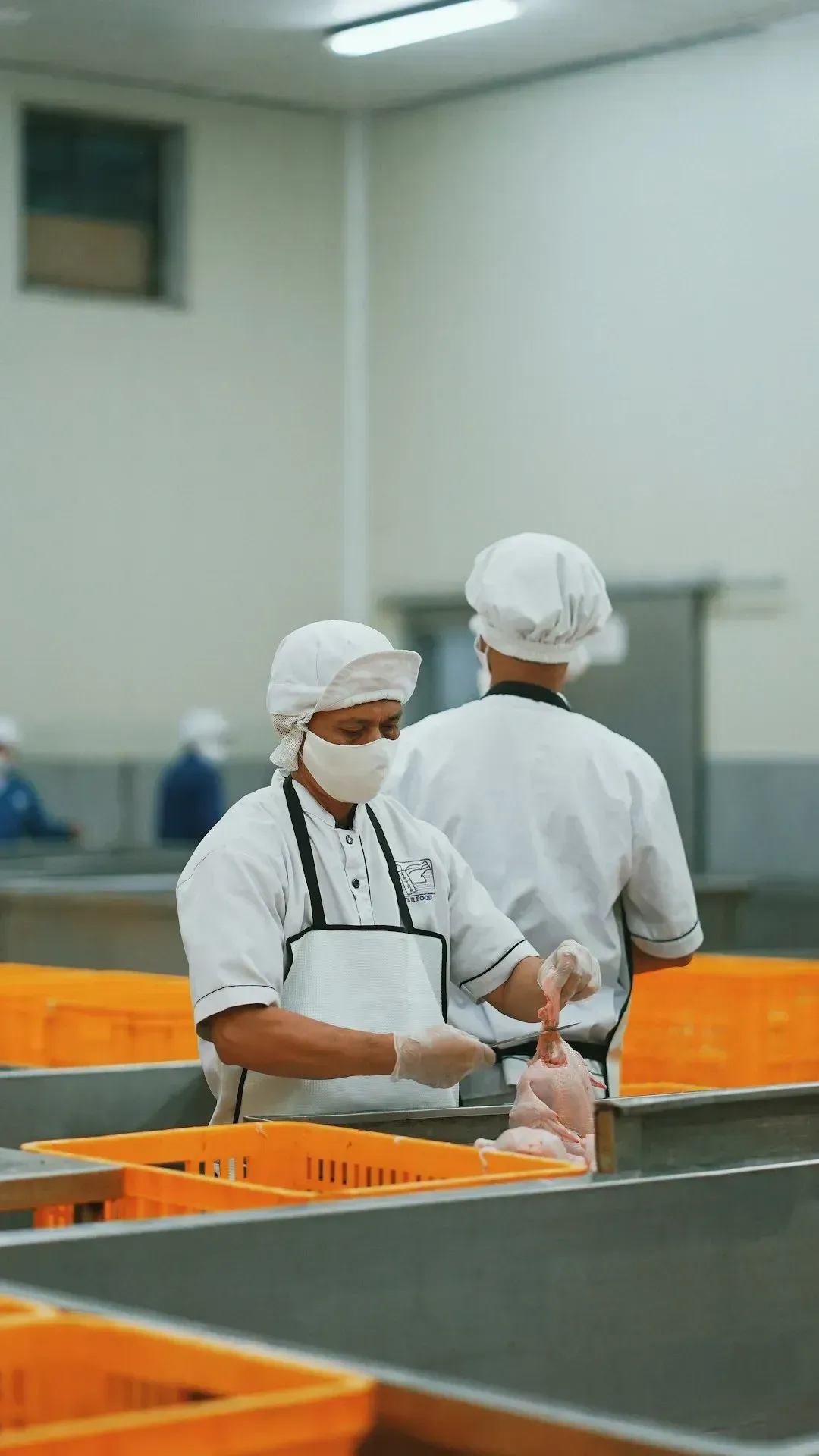
It is company policy that the Food Safety Leader conducts a Chipotle Wellness Check with each team member immediately after they clock in, and the policy requires documentation that each employee has stated they are healthy to work and free of symptoms such as vomiting, diarrhea, and nausea. Yet workers have been pressured to work so fast that during rushes they had no time to wash their hands for hours on end. The gap between official policy and daily reality remains something employees can’t freely discuss with the public.
7. Secret Menu Items Slow Down Service Significantly
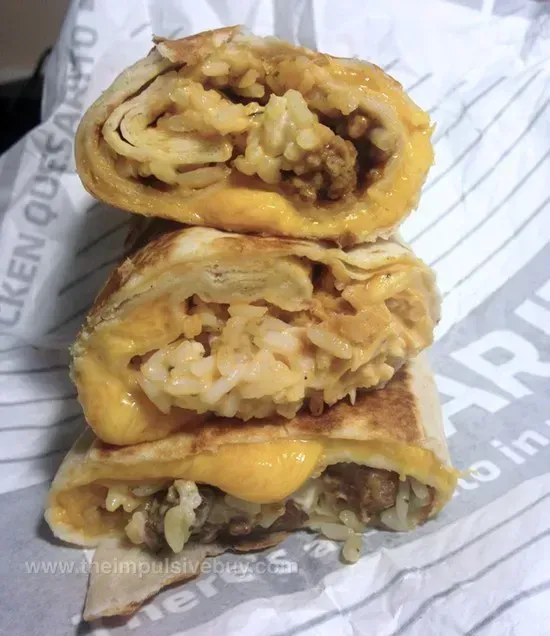
Making a queserito during the lunch rush is every Chipotle employee’s worst nightmare because it’s a pain to make and involves rolling hot quesadilla cheese that burns. The items bog down the line in an already faulty system, requiring a relatively large amount of time to prepare, and ordering one during a rush takes a worker away from the line that could be utilized elsewhere. Workers aren’t supposed to discourage these orders outright, even though they create chaos behind the counter.
8. Jewelry and Accessories Are Completely Banned in Prep Areas

To comply with Local and Federal Food Code guidelines and minimize the risk of foreign material contamination, jewelry and accessories are strictly prohibited in all areas where food is prepared, processed, or exposed. No jewelry including rings, bracelets, necklaces, or watches is allowed with the exception of a plain wedding band. Fake eyelashes are prohibited if they appear visibly loose and present a risk of contamination. These strict rules exist for good reason, yet they’re rarely mentioned in customer-facing communications.
9. Training Burritos All Go Straight to the Trash
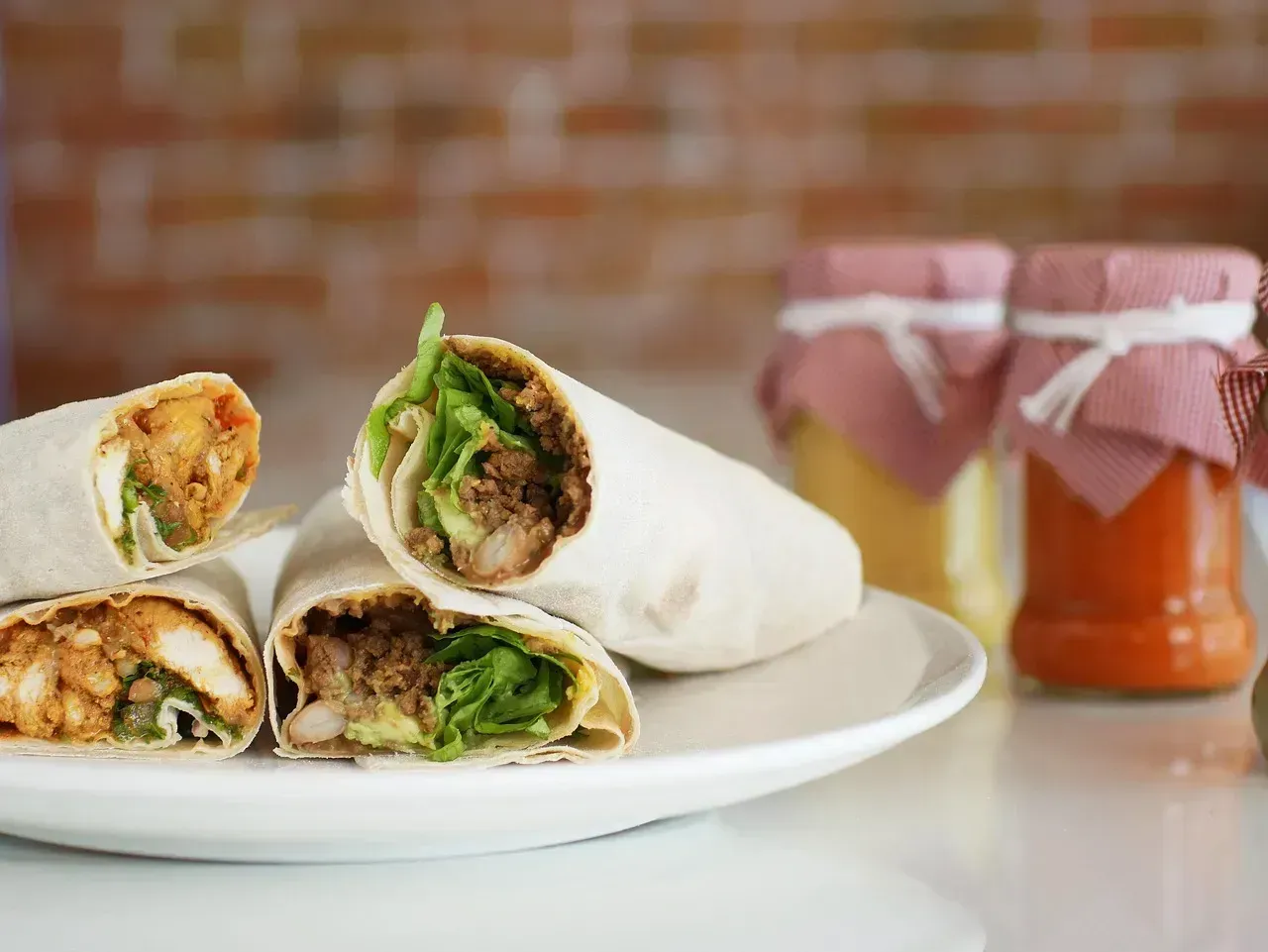
Whenever the chain opens a new store, they train burrito assemblers for a whole day where the entire crew practices rolling burritos, and those burritos are prepared and handed down the line to a giant trash can. It’s a shocking amount of food waste that workers witness firsthand. The company doesn’t advertise this practice to customers who might question the environmental impact. For a brand that prides itself on sustainability and ethical practices, this behind-the-scenes reality presents an uncomfortable contradiction that employees are expected to keep quiet about.