Waiters Can Tell These 10 Things About You When You Open the Menu
Ever wonder what’s really going through your server’s mind when you settle into your seat and reach for that menu? Turns out, they’re reading you like a book before you’ve even scanned the appetizers. From your body language to the way you hold your phone, experienced waitstaff are making lightning-fast judgments that will shape your entire dining experience.
Let’s be real, this isn’t about being judged harshly. Servers aren’t judging you in the way you may think – they’re simply trying to figure out who you are so they can do their job more effectively. Think of it as a survival skill honed over countless shifts. Within seconds of approaching your table, your waiter has already sized up the situation, anticipating everything from how long you’ll stay to whether you’ll be high-maintenance or a total breeze. Some of these observations might surprise you.
Your Body Language Tells the Whole Story
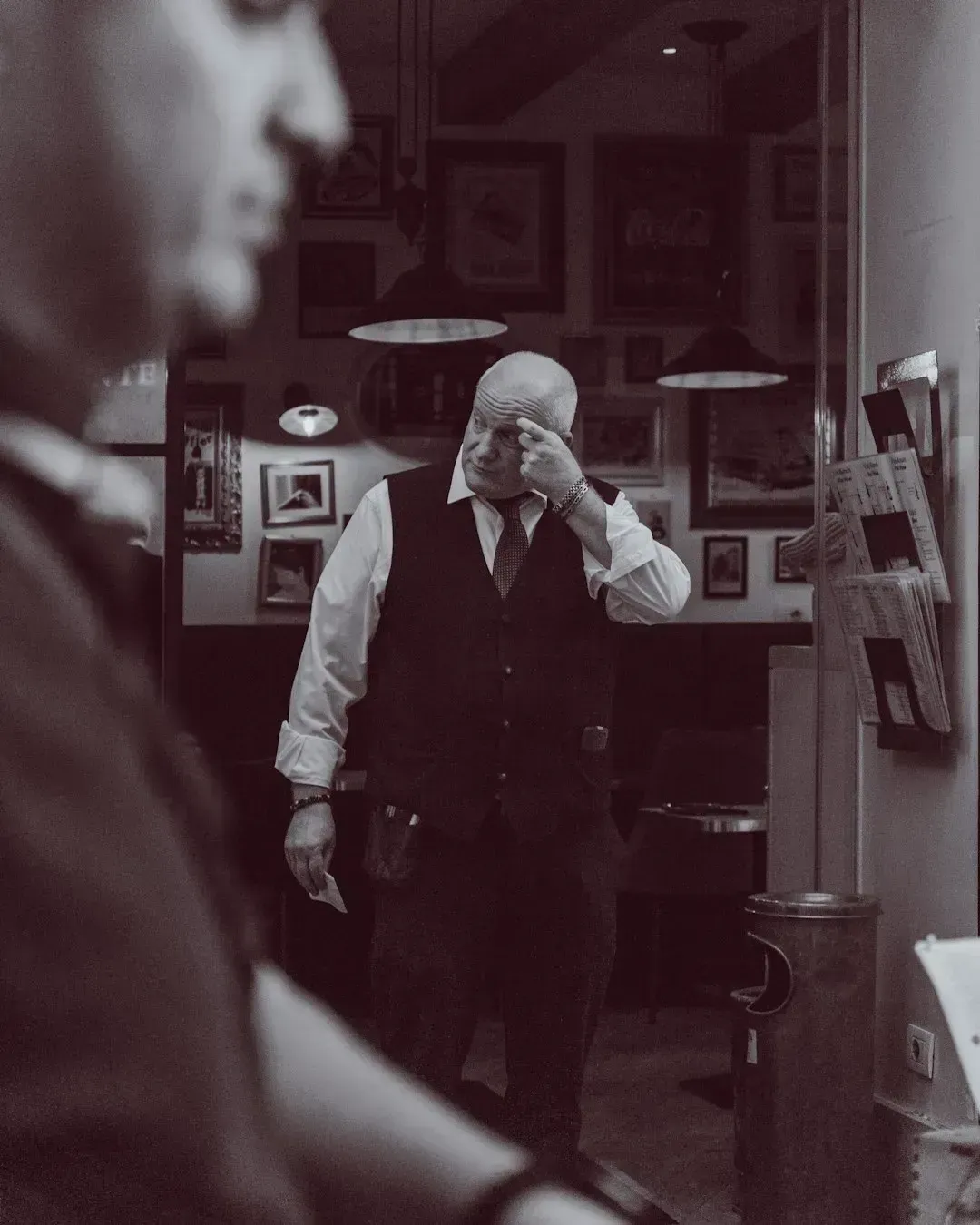
Hospitality professionals notice body language first, and honestly, it makes total sense when you think about it. The moment you sit down, your posture speaks volumes. Crossed arms and minimal eye contact often signal an already frustrated diner, requiring extra attention and care. Meanwhile, relaxed shoulders and open gestures typically indicate a more easygoing guest. Your server isn’t playing amateur psychologist for fun. They’re quickly gauging whether you’re in the mood for friendly banter or prefer to be left alone with minimal interruptions. Are your shoulders hunched? Do you avoid their gaze? These cues help them calibrate their entire approach before a single word is exchanged.
How You Treat Eye Contact Reveals Your Personality
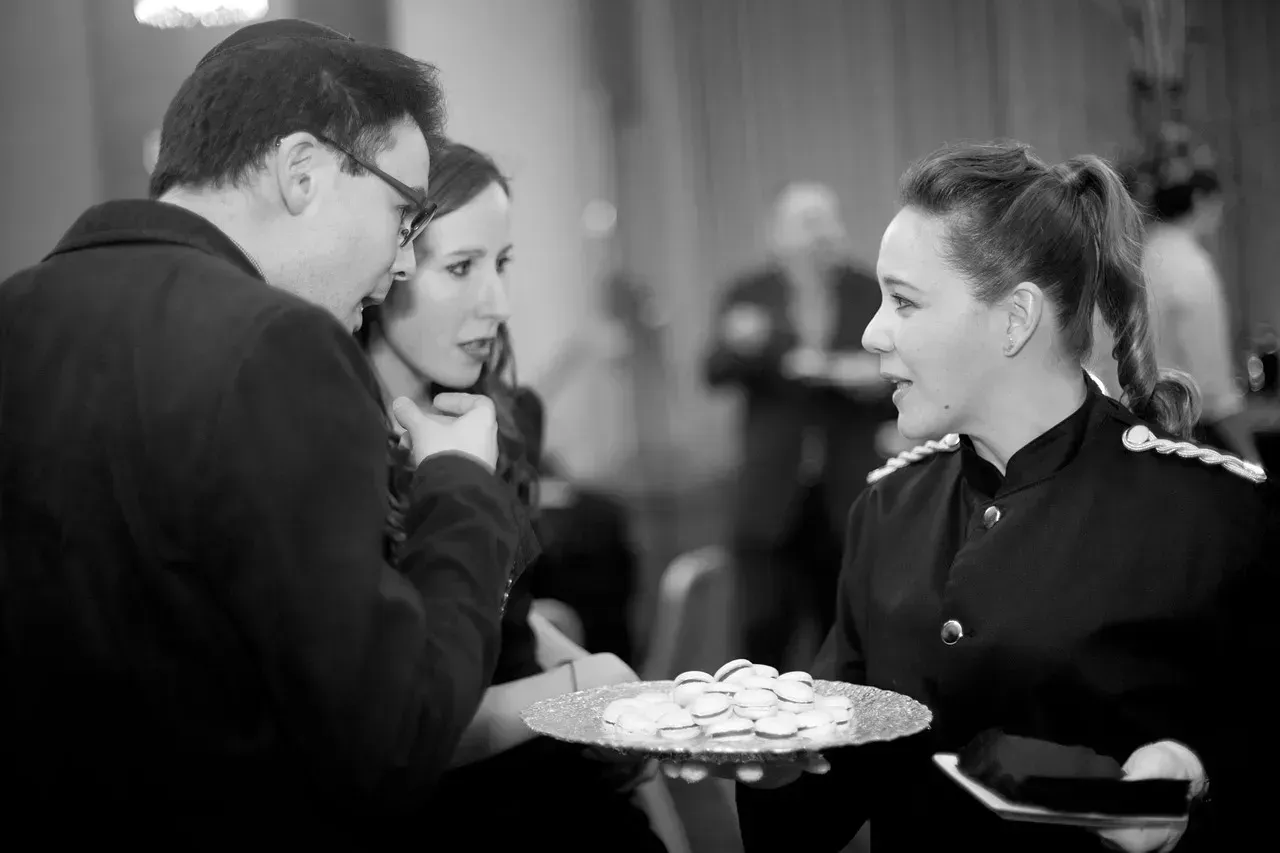
Making eye contact might seem like a small thing, yet servers remember it vividly. The biggest indicator that someone was going to be friendly, or at least nice, is eye contact, according to a former server with roughly 25 years of experience. Do you look up and smile when they approach, or do you stay glued to your phone screen? That split-second interaction sets the tone for everything that follows. Eye contact signals interest and makes diners feel comfortable. Servers also use this information to determine how much conversation you want. Some guests crave recommendations and small talk, while others just want efficiency and silence. Reading your eyes helps them get it right.
Who’s Really in Charge at Your Table
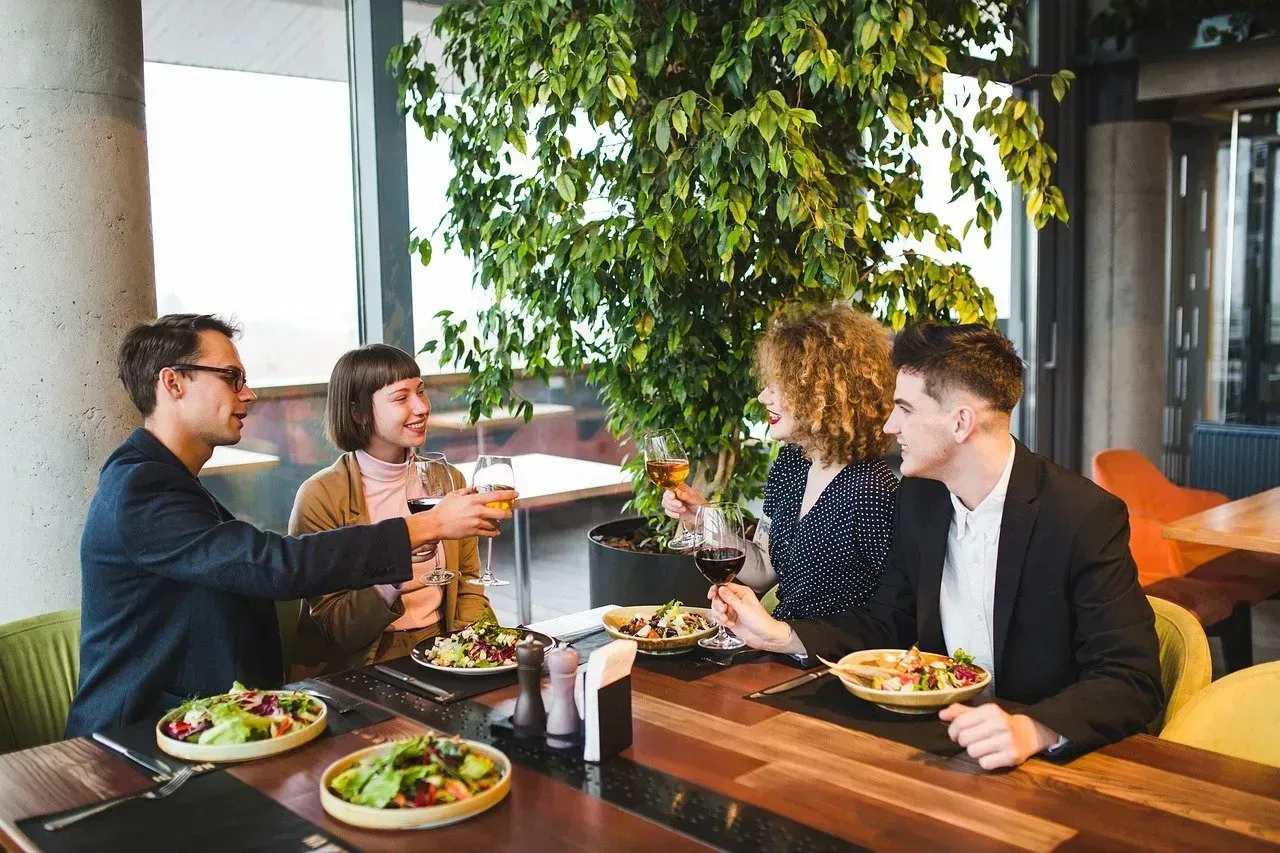
Within moments, servers figure out who’s calling the shots. Who’s holding the menu longest? Who’s asking all the questions? This isn’t about power dynamics in some weird way. It’s practical. Identifying the decision-maker helps servers know where to direct their attention without offending anyone. Maybe one person dominates the conversation and orders for everyone. Maybe someone else quietly defers but clearly holds influence. Smart servers pick up on these dynamics fast and adjust their focus accordingly, ensuring the experience flows smoothly for the whole group.
The Vibe of Your Dining Occasion
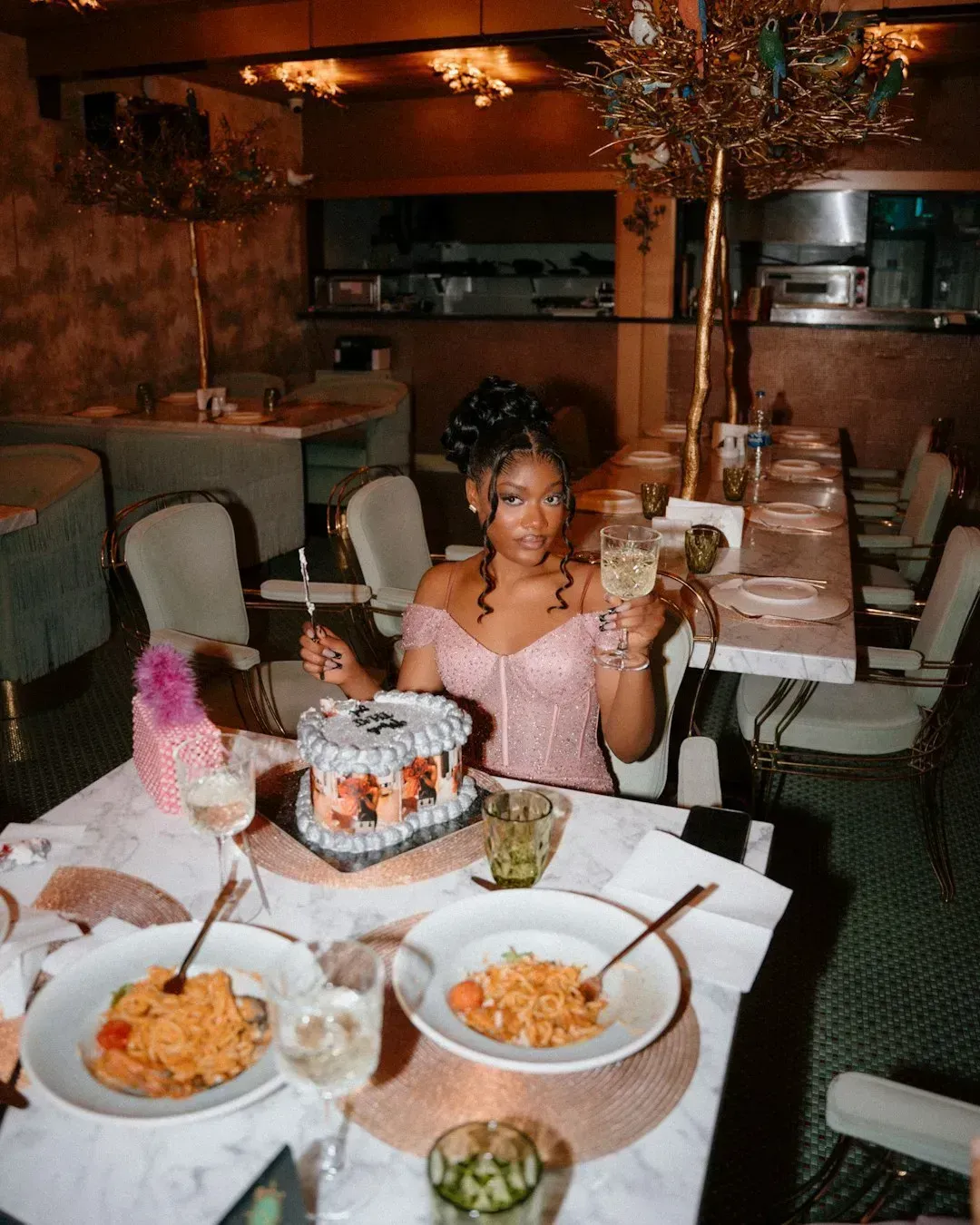
When you sit down at your table, servers usually notice who you are dining with, explained one server with about six years of experience. Are you on a first date? A business lunch? Family celebration? First dates, especially blind Internet dates, are great for tips. You know he’ll probably order a bottle of wine and leave a 20 to 25 percent tip because he’s showing off. Servers aren’t eavesdropping to be nosy. They’re figuring out the pace and service style you’ll appreciate. Solo diners might want quick, unobtrusive service. Couples on dates prefer a slower, more intimate rhythm. Large groups need different attention than a quiet dinner for two.
Whether You’re a Regular or a First-Timer
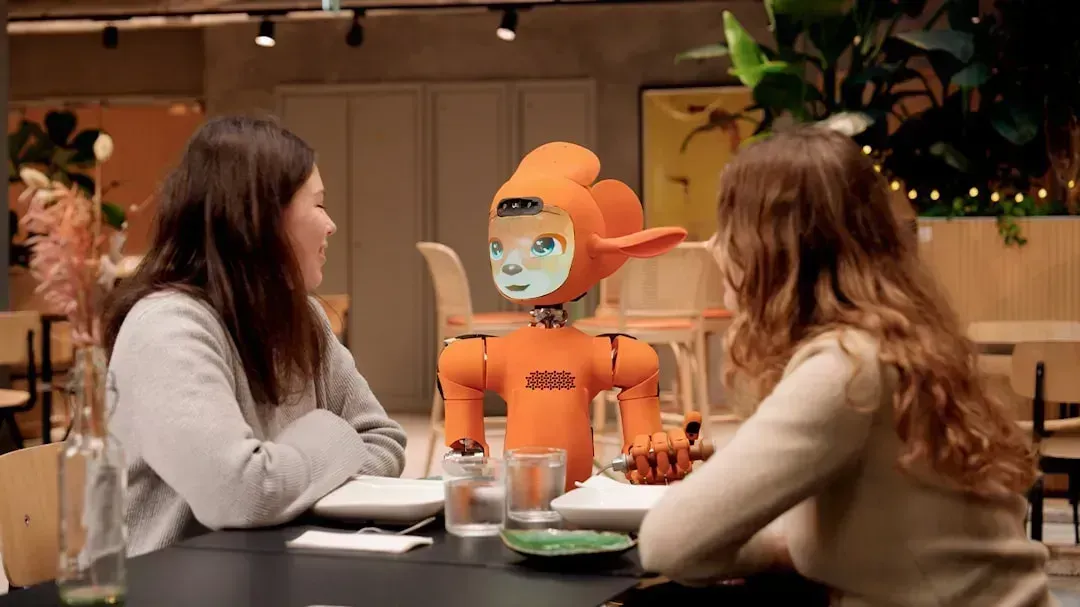
Here’s something most people don’t realize: Servers have incredibly long memories, especially when it comes to standout guests. Whether you’re memorable for good reasons or bad ones, you’re getting filed away in their mental database. Walk into that same restaurant six months later, and your server might not consciously remember your face, but they’ll get a gut feeling about how your service should go. This works both ways. The customer who tipped generously on a difficult night gets remembered just as clearly as the person who snapped fingers for attention. Restaurants aren’t just about one-time transactions anymore. Repeat business matters, and your reputation can follow you.
Your Menu Reading Patterns Give Clues
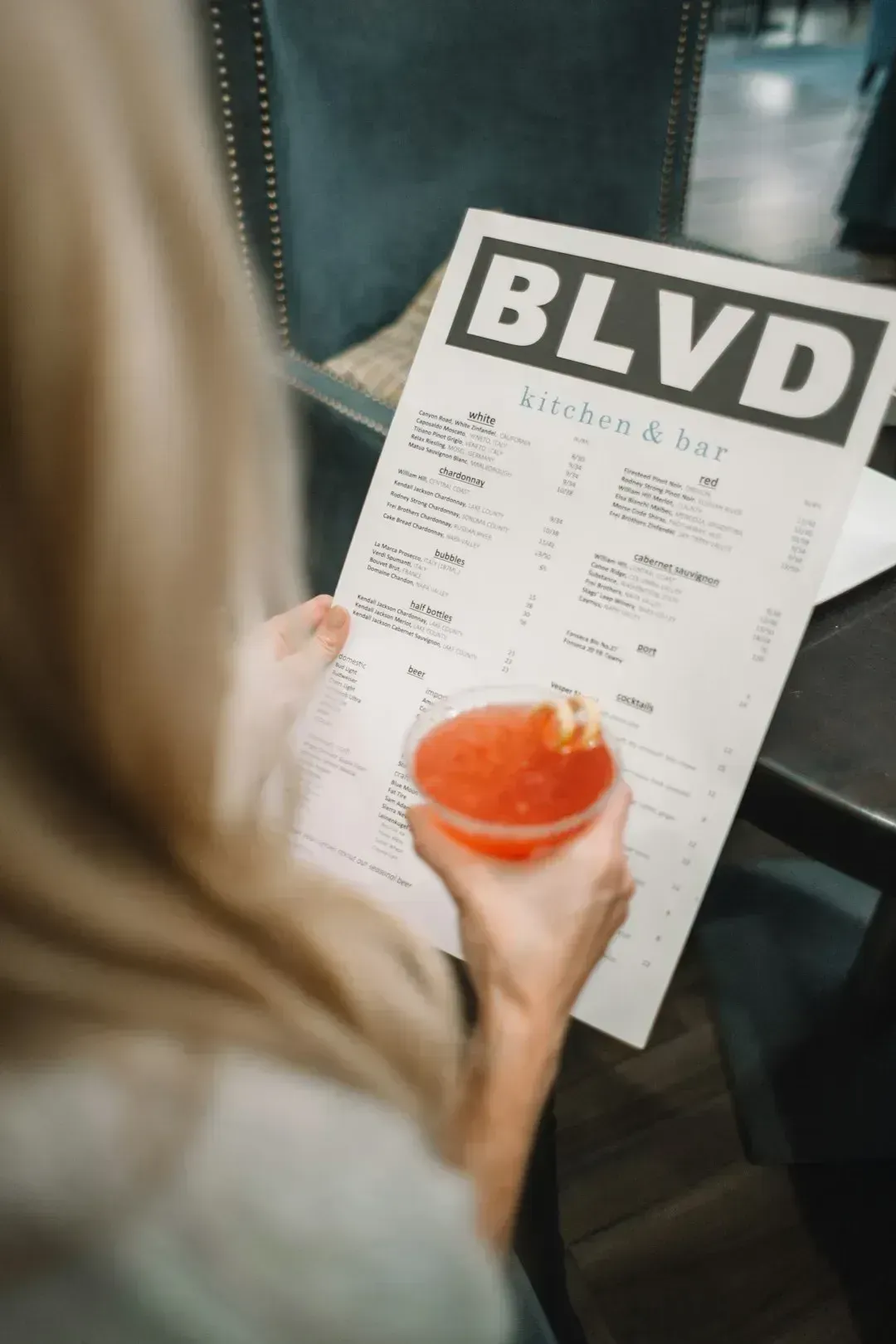
Studies have shown that people generally read menus in a ‘Z’ pattern. Placing high-profit items in these strategic spots can boost sales of specific dishes. Servers notice how you scan the menu. Do you flip straight to the prices? Linger over descriptions? Ask about specials immediately? These behaviors signal whether you’re budget-conscious, adventurous, or completely overwhelmed by choice. The paradox of choice is particularly relevant in the restaurant industry. A menu that is too broad can overwhelm customers, leading to decision fatigue, while a limited menu might not cater to diverse tastes. Finding the right balance is key. When you take forever to decide, your server’s already planning how to gently guide you toward a choice.
How You Handle Your Phone and Belongings
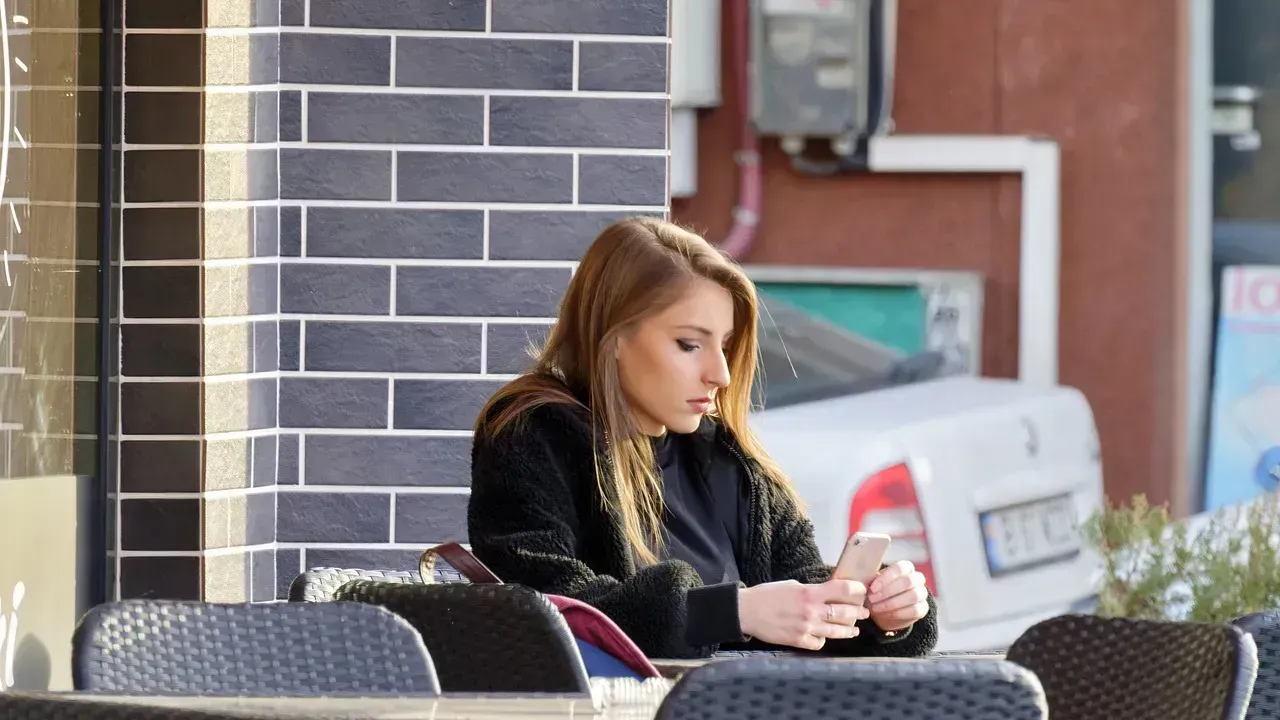
Where you place your phone matters more than you’d think. Is it face-down on the table, clutched in your hand, or tucked away entirely? Everything from the position of your shoulders to where you put your phone reveals important information about who you are, what you want out of the dining experience and how your waiter will interact with you. Someone scrolling constantly signals they’re distracted and might need extra patience when ordering. A phone placed aside suggests you’re present and engaged. Servers notice these subtle distinctions because they affect timing. Approaching a table when someone’s mid-scroll often means repeating themselves, which slows down service for everyone.
Your Politeness Level From the First Hello
Do you make eye contact, smile, and say hello? Or do you barely look up from your phone? Servers remember this. As soon as I walk up to a table, I’m looking for ways to connect with the customers, to relate to them, explains one experienced waiter. Basic courtesy creates a positive feedback loop. Saying please and thank you, showing patience when things get busy, and treating servers like human beings rather than servants makes a huge difference. Rudeness, however subtle, gets noticed immediately and can affect everything from service speed to the server’s willingness to go the extra mile with special requests. It’s not rocket science – kindness tends to breed better service.
If You Have Kids and How You Manage Them
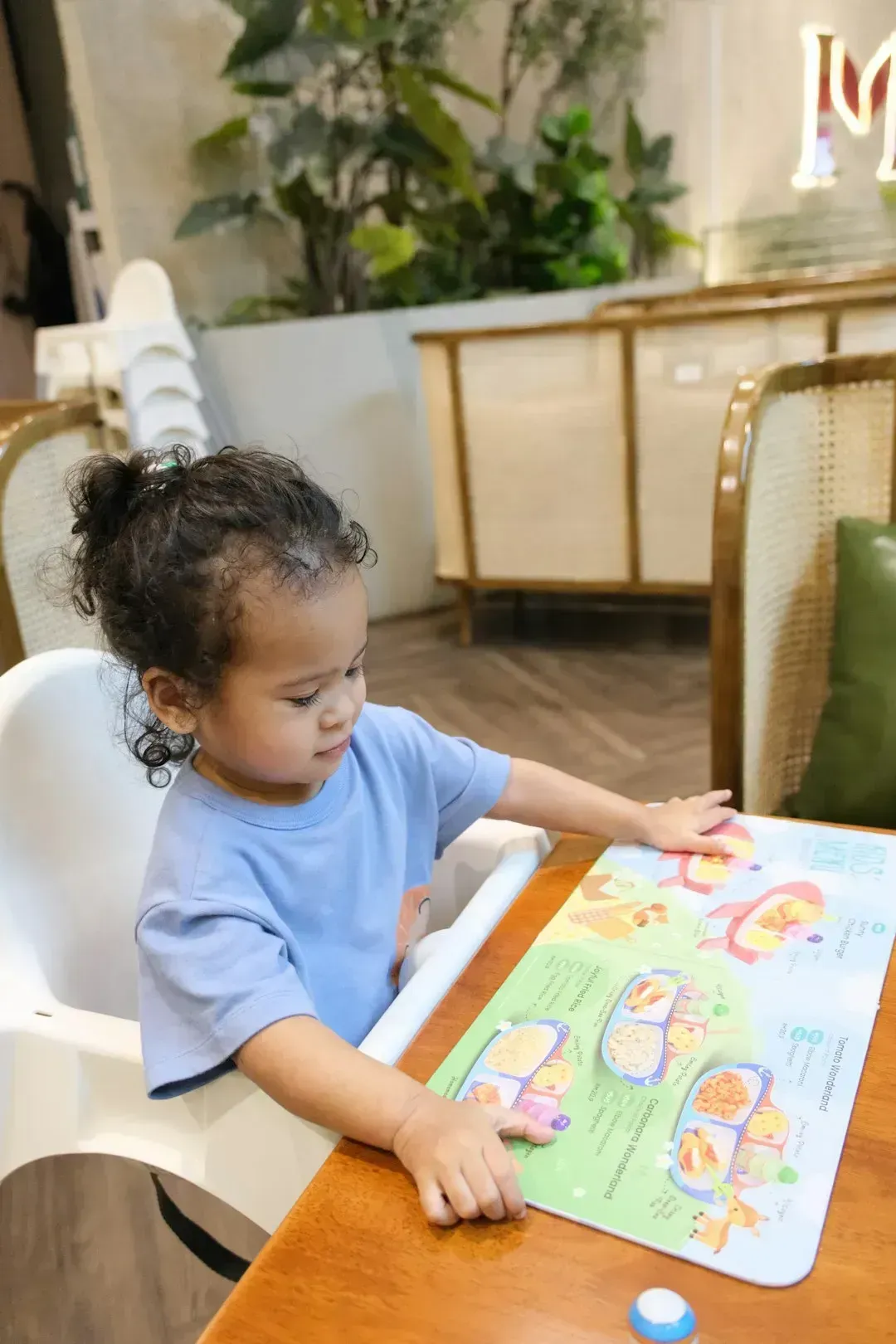
Tables with kids get special scrutiny, but not in a negative way. Observant servers watch how parents interact with their children, and they adjust accordingly. Are the kids well-behaved and occupied, or running wild around the restaurant? Do parents order for shy children quickly, or let them struggle through their choices during a rush? You don’t know how lax the parents are in terms of keeping the kid in their seats or letting them run around the restaurant, or how dirty underneath the table is going to be. This observation isn’t about judgment. It’s about preparation. Servers know which tables will need crayons, faster service, or extra napkins before chaos erupts.
Your Likely Tipping Habits
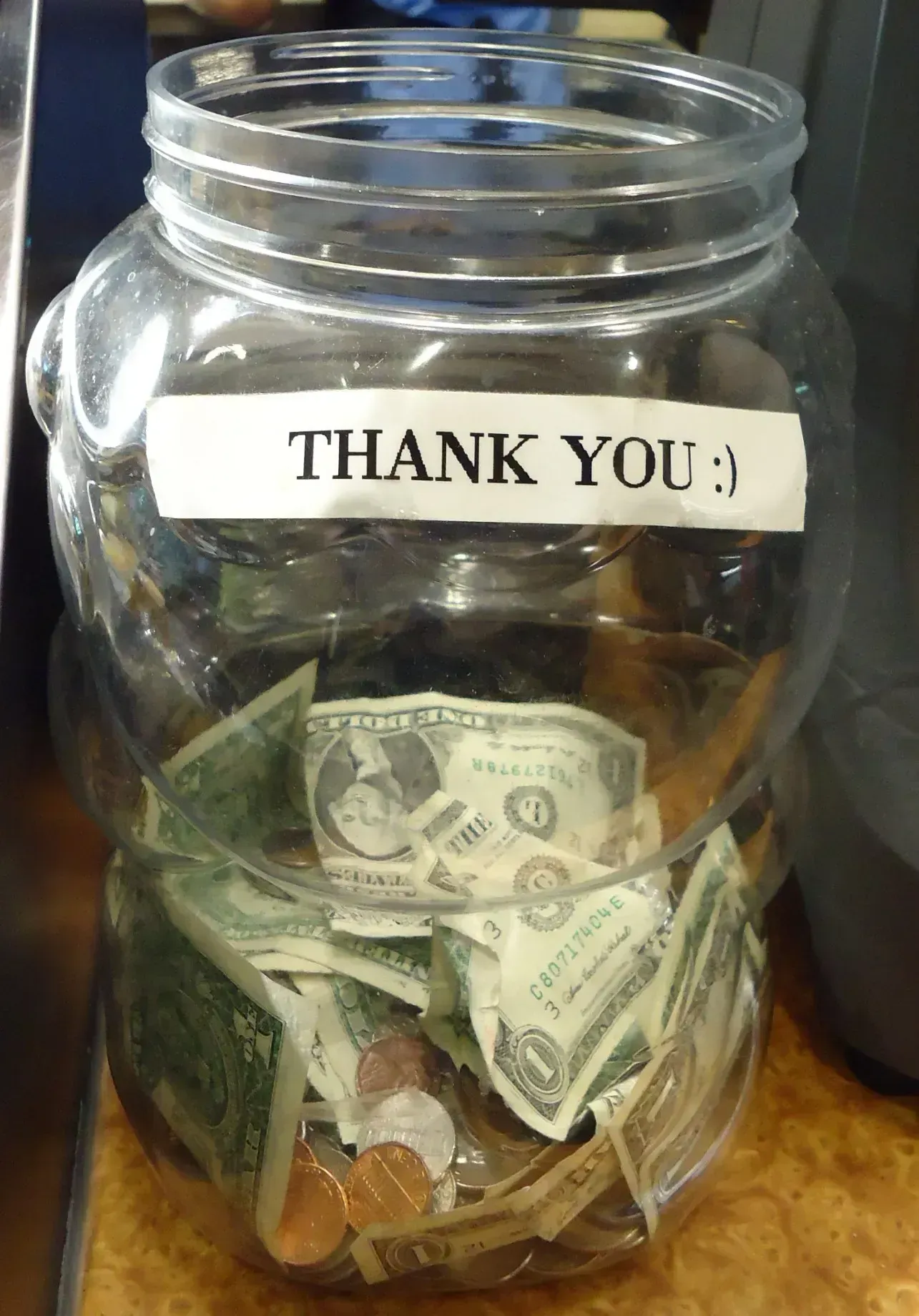
Let’s cut to the chase. Servers are trying to gauge tipping potential, though they’ll tell you it’s nearly impossible to predict accurately. Nationally, the average tip percentage in full-service restaurants was 19.8% in 2024. Despite stereotypes, it’s hard to tell who’ll tip well just by looking. The best tippers tend to be middle-class or people who have worked for everything they have, not the really wealthy or the kid who inherited the trust fund. Still, servers pick up on hints. Someone asking detailed questions, being polite, and engaging positively often tips better. Someone who’s demanding, impatient, or rude? Probably not so generous. Tips make up about 58.5% of a Waiter/Server’s earnings, on average. So yeah, they’re paying attention because their livelihood depends on it.
Next time you sit down at a restaurant, remember that your server is making dozens of micro-observations within seconds of your arrival. Personal aspects of service affect customer satisfaction more than functional ones. It’s a two-way street. The better you understand what servers notice, the better you can communicate what kind of experience you want. Did any of these surprise you? What do you think servers notice most about you?