5 Poorest Countries That Still Attract Major Tourism
Cambodia: Ancient Temples Amid One of Asia’s Lowest Incomes
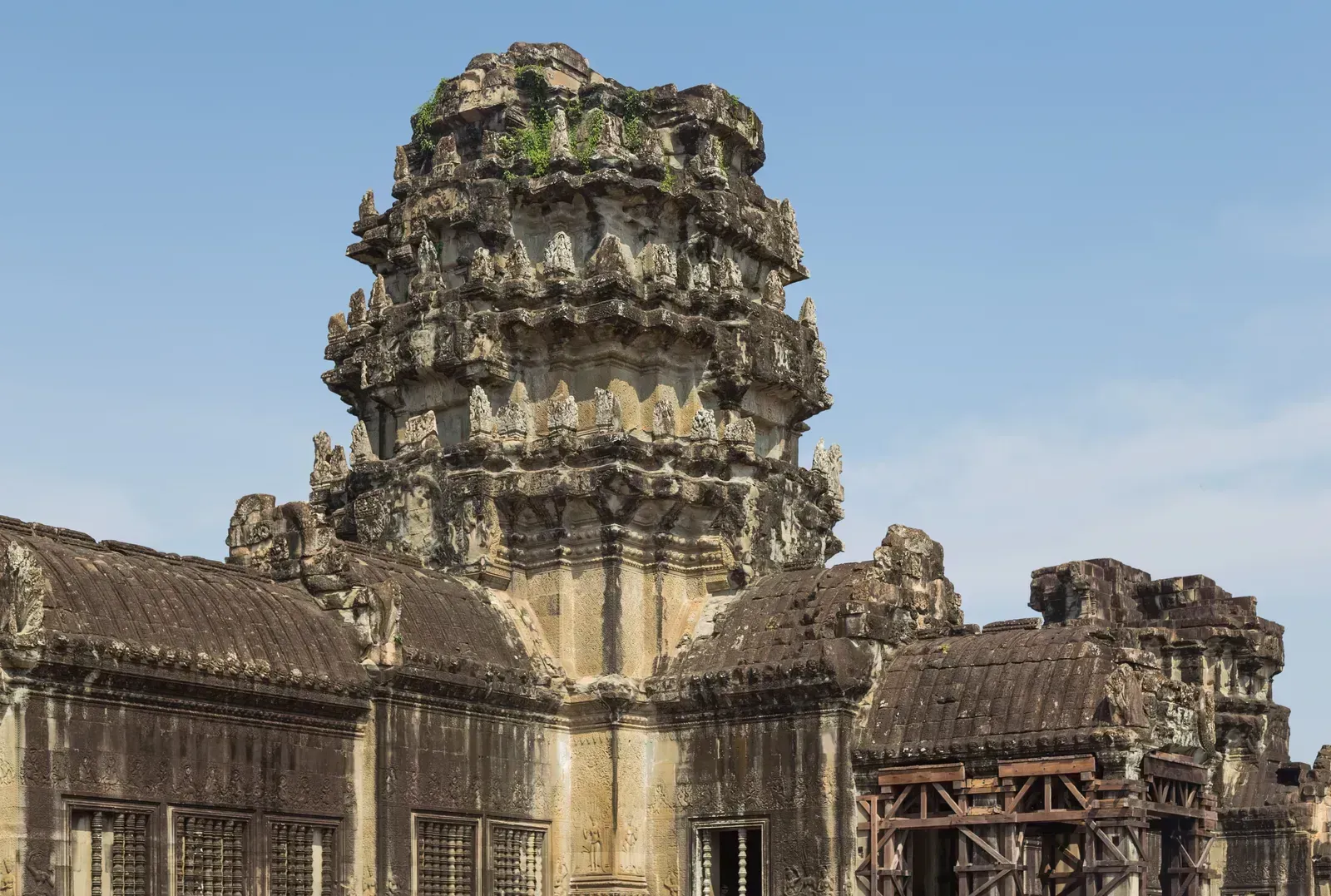
Cambodia sits near the bottom of Asia’s income rankings, with recent IMF estimates putting its GDP per person in purchasing power terms at only a few thousand dollars above the very poorest states in the region. Yet its tourism numbers look more like those of a middle‑income hub than a struggling economy, because people keep pouring in to see Angkor’s temples, Phnom Penh’s riverfront, and its islands. In 2024, Cambodia welcomed about 6.7 million international visitors, slightly higher than its pre‑pandemic record of 6.6 million in 2019, and tourism brought in well over three billion dollars that year according to the country’s tourism ministry and local business media. That means a country where typical people still earn relatively little is hosting crowds that rival famous destinations like Greece or Portugal.
Nepal: Low Incomes, High Mountains, And A Tourism Comeback
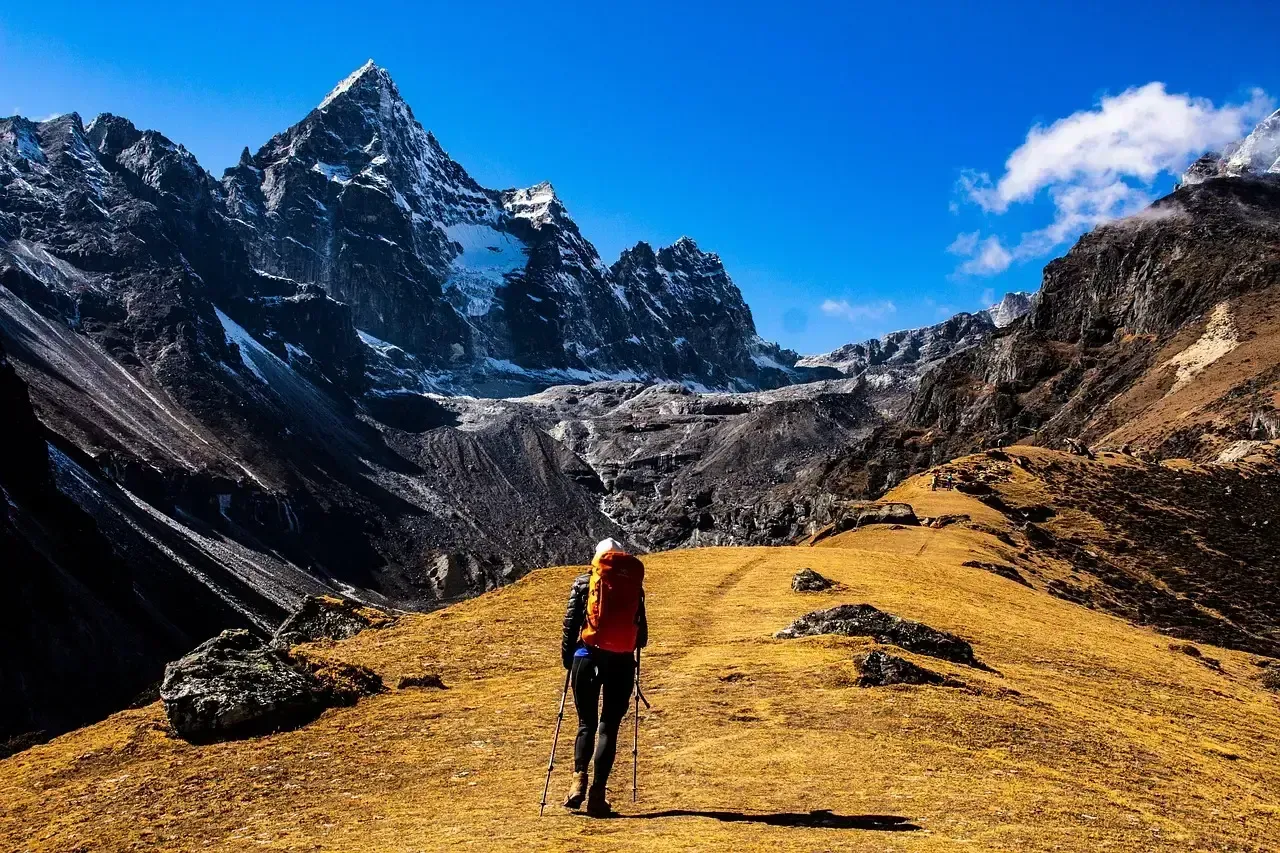
Nepal regularly appears on lists of Asia’s poorest countries, with IMF data showing GDP per person (adjusted for purchasing power) of only a few thousand dollars, well below the global average. At the same time, the country holds some of the world’s most expensive dreams: trekking to Everest Base Camp, watching sunrise over Annapurna, or wandering through old royal squares in Kathmandu Valley. After tourism collapsed during the 2020 pandemic, arrivals have surged back; Nepal’s own tourism board reported just over one million international visitors in 2023, and more than 1.14 million in 2024, putting it close to its 2019 record. For a country where many families depend on remittances and subsistence farming, that steady flow of trekkers and cultural tourists has become a crucial lifeline, showing how a low‑income state can turn natural beauty into a surprisingly powerful economic engine.
Tanzania: Wildlife Safaris In A Lower-Income Economy
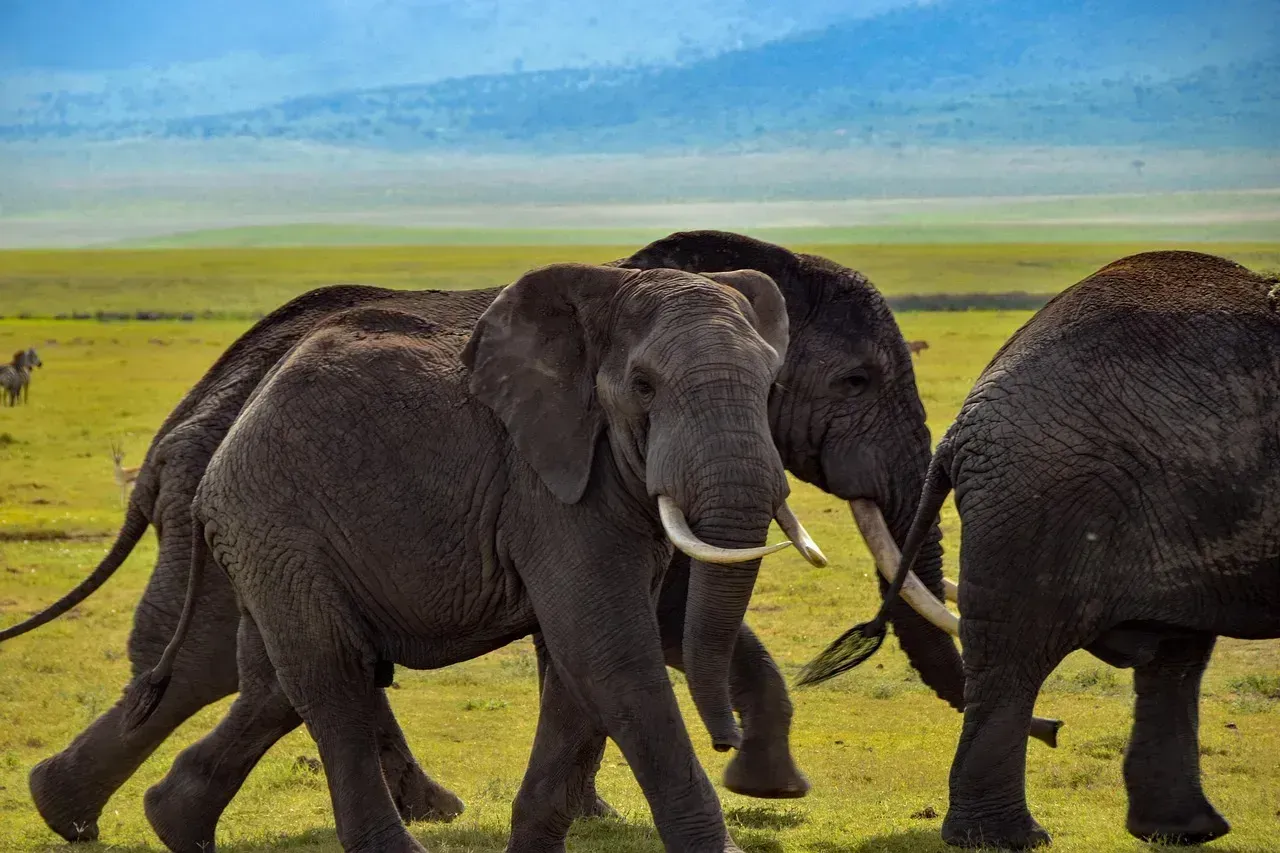
Tanzania is often grouped among Africa’s poorer economies when ranked by income per person, even though its overall GDP has grown in recent years. Rural poverty remains stubborn, and many communities still lack reliable access to services that visitors from richer countries take for granted. Despite that, Tanzania’s tourism sector is a heavyweight: the country drew more than two million international tourists in 2024 according to official figures referenced in recent travel and news reports, helped by world‑famous parks like Serengeti and Ngorongoro and the beaches of Zanzibar. Even with the United States raising its travel advisory to a stricter “reconsider travel” level in late 2025 because of security and rights concerns, demand for safaris and coastal holidays has stayed strong, underlining how powerful the pull of wildlife and nature can be in a country where average citizens still live on relatively low incomes.
Madagascar: Extreme Poverty And Rare Nature Side By Side
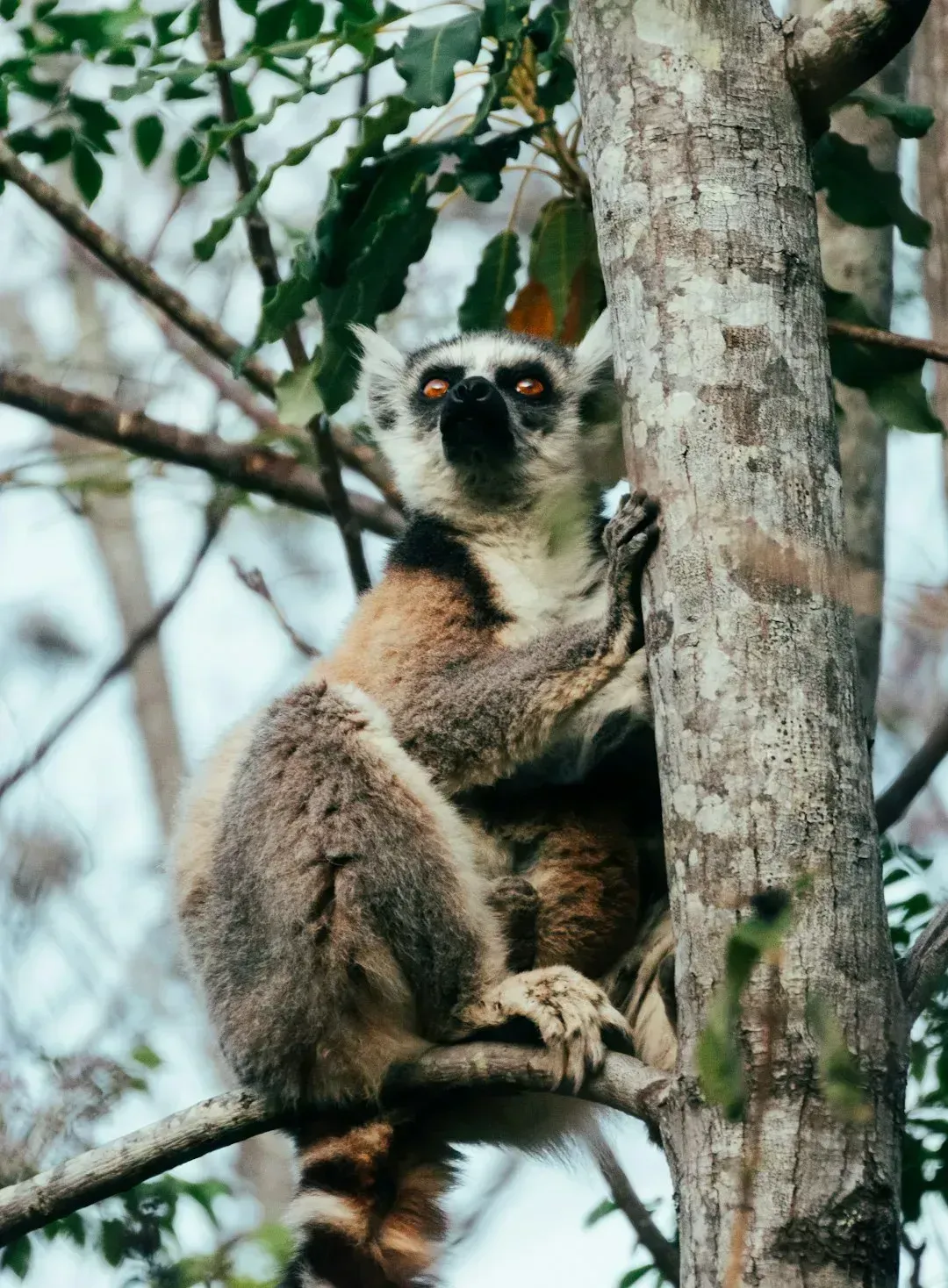
Madagascar usually appears in global rankings of the world’s poorest nations, with the World Bank and other institutions describing it as a low‑income country where a very large share of people live below national and international poverty lines. Infrastructure outside a few main cities is weak, and economic shocks and political instability have made life even harder for ordinary families over the past decade. Yet travelers with a taste for adventure keep flying in, mainly from Europe and other African states, to see its lemurs, baobab avenues, and other species and landscapes that exist nowhere else on Earth. Recent government and international tourism data show that the island has been steadily rebuilding arrivals since the 2020 pandemic lull, counting several hundred thousand visitors a year, which is a big number for such a remote and poor country and makes tourism one of its few sectors with real foreign‑currency earning power.
Cambodia’s Peers: Other Poor Countries Turning Beauty Into Visitors
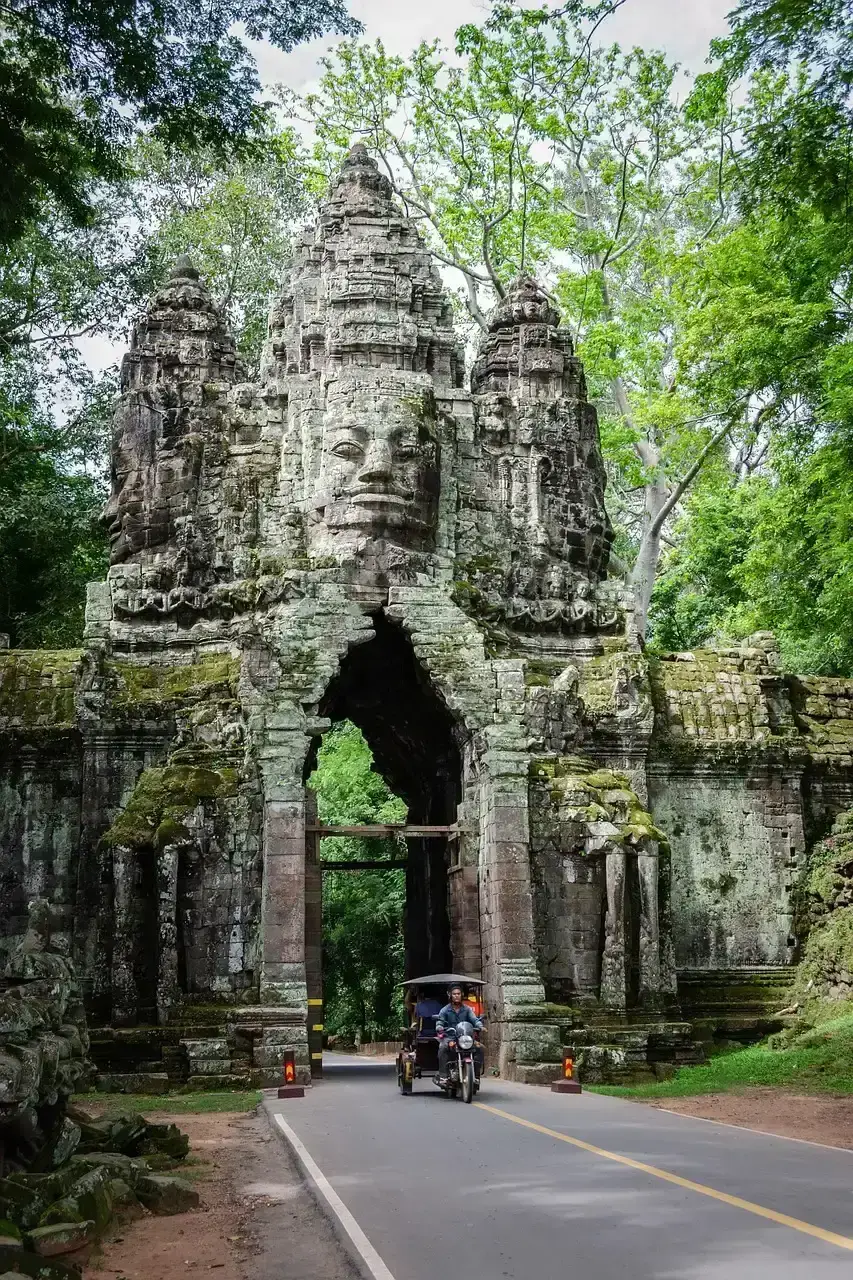
When you zoom out beyond a single destination, a pattern starts to show up in the data. Recent analyses of the poorest Asian countries by GDP per person list Nepal and Cambodia alongside other low‑income states such as Afghanistan, Yemen, and Tajikistan, yet only a few of them consistently receive millions of tourists a year. Cambodia, for example, combines a GDP per person that is still among the lowest in Asia with tourism arrivals above six million and growing, while Nepal mixes one of the region’s lowest income levels with more than one million annual visitors, mostly drawn by trekking and cultural sites. These cases underline how even very poor economies can carve out a strong position in global tourism if they have distinctive attractions and at least basic connectivity, turning natural and cultural assets into one of the few reliable sources of jobs and foreign income they have.