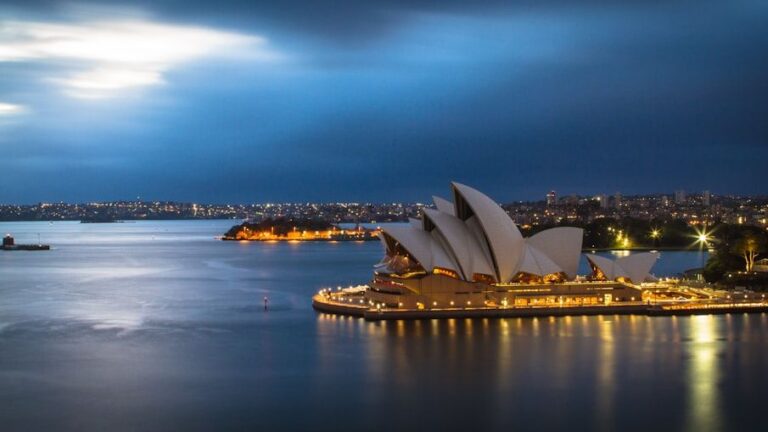
The 8 Most Beautiful Cities in Europe, Ranked
Picture this. Cobblestone streets glowing in golden afternoon light, canals reflecting centuries of history, and architecture so stunning it feels like walking through a living museum. Europe has always been the playground for travelers chasing beauty in its purest form. From Renaissance masterpieces to Gothic cathedrals, from sun drenched Mediterranean coastlines to fairytale squares, this continent delivers visual feats that make your jaw drop and your camera roll overflow.
The question isn’t whether Europe is beautiful. That’s obvious. The real challenge is figuring out which cities genuinely deserve the top spots on your bucket list. Sure, you’ve seen the Instagram posts and travel brochures. Yet there’s something different about experiencing these places in person, feeling the atmosphere, tasting the local wine, and getting wonderfully lost in neighborhoods that have charmed visitors for generations. So let’s dive into the eight most breathtaking European cities that continue to captivate millions of travelers year after year.
8. Amsterdam, Netherlands
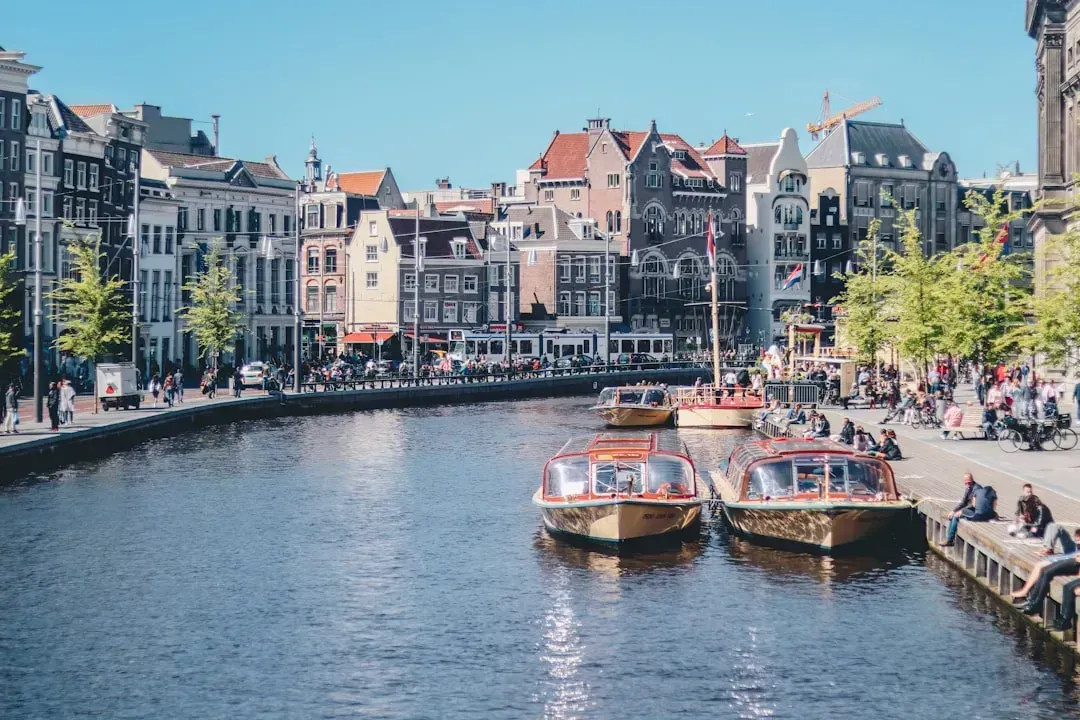
Amsterdam welcomed approximately 9.5 million visitors in 2024, with international tourists making up roughly 79 percent of total arrivals. The Dutch capital earns its place on this list through sheer charm and character. Those iconic canal rings aren’t just pretty backdrops for your vacation photos. They represent a UNESCO World Heritage site that tells the story of Dutch innovation and urban planning from the Golden Age.
Walking along the canals feels like stepping into a living painting. The narrow, tilted townhouses lean toward the water in that distinctive Amsterdam way. Bicycles outnumber cars, which honestly makes the whole city feel more human, more accessible. Spring brings tulip season, when flower markets explode with color and parks like Keukenhof become a riot of blooms that attract visitors from across the globe.
The Anne Frank House draws around 1.2 million visitors annually, serving as a poignant reminder of the city’s complex history. Yet Amsterdam isn’t stuck in the past. The museum district houses world class collections at the Rijksmuseum and Van Gogh Museum, while neighborhoods like De Pijp buzz with trendy cafes and international cuisine. There’s something undeniably beautiful about a city that honors its history while embracing modernity with such grace.
7. Barcelona, Spain
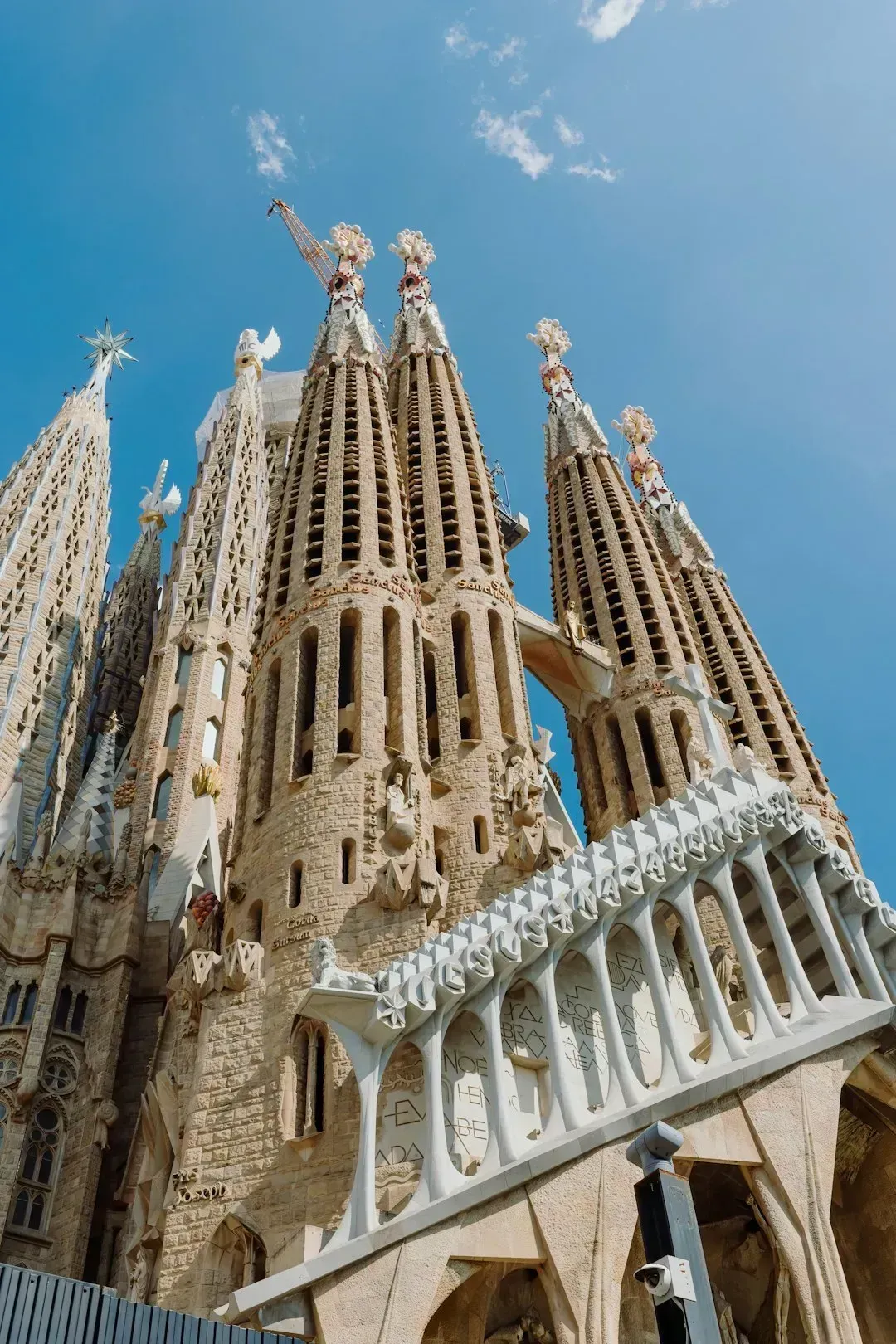
Barcelona scored just a fraction below Rome in a 2024 golden ratio architectural beauty study, landing in third place. The Catalan capital is Gaudí’s playground, and honestly, that alone justifies its ranking. The Sagrada Familia cathedral has been under construction since the late 1800s, and it’s still not finished. Yet this unfinished masterpiece draws millions who stand beneath its soaring spires and stained glass windows, bathed in kaleidoscope light.
The city offers something rare among European destinations. You get world class architecture, Mediterranean beaches within city limits, and year round pleasant weather all in one package. Las Ramblas pulses with street performers and market vendors. The Gothic Quarter’s narrow medieval lanes open suddenly onto sunny plazas where locals sip vermouth at outdoor tables.
Barcelona ranks number five in overall Lovability metrics, ties with Rome for first place in the Restaurant category, and secures second place in the Nightlife subcategory. Park Güell’s mosaic lizard and undulating benches showcase Gaudí’s whimsical genius, while Casa Batlló and Casa Milà demonstrate how architecture can blur the line between building and sculpture. Many consider Barcelona the top nightlife destination globally, which adds another layer to its appeal beyond the visual beauty.
6. Prague, Czech Republic
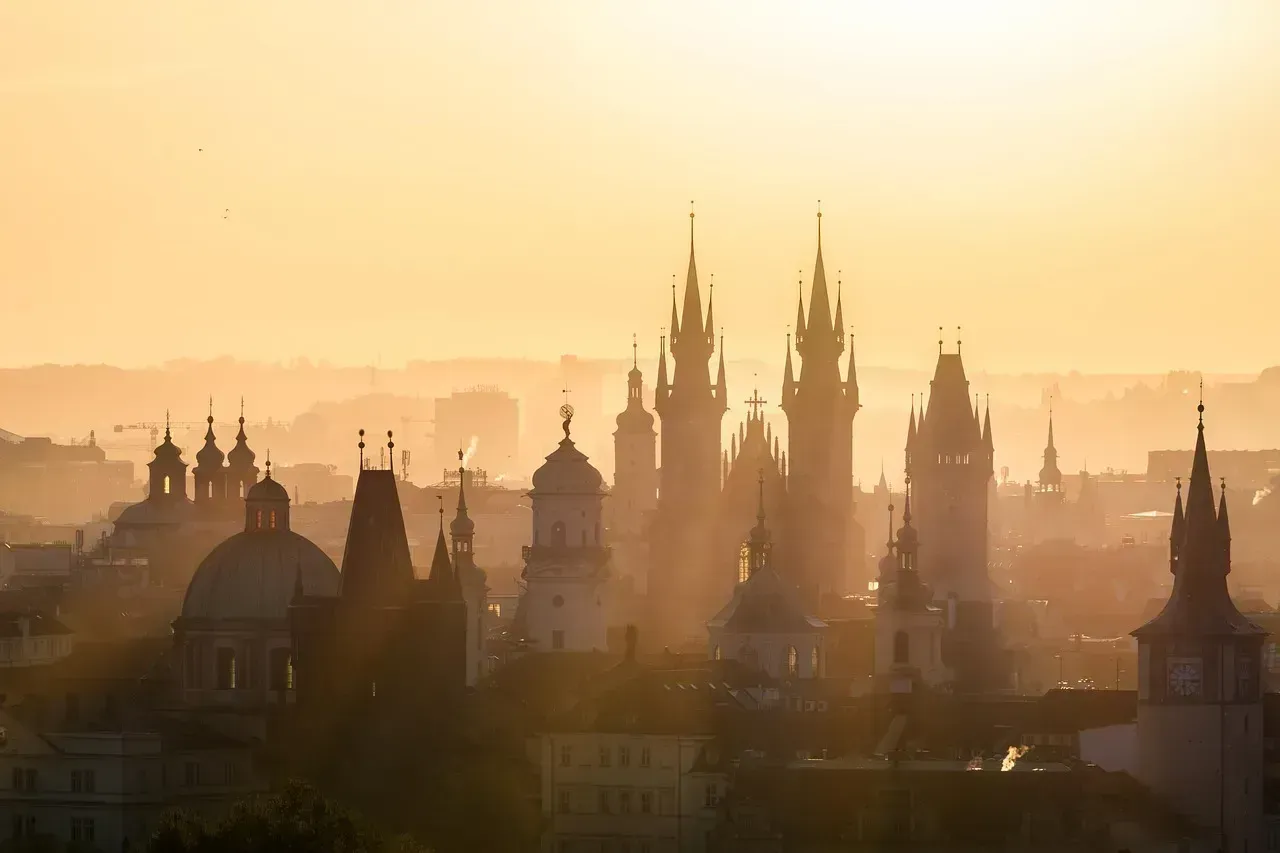
Prague attracted approximately 8.1 million visitors in 2024, representing a 9 percent rise compared to 2023, with the largest numbers coming from Germany, the United States, and the United Kingdom. The Czech capital earned its nickname “City of a Hundred Spires” for good reason. Those Gothic towers and Baroque domes create a skyline that looks airbrushed even in real life.
Prague Castle dominates the hilltop, watching over the terracotta rooftops of the old town below. Charles Bridge at sunrise, before the crowds arrive, offers one of Europe’s most romantic scenes. Medieval stone arches frame views of the Vltava River, while statues of saints line both sides of the pedestrian crossing. The astronomical clock in Old Town Square has been marking time since the 1400s, drawing crowds every hour for its mechanical show.
Prague features the Gothic St Vitus Cathedral standing in striking contrast to the strikingly modern Dancing House. This blend of old and new defines the city’s character. The Jewish Quarter preserves synagogues and cemeteries that survived centuries of upheaval, telling stories that need to be remembered. Meanwhile, the beer culture here rivals anywhere on earth. Sitting in a traditional Czech pub with a half liter of Pilsner Urquell, surrounded by locals and vaulted ceilings, feels like touching the soul of the city.
5. Dubrovnik, Croatia
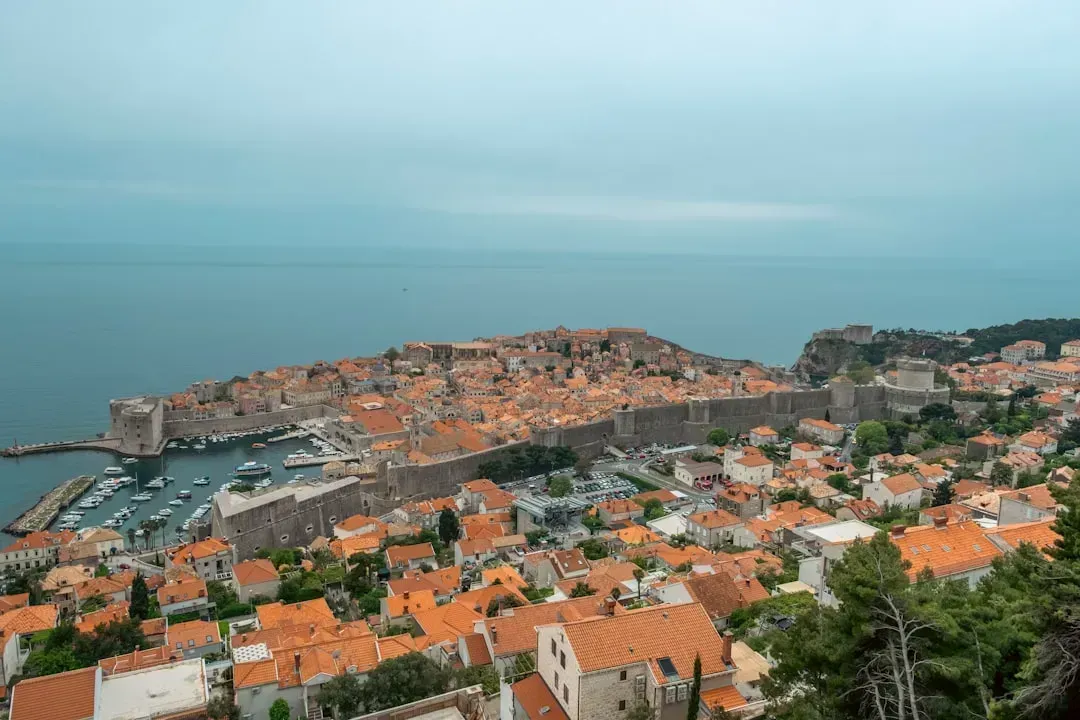
Dubrovnik, known as the pearl of the Adriatic, attracts travelers for both its historical significance and resort appeal. Let’s be real, Game of Thrones put this city on the map for a whole new generation of travelers. Yet Dubrovnik’s beauty predates any TV show by several centuries. Those massive stone walls encircling the Old Town were built between the 13th and 16th centuries, and walking along the top of them offers jaw dropping views of terracotta roofs cascading down to the impossibly blue Adriatic Sea.
The marble paved Stradun, the main street through the old town, gleams underfoot as you walk past Baroque churches and Renaissance palaces. Honestly, the whole place feels like a film set, except it’s real and people actually live here. Summer brings cruise ship crowds, which can be overwhelming. Yet even packed with tourists, the city retains its power to mesmerize.
Few cities are as instantly recognizable as Dubrovnik, with its terracotta rooftops and sparkling blue sea creating truly postcard perfection, and despite being busy in summer, it remains breathtakingly beautiful and well worth the hype. Take the cable car up Mount Srđ at sunset and watch the city glow golden below you. Kayak around the city walls at dawn when the water is glass smooth. These moments reveal why Dubrovnik consistently ranks among Europe’s most beautiful destinations.
4. Paris, France
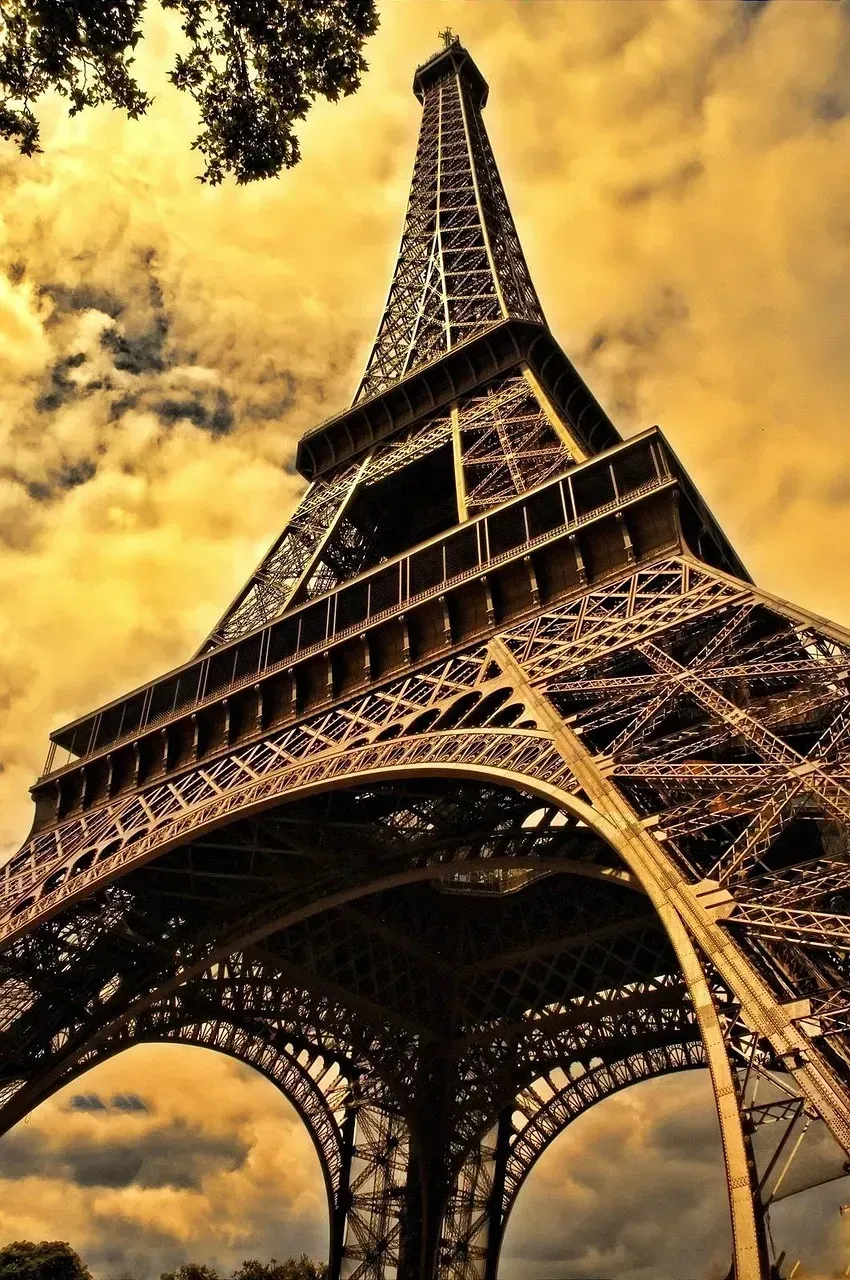
Paris is officially the most visited city in Europe after narrowly lagging behind London for the past few years. The French capital needs little introduction, yet its beauty still manages to surprise first time visitors. Those wide boulevards lined with Haussmann buildings, the way afternoon light filters through plane trees in the Luxembourg Gardens, the Seine winding through the heart of the city. Paris delivers on its romantic reputation.
The Eiffel Tower remains an engineering marvel and an icon recognized worldwide. Montmartre’s hilltop Sacré Cœur basilica offers sweeping city views, while the bohemian neighborhood below retains an artistic soul despite the tourist crowds. Paris had reached a new high with 48.7 million visitors in 2024, representing a 2.5 percent increase from the previous year, with international visitors accounting for 22.6 million.
Notre Dame Cathedral reopened in late 2024 after five years of restoration following the devastating 2019 fire. The Gothic masterpiece stands as a testament to French craftsmanship and determination. Meanwhile, neighborhoods like Le Marais blend medieval architecture with trendy boutiques and falafel stands that draw lines around the block. The city’s museum collections, from the Louvre to Musée d’Orsay, house artistic treasures that could occupy weeks of your time. Paris isn’t just beautiful in a postcard way. It’s lived in, loved, and constantly evolving while somehow remaining eternally itself.
3. Venice, Italy
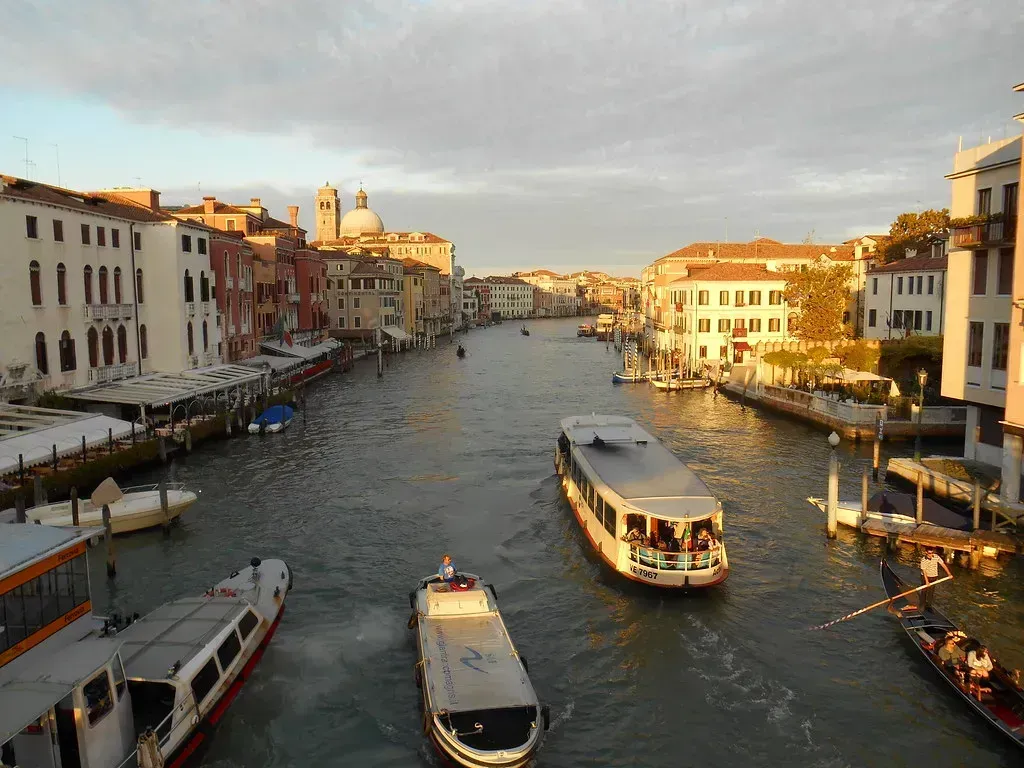
Venice welcomed 5.88 million total tourist arrivals in 2024, approximately a 4 percent increase from 2023, with international tourists making up 87 percent of visitors. There’s literally nowhere else on earth like Venice. This city shouldn’t exist, yet here it stands after more than a thousand years, built on wooden pilings driven into a lagoon. The Grand Canal snakes through the city like a liquid highway, lined with palaces that reflect in the green water.
Getting lost in Venice’s maze of narrow alleys and bridges is part of the experience. You’ll round a corner and suddenly find yourself in a tiny campo with a well in the center and laundry hanging overhead. The next turn might reveal a hidden church filled with Tintoretto paintings. Venice welcomed 5.7 million visitors in 2023, and straining under these numbers, the city trialed a tourist tax and recently introduced a cap of 25 people per tour group.
St Mark’s Square represents Venetian glory at its peak, with the basilica’s Byzantine domes and golden mosaics creating an otherworldly atmosphere. The Rialto Bridge has spanned the Grand Canal since the late 1500s, packed with shops and photographers. Sure, Venice faces serious challenges from overtourism and rising sea levels. The city can feel overwhelmed during peak season. Yet catch Venice in early morning mist, or under falling snow in winter, and you’ll understand why people have been calling it the most beautiful city in the world for centuries.
2. Rome, Italy
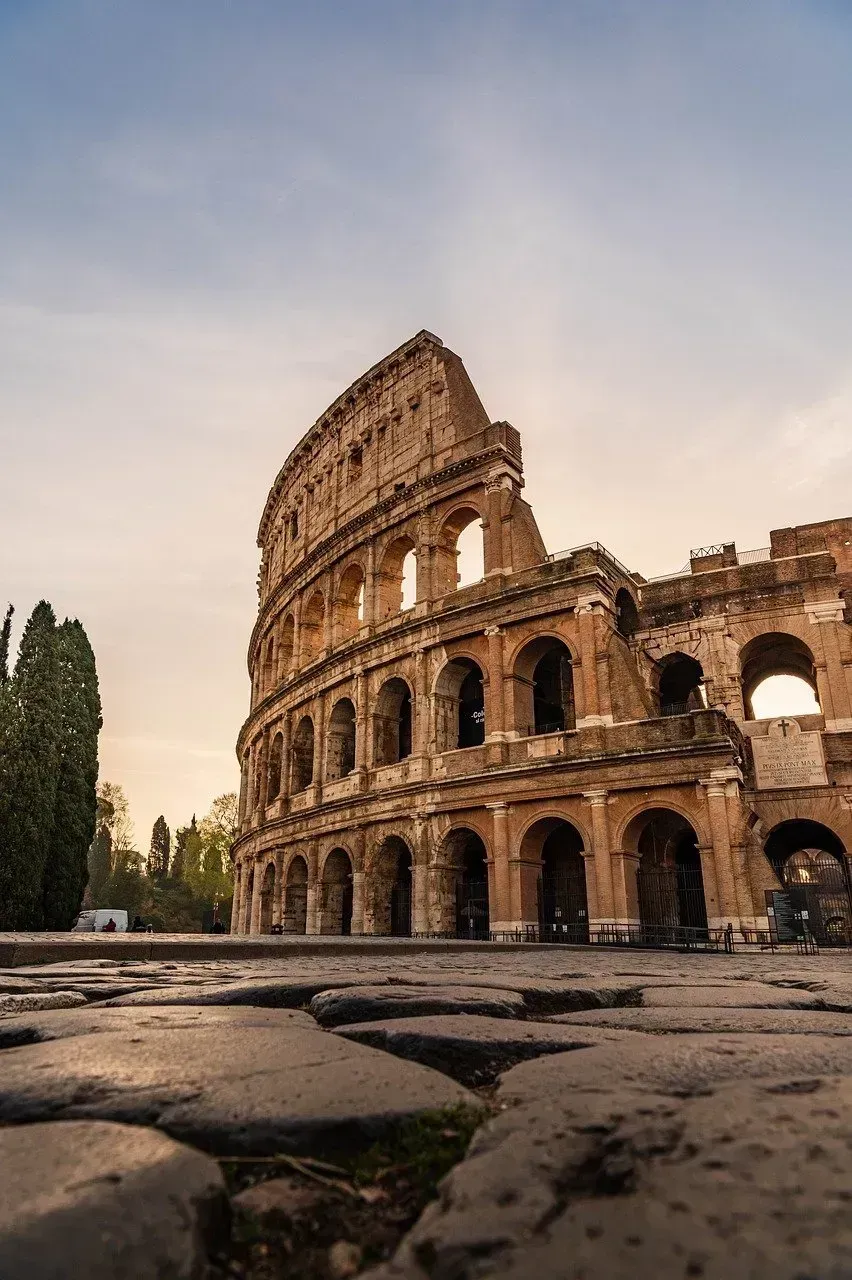
Rome scored an 82 percent match to the golden ratio in a 2024 architectural beauty study, making it the winning European capital. The Eternal City layers history like nowhere else. You’ll find a baroque fountain built over a Renaissance palace, which stands on medieval foundations, which rest on ancient Roman ruins. This density of beauty and history creates an intoxicating atmosphere.
The Colosseum remains Rome’s calling card, that massive amphitheater where gladiators once fought and crowds once roared. Standing in the center of the ancient arena, you can almost hear the echoes of 50,000 spectators. The Roman Forum spreads out nearby, columns and temples scattered across the valley that was once the beating heart of an empire. The Pantheon’s perfect dome and oculus has inspired architects for two millennia.
Tossing a coin in the Trevi Fountain guarantees you’ll return to Rome, or so the legend goes. The baroque masterpiece looks even better lit up at night when you can actually get close enough to see Nicola Salvi’s details. Vatican City, technically its own country, houses St Peter’s Basilica and the Sistine Chapel, where Michelangelo’s ceiling continues to blow minds daily. London is the number one destination for Americans visiting Europe in 2023, followed by Paris, Dublin, and Rome, showing the city’s enduring global appeal.
1. Florence, Italy
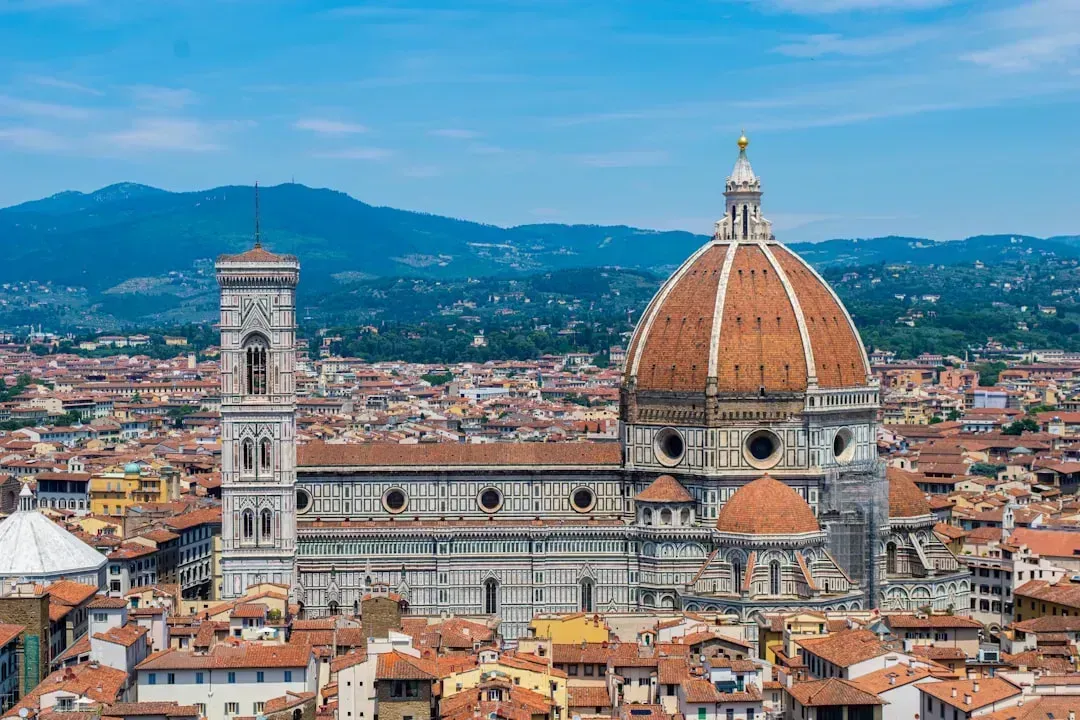
Florence welcomed 16.2 million visitors in 2024, surpassing previous tourism levels, with international arrivals increasing 34 percent compared to 2022. The birthplace of the Renaissance claims the top spot, and honestly, it’s hard to argue. This city essentially invented the concept of Western art and culture as we know it. Every corner reveals another masterpiece, another palazzo, another church filled with frescoes that would be national treasures anywhere else.
The Uffizi Galleries recorded 5.3 million visitors in 2024, all queuing to see Botticelli’s Birth of Venus and works by Leonardo, Raphael, and Caravaggio. Michelangelo’s David stands in the Accademia, that perfect marble figure that took three years to carve. The Duomo dominates the skyline, Brunelleschi’s dome an engineering miracle that still puzzles architects today. You can climb to the top for panoramic views across terracotta roofs to the Tuscan hills beyond.
The Ponte Vecchio has spanned the Arno River since medieval times, its jewelry shops glittering above the green water. Florence, under the protection of Italy’s Ministry of Culture, remains one of the world’s most carefully safeguarded art cities, with its historic center classified as a UNESCO World Heritage site where every renovation follows strict government guidelines. This preservation ensures Florence retains its Renaissance identity in an accessible, walkable package.
Florence’s compact historic center spans just 5 square kilometers yet channels 95 percent of the city’s tourism flow, with 13 million overnight stays in 2024. The city can feel crowded, particularly in summer when average daily visitor counts hit 44,000. Yet the beauty persists. Golden Tuscan light washes over stone buildings exactly as it did when Renaissance masters mixed their paints. The markets, the trattorias serving ribollita and bistecca, the artisan workshops in Oltrarno still practicing traditional crafts. Florence isn’t just a museum city. It’s a living testament to human creativity at its finest, which is why it deserves the number one spot.
What strikes me most about these eight cities is how differently they express beauty. Amsterdam’s charm comes from its intimacy and water. Barcelona explodes with Gaudí’s organic curves and Mediterranean energy. Prague preserves a Gothic fairytale. Dubrovnik glows white against the Adriatic blue. Paris embodies urban elegance. Venice defies logic and gravity. Rome layers millennia of history. Florence perfected Renaissance harmony. Each offers something unique, yet all share that indefinable quality that makes you stop walking and just stare. These rankings shift depending on who you ask and what criteria you value. What’s your pick for Europe’s most beautiful city?