12 Tourist Destinations That Are More Dangerous Than They Seem
Picture this. You’re scrolling through vacation photos online, seeing crystal clear waters, breathtaking mountain peaks, and perfect sunset shots. Everything looks serene, inviting, almost too good to be true. Here’s the thing – sometimes it is. Behind those glossy travel brochures and Instagram feeds lie hidden dangers that most tourists never consider until it’s too late. From deceptively calm beaches to iconic hiking trails, some of the world’s most beautiful destinations harbor risks that can turn a dream vacation into a nightmare. Let’s peel back the curtain on places where paradise meets peril.
Mount Everest, Nepal
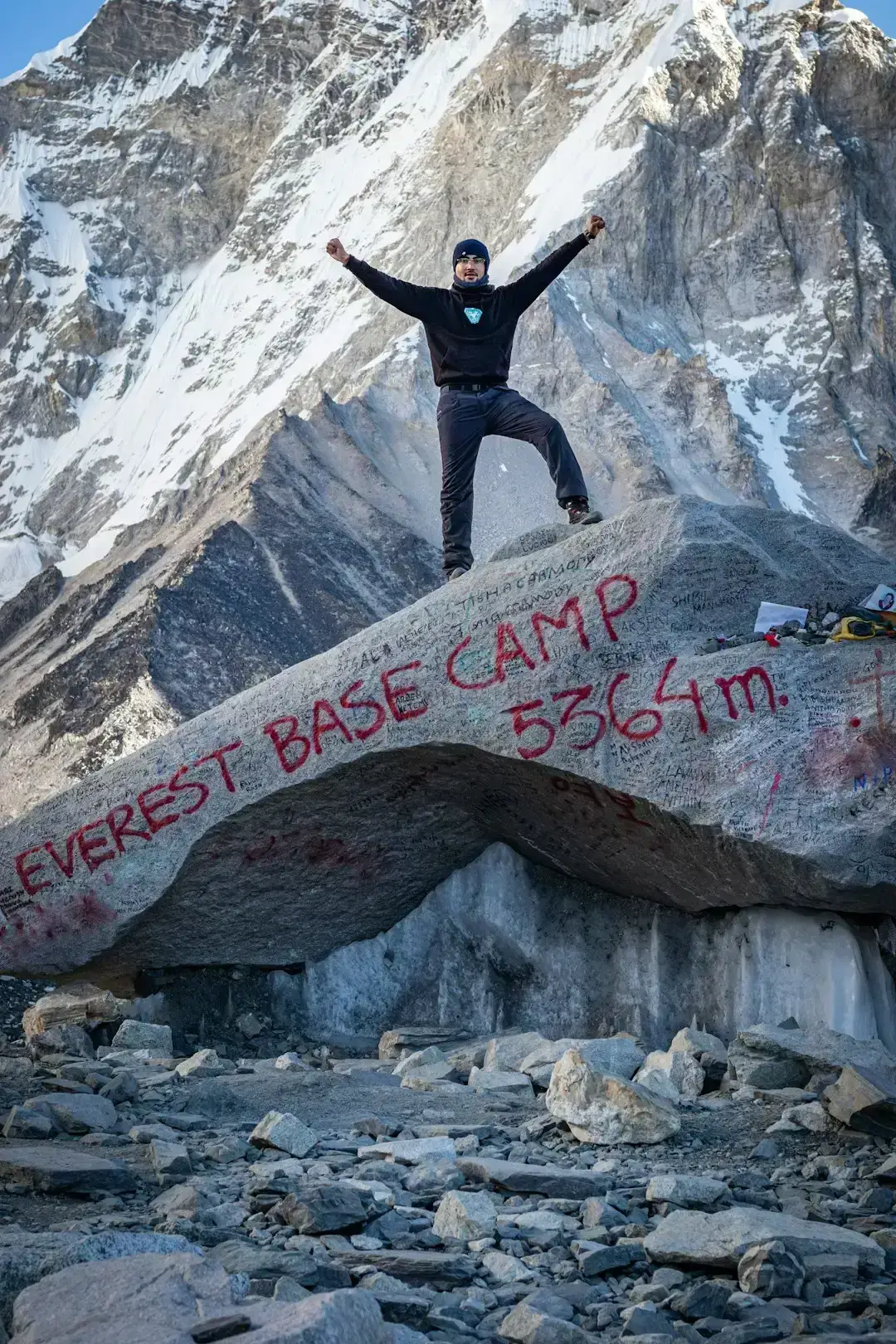
The world’s highest peak claimed 17 lives in 2023, making it the deadliest year on record with over 340 total deaths documented. Most visitors don’t realize that climbers face roughly a 1% death rate during expeditions based on research from the past three decades. A record 18 people died on the Nepal side in 2023, and the numbers keep climbing despite modern equipment and forecasting technology. The 2014 avalanche in the Khumbu Icefall killed 16 Nepali guides, marking one of the deadliest days in Everest history.
The so-called “death zone” above 26,000 feet presents conditions where human survival becomes nearly impossible for extended periods. More than 200 bodies still remain on the mountain, frozen in time as grim reminders of the mountain’s unforgiving nature. Between 2000 and 2019, the average death number was about 3.2 annually, but 2023 turned out to be a really bad year. What makes this even more troubling is that many deaths are preventable – overcrowding, inexperienced climbers, and budget operators all contribute to the rising toll.
Grand Canyon National Park, Arizona
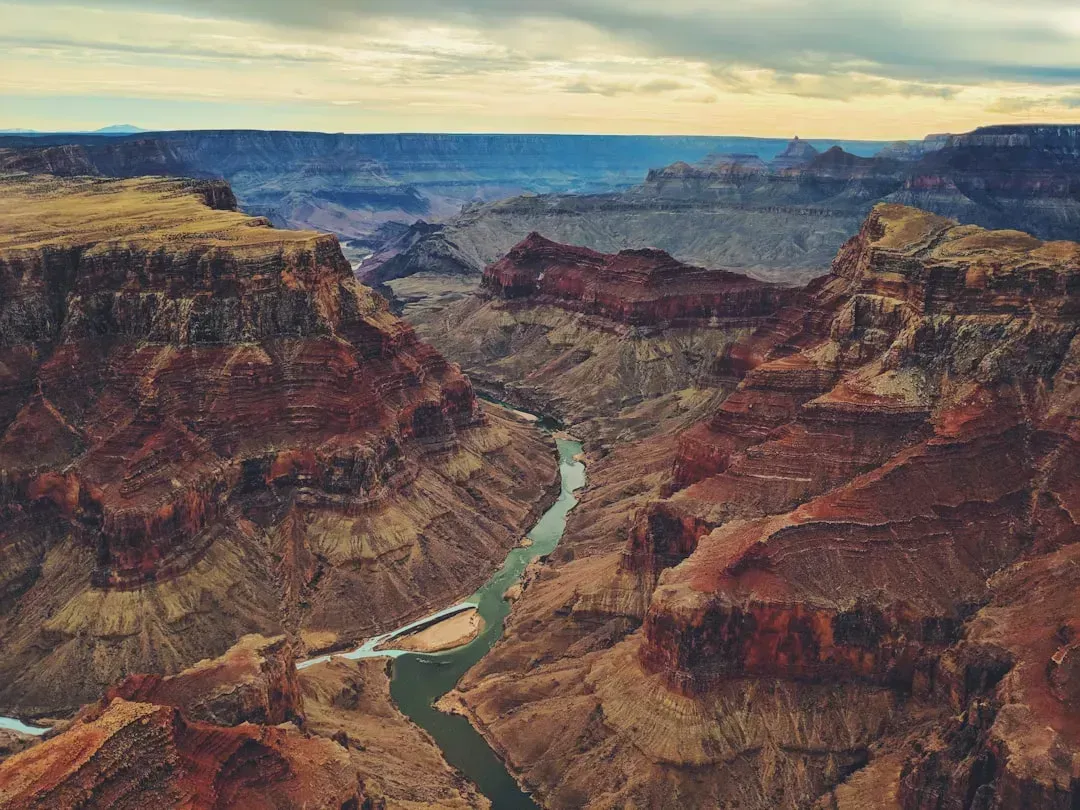
At least 16 people died at the Grand Canyon in Arizona in 2024, pushing fatalities well above recent years. With roughly 5 million visitors every year, on average two to three deaths per year are from accidental falls over the rim, but that doesn’t tell the whole story. An average of roughly 12 people die at the park each year, but 2024 saw deaths outpace years past with 14 deaths as of August.
No single factor is to blame, but several deaths have followed stretches of extreme weather. A 57-year-old woman was found dead during a punishing heat wave in July, with temperatures reaching as high as 120 degrees during peak hours. The danger isn’t just from falling – flash floods, heat exhaustion, and river accidents all claim lives here. More than 250 people are rescued from the Grand Canyon each year, indicating just how often visitors get into trouble in this majestic but merciless landscape.
Cancun, Mexico

Cancun’s reputation as a safe beach paradise doesn’t match reality anymore. Government data from early 2024 shows robbery accounted for nearly 25% of reported crimes in Cancun, with most incidents occurring outside resort areas, while cartel-related incidents are typically isolated and rarely involve tourists directly. In 2024, Quintana Roo logged about 34 killings per 100,000 people, above Mexico’s national rate of 29, though tourist areas stand far safer at roughly 4 per 100,000.
The US Department of State maintains a Level 2 advisory for the region, urging visitors to exercise increased caution. Police filed around 4,000 theft cases in 2024, up seven percent from 2023. While violent crime against tourists remains relatively rare, petty theft, scams, and pickpocketing have become increasingly common. Areas like downtown Cancun and Alfredo V. Bonfil have seen increased violence, while the Hotel Zone remains under heightened security. The contrast between the heavily guarded resort strips and surrounding areas creates a false sense of security that can lead tourists into dangerous situations.
Reynisfjara Black Sand Beach, Iceland
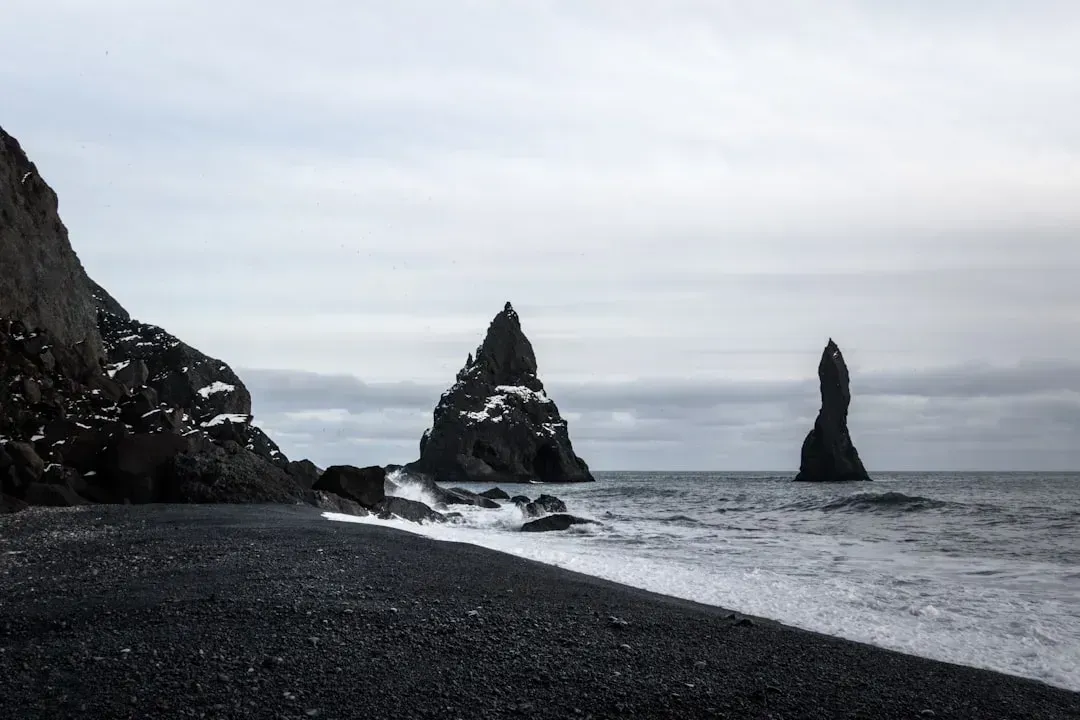
Iceland might be one of the safest countries overall, but this particular beach is a death trap disguised as a photo opportunity. There have been several fatal incidents at Reynisfjara black sand beach, highlighting its dangerous conditions. Someone gets caught by the waves almost every day, and whereas most people just get slightly wet clothes, some have their camera equipment ruined, and tragically, there have even been a few tourist deaths.
The danger comes from sneaker waves – massive swells that appear without warning and can sweep people out to sea in seconds. Iceland’s south coast has some very dangerous beaches with strong waves that regularly pull unsuspecting tourists out to sea, with breathtaking black-sand beaches suddenly becoming dangerous. According to research mapping tourist deaths, the area between Reynisfjara and the plane wreck on Sólheimasandur ranks as one of Iceland’s three most dangerous regions. The waves are far stronger than they appear, and turning your back on the ocean for a selfie can be the last mistake some visitors make.
Iceland’s Ice Caves and Glaciers
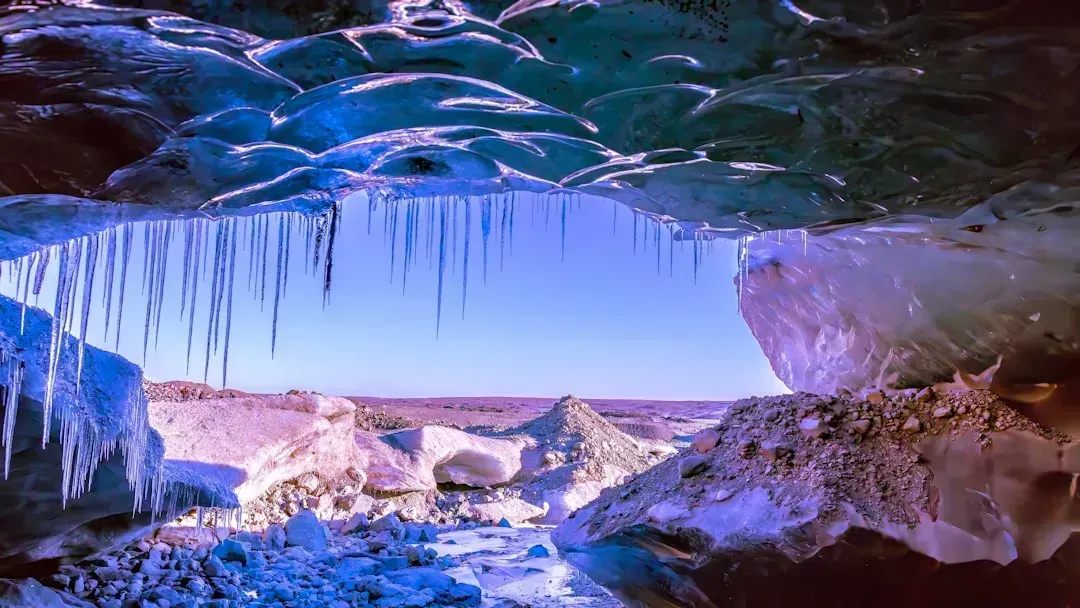
One American died and a second was injured after an ice cave popular with tourist groups collapsed in southern Iceland in August 2024. These natural formations look stunning but are inherently unstable, especially as climate change accelerates melting. Dangers in Iceland include falling into cracks in glaciers, getting stuck inside unstable ice caves, or burning yourself in hot springs.
There have been around 75 total incidents of tourist deaths in Iceland, which is a pretty low rate given how many millions visit for adventure tourism. Still, the risks are real. Glacial environments present hidden crevasses, unstable ice formations, and rapidly changing conditions that can trap or kill the unprepared. The stunning blue ice that attracts photographers worldwide is constantly shifting, making previously safe areas suddenly lethal. Even guided tours can’t eliminate all risk when dealing with such dynamic and unpredictable natural features.
Iceland’s Geothermal Areas
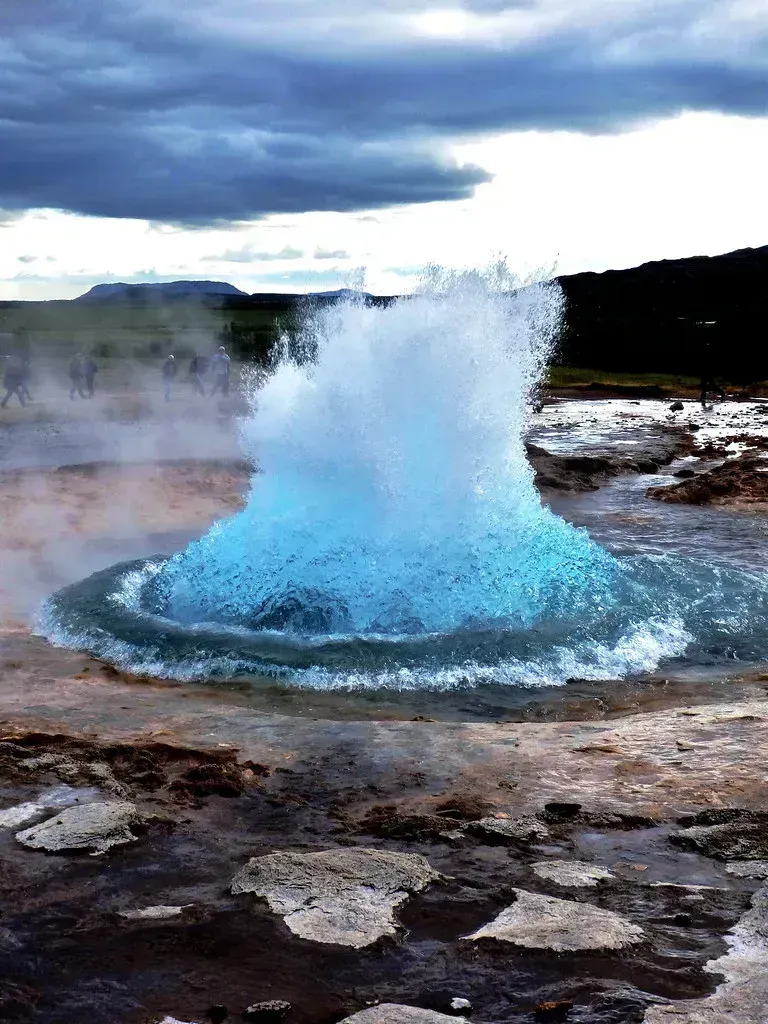
Those picturesque hot springs and steaming vents hide scalding danger beneath their serene surfaces. The water in Iceland’s geothermally active areas can be boiling hot, and the danger is often unmarked, with tourists falling in and getting severely burned every year or two, typically in less-visited areas without fences or walkways. The lack of guardrails and warning signs that makes Iceland feel wild and authentic also means visitors must rely entirely on their own judgment.
The most common cause of tourist death is actually cardiovascular failure, which is not a natural cause – people used to living in flat areas, using cars and elevators, eating too much and doing too little are not used to really demanding activities and that can be fatal. The combination of physical exertion in challenging terrain, extreme weather, and geothermal hazards creates a perfect storm. Iceland’s raw, untamed landscape demands respect and preparation that many tourists simply don’t bring with them.
Brazilian Cities (Rio de Janeiro)
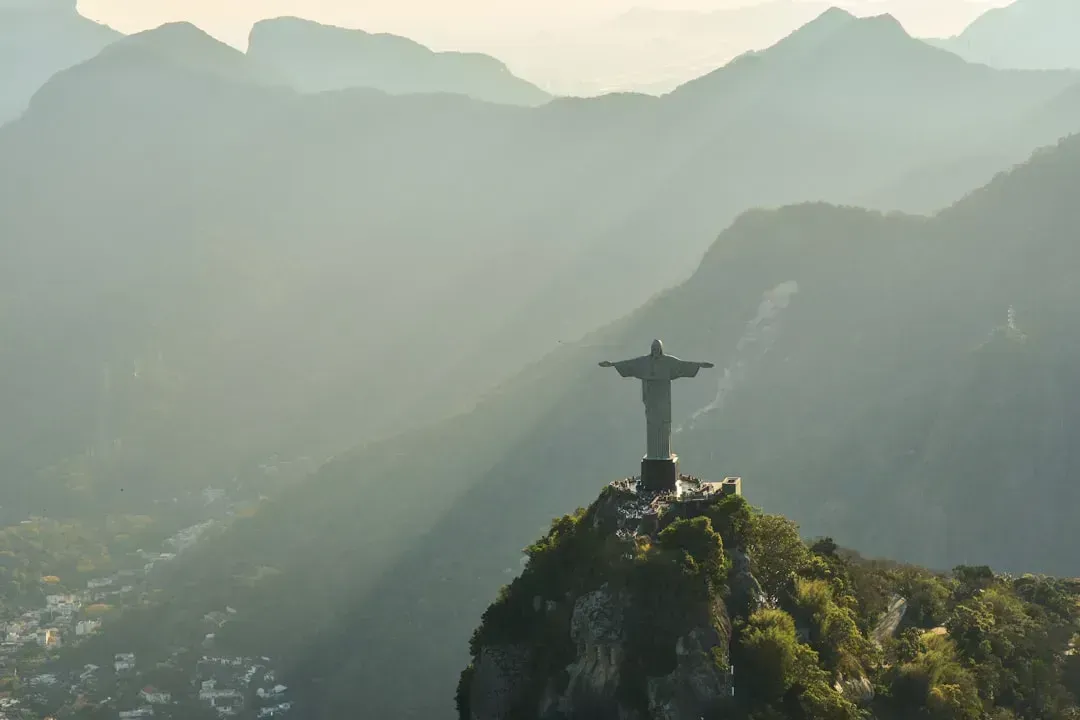
Rio’s beaches and carnival atmosphere distract from serious security issues that plague the city. Rio de Janeiro, the largest city in Brazil and a popular tourist destination, is also one of the least safe in the country, with reports of tourists being kidnapped, carjacked, and even murdered while visiting Rio and other parts of Brazil. Brazil shares third position with Pakistan on the Travel Danger Scale with a score of 59, with safety concerns including 27.9 sexual assaults per 100,000 population and a high crime index of 65.6.
Gang violence affects innocent bystanders despite not specifically targeting tourists. The favelas overlooking the city harbor criminal organizations that occasionally clash in ways that spill into tourist areas. Robbery, pickpocketing, and scams target visitors who stand out with expensive cameras and jewelry. The contrast between the vibrant culture and beautiful scenery against the backdrop of very real criminal threats creates cognitive dissonance that can leave tourists vulnerable when they let their guard down.
Afghanistan
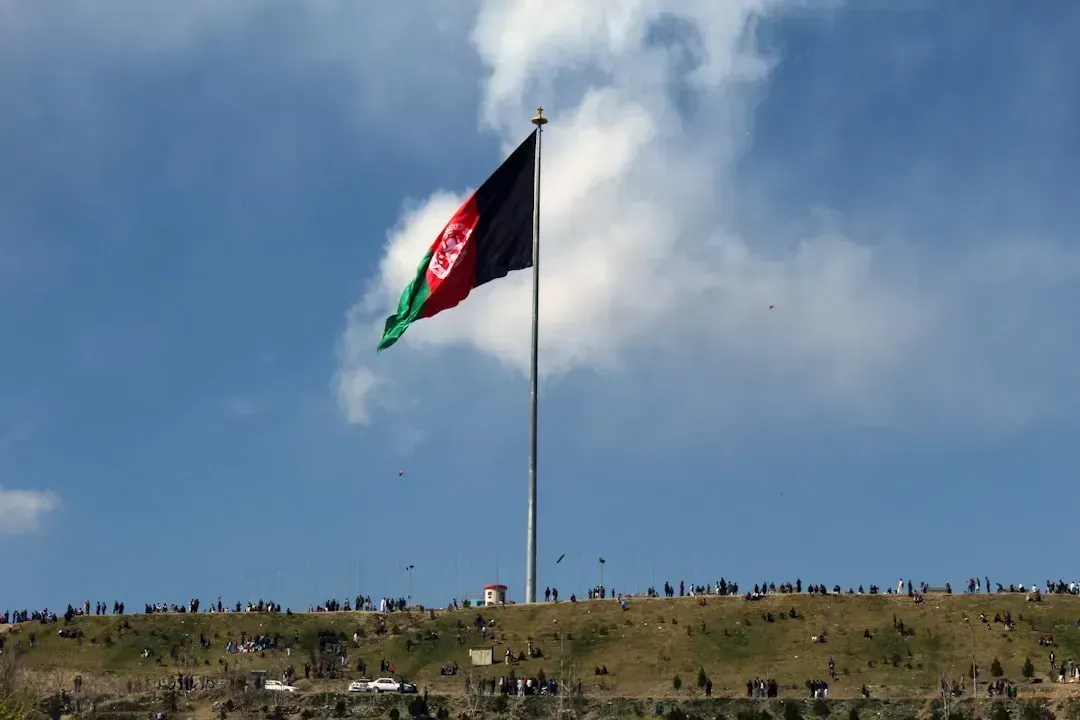
Afghanistan is one of the most dangerous tourist destinations, chosen only by the most adventurous globe-trotters, ranking 160th on the Global Peace Index 2024, placing it among the most dangerous countries to visit and should be avoided at all costs. Afghanistan is considered one of the unsafe countries to visit in 2024 due to ongoing conflicts, high terrorism rates, inadequate infrastructure, challenging living conditions, and limited personal freedoms, continuing to be top of the list for six years in a row.
In this South Asian country torn apart by war for many years, abductions, terrorist attacks, and violations of human rights are an everyday occurrence. The country presents dangers that go far beyond typical tourist risks – this is active conflict territory where foreigners face kidnapping, terrorism, and violence as routine hazards. While some adventure travelers are drawn to the country’s rich history and stunning mountain landscapes, the security situation makes it one destination where the risks genuinely outweigh any potential rewards.
Ukraine

Ukraine, once a bustling tourist destination, is the new addition to the most dangerous countries to visit in 2025, currently undergoing stress due to the war with Russia, facing low living standards and corruption. This beautiful country was recently invaded by Russia, so it is an active war zone, with civilians running the risk of getting kidnapped by Russia and used as bargaining chips.
The tragedy here is that Ukraine offers incredible cultural experiences, architectural treasures, and warm hospitality – all now overshadowed by ongoing warfare. Cities that were thriving tourist destinations just a few years ago are now battlegrounds or under constant threat of missile strikes. Ukraine was ranked medium risk but is now at the extreme level following Russia’s invasion in February 2022. This serves as a stark reminder of how quickly a destination’s safety profile can deteriorate.
Syria
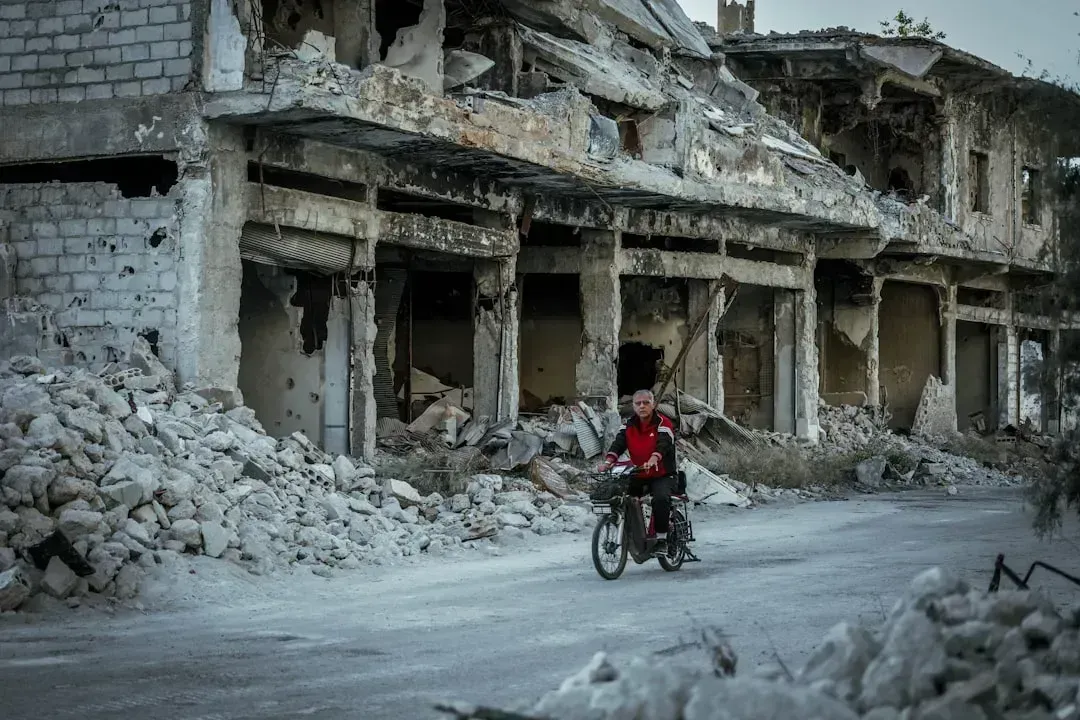
Syria has been gripped by civil war for the past thirteen years with devastating effects, becoming one of the most dangerous cities to visit in 2025 with homes destroyed, lack of employment, and necessities hard to come by, with chemical weapons used during the war making the situation even worse. No part of Syria is safe from violence, with kidnappings, terrorist attacks, unjust arrest, chemical warfare, aerial bombardment, torture, and extrajudicial killings all reported.
The country that once boasted ancient UNESCO World Heritage sites and thriving markets is now fragmented by conflict. The US has not operated an embassy in Syria since 2012 due to the threat of violence stemming from the country’s ongoing civil war. The destruction of Syria represents one of the most tragic losses of tourist destinations in recent memory – a cradle of civilization rendered completely inaccessible by senseless violence.
Yemen

According to the latest 2024 version of safety rankings, the most dangerous countries in the world include Yemen, Sudan, South Sudan, Afghanistan, and Ukraine. Yemen faces a humanitarian catastrophe alongside its security crisis, making it extremely dangerous for any visitor. The country experiences ongoing civil war, terrorist activity, kidnapping risks, and a collapsed infrastructure that makes even basic medical care unavailable in most areas.
What was once home to some of the Arabian Peninsula’s most stunning architecture and rich cultural heritage has become essentially off-limits to tourists. The combination of active warfare, Al-Qaeda presence, Houthi rebel control in various regions, and general lawlessness creates a situation where foreign visitors face threats from multiple directions simultaneously. Aid workers and journalists who must travel there do so under extreme security protocols that ordinary tourists simply cannot access.
Sudan and South Sudan
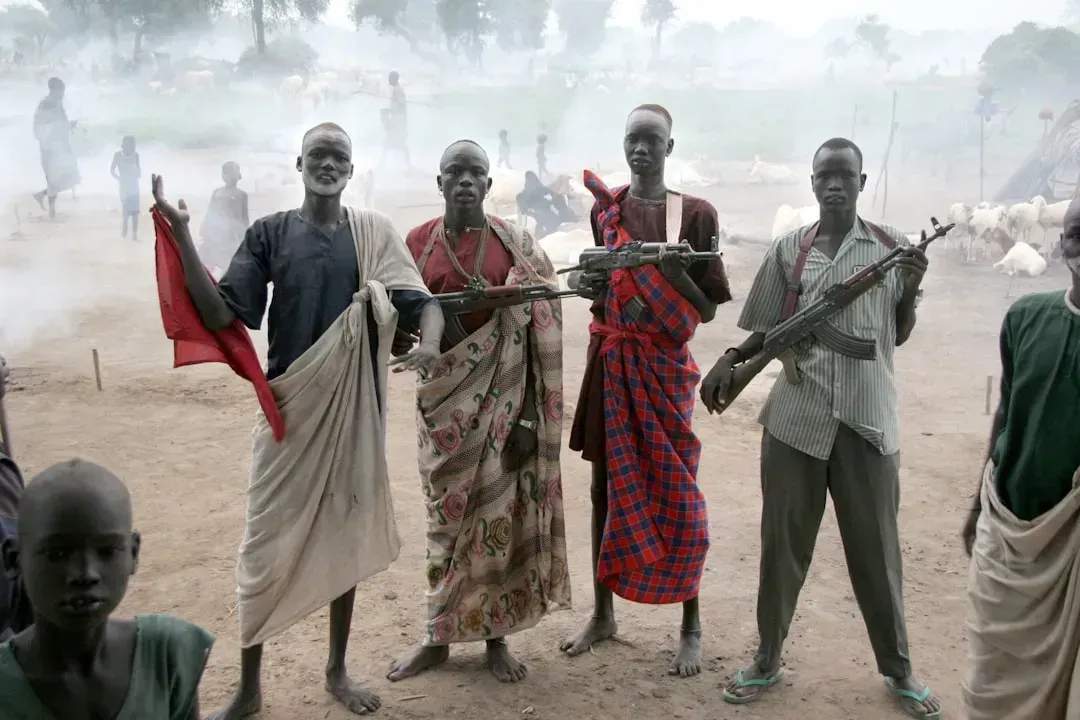
The civil war between rival strongmen shows no signs of resolution and is threatening to create what the World Food Program calls the world’s largest hunger crisis, with roughly 15,000 people killed since April 2023, more than 8.2 million displaced, and more than 25 million people needing humanitarian assistance. While Sudan’s capital city Khartoum is relatively secure, the rest of the country is notably less stable, with areas bordering Chad and South Sudan particularly dangerous due to higher terrorist activity.
The humanitarian disaster unfolding across both Sudans makes them exceptionally dangerous for tourists. Armed conflict, ethnic violence, kidnapping risks, and complete absence of tourist infrastructure or support services mean that anyone traveling to these regions faces life-threatening dangers. The situation illustrates how political instability and civil conflict can render entire countries essentially uninhabitable, let alone visitable, for outsiders. These aren’t destinations that are slightly risky – they’re places where survival itself becomes the primary concern.
The world is full of incredible places worth visiting, but not all beauty comes without risk. Understanding the real dangers lurking behind picture-perfect postcards helps travelers make informed decisions about where to go and how to prepare. Some destinations require extra caution and research. Others should probably stay on your bucket list indefinitely. The key is recognizing that danger exists even in the most stunning locations and planning accordingly. What destinations surprised you the most on this list?