Professional Cleaners Spot These 6 Issues the Moment They Step Inside a Home
Ever wonder what professional cleaners notice first when they walk through your door? These trained experts have developed an eye for details that most homeowners miss completely. The demand for cleaning services increased substantially by 28% since 2023, reflecting the growing recognition that maintaining a truly clean home requires specialized knowledge. Their trained eyes catch red flags instantly, things that signal bigger problems lurking beneath the surface.
Professional cleaners don’t just see dirt. They see patterns, missed opportunities, and health hazards that regular folks walk past every single day.
Dust Accumulation in Overlooked Areas

Let’s be real, most of us dust the obvious spots. Coffee tables, shelves, maybe the TV stand if we’re feeling ambitious. Professional cleaners immediately notice the places you forgot existed.
Dust circulating indoors can cause severe health issues, with fine dust particles becoming trapped in the nose, mouth and lungs causing mild to severe symptoms. Those symptoms aren’t just annoying sniffles either. We’re talking congestion, coughing, itchiness, sneezing, wheezing, chest tightness and difficulty breathing. Ultrafine dust particles can even be absorbed into the bloodstream.
Behind furniture, atop ceiling fans, inside cabinet tops, underneath appliances. Only 38% of Millennials consider dusting to be a priority, yet 84% of Millennials believe having a clean home plays a central role in their everyday wellness. There’s a disconnect happening here. Dust consists of various particles, including dirt, dead skin cells, pollen, and even dust mites, which can trigger allergies and respiratory issues if left to accumulate. Professional cleaners know that roughly about half of household dust actually comes from outdoors, tracked in on shoes and clothing. The rest? Your own shed skin cells, pet dander, fabric fibers, and other delightful ingredients you’d rather not think about while eating breakfast.
Dirty Cleaning Tools Being Used
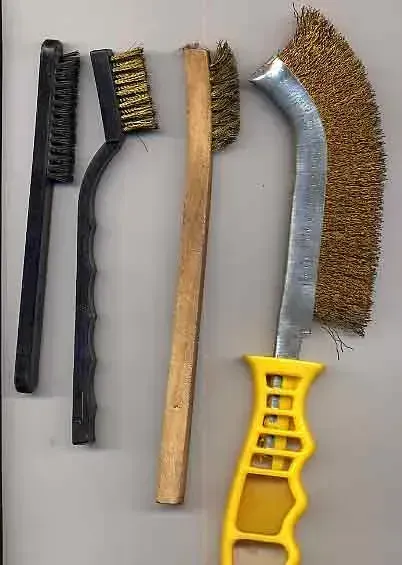
Here’s the thing that drives professional cleaners absolutely bonkers. Homeowners using filthy tools to “clean” their homes.
If you’re using a dirty mop, rag, or vacuum filter, you may just be spreading more dirt and bacteria around instead of removing it. Think about it. You wouldn’t wash your face with a dirty towel, right? Same principle applies to your floors and countertops. Soiled cloths or sponges won’t do you any favors, as they just spread grease and grime around surfaces, rather than removing it.
Professional cleaners can tell immediately when someone’s been reusing the same grimy cloth throughout the house. Have multiple rags handy when you’re cleaning your home and avoid reusing the same cloth to wipe down different surfaces. Honestly, it’s one of those mistakes that seems obvious once you know about it. Microfiber cloths and mop heads need washing after each use. Vacuum filters require regular replacement or cleaning according to manufacturer guidelines. This isn’t optional maintenance, it’s essential for actual cleaning to happen.
Wrong Cleaning Products for Specific Surfaces
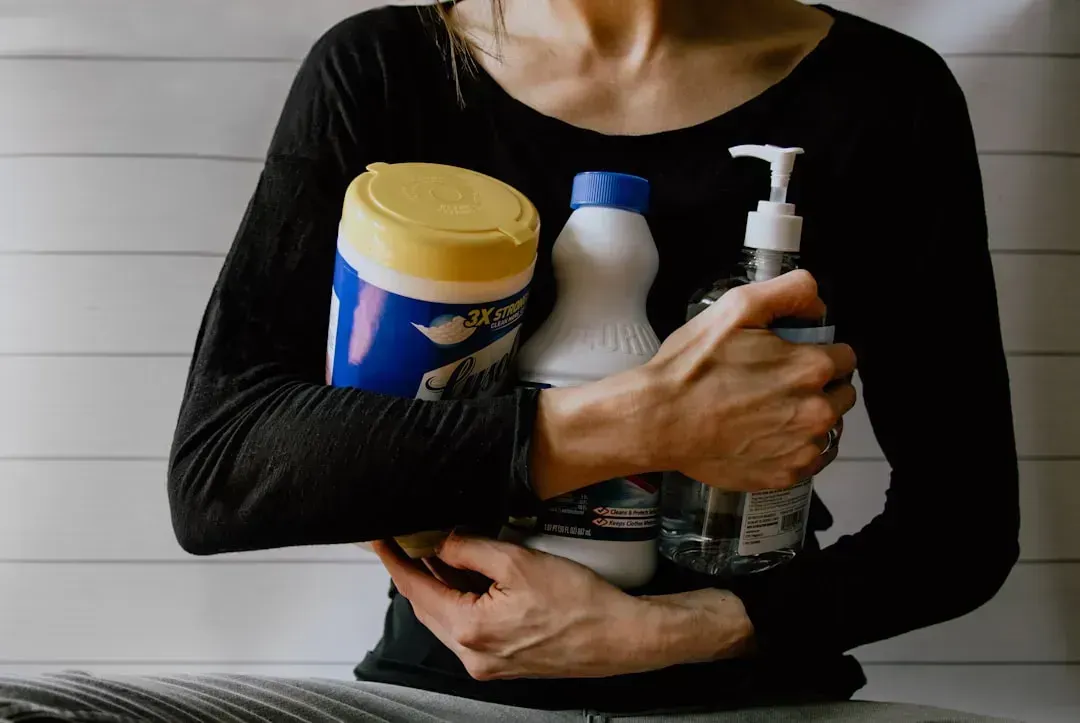
Professional cleaners wince when they see the damage caused by using incorrect products. Homeowners often grab whatever’s under the sink without reading labels.
Using improper cleaning products can lead to damaged surfaces and the spread of germs. Vinegar on marble? That’s permanent etching you just created. Vinegar-based cleaners are too harsh for granite and other natural stones; they can actually cause irreparable damage, so opt for non-acidic cleaners to protect and seal granite and marble surfaces. All-purpose cleaners sound convenient, but they’re not actually appropriate for every surface in your home.
Using harsh chemicals on delicate surfaces such as granite countertops or hardwood floors can cause discoloration, etching, or even permanent damage. Professional cleaners know which products work where. Wood needs gentle, pH-neutral solutions. Glass requires ammonia-free cleaners for electronic screens. Stone countertops demand specialized care. Using the wrong cleaning products on certain surfaces can cause damage over time, so it’s essential to read labels and use products that are safe for each surface type. The money you save buying one generic cleaner gets spent ten times over fixing damaged surfaces.
Neglected High-Touch Surfaces
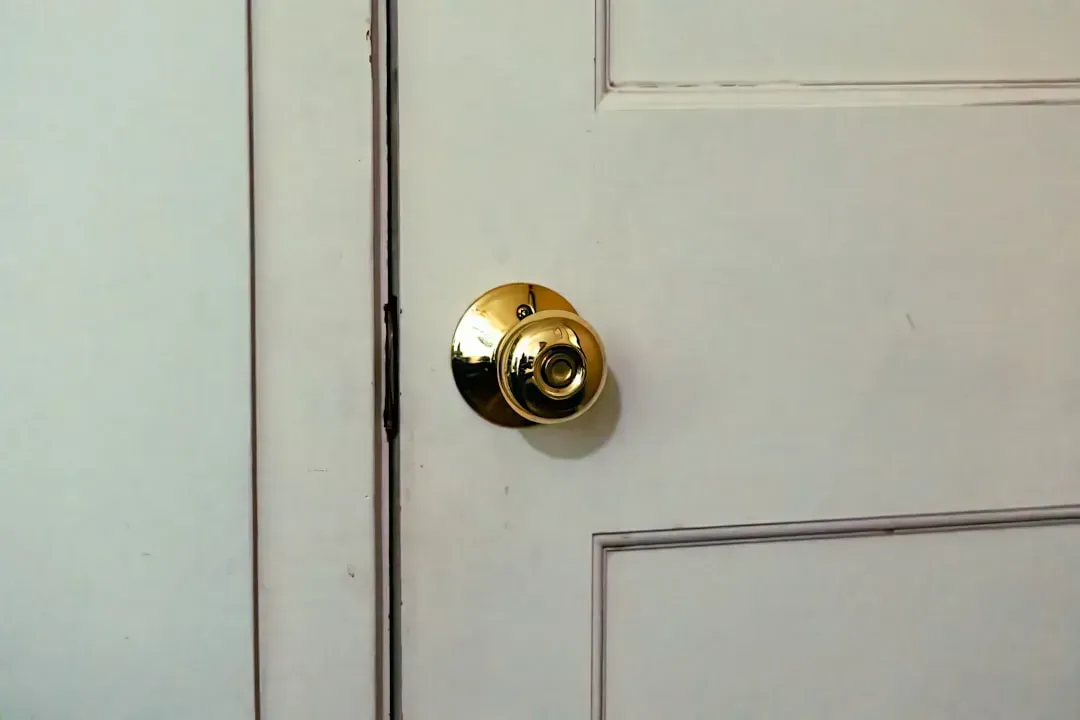
Door handles, light switches, remote controls, refrigerator handles. These spots get touched constantly throughout the day.
High-touch spots are areas in the home that get touched by hands constantly throughout the day, and these small areas may seem insignificant, so they often go overlooked, but can harbor a significant amount of dirt and bacteria because of how much they get used. Professional cleaners spot grimy high-touch areas instantly. High-touch areas such as doorknobs, light switches, countertops, and remote controls are frequently handled throughout the day, making them hotspots for bacteria and viruses to thrive.
I know it sounds crazy, but think about how many times you touch your bathroom light switch in a week. Now think about when you last actually cleaned it. Exactly. High-touch surfaces such as light switches, doorknobs, and remote controls are often overlooked during routine cleaning, and these areas can harbor bacteria and germs, contributing to the spread of illnesses within the home. Professional cleaners recommend including these areas in your weekly routine at minimum, daily during flu season.
Mold and Mildew in Bathrooms
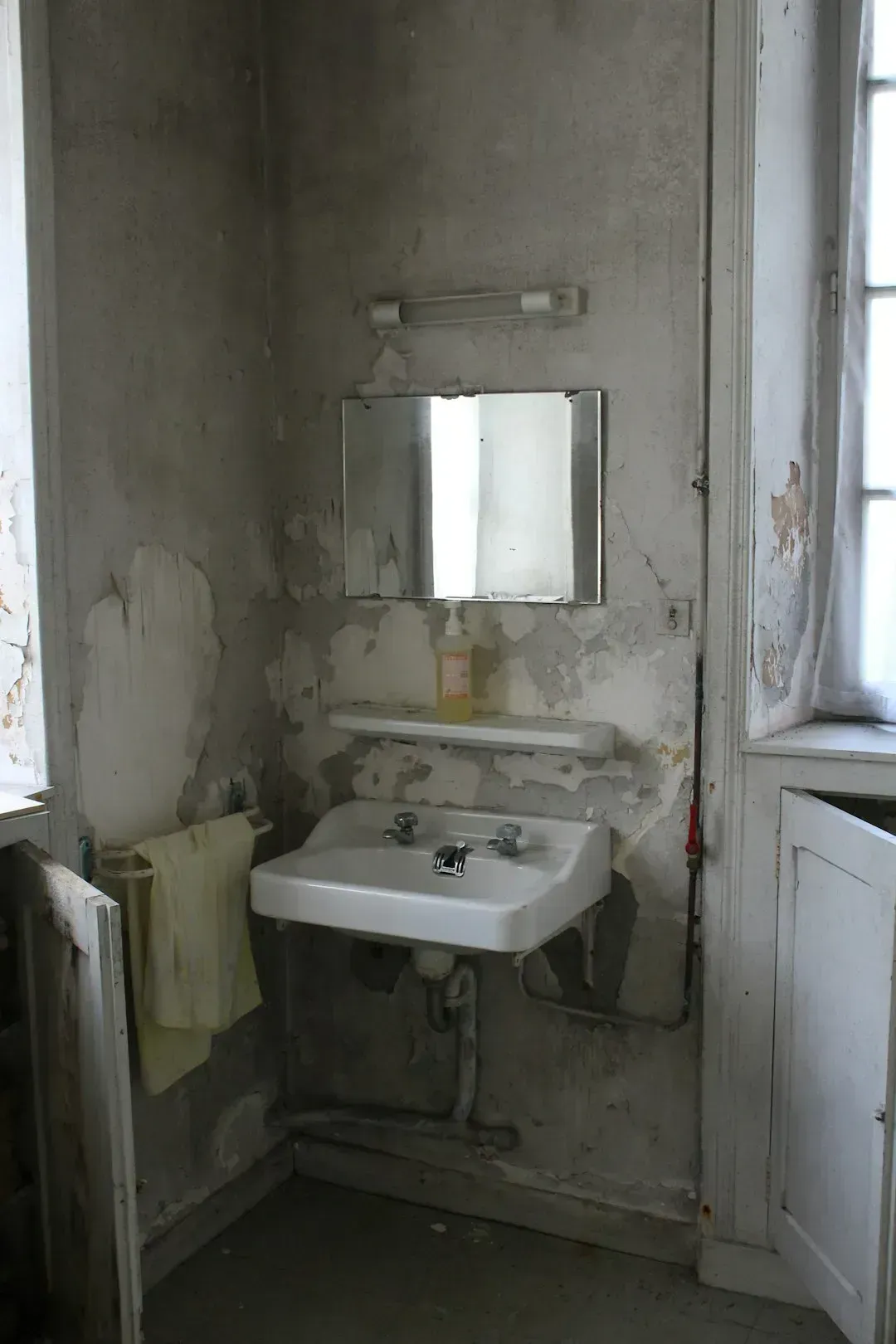
Bathrooms are mold magnets, plain and simple. Bathroom mold occurs primarily because of high humidity levels and poor ventilation, which creates an environment ripe for mold spores to grow and reproduce.
Professional cleaners immediately notice mold hiding in shower grout, around faucets, on shower curtains, and creeping up bathroom ceilings. Mould is an indoor air pollutant that can cause myriad health problems, including respiratory infections, asthma, and allergies, and it grows in damp and humid environments. Many homeowners see a little discoloration and think it’s no big deal. Yet for those with weakened immune systems or pre-existing conditions like asthma or allergies, mold exposure can exacerbate illnesses and cause serious respiratory infections.
Airing out the room is one of the best ways to fight mold and mildew by always running the ventilation fan during and after showers, and keeping the bathroom door open when not in use to allow fresh air to circulate in and to push humidity out. Professional cleaners notice when bathrooms lack proper ventilation immediately. Standing water on counters, perpetually damp bath mats, wet towels left crumpled on the floor. Places that are often or always damp can be hard to maintain completely free of mold, but increasing ventilation and cleaning more frequently will usually prevent mold from recurring, or at least keep the mold to a minimum.
Improper Cleaning Technique and Order

This one surprises people. There’s actually a correct order for cleaning a room.
You should really start at the top, cleaning the curtains, the fan in the living room, the pictures, the TV, the entertainment center, everything else goes before the floor, because while you’re cleaning these spots, dirt will inevitably fall, littering your freshly vacuumed or mopped floors, and you’ll have to repeat a task you thought you’d already completed. Professional cleaners spot this mistake constantly. People vacuum first, then dust, then wonder why their floors look dirty again five minutes later.
Many homeowners make the mistake of applying cleaning solutions and immediately wiping them off, not realizing that most products need time to break down grime, kill germs, and effectively clean surfaces. Dwell time matters. Disinfectants often need to remain wet on a surface for a certain period to kill bacteria and viruses effectively. Professional cleaners let products sit for the recommended duration, typically anywhere from one to ten minutes depending on the product. Rushed cleaning compromises effectiveness and wastes effort, as many people quickly wipe surfaces without letting cleaning products work properly, and disinfectants need specific contact times to kill germs effectively.
Professional cleaners also cringe at product overuse. More isn’t always better when it comes to cleaning products, as overloading surfaces with soap, detergent, or polish leaves a residue that attracts even more dirt. That sticky film on your kitchen counter? That’s leftover cleaner attracting dust and grime like a magnet. Less product, proper technique, correct order. These fundamentals separate professional results from amateur attempts.
What should you take away from all this? Professional cleaners possess knowledge earned through thousands of hours of experience. Americans, on average, spend approximately 90 percent of their time indoors, where the concentrations of some pollutants are often 2 to 5 times higher than typical outdoor concentrations. Your indoor environment directly impacts your health, productivity, and quality of life. Those seemingly minor cleaning mistakes compound over time into bigger problems.
Did these insights change how you’ll approach cleaning your home? What surprised you most about what professionals notice first?