Home Inspectors Rank 10 Common Renovations from Worst to Best
You’re thinking about renovating. Maybe you’re planning to sell soon, or you just want to finally upgrade that outdated kitchen. Whatever the reason, you’re probably wondering which projects actually make sense and which ones are money pits that’ll haunt you when inspection day rolls around. Home inspectors see it all, from brilliant upgrades that make a house shine to costly mistakes that send buyers running. Let’s be real: not all renovations are created equal.
Here’s the thing most homeowners don’t realize until it’s too late. Americans spent an estimated $603 billion in 2024 on remodeling their homes, yet many of these projects don’t deliver the returns people expect. Some renovations actually create more headaches than value. We’re breaking down the most common home improvements based on what inspectors actually encounter, ranked from the projects that raise the biggest red flags to those that consistently impress.
10. Swimming Pool Addition
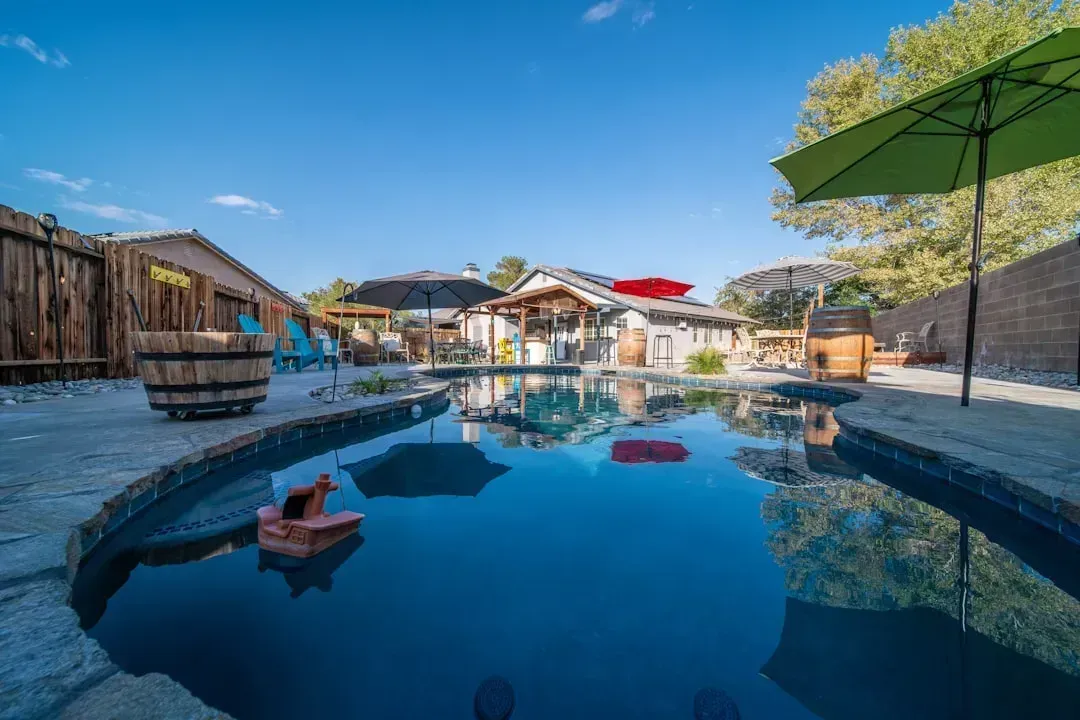
Swimming pools consistently land at the bottom when home inspectors evaluate renovation value. Sure, they look great in photos, but the average return on investment (ROI) for a swimming pool is about 7%. That’s pretty dismal when you consider installation costs typically run between thirty five thousand and sixty five thousand dollars or more. Inspectors frequently note that pools can actually make homes harder to sell since many buyers view them as ongoing maintenance liabilities rather than luxuries.
Pools require expensive maintenance, increase insurance costs, and limit your buyer pool. Many families with young children view them as safety hazards. Inspectors often find cracked surfaces, outdated equipment, improper fencing, or drainage issues that add thousands in repair costs. The numbers tell a sobering story. You won’t get full value, more like 50% of its value back when selling, making pools one of the worst renovation investments unless you live in warm climates like Florida or Arizona where they’re practically expected.
9. Major Kitchen Remodel
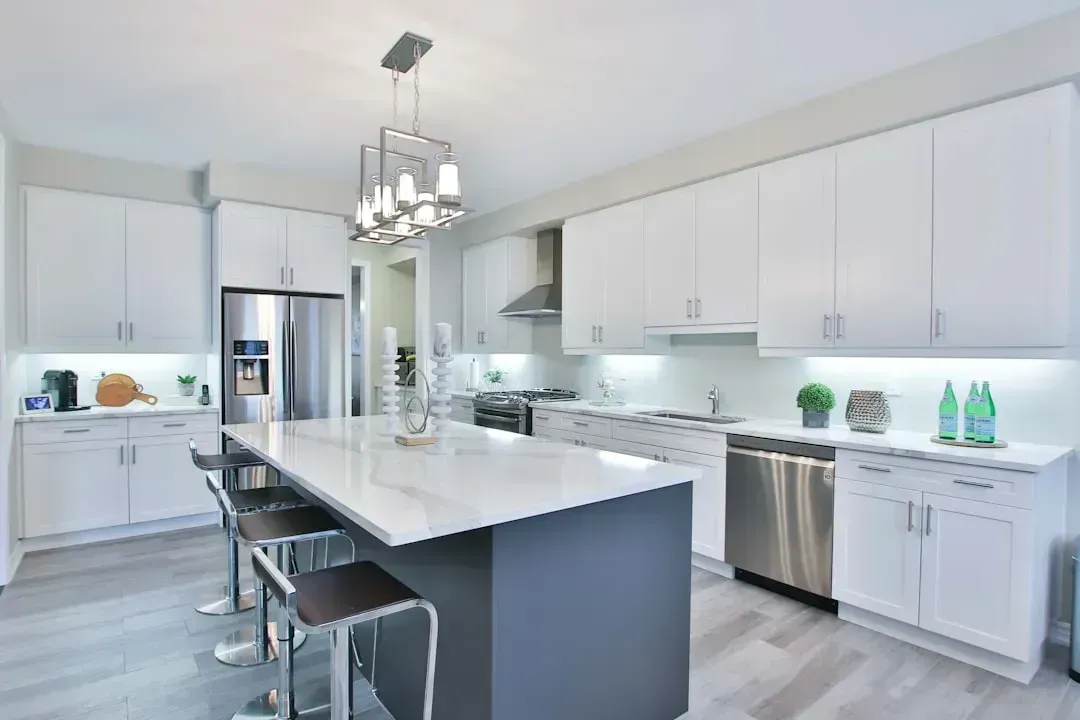
This one surprises people. Everyone assumes a stunning, high end kitchen renovation will pay off big time, right? Not exactly. Major kitchen remodels only return 38% with an eighty five thousand dollar cost returning thirty two thousand three hundred dollars. Inspectors frequently encounter problems with major kitchen overhauls, from improper electrical work for new appliances to plumbing issues with relocated sinks.
The reality is that buyers have wildly different tastes. That farmhouse sink and marble countertops you love might not appeal to the next owner. Home inspectors also see structural concerns when walls get removed to create open concepts without proper support beams. Improperly installed plumbing in renovations can cause water to leak into walls, where mold flourishes in dark damp spaces creating a health hazard with remediation costing over twenty thousand dollars. Minor updates deliver far better returns without the massive expense.
8. Unpermitted DIY Renovations
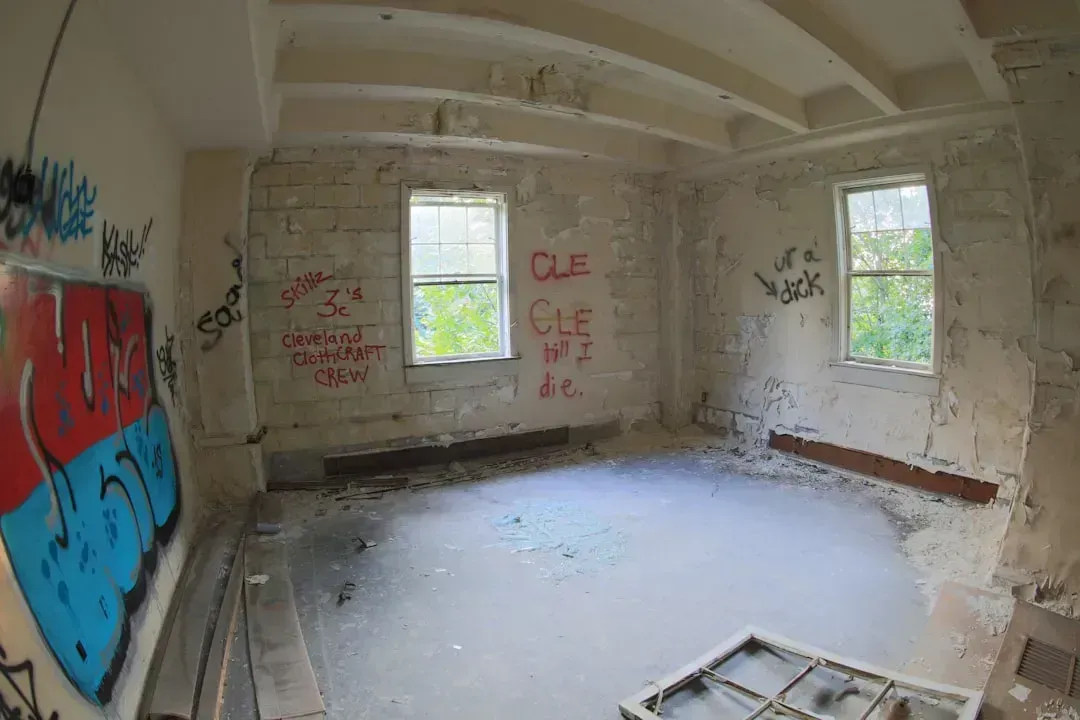
Here’s where things get dicey. Inspectors absolutely dread finding unpermitted work, and it happens more than you’d think. That finished basement or converted garage might look fine on the surface, but issues can affect financing, insurance approvals, or future renovations. What looks like a small fix today can become a big bill later, especially when it comes time for a kitchen remodel, a basement finish, or a home addition.
Do it yourself renovations can be a serious safety hazard, particularly with electrical and plumbing systems. Inspectors commonly discover dangerous amateur wiring connections, improper grounding, and plumbing that doesn’t meet code. Once unpermitted work is discovered during inspection, sellers are required to disclose defects found in that inspection to any future potential buyers of the home. This creates a cascade of problems that can derail sales entirely.
7. Room Additions Without Proper Integration
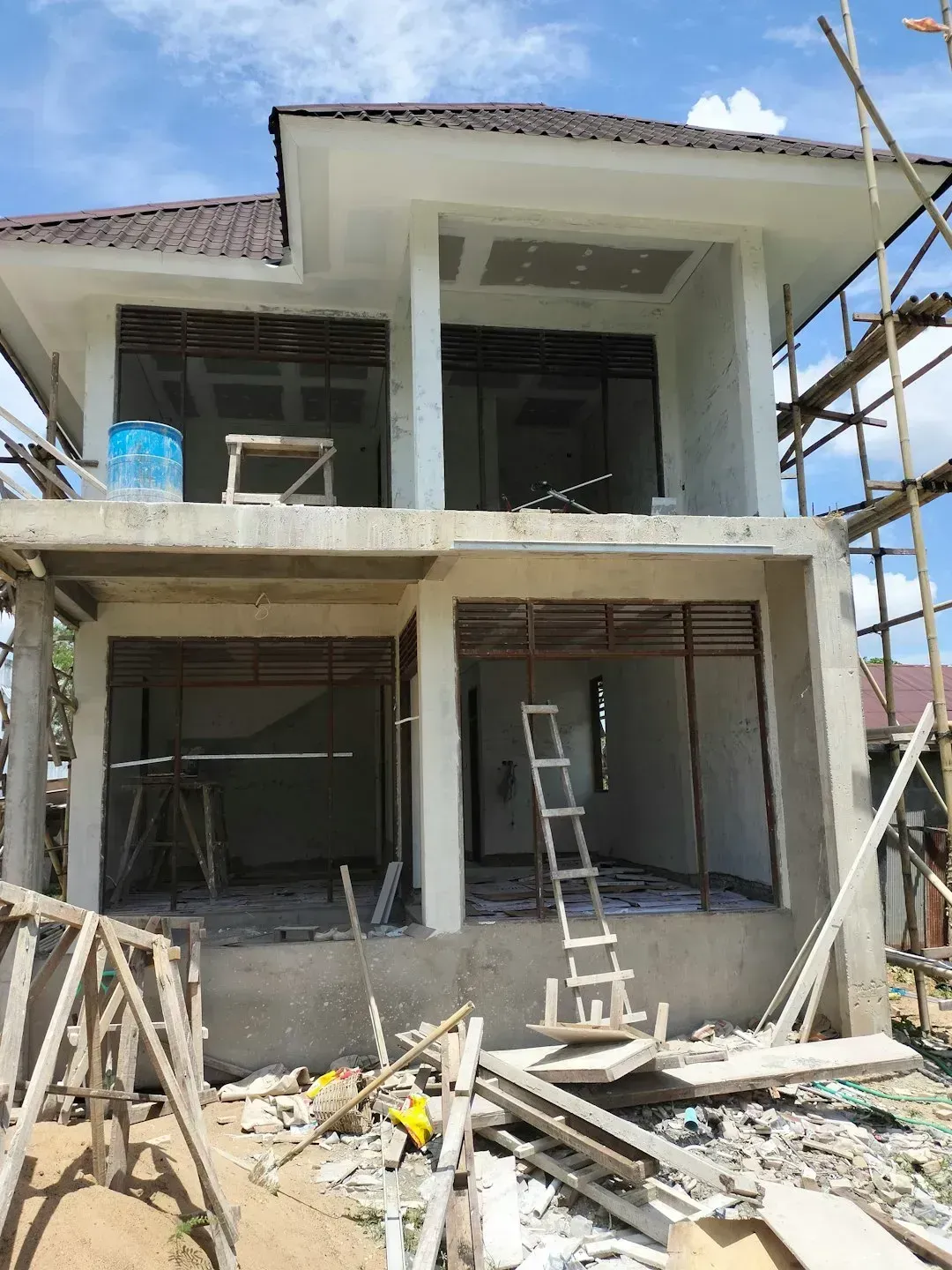
Adding square footage sounds like a smart move, but poorly executed additions create inspection nightmares. Inspectors frequently spot mismatched rooflines, inadequate foundation work, and HVAC systems that can’t handle the extra space. During construction or renovation, rafters, trusses, or joists can be improperly cut or improperly shored up. Natural disasters, poor construction, drainage, and settling can cause structural issues.
Temperature inconsistencies between the original house and the addition signal heating and cooling problems. Inspectors also look for proper insulation, which many DIY additions lack. The worst cases involve additions built without permits or engineering oversight, creating legal nightmares for sellers. When additions don’t seamlessly integrate with the existing structure, buyers see dollar signs in the wrong direction. Structural engineers might have needed to get involved, and foundation repair cost an average of $5,165, but ranged between $2,218 and $8,111 in 2025.
6. Bathroom Renovations with Poor Waterproofing
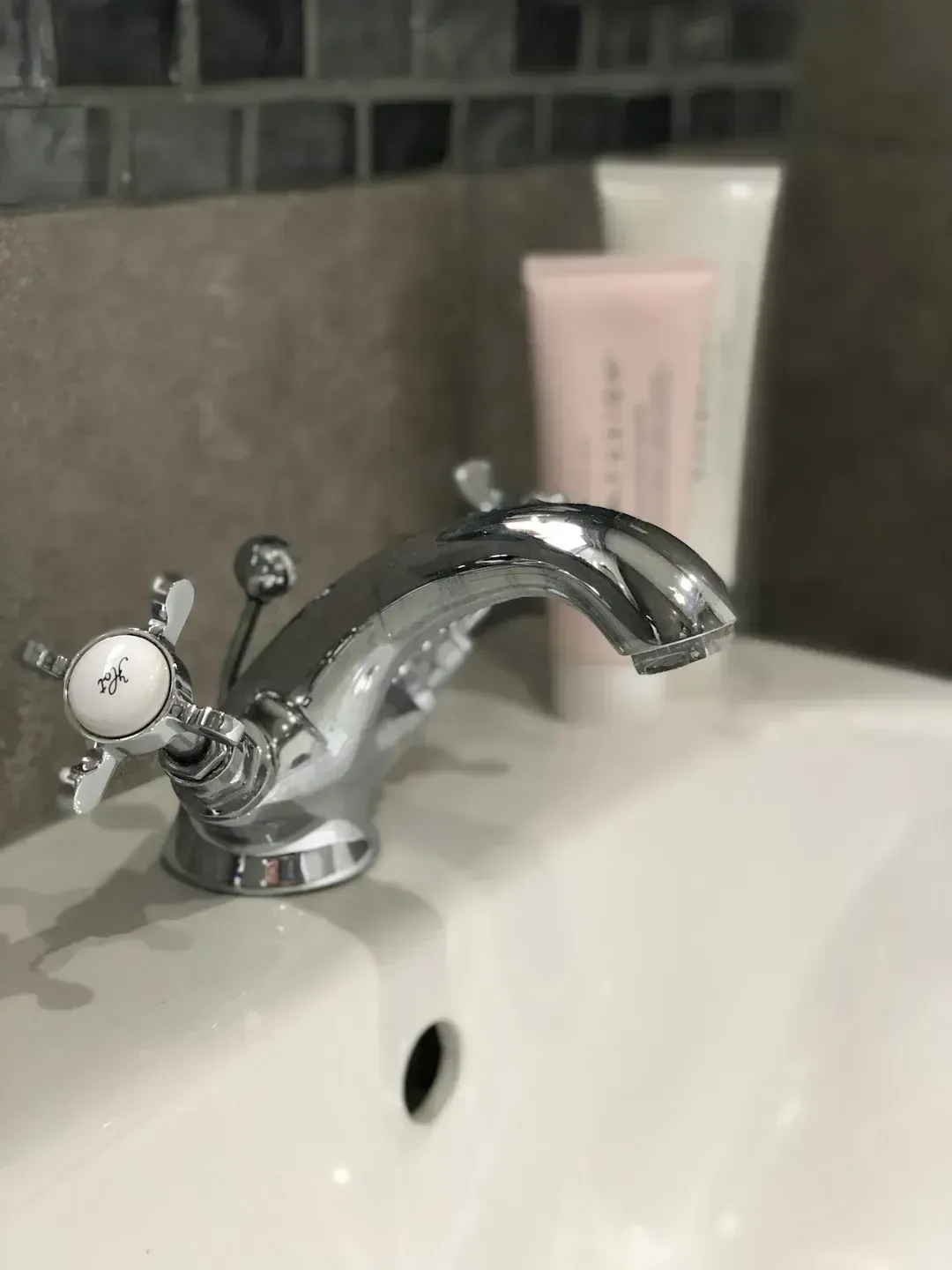
Bathroom remodels can be fantastic investments or complete disasters depending on execution. Inspectors pay extremely close attention to waterproofing, ventilation, and proper drainage. Excess moisture can be one of the biggest red flags because even small leaks can cause major problems. Inspectors look for stains on ceilings, warped floors, or bubbling paint that can mean hidden damage behind walls. Without being properly addressed, water can weaken framing, rot wood, and put the entire structure at risk.
The most common problems inspectors find include improperly sloped shower floors, missing or faulty membrane barriers, and inadequate ventilation that leads to mold growth. Honestly, a beautiful tile job means nothing if water is seeping into the walls behind it. Bathroom renovation spending shifted dramatically, with seniors nearly doubling their typical cost from eighty five hundred dollars in 2023 to fifteen thousand three hundred dollars in 2024, while Millennials dropped from twelve thousand dollars to seventy five hundred dollars, and Gen Xers scaled down from fifteen thousand to thirteen thousand dollars. Still, quality matters more than cost.
5. Roof Replacement
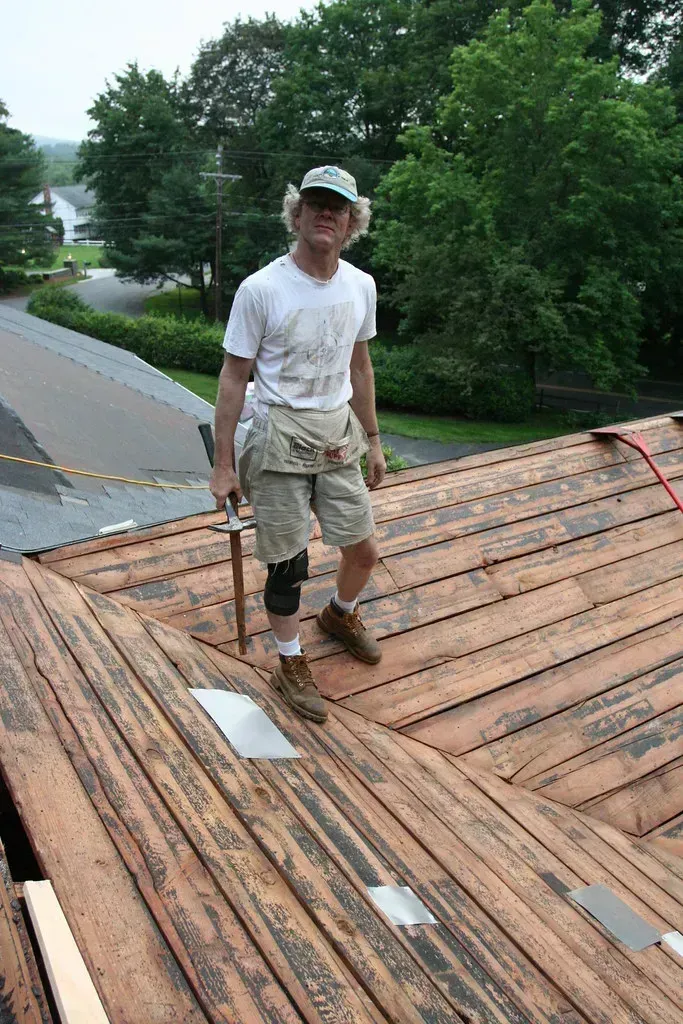
Now we’re getting into renovations that inspectors actually appreciate. Roof replacement typically doesn’t offer spectacular ROI numbers, but it’s essential maintenance that prevents catastrophic damage. New roofing was cited by 43% of agents as a growing priority, giving buyers peace of mind and helping avoid financing hiccups tied to condition. Inspectors immediately note roof condition, age, and any signs of leakage or improper installation.
Asphalt shingle roofs only last about fifteen to twenty years. Roof leakage caused by old or damaged shingles or improper flashing around chimneys or in valleys is a frequent problem. A new roof won’t necessarily increase your home’s value dramatically, but an old failing roof will absolutely torpedo a sale. Inspectors look for proper ventilation, correct flashing, and quality materials. When they see a recently replaced roof with professional installation, it removes a major concern from their reports. That peace of mind matters enormously in real estate transactions.
4. HVAC System Upgrades
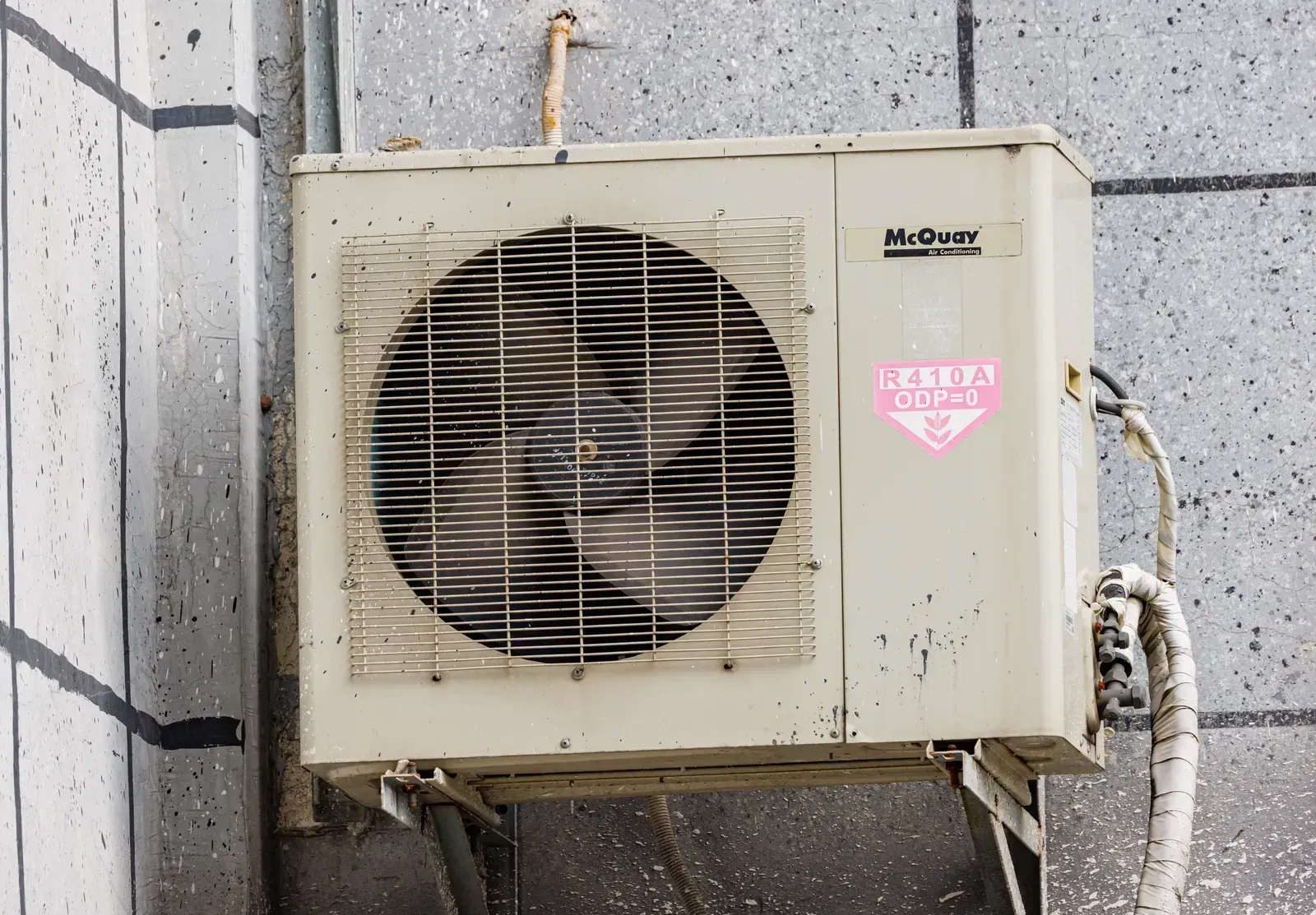
Heating and cooling systems are critical, and inspectors always evaluate them thoroughly. Homeowners spend the most money on roofing, kitchen remodeling, HVAC, and bathroom remodeling overall. Modern, efficient HVAC systems score major points during inspections because they signal the home has been properly maintained and won’t require immediate expensive repairs.
Common problems with older systems include broken or malfunctioning controls, blocked chimneys, unsafe exhaust flues, and cracked heat exchangers that can be a health and safety hazard. Many homeowners do not have their heating systems serviced annually, so a common inspection finding is a dirty heating system. Upgrading to energy efficient systems with proper installation and maintenance records impresses inspectors and buyers alike. In 2025’s market, buyers increasingly prioritized energy efficiency, making quality HVAC upgrades more valuable than ever before.
3. Minor Kitchen Updates
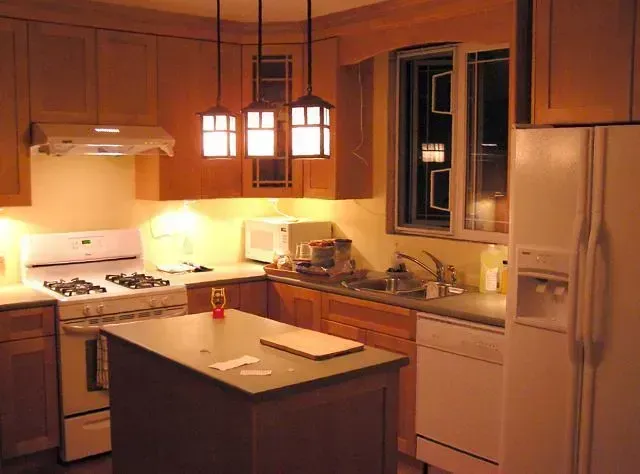
Here’s where the value proposition flips dramatically. While major kitchen remodels disappoint, minor kitchen remodels remain the standout, returning a 113% ROI, up from 96.1% in 2024, positioning it as the leading indoor project for value recovery. Inspectors love seeing updated appliances, fresh countertops, and refinished cabinets because these cosmetic improvements rarely introduce structural or mechanical problems.
This upgrade typically involves refreshing cabinets, replacing countertops, and upgrading appliances without changing the room’s footprint. It’s smart, cost effective, and delivers results. Inspectors can easily verify that electrical and plumbing remain properly configured. There’s minimal risk of hidden problems compared to gut renovations. Kitchen upgrades were cited by 48% of Realtors as an area of rising demand, with buyers loving move in ready kitchens with modern appliances and layouts. Minor updates hit the sweet spot between value and investment.
2. Entry Door Replacement
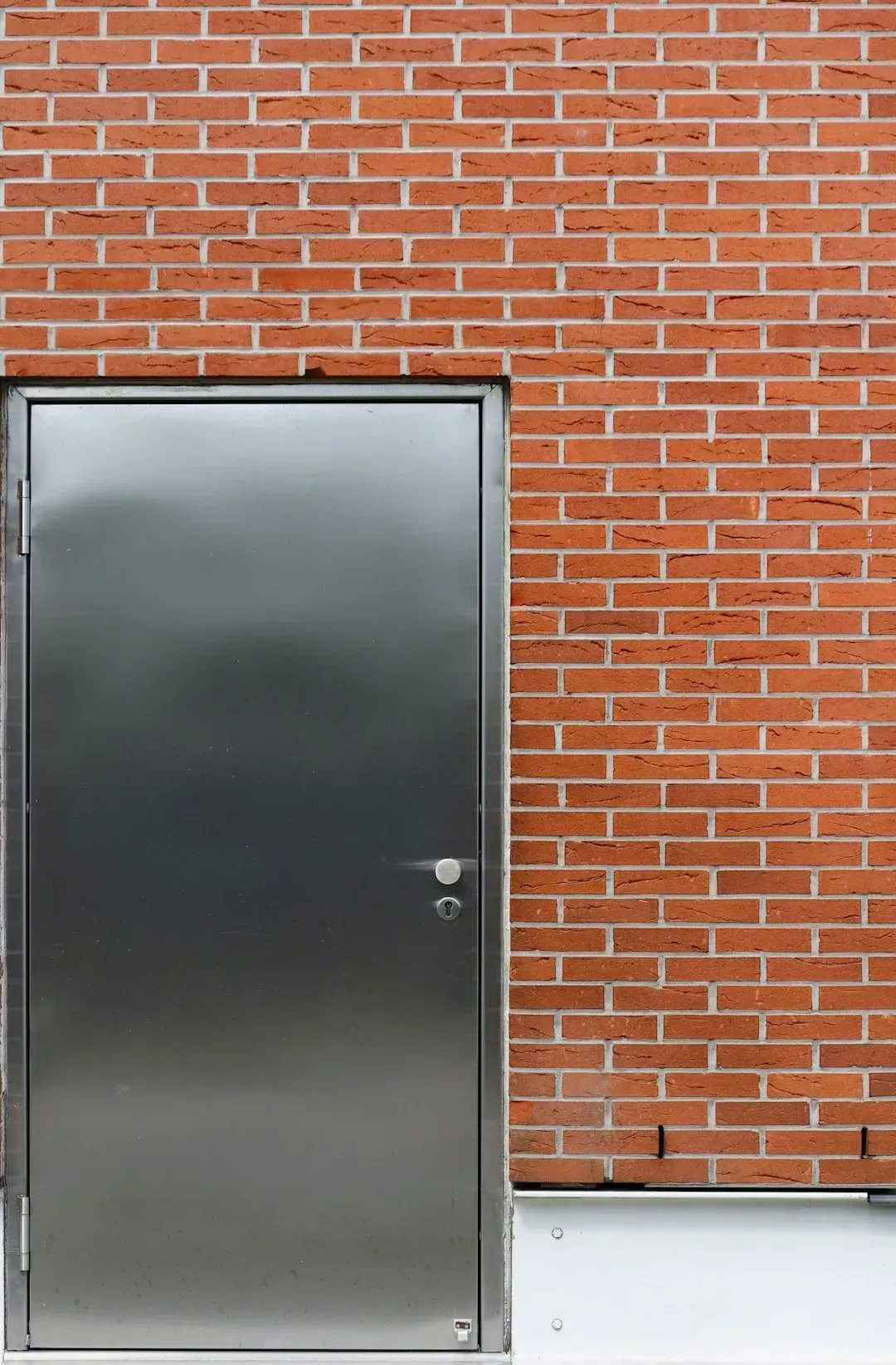
Steel entry door replacements consistently rank among the best renovation investments, and inspectors immediately notice quality doors. Steel entry door replacements deliver a 216% ROI, marking a 28% increase from the previous year. That’s remarkable considering entry door replacement is the cheapest project with an average cost of two thousand three hundred fifty five dollars and an ROI above 188%.
Inspectors appreciate new entry doors because they represent improved security, better energy efficiency, and enhanced curb appeal without introducing complex systems that can fail. There’s virtually nothing to go wrong with a properly installed door. Steel doors offer best ROI, creating powerful first impressions and improving security. This simple upgrade delivers outsized returns because first impressions matter tremendously. When buyers and inspectors arrive, a quality entry door sets a positive tone immediately. It signals that the homeowner cares about maintenance and quality.
1. Garage Door Replacement
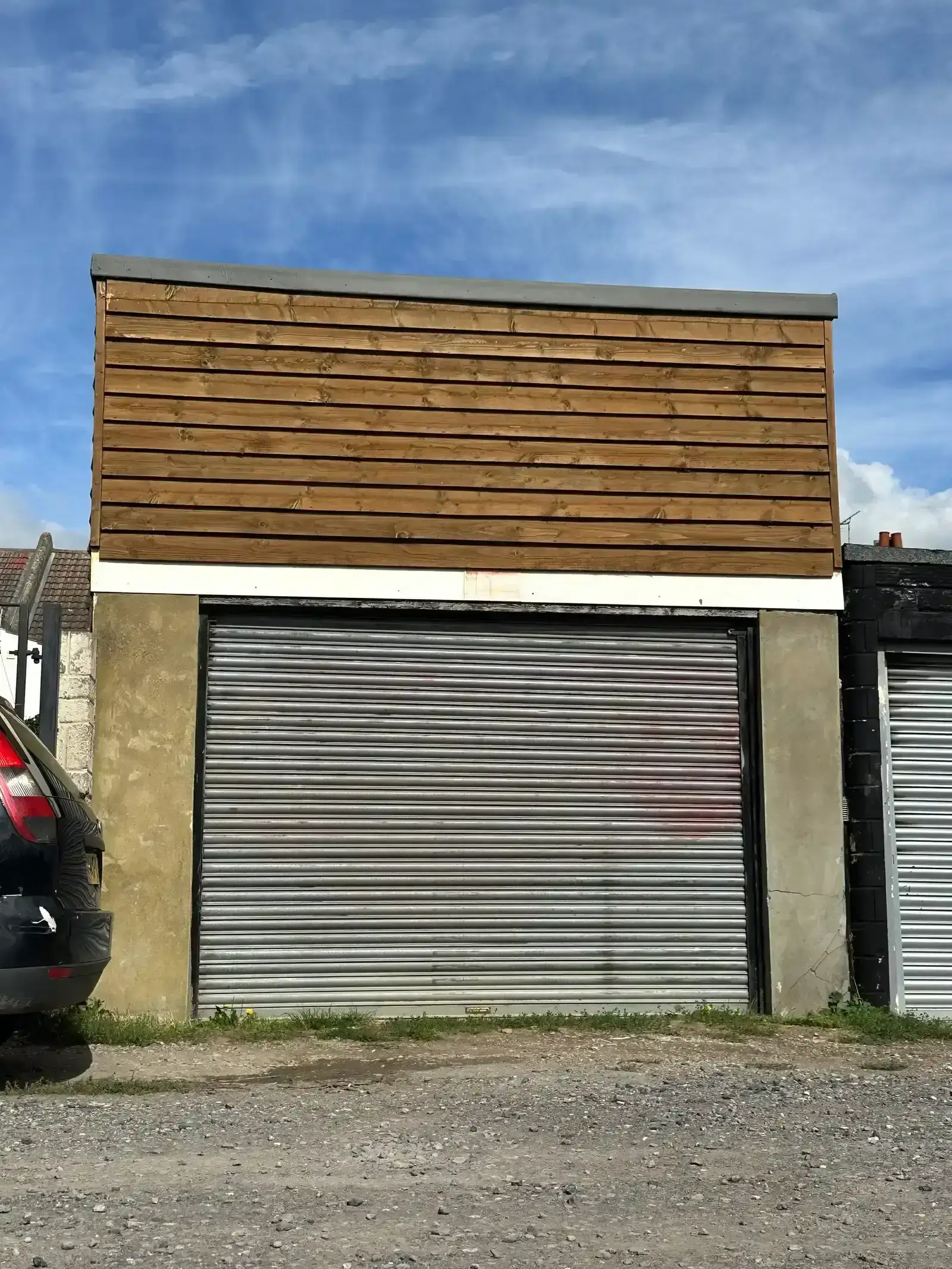
And here’s your winner. Garage door replacements continue to lead the pack in ROI, returning an impressive 268%, up 74% compared with 2024. This staggering return makes it the single best renovation investment, according to recent data. Garage door replacement increased from 194% to 268% ROI, a 74.1% jumped from 2024, which is genuinely shocking.
Inspectors rarely find problems with properly installed garage doors, and the visual impact is immediate and dramatic. Modern insulated doors provide dramatic curb appeal and improved energy efficiency at relatively minimal cost. The garage door is often one of the most prominent features of a home’s facade, yet many homeowners overlook it until selling time. The average cost of replacing a sixteen by seven foot garage door is four thousand five hundred thirteen dollars, and the average resale value is eight thousand seven hundred fifty one dollars. That kind of return is almost unheard of in home renovations.
Home inspectors know that garage door replacements represent low risk, high reward projects that enhance both function and appearance without introducing complex systems or structural concerns. It’s straightforward, effective, and delivers measurable results every single time.
So there you have it. The renovations that make inspectors cringe versus the ones that make them smile. Notice a pattern? Simple, visible upgrades to exterior elements consistently outperform complex interior overhauls. Projects that enhance curb appeal without introducing complicated systems deliver the best returns. What renovation are you considering now? Did any of these rankings surprise you?