The Hidden Danger of Lake Karachay: Why Standing Nearby for an Hour Can Be Deadly
Imagine a place so dangerous that simply standing on its shores for sixty minutes would deliver enough radiation to kill you. Picture a body of water containing more concentrated radioactive material than Chernobyl, yet it remained hidden from the world for decades. Lake Karachay, a small lake in the southern Ural Mountains in central Russia, was used by the Soviet Union as a dumping site for radioactive waste from the Mayak nuclear facility starting in 1951. What followed became one of the most catastrophic environmental disasters in human history, a nightmare concealed behind the Iron Curtain until the collapse of the Soviet Union finally exposed the truth.
According to the Worldwatch Institute, Karachay is the most polluted place on Earth from a radiological point of view. The levels of contamination are staggering. Yet the story of this deadly lake involves more than just radiation, it’s about Cold War secrecy, reckless disposal practices, and ongoing dangers that persist even now, decades after remediation efforts began.
A Plutonium Factory’s Toxic Solution
The story begins in the aftermath of World War II, when the Soviet Union raced desperately to match American nuclear capabilities. Built in total secrecy between 1946 and 1948, the Mayak plant was the first reactor used to create plutonium for the Soviet atomic bomb project, supervised by NKVD Chief Lavrentiy Beria with utmost priority to produce enough weapons-grade material to match U.S. nuclear superiority. Speed trumped safety at every turn.
Lake Kyzyltash was the largest natural lake providing cooling water to the reactors but was rapidly contaminated, while Lake Karachay was closer but too small to provide cooling water, so it was designated as a dumping ground for high-level radioactive waste too “hot” to store in underground vats. Think about that for a moment. The material was so dangerously radioactive that even the facility’s storage tanks couldn’t safely contain it, so they simply dumped it into a nearby lake.
From October 1951 the lake was used as a storage of technological radioactive waste to stop the waste discharge into the Techa River. Ironically, this decision to protect one water source created an environmental catastrophe far worse. An estimated 500 million Curies of beta-radioactive nuclides were poured into Lake Karachay in the 1950s, transforming a modest body of water into the planet’s most radioactive location.
The Lethal Mathematics: 600 Roentgens Per Hour
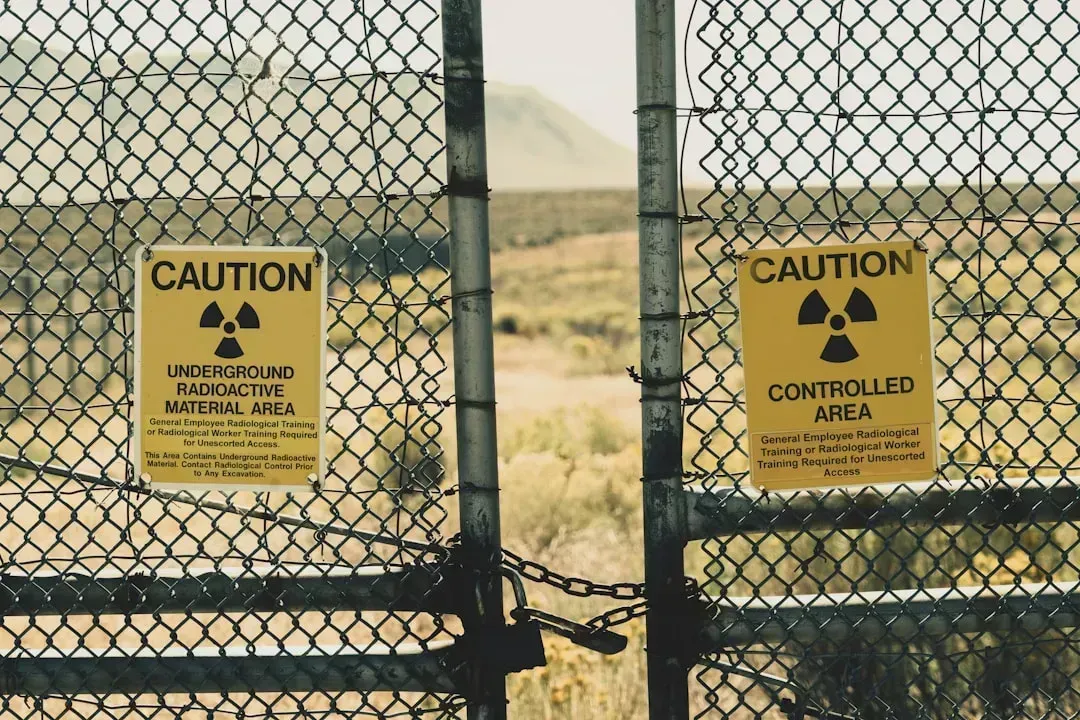
Let’s talk numbers, because they’re truly terrifying. In 1990, the radiation level near where radioactive effluent was discharged into the lake was 600 röntgens per hour (approximately 6 Sieverts). To put this in perspective, exposure of 100 roentgen is enough to cause radiation sickness and 400 roentgen would likely kill most people within a month.
Standing on the shore of Lake Karachay at its most contaminated point would expose you to six times the lethal dose in just one hour. That’s enough radiation to kill you in about 50 minutes, according to Guinness World Records. Your body’s cells would begin dying before you even realized the danger. There’s no smell, no immediate pain, just invisible particles tearing through your DNA.
The lake accumulated 4.44 exabecquerels of radioactivity including 3.6 EBq of caesium-137 and 0.74 EBq of strontium-90, while the Chernobyl disaster released only 0.085 EBq of caesium-137 over thousands of square miles. This comparison is stunning. Lake Karachay concentrated more than forty times the long-lived caesium-137 of Chernobyl into less than one square mile of water.
When the Wind Became a Weapon
The horrors didn’t stay contained within the lake itself. In the 1960s, the lake began to dry out with its area dropping from 0.5 km² in 1951 to 0.15 km² by 1993, and in 1968, following a drought, wind carried 185 PBq of radioactive dust away from the dried bed, irradiating half a million people. Half a million people. Let that sink in.
Imagine living your life, completely unaware that invisible radioactive particles were settling on your home, your crops, your children’s playgrounds. The incidence of cancer reportedly increased 21 percent among people living in the local area, along with a 25 percent increase in birth defects and a 41 percent increase in leukemia. These weren’t just statistics, they were families destroyed, lives cut short, children born with devastating health problems.
The 1968 dust dispersal event exposed populations to radiation levels comparable to being near Hiroshima during the atomic bomb drop. Yet because the Mayak facility remained a state secret until 1990, affected residents didn’t even know why they were getting sick. About 65 percent of local residents fell ill with radiation sickness, which doctors termed “special disease” because they weren’t allowed to mention radiation in diagnoses while the facility was secret.
Burying the Problem Under Concrete
By the late 1970s, Soviet authorities realized they had to do something. Between 1978 and 1986, the lake was filled with almost 10,000 hollow concrete blocks to prevent sediments from shifting, and conservation work was completed in December 2016 with the final layer of rock and soil being added. The project took nearly four decades to complete.
The project cost 17 billion rubles ($263 million) including construction of an upland channel to intercept rainfall, and over 64 years the lake accumulated about 600 million curies of radioactive waste. That’s an astronomical sum, yet some environmental experts remain skeptical whether it’s enough. Concrete cracks. Rock erodes. What happens in fifty years? In a hundred?
Today, an employee of the Mayak PA central plant laboratory states it is not dangerous to be near Lake Karachay today but economic activities are forbidden and entry is prohibited with Rosatom guards monitoring, though when radioactivity indicators switch to beta mode, 15 decays per square centimeter per second are recorded. The surface may appear safe, but beneath lies a radioactive monster waiting for any breach in its concrete tomb.
The Danger Beneath: Migrating Contamination
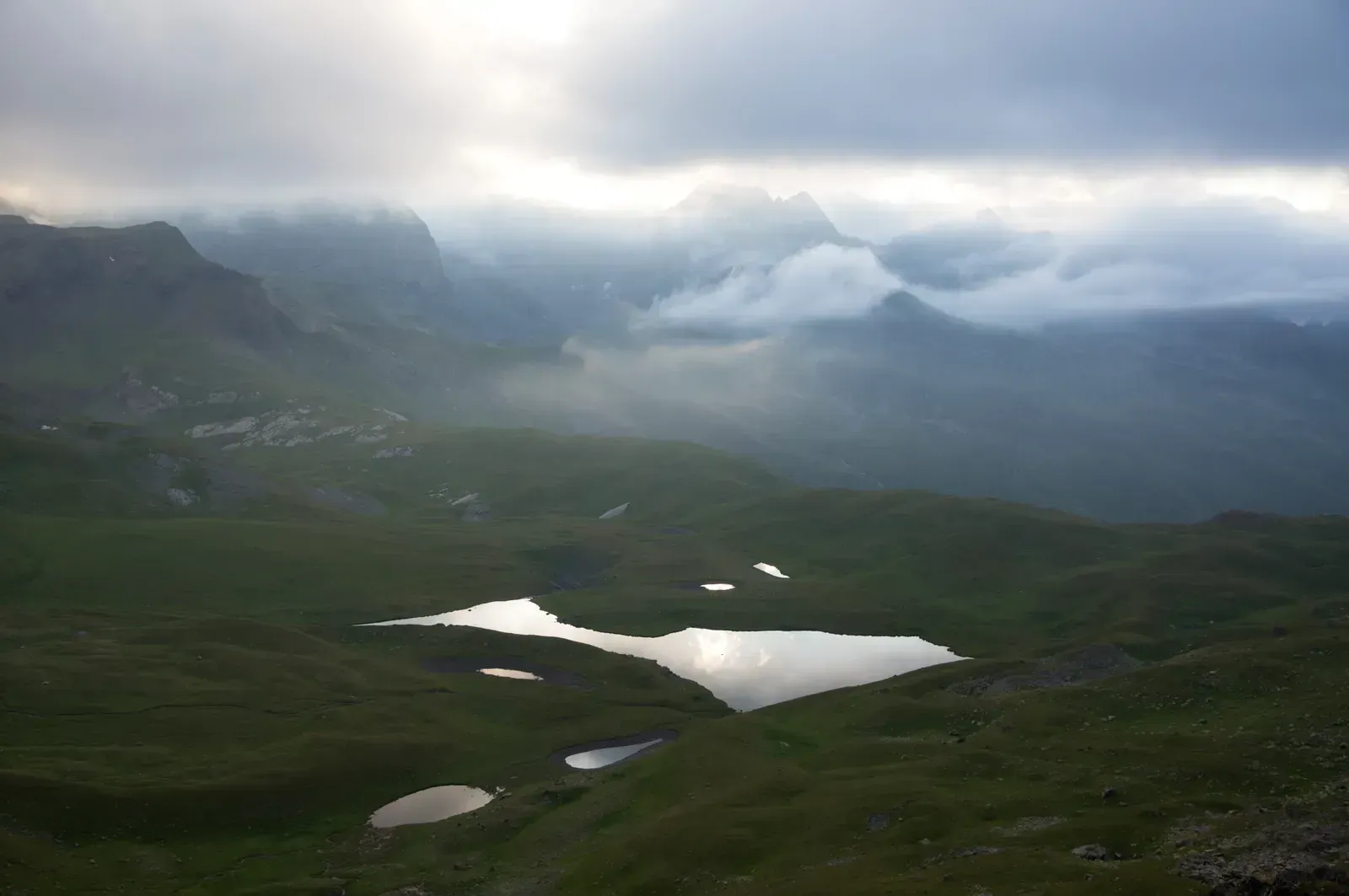
Perhaps the most frightening aspect isn’t what’s sealed in the lake, it’s what’s already escaped. The lens of contaminated groundwater formed under the lake is 100 meters thick and 10 square kilometers in area, and it keeps increasing at a rate of 100 meters per year. Think about that. Every single year, this underground radioactive plume spreads the length of a football field in all directions.
The nearest threatened water source is the Misheliak River, and hazardous waste could reach the Techa River, which flows into the Arctic Ocean, with consequences including complete soil contamination and poisoning of drinking sources with cesium-137 and strontium-90. We’re not just talking about local contamination anymore. This is a ticking time bomb that could affect international waters.
The International Atomic Energy Agency concluded that even if Lake Karachay disappears forever from the Earth, problems related to it will remain. Strontium-90 and cesium-137 have half-lives of roughly thirty years. Complete decay takes centuries. Lake Karachay’s radioactive legacy will outlive everyone alive today, and their children, and possibly their grandchildren too.
The concrete seal may keep the worst contamination buried, for now. Monitoring continues. Guards patrol the perimeter. Yet beneath the surface, radioactive particles continue their slow, inexorable migration through groundwater systems toward rivers, toward ecosystems, toward populations downstream. What started as a Cold War shortcut to weapons production has become a multi-generational environmental catastrophe that defies any simple solution. The lake may be gone, but its hidden danger persists, spreading silently beneath our feet.