10 Things You Shouldn’t Put in the Recycling Bin (Even Though Most People Do)
You toss that greasy pizza box into the recycling bin. You feel good about it. You’re helping the planet, right? Well, here’s the thing. That simple act might actually be making things worse.
According to the 2024 WM Recycling Report, nearly half of Americans don’t recycle because they’re not confident about what can and can’t be recycled. The confusion is real. With 84% still placing items in recycling that cannot be processed, there’s definitely room for improvement. So let’s clear up some of the biggest recycling mistakes you’re probably making without even realizing it.
1. Plastic Bags and Film Wrap
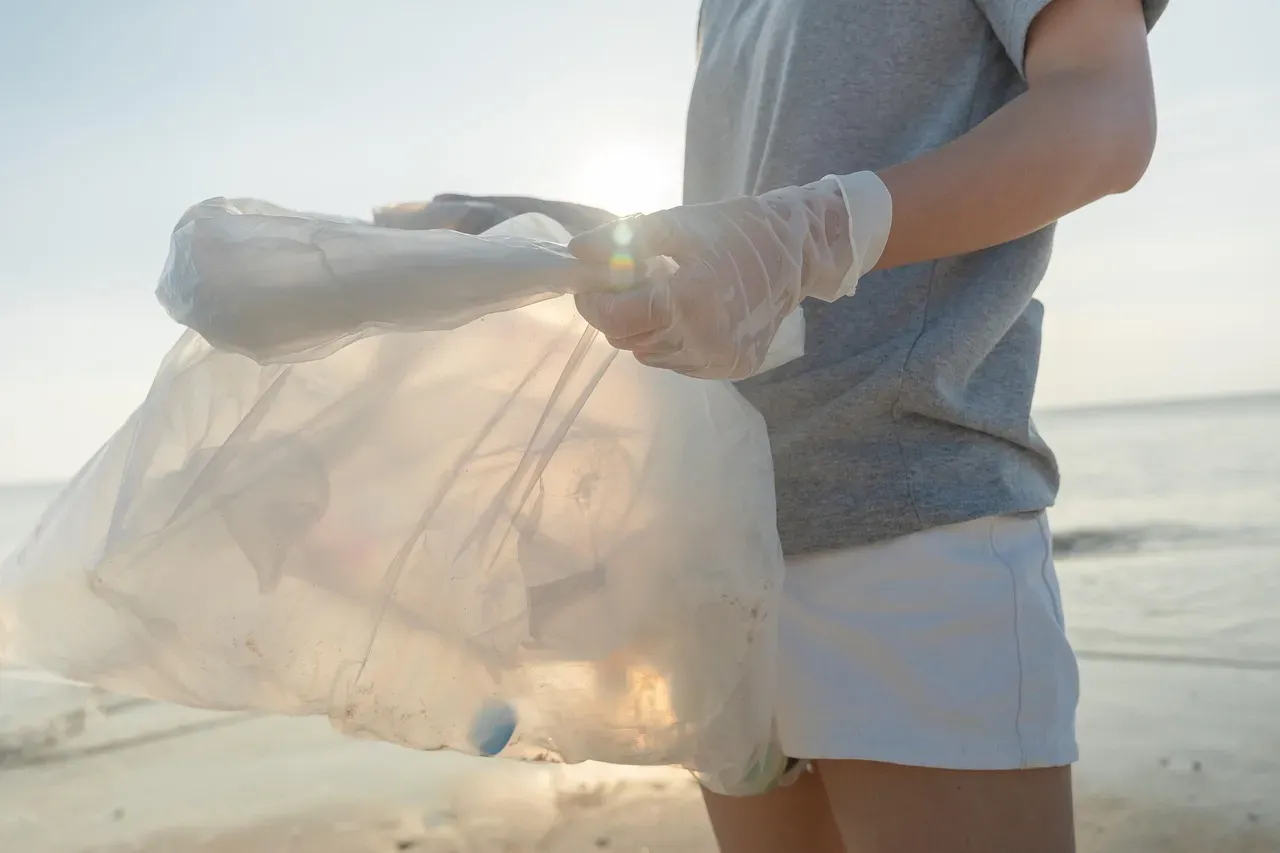
Let’s be real, plastic bags are recycling enemy number one. You might see that little recycling symbol on your grocery bag and think you’re doing the right thing by tossing it in your blue bin. Wrong move.
Your community’s material recovery facility can’t handle plastic bags because they jam the processing equipment, which creates work stoppages. I’m talking about the entire facility shutting down. According to the City of Phoenix, plastic bags cost them $1 million in lost time every year. Think about that for a second. One million dollars just because people can’t figure out where to put their shopping bags.
In a tracking investigation, ABC News and other ABC stations launched 46 trackers in plastic bags, and twenty three of them last pinged at landfills or trash incinerators. So much for that recycling symbol doing any good. If you want to recycle plastic bags, take them to designated drop-off bins at grocery stores instead.
2. Greasy Pizza Boxes
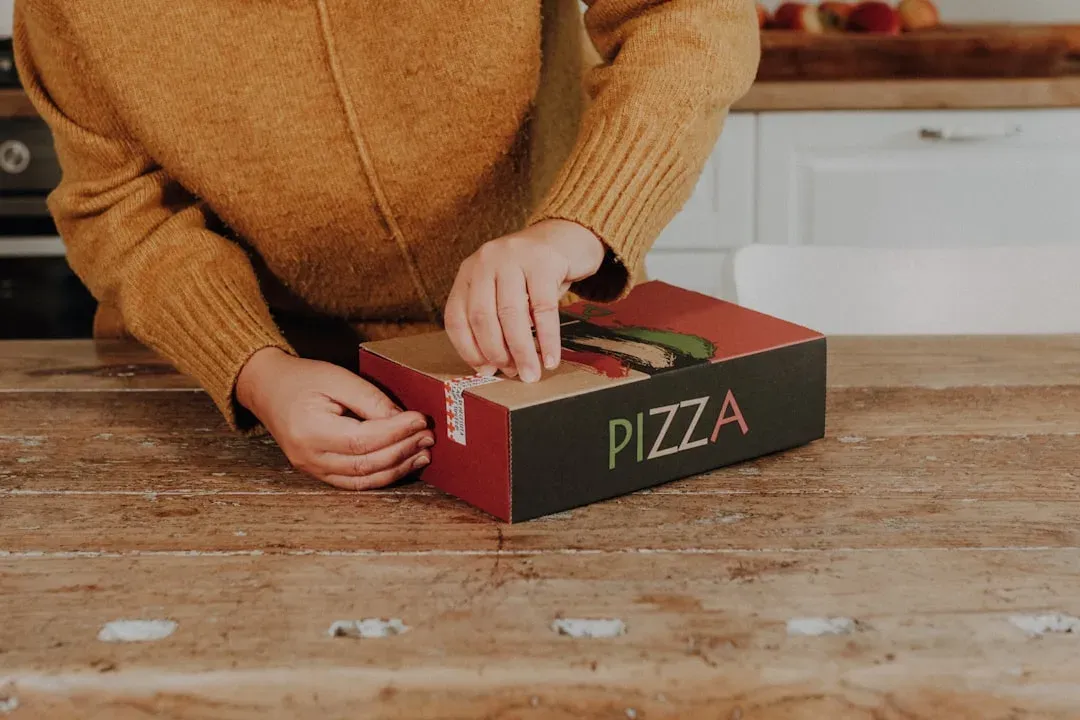
Here’s where things get interesting. For years, everyone said pizza boxes were a no-go for recycling. The grease ruins everything, they said. Turns out, that’s not entirely true anymore, though it’s still complicated.
Grease and oil are two of the worst contaminants in paper recycling, and greasy pizza boxes are one of the biggest culprits. However, a study confirmed pizza boxes are recyclable by paper mills, and grease and cheese in an amount typically found on pizza boxes are not an issue for the recycling process. The key word here is “typical levels.” That heavily soaked bottom with pooled oil? Yeah, that’s still trash.
Your best bet is to tear off the clean top portion and recycle that part while trashing the greasy bottom. Simple solution, but most people just chuck the whole thing in without thinking twice.
3. Styrofoam and Polystyrene Foam
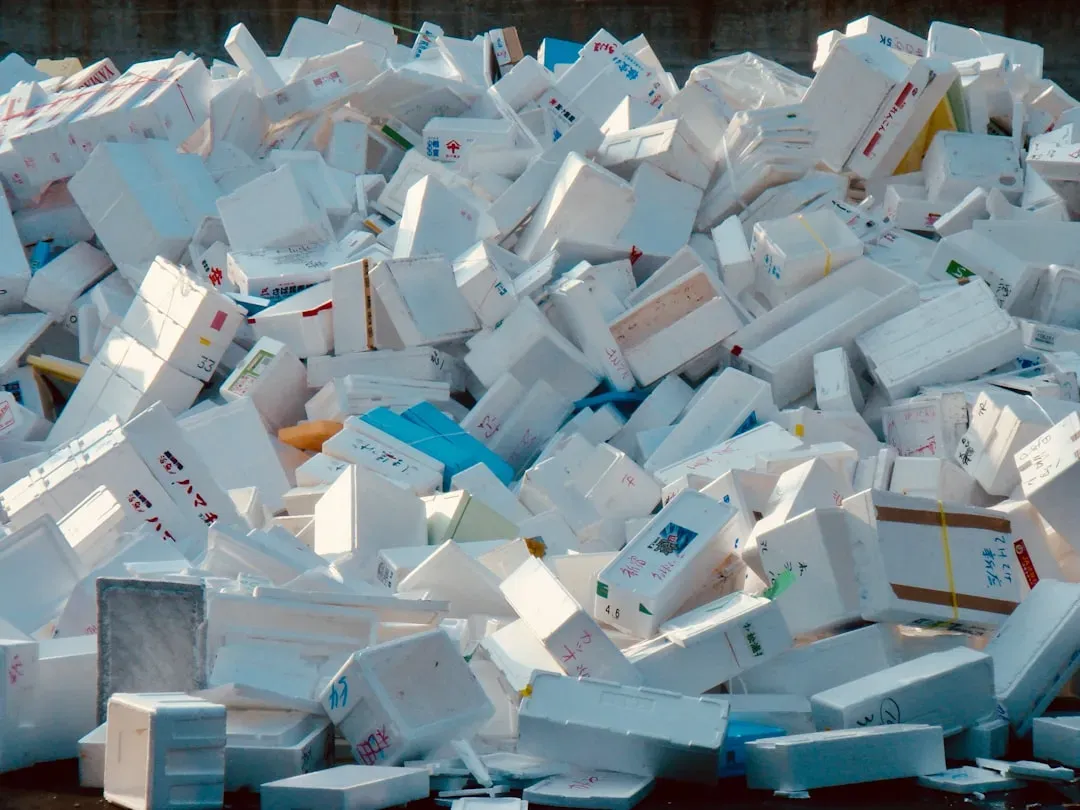
That white foam clamshell from your takeout dinner might have a recycling number on it, but don’t let that fool you. Americans dump approximately 1,500 tons of polystyrene in landfills daily, and less than 1% of it is recycled.
Why so low? Styrofoam is 95% air, which makes it light in weight but very bulky, and it occupies much space in landfills and is not economical to transport for recycling. Most recycling centers simply don’t have the expensive equipment needed to process it. Several states have enacted bans on EPS foam packaging and products, and as of 2025, Oregon, California, Delaware, Rhode Island, Hawaii, and Washington have enacted legislation prohibiting various EPS products.
Some specialized drop-off locations do accept clean polystyrene, so check your local options. Otherwise, it’s headed straight to the landfill no matter what you do with it.
4. Shredded Paper
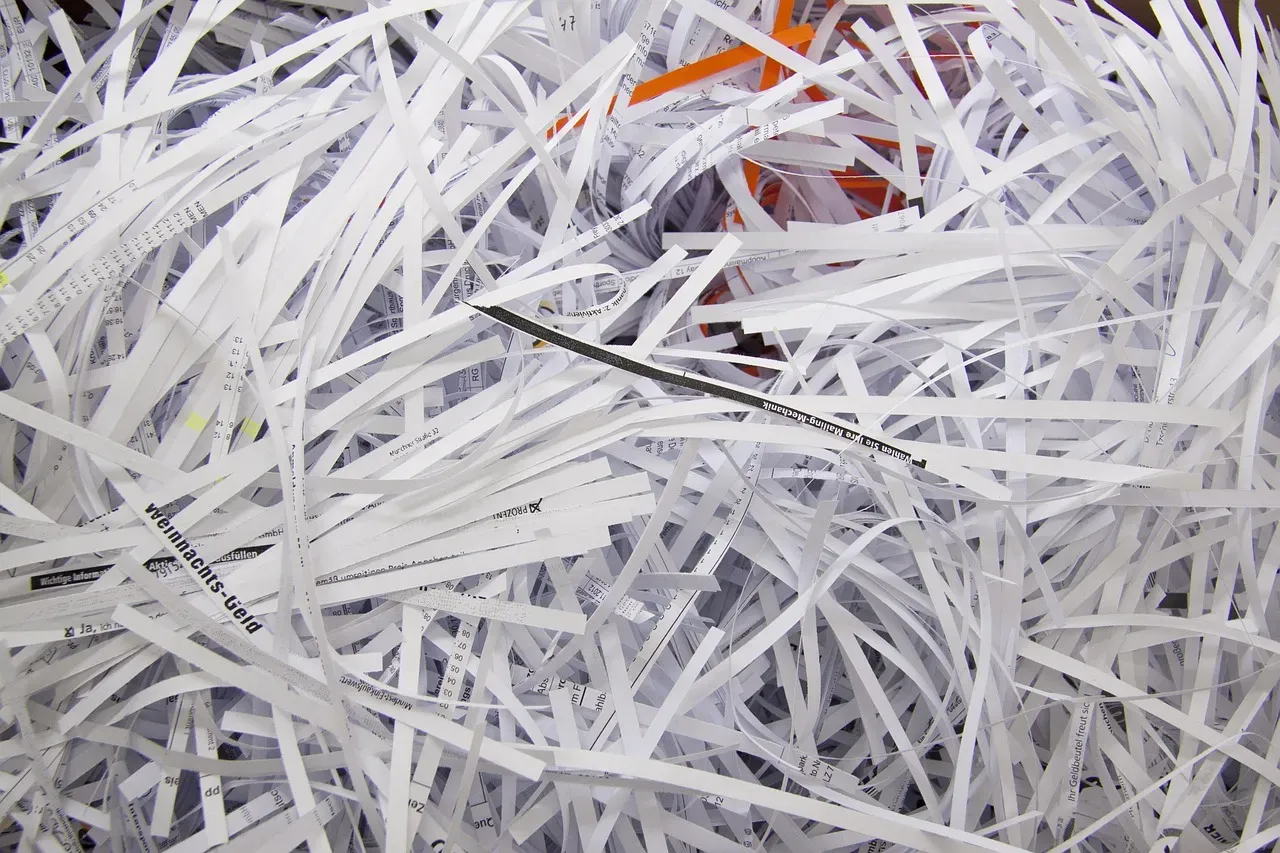
You shred your sensitive documents to protect your identity. Smart. Then you dump those tiny pieces into your recycling bin. Not smart.
Shredded paper is less likely to be recycled than sheets of paper because the small shreds of paper can get lost in collection and processing, and the smaller the paper is, the less likely it is to get recycled. Shredded paper is very lightweight and can blow out of your bin or truck, and the size of the paper strips is too small for machinery to sort.
Shredding paper cuts its fibers and reduces its recyclability, and while a new sheet of office paper can generally be recycled 5 to 7 times, if that same paper is shredded, its lifecycle is dramatically shortened. If you must recycle shredded paper, some communities accept it if you put it in a sealed paper bag labeled clearly. Check your local rules first.
5. Bottle Caps and Small Plastic Lids
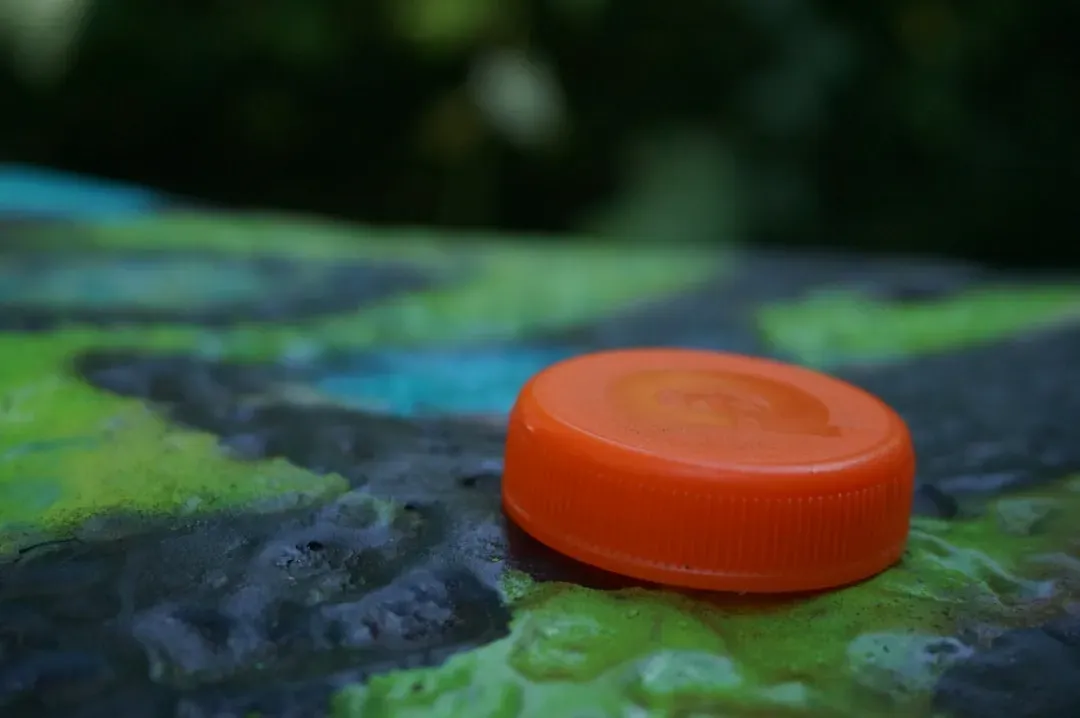
Those tiny plastic caps from your water bottles used to be recycling no-nos across the board. Things have changed a bit, but not everywhere, and certainly not for all types of lids.
Plastic lids from containers such as water or milk bottles are not always recyclable. The rule varies wildly depending on where you live. Some facilities now accept caps if they’re screwed back onto the bottle. Others want them separate. Some don’t want them at all.
Loose small lids often fall through sorting equipment and contaminate glass batches. When in doubt, leave the cap on the bottle if your area allows it. If not, those little pieces probably belong in your trash can.
6. Black Plastic Packaging
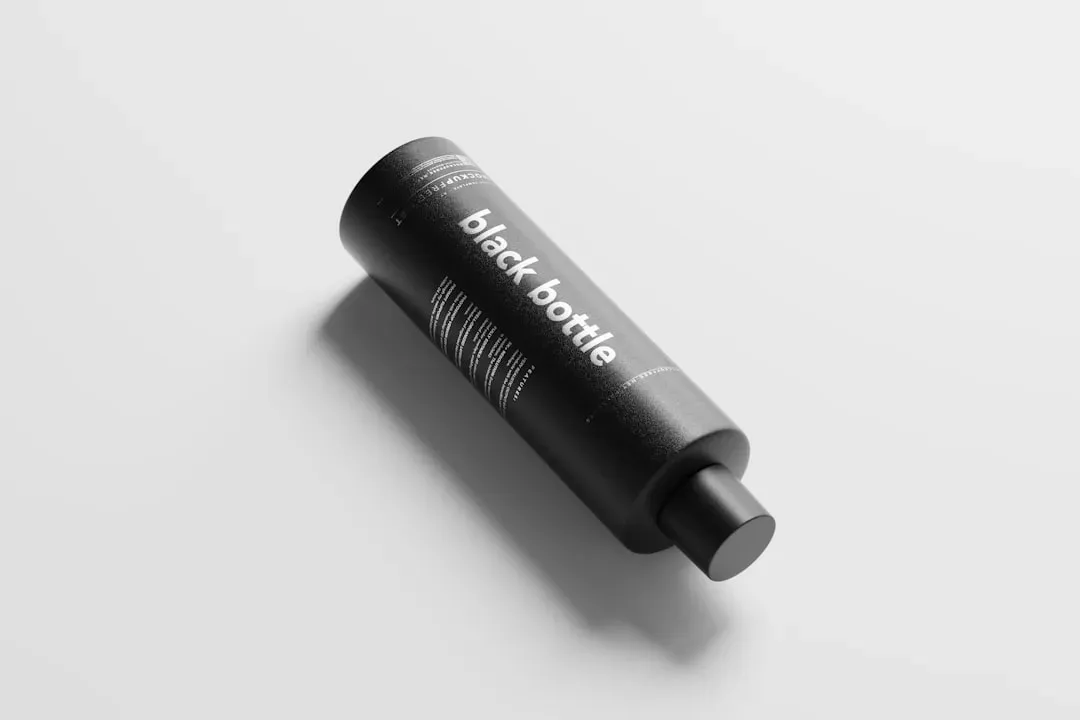
Ever wonder why some plastic containers are black? It looks sleek, sure. However, that color choice is a nightmare for recycling facilities.
Most black plastic packaging cannot be identified by the optical sorting systems used in plastic recycling plants, which means it is usually sent to landfill or incinerated. The sorting machines literally can’t see it. It’s like trying to spot a black cat in a dark room.
This includes those black takeout containers, black yogurt cups, and black plastic trays. They might have recycling symbols stamped on them, but the technology isn’t there yet to handle them in most places. Honestly, it’s frustrating how something so common can’t be processed properly.
7. Dirty or Food-Contaminated Containers
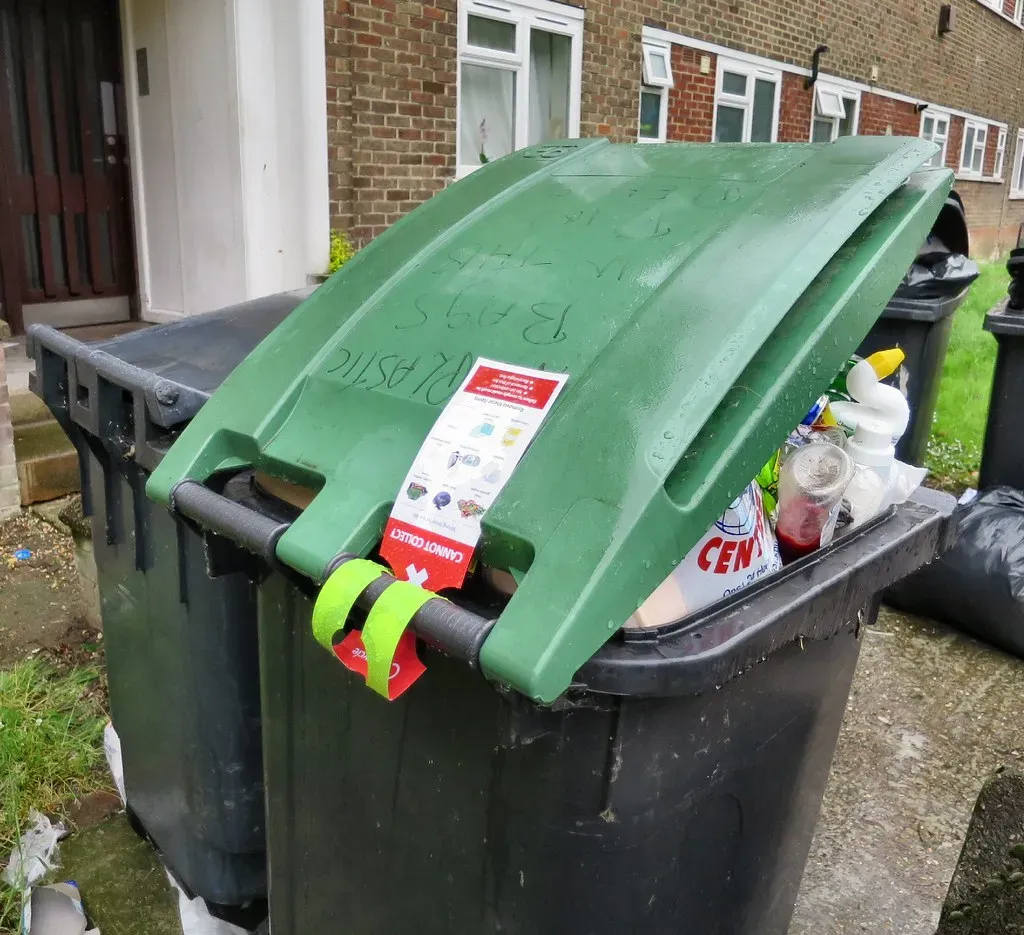
Rinsing out your recyclables feels like extra work. I get it. Yet that leftover peanut butter in the jar or dried sauce in the pasta container can ruin entire batches of otherwise perfectly good recyclables.
According to research by waste management company Biffa, 17% of England and Wales’ waste cannot be recycled due to contamination, and in 2020, recyclable items placed in the wrong bin accounted for 6.5% of contaminated waste. That residue might seem insignificant to you, but recycling facilities don’t wash your containers for you.
Single-stream recycling does increase the risk of contamination, so you can do your part by quickly rinsing your non-paper recyclables before placing them in the bin. We’re not talking about scrubbing them spotless. Just a quick rinse with cold water does the job. Skip this step and you might as well throw everything in the trash.
8. Garden Hoses, Electrical Cords, and Wire Hangers
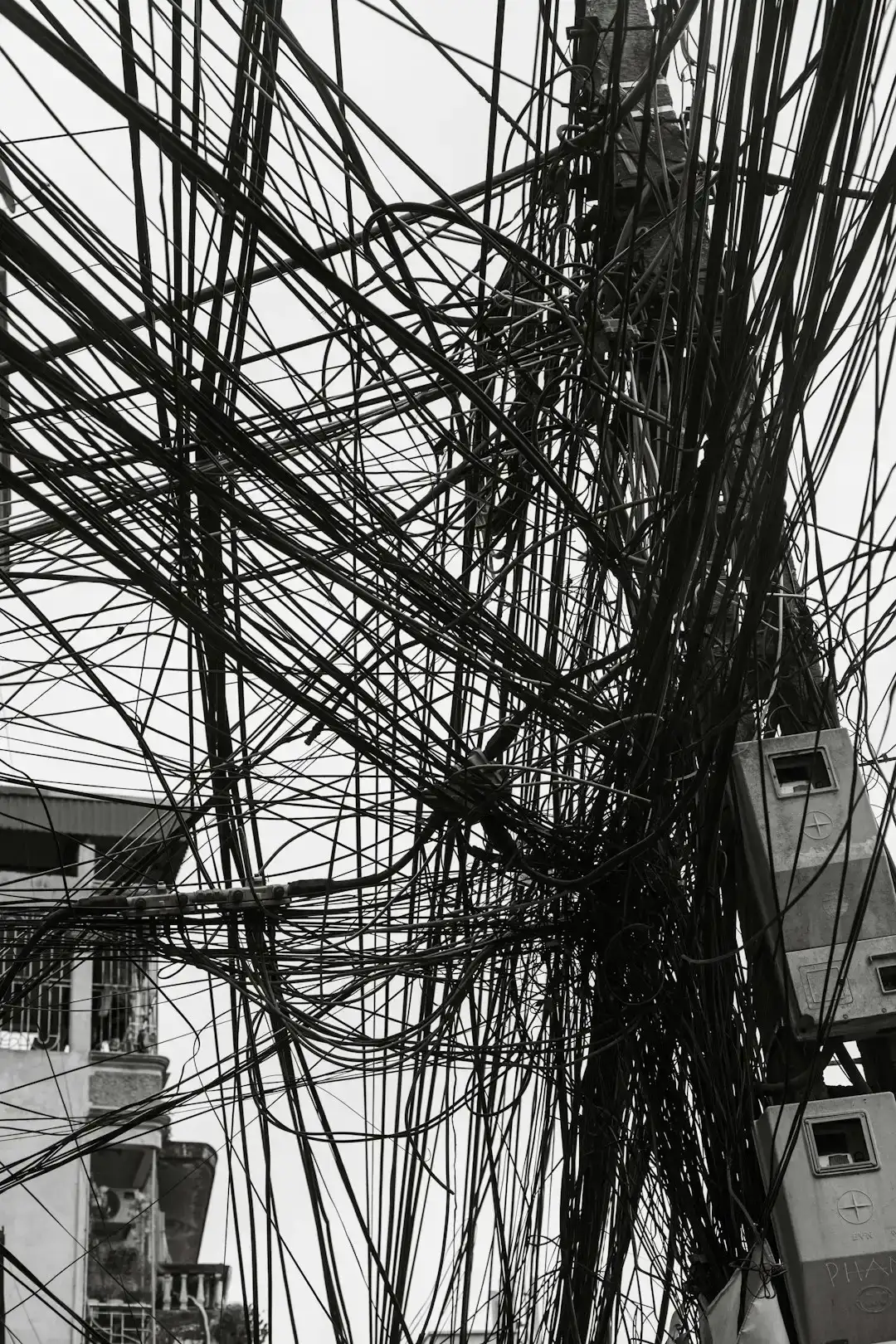
These long, tangly items are called “tanglers” in the recycling world for good reason. Examples of items that are commonly wish-cycled are plastic bags, garden hoses, electrical wires/cords, batteries, diapers and chip bags.
Garden hoses wrap around sorting equipment and bring everything to a grinding halt. Wire hangers do the same thing. Electrical cords create hazards for workers who have to climb up and cut them free from jammed machinery. It’s dangerous, time-consuming, and expensive.
Metal hangers can sometimes be returned to dry cleaners for reuse. Old hoses and cords should go to specialized e-waste or scrap metal facilities. Tossing them in your curbside bin just creates problems for everyone down the line.
9. Frozen Food Boxes
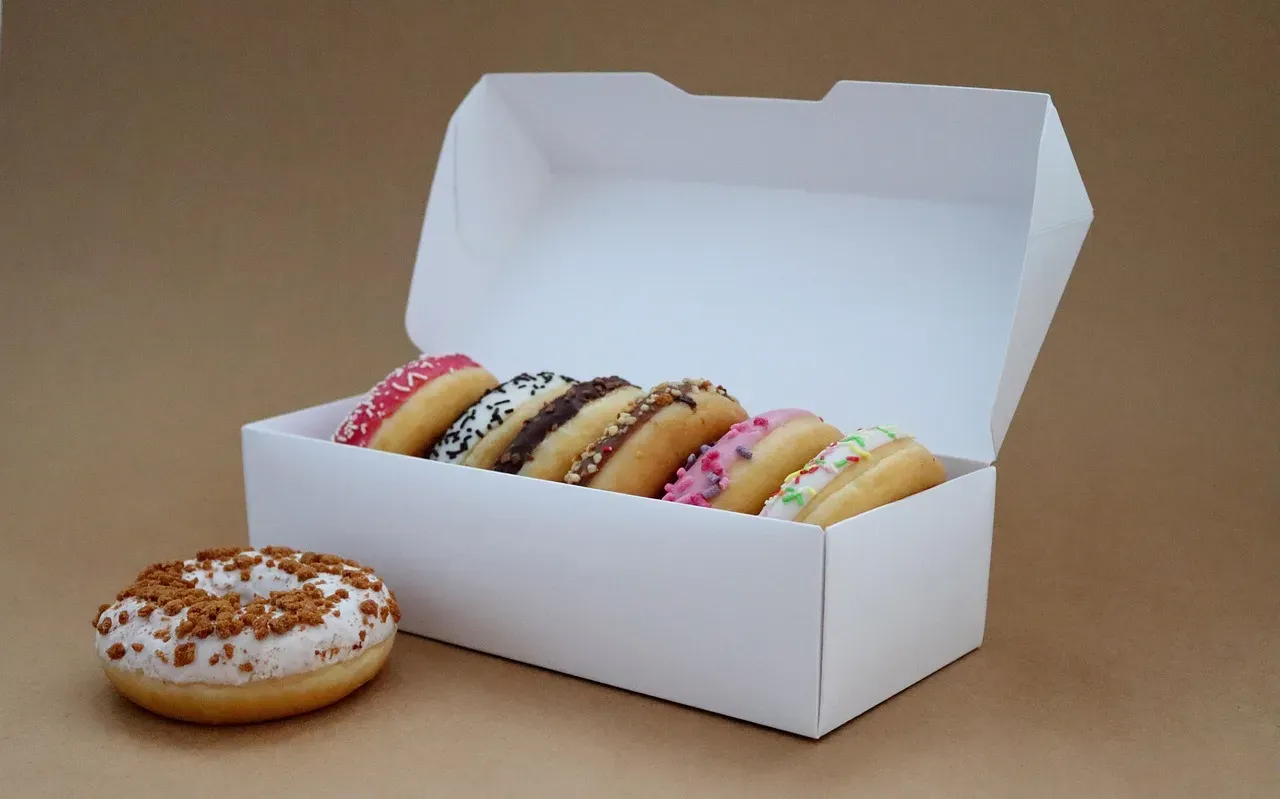
Cardboard is recyclable, right? Mostly yes. Except when it’s not actually just cardboard.
Frozen food boxes are made from paper that uses plastic resin to protect the food from freezer burn, and recycling facilities cannot separate this plastic from the paper before it enters the pulping process, so if you have these types of boxes, opt to throw them in the trash instead of the recycling bin. That waxy or glossy coating you feel on the box? That’s plastic.
Regular cardboard breaks down easily during the recycling process. Frozen food boxes don’t. They gum up the works and contaminate the paper pulp. Same goes for waxed paper and those shiny metallic gift wraps, by the way.
10. Ceramics, Drinking Glasses, and Pyrex
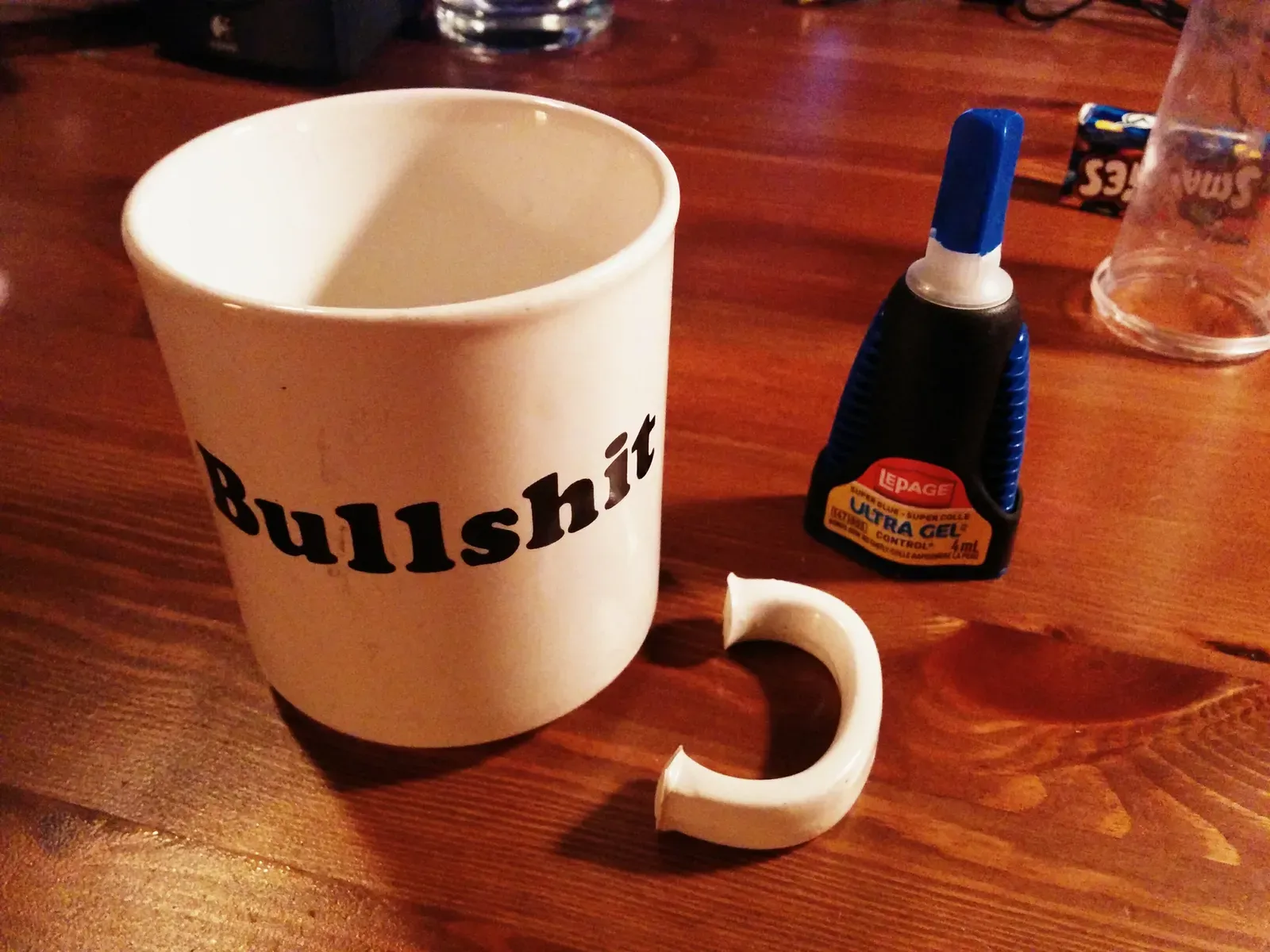
Glass bottles and jars? Absolutely recyclable. That ceramic coffee mug you dropped? Nope. Drinking glasses from your kitchen? Also nope.
Most waste facilities cannot melt ceramics, Pyrex or mirrors, so you should throw broken plates, other broken ceramics, Pyrex and mirrors in the trash since they can contaminate the glass stream in recycling facilities. These materials have different melting points than bottle glass. Toss them in your glass recycling and they’ll create weak spots in new glass products.
It’s hard to say for sure why people make this mistake so often, but I think it’s because we assume all glass is the same. It’s not. If your ceramic or Pyrex items are still usable, donate them instead of trashing them. If they’re broken, wrap them safely and put them in your regular garbage.