If Your Grandma Cooked in the ’60s, You’ll Remember These 6 Dishes
Cracking open that old recipe box used to be like opening a time capsule. You’d find cards stained with mysterious sauces, handwriting in fading ink, and dishes that sounded almost otherworldly. The sixties were a wild time in American kitchens. 1960s food reflects the influence of Julia Child, faux-international cuisine and lots of fondue. Gelatin ruled the dinner table with an iron fist, convenience foods were considered modern miracles, and hostesses competed over who had the fanciest casserole. If your grandmother was cooking during that groovy decade, chances are you encountered some truly memorable meals.
Let’s be real, food back then wasn’t always about flavor. Sometimes it was about presentation, or speed, or just plain survival when you had five kids screaming for dinner. Today’s home cooks are embracing the same mindset that shaped family meals in the 1960s, said Lanie Smith, the Kansas-based creator of TheVintageCook.com. “Families wanted real meals, but they also wanted time together,” she noted. From pot roasts to casseroles, “grandma-style cooking” is quietly taking over kitchens across the country. Dubbed “nonna-stalgia” online, the trend reflects a growing appetite for meals that warm the heart and home, especially in the cold winter months. So grab your TV dinner tray and settle in. These six dishes defined an entire era of home cooking.
Chicken à la King
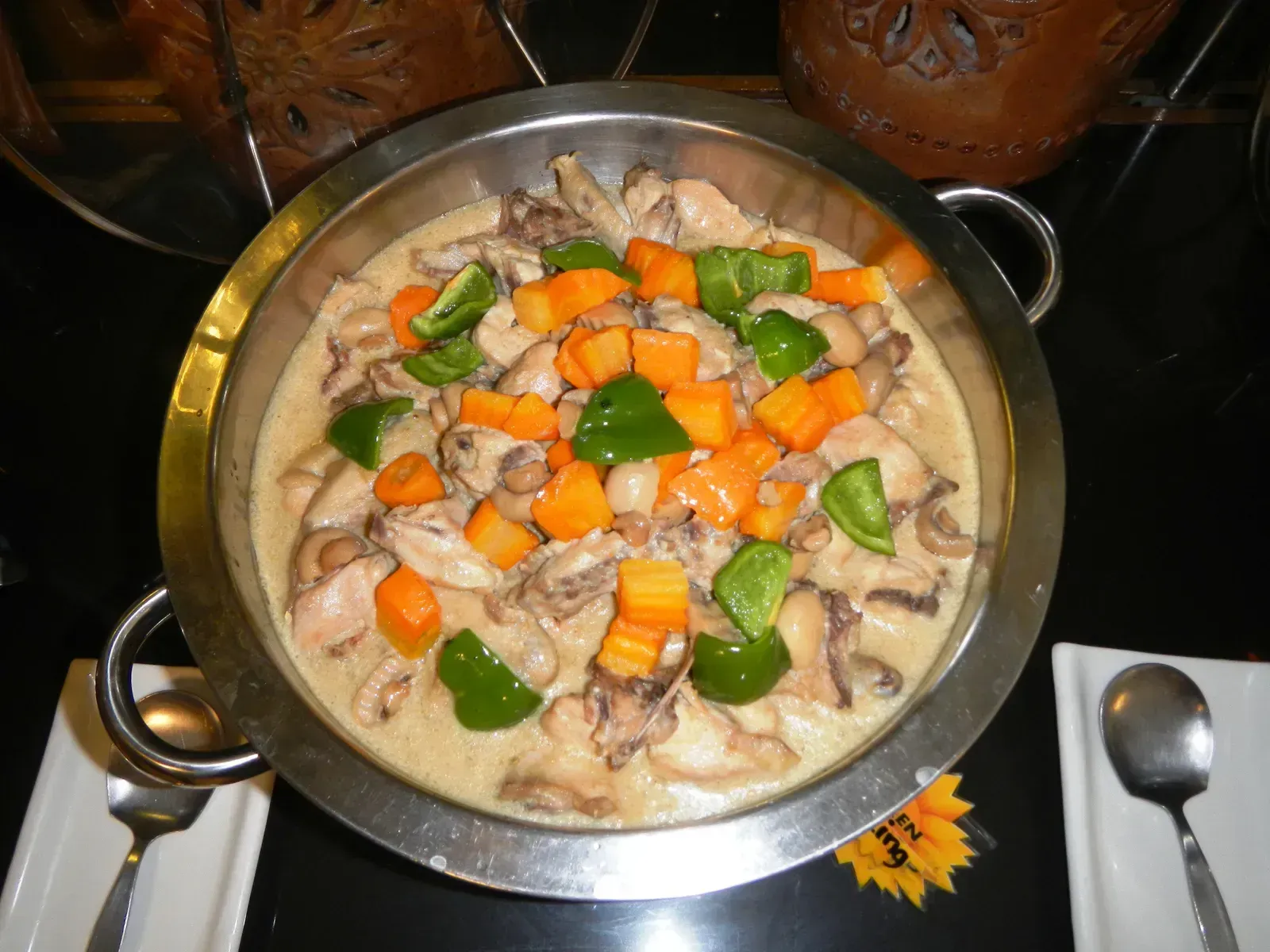
Chicken à la King appears on over 300 menus from the 1910s to the 1960s in the archives of the New York Public Library. It’s basically diced, cooked chicken, mushrooms, and pimientos in a creamy sauce (often enlivened with a bit of sherry) served over toast, and honestly, it was considered elegant as heck. For mid-century cooks, chicken à la King had it all. It was elegant and vaguely French, but easy to make with everyday ingredients. You’d see it at ladies’ luncheons, cocktail parties, and on nights when Mom wanted to feel fancy. The pimientos added pops of red color that looked sophisticated, even if they tasted like the inside of a jar.
Grandmothers loved this dish because it could be made ahead and reheated without losing much charm. The creamy sauce covered up any overcooked chicken sins. Some versions got really wild and served it in puff pastry shells, transforming humble leftovers into something worthy of a photograph. It felt like dining at a restaurant, even when you were eating off floral china at the kitchen table. The beauty of chicken à la King was its adaptability. Too much chicken? Toss it in. Need to stretch the meal? Add more sauce and serve it over rice instead of toast.
Jell-O Salads
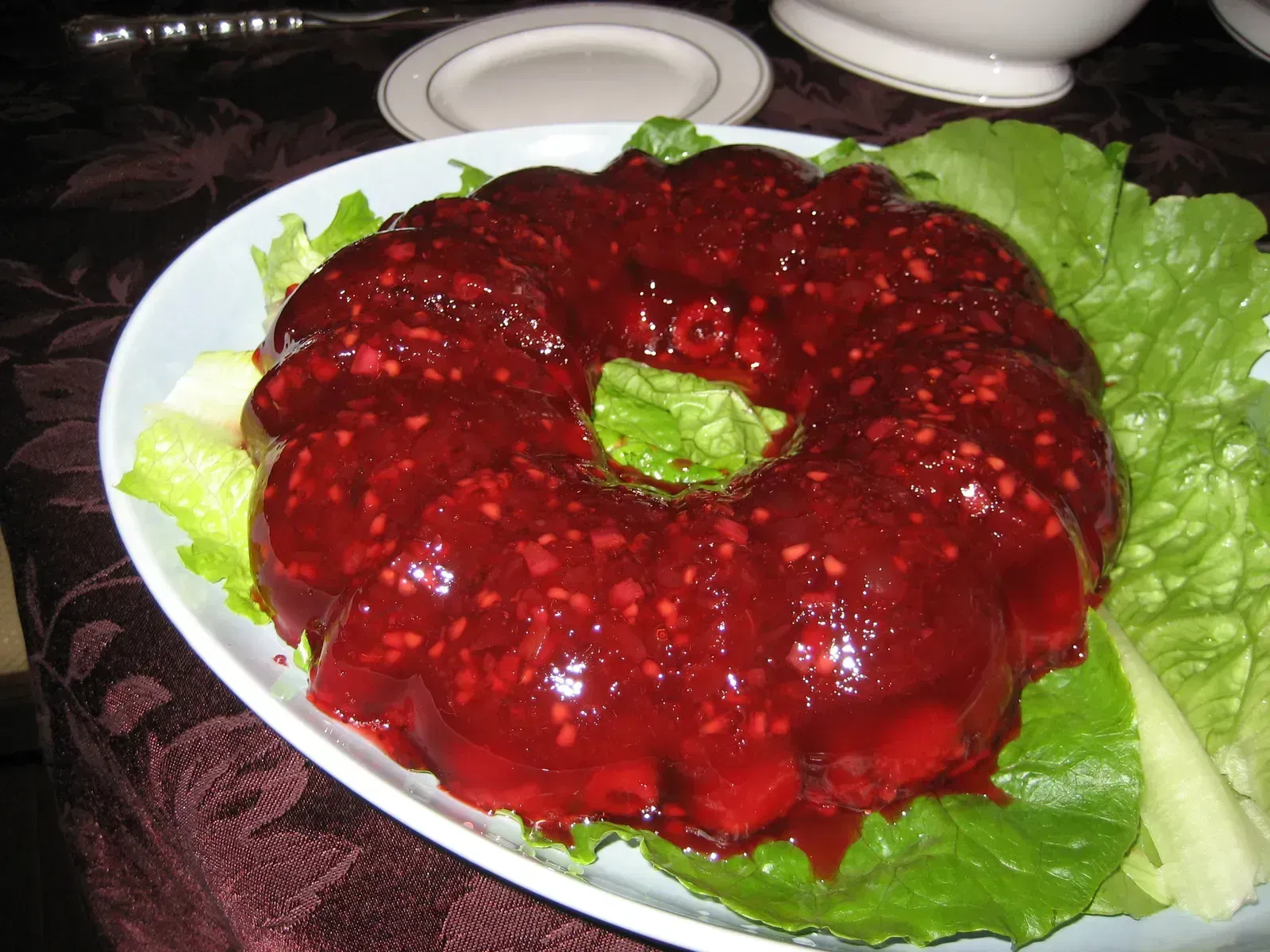
If there’s one dish that screams sixties louder than anything else, it’s the Jell-O salad. The popularity of gelatin-molded salads and desserts reached their peak in the 1960s. The Better Homes and Gardens 1963 cookbook Best Buffets contains no less than six gelatin-based desserts, and that’s not even counting the savory ones. Gelatin-based salads, desserts, and main entrees were quick to prepare, could be made well in advance of the dinner hour and retained their shape and consistency for days in the refrigerator. This was the perfect meal-planning solution for busy women acting as wife, mother, career professional and caretaker all in one.
These wobbly creations could contain anything. Crushed pineapple, shredded carrots, miniature marshmallows, cottage cheese, even tuna or ham if your grandmother was feeling particularly adventurous. The lime green ones were especially popular, often paired with cream cheese for that elegant two-tone effect. You’d see them at every potluck, holiday dinner, and church social, proudly displayed in elaborate molds shaped like fish, rings, or architectural wonders. By the 1960’s, the novelty of putting odds and ends into a gelatin mold had worn slightly. Gelatin aficionados were getting a little bit more sophisticated in their creations as well as their flavor pairings. Though honestly, sophistication is a relative term when you’re suspending vegetables in sweetened gelatin.
Cheese Fondue
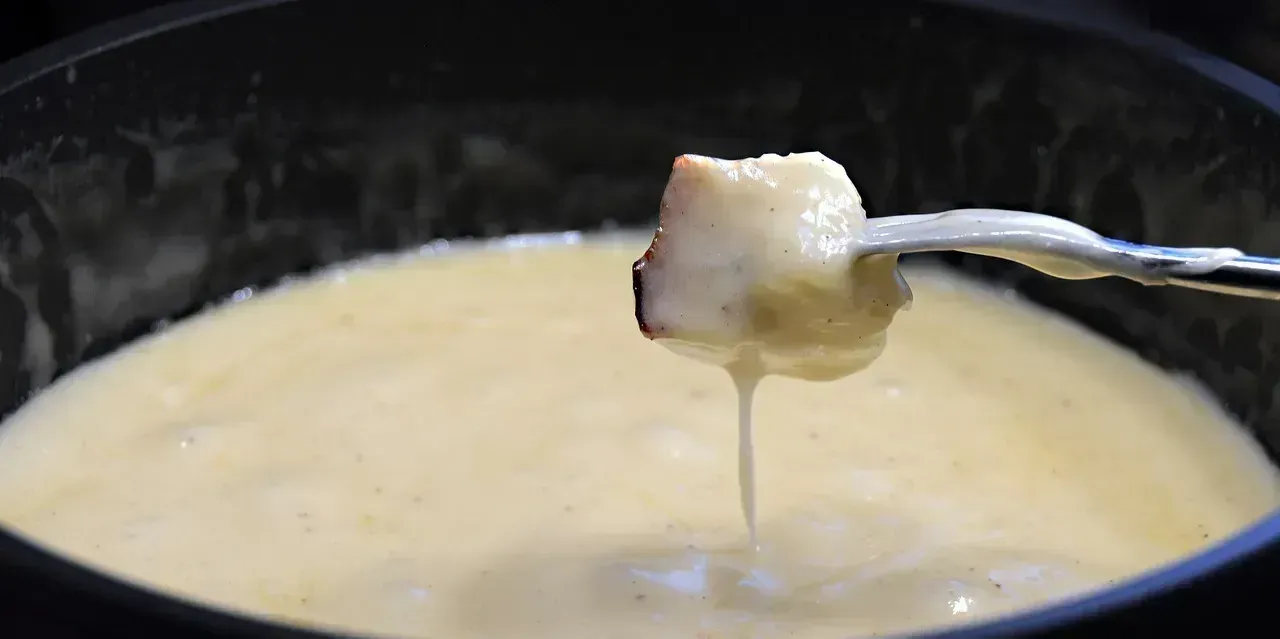
Nothing says sophisticated sixties quite like gathering around a bubbling pot of melted cheese. The dish was featured at the Switzerland exhibit at the 1964 New York World’s Fair, and its fame soon spread to dinner parties everywhere. Suddenly every wedding registry included a fondue pot, complete with those impossibly long forks. Cheese and meat fondues were introduced to the United States earlier than the 60s, but they really took off in this decade. The interactive nature made it perfect for cocktail parties, where guests could stand around dipping bread cubes while pretending to care about Doug’s new promotion.
The appeal went beyond just the cheese. It was communal dining, a break from the formal sit-down dinners of previous generations. Everyone shared the same pot, though you prayed your friends weren’t double-dipping. Chocolate fondue became popular too, with strawberries and marshmallows taking the plunge into molten sweetness. Sure, it was messy and slightly hazardous with that open flame on the table. Yet somehow that added to the excitement. Fondue parties weren’t really about the food; they were about feeling cosmopolitan and European, even if you lived in suburban Ohio and had never left the country.
Tuna Noodle Casserole
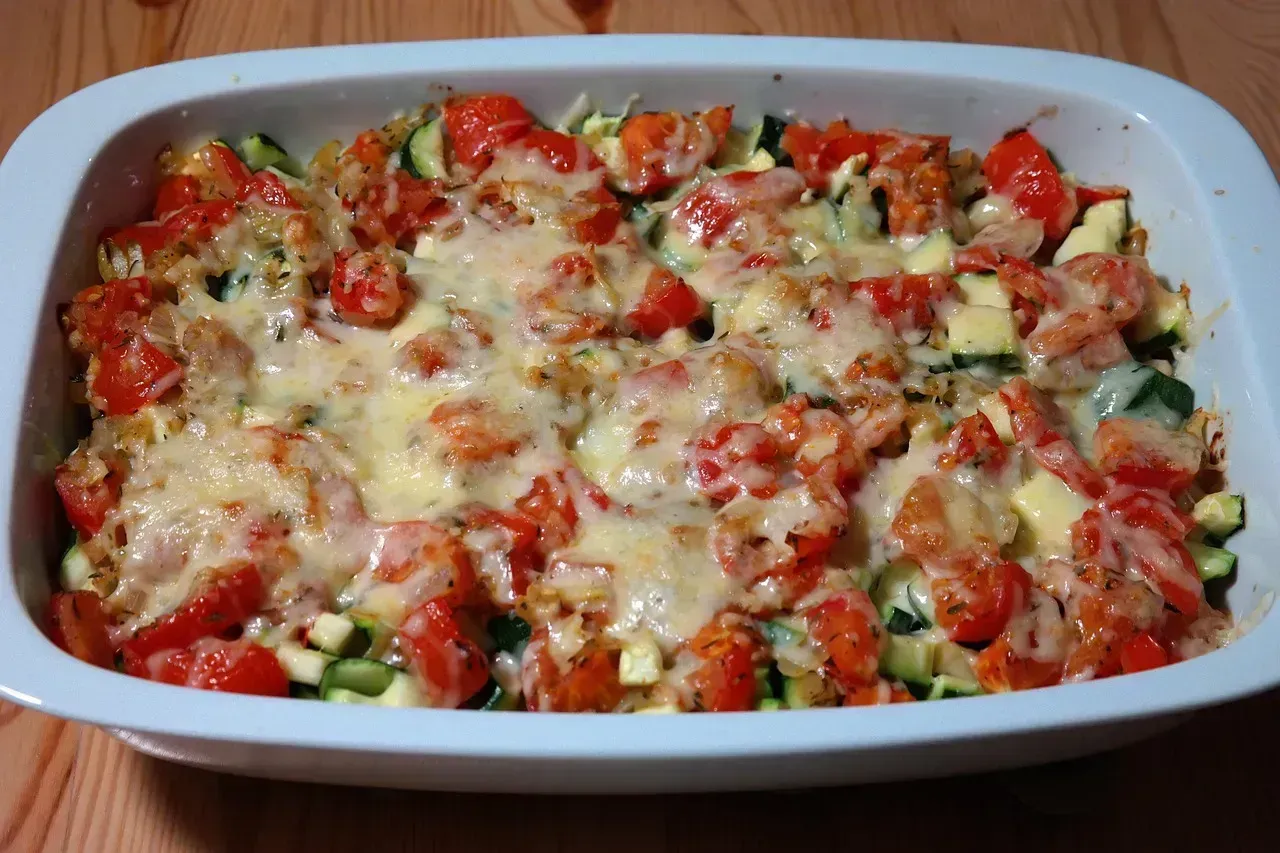
This dish was a staple of the 1950s and 1960s dinner table. It contains canned tuna, canned mushroom soup, and various seasonings that ranged from curry powder to grated American cheese. Casseroles in general were lifesavers for busy mothers who needed to feed families quickly and cheaply. You could assemble them in the afternoon, pop them in the oven before dinner, and have a complete meal with minimal effort. The cream of mushroom soup acted as both sauce and binding agent, holding everything together in a beige, comforting mass.
What made tuna noodle casserole so memorable was the topping. Crushed potato chips or breadcrumbs added that crucial crunch factor, transforming what was essentially wet noodles into something with texture. Some grandmothers had secret ingredients they swore made their version superior. A dash of Worcestershire sauce, frozen peas, or even water chestnuts for that exotic Asian flair everyone was obsessed with. Science and the space race influenced 1960s food and food advertising, reflected in the popularity of Tang, Dream Whip, and other “space age” canned, frozen or processed foods. The beauty was its reliability. You always knew what you were getting, and sometimes that predictability was exactly what you needed after a long day.
Pineapple Upside-Down Cake
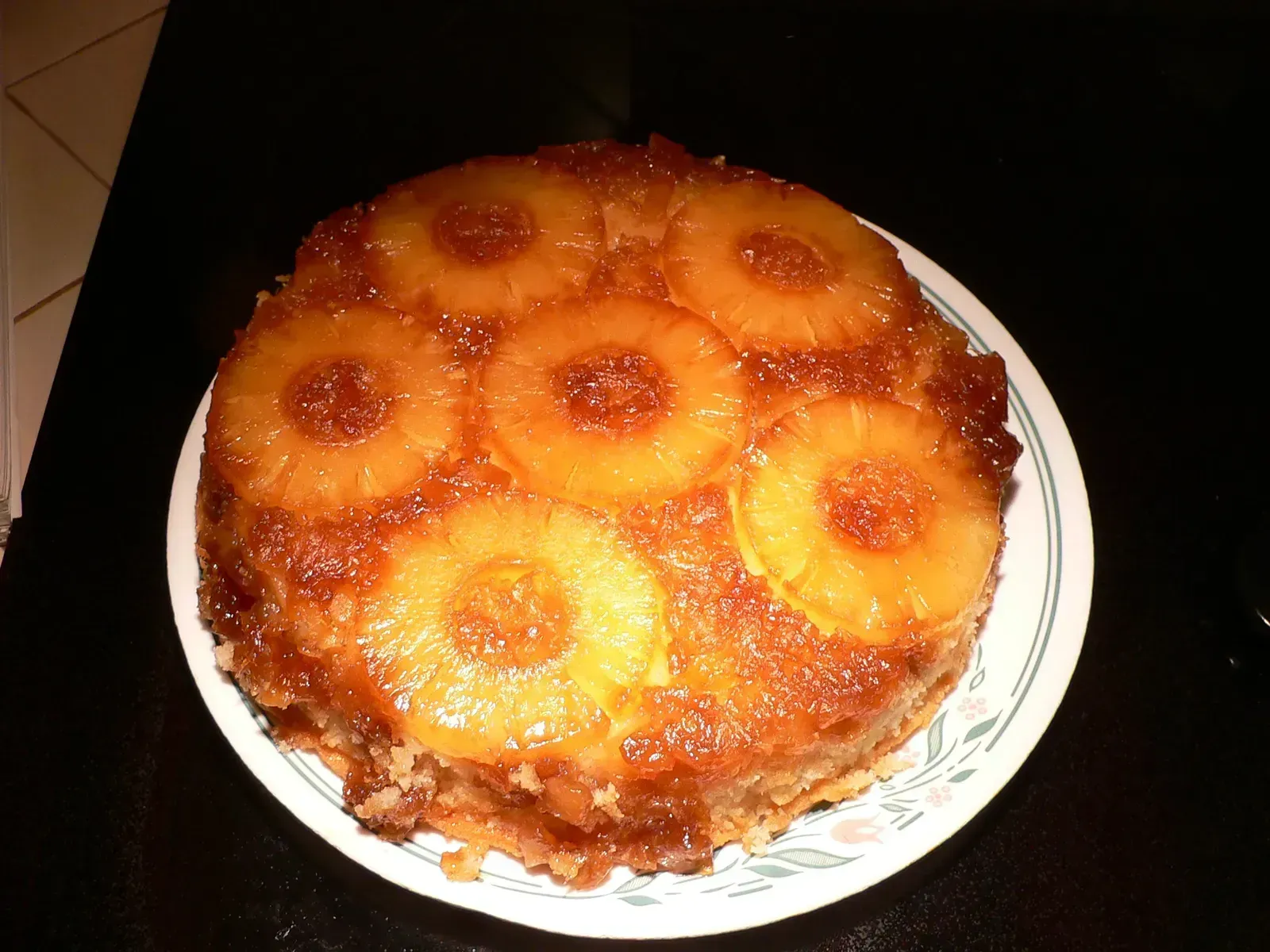
A pineapple upside down cake won the first Dole recipe contest in 1926. By the 1950s and 1960s, the cake was at the peak of its popularity perhaps because of the ease of using boxed cake mixes, which made home baking far less intimidating. The visual appeal was undeniable. Those perfectly arranged pineapple rings with their bright red maraschino cherry centers looked like something from a magazine. You’d bake it with the fruit on the bottom, then flip it over for that dramatic reveal.
Grandmothers loved this cake because it never failed to impress. The caramelized pineapple and brown sugar created a sticky, sweet glaze that soaked into the cake, making every bite moist and flavorful. It was fancy enough for company but simple enough for a Tuesday night dessert. The technique of baking toppings on the bottom added an element of surprise and showmanship when you inverted it onto a serving plate. Plus, with canned pineapple readily available at every grocery store, there was no excuse not to make it. It became a go-to for birthdays, holidays, and any occasion that needed a little sweetness.
Meatloaf with Ketchup Glaze
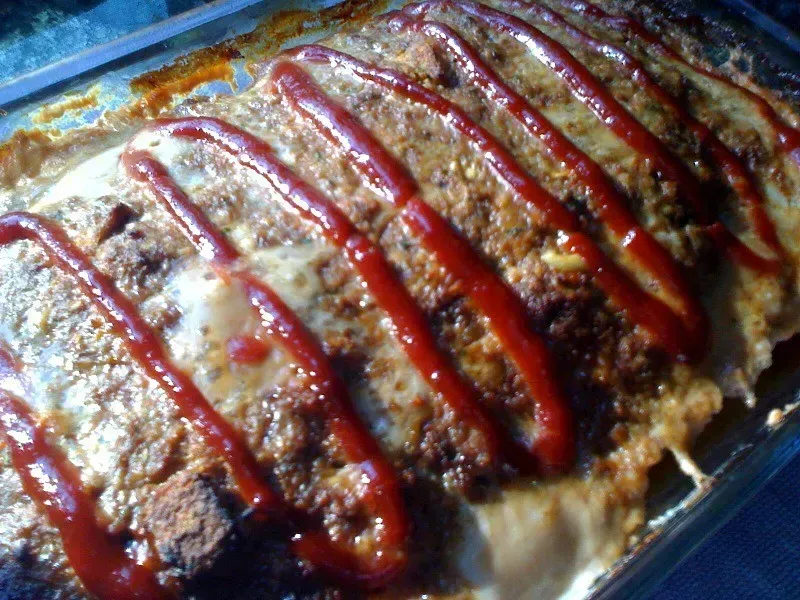
Meatloaf became a staple during the Great Depression when meat was pricey. Growing up in the ’50s and ’60s, it was a simple, cheap way to feed the family, then have leftovers for sandwiches the next day. The sixties version got creative, with some cooks adding hard-boiled eggs in the center or wrapping it in bacon for extra flavor. The ketchup glaze topping was a signature touch, adding a sweet and tangy finish. That glossy red coating was practically mandatory, transforming what was essentially a glorified hamburger into a proper dinner centerpiece.
Every grandmother had her own secret recipe, passed down or perfected through years of trial and error. Some used breadcrumbs as filler, others crackers or oatmeal. Onions, Worcestershire sauce, maybe a splash of milk to keep it moist. The variations were endless, yet somehow they all tasted like home. Meatloaf was comfort food at its finest, unpretentious and filling. It didn’t try to be fancy or exotic. It just showed up reliably every week, fed the family, and left enough for cold sandwiches the next day. In a decade obsessed with convenience and innovation, meatloaf remained beautifully, stubbornly traditional.
So there you have it. Six dishes that probably graced your grandmother’s table if she was cooking in the sixties. Some were strange, some were delicious, and a few were downright questionable by today’s standards. Yet they all represented something important: the effort to feed families during a time of immense social change. “When the things around us feel overwhelming, we crave comfort and reach for the things that feel familiar and simpler,” said Emmy Clinton, a Colorado-based recipe creator and founder of Entirely Emmy. “Grandma-style cooking represents comfort and memories that can make us feel safe and life feel a lot less complicated.” Maybe that’s why so many of these dishes are making a comeback today. In our complicated, fast-paced world, there’s something deeply comforting about a meal that wobbles, melts, or comes smothered in ketchup. Which of these dishes did your grandmother make? Did you love it then, or have you learned to appreciate it now?