Restaurant Servers Notice These 10 Things About You the Moment You Sit Down
Have you ever walked into a restaurant thinking you’re just another anonymous diner? Think again. Your server is already cataloging everything from the way you pull out your chair to how you handle the menu. It’s not creepy. It’s their job.
These hospitality professionals aren’t being judgmental for the sake of it. They’re reading you like a book because their tips, their shift efficiency, and honestly their sanity depend on it. Within seconds of your arrival, they’ve mentally filed you under “easy table,” “high maintenance,” or something in between.
Let’s be real – working in restaurants is like being a professional people-reader, and servers get so good at it that they could probably moonlight as detectives. So what exactly are they noticing? More than you’d ever guess. Ready to find out? Let’s dive in.
Your Eye Contact Speaks Volumes Before You Say a Word
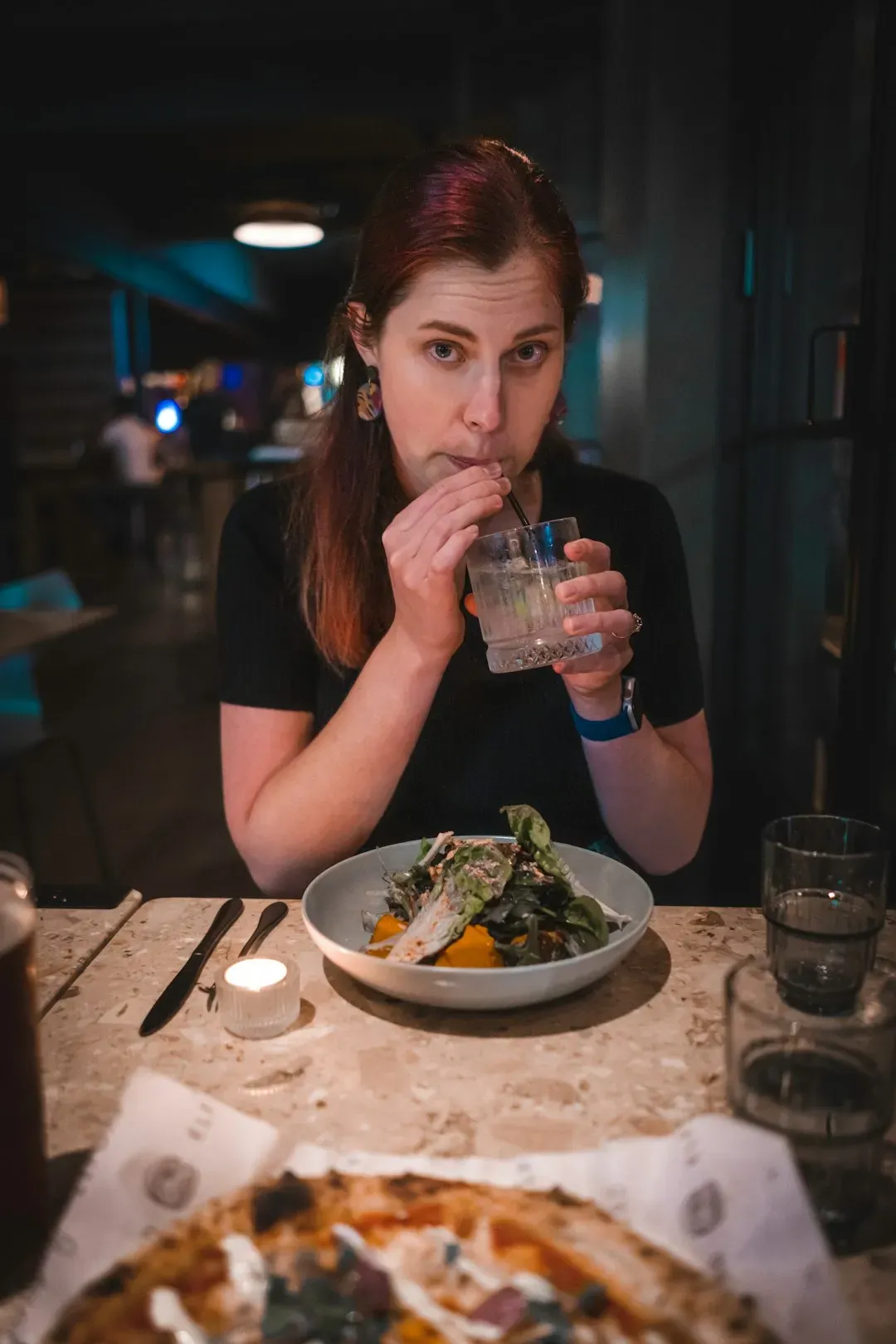
Eye contact is “the biggest indicator that someone was going to be friendly, or at least nice,” according to a former server with about 25 years of experience. Here’s the thing: when you look up and acknowledge your server as a human being, you’ve instantly separated yourself from roughly half the dining population.
The people who keep their heads buried in menus or stare at their phones when the server approaches? They’re mentally categorized within three seconds. Servers can tell “when you walk up to a table if they’re in a bad mood, if they’re in a rush” by understanding body language and developing rapport quickly. It’s fascinating how something as simple as making eye contact transforms the entire dynamic.
Crossed arms and minimal eye contact often signal an already frustrated diner, while relaxed shoulders and open gestures typically indicate a more easygoing guest. Your server adjusts their entire approach based on this split-second assessment. Whether you get the chatty, personalized service or the efficient, minimal-interaction version often depends on what your eyes communicate in that first moment.
Who You’re Dining With Tells an Entire Story
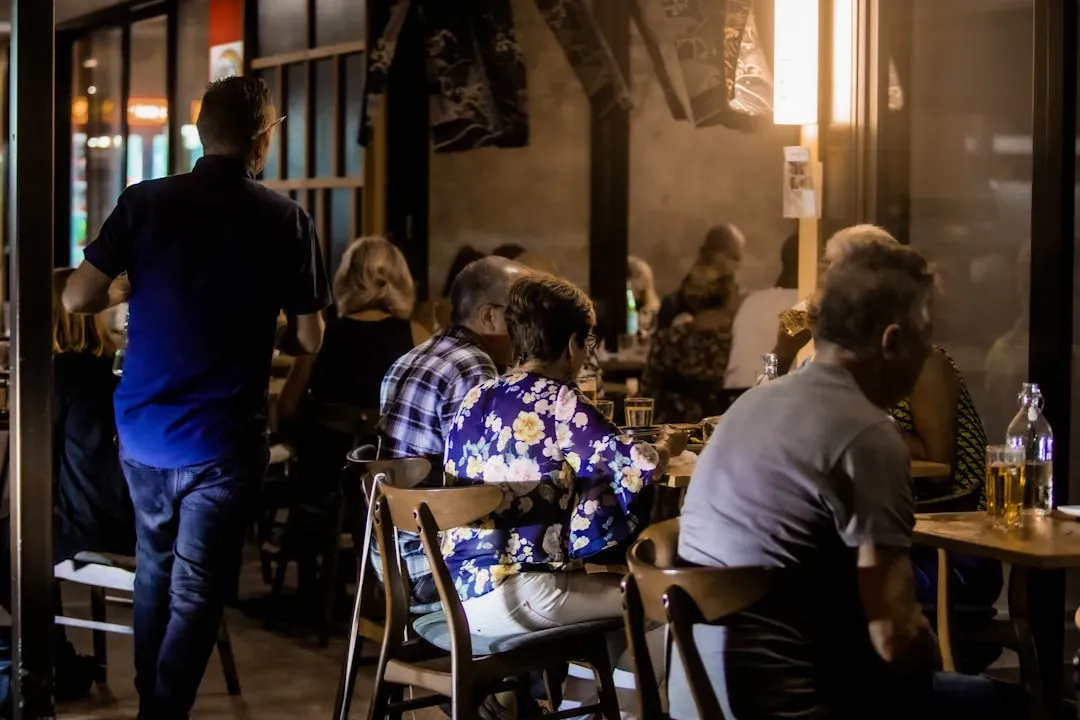
Servers usually notice who you are dining with – whether it’s two friends, a date, or something else – by talking to guests and finding out why they’re there. This isn’t nosiness. It’s strategic service planning.
A first date gets handled differently than a business dinner or a family celebration. If there are kids at the table, servers try to determine how well-behaved they are, recognizing they don’t know “how lax the parents are in terms of keeping the kid in their seats or letting them run around the restaurant.” That assessment happens fast and determines everything from pacing to patience levels.
Here’s what might surprise you: Servers watch how families manage their children, how business groups organize seating, and how couples interact with each other, with dismissive behavior toward companions often indicating how they might treat staff. The way you treat your dining partner is viewed as a preview of how you’ll treat your server. It’s like a social credit check happening right in front of you.
Your Phone Placement Is a Dead Giveaway
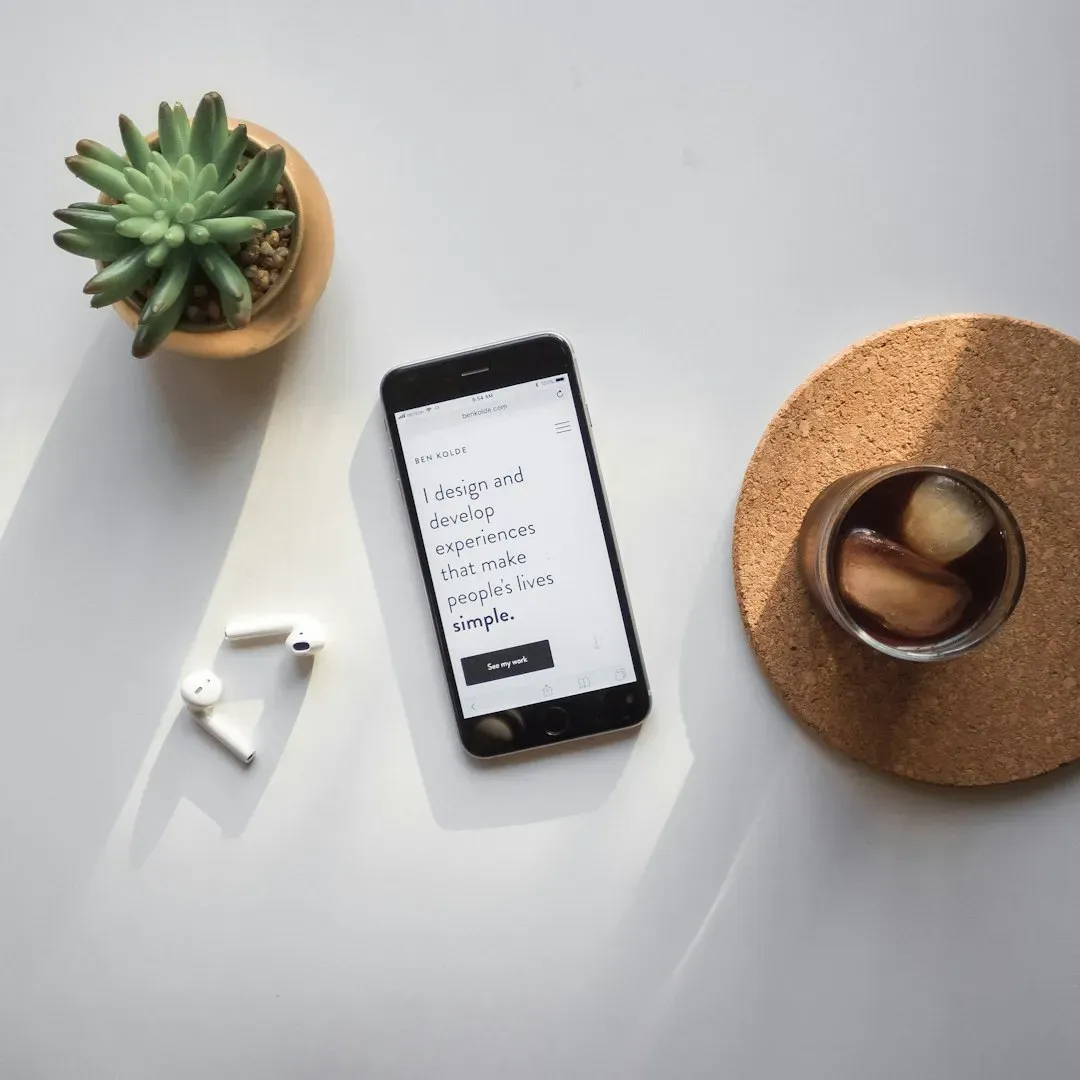
Where your phone sits on the table speaks volumes – whether it’s face down indicating presence and engagement, or front and center with glowing notifications every few seconds – and servers notice this immediately. In the year 2026, phones have become an extension of dining behavior, honestly more than silverware at this point.
When everyone at a table is glued to their screens, servers often adjust their approach entirely. They might check in less frequently or keep interactions brief when customers are absorbed in their devices. It’s a silent signal that you’re not fully present, and servers respond accordingly.
I think this is where generational differences really show up. Older diners who put their phones away completely get a different level of engagement than tables where four people are simultaneously scrolling. The server isn’t being petty. They’re just working with the energy you’re giving them.
The Menu Handling Ritual Reveals Your Dining Personality
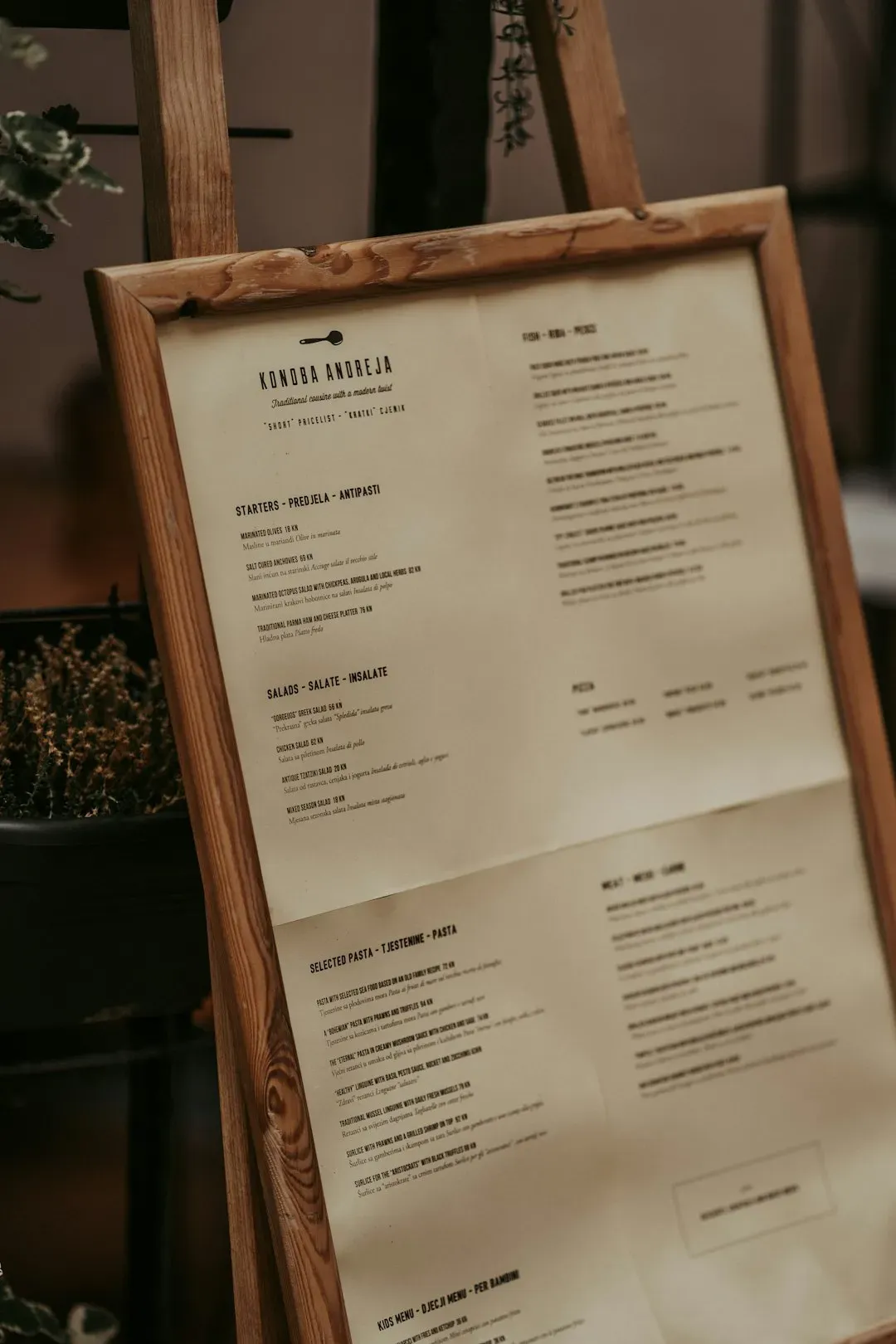
Servers watch how you interact with the menu from the second it hits your hands, with people who immediately flip it open and scan it like speed-reading typically knowing what they want and not wasting time – and servers love them. Meanwhile, the guests who hold the menu like it’s a sacred text for fifteen minutes? Different story.
Servers specifically watch how guests interact with their menus, recognizing those who quickly scan options might be in a hurry, while others who carefully review each item usually prefer a more leisurely pace. This observation directly affects timing for everything from drink orders to appetizer recommendations.
Menu reading patterns show fascinating things about dining guests, with some asking servers to explain every dish in detail – taking up precious time during busy hours – while others miss clearly listed ingredients. Servers mentally prepare for the inevitable modifications and confusion based on how you’re engaging with that laminated piece of paper.
How You Treat the Water Service Is Weirdly Predictive
Let me tell you something servers will never say out loud but absolutely notice: your water glass behavior is like a crystal ball for how your entire meal will go. People who move their water glass to a completely different spot on the table the second it arrives display controlling behavior that’s usually just the tip of the iceberg.
Water glass behavior is weirdly predictive, with guests who politely ask for lemon or acknowledge the refill with a quick “thank you” being the golden customers every server hopes to get. It sounds ridiculous until you realize it’s about respect and awareness.
According to hospitality research, nonverbal communication makes up approximately 65 percent of our communications, whereas the verbal element makes up the remaining 35 percent. So when you dismiss the person filling your water or treat them like furniture, that nonverbal message is screaming louder than anything you could say.
Your Clothing Doesn’t Predict Tips But Your Attitude Does
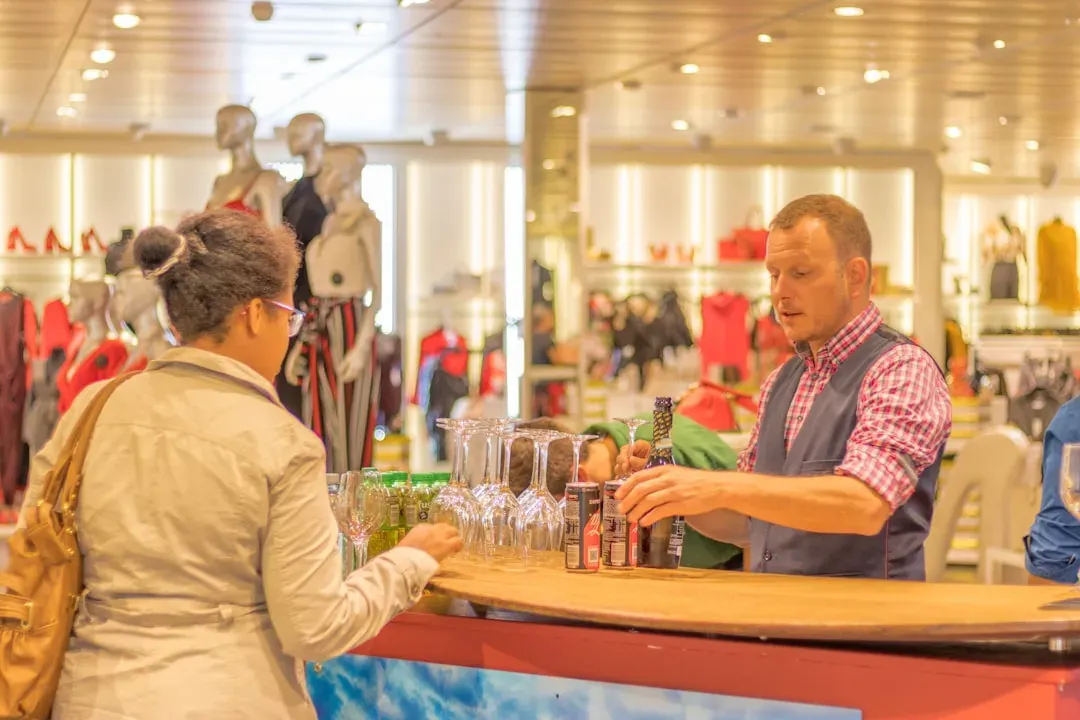
Here’s something that might restore your faith in servers: Whether customers are in a full suit or wearing a grungy T-shirt and shorts, servers say you can never really tell how they’ll treat waitstaff, how much they’ll spend, or how much they’ll tip just based on looks. The fancy dresser could be your worst nightmare, while the scruffy regular becomes your favorite.
One regular customer came off as crotchety by appearance but was actually one of the best tippers, teaching the valuable lesson to never judge a book by its cover. Servers learn this fast and most genuinely stop caring about appearances within their first month on the floor.
Trying to judge who will tip based on clothes is wildly unpredictable, with the shabbiest-dressed characters sometimes leaving hundred dollar bills while the best-dressed completely stiff servers, so while outfits give context, they don’t dictate service level. The real predictor? How you make them feel in the first thirty seconds.
The Modification Requests Reveal Your True Character
Asking for substitutions and splitting checks are usually acceptable, but requests should be logical. There’s a massive difference between “Can I get dressing on the side?” and reconstructing the entire dish like you’re playing culinary Tetris.
Asking to substitute an inexpensive ingredient with an expensive one probably won’t happen – you can’t say “I don’t want tomatoes, but can I get shrimp instead,” as it’s definitely an upcharge. Servers aren’t magicians, and the kitchen isn’t your personal playground.
When you turn a menu item into a whole new dish, servers take note, with requests stopping being reasonable and starting to be a headache, signaling high-maintenance energy before food even hits the table. A few tweaks? Fine. An entire menu overhaul? You’ve just been mentally flagged.
Your Tipping Patterns Are Remembered and Discussed
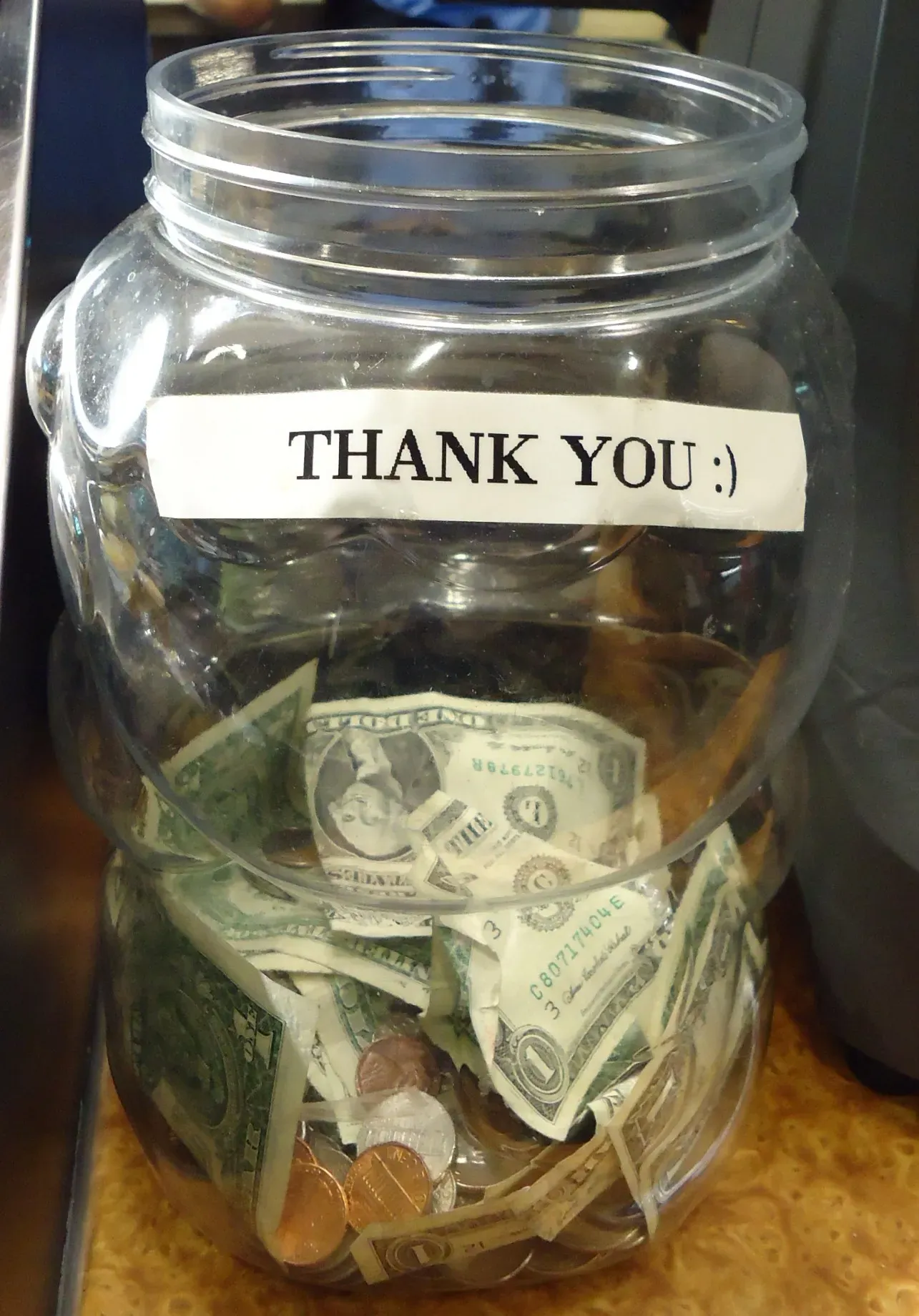
Let’s talk about the elephant in the dining room. Servers notice tipping patterns more than guests realize, with generous tips signaling appreciation and goodwill while stingy ones – especially after running someone ragged – leaving a lasting mark. In 2025, full-service restaurant tips averaged 19.4% in Q1 2024, while quick-service averaged 16%, with overall tips averaging 18.9%.
Here’s what’s changed: Americans spent $283 on pressure-driven “guilt tips” in 2025, down from $453 in 2024, with the average person giving in to tip pressure 4.2 times a month compared to 6.3 times last year. People are tipping less frequently even as they maintain percentage levels when they do tip.
Servers don’t forget the feeling of being stiffed on tips, and trust me, they talk about it long after you’ve left the building. Regular customers build reputations through their tipping history, and word spreads faster than you’d believe. The server grapevine is real.
How You Signal for Service Matters More Than You Think
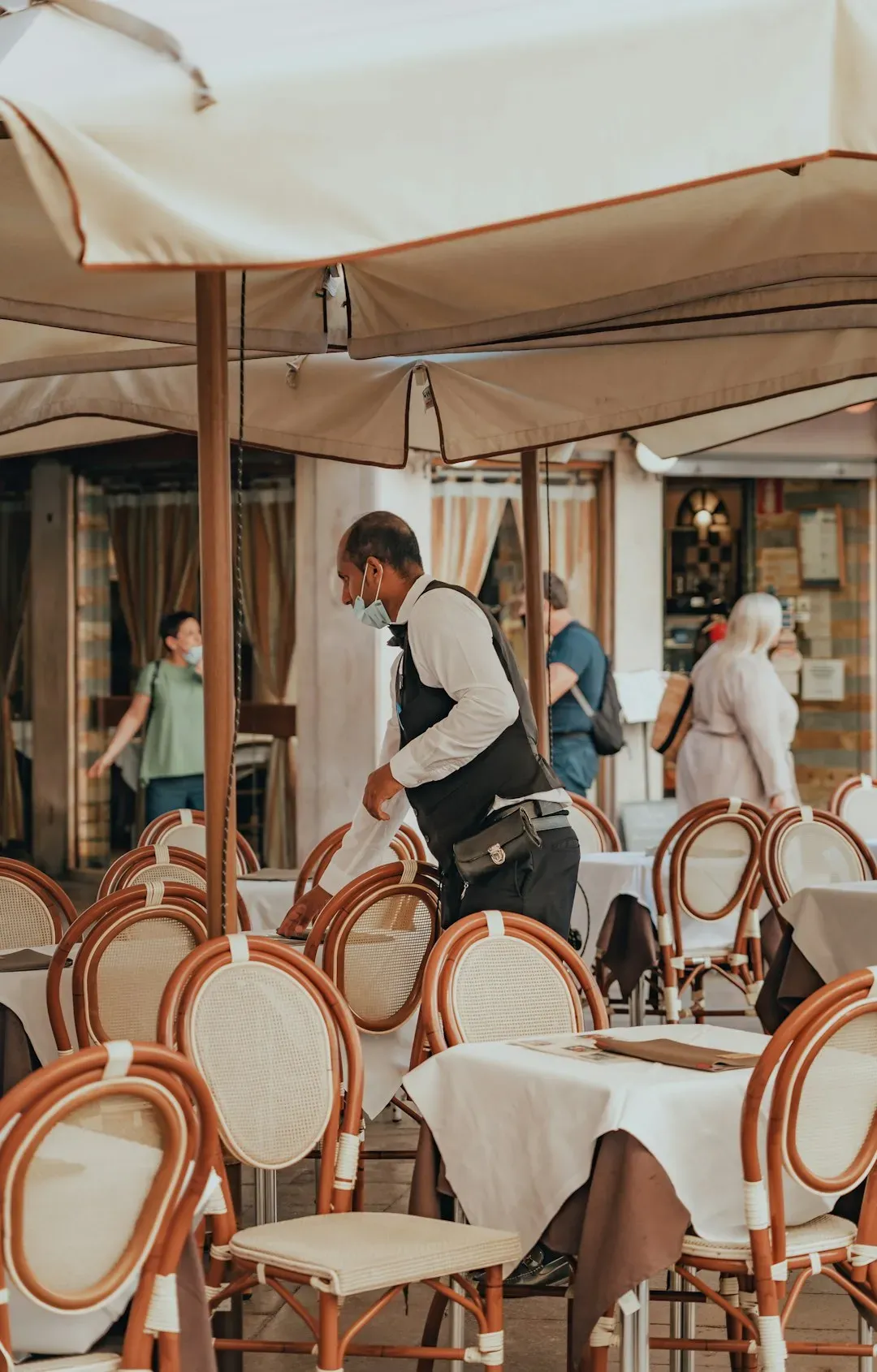
Nothing says “I see you as less than human” quite like snapping your fingers at someone. I honestly can’t believe this still needs to be said, yet here we are. A guy literally whistled at his server like she was a dog – the entire staff noticed, and the service for that table became very “by the book.”
Servers are professionals juggling multiple tables, orders, and kitchen chaos, so a simple raised hand or eye contact works perfectly since they’re already scanning their section constantly. Anything more aggressive than that instantly categorizes you as difficult.
Snapping fingers, whistling, or waving both hands to flag someone down comes off as dismissive and disrespectful, while a simple glance or raised hand works perfectly since most servers are paying attention and will come by when they can. This one small behavior change could transform every dining experience you have going forward.
The Invisible Sorting Process That Shapes Your Experience
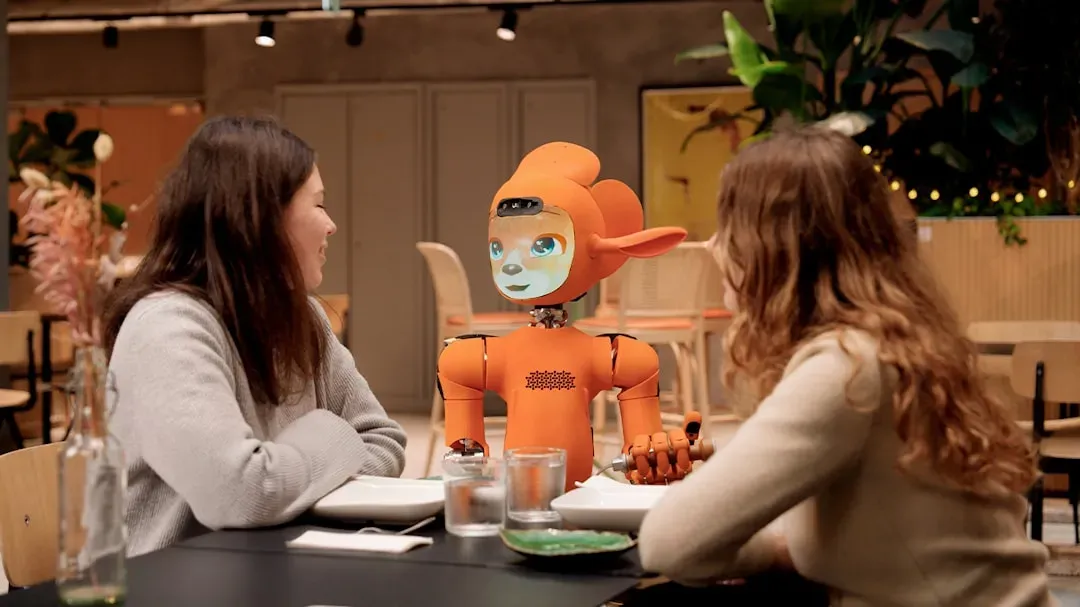
Servers are making calculated decisions about you within the first thirty seconds, and those snap judgments directly influence how your meal unfolds – it’s not malicious but pure survival instinct honed by thousands of interactions. When they spot red flags early like aggressive hand waves or dismissive tones, they mentally adjust their approach.
Restaurant servers read guest signals within seconds of arrival, with these quick observations laying the foundation for personalized service throughout the meal, as posture and facial expressions tell servers volumes about mood and expectations. This isn’t judgment. It’s professional assessment.
When they read positive signals, you’ve unlocked a different level of service that goes beyond the standard script – they’ll remember drink preferences, time check-ins perfectly, and maybe throw in extras that transform a good meal into a memorable one. The fascinating part? Most diners have absolutely no idea this invisible sorting process is happening, yet it’s shaping everything from service speed to whether your server genuinely cares about your experience.
So next time you sit down at a restaurant, remember that those first thirty seconds matter more than you ever imagined. Your server isn’t being nosy or unfair. They’re professionals trying to give you exactly the experience you’re signaling you want while managing multiple tables, kitchen chaos, and their own income uncertainty. A little awareness and basic human decency? That’s all it takes to end up in the “favorite guests” category instead of being the story they tell their coworkers later. What kind of diner do you think you come across as?