Top 7 Doctor-Recommended Foods for Reducing Inflammation and Joint Pain
Imagine waking up without that familiar ache in your knees or that stiffness in your hands. Sounds like a distant dream for anyone dealing with chronic joint pain, right? Here’s the thing: what you put on your plate might matter more than you think when it comes to calming inflammation and easing those stubborn joint discomforts. While medications certainly have their place, doctors are increasingly pointing toward certain foods as powerful allies in the battle against inflammatory pain. These aren’t magic cures. Still, the science backing their benefits has become impossible to ignore. Let’s explore the foods that could genuinely make a difference in how your body feels day to day.
Fatty Fish Rich in Omega-3 Fatty Acids
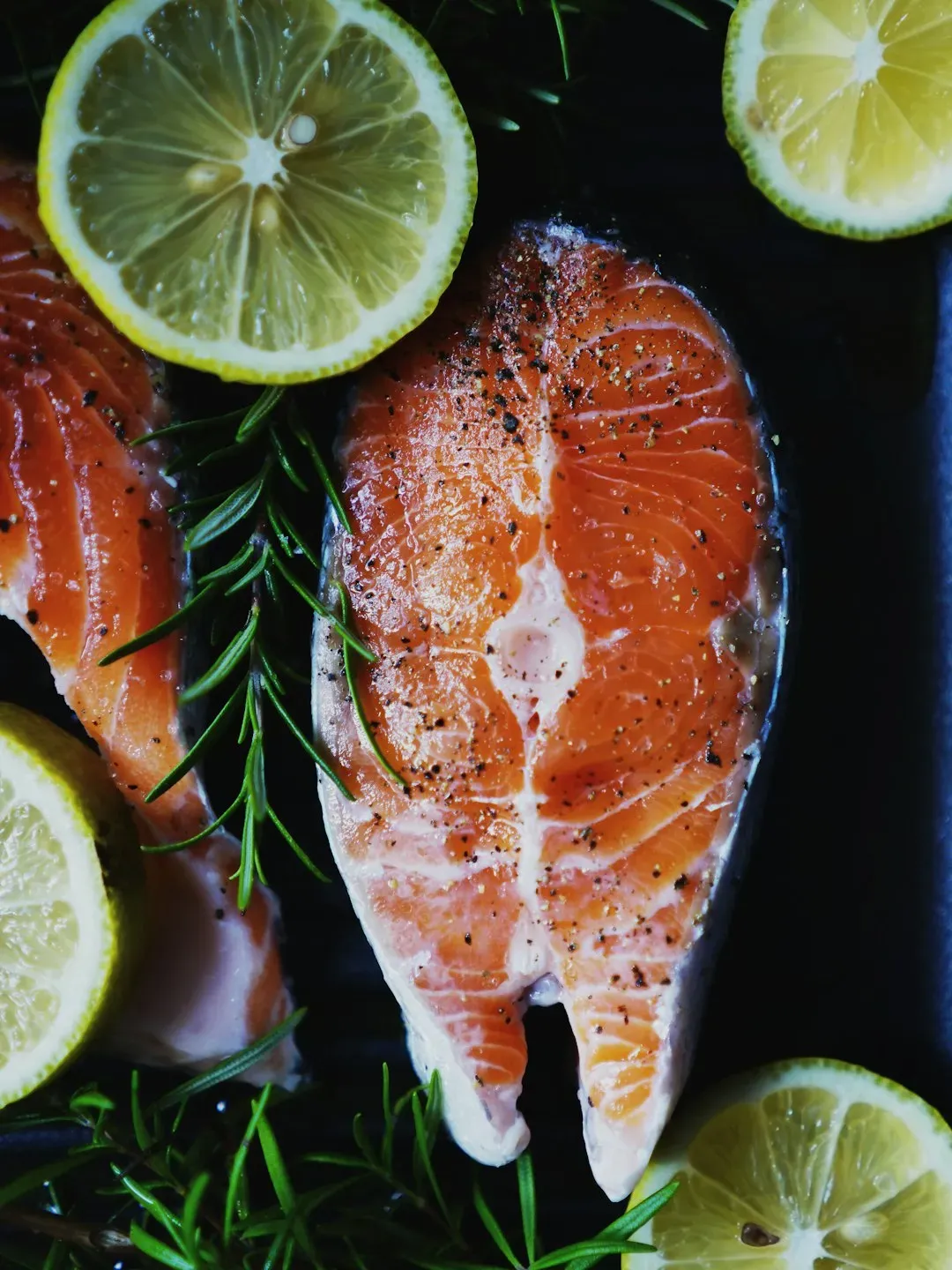
Omega-3 fatty acids reduce inflammation and stiffness, making fatty fish like salmon, mackerel, sardines, and tuna some of the most powerful anti-inflammatory foods available. Research indicates that omega-3 fatty acids can modulate inflammatory pathways, potentially reducing chronic inflammation and enhancing immune function according to a 2025 study published in Molecular Nutrition & Food Research. Clinical evidence from Brown University Health shows that those who ate omega-3 rich foods or took a fish oil supplement had a reduction in joint pain. The American Heart Association published research in 2019 finding that fish oil supplements containing a specific formula of omega-3 fatty acids reduced inflammation by increasing the concentration of special molecule “mediators” that regulate blood components.
Many of the placebo-controlled trials of fish oil in chronic inflammatory diseases reveal significant benefit, including decreased disease activity and a lowered use of anti-inflammatory drugs. What makes omega-3s particularly interesting is that they work at multiple levels within your body. Some of the effects of omega-3 PUFA are brought about by modulation of the amount and types of eicosanoids made, and other effects are elicited by eicosanoid-independent mechanisms. Honestly, incorporating fish into your diet twice weekly isn’t just about joint health. It’s a comprehensive approach to reducing systemic inflammation that affects everything from your cardiovascular system to your cognitive function.
Berries Packed with Anthocyanins

Blackberries, blueberries and raspberries are high in anthocyanins, pigments that reduce inflammation, and they’re also loaded with antioxidants that combat inflammatory responses. A 2024 meta-analysis revealed something remarkable: purified anthocyanins significantly decreased serum levels of CRP, TNF-α, and IL-6, particularly among participants with at-risk status and in trials with intervention duration of 84 days or more, anthocyanins dose of 320 mg per day or more. The reduction in these inflammatory markers isn’t just theoretical. According to research documented on NutritionFacts.org, when people with diabetes had strawberries for six weeks, their level of C-reactive protein dropped by 18 percent.
Fruits, such as berries, contain polyphenol compounds purported to have anti-inflammatory activity in humans, and among the most notable polyphenols in berries are anthocyanins, responsible for their distinctive colors of red, blue, and purple. A 2025 scoping review looking at osteoarthritis found that the consumption of food rich in anthocyanins has been associated with improved joint health. Let’s be real, adding a handful of berries to your morning routine is one of the easiest dietary changes you can make. They’re versatile enough to toss into smoothies, yogurt, oatmeal, or simply eat by the handful as a snack.
Turmeric and Its Active Compound Curcumin
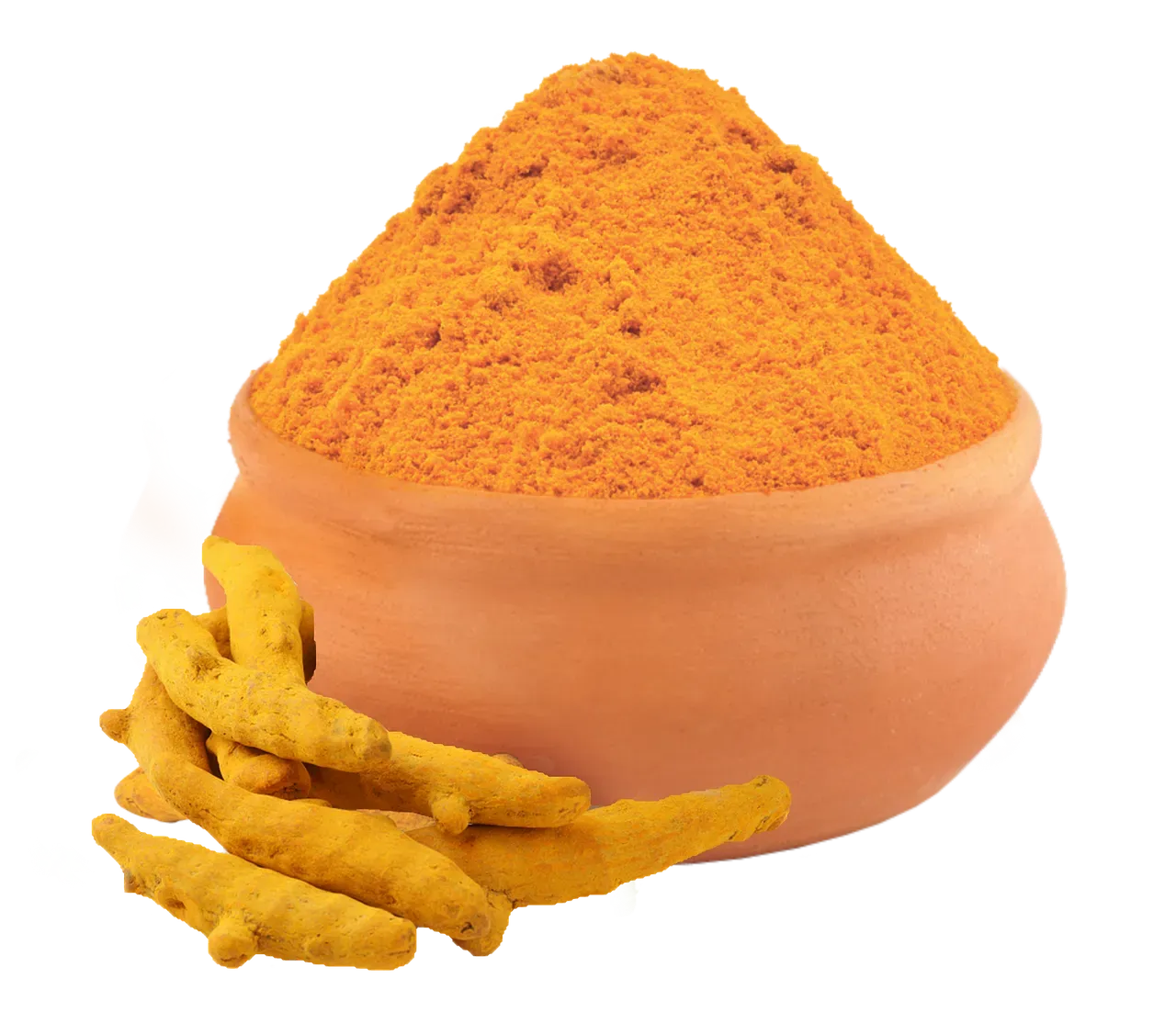
Turmeric contains a chemical called curcumin that can reduce joint pain and swelling by blocking inflammatory cytokines and enzymes. Clinical trials using turmeric showed long-term improvement in chronic inflammatory-related joint disease according to Brown University Health. A comprehensive 2023 Bayesian network meta-analysis examining knee osteoarthritis treatment found that compared with placebo, curcumin significantly reduced the visual analogue scale pain score and total WOMAC score. More impressively, compared with NSAIDs, curcumin had a reduced incidence of adverse reactions, making it a safer long-term option.
The use of curcumin supplementation in rheumatoid arthritis patients could reduce the possibility of unpleasant consequences according to a 2023 systematic review. The catch? Turmeric only contains about 2 to 6% curcumin, so you’re not getting much of the anti-inflammatory effect from cooking spices alone, as explained by the University of Arizona Center for Integrative Medicine. Experts say to stick with curcumin supplements, preferably the high-quality extracts used in clinical trials which contain up to 95% curcumin, looking for brands using black pepper, phospholipids, antioxidants or nanoparticles for better bioavailability. I think it’s worth noting that while adding turmeric to your cooking adds flavor and some benefit, therapeutic doses require concentrated supplementation.
Dark Leafy Greens Loaded with Vitamin K
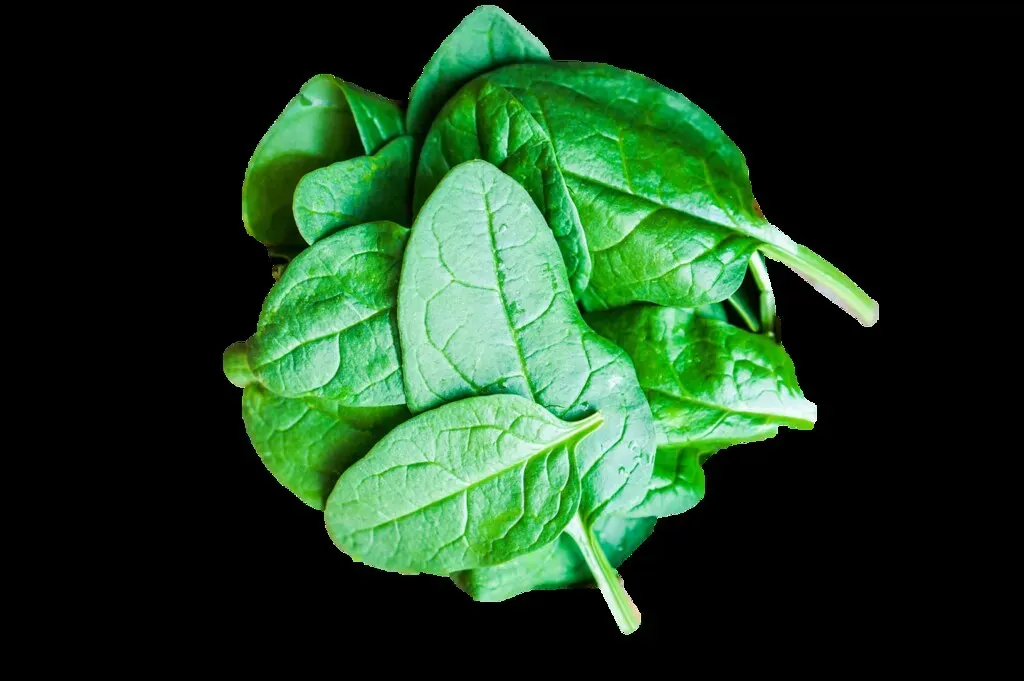
Dark leafy vegetables like spinach, kale, collard greens, and Swiss chard are nutritional powerhouses for joint health. Kale, spinach and arugula are packed with fiber and phytonutrients, not to mention calcium and vitamins A, C and K, providing anti-inflammatory benefits as well as antioxidants. Greens, such as kale or broccoli, have a compound called quercetin which has the ability to act like anti-inflammatory drugs and block the effects of tumor necrosis factor, which is usually found in high levels in people with rheumatoid arthritis according to a dietitian at the University of Texas Southwestern.
Here’s something that surprised me: people with low vitamin K1 levels who took daily supplements experienced almost 50% less joint space narrowing over three years, and since narrower joint space typically means more arthritis pain and stiffness, this is significant progress according to 2025 research. Spinach’s vitamin-packed nutrients including B, E, C, A, and K vitamins as well as its omega-3 fatty acids can combat inflammation like few other foods, and these nutrients in conjunction with quercetin make spinach a must-have leafy green. The beauty of leafy greens is their versatility. Toss them in salads, blend them into smoothies, sauté them as a side dish, or even sneak them into pasta sauces.
Extra Virgin Olive Oil with Oleocanthal
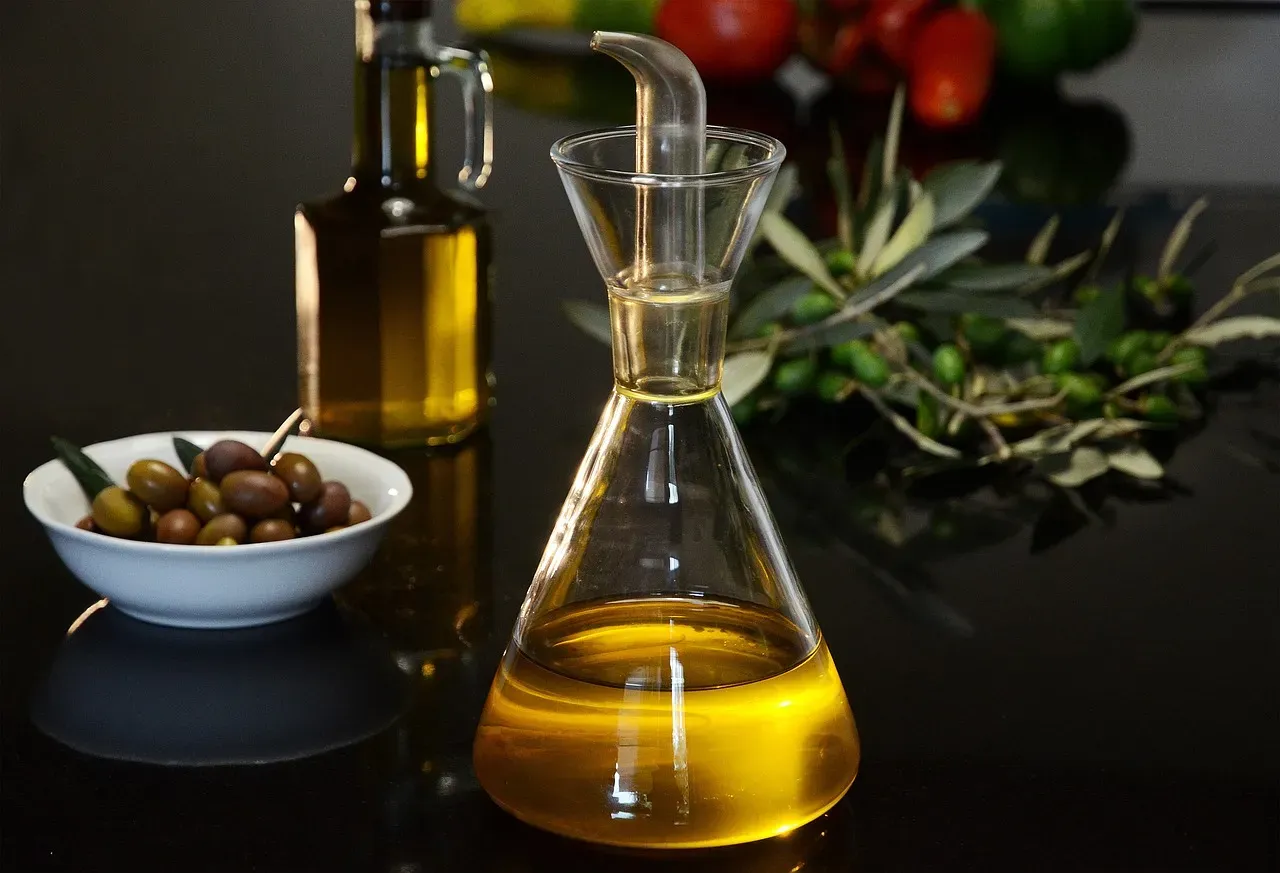
Olive oil is high in inflammation-fighting omega 3’s and contains oleocanthal, an antioxidant with anti-inflammatory properties according to research from Hackensack Meridian Health. Cleveland Clinic’s research shows that a component in olive oil called oleocanthal has anti-inflammatory properties and is known to be especially good for heart health. What makes olive oil particularly fascinating is that oleocanthal works similarly to ibuprofen by inhibiting the same inflammatory enzymes but without the gastrointestinal side effects associated with long-term NSAID use.
Eating a diet that includes plenty of whole foods, such as the Mediterranean Diet, can reduce joint inflammation and arthritis pain notes Mass General Brigham, and olive oil is a cornerstone of that dietary pattern. The key here is choosing extra virgin olive oil, which retains the highest concentration of beneficial compounds compared to refined versions. Drizzle it over salads, use it as a dip for whole grain bread, or incorporate it into cooking at moderate temperatures. It’s one of those simple swaps that can make a genuine difference without requiring you to overhaul your entire diet.
Nuts and Seeds Providing Plant-Based Omega-3s
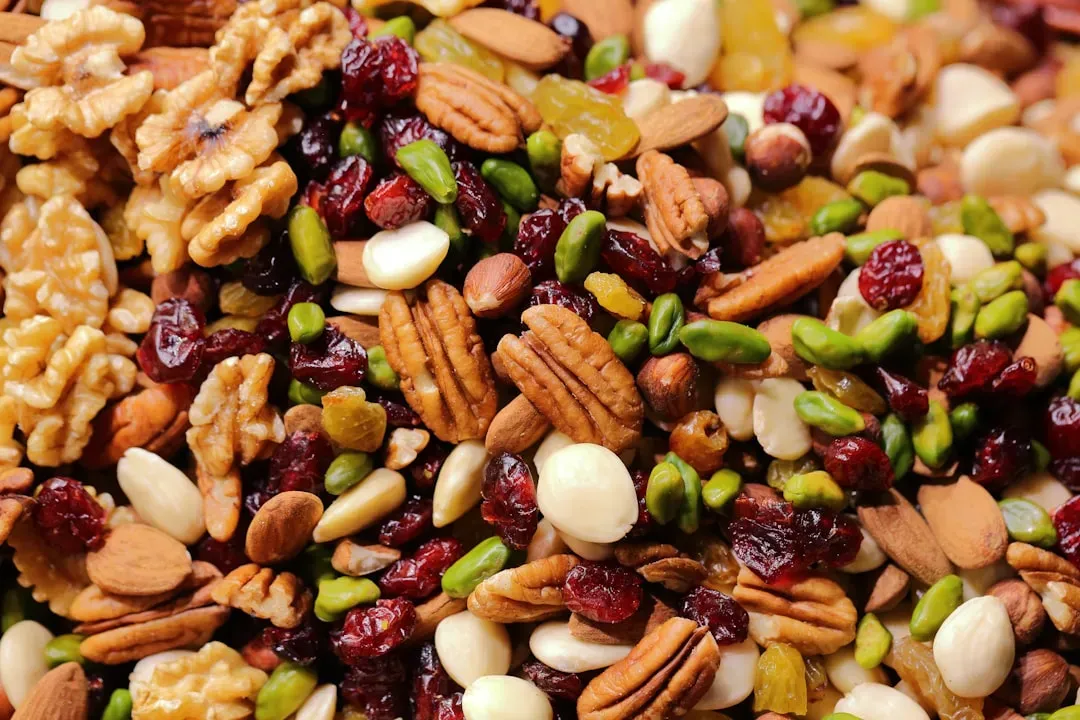
Walnuts, almonds, pistachios and other nuts are high in omega-3s which help reduce inflammation, and nearly all nuts also contain vitamin B6, which has anti-inflammatory properties according to Hackensack Meridian Health. For those who aren’t fans of fish or follow plant-based diets, nuts and seeds become essential sources of inflammation-fighting nutrients. Plant-based sources of Omega-3 foods such as ground flax, flaxseed oil and walnuts provide alternatives to marine sources.
Almonds, chia seeds and flaxseeds are excellent sources of calcium, magnesium and phosphorus, all essential for bone health according to UNC Cary Orthopaedics research. The convenience factor shouldn’t be underestimated either. A small handful of nuts makes an incredibly portable snack that delivers sustained energy along with anti-inflammatory benefits. Sprinkle them on salads, blend them into smoothies, or simply keep a small container in your bag for when hunger strikes. They’re proof that foods supporting joint health don’t have to be complicated or require elaborate preparation.
Ginger with Natural Anti-Inflammatory Compounds

Ginger is said to decrease joint pain and reduces inflammation in people with osteoarthritis and rheumatoid arthritis according to Brown University Health. Even more impressive, ginger has been shown to have anti-inflammatory properties similar to ibuprofen, making it a natural alternative for managing inflammatory pain. The active compounds in ginger, particularly gingerols, work by inhibiting the production of inflammatory chemicals in the body much like conventional pain relievers but through different biological pathways.
What I find particularly compelling about ginger is its accessibility and versatility. You can brew it into tea, grate fresh ginger into stir-fries, add it to smoothies, or even take it in supplement form. Unlike some of the other foods on this list that require specific preparation methods or consistent long-term consumption, ginger can provide relatively quick relief for acute inflammatory episodes while also contributing to long-term inflammation management when used regularly. It’s been used medicinally for thousands of years across various cultures, and modern science is finally catching up to validate what traditional medicine practitioners have known all along.