The New Suburban Crisis: Data Shows McMansions Quietly Turning Into Empty Neighborhoods
The Silent Takeover of America’s Oversized Homes
Picture this: sprawling suburban developments built in the late 1990s and early 2000s, lined with towering homes boasting multiple fireplaces, cathedral ceilings, and rooms nobody uses. Empty-nest baby boomers own nearly three in ten large homes with three or more bedrooms, which is twice as many as millennials with kids, who own just over 14 percent. Yet most of these massive houses shelter just one or two people rattling around in spaces designed for large families.
It’s hard to ignore the math here. Fifty percent of American households in 2024 have only one or two individuals living in them. Meanwhile, the homes themselves keep getting bigger, at least until recently. This disconnect between household size and home size creates a peculiar situation: neighborhoods full of large, largely empty houses owned by older Americans who aren’t ready to move.
The Generational Housing Mismatch

Here’s where things get interesting. Ten years ago young families were just as likely as empty nesters to own large homes. The landscape has shifted dramatically. Most boomers who own homes have no mortgage, with 54 percent owning free and clear, and for that group, the median monthly cost of owning a home is just $612.
Younger families desperately need space, yet they’re locked out. Large homes are in short supply due to the mortgage-rate lock-in effect and a recent lack of homebuilding, plus they’re hard to afford since 2023 was the least affordable homebuying year on record. The financial incentive for boomers to downsize simply doesn’t exist when moving would mean trading a paid-off home with minimal costs for something smaller that might actually cost more.
McMansions Nobody Wants
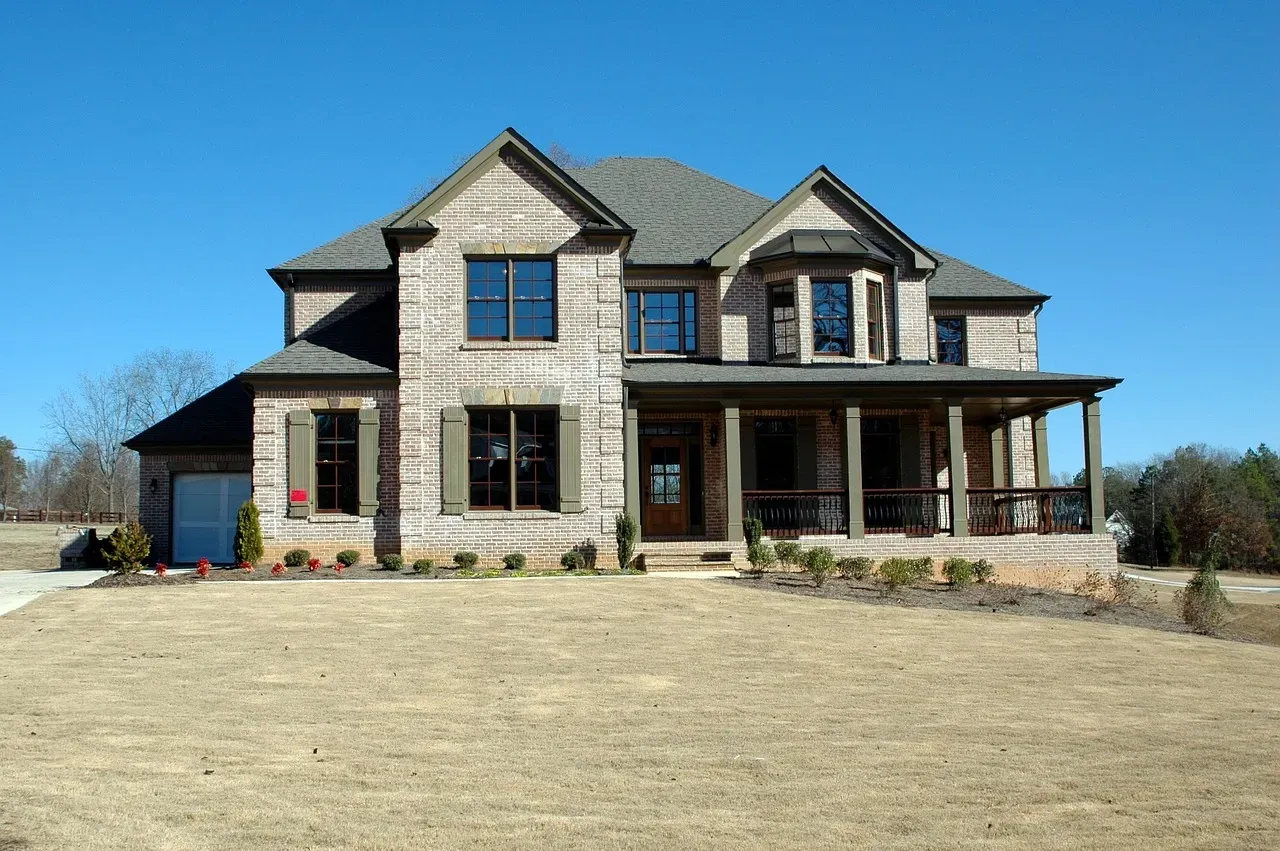
The McMansion era peaked around 2015, when homes averaged roughly 2,700 square feet. Sales of homes over 4,000 square feet have declined by 11 percent in the last year alone. Honestly, I think people are finally realizing that maintaining these behemoths is exhausting. An April 2025 survey by Redfin shows that 68 percent of homebuyers under 40 prefer smaller, more manageable homes.
Research from Erasmus School of Economics reveals something fascinating about the psychology at play. Homeowners who frequently see oversized houses report lower satisfaction with their own properties, especially if they already live in large homes themselves. Homeowners exposed to larger houses are more likely to expand their own homes, taking on more mortgage debt, with each 10 percent increase in size of nearby McMansions leading homeowners to extend their homes by an average of 1.2 percent through additional loans. It’s a keeping-up-with-the-Joneses spiral that’s helped create our current mess.
Where the Empty Nesters Live
Empty nesters own at least 20 percent of large homes in any given metro area, with the largest shares in Pittsburgh at 32.1 percent, Birmingham at 31.1 percent, and Cleveland at 30.8 percent. These aren’t exactly the hot job markets where young families want to settle. Empty nesters don’t live in the same places where younger generations want to be, with these households concentrated in more affordable markets rather than in the expensive coastal job centers where young workers are moving.
The regional divide makes the problem worse. Markets where the largest share of recently moved households with members 44 and younger are San Jose at 35 percent, Austin at 32 percent, and Denver at 32 percent, with Seattle and Portland also among the top 10 at 30 percent each. Yet these expensive metros have smaller shares of empty-nest households than the national average, meaning the supply coming from boomer downsizing won’t help where it’s needed most.
Why This Crisis Isn’t Resolving Itself

Let’s be real: waiting for a so-called “silver tsunami” of homes flooding the market is wishful thinking. The bulk of boomers are only in their 60s, still young enough that they can take care of themselves and their home without help. McMansion-style neighborhoods probably won’t fare well based on current trends in demographics, according to housing market analyst Nick Gerli.
The average size of new homes has been shrinking since 2015, hitting a low in 2024 not seen since 2010. The U.S. Census Bureau reported in March 2025 that 54 percent of new single-family homes built in 2024 were under 2,200 square feet. The market is slowly correcting itself, though not fast enough for young families who need those three-bedroom homes right now. The disconnect persists: older homeowners sitting in oversized houses they don’t want to leave, younger families unable to find or afford the space they need, and neighborhoods gradually emptying out as demographics shift but the housing stock remains frozen in place.