Seasoned Servers Spot These 10 Red Flags the Second You Open the Menu
You know that feeling when you walk into a restaurant and something just feels off? Maybe you can’t quite put your finger on it yet. The host smiles, the lighting is pleasant enough, and the smell coming from the kitchen isn’t alarming. Then you sit down, open the menu, and suddenly a wave of doubt washes over you. Experienced servers have seen it all. They can tell within seconds whether a restaurant is genuinely committed to quality or just going through the motions. Let’s pull back the curtain and reveal what industry veterans spot immediately when they glance at a menu.
A Menu That Goes On Forever
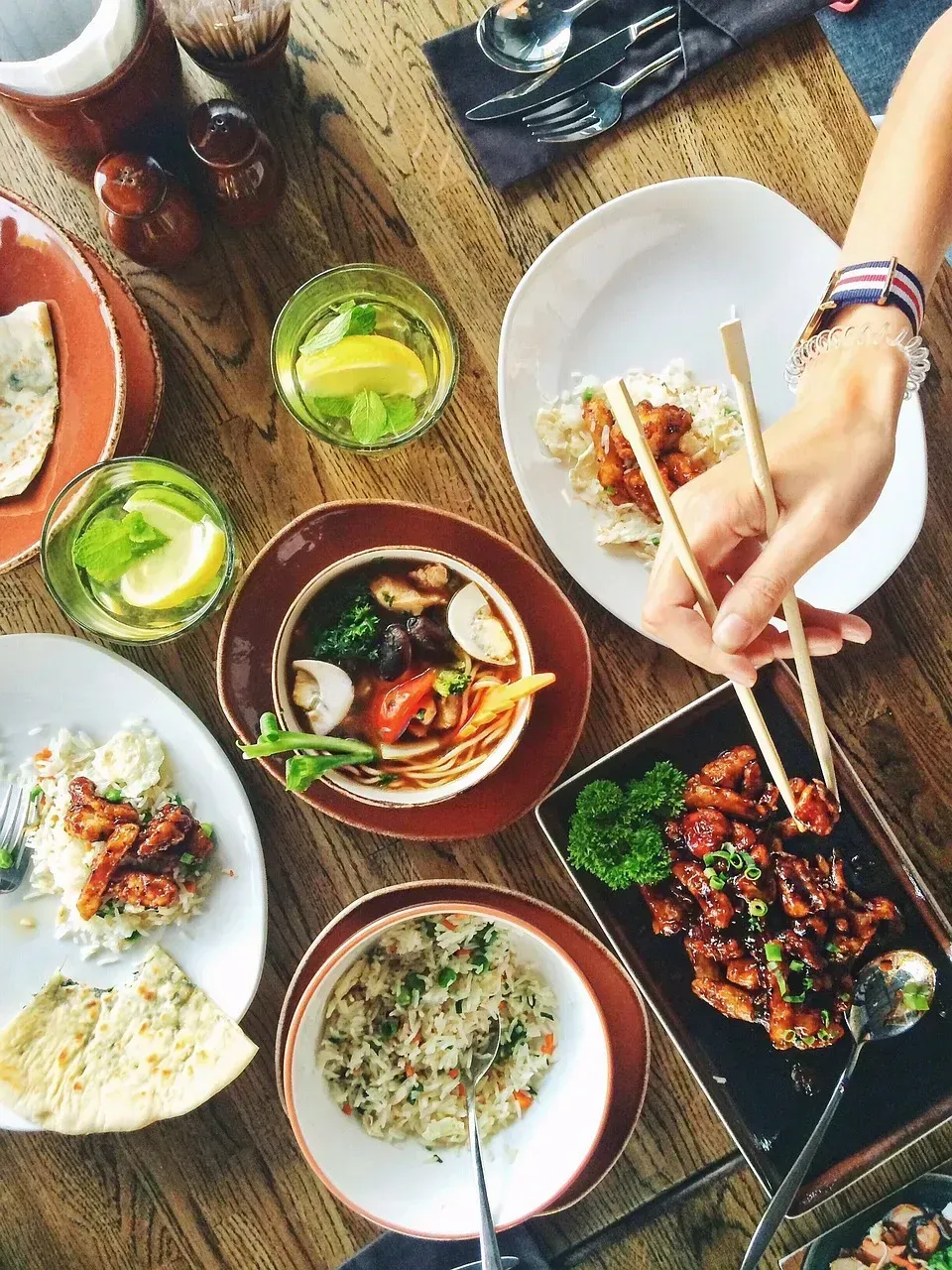
When a restaurant offers a menu that’s multiple pages long spanning Italian food to Indian to Chinese, it’s a clear sign that a restaurant hasn’t mastered any of them. Think about it logically. Either the kitchen has a high capacity for handling many different dishes, or that many of the dishes are not fresh. The reality is usually the latter. Many factors go into consistently serving up perfect plates of food, and spreading too thin without focusing on a core menu makes it easy to produce subpar food and requires cutting corners to make service happen each day.
Dirty or Sticky Menus That Nobody’s Cleaned
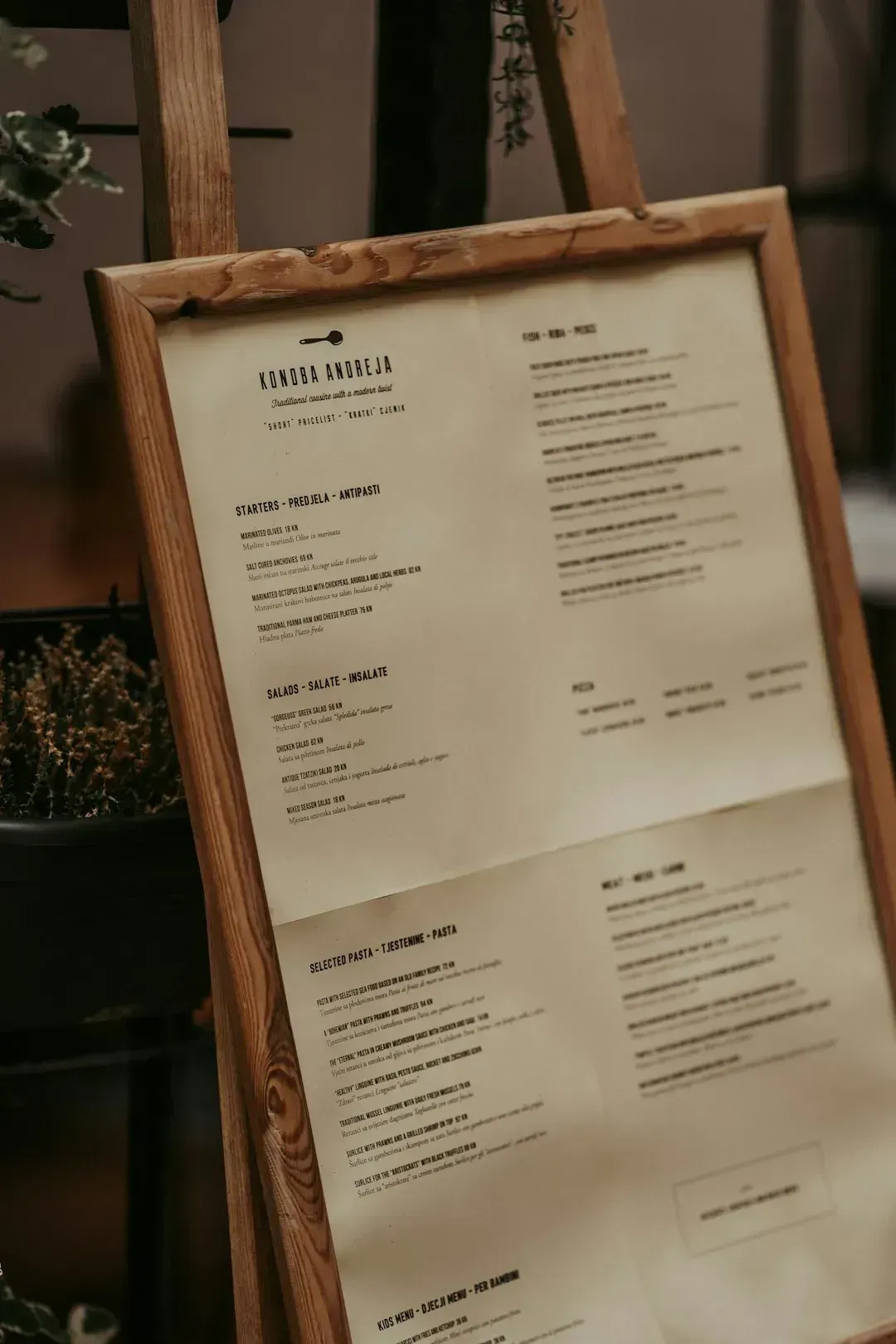
Menus with bread crumbs, food stains and spilled sauces signal they’re not cleaned regularly, and if the staff isn’t paying attention to this detail, they may be missing even bigger things. This is the first thing your hands touch when you sit down. If management can’t be bothered to wipe down something customers handle directly, imagine what’s happening in the kitchen where nobody’s watching. Dirty or beaten-up menus are a bad sign and might signal greater problems in a restaurant.
Dishes From Multiple Cuisines That Don’t Belong Together
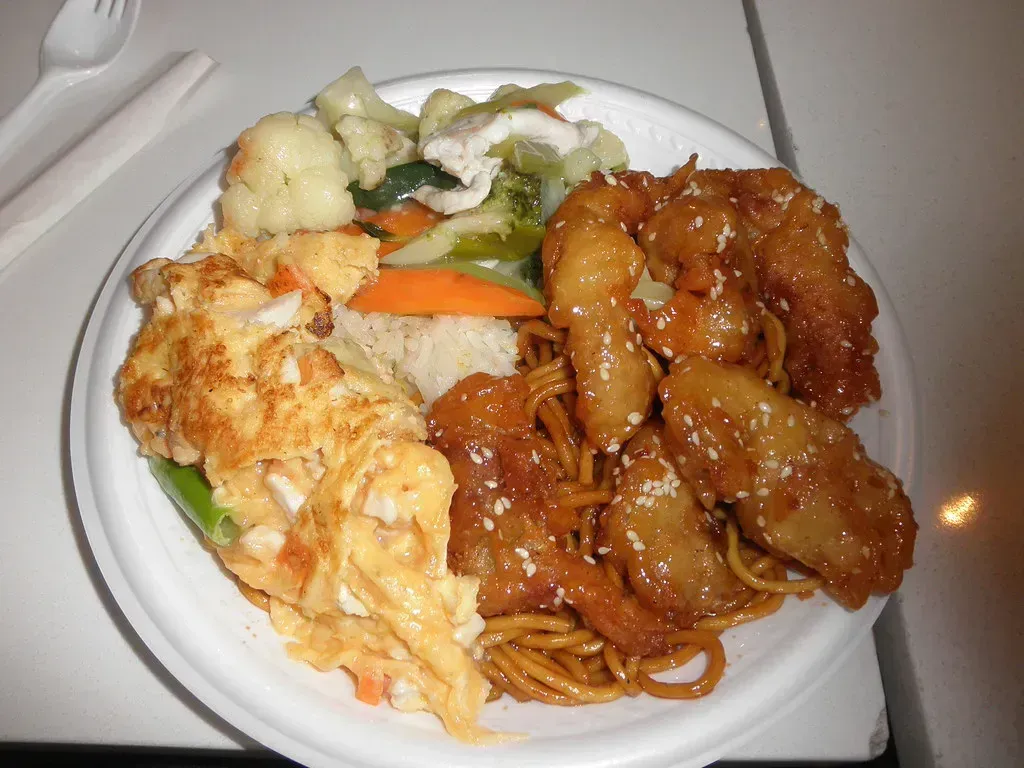
Dishes that don’t seem like they belong on the menu can be a red flag, like going to an Italian restaurant and seeing that they also serve Indian dishes. This kind of menu confusion tells you the restaurant is trying to please everyone, which usually means pleasing nobody particularly well. Showing no point of view or trying to please every type of diner means you’re looking at food that will be mid at best. Servers know that restaurants with clear identities and focused menus almost always deliver better experiences.
A Menu Design That Looks Like It’s From 1995
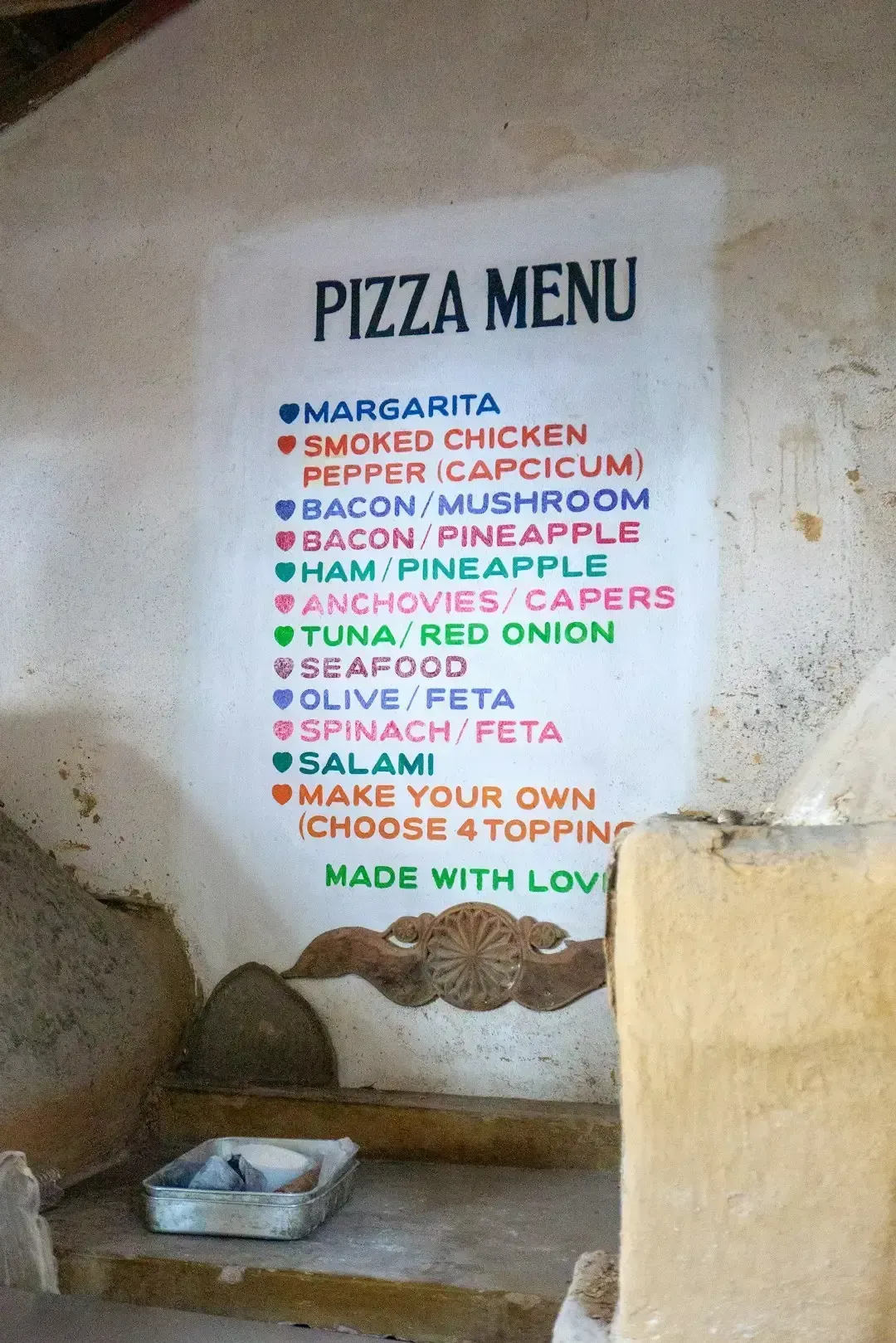
If a menu is visually outdated with cluttered layout, poor color scheme, or lacks visual hierarchy, it gives a bad impression, and if the menu looks like it was designed in Microsoft Paint in the nineties and hasn’t been updated since, it probably doesn’t say anything good about the food. This isn’t about being shallow. A well-designed menu shows that someone cares about the customer experience from start to finish. When a restaurant can’t invest basic effort into making their menu readable and attractive, what does that say about the attention they pay to ingredient sourcing or cooking techniques?
Zero Dietary Information or Allergy Warnings

The modern dining landscape requires restaurants to acknowledge dietary restrictions and allergies. A menu that completely ignores vegetarian options, gluten-free alternatives, or common allergen warnings shows a troubling lack of awareness. Poor food quality examples include menus that don’t accommodate dietary restrictions and general mix-ups caused by servers mishearing and failing to confirm orders. Seasoned servers know this oversight often correlates with kitchens that aren’t properly trained on cross-contamination protocols either.
Overly Complicated Dishes With Fifteen Ingredients
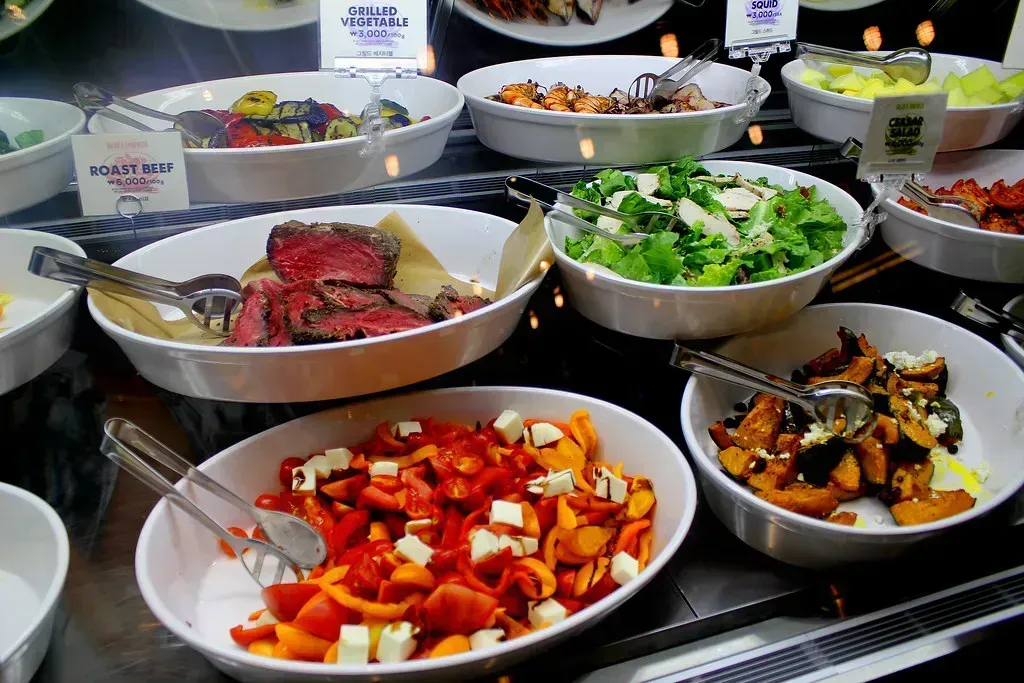
Offering a menu full of complex menu items can be confusing and unappealing to patrons and extremely stressful for kitchen staff, as too many complicated dishes can cause inconsistency issues with ingredients, availability and overall food quality. When every dish reads like a chemistry experiment with obscure ingredients and elaborate preparations, something’s wrong. Good cooking doesn’t need to hide behind complexity. Food quality also suffers with a super-size menu because kitchen staff cannot gain experience preparing a reasonable number of dishes well or devote equal attention to a myriad of items at the same time.
Daily Specials Overload Covering Half the Menu
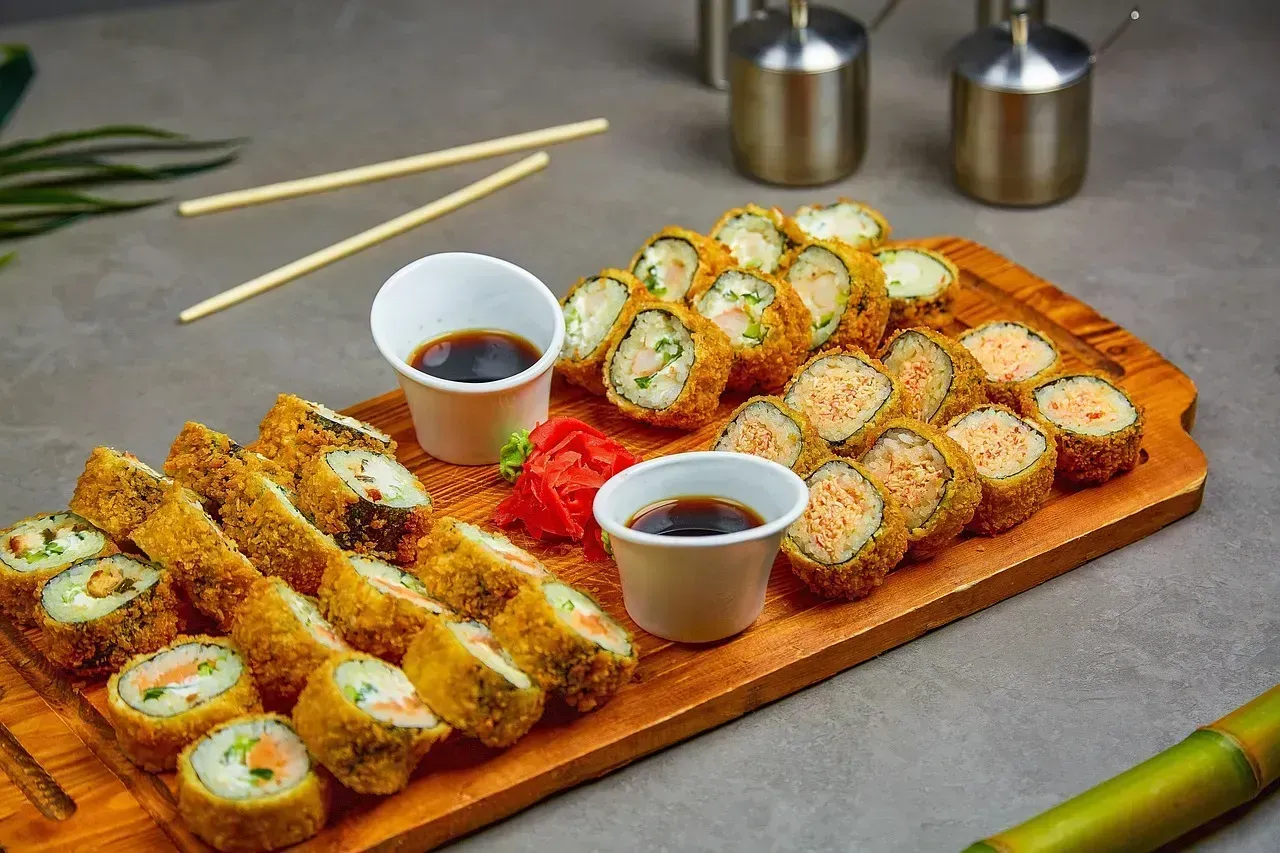
One or two specials suggest the chef found something exciting at the market that morning. Ten specials scrawled on a separate board? That’s a restaurant trying to move inventory that’s about to go bad. Experienced servers exchange knowing glances when they see this. The specials board shouldn’t be longer than the actual menu. This tactic often masks poor inventory management and questionable food rotation practices that health inspectors would frown upon.
Prices That End in Strange Numbers
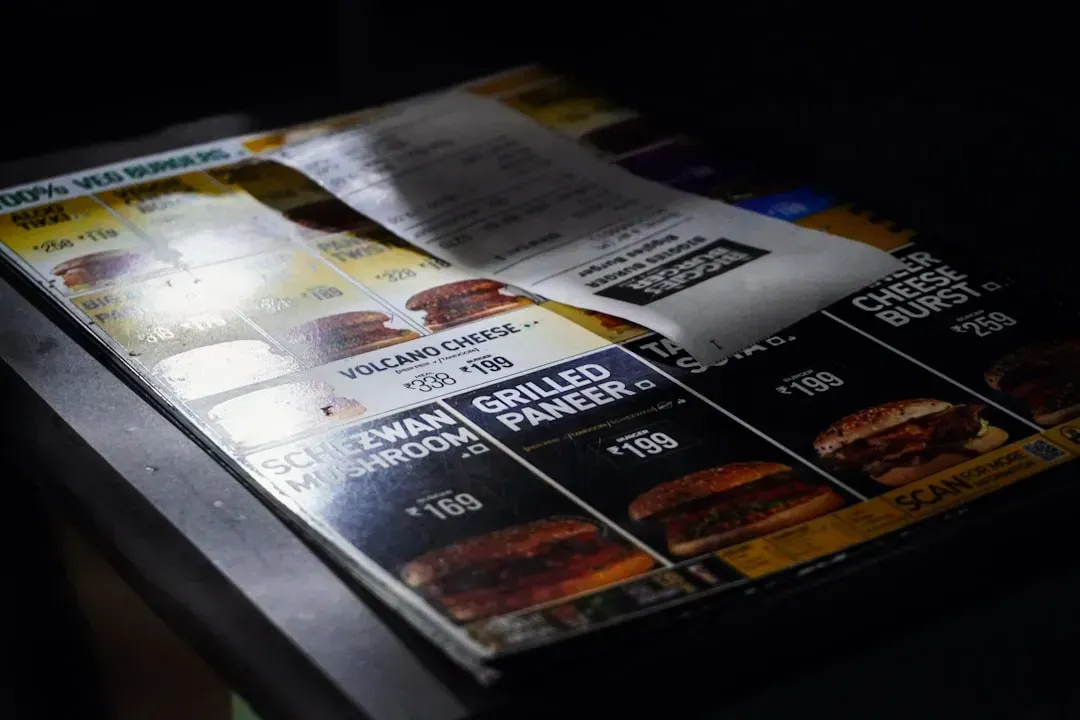
While psychological pricing is common, wildly inconsistent pricing or strange number patterns suggest someone hasn’t done proper cost analysis. When one appetizer is seven dollars and ninety-five cents while another similar item is fourteen dollars and twenty-three cents, it signals disorganization. Price isn’t just a number, it’s a psychological trigger that can make customers spend more or flee immediately. Servers who’ve worked in well-run establishments know that thoughtful pricing reflects thoughtful management throughout the operation.
No Seasonal or Rotating Items Whatsoever
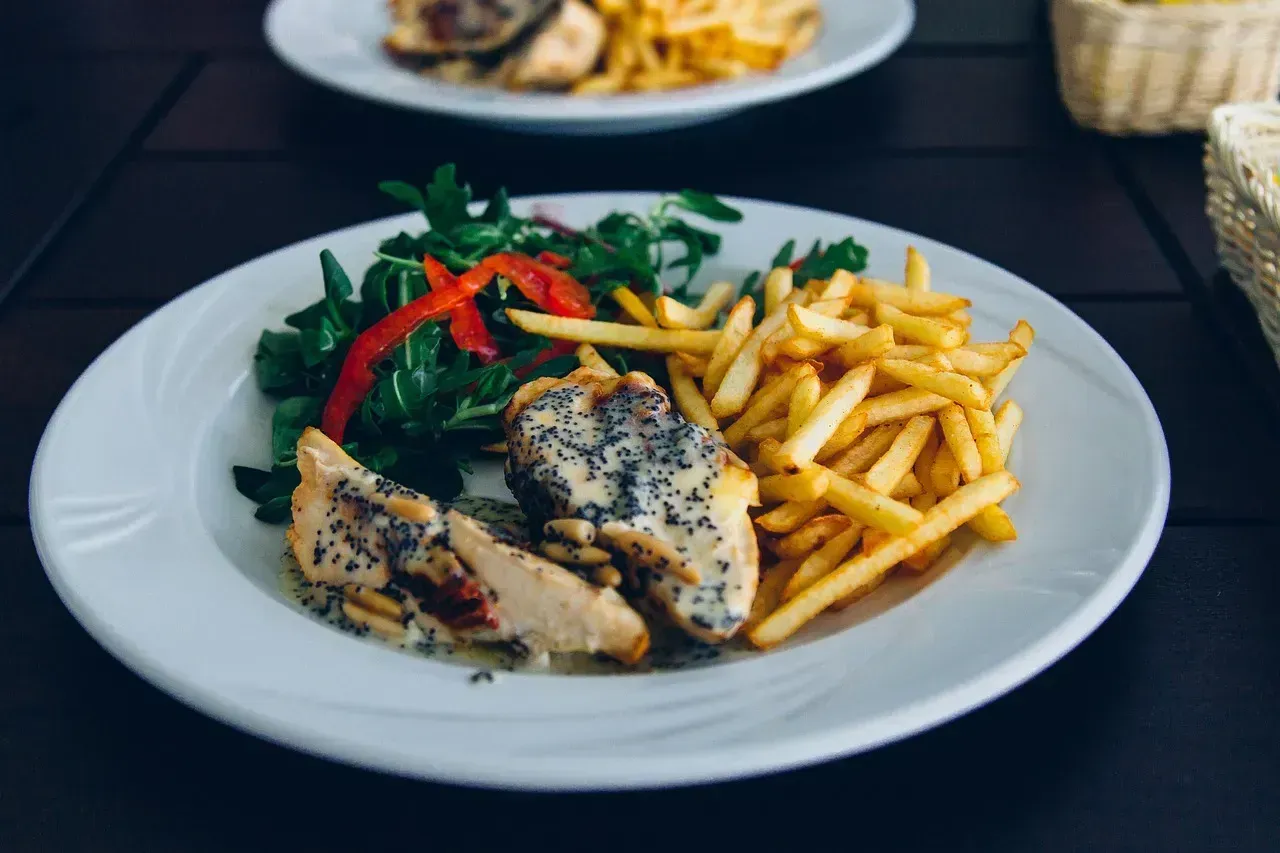
If a menu hasn’t changed within the past year, it’s definitely time to revisit and review. A static menu that never changes suggests a kitchen on autopilot, not one engaged with seasonal ingredients or culinary creativity. Limited-time offers grew by more than fifty-two percent between 2020 and 2023, as shortened on-premise menus allowed restaurants to experiment with new menu items while focusing on core offerings. The best restaurants evolve.
Missing Temperature Warnings on Undercooked Items
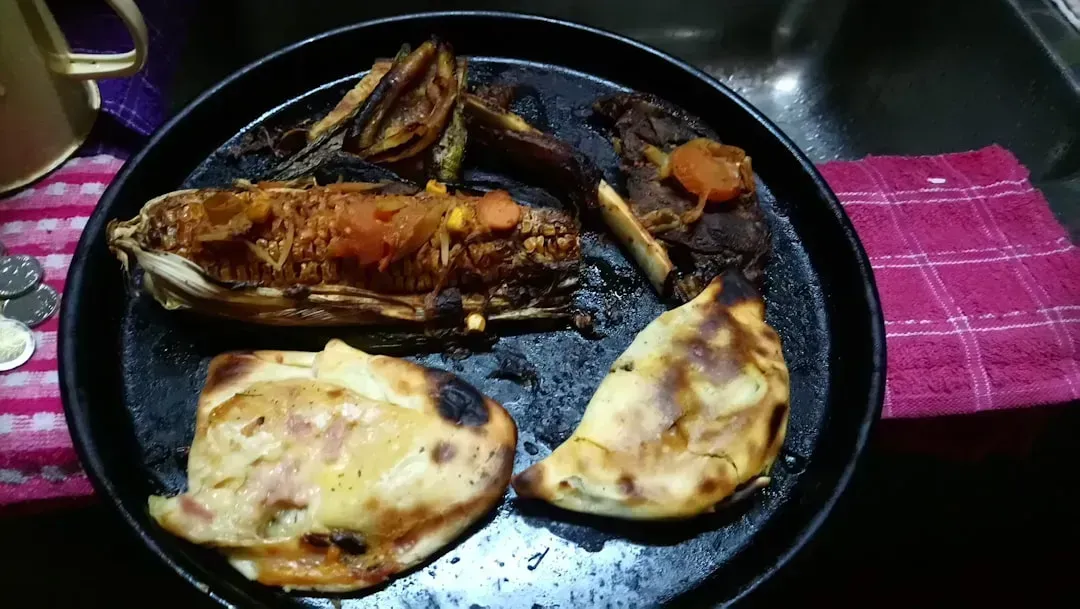
Seventy percent of diners are deterred by health code violations when choosing a restaurant, and health code violations can make or break a business. Any menu serving items like burgers, eggs, or steak should include proper warnings about consuming undercooked foods. The Centers for Disease Control estimates that in the United States, forty-eight million people get sick from foodborne illnesses every year, with one hundred twenty-eight thousand hospitalized and three thousand deaths. When this legal requirement is missing, it raises serious questions about what other safety protocols the restaurant is ignoring.
The menu is more than just a list of dishes. It’s a window into how a restaurant operates when you’re not looking. These red flags aren’t guarantees of a bad experience, but they’re warning signs that experienced hospitality workers have learned to recognize. Trust your instincts. If something feels off when you’re reading the menu, it probably is. What’s the worst menu red flag you’ve ever encountered?