12 Home Features That Are Losing Appeal as Homeowner Anxiety Rises
Rising home prices and mortgage rates have pushed anxiety to unprecedented levels in 2025, with property taxes and insurance premiums adding even more financial stress on both homeowners and potential buyers. The landscape of American housing has shifted dramatically, and with it, what people want in their homes has evolved just as much. What was once a selling point can now feel like dead weight.
Let’s be real, people are prioritizing differently these days. First-time buyers now represent just 21 percent of the market, the lowest share since 1981. When budgets are tight and every dollar matters, homeowners and buyers are rethinking what truly adds value versus what just looks good on paper. Here are twelve features that, despite their former glory, are quickly losing their shine in today’s stressed housing climate.
Formal Dining Rooms
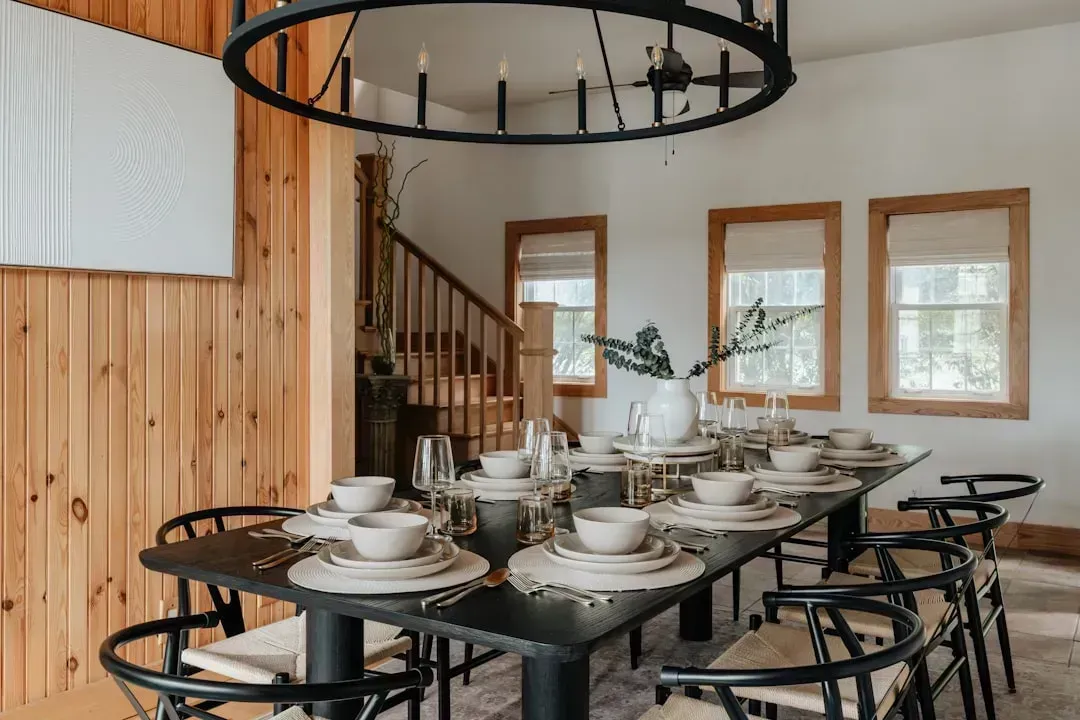
Nearly 80 percent of designers working on new home communities report that dining rooms have become significantly less important over the past year, with one builder noting that formal dining rooms have almost been eliminated from their design vocabulary. The reality is stark. Most families use these spaces only a handful of times a year while other parts of their homes feel cramped or underutilized. Today’s families want flexibility over formality, seeking spaces that adapt and respond to the rhythms of real life, which the traditional dining room simply doesn’t. That beautiful room with the chandelier? It’s becoming a home office, a playroom, or just getting absorbed into an open floor plan. Function is winning over formality.
Open Floor Plans With Zero Boundaries
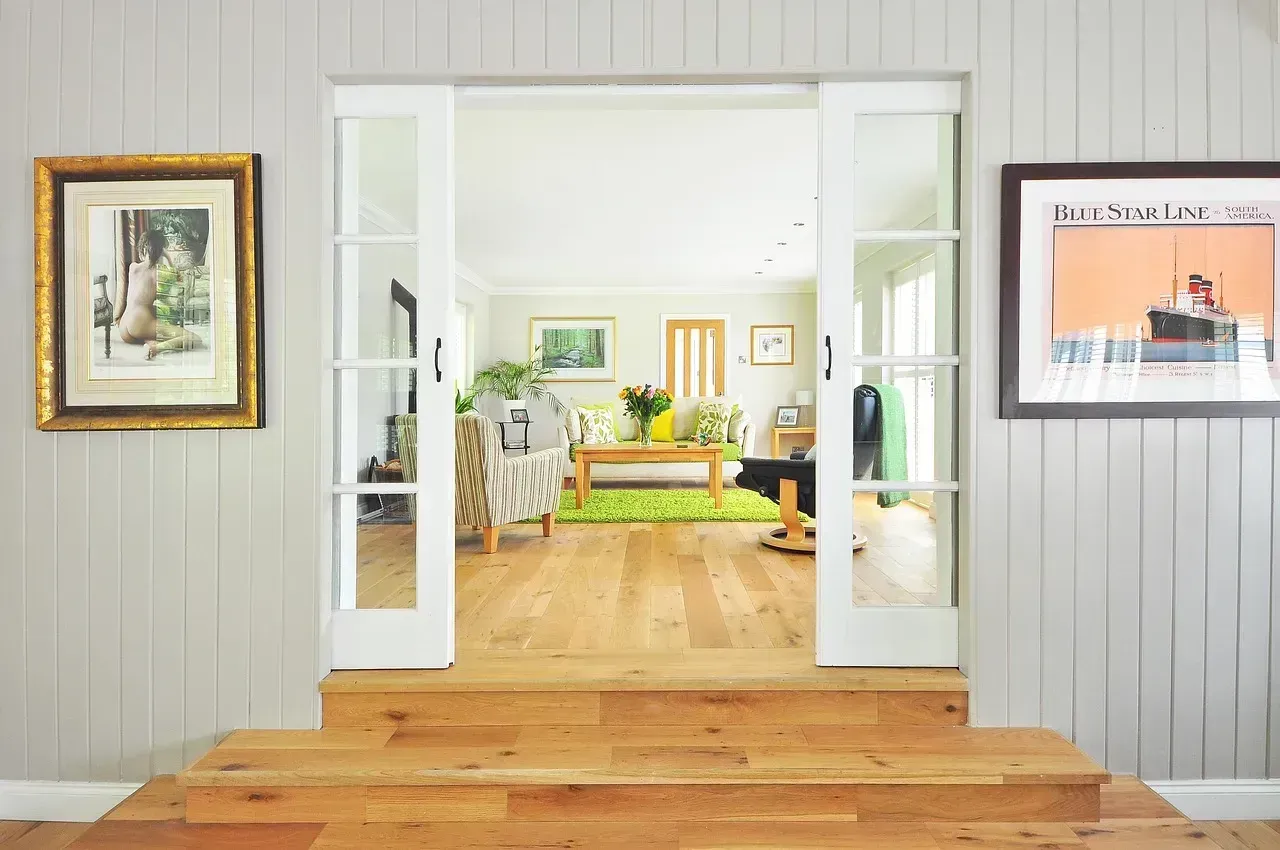
Here’s the thing about those massive, wall-less great rooms everyone was obsessed with a few years back. They’re losing appeal fast. While openness sounds fantastic in theory, reality paints a different picture. The appeal of an open and spacious living area can lead to regret for reasons people didn’t anticipate, especially when a large island replaces the family dining table, leaving families with only one room to relax in where any mess is immediately visible. You can hear the television blaring from every corner, there’s nowhere to escape for quiet time, and honestly, sometimes you just want a door between you and whatever chaos is happening in the next space.
Built-In Home Offices That Can’t Convert Back
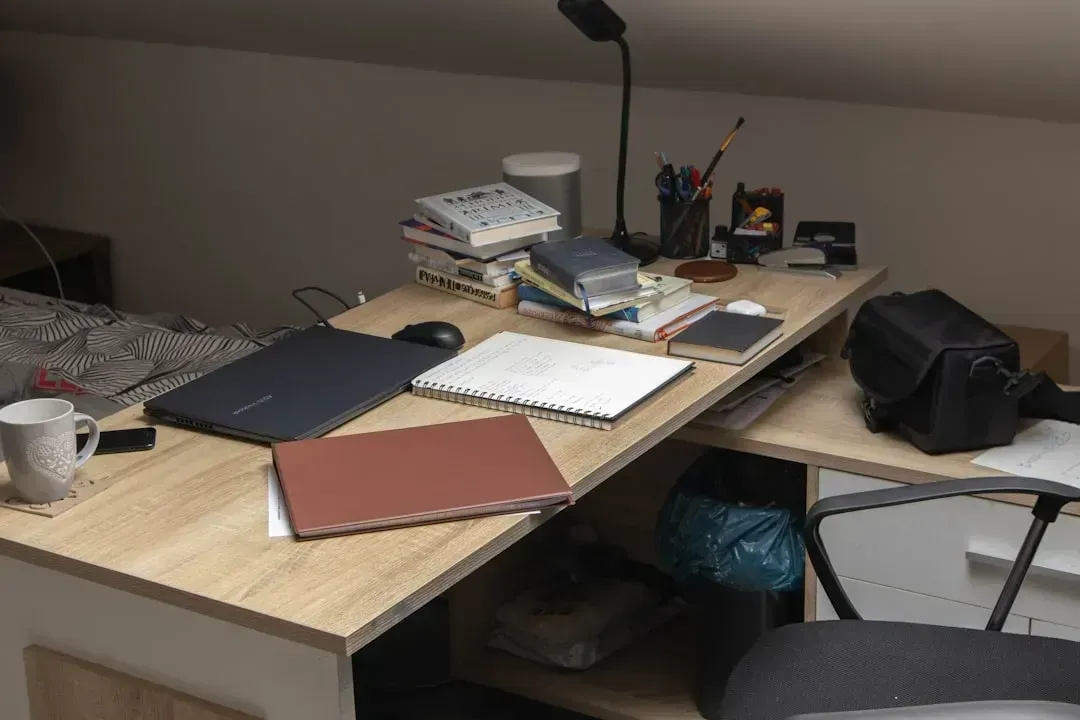
Despite the increase in working from home since the 2020 pandemic, most homebuyers still prefer a bedroom over an office, and adding built-in shelving restricts the next buyer’s ability to convert the room back into a bedroom. Remote work might be sticking around, but permanent office conversions? Not so much. Buyers want flexibility, not fixed commitments to yesterday’s pandemic-era needs. The problem with all those custom-built desks and shelving units is simple: they lock you into one purpose. What happens when that space needs to become a nursery or guest room? Renovation costs, that’s what happens. Smart buyers are shying away from homes where conversion means construction.
Swimming Pools

Pools used to scream luxury and summer fun. Now they often whisper maintenance nightmares and insurance headaches. Pools are especially among the biggest features people regret, as they demand considerable maintenance and hike insurance costs while getting used far less than owners anticipate. Between chemicals, cleaning, winterizing, and constant upkeep, the romance fades quickly. Honestly, how many times did you actually use that pool last year versus how much you spent keeping it functional? Factors like humidity, heat, and seasonal storms make it tough to enjoy outdoor living spaces to the max, leading builders to enclose these outdoor areas to create comfortable, usable spaces that can be enjoyed year round.
Jacuzzi Tubs and Freestanding Soaking Tubs
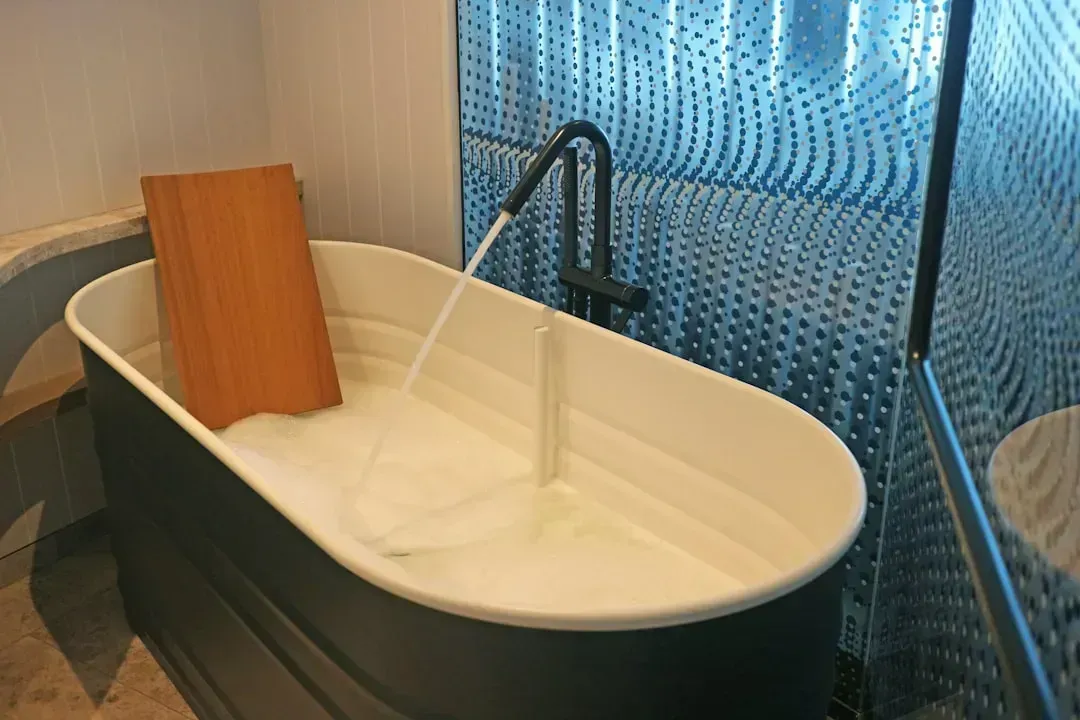
In a recent survey, real estate agents shared that 58 percent of buyers are not at all interested in jacuzzi tubs. Those glamorous freestanding tubs look amazing on Instagram, sure. In real life? They’re dust collectors. Most people shower, period. Maintaining a jetted tub is a chore nobody wants, and those elegant soakers take forever to fill while you stand there shivering. The space they occupy could house storage that buyers actually need. It’s hard to say for sure, but the spa bathroom fantasy seems to be crumbling under the weight of practicality and limited bathroom real estate.
Linoleum Flooring
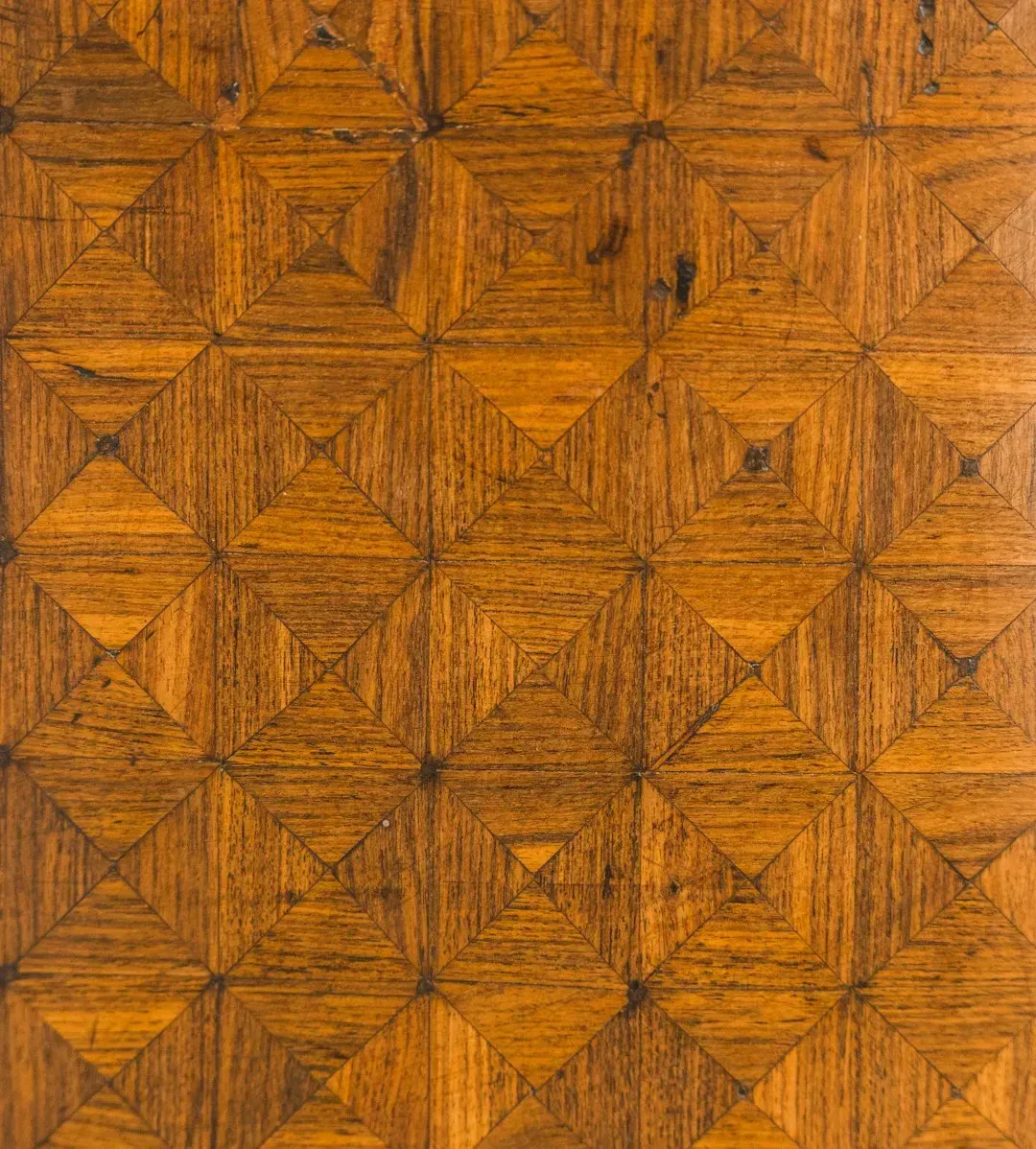
If your home still has linoleum, you might want to rethink that. With 88 percent of buyers expressing no interest in linoleum floors, it’s clear this flooring option can significantly deter interest. What was once considered practical and affordable now reads as dated and cheap. Buyers walk in, see that linoleum, and immediately start calculating replacement costs in their heads. Hardwood, tile, even quality laminate, all rank higher on the desirability scale. When you’re already anxious about affordability, outdated flooring becomes another hurdle, another expense, another reason to keep looking.
Outdated Appliances
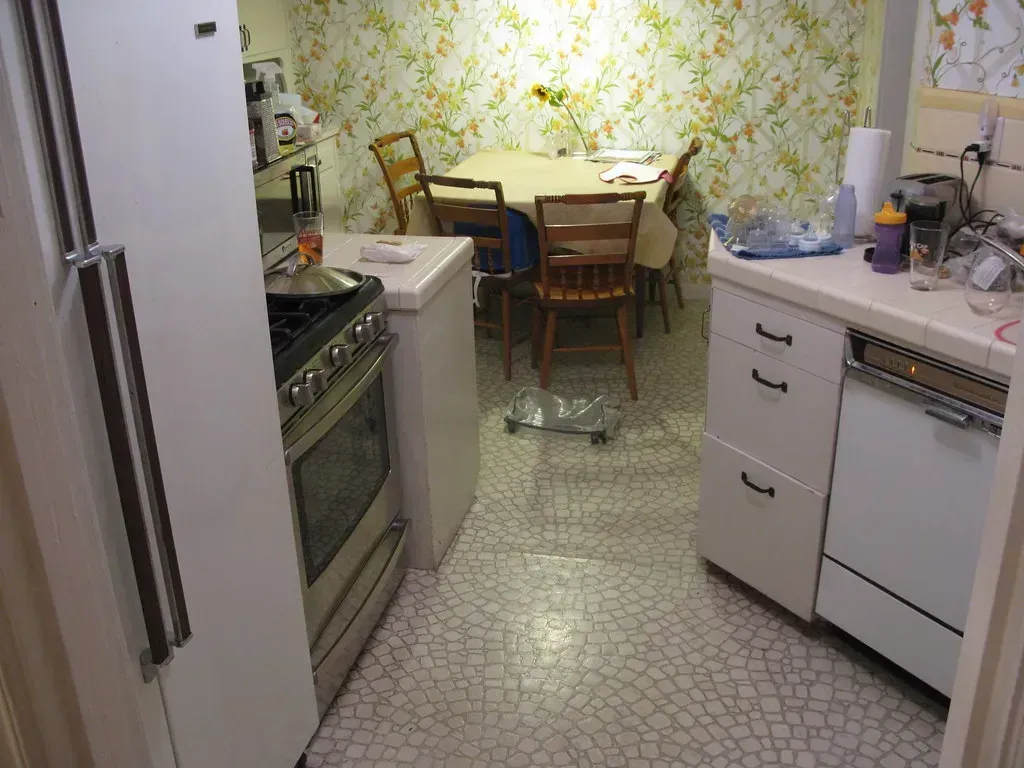
Real estate agents report that 31 percent of buyers won’t even make an offer if the appliances are outdated, as modern buyers expect modern conveniences. Those avocado-green appliances from decades past aren’t charming, they’re deal-breakers. Even appliances from just ten years ago can feel ancient compared to today’s energy-efficient models. In a market where every advantage counts, sellers with old appliances face skeptical buyers who see dollar signs instead of value. Energy bills matter more than ever, and nobody wants to inherit someone else’s inefficient relics.
Oversized Homes With Unused Space
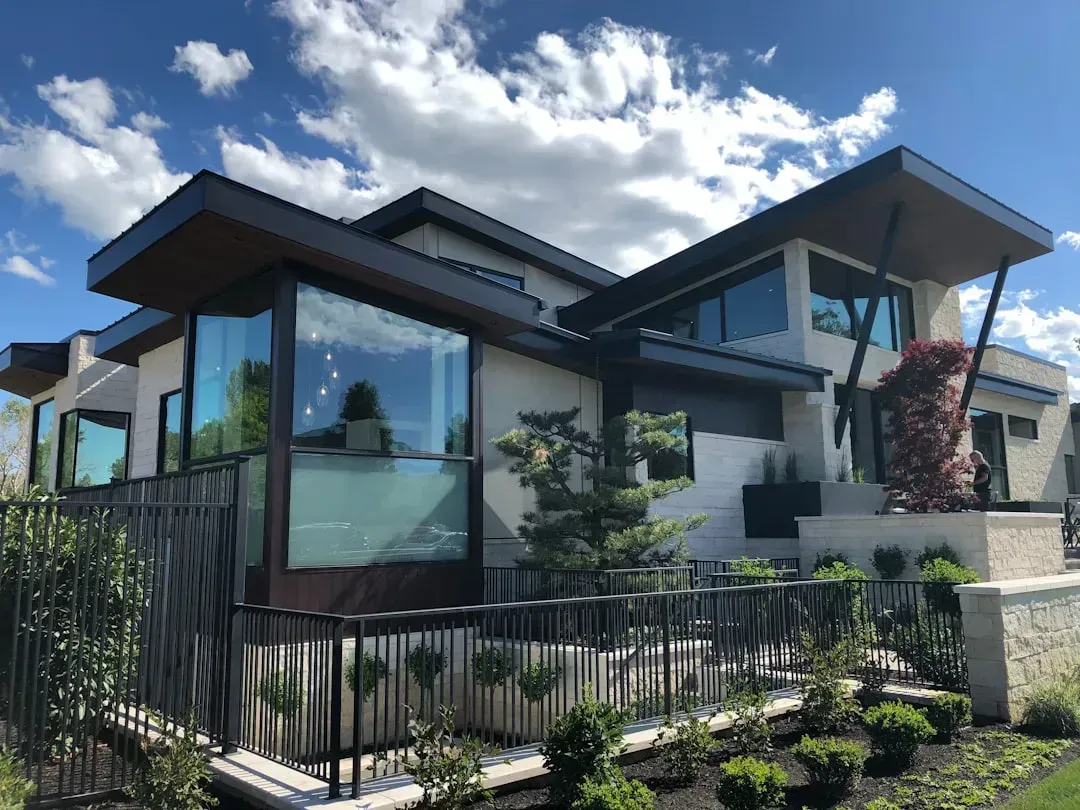
Builders indicated that 38 percent built smaller homes in 2023 to help support home sales, and 26 percent plan to build even smaller in 2024. Bigger isn’t always better anymore. Bigger homes cost more to heat, cool, and maintain, creating burdens many retirees and budget-conscious buyers want to avoid. Every square foot costs money to heat, cool, maintain, and furnish. When property taxes and insurance premiums are climbing, all that extra space becomes a financial burden rather than a luxury. Families are prioritizing better over bigger, choosing functional layouts in reasonable sizes over sprawling floor plans with rooms that never get used.
Multi-Level Homes With Lots of Stairs
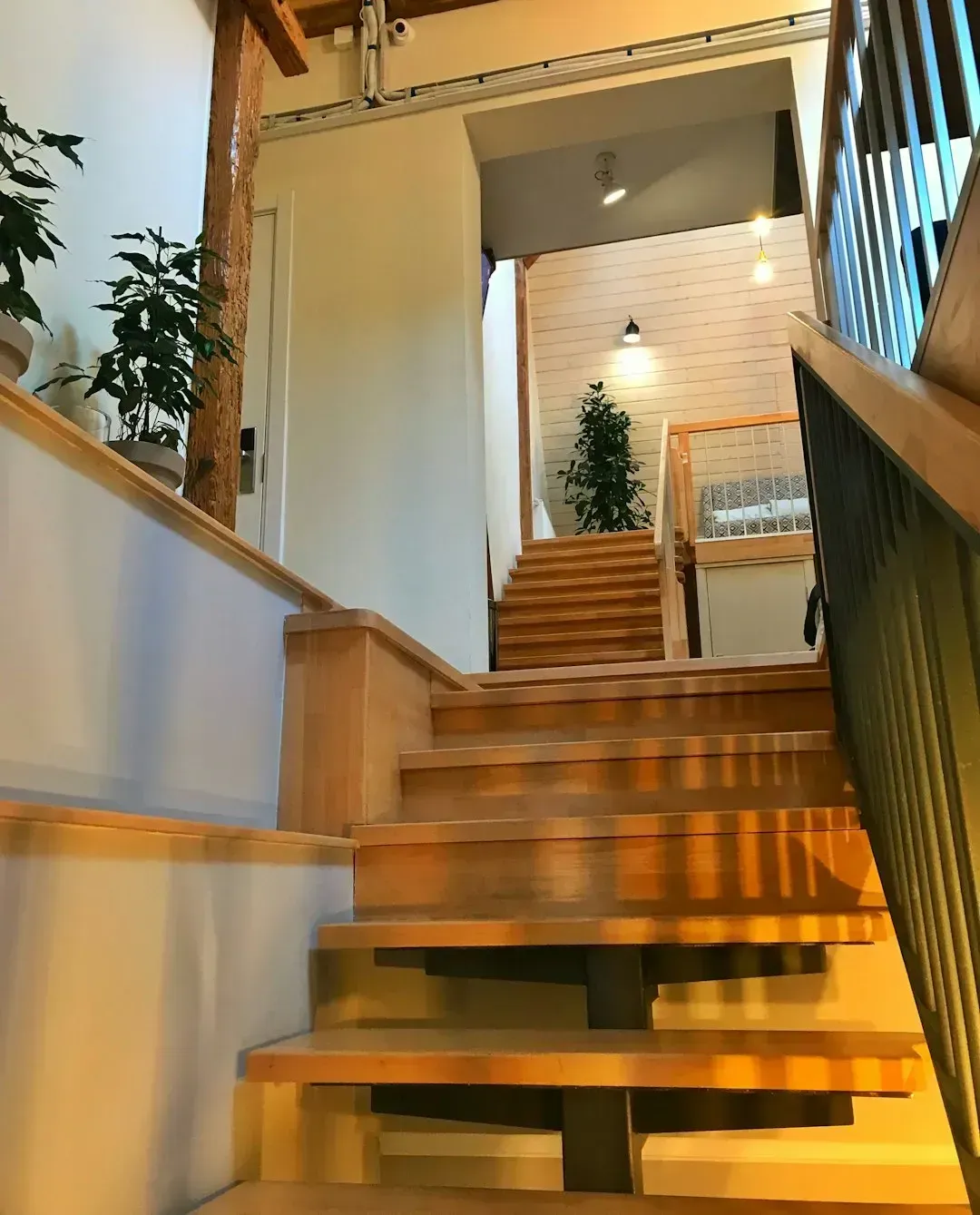
Multilevel homes often end up restricting how much of a home people actually use or force expensive remodels, with even a two-story layout potentially becoming a hazard when mobility changes. Stairs might not seem like a big deal when you’re young and spry, but housing decisions aren’t just about today. They’re about tomorrow too. Homeowners are thinking ahead about accessibility and aging in place. Those beautiful split-levels and tri-levels with stairs everywhere? They’re limiting who can comfortably live in the home. Carrying groceries up flights of stairs loses its charm surprisingly fast, especially when your knees start complaining.
High-Maintenance Luxury Features
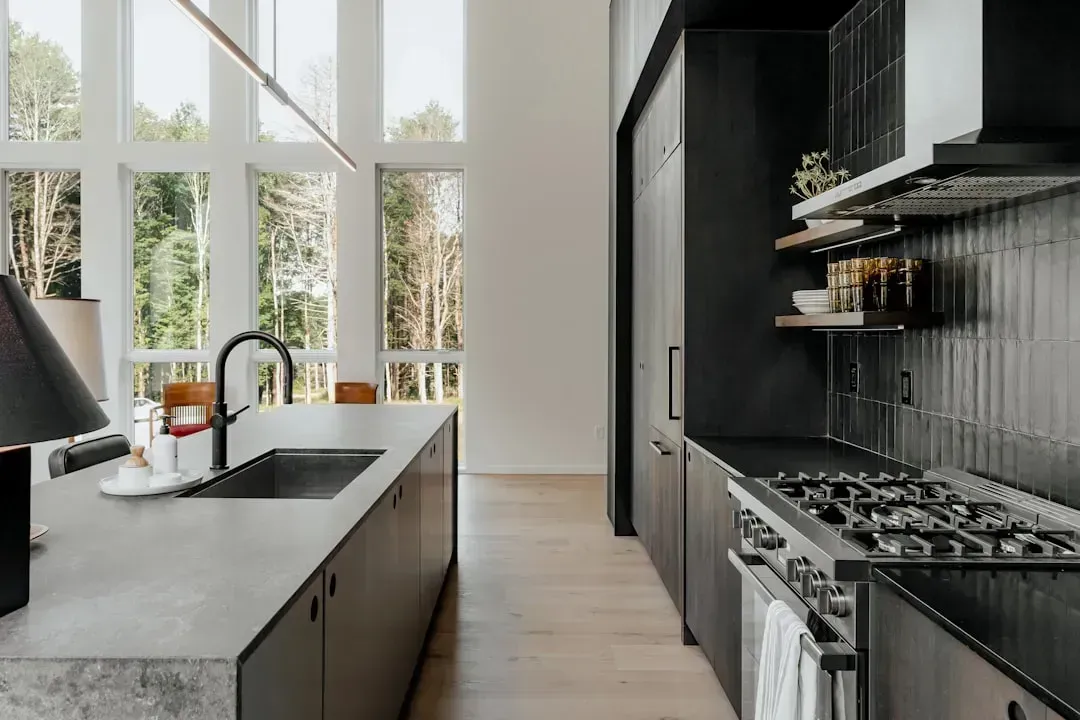
Marble countertops, chef’s kitchens, smart home systems that require constant updates. They all sound incredible until reality hits. High-end systems may add luxury, but every repair and upgrade chips away at retirement savings that should be working for long-term comfort instead. Marble countertops can stain from a single drop of food or drink, which is why designers frequently swap out the material in heavily used kitchens, recommending more durable stones for clients who love to cook. When anxiety about money is already elevated, luxury features that demand expensive upkeep become sources of stress rather than pride. Practicality is trumping prestige.
Trendy Design Elements That Date Quickly
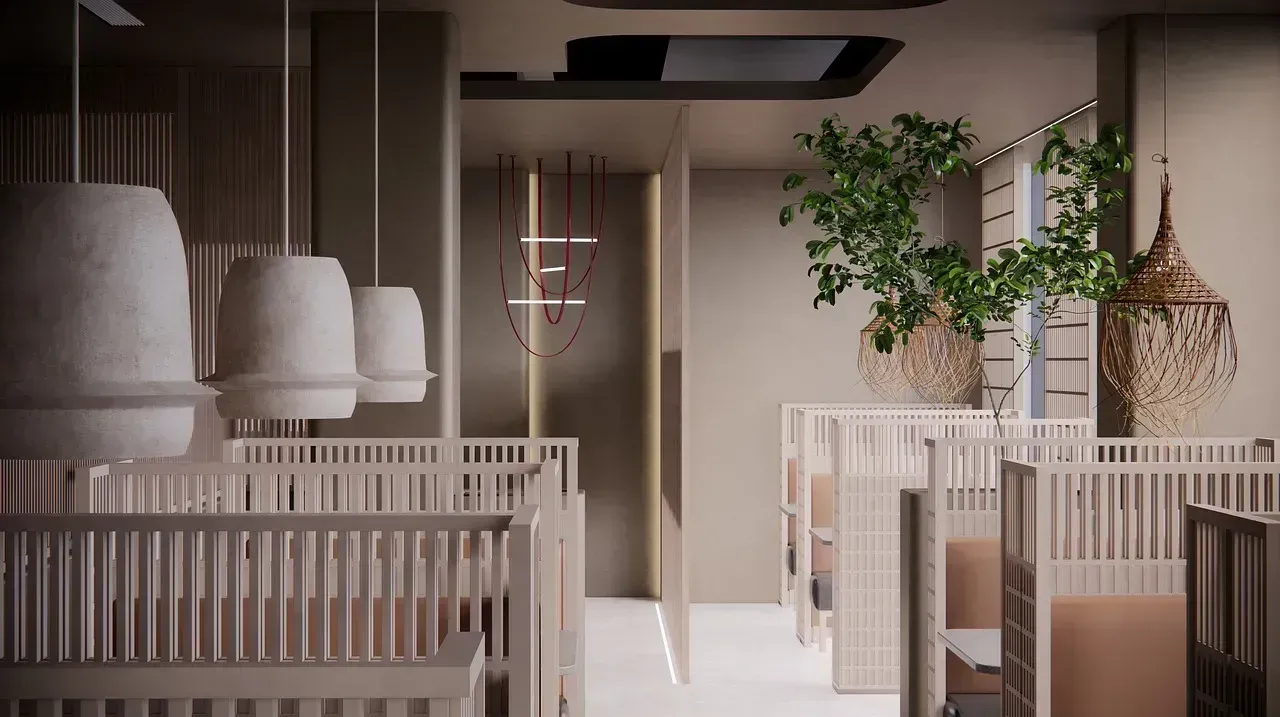
Remember when everyone was installing barn doors and shiplap everywhere? When the farmhouse trend exploded around 2015, everyone asked contractors for barn doors and faux shiplap walls, but designers have since removed several barn doors from clients’ homes, noting they’re a terrible choice because they let sound and light through. Jumping on design trends often means paying twice: once to install and again to remove when the trend fades. A homeowner should be careful not to fall for trends that will likely come and go, giving them time to settle before picking the best option once it’s matured. Colorful tile backsplashes, ultra-specific aesthetic choices, TikTok-inspired renovations – they all create regret when tastes change or when it’s time to sell to buyers with different preferences.
Expansive Yards Requiring Constant Maintenance

Retirees often regret buying homes with large front and backyards, as the cost to maintain grass and landscaping always increases even without fancy vegetation. That sprawling lawn looked perfect in the listing photos. Fast forward a year and you’re spending every weekend mowing, weeding, fertilizing, and watering while watching your utility bills climb. Landscaping companies aren’t cheap either. Between inflation and water costs, maintaining a large yard has become a luxury many can’t justify, especially when smaller, manageable outdoor spaces serve the same purpose with a fraction of the hassle. People want to enjoy their yards, not be enslaved by them.