Why I Stopped Visiting Cancún – and Why You Might Want to Rethink It
There was a time when Cancún seemed like paradise itself. The turquoise waters, endless beaches, and those gleaming all-inclusive resorts made it feel like an easy choice. I returned year after year, convinced I’d found the perfect escape. Then something changed. Maybe it was the stench of rotting seaweed that hit me before I even reached the beach, or perhaps the unsettling news reports I couldn’t ignore anymore. Whatever the tipping point was, I realized Cancún wasn’t what I thought it was, and honestly, it might not be what you’re looking for either.
The Seaweed Crisis Is No Joke
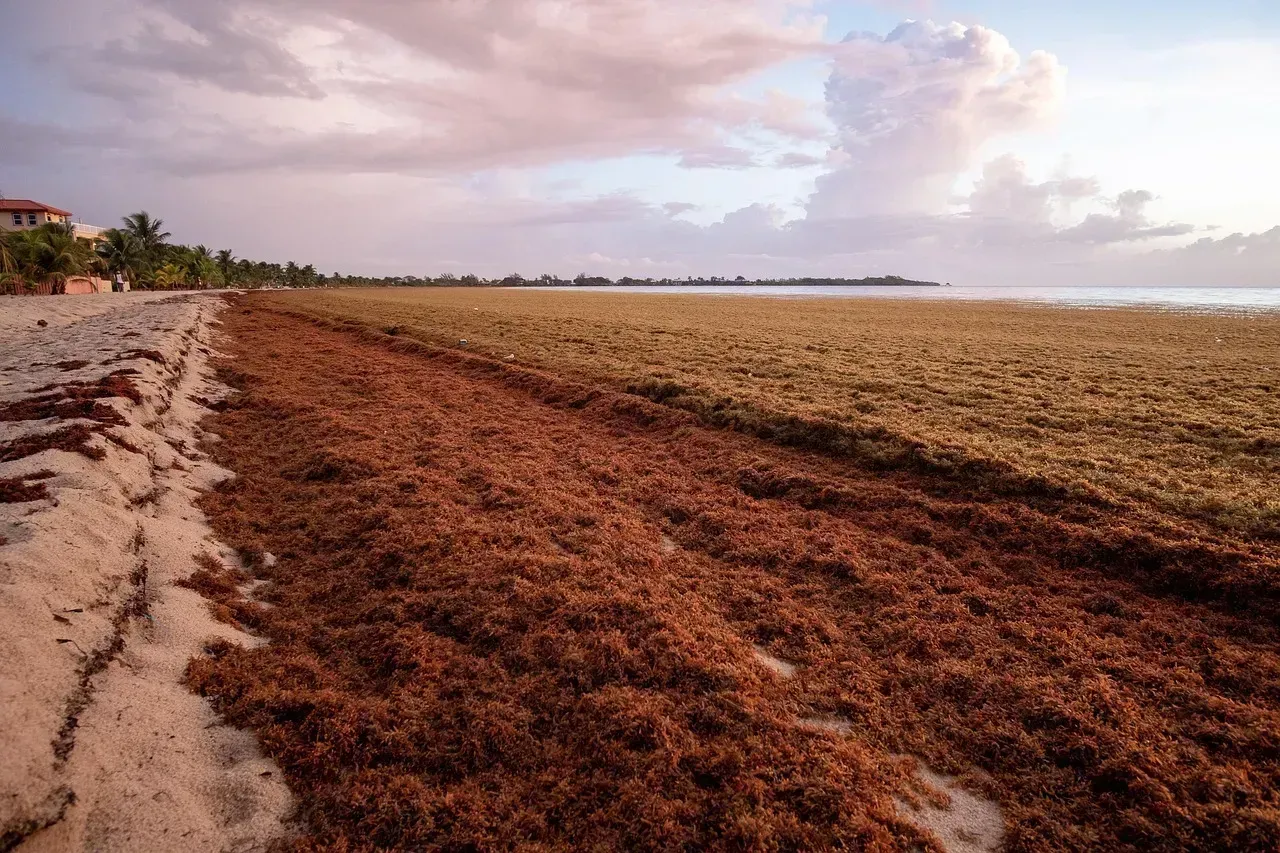
In 2025, the seaweed season in the Cancun area was in full swing, and without a doubt, it was considered the worst one ever. With these final operations, the municipality expected to close the 2025 season with over 16,500 tons of sargassum collected, a huge jump from around 3,000 tons in 2024 just for Cancun’s municipal area. Walking onto what should be pristine beaches now means navigating through piles of brown sargassum seaweed. It’s not just unattractive.
It then smells and releases dangerous gases such as hydrogen sulfide gas, or H2S, a colourless, poisonous gas with an unpleasant rotten-egg odor. The situation has progressively worsened over the last dozen years, and every spring through summer now brings uncertainty about whether you’ll actually get to enjoy the ocean. Some hotels work around the clock to clear it, while others simply can’t keep up.
Tourism Numbers Are Actually Dropping

Let’s be real, Cancún isn’t the unstoppable tourist machine it once was. STARC is reporting that in the first half of 2025, Cancun saw a decrease of 6.5%, with arrivals dropping to approximately 2.89 million from just over 3 million in 2024. Even more striking, International passengers at the Cancun airport dropped almost 14% in July and August compared with the previous year, deepening a decline started in April.
Riviera Maya hotel occupancy has dropped to 44 percent this month, according to the Tulum Times, a tourist publication in the Cancun area. It is reporting this season is “one of the worst low seasons in years” as more than half of all hotel rooms sit idle. People are voting with their wallets and choosing Europe or other destinations instead. There’s a reason for that shift, and it’s not just about fashion.
Safety Concerns Are More Than Media Hype

Sadly, a young boy fell victim to cartel crossfire on the beach in Cancun in the summer of 2024. He lived in the area, and was lounging on chairs near the Riu Cancun Hotel. Authorities say gunmen on jetskis approached and opened fire on a rival drug dealer who was at the beach. A stray bullet hit the 12-year-old, killing him. That incident alone was enough to shake many travelers. Sure, the US State Department still rates Quintana Roo at Level 2, the same as France or Italy, but that doesn’t mean incidents don’t happen.
In February 2024, the most common crimes in Cancún, Mexico were robberies with 26.94 percent of the total documented crimes, domestic violence, and property damage both with over 10 percent of cases. In 2024, Cancun’s homicide rate was about 64 per 100,000 residents. Tourists aren’t usually the targets, I know, but the reality is you’re stepping into a place where violence exists just beneath the surface.
The Prices Keep Climbing Without the Value
Not only the cost to get there has significantly increased (more than doubled), but lodging and F&B have significantly increased in price. On January1, 2023 Mexico raised the TUA 77% and there have been other smaller rises in subsequent years. The airport fees alone are now roughly fifty dollars per international departure, which doesn’t even include your actual flight. Resorts that used to feel like good value now charge prices comparable to European luxury hotels, except with less character and authenticity.
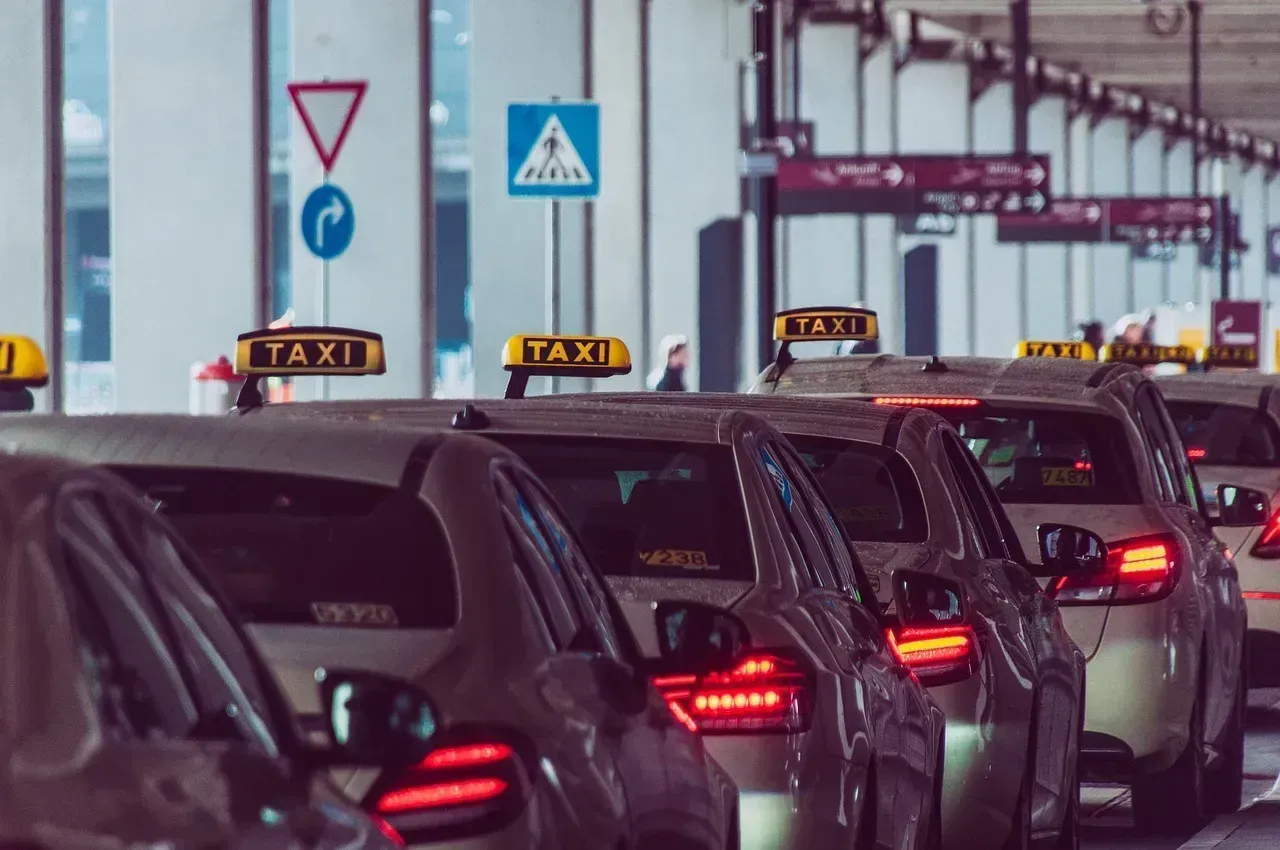
One of the top comments we hear from readers for the reason people don’t like to come to the Riviera Maya are the taxis. From the moment you arrive at the Cancun Airport you are affronted by taxi workers. Since there are no official taxi prices from the airport nor meters, prices fluctuate to whatever drivers want to charge. It feels exhausting before you even reach your hotel.
Scams Are Rampant and Tiresome
Everything from restaurants adding tips into the bill, beach clubs overcharging, or to the stores offering tax free shopping, there are a lot of scams and not so honest people trying to make a buck. It all adds up and tourists get tired of it. Honestly, it wears you down. Every transaction becomes a negotiation or a chance for someone to overcharge you. The fake police scam remains common, where someone pretending to be an officer tries to extract cash from unsuspecting tourists.
Even simple things like getting a taxi require constant vigilance. Once places start to get a reputation as scamy or a lot of rip-offs, they lose some of their appeal. This is a part of the reason why some tourists are not coming back. The mental energy spent protecting yourself from being ripped off takes away from actually relaxing.
Environmental Destruction You Can See
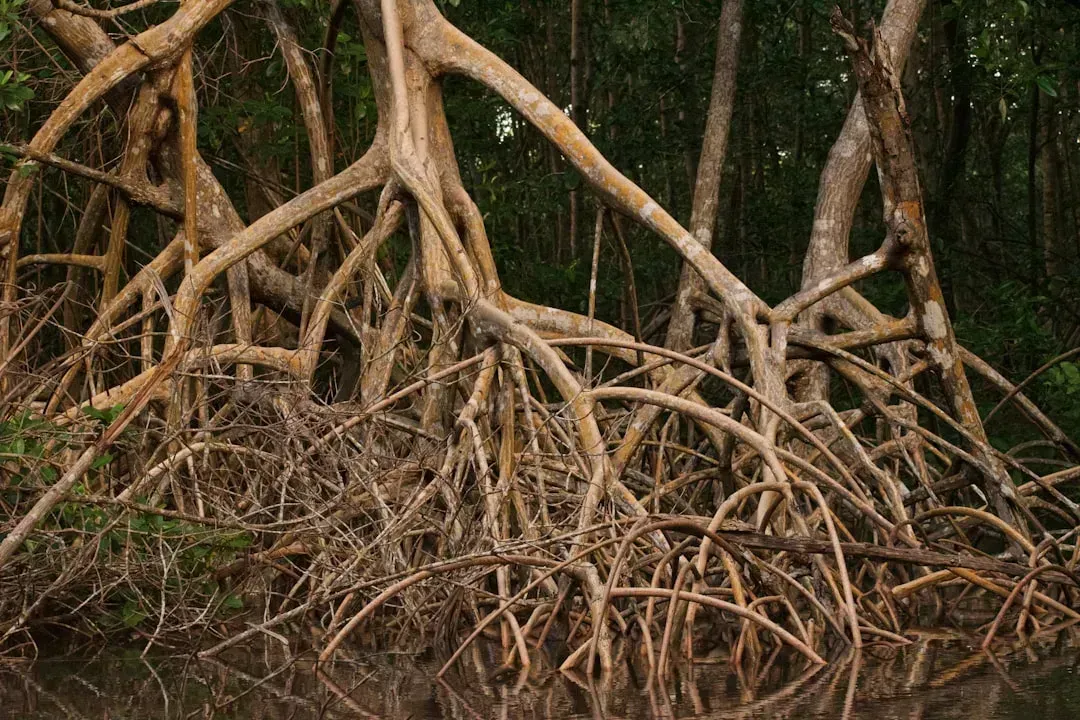
Cancún’s mangrove ecosystems have declined significantly since 1970 because of urbanization, with a higher rate of mangrove loss than the rest of the country. According to Greenpeace, Mexico has already lost 65% of its mangroves and more are disappearing with each passing year. Cancún is basically a city built from scratch in the 1970s purely for tourism, and the environmental cost shows everywhere. The coral reefs that should be thriving are dying rapidly.
According to The Nature Conservancy, an alarming eighty percent of coral along Mexico’s Caribbean coast has died or suffered damages since the 1980s, due to pollution, disease, overfishing and violent storms. One of the biggest issues is water pollution due to sewage from hotels (about 95 percent of all sewage from the area) – significantly more than the local treatment plants can handle. Visiting Cancún now means witnessing environmental collapse in real time.
It’s Not Really Mexico Anyway
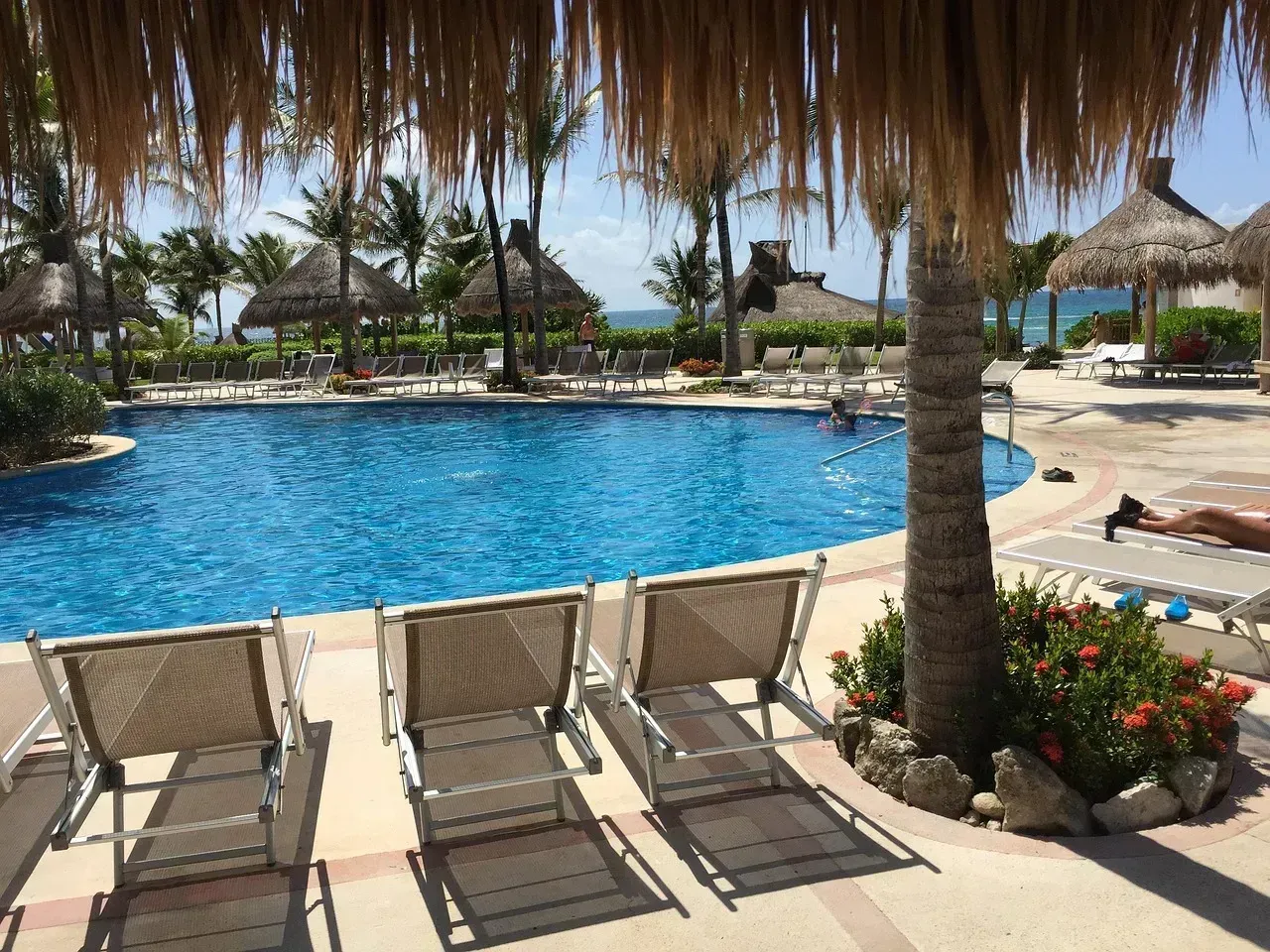
Cancun’s development began on January 23, 1970 when the Cancun only had three full-time residents. Fifty years ago, Cancún was virtually unknown to the world. With a population of roughly 100 people, the town was located in one of the poorest regions of Mexico. The Mexican government literally designed Cancún as a money-making machine for American tourists. It’s not an authentic cultural experience at all.
Resorts in Cancún are almost entirely owned by international developers with most of them from Spain and the US and just 5 or 6 owners are from Mexico. Being more specific, only 5 big hotel operators control 80% of all tourism in Cancún. Your money isn’t supporting local communities or Mexican businesses in any meaningful way. You’re essentially funding international hotel chains while local workers earn minimal wages and depend on tips.
The Overtourism Problem Is Real
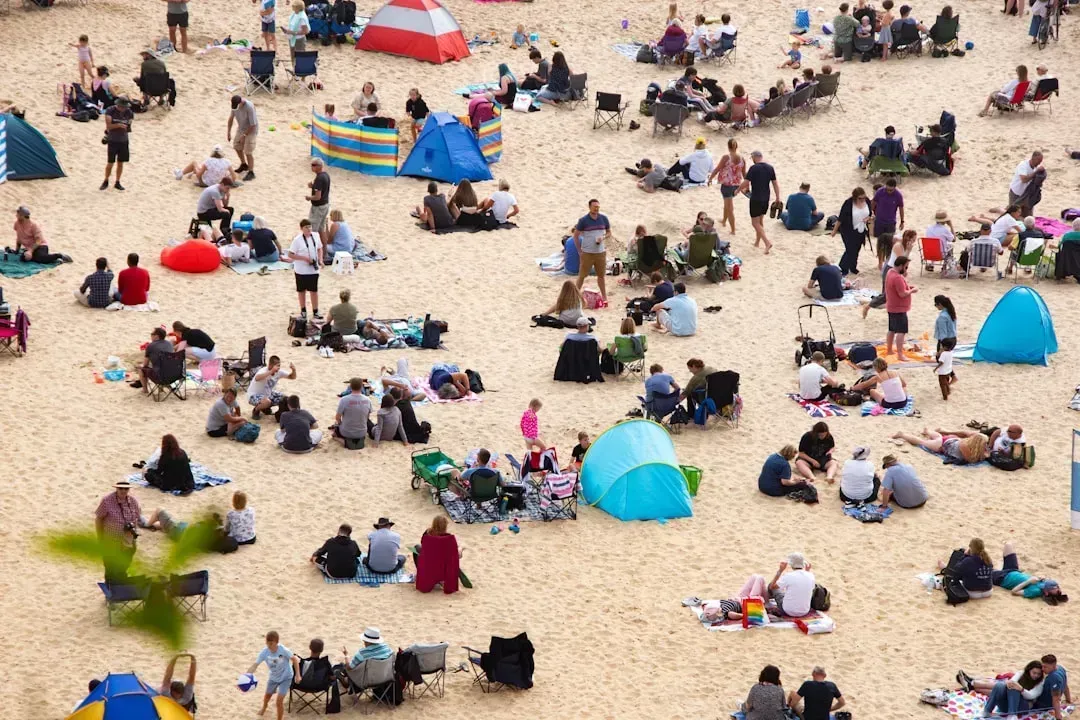
Over-tourism is a big issue, especially environmentally. Cancun is part of the Mesoamerican Barrier Reef, the second largest in the world, and irresponsible diving and snorkeling disrupts the natural ecosystem. The sheer volume of visitors has transformed the place into something resembling a crowded theme park more than a relaxing beach destination. Hotel construction continues at a breakneck pace despite declining visitor numbers, creating bizarre ghost town vibes in certain areas.
Infrastructure simply can’t keep up with demand. Water resources are being depleted, beaches erode faster than they can be replenished, and the entire ecosystem is groaning under the pressure. It’s hard to feel good about contributing to that damage, no matter how nice your resort pool looks.
Destination Fatigue Is Setting In

Saturation: A sense of “destination fatigue” is occurring, as frequent visitors may seek new destinations after multiple trips to the same regions. After the 2020 pandemic, destinations like Cancun benefited from relaxed travel restrictions, but as options reopened globally, travelers began exploring a wider array of choices. Europe’s allure has particularly heightened, attracting travelers who have visited Cancun multiple times and are now looking for something new.
People who used to love Cancún are simply moving on. There’s more to see in the world, and when you compare the beaches of Greece or Portugal to the increasingly problematic shores of Cancún, the choice becomes obvious. Why deal with sargassum, scams, and safety concerns when you can explore somewhere with richer culture and similar costs?
The Water Crisis Looming Nearby
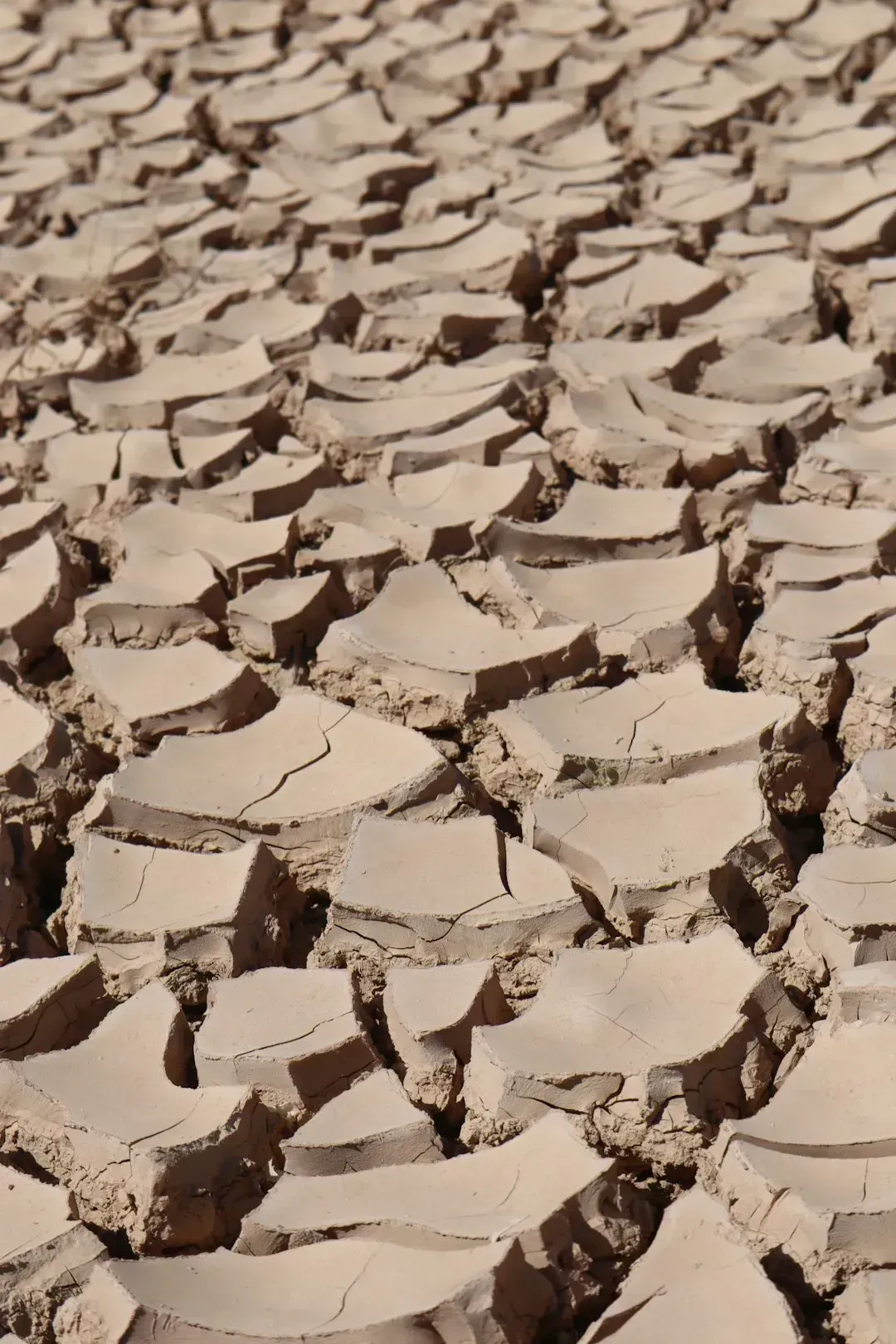
While not directly in Cancún itself, Mexico’s broader water crisis casts a shadow over the entire region. Mexico City, a sprawling metropolis of nearly 22 million people and one of the world’s biggest cities, is facing a severe water crisis as a tangle of problems – including geography, chaotic urban development and leaky infrastructure – are compounded by the impacts of climate change. Years of abnormally low rainfall, longer dry periods and high temperatures have added stress to a water system already straining to cope with increased demand.
The challenges include water scarcity and droughts in major parts of the country, inadequate drinking water quality and wastewater treatment, and inefficient utilities. More than half of Mexican households with access to piped water receive services on an intermittent basis, and Mexico currently has the highest per capita consumption of bottled water worldwide. Tourism consumes massive amounts of water, and in a country facing severe drought conditions, this raises serious ethical questions about where our vacation dollars should go.
Cancún had its moment. For decades, it delivered exactly what tourists wanted: easy beaches, cold drinks, and predictable sunshine. That version of Cancún is fading fast, replaced by something more complicated and far less appealing. The seaweed won’t magically disappear, the environmental damage continues accelerating, and the authentic Mexico you might be seeking was never really there to begin with. I stopped going because the illusion finally broke. Maybe it’s time to reconsider whether Cancún still deserves a spot on your travel list, or whether there are better places calling your name. What’s your take on it?