Everything You’ve Been Told About History Is Wrong: 8 Mysteries Experts Can’t Explain
History textbooks paint a clear picture of humanity’s past. We know when civilizations rose, how ancient people lived, and what they believed. Or do we? Here’s the thing: scattered across the globe are artifacts, structures, and discoveries that refuse to fit into our carefully constructed timeline. These aren’t fringe conspiracy theories. They’re genuine archaeological puzzles that have stumped researchers for decades, sometimes centuries.
Some challenge our assumptions about ancient technology. Others suggest civilizations were far more sophisticated than we ever imagined. A few completely contradict established timelines. What makes these mysteries so unsettling is that they come with physical evidence, yet modern science still struggles to explain them. Each discovery forces us to reconsider what we thought we knew.
The Antikythera Mechanism: Ancient Greece’s Impossible Computer
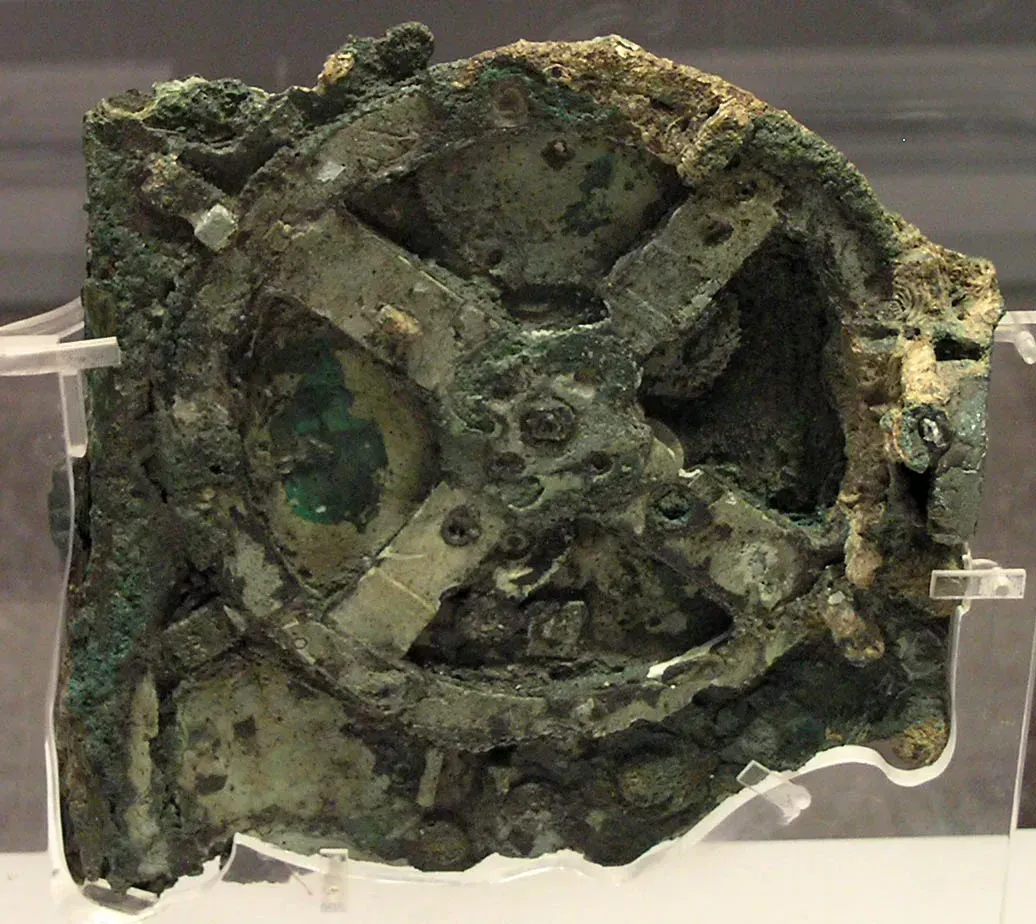
Discovered in 1901 by divers exploring a sunken shipwreck near the Aegean island of Antikythera, this corroded bronze artifact fundamentally challenges our understanding of ancient technology. The device contained complex interlocking gears that were astonishingly intricate. It is still the most sophisticated device ever found from that period, preceding the next appearance of similar devices by 1,000 years. Think about that for a moment. It’s like discovering a smartphone in a medieval castle.
Recent research from the University of Glasgow used statistical modeling techniques to establish the likely number of holes in one of the mechanism’s broken rings, providing fresh evidence that one component was most likely used to track the Greek lunar year. In 2025, one research team concluded that manufacture error in the original mechanism’s gears is too great for the mechanism to have ever worked, though they emphasized measurement limitations. Even physicist Richard Feynman called it nearly impossible.
The device could predict astronomical positions, eclipses, and track the Olympic Games cycle. Yet we have no record of how ancient Greeks developed such engineering prowess. No prototypes, no schematics, no contemporary descriptions. It simply appeared, fully formed, then disappeared from history until its rediscovery underwater two millennia later.
Göbekli Tepe: The Temple That Shouldn’t Exist
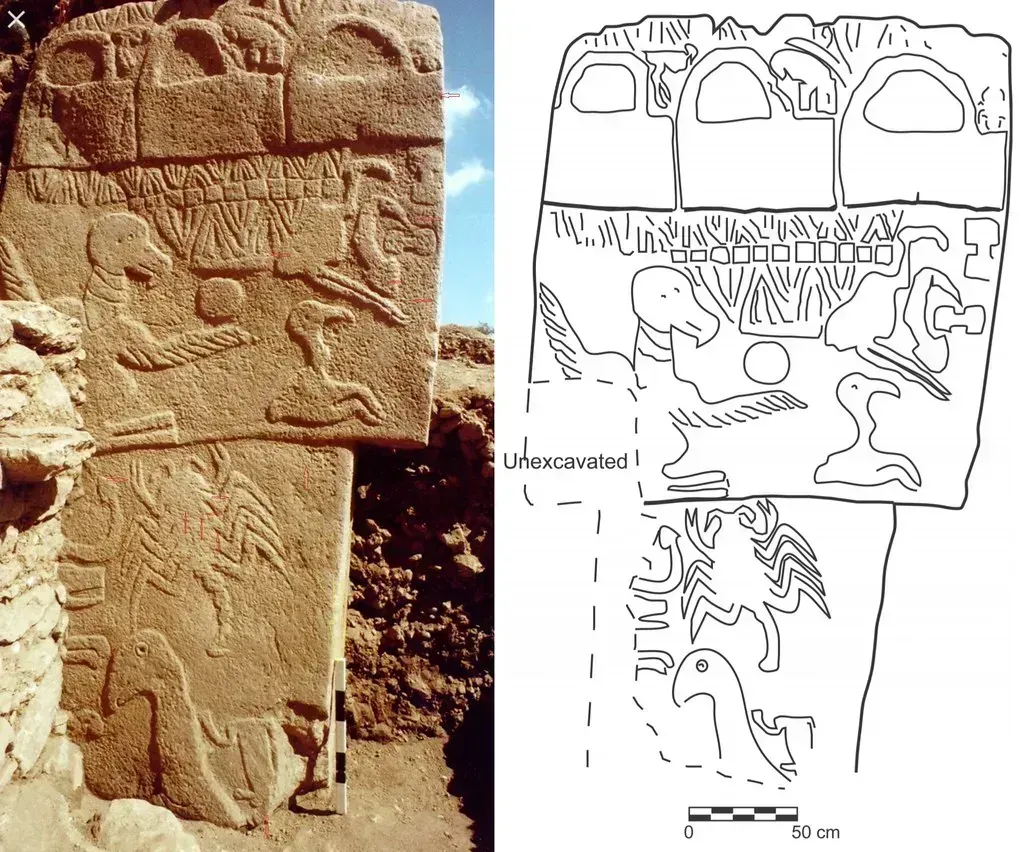
In southeastern Turkey lies a site that rewrites the story of civilization. The 12,000-year-old remains of Göbekli Tepe were first identified in 1963 by researchers from Istanbul and Chicago universities, and the site was inscribed on the UNESCO World Heritage List in 2018. The problem? It predates agriculture. According to everything we’ve been taught, hunter-gatherers lacked the organization to build monumental architecture.
Göbekli Tepe consists of massive circular enclosures featuring T-shaped limestone pillars that reach heights of up to 6 meters and weigh between seven and ten tons, predating Stonehenge by more than 6,000 years and the Egyptian pyramids by approximately 7,000 years. One of the most notable discoveries in 2025 was a human statue featuring clearly defined head and torso characteristics, unearthed between Enclosures B and D, drawing widespread attention from the global archaeological community.
Recent evidence is even more mind-bending. Excavations have revealed tools, grinding stones, and plant and animal remains, indicating that people may have lived or stayed there for extended periods. Some researchers propose it might represent the world’s oldest calendar, potentially recording a catastrophic comet strike. So far, only about 10% of the site has been excavated, and it is likely to take around 150 years to excavate the full site. What secrets remain buried?
The Voynich Manuscript: The Book Nobody Can Read
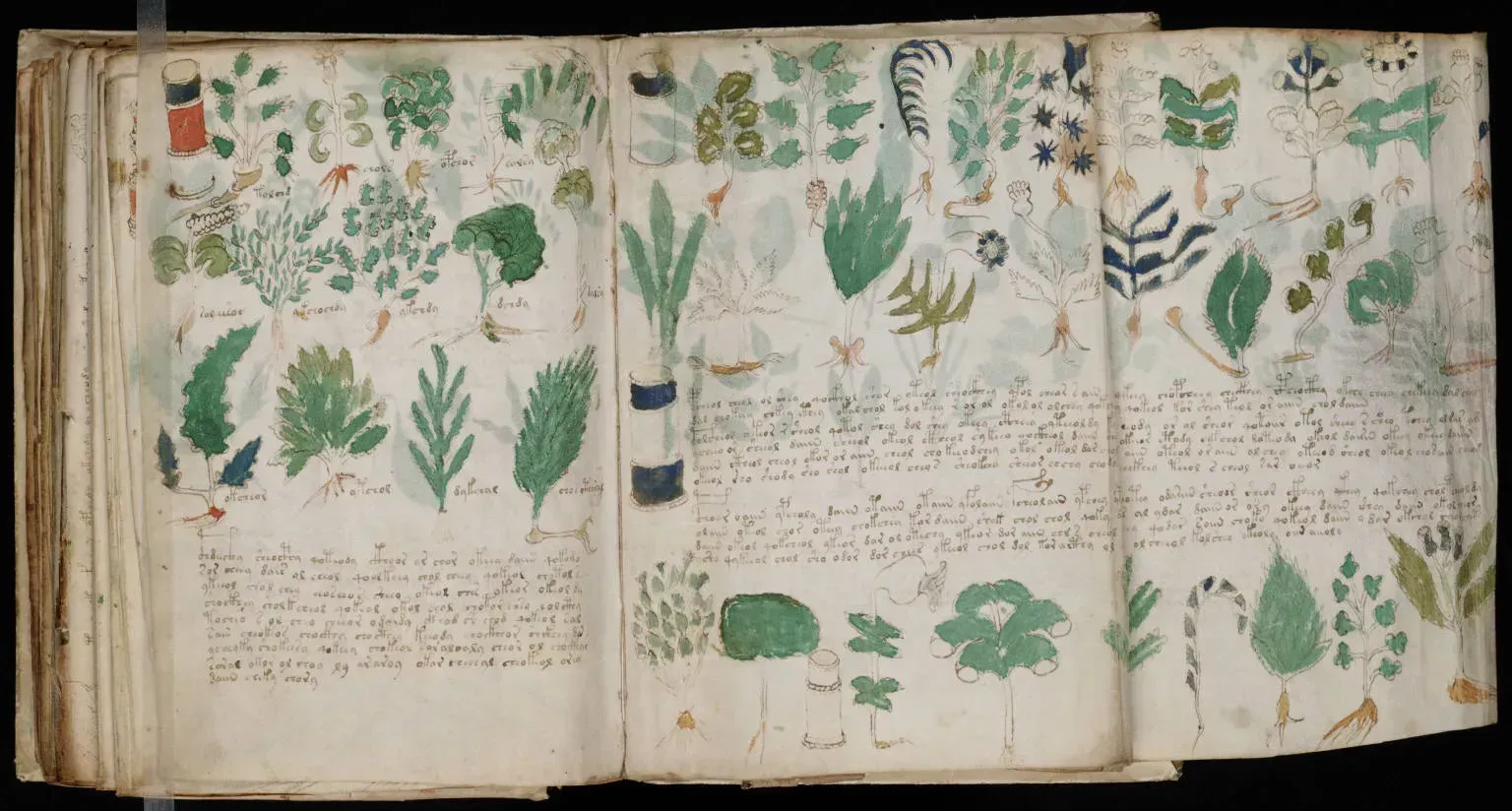
Imagine a 600-year-old book filled with bizarre illustrations of unidentifiable plants, naked women in strange pools, and astronomical charts. Now imagine that despite centuries of effort by brilliant cryptographers, linguists, and even modern AI, nobody can read a single word. Welcome to the Voynich manuscript.
Carbon dating performed on the manuscript’s vellum dated it to the early fifteenth century, specifically, 1403-1438. A researcher studying multispectral images identified previously hidden columns of letters on its first page – two bearing letters of the alphabet and one of unreadable “Voynichese” characters – which appear to have been added by one of the manuscript’s early owners to decrypt its mysterious writing. Even its earliest known owners couldn’t crack it.
Linguists and cryptologists continue to apply sophisticated analytics to the text in order to discern underlying patterns, but to no avail so far. Claims of decipherment surface regularly, from proto-Romance languages to Arabic codes. Yet experts consistently debunk these attempts. The manuscript either represents an elaborate hoax or contains knowledge encoded in a manner we simply cannot comprehend. Either possibility is equally disturbing.
Pompeii’s DNA Surprises: Rewriting Ancient Lives
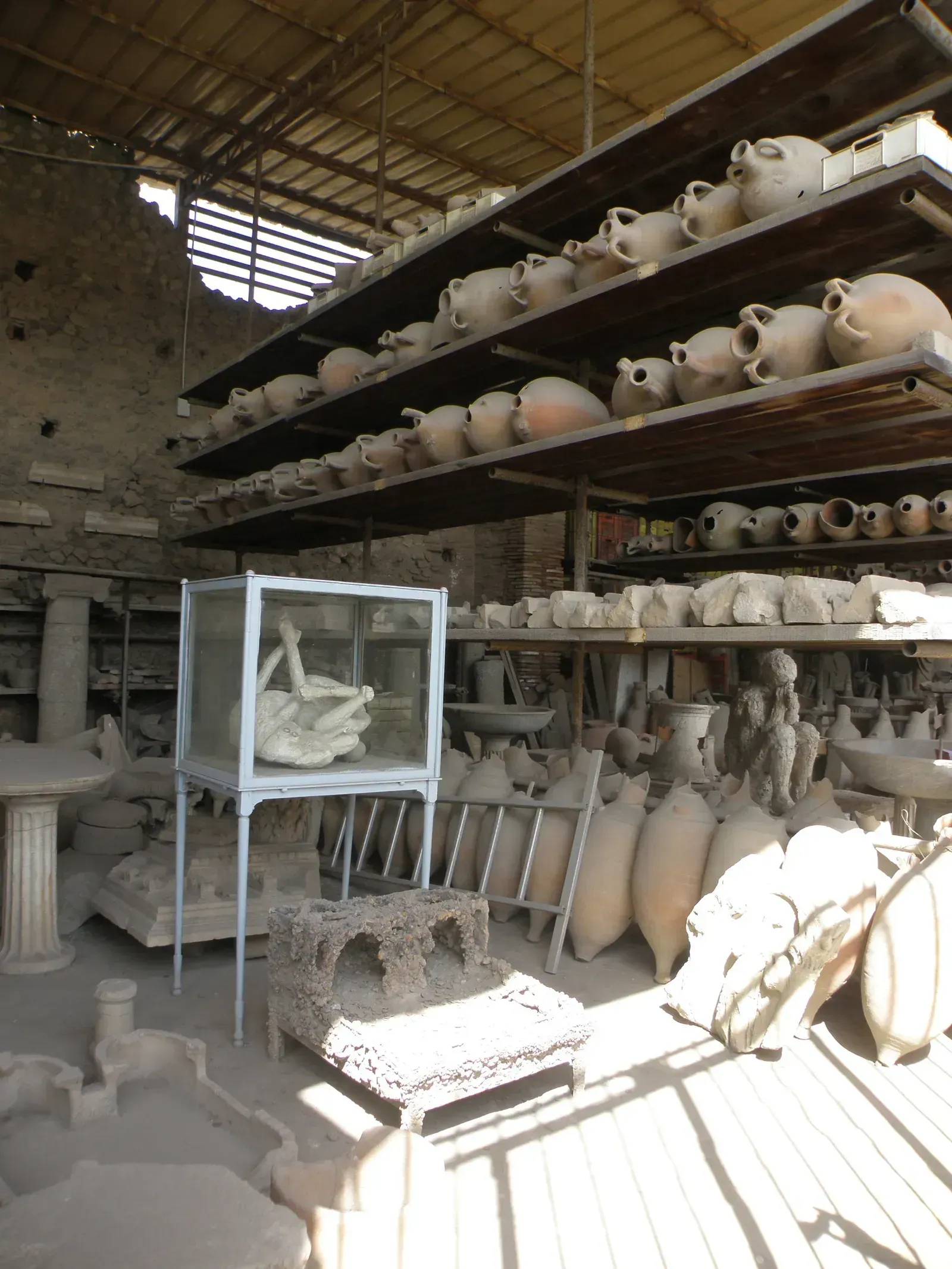
We thought we understood Pompeii. The Roman city frozen in time by Mount Vesuvius in 79 CE has been studied exhaustively. Then DNA analysis arrived and shattered our assumptions. Genetic traces collected from the bones of victims showed that what was once considered to be a mother holding her son in their final moments was an unrelated adult male who likely offered comfort to a child before they perished.
This discovery isn’t merely about misidentified relationships. It challenges centuries of archaeological interpretation based on physical positioning and artifacts alone. Scientists were able to pull back the curtain on mysteries surrounding figures across history, and in some cases, analysis of ancient DNA helped fill knowledge gaps and change preconceived notions. How many other historical narratives have we constructed incorrectly?
The implications extend beyond Pompeii. If our basic assumptions about family units and social structures in one of history’s most studied sites were wrong, what else have we misunderstood? Ancient DNA research is revealing that past societies were far more complex and diverse than traditional archaeology suggested. The people weren’t just data points frozen in volcanic ash – they were individuals with stories that genetics is only beginning to unravel.
Egypt’s 4,500-Year-Old Genetic Time Capsule
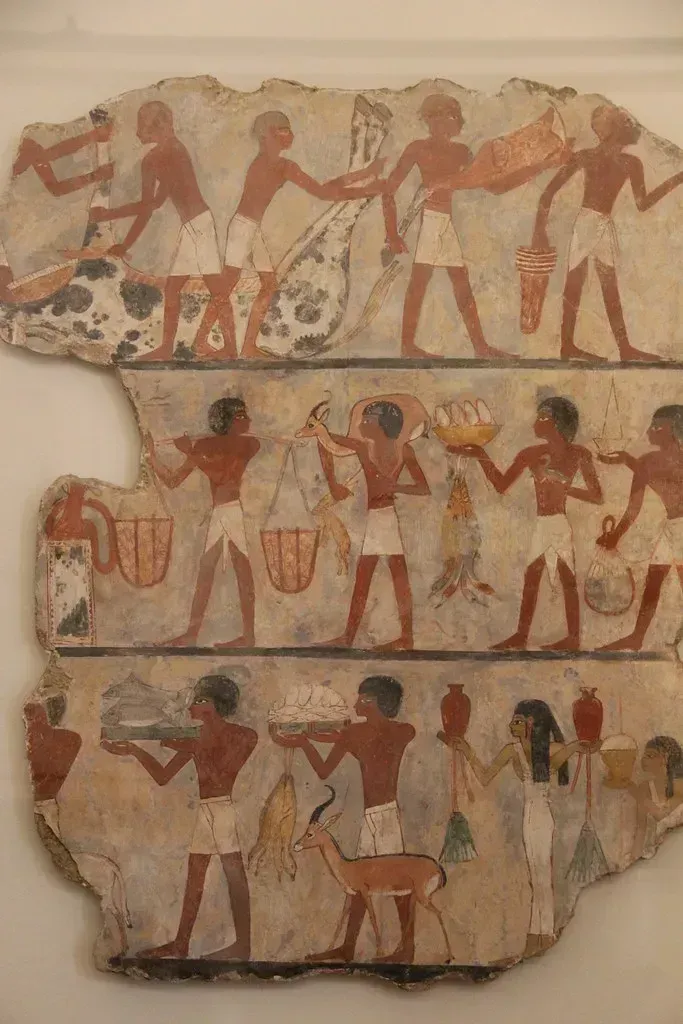
Within a tomb cut into a limestone hill at the Nuwyat necropolis in Egypt, archaeologists found a ceramic pot with the skeleton of a man from the Old Kingdom Period curled inside it, and inside one of that man’s teeth, scientists recovered a genetic time capsule that offers the earliest and most complete glimpse yet into the ancestry of an ancient Egyptian.
The analysis showed that 80 percent of the man’s DNA came from Neolithic North African groups, and 20 percent from populations located in West Asia. This represents the first time researchers have successfully sequenced an entire genome from an ancient Egyptian. Previously, Egypt’s hot climate degraded DNA samples too severely for complete analysis.
The discovery raises fascinating questions about population movements, trade networks, and cultural exchange in ways written records never could. Scientists stressed that the man was not representative of all people who lived up and down the Nile at that time, and as to why he was buried in a pot, the researchers are unsure. Every answer generates more mysteries.
The Nazca Lines: Messages for Gods or Something Else?
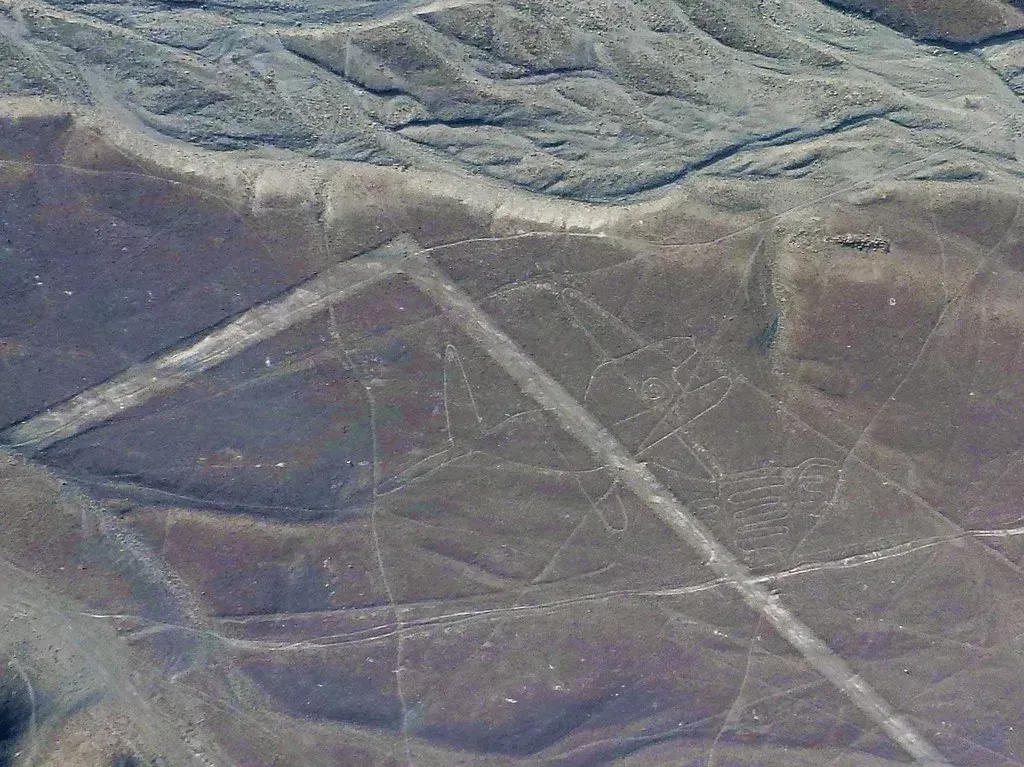
Carved into the Peruvian desert are enormous geoglyphs – geometric shapes and animal figures so large they can only be properly viewed from the air. Created by the Nazca culture between roughly 200 BCE and 600 CE, they’ve puzzled researchers since their discovery. Aerial photographs of mystery holes in the Peruvian Andes were featured in a 1933 issue of National Geographic, and more recently, researchers have used drones to see the holes from above, with drone mapping and analysis of plant remains suggesting the pits once held baskets of goods.
New discoveries continue. Researchers using advanced imaging technology regularly find previously unknown geoglyphs. The purpose remains hotly debated – astronomical calendar, water cult ritual site, messages to deities, or something we haven’t considered? The Nazca people possessed no known method of aerial observation, yet created artworks perfectly proportioned from the sky.
Across the Andes, humans engineered entire landscapes to coordinate trade, calculate tributes, and capture elusive prey. The scale of landscape engineering suggests civilizations with organizational capacity that shouldn’t have existed according to traditional models. These weren’t primitive societies scratching survival from harsh terrain. They were sophisticated cultures reshaping their environment with purpose we’re only beginning to comprehend.
Bronze Age Collapse: Civilization’s Sudden Darkness
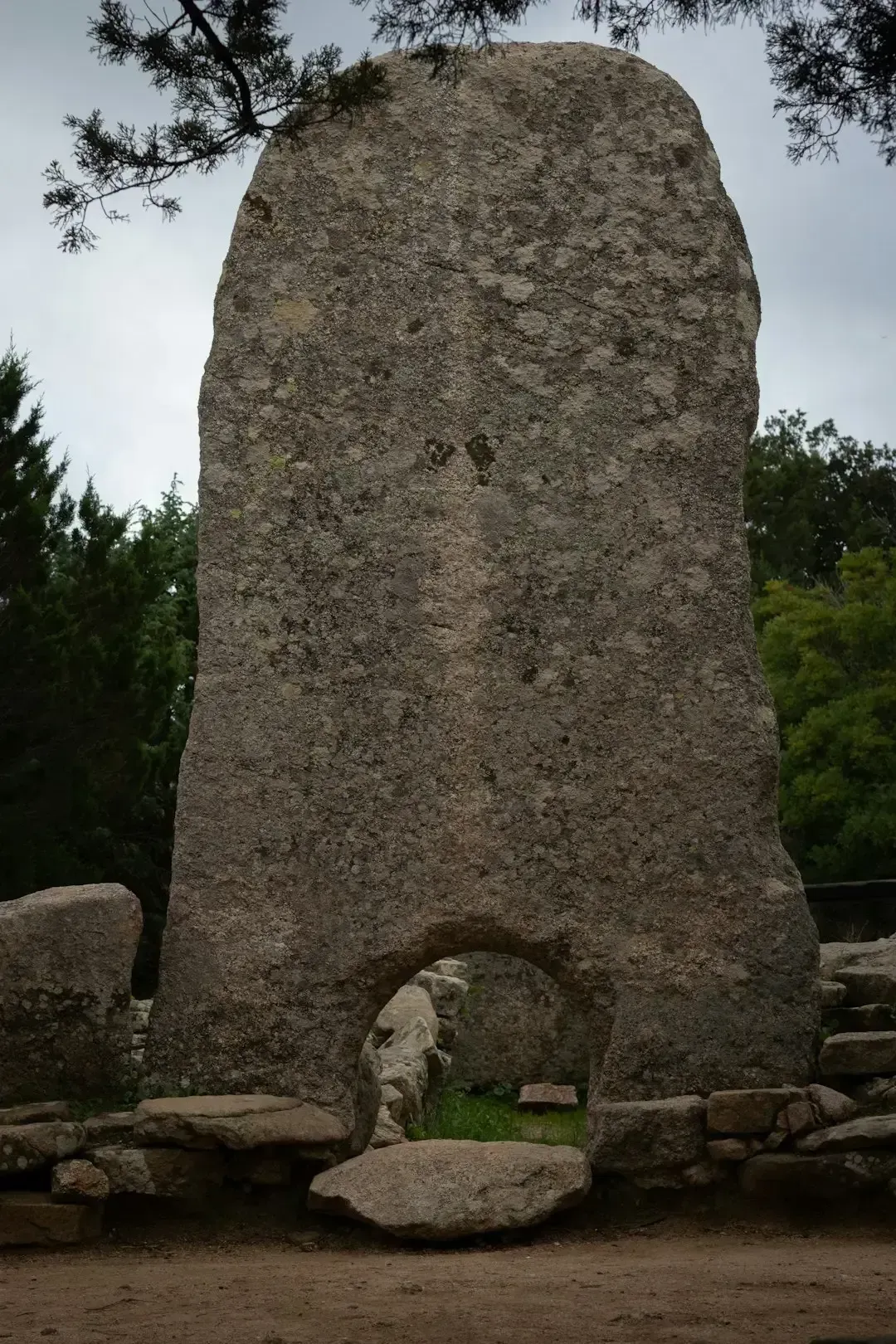
Around 1200 BCE, something catastrophic happened. Within roughly fifty years, nearly every major civilization in the eastern Mediterranean collapsed. Mycenaean Greece, the Hittite Empire, the Egyptian New Kingdom – all declined or vanished. Cities burned. Trade networks evaporated. Writing systems disappeared. The Bronze Age ended not with gradual change but sudden, violent transformation.
Theories abound: climate change, earthquakes, invasions by mysterious “Sea Peoples,” internal rebellions, systems collapse. Probably all contributed. Yet the speed and totality of the collapse remains shocking. Advanced civilizations with armies, bureaucracies, and sophisticated trade networks simply disintegrated. It took centuries for the region to recover, and when it did, the world looked completely different.
What’s particularly unsettling is how little we truly understand about what happened. Ancient texts provide fragments – Egyptian records mention Sea Peoples, Mycenaean tablets show economic stress – but no complete picture emerges. It serves as a sobering reminder that even complex, seemingly stable civilizations can collapse rapidly under the right conditions. The mechanisms that held Bronze Age society together remain partially mysterious, as does their spectacular failure.
Stonehenge’s Scottish Surprise
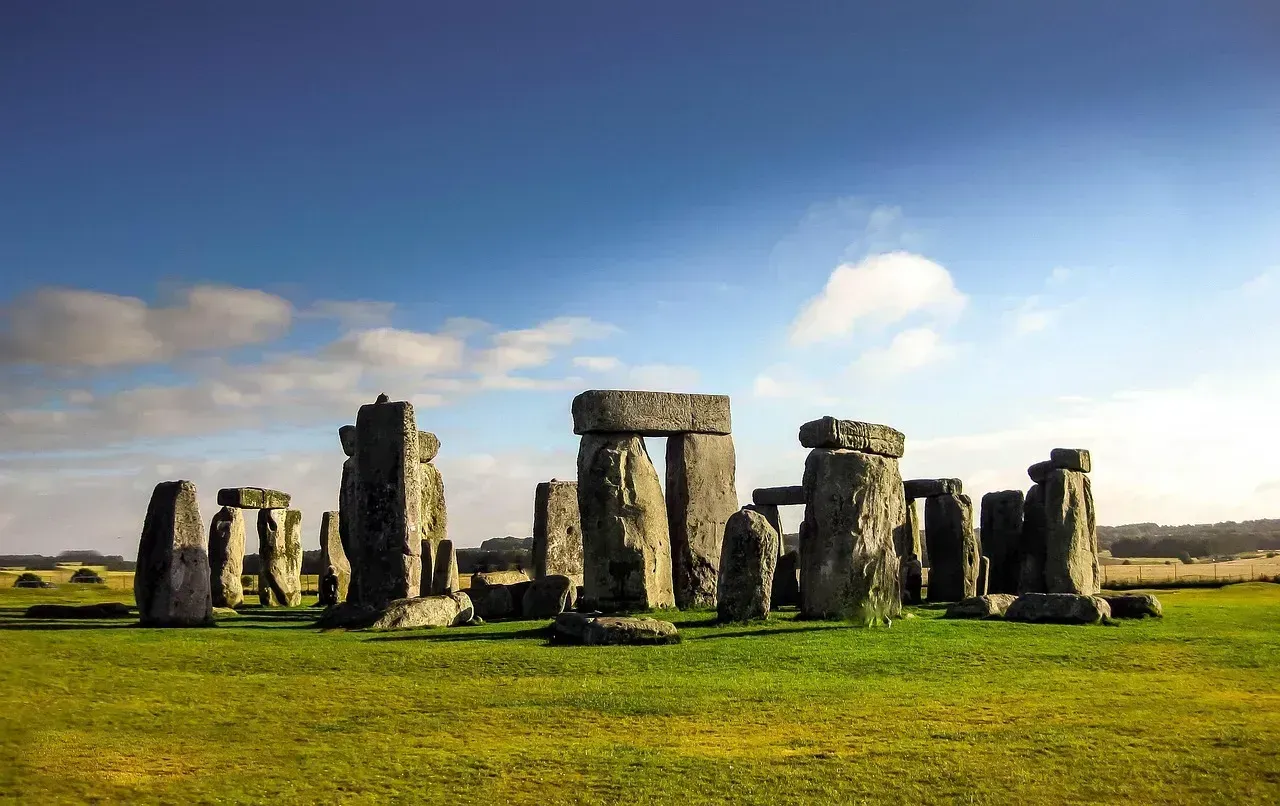
Everyone knows Stonehenge. The iconic stone circle in England has been studied exhaustively. The stones that Neolithic people used to build Stonehenge have been previously traced to locations in England and Wales, but new research shows that the circle’s altar stone may have origins in Scotland.
In August 2024, researchers found that the altar stone near the center of the structure was made from sandstone that originated in Scotland, hundreds of miles from Salisbury Plain where it now lies, and such a journey would have been a major undertaking roughly 4,600 years ago when archaeologists think the stone was emplaced: It weighs more than six tons, and the builders probably did not use wheels.
How did Neolithic people transport a six-ton stone from Scotland to southern England without wheeled vehicles? What compelled them to make such an extraordinary effort? The discovery suggests cooperation and organization across vast distances during a period we typically characterize as fragmented tribal societies. It implies shared religious beliefs, trade networks, or political structures we haven’t fully recognized. Stonehenge keeps revealing that prehistoric Britain was far more interconnected and sophisticated than conventional narratives suggest.
Honestly, these mysteries aren’t going away anytime soon. Modern technology provides new tools – DNA analysis, multispectral imaging, advanced dating methods – yet each answer seems to generate three more questions. Maybe that’s the point. History isn’t a closed book with definitive answers. It’s an ongoing investigation where new evidence constantly forces us to reconsider what we thought we knew. The past is far stranger, more complex, and more impressive than any textbook could capture.
What do you think about these unexplained mysteries? Does it make you question what else we might have gotten wrong about our ancestors?