Japanese Car Brands Facing Serious Reliability Issues
For decades, Japanese automakers owned the reliability conversation. Toyota, Honda, Nissan – these names became synonymous with bulletproof engineering and peace of mind. Yet somewhere between yesterday and today, cracks began appearing in that legendary armor. Recent reliability studies from Consumer Reports and JD Power reveal a troubling reality that car buyers can no longer ignore.
Japanese brands still dominate the reliability rankings, but the gap is closing fast. The industry average for vehicle problems has climbed 6%, reaching the highest level since 2009. More surprising? Some of the biggest names in Japanese manufacturing are now showing up on lists they used to avoid entirely. Let’s unpack which brands are stumbling and what’s driving this shift.
Mitsubishi Falls to the Bottom
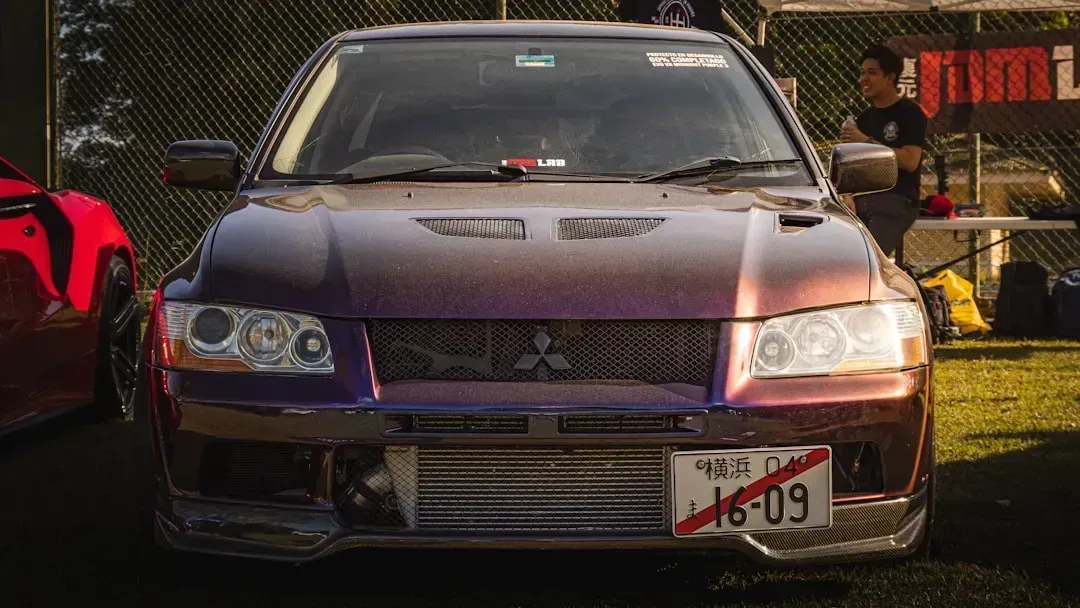
Mitsubishi ranked at the very bottom among Japanese car brands in JD Power’s 2025 Vehicle Dependability Study. Think about that for a moment. This is the same company that once built the Eclipse and Lancer Evolution. Owners reported issues in crucial systems – like the drivetrain and electrical components – within the first few years of ownership. Consumer Reports didn’t even include it in its annual reliability report. Honestly, when even the people whose job it is to track reliability can’t be bothered with your brand, that’s telling.
Mitsubishi recorded an average of 256 problems per 100 cars in the JD Power survey. The 2025 results painted a picture of a manufacturer that had essentially lost its relevance in the North American market. While other brands invest in technology and quality control, Mitsubishi seems to be coasting on fading memories of better days.
Nissan’s CVT Transmission Nightmare
Nissan ranked dead last among Japanese automakers in this year’s reliability rankings from Consumer Reports. That’s brutal. It gets worse when you dig into the details. Nissan’s use of continuously variable transmissions (CVTs), which many owners report failing prematurely, sometimes well before 100,000 miles. Mechanics have seen enough of these CVT failures that the pattern is undeniable.
In May, CBS News reported that Nissan is laying off 15% of its global workforce, roughly 20,000 employees, after losing $4.5 billion last year. Just a few months earlier, Moody’s downgraded Nissan’s stock rating to “junk” status. The financial struggles mirror the quality problems. When a company is hemorrhaging money and cutting staff, quality control inevitably suffers. It’s hard to build reliable cars when you’re fighting for survival.
Nissan’s Rogue Engine Catastrophe
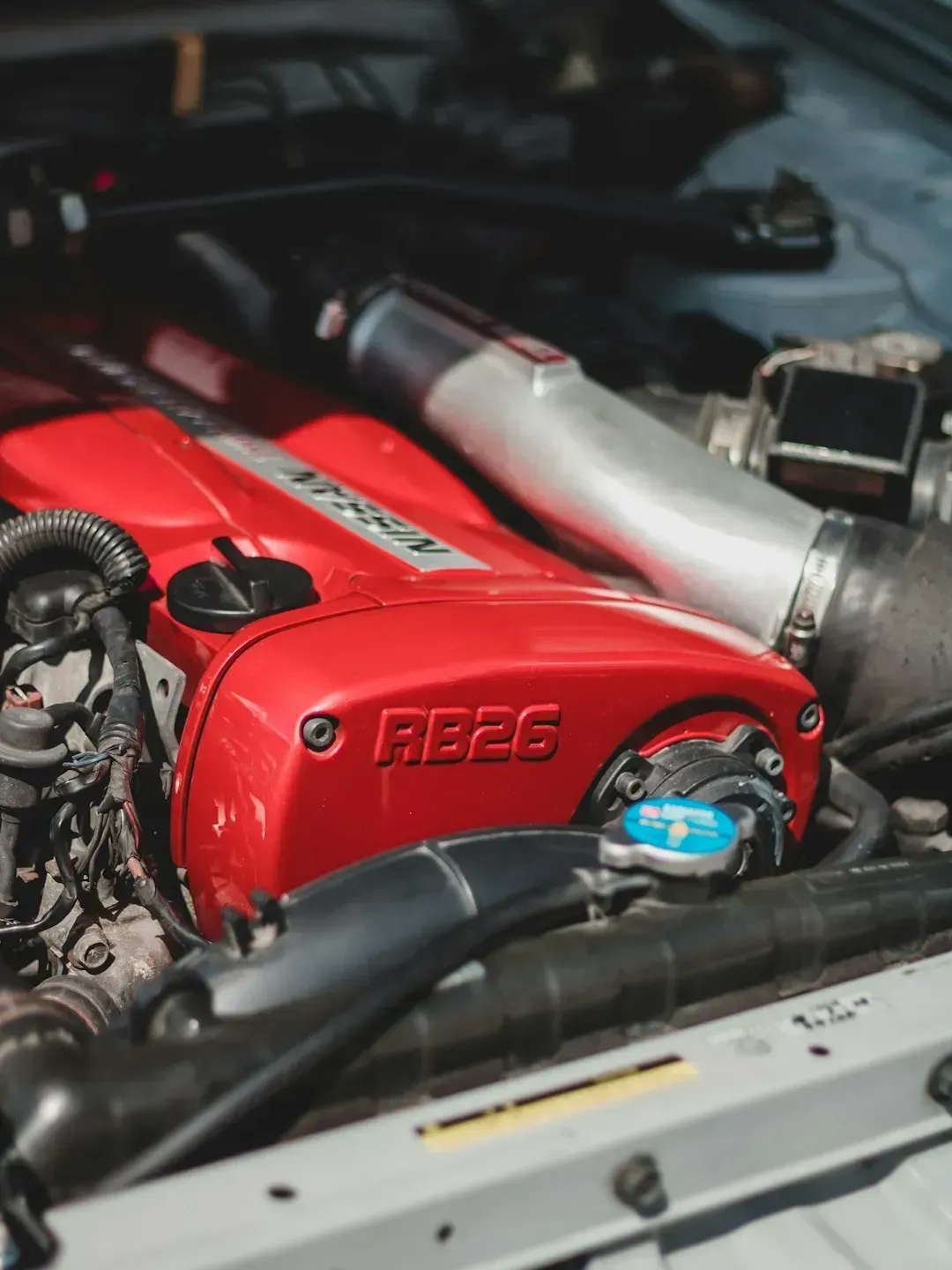
Nissan North America has recalled nearly 444,000 vehicles due to a manufacturing defect “in specific engine bearings or supporting engine components” that could lead to damage and/or engine failures. This recall covers multiple model years of the Rogue, which happens to be one of Nissan’s bestselling vehicles. The probe was launched after the agency identified six vehicle owner questionnaires and multiple field reports alleging engine failures, loss of motive power, engine knocking noise and/or metal debris in the oil pan.
What makes this particularly troublesome is the timing. Dealing with a major engine recall could be costly for Nissan, but the automaker aims to address some of the potential engine problems with a software update. Still, the remedy requires that hundreds of thousands of customers in the U.S. come in for service. Good luck convincing buyers that your brand is reliable when you’re dealing with catastrophic engine failures on this scale.
Toyota Loses Its Crown

Let’s be real – if Toyota is having problems, something fundamental has shifted. Toyota or its luxury brand Lexus no longer top the most reliable brand rankings, according to an annual report published Thursday by Consumer Reports. Subaru now ranks as the most reliable car brand. It’s the first time the small Japanese automaker has claimed the top spot historically dominated by Toyota. This isn’t just a statistical blip. This represents a seismic change in the automotive landscape.
Toyota had three vehicles that had below-average reliability in this study: Tacoma, Tundra and bz4X. And that really hurt Toyota reliability rankings – especially since pickup trucks overall generally have better reliability. The Tundra and Tacoma problems are especially painful because trucks are Toyota’s bread and butter in North America. Essentially every engine in every 2022 to 2023 model needs to be replaced because of debris left in the engine during manufacturing. Consumer Reports says these two model years have the lowest predictive reliability possible. That’s the kind of mistake that would sink lesser brands.
Toyota’s New Generation Growing Pains
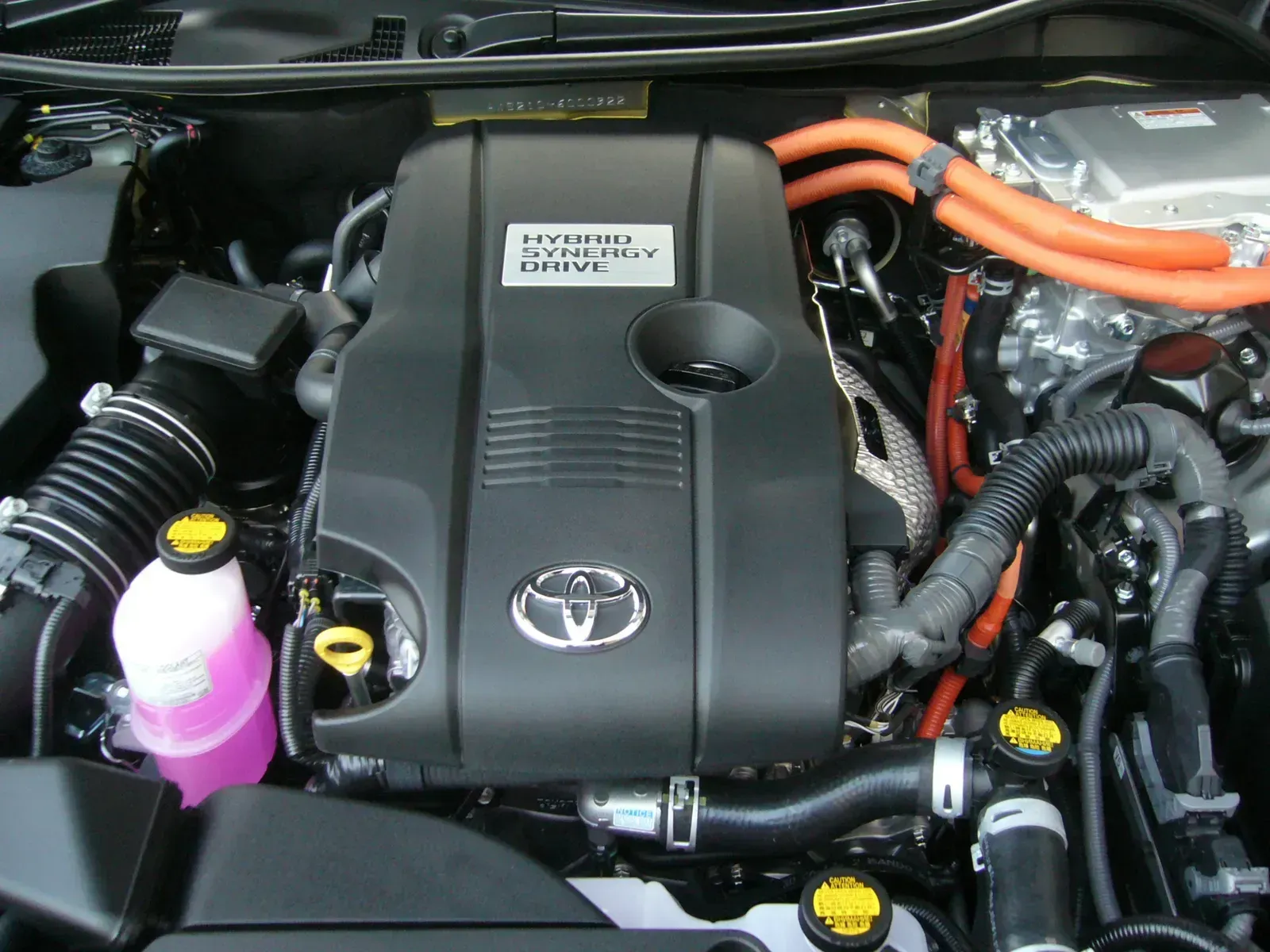
Toyota replaced the old simple V8 with a new twin-turbo V6 when the new generation debuted in 2021. Immediately, people wondered whether a smaller, high-strung engine would hold up in the real world. When hundreds of them failed over the next couple years, it seemed the concerns were justified. Earlier this year, Toyota finally released the cause: metal shavings accidentally left behind during the manufacturing process were getting stuck in critical places.
The Tacoma was all-new for 2024, and has had several reports of transmission issues. Consumer Reports also points out issues with noises and leaks as well as potential steering and suspension problems. The pattern here is clear: Toyota rushed to modernize its lineup after years of conservative engineering, and quality suffered. The problems Toyota has faced have largely involved its newest vehicles and powertrains, not long-established designs. In 2024, Toyota encountered a series of recalls and technical issues across multiple nameplates in the US market.
Honda’s Reliability Decline and Recall Surge
The reason for Honda’s decline, according to the tech website, is Honda’s push to increase its vehicles’ high-tech features like a new transmission and state-of-the-art electronics. This push for high-tech features that are able to compete with other automakers seems to have caused a cascade of issues, from engine problems to entertainment systems and has caused a major drop in Honda’s sterling reputation. Honda used to be the safe bet, the brand you recommended to your grandmother. Not anymore.
The recall, officially numbered 25V785, applied to 256,603 Honda Accord hybrid models, covering model years 2023–2025. That meant vehicles built between November 2022 and October 2025 were affected. Honda said it has received 832 warranty claims about this issue. The Accord has been a cornerstone of Honda’s reputation for generations. Seeing it stumble like this feels almost surreal.
Honda’s Transmission and Electronics Headaches
In the magazine’s 2019 reliability study, released last week in its annual auto issue, Toyota maintained its reputation for high reliability, while Honda continued a multi-year slide. “At one time, Honda and Toyota were almost like interchangeable names – they built the most reliable cars,” Jake Fisher, director of auto testing for Consumer Reports, told Design News. “But it seems like they’ve changed course.”
Whereas, Honda is upping their game in terms of how their cars perform – the quietness, comfort, and smoothness of their high-tech transmissions and engines. But their reliability is not what it once was. Here’s the thing – Honda made a choice to prioritize performance and refinement over proven durability. That trade-off might win awards, but it’s costing them their reputation. They have all had to cut costs to remain competitive as Hyundai/Kia have improved their offerings and pushed the envelope with value.
Infiniti and Acura Luxury Letdowns
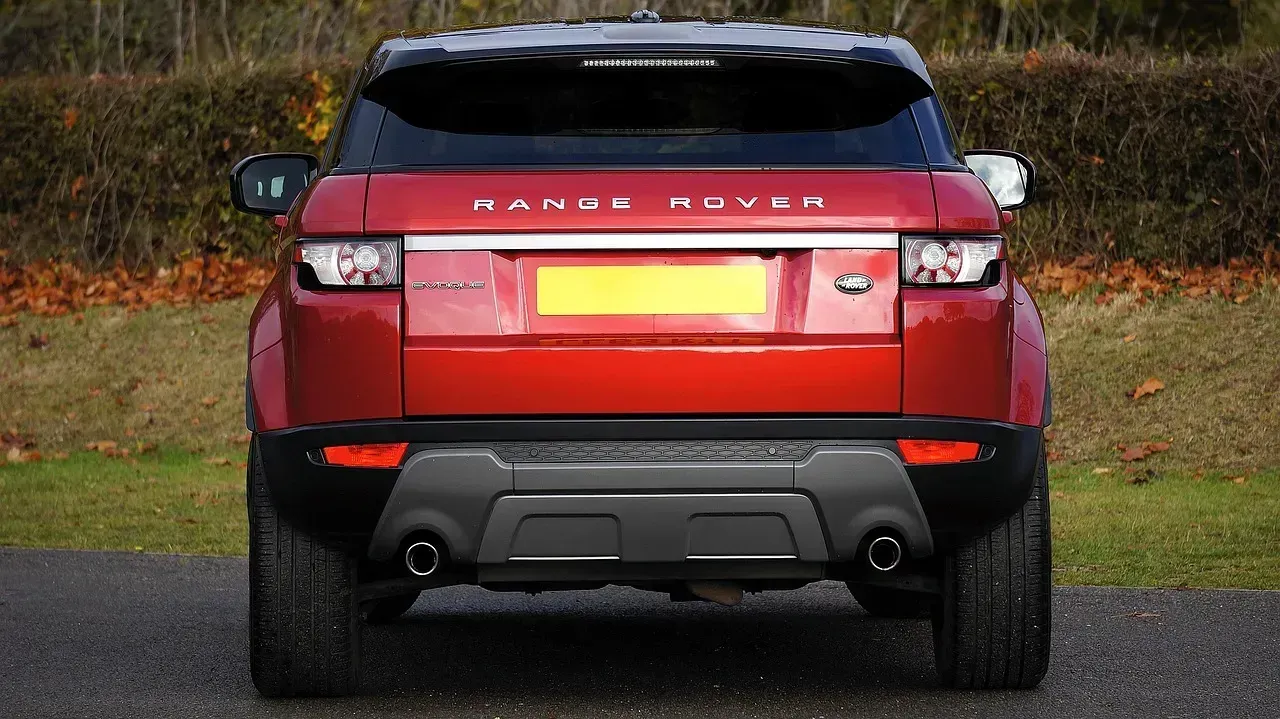
The Infiniti QX80 has the same kind of reliability as the Land Rover Range Rover or Mercedes-Benz GLS – terrible. CR reported that 11 other three-row luxury SUVs had higher predicted reliability scores than the QX80. When your luxury brand is being compared to Land Rover for unreliability, you’ve got serious problems. Infiniti and Acura were supposed to be the upscale alternative with Japanese quality baked in.
With a result of 249 problems per 100 cars, the Japanese brand falls way behind the industry average of 202. Compared to leading brand Lexus’ 140 problems per 100 cars, there apparently are some shortfalls in the Acura processes at the brand’s US manufacturing facilities. That’s nearly double the problem rate of their luxury cousin Lexus. What’s even more painful is that Acura shares platforms with Honda, which means Honda’s quality issues are bleeding into its premium brand.
Mazda’s New Model Struggles
Both the CX-70 and CX-90 are EPA-certified as providing up to 25 miles of EV range as part of their overall ranges of 490 miles, and both are tied for having the worst predicted reliability of any Japanese cars in the 2025 CR rankings. Mazda had a good thing going with its reputation for affordable, fun-to-drive cars with solid reliability. Then it decided to go upmarket with complex hybrid powertrains.
The 2024 CX-90 is much less reliable than other cars from the same model year. The 2024 Mazda CX-90 has been recalled 11 times by NHTSA. Eleven recalls. That’s staggering for a brand that used to pride itself on meticulous engineering. While most Mazda models still perform well, these new plug-in hybrids represent a concerning departure from the brand’s traditionally reliable formula.
The Root Causes Behind the Decline
So what’s driving this industry-wide slip? Complexity is the obvious culprit. New technology brings risk regardless of badge. Toyota, Ford, and European brands alike face similar challenges when introducing complex engines, transmissions, and electronic systems. Modern vehicles pack more sensors, software, and electronic controls than ever before. Each additional system creates another potential failure point.
There’s also the reality of market pressure. Of the 26 brands in this year’s ranking, 13 of the least reliable models are either an EV or a PHEV. Japanese automakers spent decades perfecting internal combustion engines. Now they’re being forced to rapidly develop electric and hybrid systems while simultaneously downsizing engines, adding turbos, and cramming in tech features to compete with Tesla and the emerging Chinese brands. That’s a recipe for quality problems. When you’re racing to catch up technologically, reliability often gets left behind. It’s hard to say for sure, but the evidence is mounting.