10 Grocery Store Tricks Most Shoppers Miss, Former Employees Say
The 23-Minute Brain Meltdown Nobody Talks About
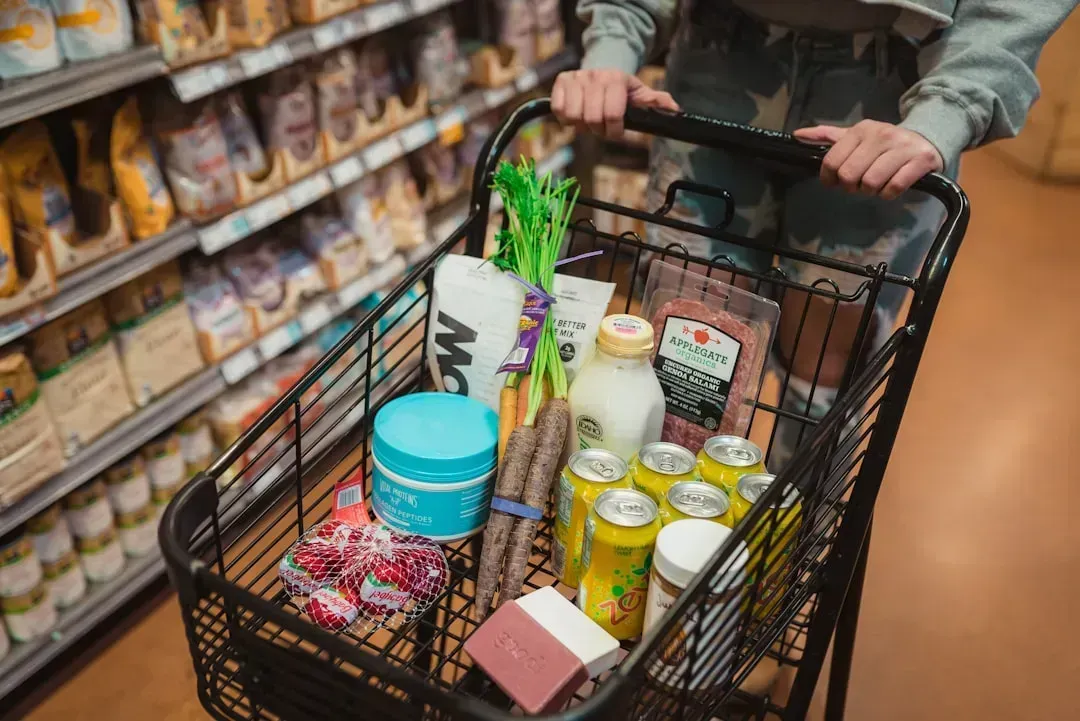
Here’s something you probably never considered. Research by Dr. Paul Mullins at Bangor University using brain-scanning technology found that after around 23 minutes, customers began to make choices with the emotional part of their brain rather than the cognitive part. After approximately 23 minutes of shopping, consumers hit a mental burnout wall and decision-making shifts from being cognitive to much more reactive, impulsive, and emotional, with brains tuning out to rational thought after 40 minutes. This isn’t some random phenomenon. Grocery stores know you’re going to start making decisions with your heart instead of your head once that timer clicks past the halfway point of a typical shopping trip.
Studies show that three out of every four grocery store shoppers will make some type of purchasing decisions while they are in the store itself, outside of their shopping lists and planned purchases. Think about it. That fancy cheese you grabbed, the imported cookies, the organic juice you didn’t plan on buying? All purchased during your mental fog phase when your brain’s defenses were down.
Environmental psychologist Paco Underhill claims that up to 50% of shopping cart contents are things shoppers never intended to buy in the first place. That’s staggering when you really think about your last grocery run.
Milk Is Strategically Located to Drain Your Wallet
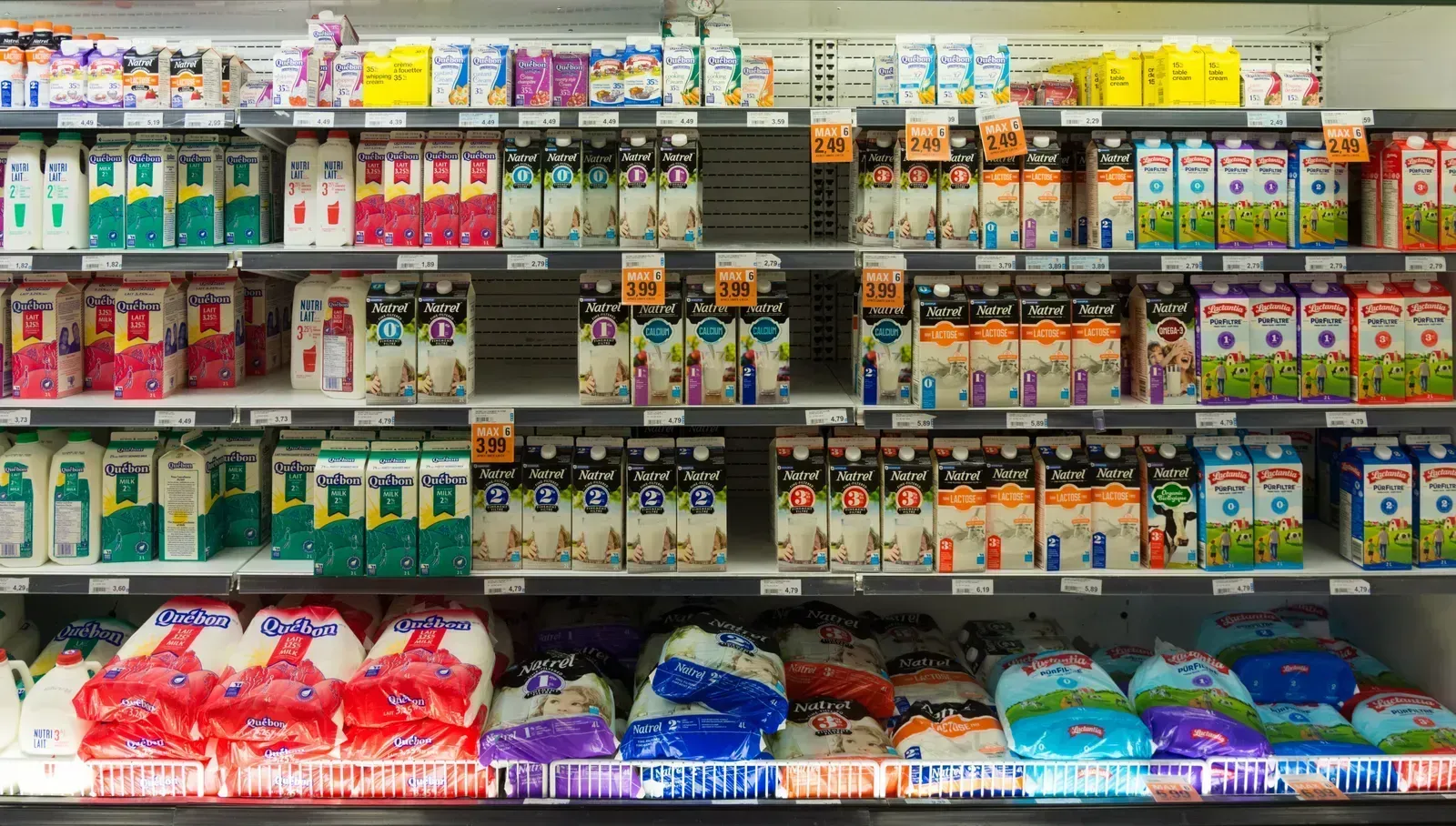
Stores typically put milk, bread, eggs, and other staples in the farthest reaches of the store to expose customers to the maximum amount of product on their quick trip so they will impulsively buy other things. This isn’t accidental or about refrigeration logistics. It’s pure strategy. Milk is very perishable and bulky so people can’t stock up, plus it complements so many other products in the store like cereal, cookies, and coffee, making it the centerpiece of a traditional shopping basket.
Former grocery workers will tell you the layout is constantly analyzed and adjusted. Stores constantly move their stock around so you won’t necessarily find the peanut butter in the same spot it was last time, and the company touts it as a treasure hunt knowing the more time you spend scanning shelves, the more likely you are to notice and buy other items. That frustrating search for your regular pasta brand? Completely intentional.
The Bakery Smell Is a Calculated Emotional Trap
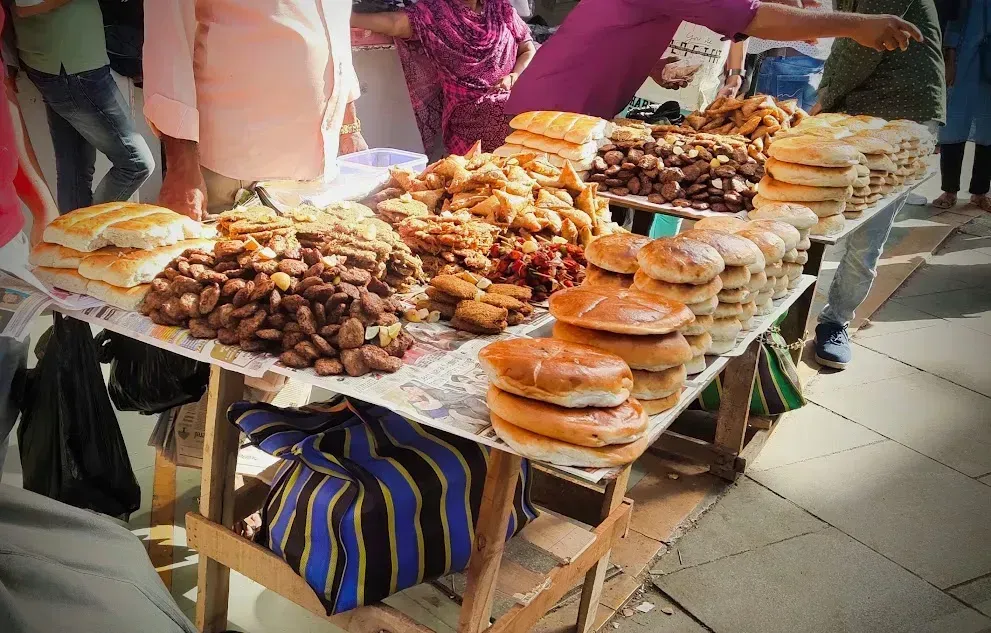
The enticing smell from the in-store bakery is often by design, with many freshly baked breads, cookies, and pastries arriving at the store as frozen pre-made dough or par-baked items that employees then simply bake off in ovens, and while technically baked fresh on-site, they aren’t usually made from scratch. So that warm, homemade aroma wafting through the aisles? It’s mostly theater designed to trigger your emotions and appetite.
Supermarkets greet you with a sensory assault of bright colors and fresh seasonal scents designed to lift your mood, because the science tells us that when you feel good, you spend more. The fruit and vegetable zone is nearly always the first thing you encounter in a supermarket to make you feel good, because if you feel good, you’re likely to buy more throughout the store.
Freshly baked cookies at the bakery section are conveniently positioned right by the entrance, with treats in the bakery department having markups of 300 percent in some cases. You’re not just paying for cookies. You’re paying a massive premium for that emotional manipulation disguised as convenience.
Eye Level Is Buy Level and You’re Being Played
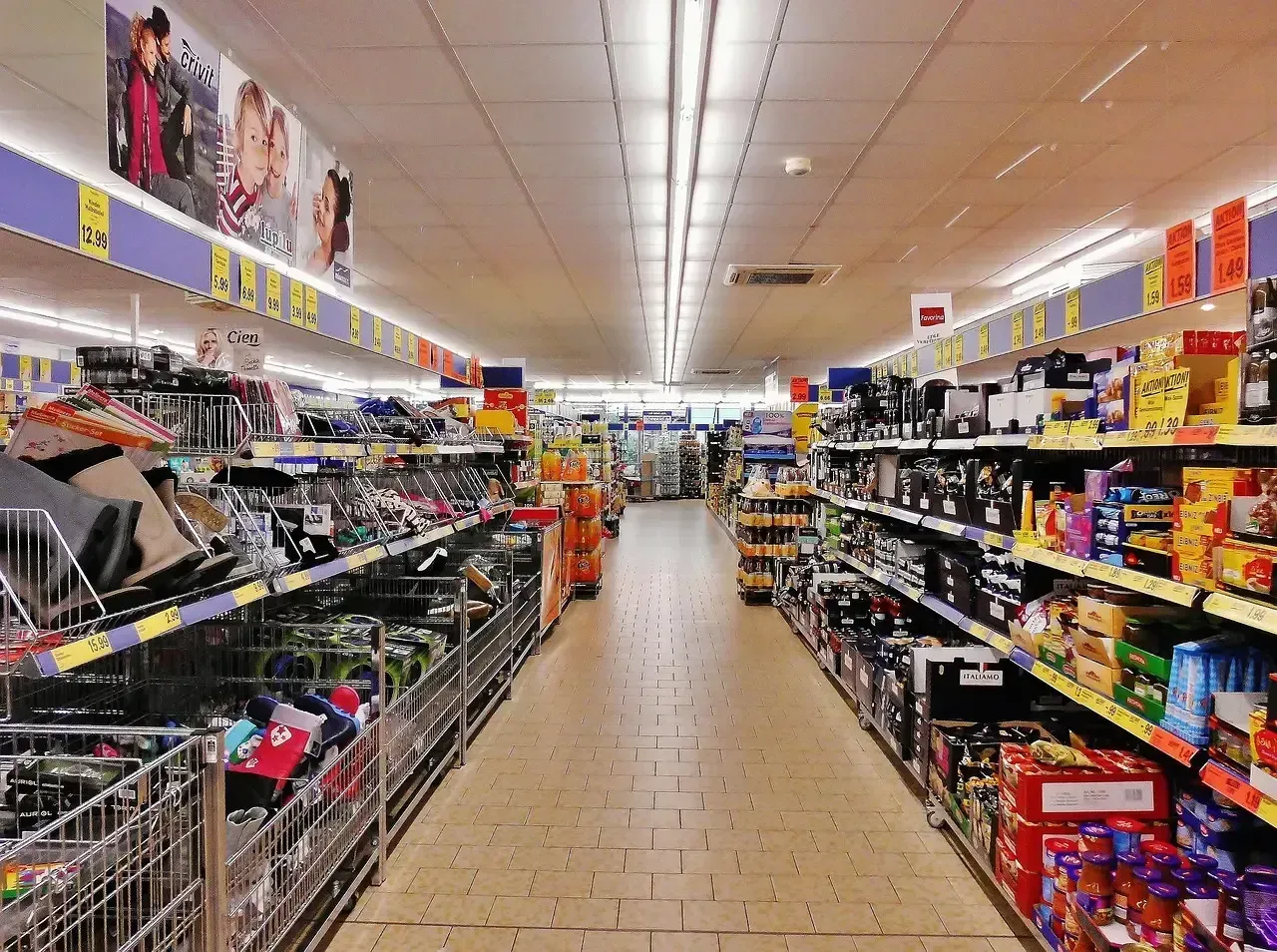
Cereal was optimally placed at a level identified to deliver the highest revenue generation, with the cereal business paying good money for that premium shelf space, all founded in research on consumer behavior using eye-tracking technology. Research shows people naturally look lower than eye level to somewhere between waist and chest level, making this grab-level space the most sought after and expensive retail space for consumer goods giants.
Former employees know which products are paying top dollar for prime placement. Eye level placement is crucial in supermarkets as it can greatly influence consumer purchasing decisions, with research showing that products placed at eye level are more likely to be noticed and purchased by shoppers, and eye level placement is often used for premium or high-profit items.
That cheaper store brand you’re looking for? It’s usually on the bottom shelf or top shelf where your eyes naturally skip over. Meanwhile, the expensive name brands sit perfectly positioned at your natural sightline, practically begging to be grabbed.
Store Brands Are Often Identical to Name Brands
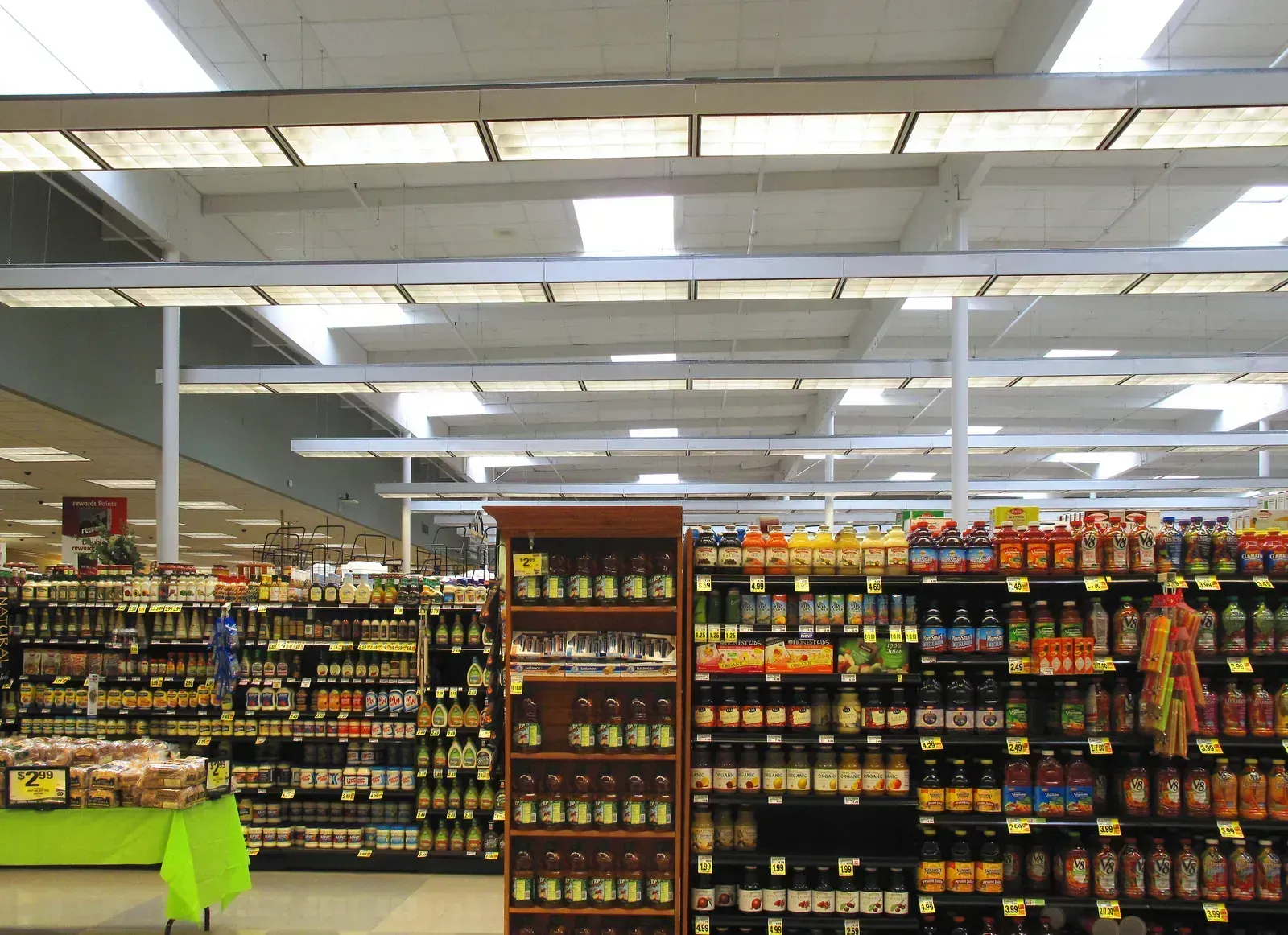
Let’s be real about something most people don’t know. Consumers have gotten clued in to the fact that many generic store-brand foods are actually made by the same companies that produce higher-priced name-brand products, coming out of the same factories with the same ingredients inside, with the only difference being the label, resulting in savings of 30% or so without sacrificing quality.
Store brands are often manufactured in the same facilities as their name-brand counterparts. Still other times, it’s the exact same product with a different label slapped on, and in these instances the store brand really is just as good as the name brand. Those who opt for the store brand save an average of 25% on their purchases according to Consumer Reports.
Consumer Reports sensory experts found that the store brand and name brand tied in 10 cases, the name brand won in eight cases, and the store brand won once, with more than 50% of store brands in blind taste tests matching or beating the quality of national brands in 2012. That pricey cereal box? Probably tastes just like the generic version sitting two shelves below it.
Massive Carts Are Designed to Make You Overspend
![Massive Carts Are Designed to Make You Overspend (Image Credits: [360/365] Private, CC BY-SA 2.0, https://commons.wikimedia.org/w/index.php?curid=34928584)](https://nvmwebsites-budwg5g9avh3epea.z03.azurefd.net/amagicalmess/37e10f61bfb60f36c716dc17519d5b8f.webp)
Many grocery stores have large carts, and some studies have shown that the larger the cart, the more we buy. A large trolley gives us psychological permission to cart more. It’s embarrassingly simple but devastatingly effective. You see that huge empty cart and your brain unconsciously thinks it needs filling.
There’s even more to this trick. A study appearing in the Journal of Marketing Research found that shoppers carrying a basket are more likely to fill it with unhealthy foods as an unconscious reward for the workout their arms are getting. So whether you’re pushing or carrying, they’ve got you figured out.
Smart shoppers who only need a few items should grab the smallest option available or even skip the cart entirely. Your wallet will thank you when you’re not trying to justify filling up all that empty space with stuff you didn’t come for.
Prices Ending in 99 Cents Mess With Your Brain

Consumers tend to process prices from left to right and the first digit they see has a greater impact on their perception than remaining digits, so by setting a price at $1.99 instead of $2.00, the left-digit effect makes the price appear significantly lower in the consumer’s mind even though the difference is just one cent.
This tactic is known as charm pricing and creates the perception of a better deal. Honestly, we all know that $4.99 is basically five bucks, yet our brains still fall for it every single time. Grocery stores aren’t using this pricing accidentally. They know exactly how your mind processes that first number you see.
The craziest part? Even when you’re aware of this trick, it still works on you. Your rational brain knows better, yet that emotional, quick-thinking part of your mind latches onto that lower leading digit and convinces you you’re getting a bargain.
Pre-Cut Produce Has an Outrageous Markup
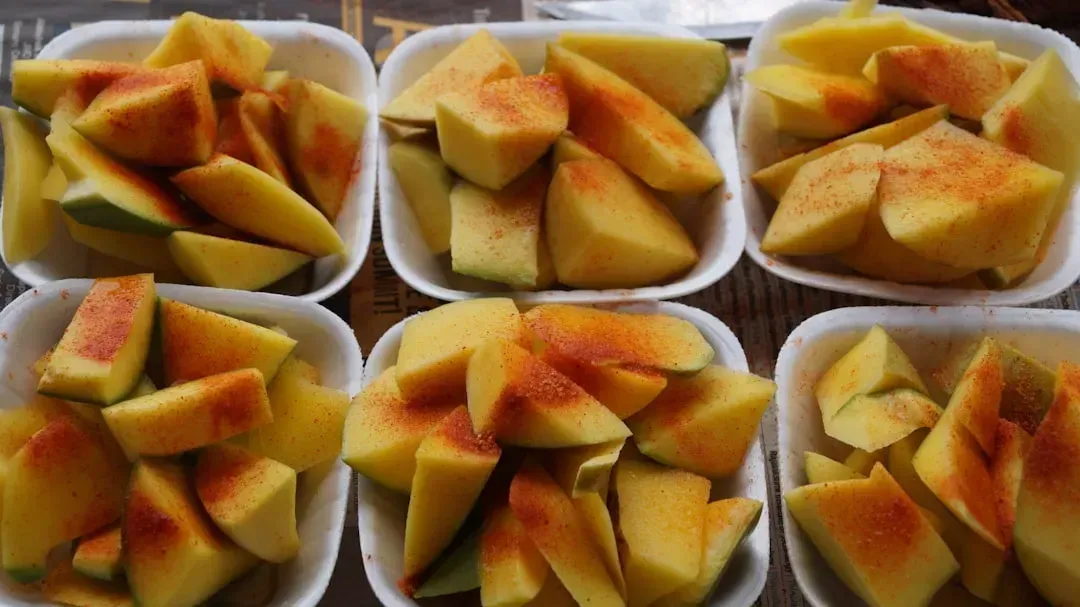
The markup on pre-cut produce is almost off the charts, with shoppers paying up to three times more for the convenience of pre-cut or pre-sliced fruits and vegetables than what they’d pay for those same fruits and vegetables in the produce section. The biggest retail markups in the produce aisle belong to bags of pre-cut fruits and vegetables, with shoppers paying about 75 cents more per apple for the luxury of not having to pick up a knife.
Former produce department workers know this is where stores make serious money off your laziness. A markup of up to 60 percent can be expected on any meat, chicken, or fish that has been cut up, chopped, cubed, or marinated. The same principle applies across the board for anything requiring human labor to prepare.
Grocery stores today can charge a much higher markup estimated at 50% to 75% on fruits and vegetables, with berries having an even higher markup as they are delicate and require careful handling. Those convenient veggie trays and fruit cups? Pure profit machines.
Checkout Lane Impulse Buys Generate Billions
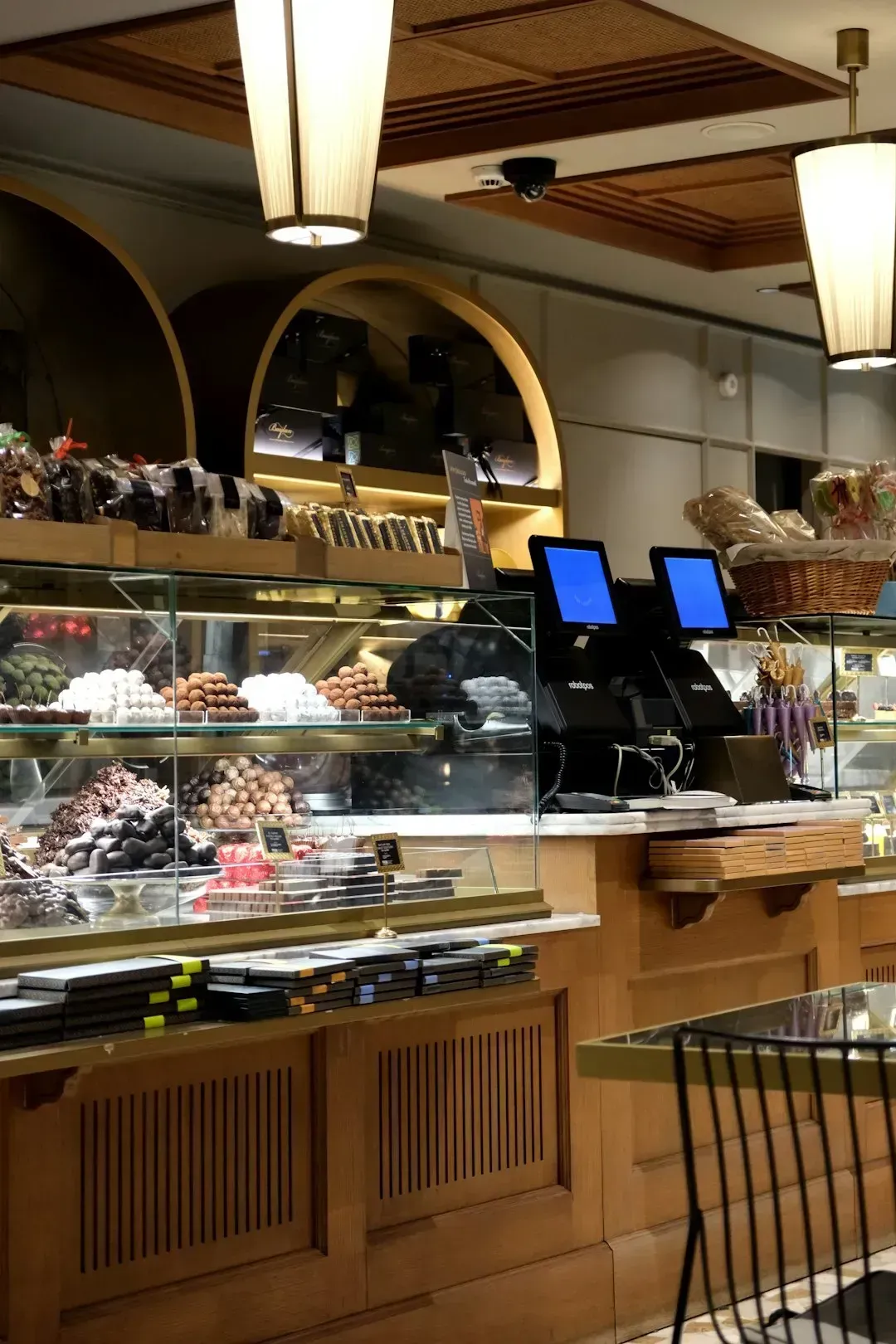
According to marketing research company IRi, Americans spent $6 billion in checkout purchases alone. That’s not a typo. Six billion dollars on candy bars, magazines, gum, and other random items you didn’t need but grabbed while waiting in line. The checkout lane is the final opportunity for supermarkets to influence consumer behavior.
Everything about that checkout zone is meticulously planned. Those coolers with cold drinks right next to the register? The candy at kid eye level? The magazines with shocking headlines? All strategically positioned for maximum impulse purchasing when your brain is tired from shopping and your guard is completely down.
Former cashiers will tell you they watch this happen hundreds of times per shift. People who carefully budgeted their entire shopping trip suddenly toss five extra items onto the belt in those final moments. It’s the grocery store’s last chance to get into your wallet, and they don’t waste it.
Rotating Products Around Confuses You Into Shopping Longer
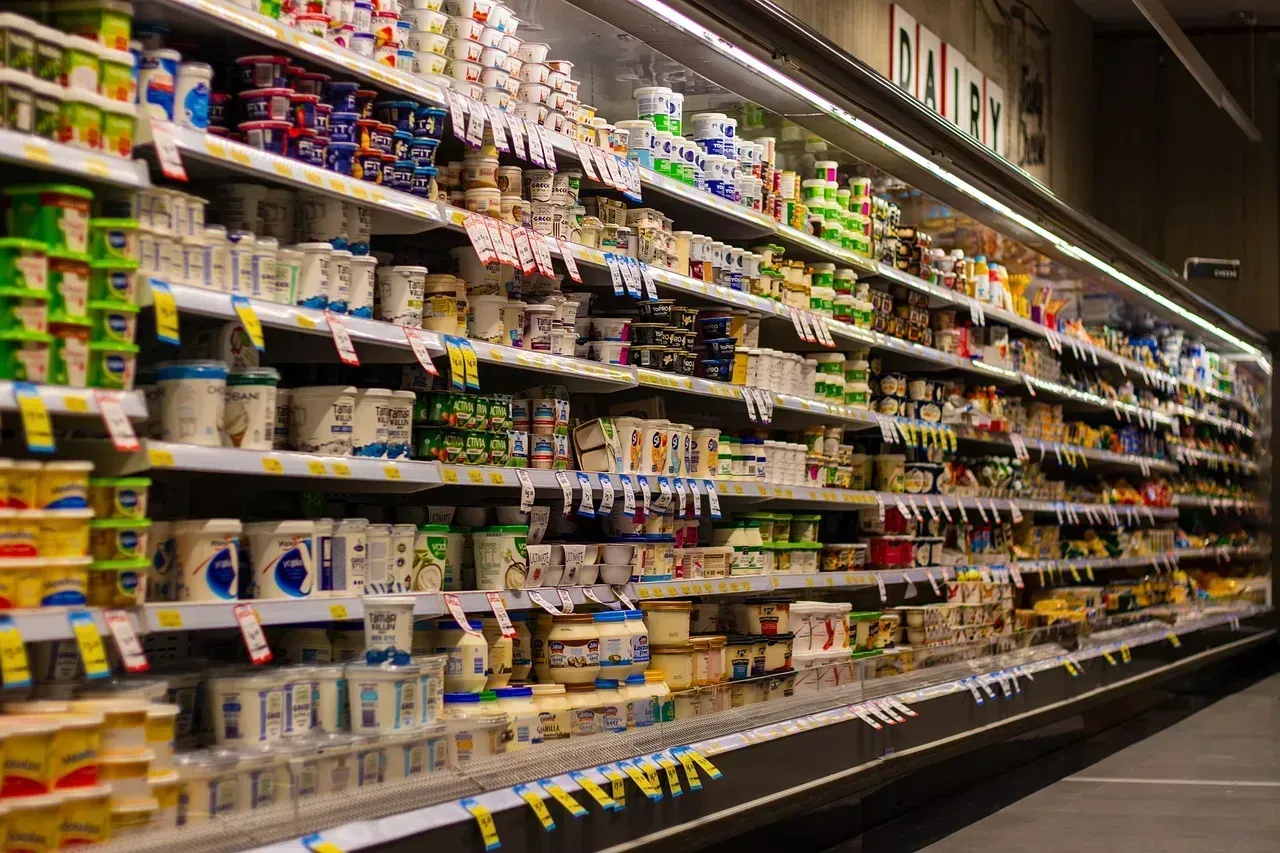
Ever notice your favorite brand suddenly moved to a completely different spot? Supermarkets move items around on purpose, and the answer is yes, with some things that don’t change such as having flowers, fruit, and vegetables at the entrance, but the milk, bread, eggs, and other staples are placed at the far corner.
Supermarkets don’t have one specific aisle containing all essential products because the whole process of meandering through product-filled middle aisles ensures the shopper maximizes their time in the market, and scientific research has shown that after a certain threshold of time spent in the store is met, decision-making becomes more emotional. The confusion is the point. They want you wandering, searching, and exposing yourself to more products.
Research shows if you can get a customer in for five or 10 minutes they spend more per minute than a customer who’s in for 30 minutes. That’s the fascinating paradox. Quick shoppers actually spend more per minute than people doing a full weekly shop, which is why stores manipulate you into either staying longer or coming back more frequently.