8 Popular OTC “Health Foods” Nutritionists Are Now Warning People to Avoid
Grocery stores are flooded with products marketed as healthy choices. Walking down the aisles, it’s easy to grab something that looks nutritious based on the packaging alone. Yet behind those wholesome claims, many so-called health foods hide troubling ingredients that can sabotage your wellness goals.
Nutritionists have started speaking out about certain everyday items that don’t quite live up to their virtuous reputations. From sneaky sugar bombs to heavily processed imposters, these foods often do more harm than good when consumed regularly.
Protein Bars Loaded With Sugar and Artificial Additives

Many protein bars sold today contain large amounts of ultra-processed ingredients, artificial sweeteners and added sugars. Despite promises of muscle-building benefits, some protein bars masquerade as “healthy,” despite containing the calories of a candy bar.
Erythritol, which has been linked to serious heart risk, appears as a common sweetener in numerous brands. Emulsifiers, such as polysorbates, carboxymethylcellulose, glyceryl, gums and carrageenan can damage the gut lining, cause inflammation, and increase gut permeability, leading to a condition commonly known as ‘leaky gut’. Honestly, reading some of these ingredient lists feels like studying chemistry rather than choosing a snack.
“The vast majority of protein powders, drinks and bars all have refined sources of protein (protein isolates) along with several food additives such as sweeteners and emulsifiers meaning they are all ultra-processed and may have a negative impact on the gut,” said a spokesperson for The Gut Health Doctor Clinic. Just a 10 percent increase in ultra-processed food could increase the risk of Type 2 diabetes by 15 percent, regardless of the person’s weight.
Flavored Yogurt With Hidden Sugar Content

Most fruit yogurts have about 26 grams of sugar while plain yogurts only have 8 grams- all of which are naturally occurring sugars from lactose. That difference is staggering when you consider daily recommendations.
The worst offenders had roughly 20 grams of sugar, which is also the sugar content in a Cadbury creme egg. Would you eat a chocolate egg for breakfast? The free-sugar content in flavored varieties is disconcerting with a typical serving size of the highest-sugar products contributing up to 4.4% of total energy intake per day, and those who frequently consume flavored milks and yogurts could be at increased risk of exceeding their recommended daily intake of sugar.
Yogurt starts as a healthy food choice but then turns into a sugar bomb when manufacturers add sweeteners and fruit on the bottom. Some brands pack more added sugar than a scoop of ice cream. The probiotic benefits you’re seeking get completely overshadowed by metabolic consequences.
Kombucha Drinks With Excessive Sugar Levels

Kombucha has been celebrated as a gut-health miracle drink, but the reality is more complicated. Kombucha can contain between 1 and 24 grams of sugar per serving, and drinking a serving of kombucha with 24 grams of added sugar is roughly half the recommended daily value for added sugar intake (based on a 2000-calorie diet).
Many kombucha drinks have a lot of added sugar, which helps to make them taste better. Too much sugar, however, can cause problems for people with diabetes. Added sugars may also increase diabetes, obesity, fatty liver, and heart disease risks. Let’s be real, that tangy fizz comes at a steep price.
While probiotics may support digestive health, they can’t mitigate the metabolic consequences of excessive sugar intake. So, while kombucha’s probiotic content is beneficial, it should not overshadow concerns regarding the high levels of sugar each bottle contains. Even brands marketed as health-conscious can pack surprising amounts of sweetener to mask the natural tartness.
Granola Bars Disguised as Nutritious Snacks
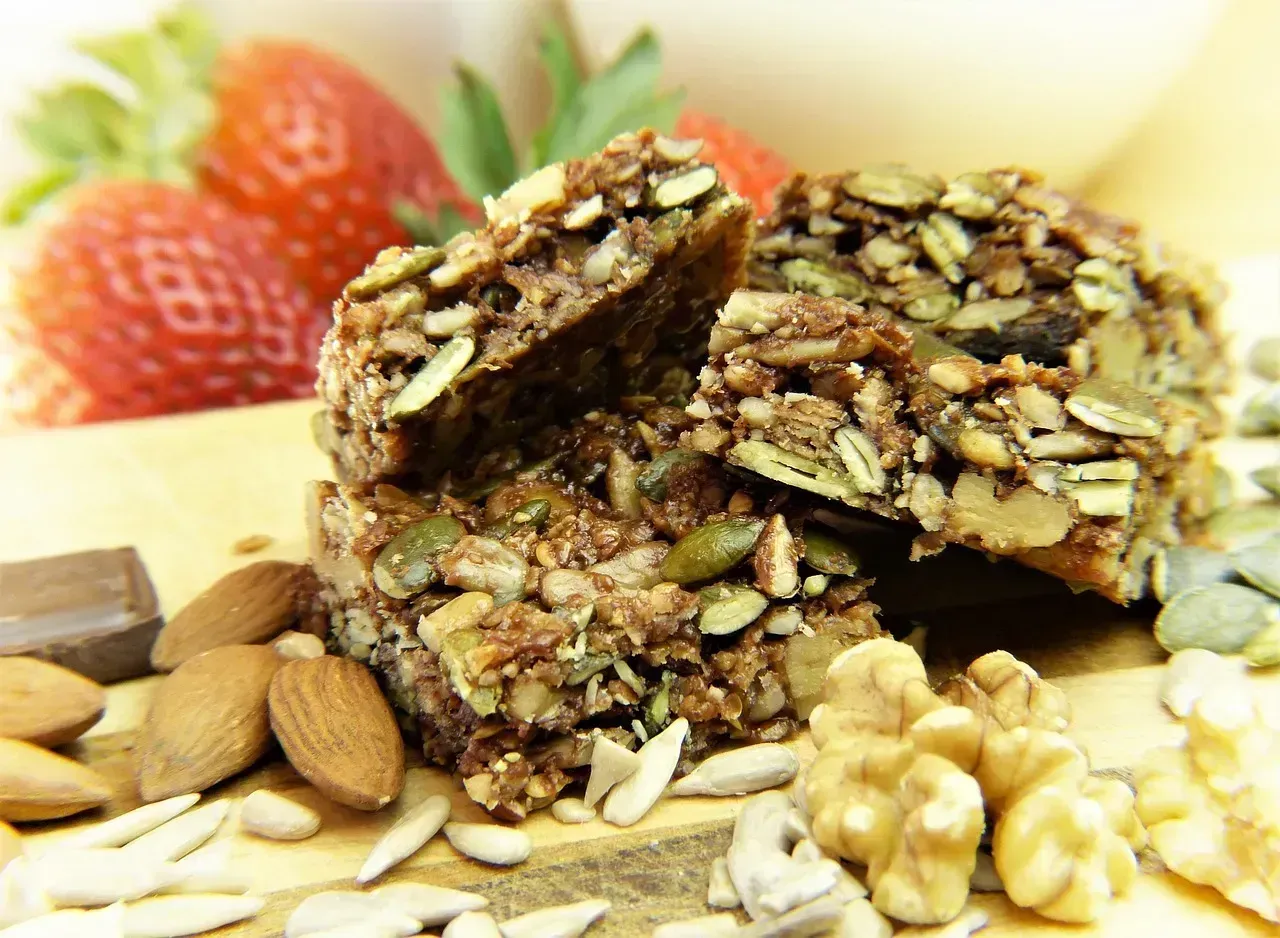
Granola bars are often considered a healthy snack, but despite these marketing claims, many are loaded with added sugar, calories, and artificial ingredients. For example, Kellogg’s Nutri-Grain Harvest granola bars can contain up to 15 grams of sugar per serving – mostly from added sugar.
“I’ve seen bars with as much as 25 grams of added sugar, which is ludicrous,” says Andy Bellatti, a registered dietitian and strategic director of Dietitians for Professional Integrity. Many popular bars have as much sugar as a cookie, often hiding under sneaky names like “brown rice syrup” or “tapioca syrup”.
The granola bar and cookies have similar amounts of total sugar when compared side by side in nutritional breakdowns. Parents tuck these into lunchboxes thinking they’re making healthy choices, but the truth stings. It’s essentially handing kids a dessert wrapped in wellness marketing.
Low-Fat and Nonfat Products With Added Sugars

The low-fat craze of past decades left us with products that compensate for flavor loss with sugar. Many nonfat yogurts may have a lot of added sugar. Manufacturers learned that removing fat makes food taste bland, so they dump in sweeteners to maintain palatability.
Research from recent dietary guidelines shows this pattern extends across categories. When fat gets stripped away, something has to replace it to keep consumers buying. Unfortunately, that replacement is often refined carbohydrates and added sugars that spike blood glucose levels rapidly.
Worry less about the fat content of yogurt and more about how much sugar is in your yogurt. Full-fat versions with minimal added ingredients frequently prove more nutritious than their fat-free counterparts. The pendulum has swung back toward recognizing that natural fats aren’t the villain they were once made out to be.
Commercially Produced Smoothies and Juices

Bottled smoothies appear virtuous with their fruit-forward branding and vitamin claims. Yet these beverages concentrate fruit sugars without the fiber that whole fruit provides, leading to rapid absorption and blood sugar spikes.
Many commercial smoothies contain fruit juice concentrates, added sweeteners, and minimal actual fruit. A single bottle can deliver the sugar equivalent of several pieces of fruit in liquid form, which your body processes differently than eating whole produce. The fiber in whole fruit slows digestion and helps regulate blood sugar response.
Even cold-pressed juices marketed as cleanses strip away beneficial fiber while concentrating natural sugars. Your body doesn’t distinguish between sugar from fruit juice and sugar from soda when it comes to metabolic impact. The absence of protein and fat means these drinks offer little satiety, leaving you hungry shortly after consumption.
Trail Mix With Candy and Chocolate Additions
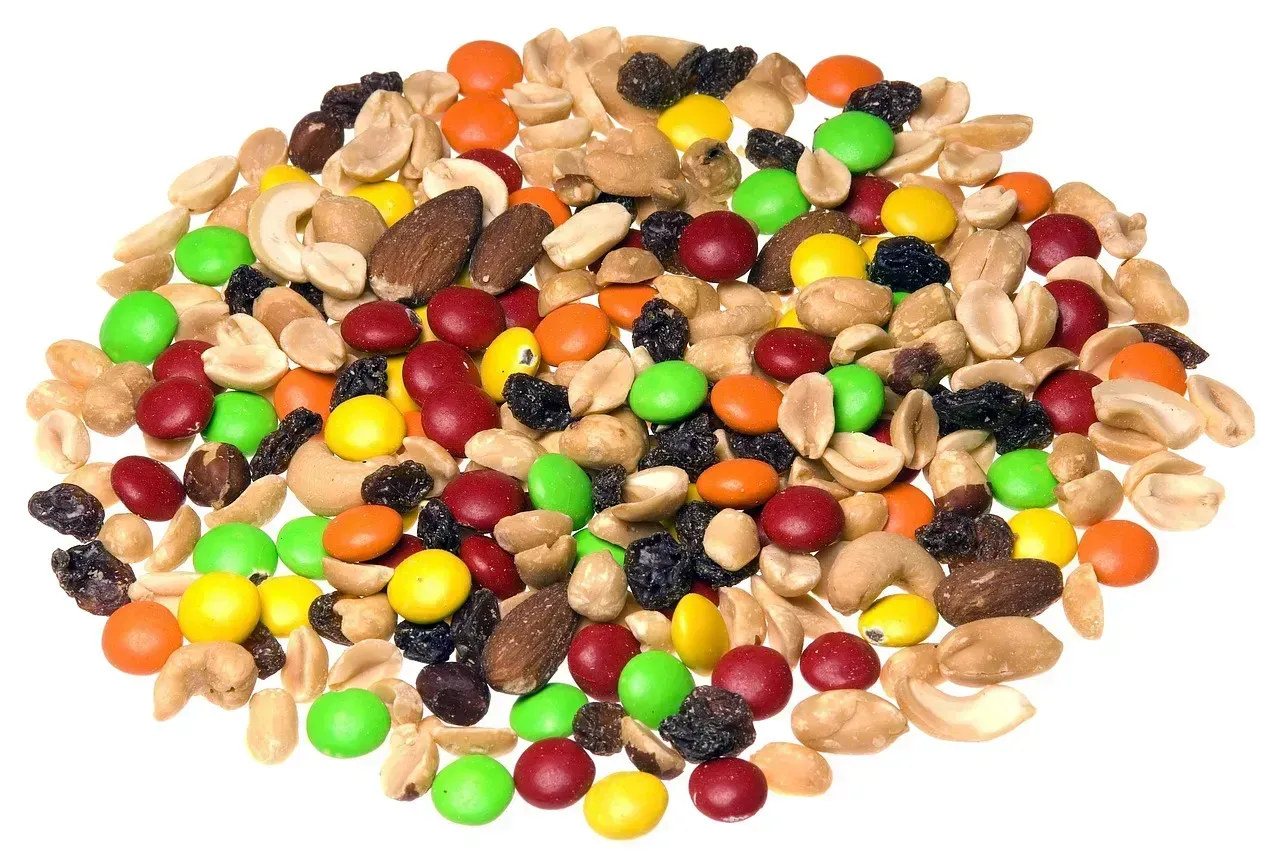
Traditional trail mix served hikers well with simple combinations of nuts, seeds, and dried fruit. Modern versions have morphed into candy assortments with chocolate chunks, yogurt-covered raisins, and sweetened pieces outnumbering nutritious components.
Added sugar can contribute to weight gain and elevated blood sugar, and trail mixes loaded with confectionery defeat the purpose of choosing a portable protein source. Many commercial varieties contain more sugar per serving than a candy bar.
The portion sizes listed on packages rarely reflect how much people actually eat. A handful quickly becomes several, and suddenly you’ve consumed hundreds of calories dominated by sugar and saturated fat. Making your own mix with raw nuts, seeds, and minimal unsweetened dried fruit offers dramatically better nutrition.
Instant Oatmeal Packets With Flavoring
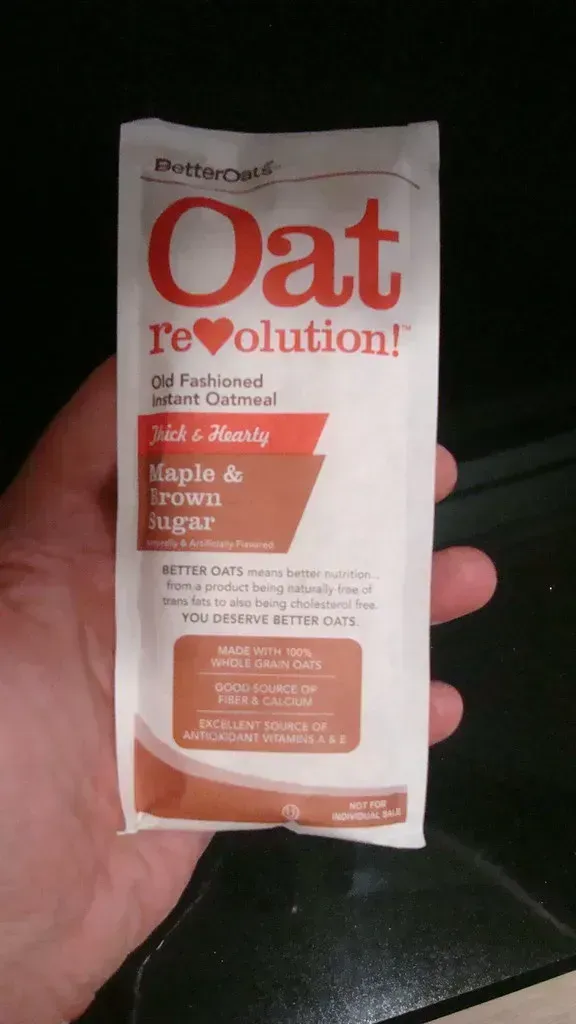
Plain oats are genuinely healthy, offering fiber and steady energy. Instant flavored packets tell a different story. These convenient sachets pack surprising amounts of added sugar, artificial flavors, and sodium to make up for the processed texture and bland taste of quick-cooking oats.
In granola bars, typical added sugars listed in the ingredients include sugar, corn syrup, brown rice syrup, honey, invert sugar, molasses, tapioca syrup, barley malt extract, fructose, and dextrose. The same sugar disguises appear in instant oatmeal varieties, particularly those marketed to children with cartoon characters.
A packet of maple brown sugar instant oatmeal can contain nearly as much sugar as a glazed donut. The processing also removes some of the beneficial fiber and nutrients found in steel-cut or rolled oats. Starting your day with this sets you up for energy crashes and cravings mid-morning. Preparing plain oats and adding your own toppings like fruit, nuts, or a small amount of honey gives you control over ingredients and nutrition.
These eight products prove that marketing rarely tells the whole story. Reading ingredient lists and nutrition labels remains the only reliable way to know what you’re actually eating. Sometimes the less processed option hiding on the bottom shelf offers far more genuine nourishment than the prominently displayed “health food” at eye level.
What surprised you most about these everyday products? The gap between perception and reality can be pretty eye-opening once you start looking closer.