The Inspector’s Quiet Truths: 11 Things Home Inspectors Can’t Say Out Loud
You’ve booked your home inspection, walked through the property with a clipboard-carrying professional, and nodded along as they pointed out problems you never would have spotted. They seem like they know everything, right? Here’s the thing: inspectors carry around a whole lot of unspoken truths they’re legally, ethically, or professionally prohibited from sharing with you. Some restrictions exist to protect you. Others protect them. Many just keep the real estate machine running smoothly. Let’s dive into what your inspector wishes they could tell you.
They Can’t Tell You What Repairs Will Cost

Professional contractors indicate that repair costs vary significantly based on material quality and local labor rates, and an inspector who isn’t actively working as a plumber or electrician isn’t qualified to provide accurate quotes. They see a cracked foundation or a failing furnace, yet they’re forbidden from attaching a dollar sign to the problem. This isn’t because they’re being cagey. Giving you a price estimate could spark disputes between buyers and sellers during negotiations, and it crosses into territory where they lack current licensing. The recommended approach is to take the inspector’s list of issues to a licensed specialist for accurate pricing, as the inspector identifies what’s wrong while the contractor provides the bill. If an inspector whispers a “ballpark figure” off the record, take it with caution.
Your Report Is Confidential and Belongs Only to You

Many buyers don’t realize that the inspection report belongs exclusively to whoever paid for it, and real estate lawyers confirm that inspectors are legally and morally required to keep results confidential. Without your explicit permission, they can’t hand the document to the seller, the seller’s agent, or future buyers. This confidentiality protects your negotiating power, allowing you to decide how to present a significant issue like a ten-thousand-dollar roof problem to the seller. It’s a privacy shield that can save you thousands if you play your cards right. The inspector works for you alone.
They’re Restricted From Estimating How Long Systems Will Last

When buyers ask how many years an old furnace has left, inspectors rarely provide a timeline because they can’t see internal wear on heat exchangers or external corrosion on pipes, making any estimate speculation that could expose them to lawsuits if the system fails unexpectedly. Think about it. Weather patterns, maintenance history, and usage vary wildly. Professional contractors note that these factors determine system longevity, and a few-hour inspection doesn’t provide enough data for reliable predictions, leading inspectors to use vague language like “near the end of its useful life” to signal buyers should budget for replacement soon. The inspector isn’t dodging your question. They’re dodging a lawsuit.
Hazardous Materials Require Specialized Testing They Can’t Perform
For older properties, buyers often want to know about lead-based paint or asbestos in popcorn ceilings, but real estate agents recommend that anyone purchasing homes built before 1978 contact an environmental testing company, as not addressing harmful chemicals is an industry practice to avoid major insurance claims rather than confirmation the home is “clean”. Home inspectors aren’t scientists. Mold, lead, asbestos, and radon have very clear processes to establish presence at unsafe levels, and while inspectors may speculate based on a home’s age, style, or location, they should encourage environmental testing. Relying on a visual once-over for toxic substances is dangerous. Get the lab involved.
They Can’t Legally Comment on Property Value
Inspectors cannot provide any opinion about the price you’re paying for a home or tell buyers if it’s “worth it,” as trained real estate appraisers determine property value in its current condition. Even if your inspector thinks you’re overpaying for a house with serious structural issues, their lips are sealed. This restriction maintains inspection objectivity, as home inspectors are trained to assess property condition rather than evaluate market worth. It’s frustrating when you want a straight answer, honestly. You’re paying them for expertise, yet they’re not allowed to tell you the most practical thing: whether this deal makes financial sense. That’s the appraiser’s domain, not theirs.
Building Code Violations Are Outside Their Jurisdiction
There are hundreds of building codes per state and even more local and federal codes, and home inspectors aren’t required to know any of them, even though they often do, making this a case where trying to sound knowledgeable could land them in trouble. Only government officials can determine code compliance and issue fines. These officials are rarely involved in real estate transactions, which explains why most homes are bought and sold despite having minor building code violations. Inspectors can mention something looks odd or unsafe, yet they can’t tell you it violates Section 302.4 of the building code. They walk a fine line between being helpful and staying in their lane.
Wood-Destroying Insects and Pests Need Separate Inspections
Pest control professionals note that wood-destroying organisms can hide deep within structural beams where regular inspections don’t reach, and in many areas lenders require a separate legal document called a Wood Destroying Insect report filled out by a trained pest professional. Your home inspector might spot a mousetrap during their walkthrough, but they won’t tell you how extensive the infestation is. The absence of comments about bugs in the inspection report doesn’t mean the house is clear, and professionals recommend always getting a separate pest check alongside the general home inspection. Skipping this specialized service can mean discovering termite damage after you’ve already signed the mortgage.
They Cannot Condemn a House or Declare It Uninhabitable
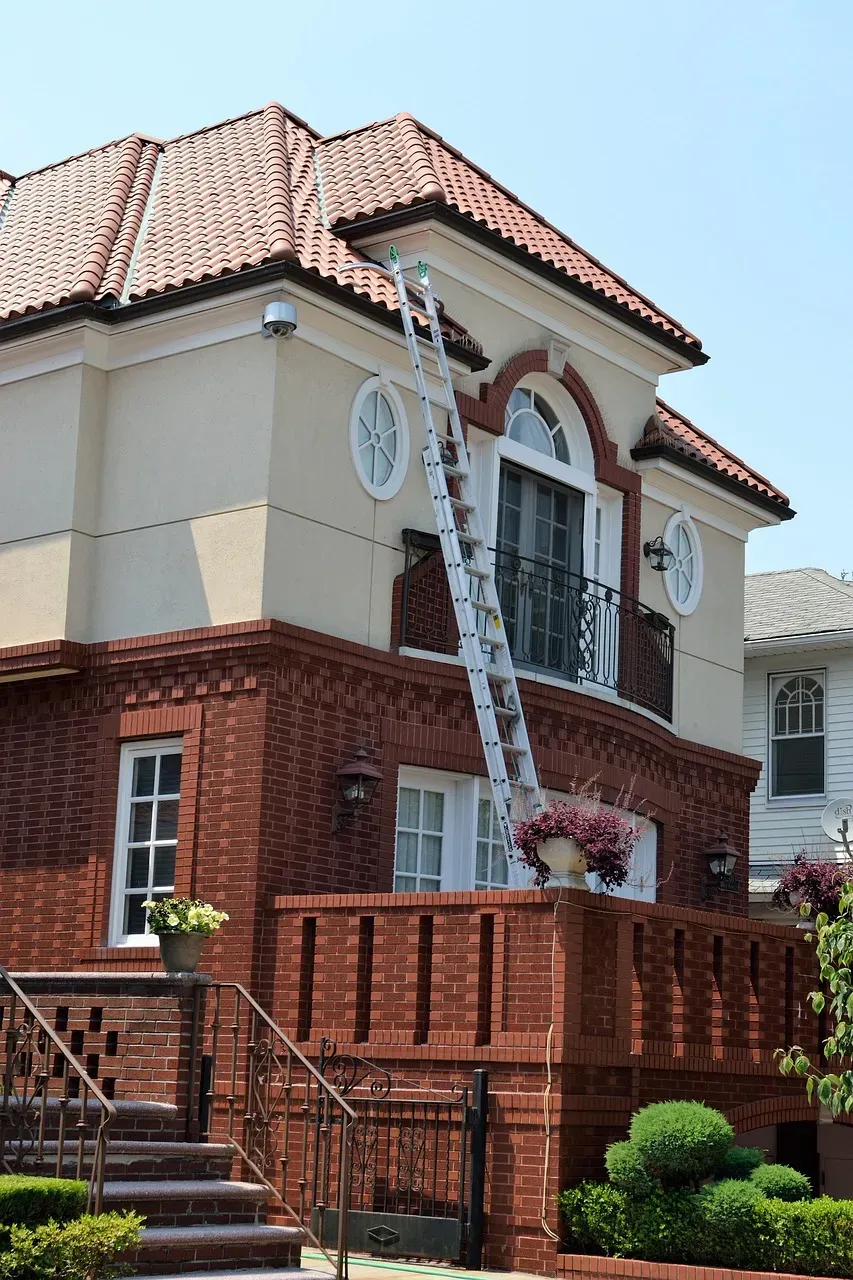
It isn’t legal for inspectors to condemn a house or judge whether it’s “livable,” as only a “condemning authority” such as a building inspector employed by the city has that legal right, with condemnation falling under federal, state, or local government jurisdiction. Even if they encounter a property that’s falling apart, their job is to document defects, not shut the place down. On the flip side, home inspectors also can’t issue a certificate of occupancy, as that’s the role of the city, state, or federal government. They’re observers and reporters, not judges.
Their Liability Is Often Limited to the Inspection Fee

Home inspection contracts commonly include a “Limitation of Liability Clause,” allowing inspectors to avoid legal liability for negligence and restrict their responsibility to reimbursing only the inspection fee if an issue goes undetected. Let’s be real here. If they miss a twenty-thousand-dollar foundation crack, you might only recover the few hundred dollars you paid for the inspection itself. Typically, a home inspector’s liability tops out at the cost of the inspection, meaning if your inspector overlooks a major issue, you could be out thousands. To protect yourself, choose an inspector who carries “Errors and Omissions” coverage, as these policies go beyond basic liability insurance and offer some protection if the inspector overlooks damaged roofs or failing furnaces.
Inspection Waivers Are Costing the Industry Millions
The National Association of Home Builders reports that between 19 and 30 percent of buyers waived their home inspection contingencies, translating to approximately seven hundred million dollars in lost revenue nationally and an average annual revenue loss of thirty thousand dollars per inspection firm. Inspectors won’t tell you this directly, but the pressure from real estate agents to skip inspections in competitive markets has hammered their profession. In New York, Jetty reported that in 2024 there were 264 fewer licensed home inspectors than two years earlier, nearly a 10 percent decrease. It’s hard to know for sure, but many inspectors see waived inspections as terrible for buyers’ financial safety and long-term home security.
They Can’t Offer to Fix What They Find

InterNACHI’s Code of Ethics states that members shall not perform or offer to perform, for an additional fee, any repairs or associated services to a structure for which they or their company prepared a home inspection report for a period of 12 months. Even if your inspector has a contractor’s license and the skills to patch that leaky roof, ethics codes from major associations prohibit soliciting repair work based on their own findings. Inspectors should not offer repair services for issues they identify to avoid conflicts of interest, and the American Society of Home Inspectors forbids its members from doing so. It might seem like it would save you time, yet this rule protects you from inspectors who’d be tempted to inflate problems just to land a lucrative repair contract.
What They Really Think About Your Dream Home
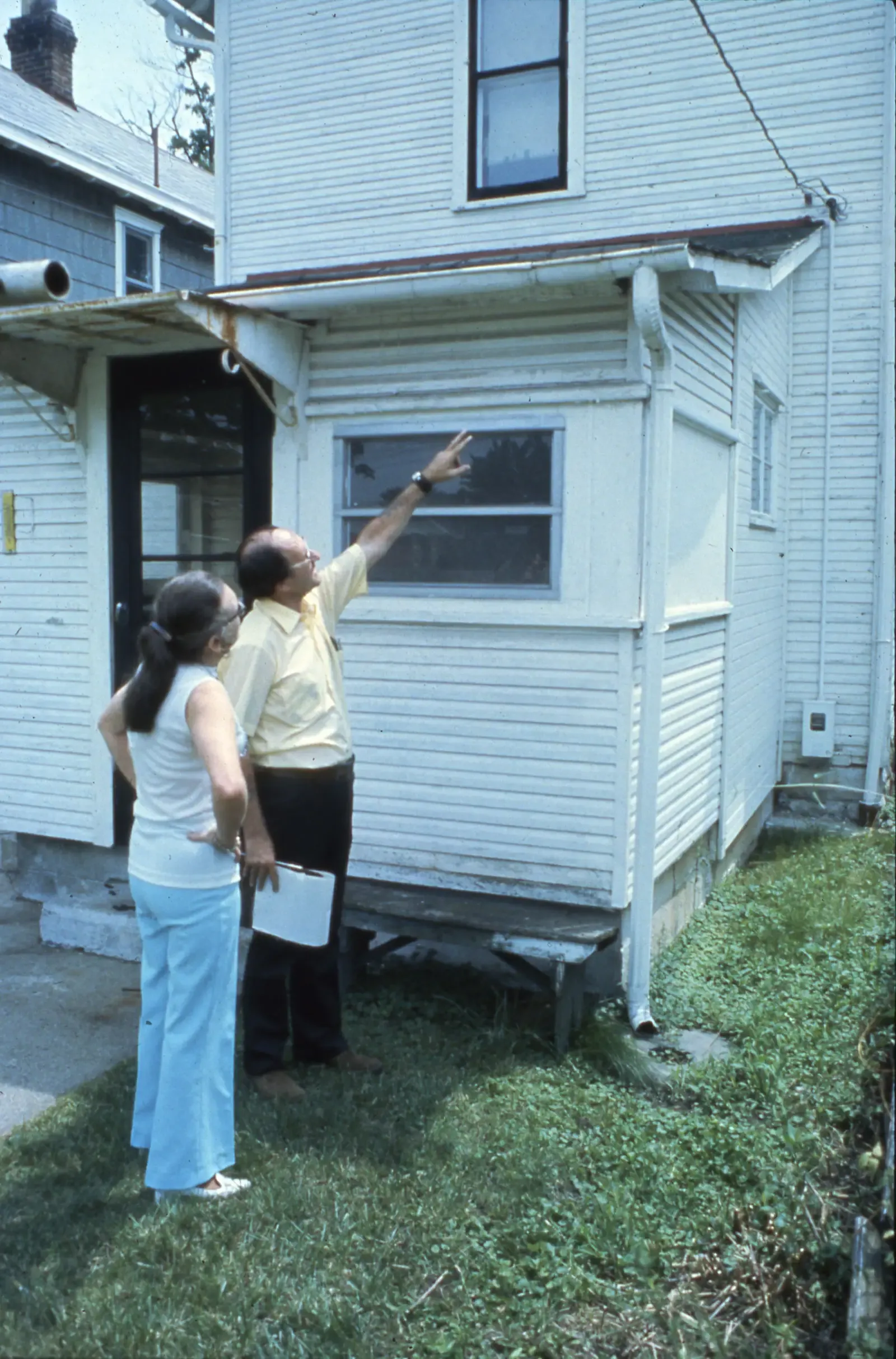
After spending hours examining every corner of a property, inspectors develop strong opinions about whether a house is a solid investment or a money pit waiting to happen. They can’t flat-out tell you to walk away or jump on the deal, though. Their job is to present facts, not feelings. Still, between the lines of those reports, experienced buyers learn to read the signals. When an inspector uses phrases like “recommend further evaluation by a specialist” multiple times or notes that “immediate attention is required,” they’re waving red flags as vigorously as professional ethics allow. Trust me, if they could speak freely, some would save buyers from disastrous purchases. Others would reassure nervous first-timers that the minor issues are truly no big deal. The truth lives in what they document, not what they say over coffee afterward.
Home inspections remain an essential part of the buying process, even with all these restrictions. The global home inspection market shows a Compound Annual Growth Rate of 4.7 percent expected to reach $24.3 billion by 2026, and the global residential home inspection market is expected to reach $100 billion by 2029, growing at a CAGR of 7.5 percent from 2023 to 2029. Those numbers tell you inspectors aren’t going anywhere. They serve a critical function, even if they can’t tell you everything they’re thinking. Understanding these limitations helps you ask better questions, hire specialists when needed, and make smarter decisions about the biggest purchase of your life. What surprised you most about what inspectors can’t say?