Pro Cleaners Warn: These 5 Things Can Make a Home Feel Unsafe Instantly
You walk into a house and something just feels off. Maybe you can’t put your finger on it right away, but there’s this nagging sense that the space isn’t quite right. Professional cleaners who’ve worked in thousands of homes have developed an uncanny ability to spot the red flags that most of us overlook. These aren’t just aesthetic issues or minor inconveniences. They’re legitimate safety concerns that can transform a comfortable living space into a health hazard. Let’s be real, most of us don’t think about these things until something goes wrong, but the truth is that prevention is always easier than dealing with the fallout.
Excessive Clutter Creates Trip Hazards and Fire Risks
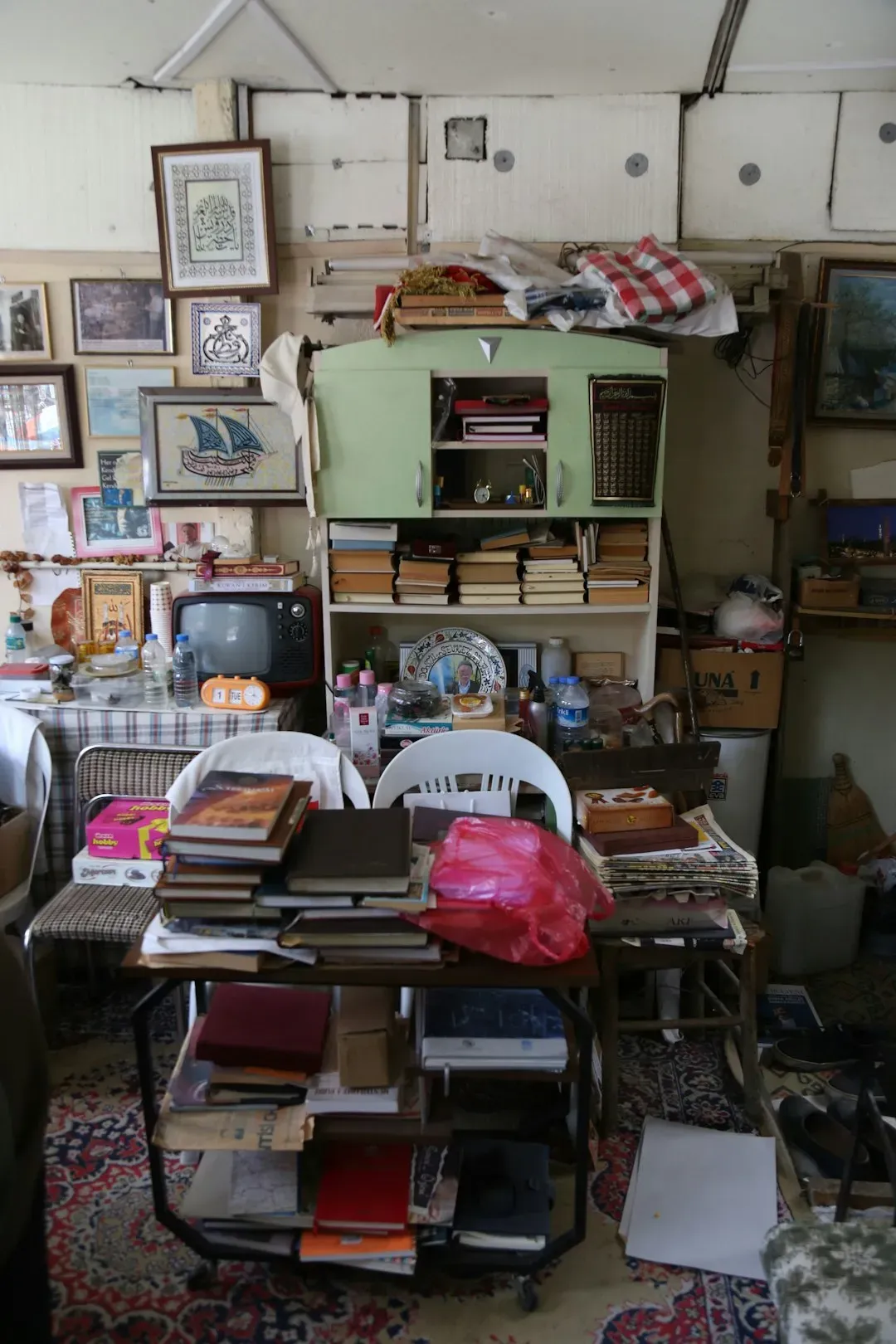
Clutter increases the risk of falls and accidents, especially in the elderly, by 30%, according to recent safety studies. Professional cleaners know that stacks of boxes, piles of magazines, and random objects scattered across floors create immediate danger zones. The average American home contains approximately 300,000 items, which honestly sounds crazy but makes sense when you think about it.
Statistics reveal that 6 in 10 falls happen at home, often involving stairs, bedrooms, and bathrooms. What’s particularly alarming is that clutter doesn’t just create tripping hazards. If you’ve gone overboard on papers and other flammable items, your home can be a fire hazard, making it harder to get out in time if your pathways and exits are blocked, and firefighters will also have a harder time putting out the blaze.
In addition to fall risk, 28% of participants indicated having at least one health hazard in the home (e.g., mold, insect infestation) in one study of cluttered households. The thing is, clutter creates hiding places for pests and prevents proper cleaning of surfaces where bacteria can multiply. Safe storage solutions for clutter can reduce household accidents by 15%, proving that organizing isn’t just about aesthetics.
Mold Growth Signals Dangerous Indoor Air Quality
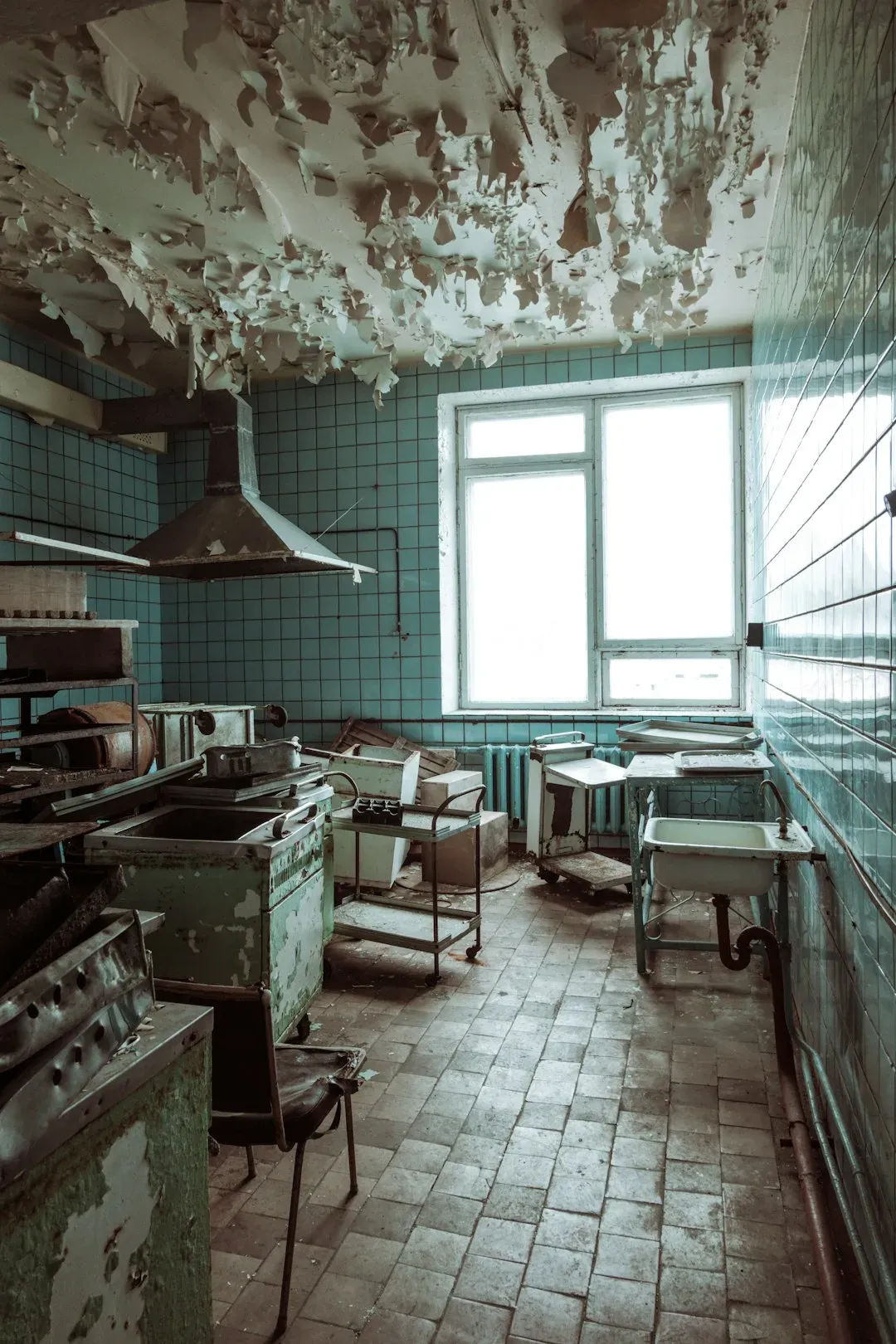
Here’s the thing about mold: it’s not always visible, yet it can make you seriously sick. Mold contributes to 4.6 million U.S. asthma cases annually, which is a staggering number. Professional cleaners often detect mold by smell before they actually see it, and they know that any musty odor is a warning sign that shouldn’t be ignored.
The most important effects are increased prevalences of respiratory symptoms, allergies and asthma as well as perturbation of the immunological system according to WHO guidelines on dampness and mold. Molds produce allergens and irritants, and inhaling or touching mold or mold spores may cause allergic reactions in sensitive individuals, with symptoms including sneezing, runny nose, red eyes, and skin rash.
The problem goes deeper than just allergies. Removing mold from a home can reduce asthma symptoms by 25% to 45%. Cleaners emphasize that mold growth after water damage or in persistently damp areas like bathrooms and basements creates an unsafe environment that requires immediate professional remediation, not just surface cleaning.
Poor Lighting Hides Hazards and Increases Accident Risk
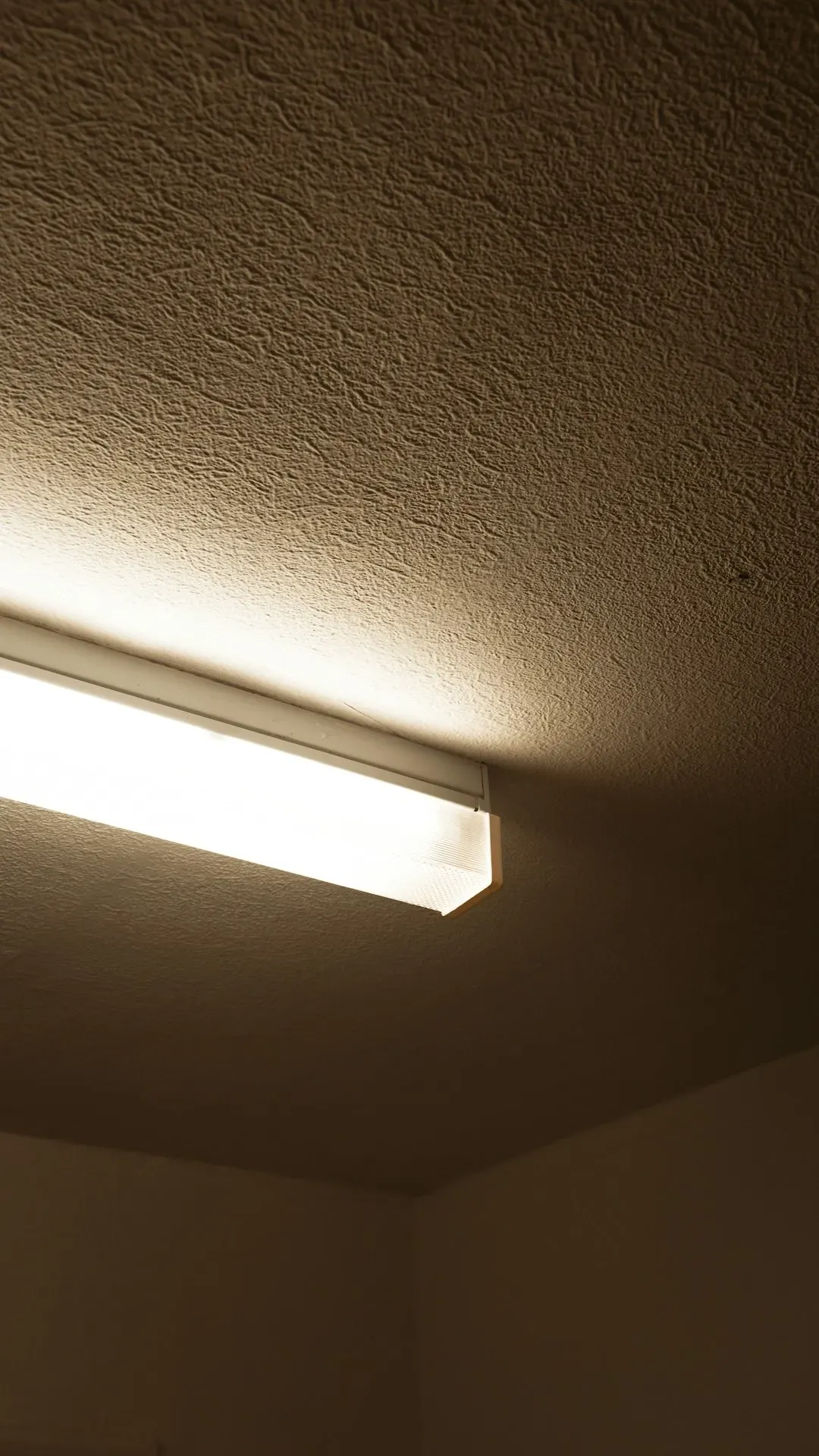
Inadequate lighting makes it difficult to see potential hazards such as uneven surfaces, obstacles, or wet floors, and when people cannot clearly see where they are walking, the chances of slipping or tripping significantly increase. Professional cleaners working in dimly lit homes report feeling unsafe themselves, which should tell you something important.
Research backs up their concerns. Each 10-fold increase in room lighting was associated with 35% fewer falls in that home region according to a study of adults with visual impairment. The recommended minimum lighting levels set by the Illuminating Engineering Society of North America is generally around 30 footcandles (323 lux), and home regions least likely to be at this level of lighting included the hallway, bedroom and stairs.
Hazards in the home, including clutter, poor lighting, and lack of supports such as grab bars, can cause falls. It’s hard to say for sure, but inadequate lighting might be one of the most overlooked safety issues in homes. Dim or uneven lighting hides hazards, and when people can’t see where they’re stepping, they are more likely to trip or lose their balance.
Filthy Carpets Harbor Bacteria and Allergens
Most people think their carpets are reasonably clean if they vacuum regularly. Professional cleaners know better. Commercial carpeting can hold up to 200,000 bacteria per square inch of carpet, which is far more than what is on most toilet seats. Yes, you read that correctly. Your carpet is potentially dirtier than a toilet seat.
Carpets and rugs may trap pollutants and allergens like dust mites, pet dander, cockroach allergens, particle pollution, lead, mold spores, pesticides, dirt and dust, while toxic gases in the air can stick to small particles that settle into carpets. Bacterial contaminants, including E. coli, Salmonella and Campylobacter may survive in carpet fibers for weeks and be a source of infection to the building occupants.
Dirty carpets laden with allergens, bacteria, or toxins can cause skin rashes, respiratory infections, and even digestive issues in young children, as their developing immune systems make them less equipped to handle these contaminants compared to adults. Children are more likely to be exposed to pollution in carpets and rugs as they spend time playing on the floor and place their hands in their mouths.
Improper Use of Cleaning Chemicals Creates Toxic Environments
Ironically, trying to create a clean home can actually make it unsafe if you’re not careful about the products you use. Cleaning products often include surfactants, acids/bases, carcinogens such as chloroform, and endocrine-disrupting chemicals, such as cyclosiloxanes, phthalates, and synthetic fragrances, which may cause harmful health effects among professional cleaners as well as among people exposed at home or in their workplaces.
Occupational exposure to cleaning and disinfectant products has been linked to an increased risk of asthma and rhinitis, while residential exposure to cleaning products has been shown to have an adverse effect on respiratory health, particularly on asthma onset. Professional cleaners have seen countless homes where multiple chemical products are stored improperly, mixed together, or used in poorly ventilated spaces.
These tools can be very harmful and cause significant cleaning hazards for janitors, especially if they stay in this line of work for a significant amount of time and work in poorly ventilated areas, as fumes from cleaners can be toxic when inhaled. The lesson here is that more cleaning products don’t equal a safer or cleaner home. Sometimes less is more, especially when you’re dealing with powerful chemicals that can create respiratory hazards.
What would you have guessed about your own home before reading this? The professionals who clean for a living develop keen instincts about safety because they see so many different environments. These five warning signs represent serious health and safety concerns that go far beyond simple cleanliness. Addressing clutter, mold, lighting, carpet contamination, and chemical hazards can dramatically improve both the safety and livability of any home. The good news is that all of these issues are fixable with some attention and effort.